
How Unilateral Regulation Templates Prevent Somatic Offloading Under Stress
Unilateral templates treat human proximity as vigilance work, blocking somatic offloading and forcing the nervous system to bear allostatic strain alone.
Stance
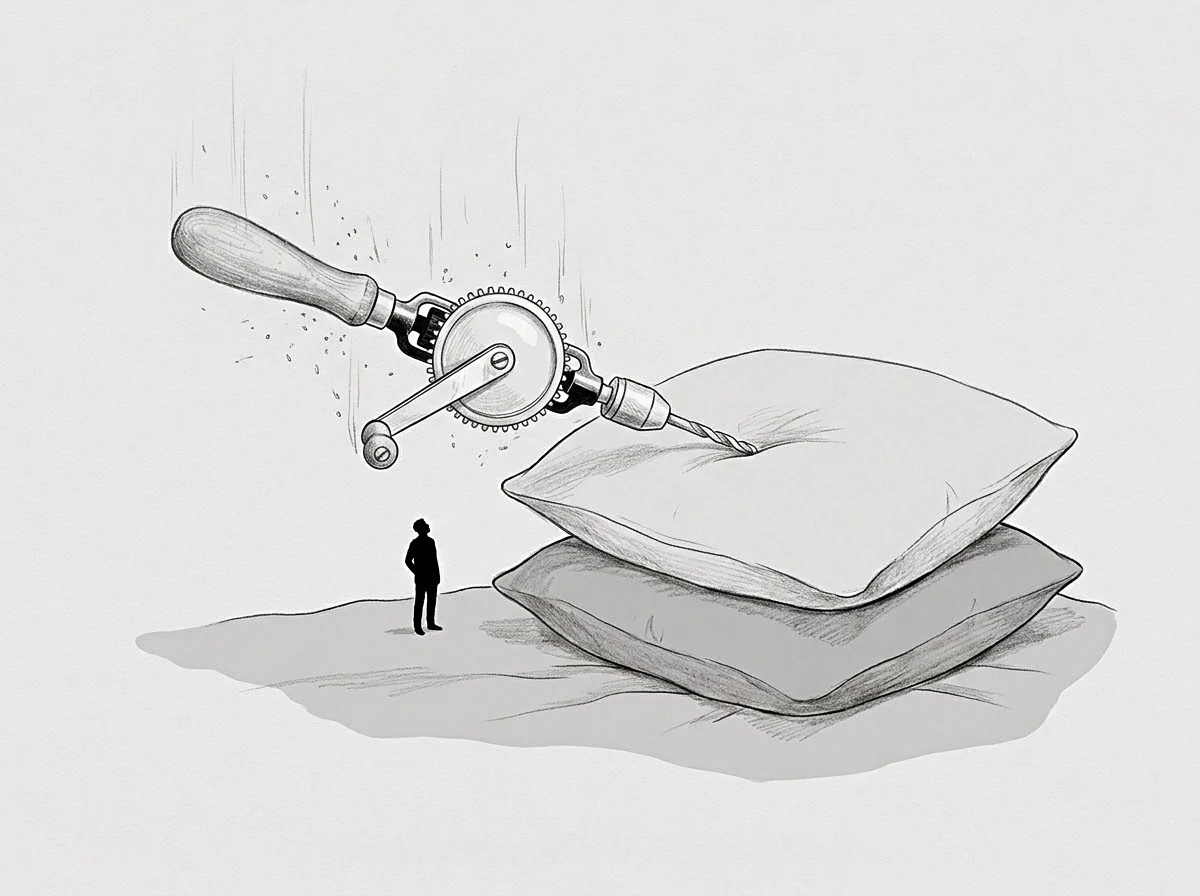
A co-founder walks into the office late in the evening and sits in the spare chair, intending to offer company. The gesture is warm, yet the physical presence registers as an incoming demand rather than an anchor. The jaw stays locked.
Breath remains shallow in the upper chest. The body treats the arrival of another human being as an operational surface that requires stabilization rather than a counterweight that absorbs weight. Solitary vigilance continues uninterrupted behind a composed face.
This physiological reaction marks the operation of a unilateral regulation template. Early relational environments often train an individual to stabilize unstable elders or peers while hiding personal distress. The resulting neural wiring couples relational proximity with active monitoring.
The social environment never represents a low-effort baseline. It represents a continuous field of liability.
A nervous system conditioned to hold stability for others treats human proximity as vigilance work rather than metabolic rest.
When panic strikes a project, the founder with this template tightens muscular tone and projects deliberate stillness. Colleagues draw near to absorb the steadying aura. The room borrows stability freely.
The operator absorbs the impact alone. Observers misread this somatic immobility as resilience, assuming the composed leader experiences minimal strain. The internal biological reality is acute sympathetic activation without an outlet.
The visitor across the desk watches the calm posture, misinterprets the stillness as complete self-sufficiency, and mentions that everything looks under control.
Circuit
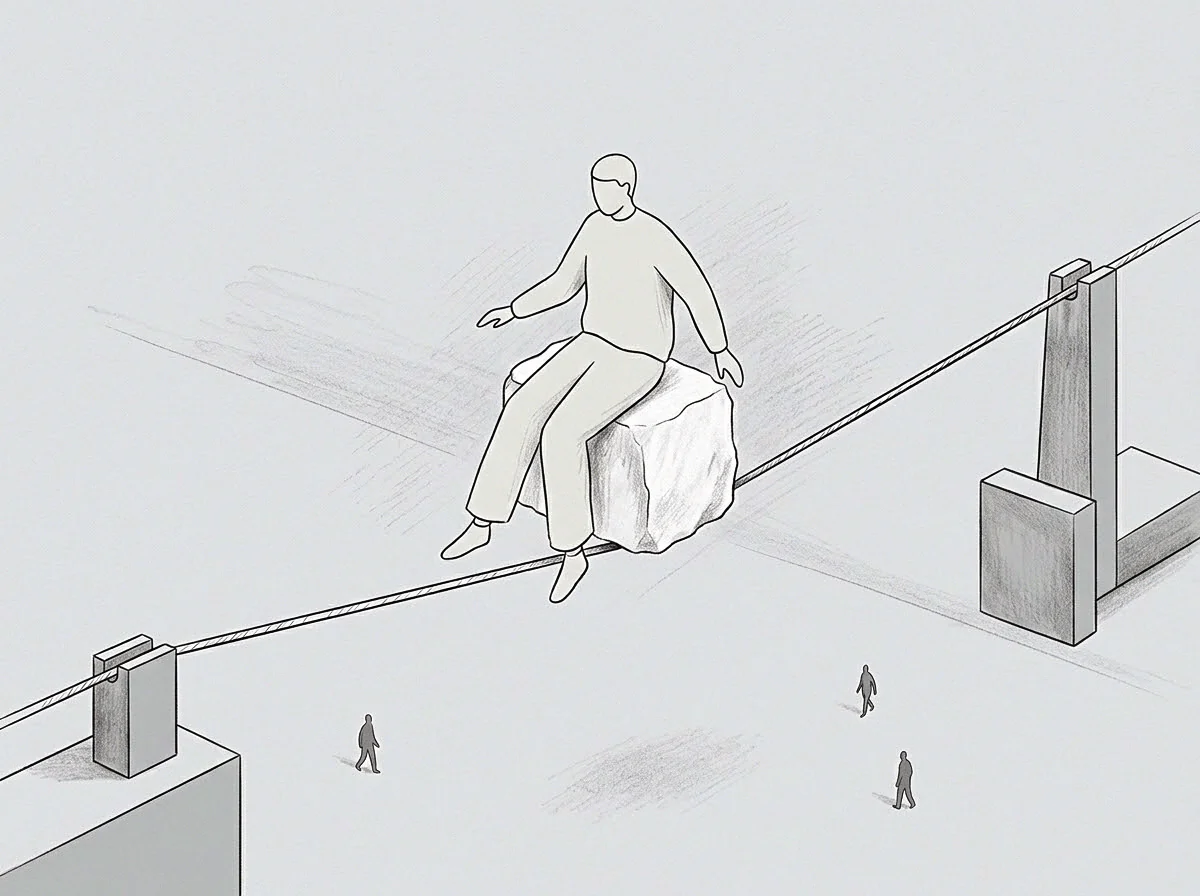
Human bodies evolved to distribute biological expenditure across trusted companions. Under social baseline theory, the mammalian brain treats proximity to predictable conspecifics as the default, low-cost operational state. When a familiar person sits nearby, the brain automatically budgets fewer resources toward environmental scanning, threat detection, and motor readiness.
Neural load distributes across the group, lowering baseline heart rate and dampening adrenal output.
Neural Budgeting and Threat Attenuation
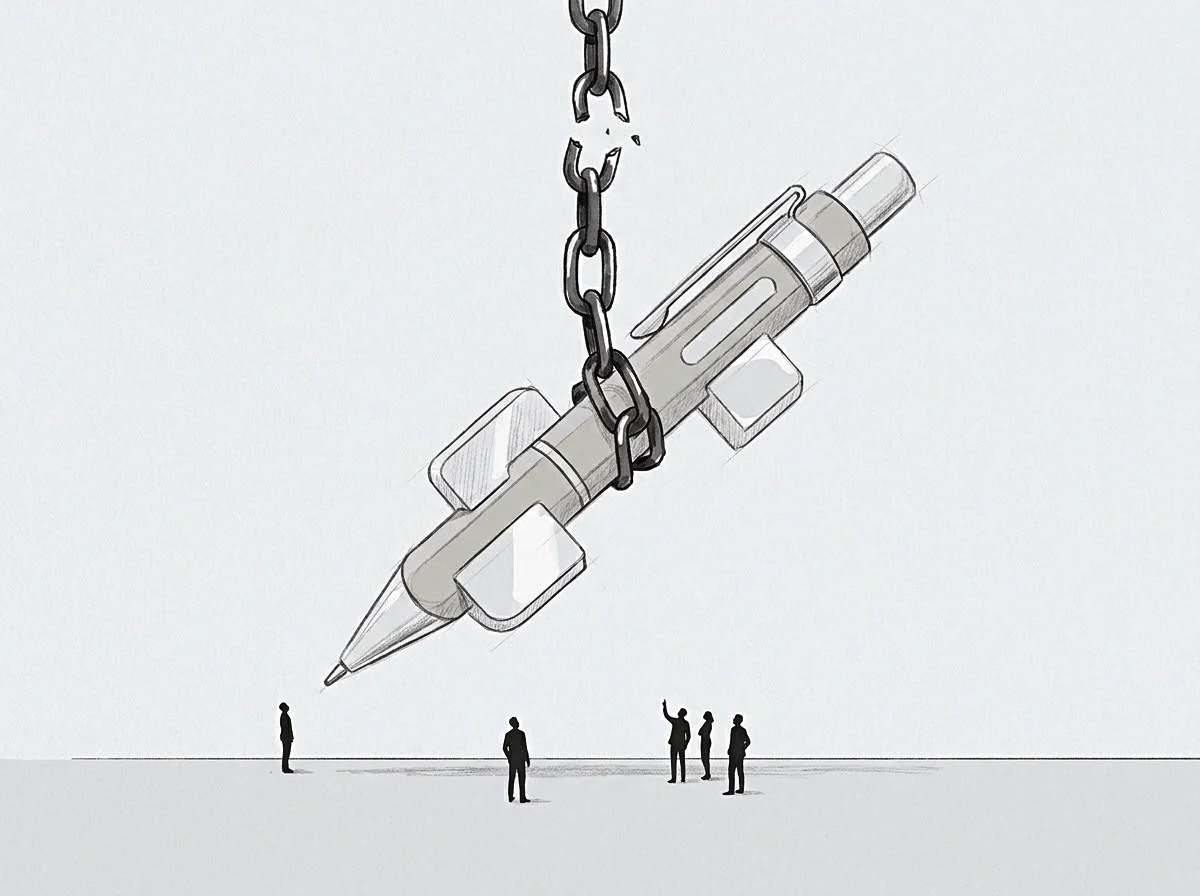
Controlled fMRI experiments measuring dorsal anterior cingulate cortex and anterior insula activity during threat exposure demonstrate this load reduction directly. When participants hold the hand of a trusted partner while anticipating a mild electric shock, neural threat signaling drops significantly compared to facing the threat alone. This established finding rests on cohorts with normative relational histories.
The baseline assumption of metabolic relief breaks down when the person holding the hand is evaluated as an unpredictable dependent or an added obligation. In such arrangements, the handhold increases neural vigilance instead of lowering somatic arousal.
A unilateral template fundamentally alters this neural calculation. The brain does not treat the social environment as an economy of shared offloading. It treats the environment as an isolated circuit.
Because the nervous system lacks an internal representation of a responsive other capable of bearing weight, it keeps the somatic burden entirely within its own biological boundaries.
Somatic offloading requires a functioning receptive slot that registers another person as a viable metabolic sink.
The Reversal of Proximal Relief
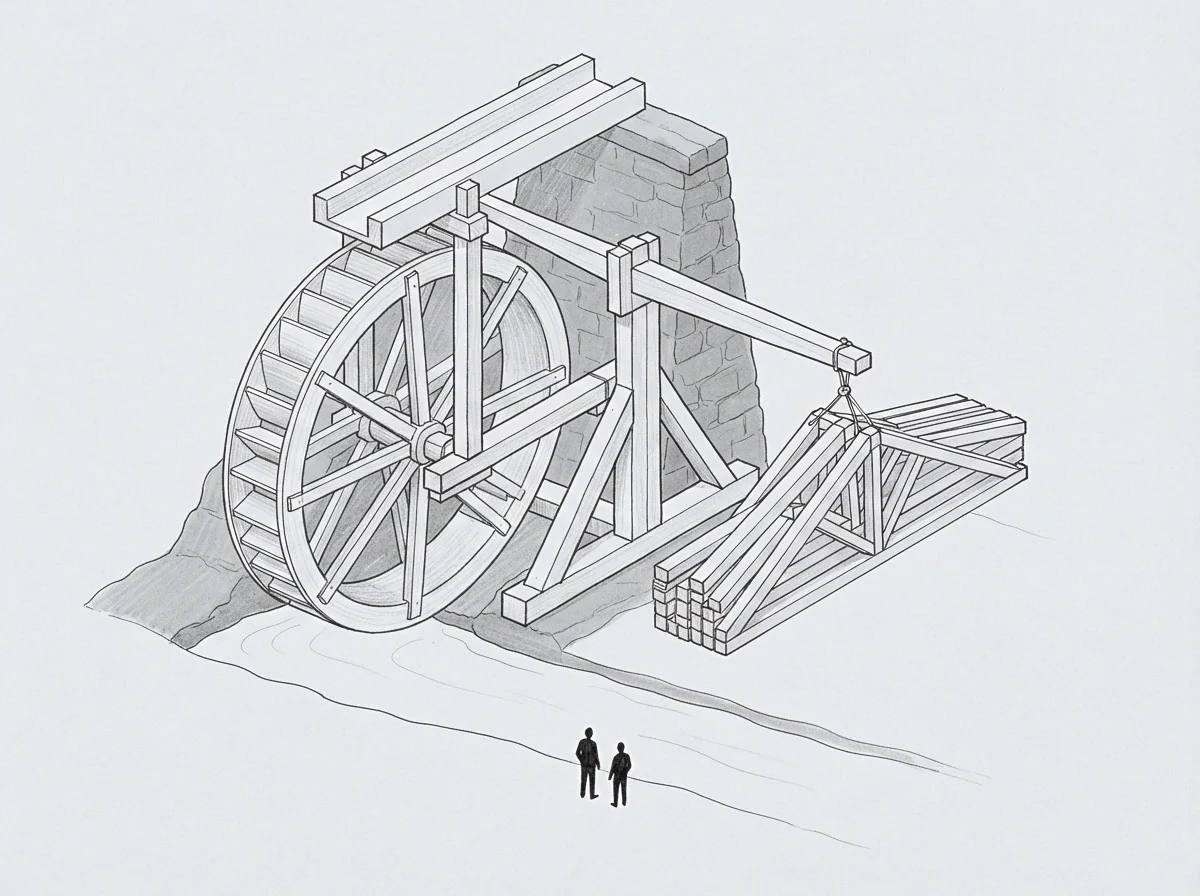
Physical proximity to colleagues produces a paradoxical spike in physiological strain for someone operating under a unilateral pattern. The autonomic nervous system activates specific regulatory defenses instead of resting. The progression unfolds through distinct, observable phases:
- Affiliative cue inversion occurs when warm gestures, offers of assistance, or casual check-ins register subconsciously as administrative interruptions that require active management.
- Sympathetic hyper-arousal sustains elevated peripheral vascular resistance and high tonic skin conductance even during calm strategic discussions.
- Vagal brake suppression blocks parasympathetic deceleration, keeping the heart rate pinned above resting baseline while seated in quiet rooms.
- Somatic containment locks tension into the cervical spine, diaphragm, and masseter muscles to suppress visible markers of distress from leaking into the room.
The presence of other bodies increases metabolic expenditure. The operator pays for the steadiness of the room by burning personal metabolic fuel. Respiratory sinus arrhythmia studies show that healthy co-regulation relies on bidirectional autonomic attunement.
When an operator internalizes a strict obligation to manage external affect, parasympathetic recovery ceases. The vagal brake remains disengaged. What remains open is the question of whether sustained neural vigilance permanently alters autonomic set points or resets once the immediate relational demands subside.
Beam
Prolonged operational crises expose the structural cost of solitary baseline maintenance. A founder who cannot somatically offload threat onto partners carries compound allostatic load. The body absorbs every variance in cash flow, team friction, and competitive pressure without distributing a single micro-strain across the cap table or executive team.
Accumulated Allostatic Load
High-voltage electrical networks distribute surges across regional substations to prevent local transformer fires, yet isolated industrial circuits that lack reciprocal shunt lines melt their own wiring under sustained input. Human biology obeys identical constraints. Glucocorticoids remain elevated when peripheral threats never transfer to the wider group.
The biological debt compounds daily.
Solitary regulation under stress systematically alters internal physiology. When autonomic down-regulation cannot occur through social contact, the body turns to compensatory solitary mechanisms:
- Hyper-cortisolemia damages hippocampal volume, impairing memory retrieval during critical negotiations and board presentations.
- Inflammatory signaling accelerates as elevated circulating cytokines cross the blood-brain barrier, producing persistent mental exhaustion.
- Micro-arousal fragmentation disrupts slow-wave sleep architecture, leaving the body physically fatigued despite eight hours in bed.
- Interoceptive blunting numbs internal visceral feedback, preventing the individual from recognizing extreme physical depletion until systemic illness forces a shutdown.
An isolated regulator proven under load attracts external volume until somatic exhaustion terminates the arrangement.
Structural Failure Under Extended Duty
Partners and employees naturally gravitate toward the unshakeable operator. People attach to a stable person’s state because proximity to stability lowers their own regulatory expenditure. The founder acts as a free biological shock absorber for the enterprise.
Team members leave difficult conversations feeling calm, grounded, and focused. The founder leaves those same conversations with tightened intercostal muscles and an elevated resting pulse. The asymmetry remains entirely unacknowledged.
Strength under prolonged operational threat acts as a magnet for additional load. Team members who perceive an executive as unflappable route harder problems, fiercer disputes, and deeper emotional volatility directly to their desk. The unilateral regulator accepts each incoming parcel without protest, lacking the somatic vocabulary to push back.
The physiology bears the full weight. Neglecting to interrupt this compounding dynamic leads directly to sudden visceral collapse, clinical exhaustion, and total executive withdrawal.
Relay
Comparing reciprocal somatic systems against solitary holding structures clarifies why certain bodies break while appearing composed. The distinction does not live in outward attitude, intellectual stamina, or strategic skill. It lives in autonomic mechanics and the biological routing of distress.
Mechanics of the Physiological Divide
The difference between bilateral co-regulation and unilateral containment involves distinct metabolic pathways across everyday business pressures. The autonomic nervous system routes environmental stressors through radically divergent physiological channels depending on the active internal template.
| Dimension | Reciprocal Regulation System | Unilateral Regulation System |
|---|---|---|
| Vagal Tone Modulation | Dynamic brake release allows rapid recovery after interpersonal confrontation | Chronic brake suppression holds cardiac output high to maintain alert posture |
| Threat Distribution | Somatic signs of panic transfer partially to trusted peers through open disclosure | Somatic distress stays sealed within personal viscera to avoid alarming peers |
| Proximity Response | Heart rate slows and muscular tension drops when co-founders sit in the room | Muscular tension climbs as presence signals added coordination duty |
| Allostatic Distribution | Shared vigilance halves metabolic expenditure during existential corporate threats | Solitary vigilance doubles energy expenditure to steady self and observers |
| Input Processing | Direct offers of practical help trigger immediate neuroendocrine relief | Direct offers of help trigger suspicion, guilt, or urgent performance pressure |
The reciprocal operator uses the room as a physical heat sink. During a sudden cash shortfall, two reciprocal partners talk through projections while breathing in tandem. Mirror neurons and postural resonance permit mutual biological stabilization.
Both leave the room fatigued, yet neither body absorbed the crisis alone. The load was shared across two nervous systems.
The unilateral operator undergoes an opposite experience. In that same cash emergency, the presence of a co-founder prompts an immediate internal lockdown. The operator monitors the partner’s facial expressions, preemptively downplays the severity of the deficit to preserve team morale, and controls every vocal inflection.
The template rejects incoming regulation. The template treats receiving calm as a dangerous relinquishment of operational control.
True co-regulation functions only when an individual possesses the internal infrastructure to surrender unilateral environmental control.
A written agreement that explicitly distributes operational liability fails to protect executive health unless accompanied by active somatic offloading during crisis meetings.
Repair
Modifying an established regulatory style takes repeated somatic events rather than cognitive realization. Reading textbooks on attachment models or understanding social baseline theory changes nothing at the level of the vagus nerve. The body changes its baseline predictions only when actual physical exposure contradicts the long-standing template without catastrophe.
Earned Security Through Calibrated Contact
The path toward earned security requires building a secondary template from the ground up. This begins by locating a low-demand human presence. The counterparty must be someone who seeks neither stability nor intervention from the operator.
It can be an experienced non-executive advisor, a seasoned clinician, or a secure peer founder who carries no operational stake in the business. The nervous system requires repeated proof that sitting in proximity to another human being does not trigger an administrative tax.
The desk cannot fully defend whether solitary autonomic training, such as breathwork and cold exposure, can unilaterally rewire a relational template, or whether the update strictly demands human presence. Evidence on isolated nervous system conditioning remains divided. Under this uncertainty, the prudent operator defaults to small, low-stakes physical exposure where no verbal performance takes place.
Sitting quietly in a room with a peer while working on separate laptops without conversational obligations offers a low-demand starting point. The nervous system begins to experience human proximity without vigilance.
The receptor slot opens gradually. The founder notices the urge to steady an awkward silence, and deliberately leaves the silence unfilled. The jaw remains unclenched for three minutes while someone else speaks.
The body carries the full tally of early relational history, yet it remains plastic. Small, repeated experiences of leaning back into physical presence slowly update the biological budget, allowing allostatic strain to discharge naturally across the social field.
Drop the duty to manage the room before looking for proof that the room will hold.