
Structural Mechanisms For Transitioning Organizations From Unilateral Executive Buffering To Distributed Resilient Accountability
Transitioning from unilateral buffering to distributed accountability requires hard governance latches that force local teams to absorb operational variance directly.
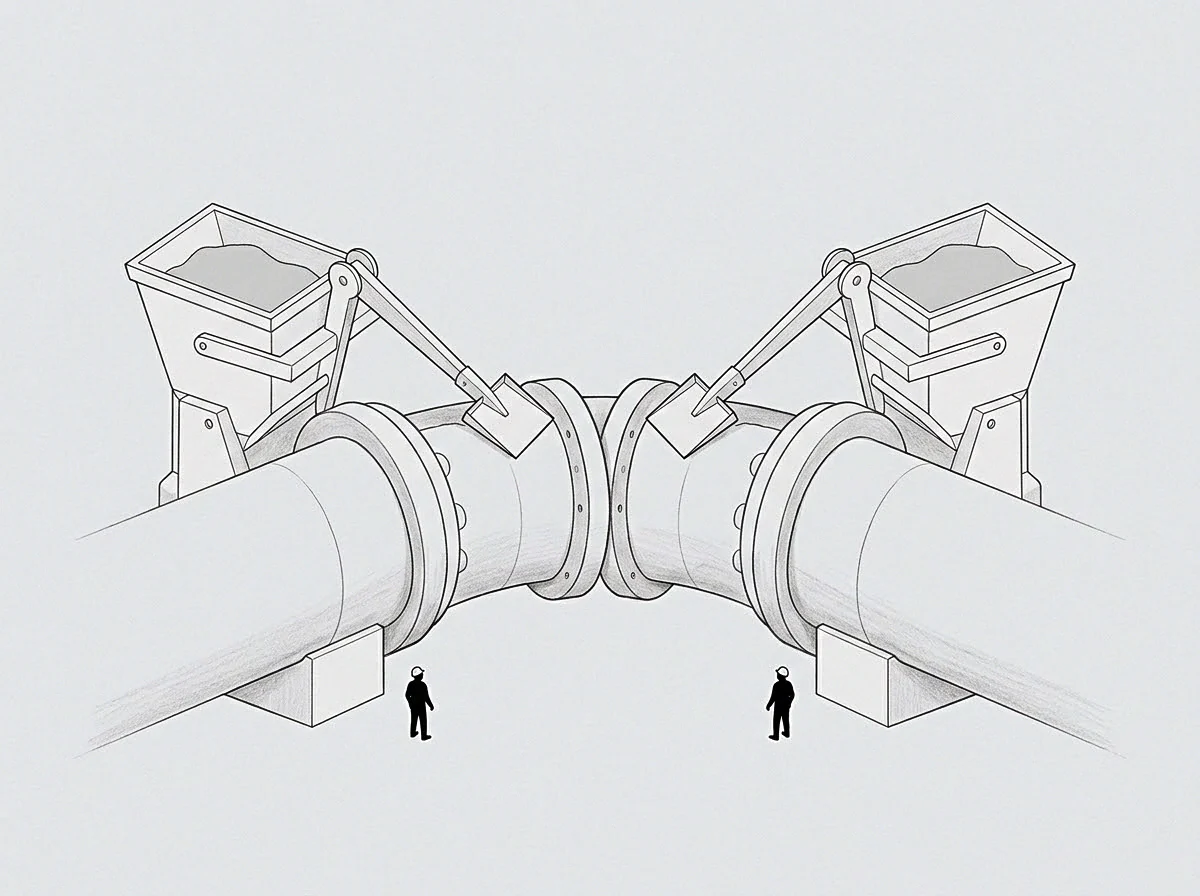
Buffer
Late at night, an executive sitting alone handles four distinct operational crises across separate messaging channels. Silence across the rest of the company indicates that staff members remain unaware of these incoming regulatory and financial shocks. The leader absorbs this external pressure completely, filtering raw volatility into calm instructions before team members start their morning shift.
Social baseline theory demonstrates that human nervous systems calculate environmental threat based on the immediate presence of competent partners. When an individual manages risk without visible co-regulatory support, the brain classifies the environment as high-threat, accelerating allostatic load. The metabolic cost of maintaining internal equilibrium spikes rapidly during isolated risk absorption.
Over time, this unilateral shock-absorbing behavior creates an operational paradox: team members work in an artificial calm while executive energy depletes at an unsustainable rate.

Absorption Limits in Solitary Executive Heads
Individual capacity for continuous threat absorption remains strictly bounded by neurobiological limits. Threat signals arriving without distribution across organizational peers force the primary leader into a permanent metabolic deficit.
Operational teams operating under shielded conditions miss essential risk signals. Filtering out friction deprives operational units of the feedback required to adapt local decisions. The leader becomes a structural bottleneck for every significant choice, and decisions stall while waiting for the central buffer to process incoming updates.
A single executive absorbing organizational friction converts operational ambiguity into isolated physiological strain.

The Hidden Drain of Undistributed Friction
Operational friction handled off the books leaves no audit trail within project records. Teams continue operating under the assumption that current delivery speeds carry zero collateral risk.
Unilateral protection keeps team members from developing local stress resilience. When executives intercept every incoming shock, department heads fail to build necessary problem-solving muscle. The enterprise remains fragile because operational capability concentrates entirely inside one isolated node, making systemic breakdown inevitable when executive capacity reaches absolute limits.
Unilateral protection leaves the executive bearing full metabolic liability while operational units remain blind to true environmental pressures.
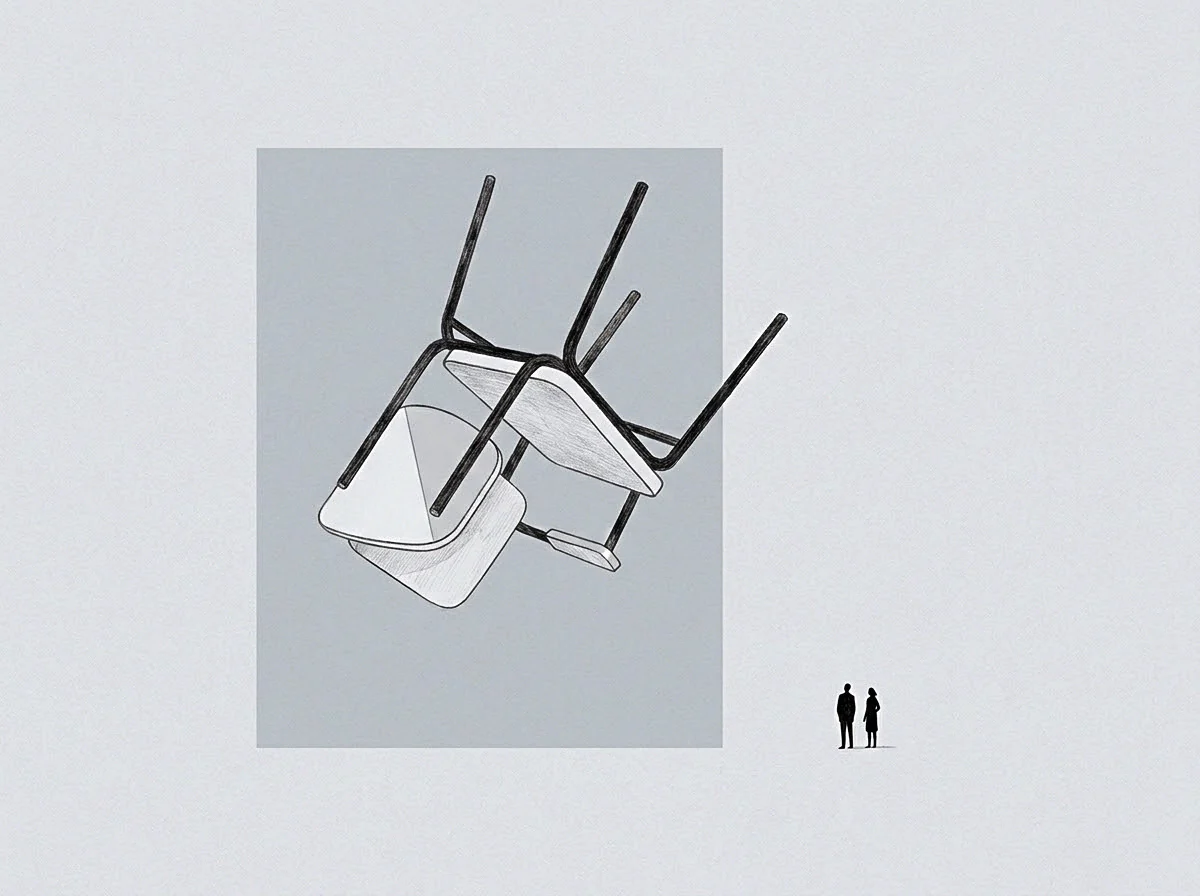
Span
Distributing accountability across multiple operational nodes shifts risk management from individual absorption to shared responsibility. Functional teams receive raw signal data directly, building local capacity to adjust operations without central filtering.
Redesigning operational governance requires clear structural boundaries. Parameters must define where local autonomy ends and multi-node coordination begins, with each unit taking complete ownership of its immediate risk domain to process operational variance within assigned limits.
| Operational Parameter | Unilateral Absorber Model | Distributed Resilient Architecture |
|---|---|---|
| Threat Signal Processing | Filtered exclusively through executive layer | Parsed directly by relevant functional nodes |
| Metabolic Cost Allocation | Concentrated on single executive leader | Shared across peer operational managers |
| Systemic Adaptation Speed | Delayed by executive bandwidth limits | Immediate local operational adjustments |
| Resilience Development | Stunted across mid-level management | Built through direct exposure to risk variance |
| Transitioning to distributed structures reduces central physiological load while accelerating response velocity. | ||

Reallocating the Primary Receptor Functions
Realigning organizational receptors transfers threat processing responsibilities directly to frontline operational leads. Functional unit leaders evaluate risk factors using established domain protocols rather than escalating unparsed friction upward.
Peer groups review performance metrics collectively during weekly operating reviews. Direct accountability between peer operational leads replaces unilateral executive oversight, allowing immediate local intervention before escalations become necessary.
The team can handle these operational variances locally without senior leadership stepping in to solve them.

Latch
Governance mechanisms enforce distributed operational ownership through automated structural constraints. Hard limits prevent executives from stepping in prematurely when teams experience operational friction.
Structural latches operate as mechanical circuit breakers for administrative intervention. When risk metrics stay within defined tolerances, central executives lack administrative authority to override local team decisions. This structural boundary forces operational leads to exercise local judgment, building real competence under authentic pressure.

Where Does the Threat Signal Go First?
Raw operational data routes directly to frontline operational leads rather than executive dashboards. Early variance alerts trigger local peer reviews before central oversight receives formal notification.
Escalation pathways move through structured operational gates:
- Initial Anomaly Registration Execution teams log local operational variance inside shared registries within four hours of detection.
- Threshold Validation Metrics check local variance against predefined tolerances to prevent automatic executive escalation.
- Peer Peer Adjustment Operational peers collaborate across adjacent units to solve problems without transferring risk upward.
- Formal Boundary Latching Unresolved variances past seventy-two hours trigger explicit governance reviews rather than executive intervention.
An unlatched escalation path converts peer peer accountability back into centralized executive absorption within two operational cycles.
Enforcing explicit operational gate thresholds prevents executive intervention until local resolution protocols exhaust their designated review periods.

Circuit
Feedback loops maintain alignment across distributed teams without relying on constant executive presence. Continuous information sharing keeps operational nodes informed of broader enterprise conditions.
Co-regulation occurs when peer nodes actively coordinate response strategies during operational stress. Shared responsibility lowers individual anxiety across team leads, establishing an institutional baseline of reliable calm. The brain registers peer support as reduced personal risk, preserving cognitive bandwidth for tactical execution.
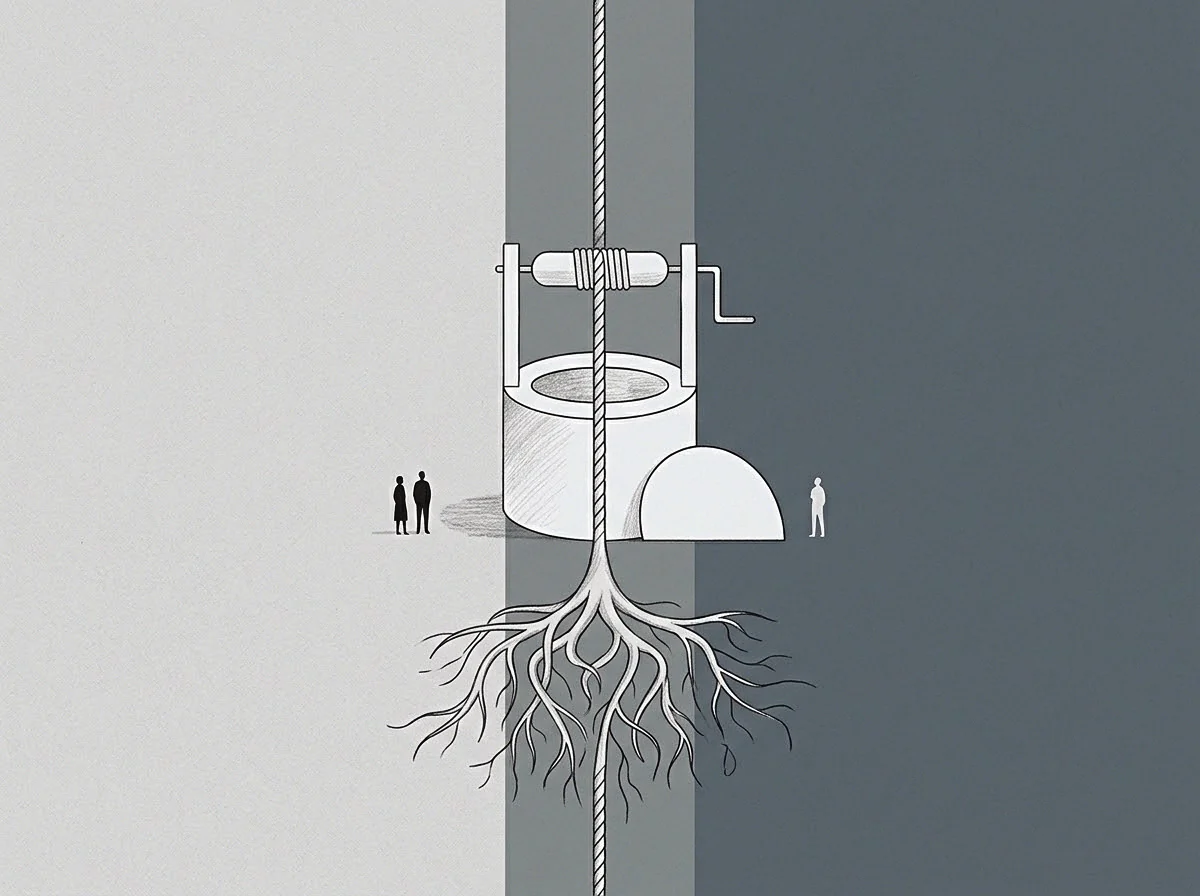
Internal Template Rewiring Through Shared Load
Repeated exposure to managed operational pressure alters internal working models across management layers. Operating leads learn that discomfort signals actionable variance rather than personal failure. Over time, managers transition from seeking central safety to generating local stability.
Earned security develops through successful collective problem solving. When teams navigate genuine volatility together, structural trust replaces executive reliance, grounding confidence in demonstrated collective capability.
Shared operational weight creates local stability faster than verbal delegation of responsibility.
Which operational parameters will demonstrate that team heads can sustain local stability when executive buffers step away permanently?

Floor
Minimum operational standards set the absolute baseline for distributed organizational accountability. Clear performance floors ensure that distributed teams sustain discipline without falling back on executive intervention.
Establishing operational floors requires transparent metrics that remain visible across all functional areas. Teams monitor their own health indicators continuously, addressing shortfalls before performance drops below acceptable bounds. Systemic health becomes a collective metric owned by every department head.

Sustained Multi Node Operational Accountability
Long-term organizational resilience relies on keeping accountability mechanisms intact during periods of high environmental stress. Teams maintain established reporting cadences even when rapid operational execution demands attention.
Distributed accountability structures protect executive focus while elevating operational maturity across all management tiers. The organization operates as a robust, self-correcting entity capable of absorbing continuous market shifts.
Operational stability grows when teams carry their own weight consistently across every shift.