
Neural Atrophy of Safety Receptor Slots in Unilateral Operational Containment Systems
Unilateral containment forces the brain to budget regulation alone, downregulating neural receptors that process external co-regulation and safety.
Gate
Four unread alerts flash on a monitor at midnight while an operator maintains a flat tone for an anxious team. System outage reports cascade across communications channels, yet the person in the lead seat absorbs the panic without leaking distress into the room. Operational containment relies on this asymmetry.
The team settles because one person remains steady, drawing down their own metabolic baseline to buffer the collective panic. This dynamic forms the foundation of unilateral containment, an operational pattern where a single individual absorbs environmental volatility for an entire group without an equivalent intake of external support.
Load transfers without a sound. Over months of recurring operational crises, team members attach to the steady state of the operator rather than developing structural resilience. The brain naturally budgets threat management based on social proximity.
When a reliable presence buffers the environment, total computational load drops for everyone relying on that presence. For the operator holding the containment perimeter, however, the regulatory budget runs entirely in reverse. The operator functions as the baseline for others while operating without a baseline of their own.
Co-regulation operates as a metabolic efficiency mechanism where physical proximity to a stable individual lowers neural threat expenditure.
When high operational load persists without reciprocal intake, the internal machinery that processes safety begins to shift. Human physiology expects a bi-directional exchange of regulatory signals. In a balanced system, taking on acute operational stress is followed by moments of shared calm where the nervous system offloads tension onto a responsive other.
In a unilateral system, this return pathway does not exist. The operator absorbs stress continuously, building an internal regulator template that equates personal calm with total self-reliance.
Unilateral Containment Architectures
An operational system often relies on a single seat to absorb systemic volatility. When organizational complexity increases, the frequency of uncontained inputs rises. The founder or operator absorbs these shocks continuously, filtering raw chaos into structured tasks for downstream execution.
This dynamic isolates the operator from the normal feedback loops that signal personal exhaustion. Because the team experiences stability, no external force pushes the system to rebalance regulatory weight.
The body tracks the deficit. Extended exposure to unilateral containment alters the internal working baseline. The nervous system adapts to holding the entire operational envelope by downregulating the neural receptors designed to receive external co-regulation.
Over time, the capacity to process incoming offers of support decays. When team members or peer leaders offer assistance, the operator experiences the offer as an operational anomaly or an additional coordination burden rather than a source of relief. The team expressed relief that someone remained completely unshakeable while the infrastructure failed.
Margin
The central nervous system calculates safety through the perceived availability of external support. Under normal conditions defined by social baseline theory, the brain budgets energy under the assumption that other individuals are available to share metabolic tasks. When threat processing occurs in isolation, energy expenditure spikes dramatically.
The neural burden of constant self-monitoring increases the baseline metabolic draft, accelerating total allostatic load across extended operational horizons.
Isolation changes the metabolic rate. A single operator carrying systemic risk operates in a perpetual state of heightened neural expenditure. The brain treats self-regulation alone as a high-cost emergency mode rather than a sustainable operational state.
When operational demands prevent the operator from accessing shared regulatory resources, the body compensates by suppressing non-essential physiological processes, including long-term recovery and cellular repair.
The Metabolic Economy of Isolated Regulation
Self-soothing operates as an expensive metabolic state when external baseline anchors are absent. The individual must internalize both the threat monitoring role and the calming response, performing dual regulatory calculations simultaneously. This dual operation consumes cognitive headroom that would otherwise manage long-term strategic decisions.
The operator becomes extremely efficient at containing immediate volatility while losing the capacity for sustained creative synthesis.
Continuous containment without reciprocal intake alters baseline neural efficiency. Over time, the physiological baseline resets to assume zero incoming support. The regulatory system treats every incoming operational shock as a solitary burden, locking the body into a permanent high-cost stance.
When external baseline anchors remain missing, the operator consumes metabolic reserves until severe operational paralysis occurs.
Frame
Take two senior partners who operated a software firm for four years without formal boundaries around evening crisis management. Assume the technical partner holds sixty percent of operational escalation points while the commercial partner manages external client volatility. The technical partner absorbs every platform outage, engineering bottleneck, and deployment failure without passing emotional distress to the engineering team.
Over thirty-six months, the technical partner processes an estimated four hundred acute incident escalations entirely alone, maintaining a steady demeanor during every executive update.
The signal arrives unheard. When the commercial partner notices signs of fatigue and offers to step into incident management, the technical partner rejects the intervention. The technical partner’s internal receptor slot for external calm has atrophied through years of unilateral containment.
The offer of help is processed as an operational risk, a potential delay, or an intrusion into established workflow patterns rather than a shared regulatory buffer.
Worked Structural Analysis of Regulatory Containment
Evaluating how stress transfers across leadership roles reveals distinct operational structures. Systems fall into patterns based on where regulatory work occurs and how safety signals travel between key roles. The operational path transitions through predictable phases when containment remains unilateral over extended horizons.
- The operator assumes sole responsibility for systemic calm during early high-volatility phases.
- Downstream team members attach to the operator’s stable state, offloading their own regulatory overhead onto the lead seat.
- The operator’s internal working model adapts to unilateral output, viewing external offers of assistance as operational noise.
- Physiological receptor sensitivity to external co-regulation drops, solidifying long-term regulatory isolation.
Containment absorbs every sudden shock. The technical partner continues to act as the sole shock absorber, but internal capacity degrades. Decisions become reactive, focused entirely on short-term risk mitigation rather than long-term architecture.
The firm’s operational stability relies on a single point of failure that cannot receive structural reinforcement.
A unilateral containment model converts personal metabolic headroom into temporary organizational stability at a predictable rate of decay.
Comparison of Operational Regulation Modes
System performance varies depending on whether threat absorption is shared or isolated. The table below outlines how specific operational parameters behave across different regulatory structures within leadership teams.
| Operational Parameter | Unilateral Containment | Reciprocal Co-Regulation |
|---|---|---|
| Primary Regulation Source | Single operator self-regulation | Shared relational baseline |
| Metabolic Cost Distribution | Concentrated in lead seat | Distributed across peer seats |
| Response to External Support | Perceived as friction or risk | Integrated as regulatory buffer |
| Long-Term System Capacity | Bounded by individual stamina | Scalable through shared load |
| Internal Working Model | Isolated regulator template | Reciprocal relational model |
Rebalancing this dynamic requires explicit structural intervention rather than verbal encouragement. Introducing explicit boundaries around escalation windows forces the containment load to redistribute across peer roles. The reciprocal availability protocol reduces total regulatory overhead by reallocating acute containment duties across both partners.
Pulse
When an operator spends years regulating an organization without receiving support, neural pathways adapt to continuous exposure. Neural plasticity operates in both directions, strengthening pathways that are frequently utilized while pruning those that remain inactive. The specific receptor slots responsible for processing shared calm and relational safety downregulate when left unused over extended operational periods.
This process represents a physiological adaptation to a solitary environment.
The slot closes over time. The brain optimizes for its primary environment. If the primary environment requires constant vigilance and internal threat containment, maintaining active biological pathways for shared co-regulation represents an inefficient allocation of resources.
The nervous system downregulates these unused receptors, reinforcing an internal working model defined by absolute self-reliance.
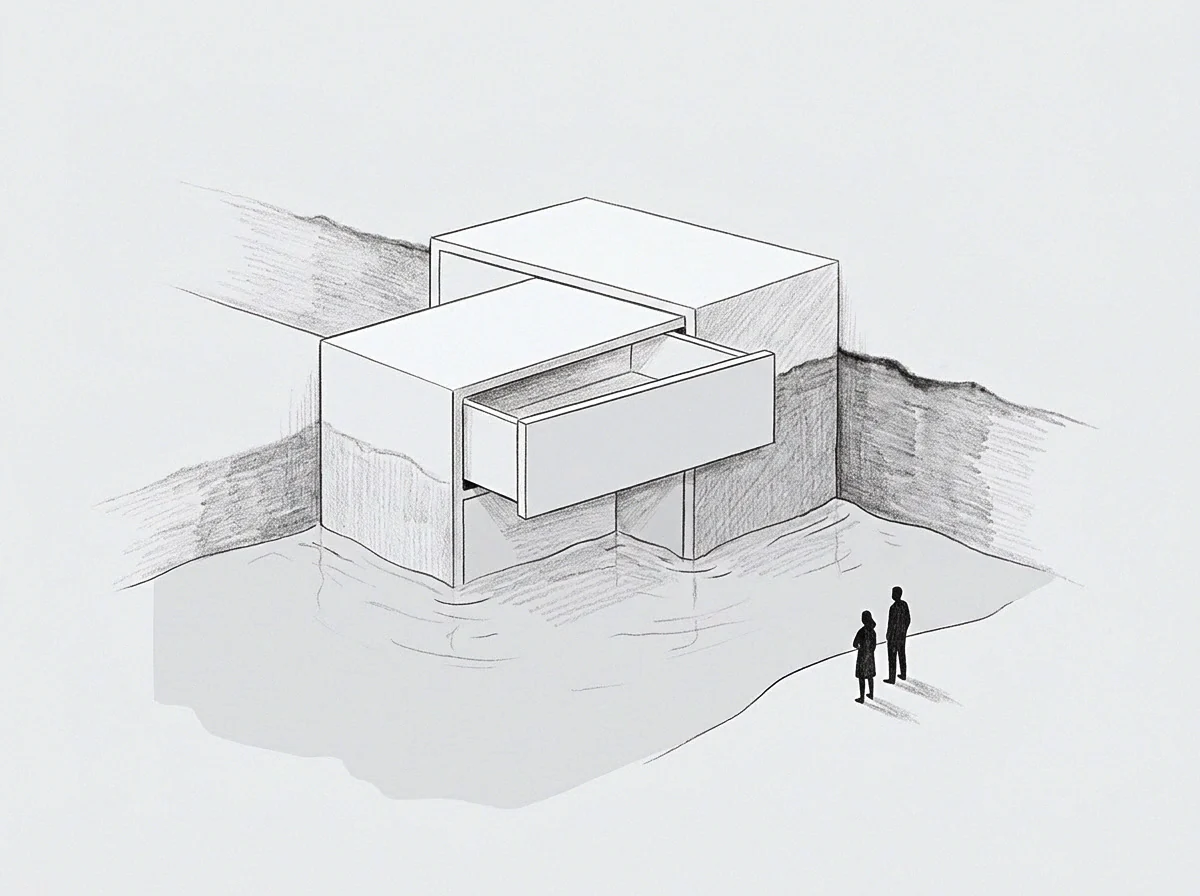
Why Does Safety Register as Operational Threat?
Exposure to persistent high load alters how incoming baseline offers are interpreted. When an external partner offers genuine presence or shared responsibility, a fully adapted unilateral regulator experiences intense cognitive and physiological dissonance. The incoming safety signal contrasts sharply with the internal state of continuous high vigilance.
Instead of experiencing relief, the operator’s system interprets the incoming offer as a structural disruption. The brain must spend metabolic energy to process the new relational dynamic, which competes with the ongoing energy required to maintain containment. Consequently, the operator pushes the safety signal away, preferring the predictable cost of isolated stress over the uncertain cost of relational engagement.
When safety receptor slots atrophy, an external offer of genuine support triggers the same neural alarm as an acute operational failure.
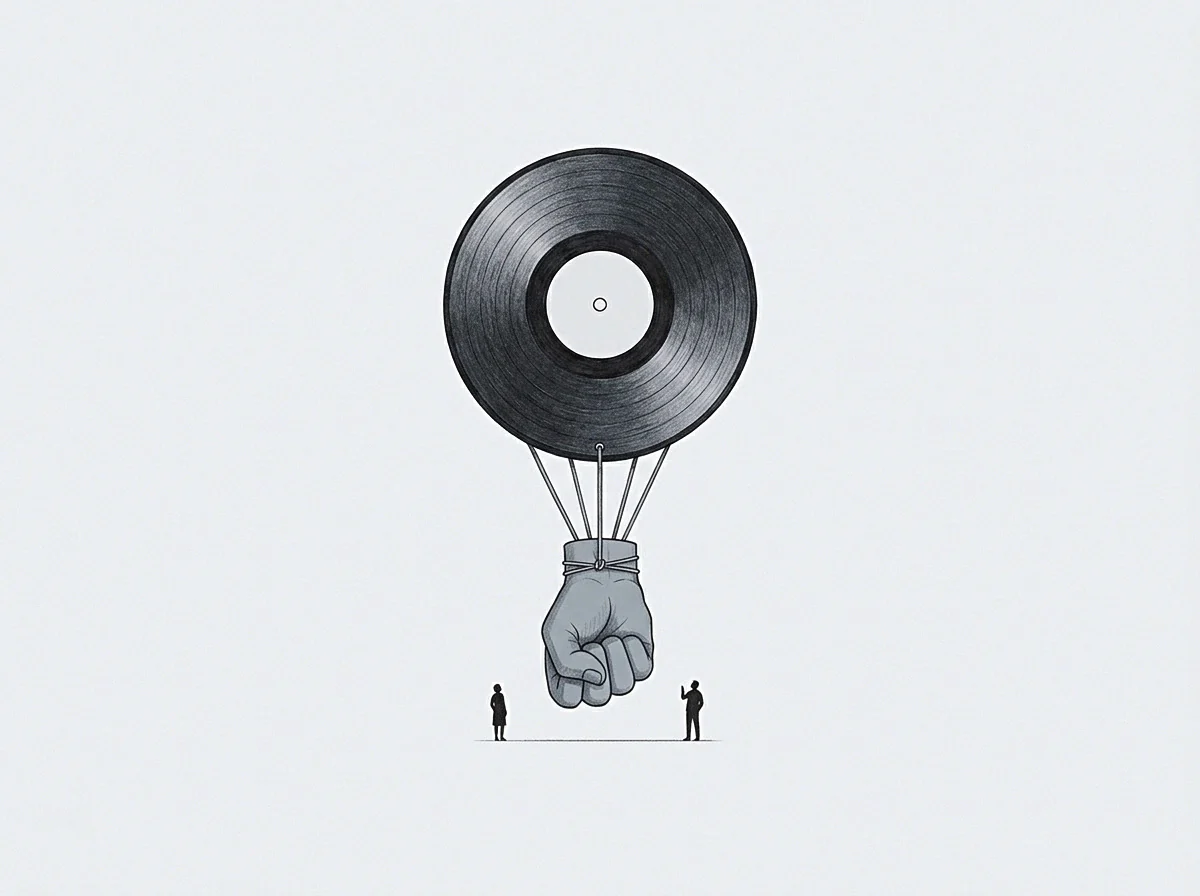
Downregulation of Downstream Receptor Capacity
Biological receptors adapt to structural isolation by reducing sensitivity to external calming signals. This shift alters both professional interactions and personal relationships, making authentic connection difficult to establish or maintain. The operator manifests specific physiological and behavioral patterns when receptor atrophy reaches advanced stages.
- Borrowed Regulation rejection occurs when the operator dismisses peer calm as incompetence or lack of operational situational awareness.
- Receptor sensitivity reduction manifests as an inability to experience physiological deceleration even during confirmed operational lulls.
- Hyper-vigilant posture persistence causes the operator to scan stable environments for hidden operational vulnerabilities continuously.
- Somatic boundary hardening prevents physical or emotional presence offered by close personal connections from penetrating internal stress states.
Capacity drops without advance notice. The operator remains trapped in a self-reinforcing loop where containment causes receptor atrophy, and receptor atrophy makes receiving help impossible. Breaking this loop requires systematic exposure to structured co-regulation.
It remains uncertain how many months of structured co-regulation are needed to restore baseline receptor sensitivity after prolonged unilateral containment.
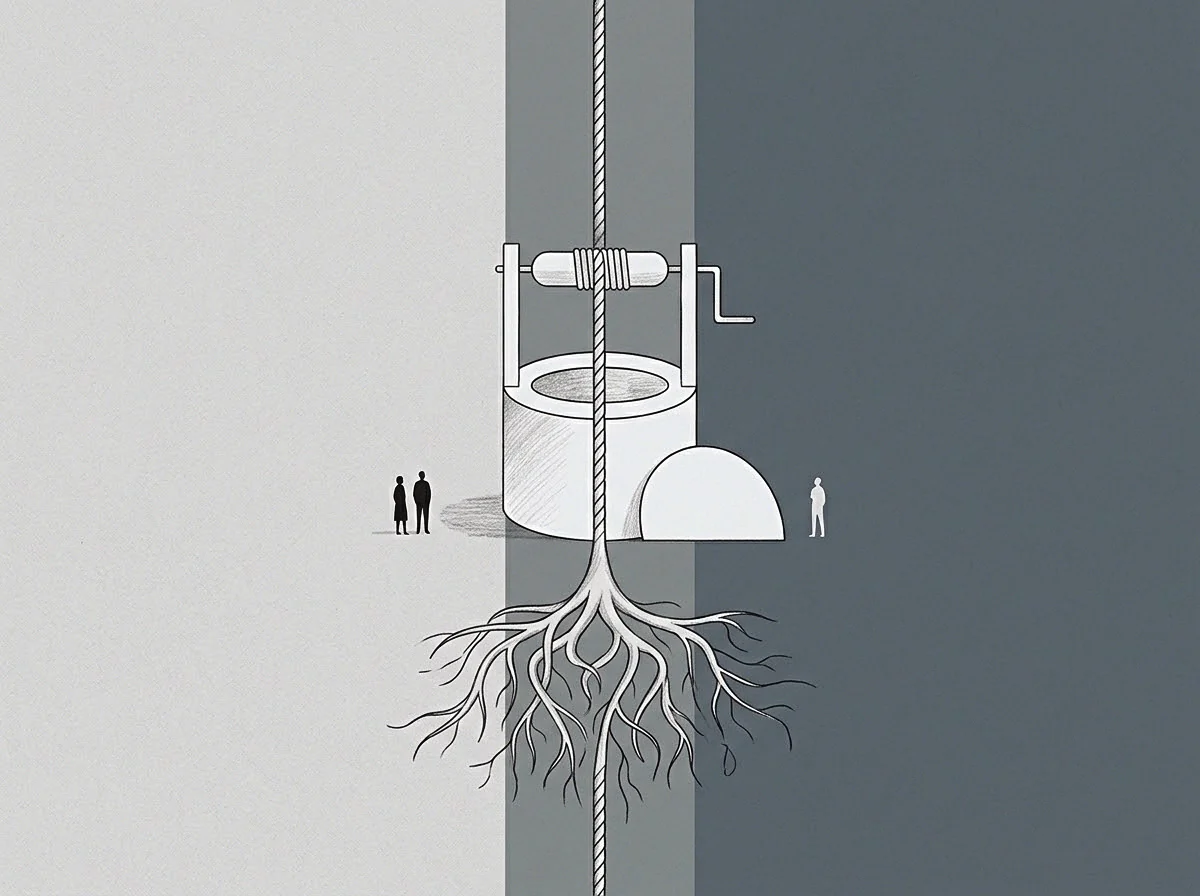
Vault
Updating an internal pattern requires tangible structural shifts rather than cognitive understanding. Intellectual insight into unilateral containment does not automatically reactivate down-regulated neural receptors. The biological system updates its baseline assumptions only through repeated, concrete experiences of shared regulation under actual operational stress.
This update path builds earned security over time, slowly rewriting the underlying regulator template.
Structure replaces internal strain. To begin reactivating closed receptor slots, the operational environment must enforce mandatory handovers of containment duties. Verbal agreements or soft intentions fail because the operator’s system defaults to unilateral containment under pressure.
Explicit operational protocols, such as scheduled escalation rotation and forced downtime, create the baseline conditions necessary for neural exposure to safety.
Earned security forms when repeated actual experiences of shared regulation override a established history of unilateral containment.
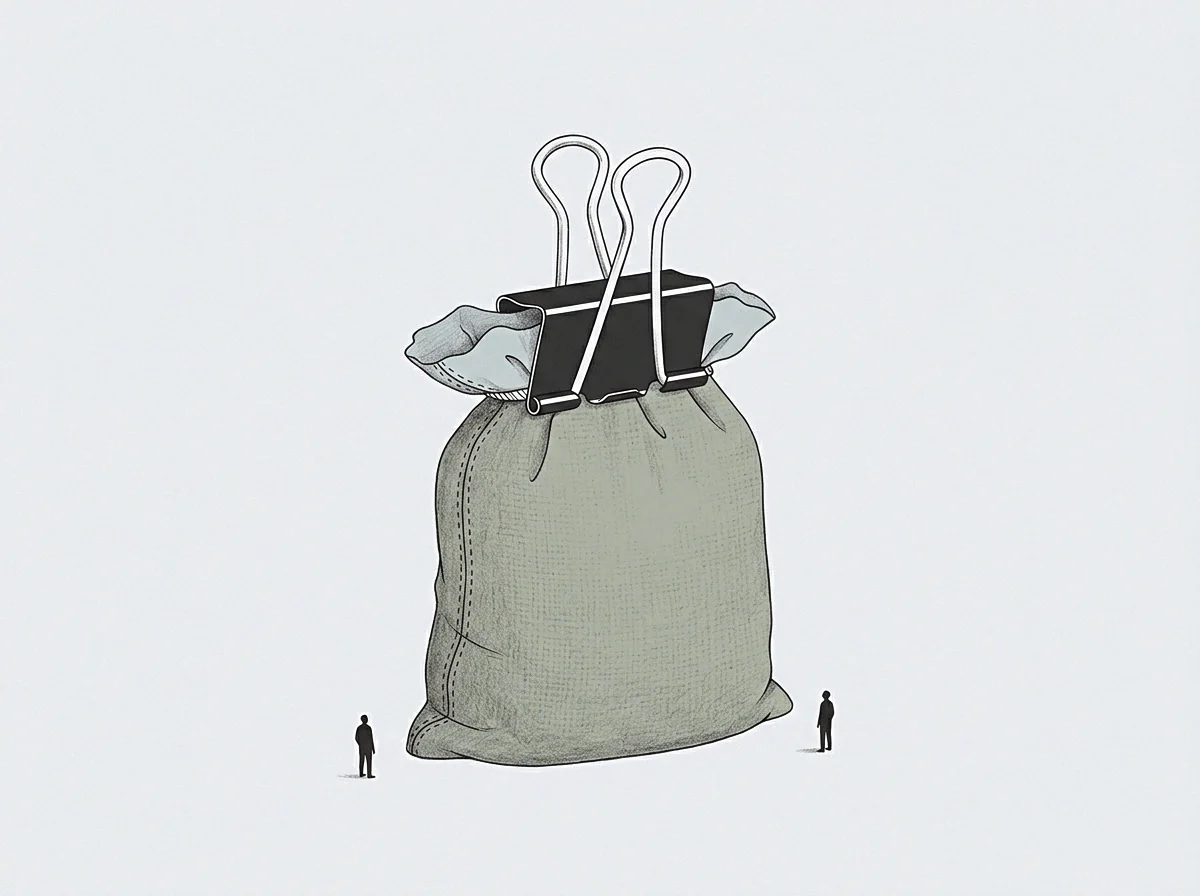
Rebuilding Reciprocal Capacity Through Structural Delays
Structural operational changes allow neural systems to reopen closed channels over time. By inserting intentional delays between incoming operational alerts and the operator’s direct intervention, peer leaders create space for shared problem-solving. This gap allows the lead operator’s nervous system to observe that environmental stability can occur without their direct, unilateral buffering.
Presence requires no verbal proof. As peer leaders successfully hold containment during scheduled windows, the operator’s neural threat calculations begin to adjust. The brain slowly registers that external support is operational, reliable, and metabolically cheap.
Over months of consistent structural execution, safety receptor slots regain sensitivity, restoring the operator’s capacity to receive co-regulation and participate in shared operational baselines.
Silence registers as operational baseline. The baseline resets down. Security updates through action.
A system built on individual stamina eventually breaks the person holding it, while a system built on reciprocal baseline support preserves the seat and the operator alike.