

Physiological Regulation Budgets In High Load Founder Teams
Solitary threat monitoring burns prefrontal glycogen, whereas shared baseline presence lowers metabolic cost through automatic autonomic co-regulation.
Solitary threat monitoring burns prefrontal glycogen, whereas shared baseline presence lowers metabolic cost through automatic autonomic co-regulation.

Rapid organizational scaling overloads executive autonomic reserves by substituting peer co-regulation with solitary, asymmetric metabolic maintenance.
Autonomic recovery requires replacing solitary metabolic threat vigilance with repeated non-demanding physical co-regulation to restore parasympathetic tone.
Salivary cortisol awakening curves reveal chronic allostatic wear by tracking whether morning adrenocortical activation surges adaptively or flattens under load.
Extended operational overload converts social proximity from a regulatory subsidy into an incoming load, requiring repeated safe experience to rebuild baseline capacity.
Calibrated interpersonal receptivity protects executive autonomic reserves by replacing unbudgeted emotional containment with structured operational intake.
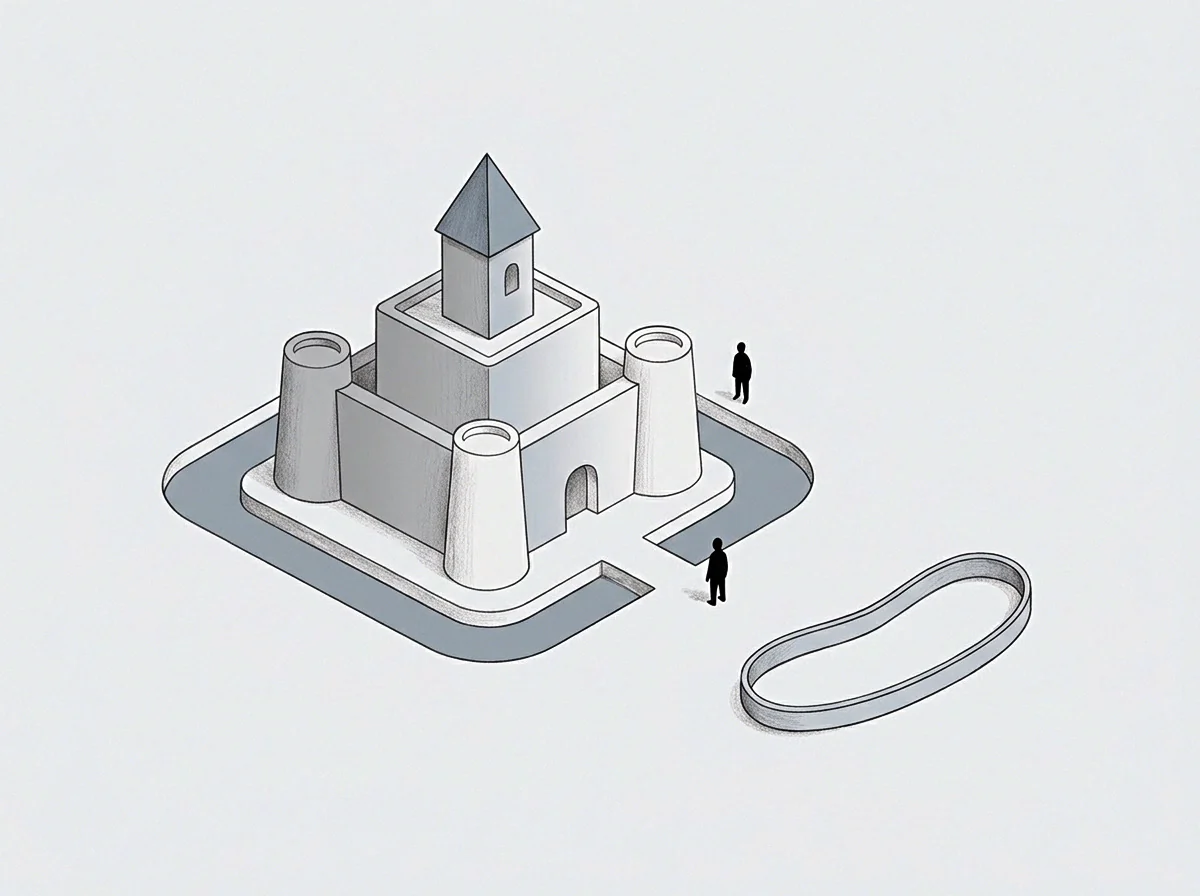
Executive isolation forces the brain to budget environmental threat without social baseline regulation, accelerating autonomic exhaustion and decision failure.
Extended structural isolation forces operators into high-cost solitary regulation, suppressing neural receptor slots needed for dyadic co-regulation.

Internal working models update only when unhedged, symmetrical operational risk forces the brain to abandon expectations of solitary threat absorption.
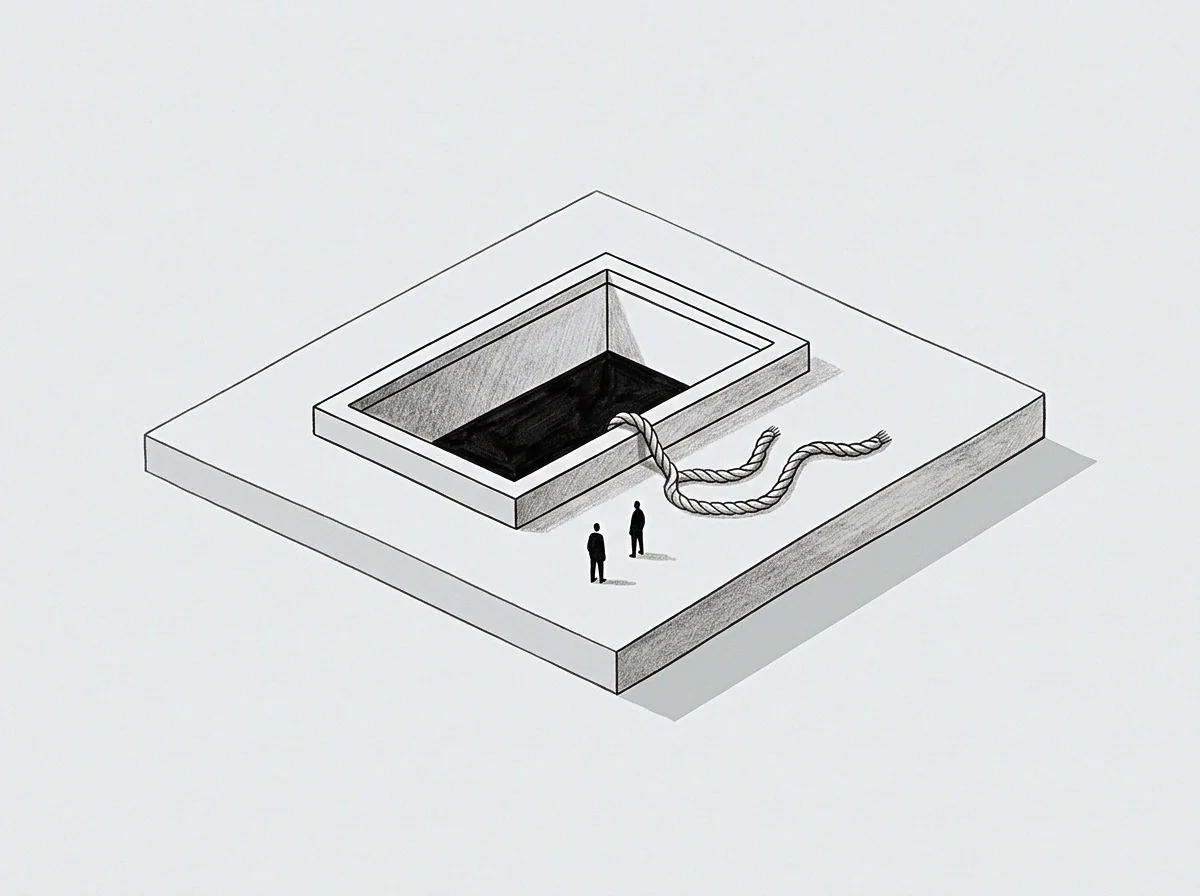
A backward regulator template compels founders to absorb team anxiety, misallocating capital to soothe executive friction rather than funding output.

Structural gating protocols manage founding partner allostatic load by converting open loops into bounded asynchronous threads with explicit scope, dates, and terms.
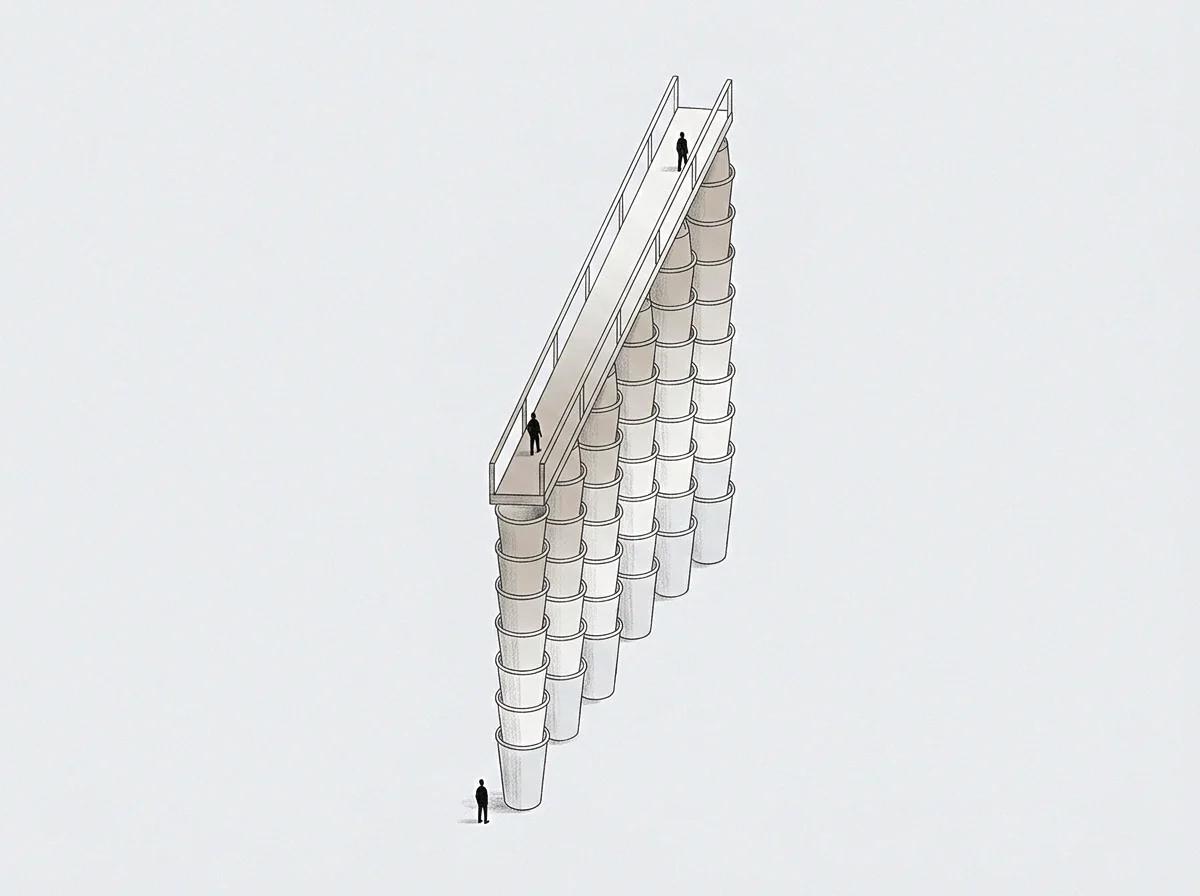
Operational panic concentrates into the calmest executive present whose nervous system absorbs the metabolic cost of stabilizing the entire leadership circle.
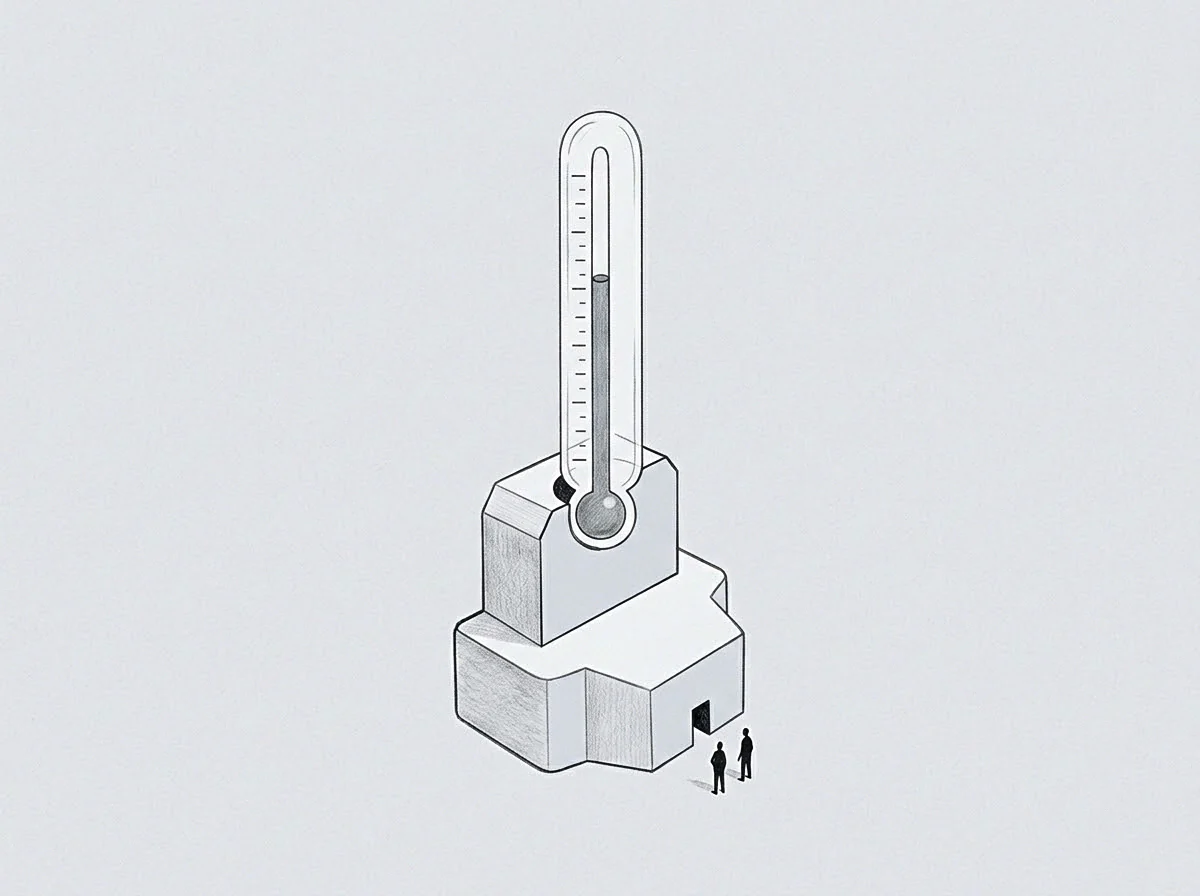
Solitary allostatic containment elevates metabolic expenditure by forcing continuous self-regulation without the biological cost reduction of shared presence.

Isolated executive self-regulation restructures neural templates to downregulate co-regulatory receptors, turning solo containment into an expensive biological baseline.

Shared operational hazard links co-founder nervous systems, replacing parasympathetic regulation with sustained sympathetic baseline threat activation.

Centralized leadership stress triggers autonomic governor throttling, which downregulates executive processing capacity to preserve physiological homeostasis.
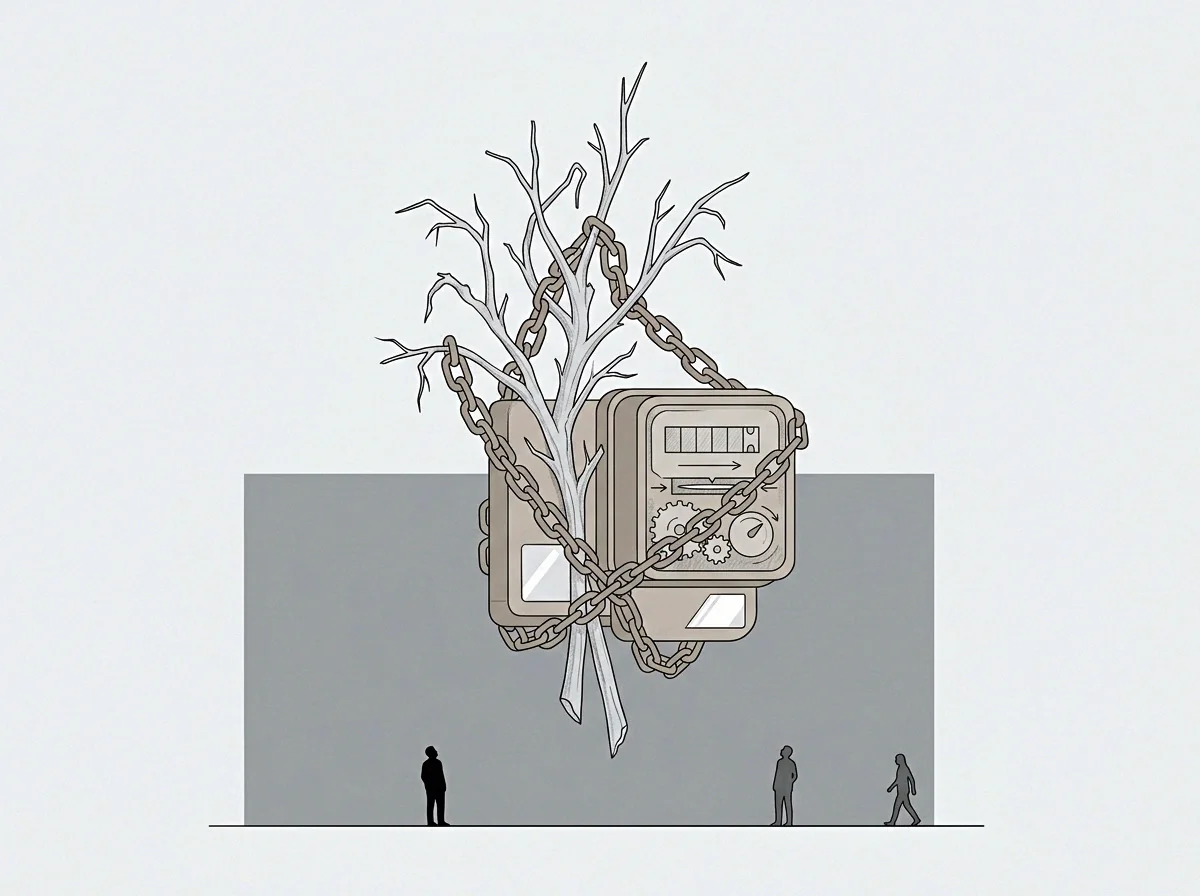
Centralized executive regulation accumulates unsustainable allostatic load during growth, requiring distributed operational nodes to stabilize institutional baseline energy.

Extended solitude shifts autonomic baseline regulation to solo holding, requiring structured low-demand proximity exposure to reconstruct social receptor capacity.

Social baseline theory demonstrates that executive allostatic burnout occurs when continuous solo regulation forces perpetual neural overdraft without co-regulatory relief.

Solitary nervous system regulation increases metabolic baseline expenditure by treating isolation as an active threat requiring continuous sympathetic throttling.

Systemic overload forces founding teams into metabolic exhaustion unless unyielding structural terms replace individual willpower as operational limits.

A stated limit functions as an immovable structural wall that redirects systemic strain back to its source rather than absorbing it through personal exhaustion.
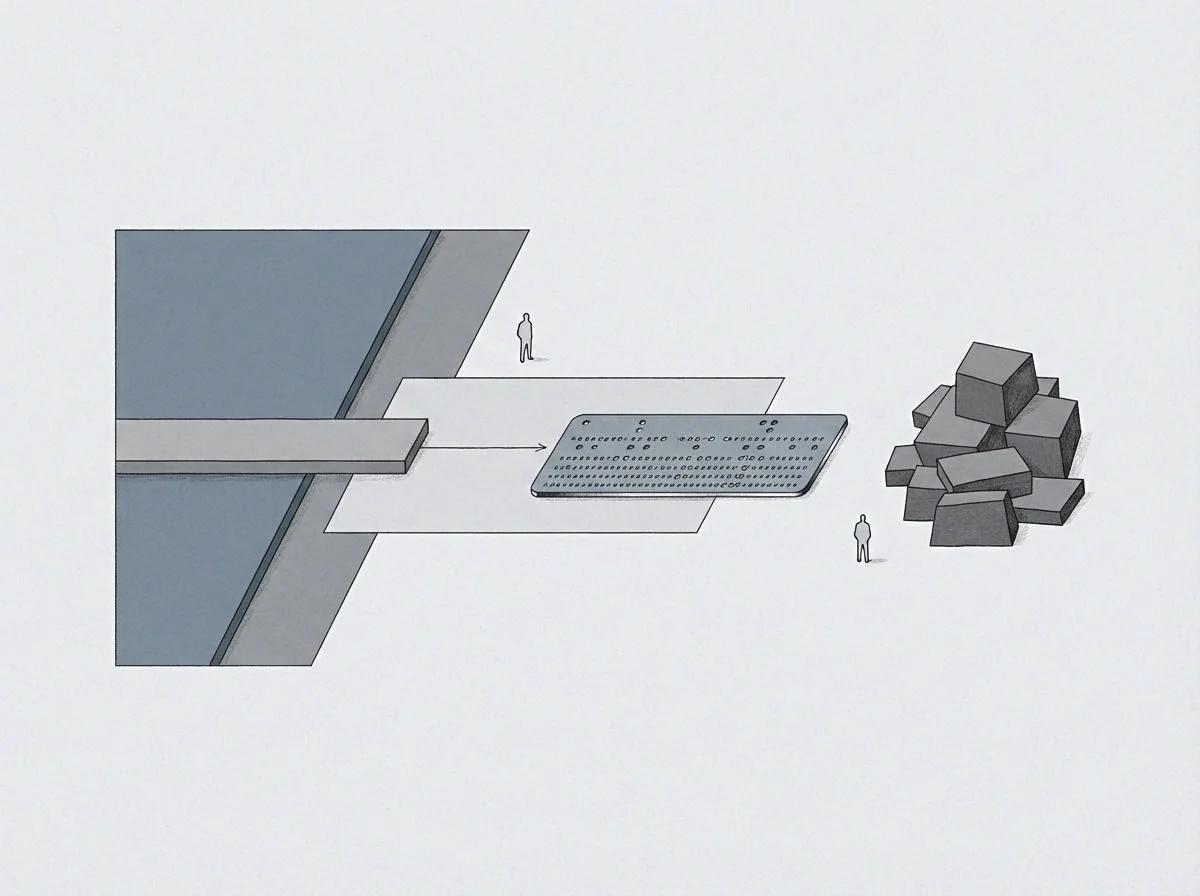
Isolated leaders absorbing peripheral threat without reciprocal regulation incur high metabolic costs that exhaust prefrontal capacity and autonomic headroom.
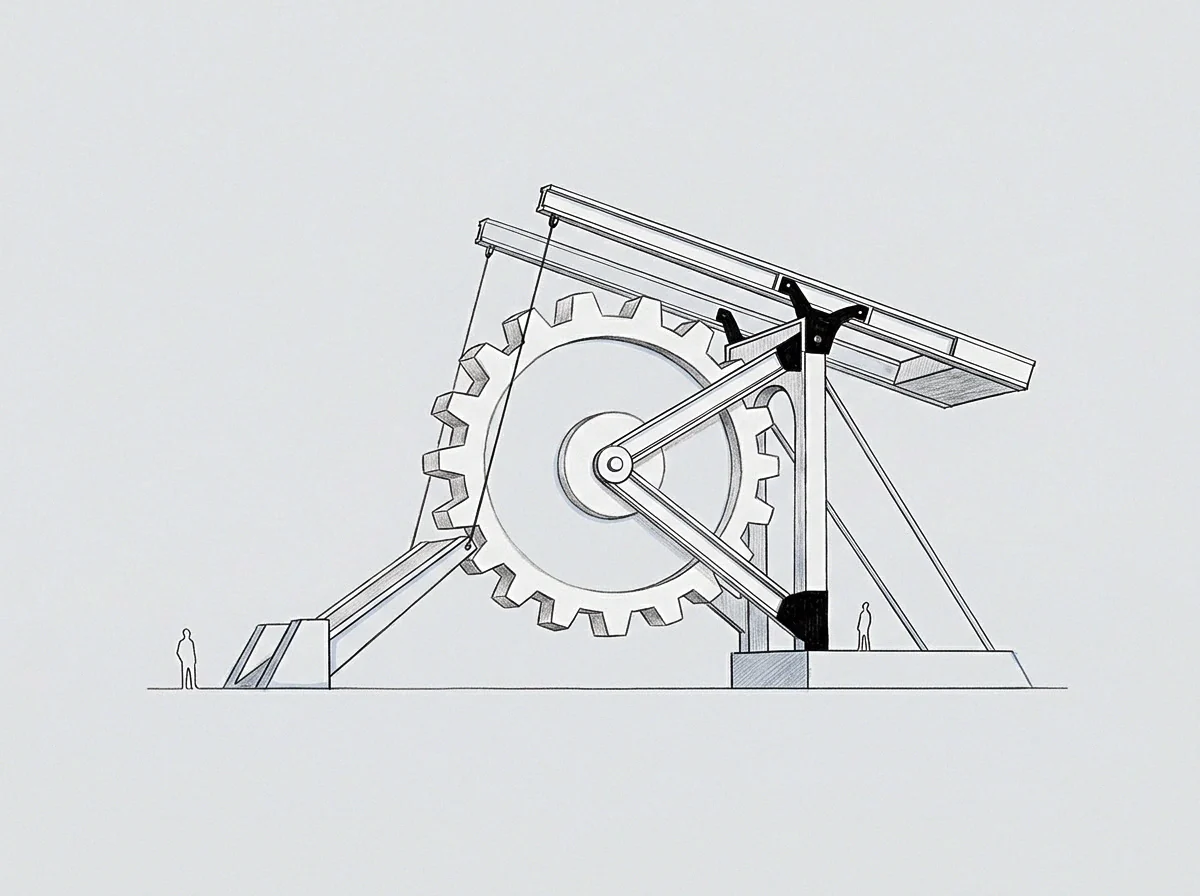
Extended solitary operation shifts the neural baseline, converting human proximity from a metabolic discount into an energetic cognitive tax.

Extended solo building forces the nervous system into high-cost solo regulation, requiring repeated sensory proximity to rebuild capacity for co-regulation.

Executive load forces solitary metabolic threat budgeting, whereas earned security restores social baseline function to share regulation across peers.

Solitary self-regulation forces the prefrontal cortex to fund threat mitigation from internal metabolic stores without the energy savings of physical proximity.

The human brain budgets threat and regulation assuming a reliable other is present, making solitary self-regulation the body's most expensive metabolic mode.
The terms are written where they belong. Each field holds three desks, and every entry a desk writes raises the terms it uses, each term given a meaning, a mechanism and the places it appears. The record on these pages stays first person and hand made; the fields grow the nomenclature.