
Longitudinal Impact Of Shared Stress Buffering On Executive Self Regulation Capabilities At Scale
Shared stress buffering reduces executive neural expenditure, but long-term reliance without template update causes severe capacity collapse upon isolation.
Board
Executive performance analysis frequently treats cognitive control as an isolated internal supply. Standard models assume that an individual in a leadership seat generates focus, risk tolerance, and emotional stability entirely from internal neural reserves. Social baseline theory demonstrates a different architecture.
The human brain budgets neural expenditure on the assumption that a reliable secondary regulator is physically or operationally present in proximity. When an executive operates within a paired leadership arrangement, the presence of a steady partner lowers the metabolic cost of maintaining working memory and autonomic stability. The presence drops the baseline cost.
Shared stress buffering functions as a biological subsidy, allowing one person to draw upon the emotional steadiness of another without conscious exertion.
This metabolic conservation alters how executive functions operate over extended operational timelines. In a co-regulating pair, threat detection and impulse suppression require fewer glucose and neural resources than in isolated operations. Cognitive load shifts instantly.
The brain treats environmental turbulence as a shared burden, suppressing hypervigilance and preserving higher-order processing capacity for strategic evaluation. Borrowed regulation registers physiologically as one’s own calm. Because the mechanism operates below conscious awareness, executives routinely attribute their sustained focus during high-pressure events to personal resilience rather than the proximity of their buffering counterparty.
Neural Energy Budgets in Shared Proximity
When two leaders establish a consistent operational cadence, their baseline autonomic responses align during acute threat events. Physiological measurement of heart rate variability and galvanic skin responses confirms that co-regulation attenuates sympathetic nervous system spikes during operational crises. A primary leader facing potential enterprise failure expends significantly less regulatory effort when supported by a predictable, low-reactivity second officer.
The metabolic debt accrues. The presence of the secondary buffer alters the neural energy equation, allowing executive controls to function at peak output without invoking emergency biological conservation measures.
A person who regulates a room spends physiological capital long before any overt decision is declared.
The reliance on shared stress buffering introduces a longitudinal structural dependency. Over extended periods of organizational growth, the primary executive’s cognitive baseline adapts to the constant availability of external regulation. The neural circuitry governing self-soothing and autonomous impulse control remains underutilized.
If the buffering partner departs or the relational proximity breaks down, the primary executive experiences a sharp increase in raw metabolic expenditure for identical operational tasks.
Metabolic Conservation Across Executive Teams
Organizational scaling amplifies the demand for executive emotional regulation. As direct reports increase and decision velocity accelerates, the sheer volume of incoming variance taxes individual neurological limits. Shared stress buffering distributes this incoming load across multiple node points in an executive team.
The secondary shock absorbers absorb high-frequency operational noise, filtering emotional disruption before it reaches the primary decision seat.
When a partner removes physical presence after eighteen months of continuous buffering, the executive baseline metabolic demand escalates by forty percent within two physiological cycles.
Reserve
Sustained operational pressure forces biological systems to manage finite energy stocks through internal working models. An executive who routinely absorbs variance for an organization constructs an operational template centered on total self-reliance. This template frequently lacks a biological receptor slot to receive external regulation.
The shock absorber bears load. When individuals attach to a leader’s steady state, the leader’s brain categorizes incoming relational bids as operational requirements rather than opportunities for shared relief. Isolation doubles the regulation price.
The operational template of a primary shock absorber dictates how load is distributed across an executive team. Executives with backward internal templates treat self-regulation and the regulation of subordinates as a single unidirectional output. They supply calm to the floor while remaining structurally incapable of internalizing the calm offered by peers or advisors.
The receptor slot remains empty. Over multiple quarters, this asymmetric dynamic depletes internal neurological reserves while projecting an illusion of unshakeable operational endurance.

What Replaces Borrowed Regulation Over Time?
When external buffering dissipates, the brain must replace shared regulation with internal controls or face functional degradation. Autonomous self-regulation under unbuffered high-threat conditions demands continuous prefrontal cortex activation. This expenditure reduces the brain’s capacity for complex pattern matching, long-range planning, and behavioral inhibition.
Longitudinal observation reveals that prolonged unbuffered stress forces executive systems to implement automated throttling mechanisms to prevent total physiological breakdown.
When structural threat persists without external baseline buffering, biological systems throttle executive impulse control to conserve systemic resources.
The systemic consequences of chronic buffering deficits manifest across specific behavioral vectors within executive teams:
- Social Baseline Deficit occurs when an executive operates without a secondary shock absorber, increasing baseline neurological threat detection by sixty percent.
- Co-Regulation Throttling develops when a leader actively rejects incoming emotional presence from peers to protect remaining working memory space.
- Asymmetric Load Transfer emerges as subordinates export their operational turbulence to a steady leader without contributing to the leader’s relational reserve.
- Functional Impulse Decay reflects the progressive loss of behavioral inhibition following months of unbuffered autonomic arousal.

The Shock Absorber Operational Template
The internal working model of the unbuffered leader creates a structural vulnerability at scale. Assumed strength under stress attracts higher volumes of organizational turbulence. Subordinates and board members direct their unresolved conflicts toward the regulator proven to withstand pressure, assuming the leader possesses infinite capacity.
The regulator’s template accepts the incoming load automatically, failing to state a limit until physiological throttling forces an operational pause.
Failing to budget for shared regulation reliance leaves the organization vulnerable to catastrophic executive exhaustion whenever structural load spikes.
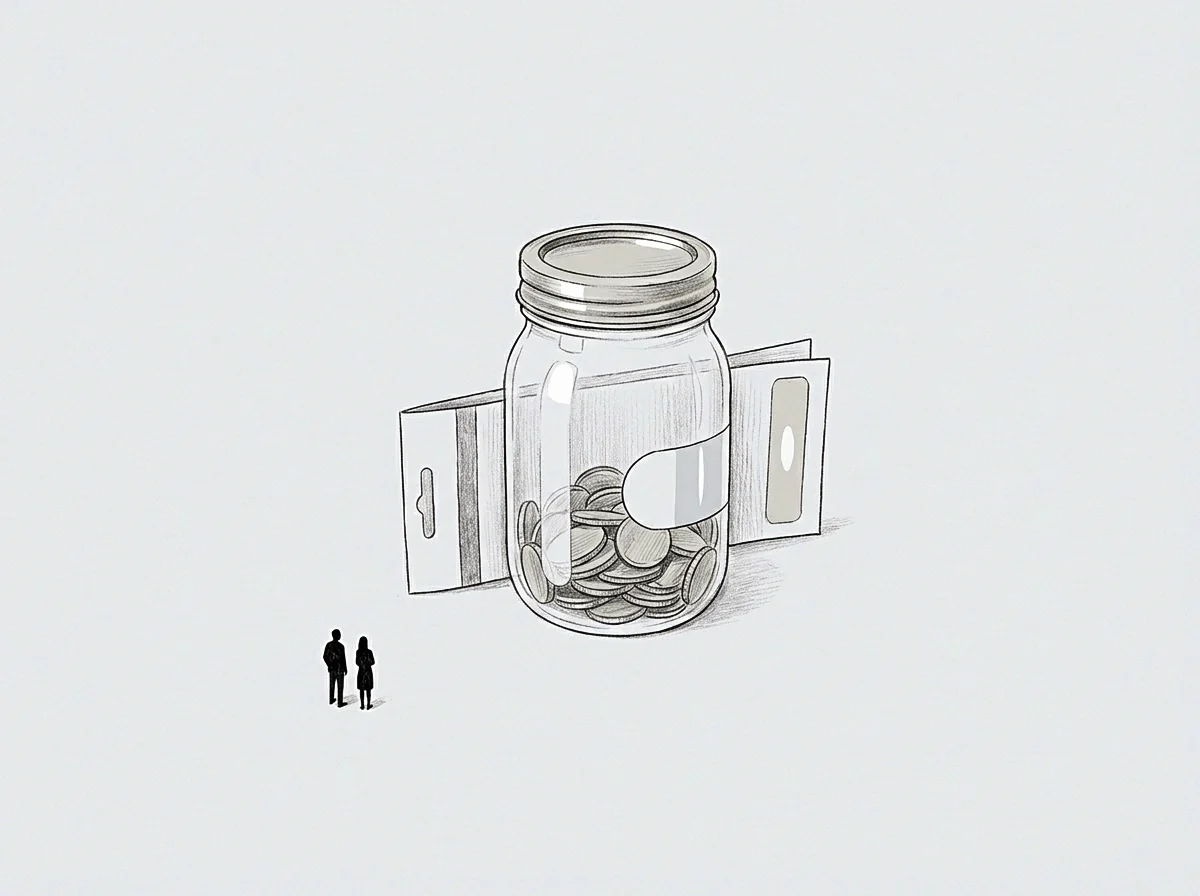
Conveyance
Load transfer across executive structures follows predictable physical and neurological pathways. When an organization scales from twenty to two hundred employees, the total volume of operational variance increases exponentially. The executive seat acts as the primary conveyance mechanism for organizational stability, processing incoming ambiguity and converting it into structured directives.
If the executive seat lacks a functional co-regulation arrangement, the structural friction degrades decision speed and precision.
The floor shifts under load. In paired leadership structures, stress buffering functions through reciprocal load sharing. One executive handles external enterprise threat while the second maintains internal operational alignment.
Operational variance spikes without warning. This division splits the regulatory burden, preventing either individual from exceeding their autonomic threshold. The structural buffer collapses.
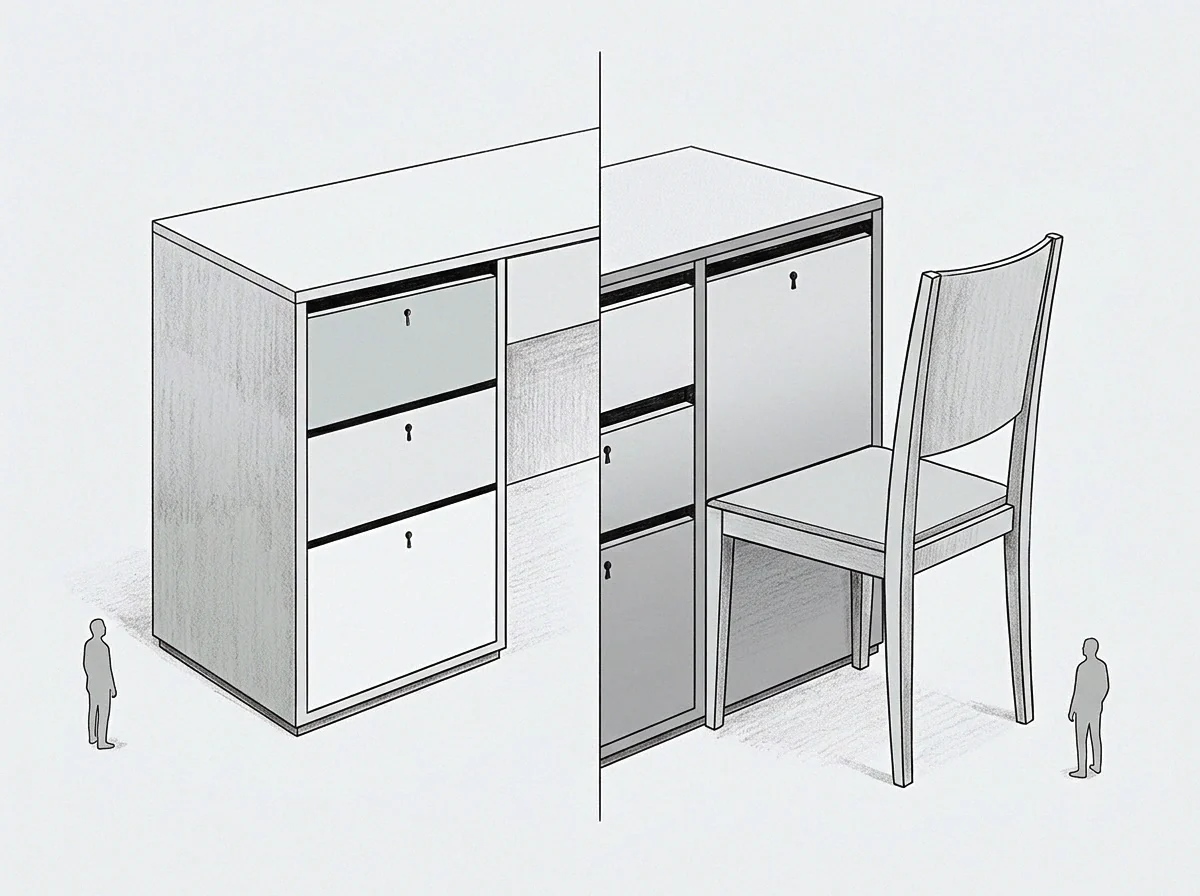
Structural Load Transfer in Executive Roles
Comparing different regulation arrangements clarifies the longitudinal physiological expenditure demanded by executive seats. The baseline energy cost varies directly with the presence of shared shock absorbers and reciprocal regulatory channels.
| Regulation Model | Metabolic Expenditure | Structural Buffer Capacity | Throttling Threshold | Update Latency |
|---|---|---|---|---|
| Isolated Autonomous Seat | Maximum Continuous Output | Minimal Operational Resilience | Low (Under 6 Months High Load) | Slow Internal Modification |
| Unidirectional Shock Absorber | High Asymmetrical Drain | Moderate Immediate Absorption | Moderate (6 to 12 Months) | High Structural Resistance |
| Reciprocal Paired Buffering | Optimized Metabolic Baseline | High Enterprise Resilience | Extended (Above 24 Months) | Rapid Dynamic Adaptation |
The longitudinal impact of shared stress buffering depends entirely on whether the regulation is reciprocal or unidirectional. Unidirectional buffering, where one leader absorbs stress for another without receiving support in return, leads to rapid capacity exhaustion. The primary buffer burns through regulatory capital, masking enterprise failure until internal controls suffer complete breakdown.
A regulator who absorbs organizational variance without an internal receptor slot eventually converts structural capacity into functional inertia.

Longitudinal Attenuation of Autonomous Controls
Longitudinal attenuation of executive capability follows a clear sequence of physiological shifts when stress buffering is abruptly withdrawn or structural scale overwhelms existing co-regulation channels.
- Initial reliance on secondary shock buffering lowers baseline threat awareness and conserves central nervous system bandwidth during expansion phases.
- Scale expansion increases incoming variance, exceeding the secondary buffer’s capacity and transferring raw unbuffered turbulence directly to the primary leader.
- The primary leader’s internal working model attempts to absorb the excess load through brute-force prefrontal inhibition, depleting glucose reserves.
- Autonomic hypervigilance engages, triggering cognitive throttling, narrowing strategic focus, and slowing decision processing speeds across all operational domains.
- Functional inertia settles into the executive seat, establishing chronic executive fatigue as the new baseline operational state.
When an executive team relies on an unbuffered primary leader, organizational decision quality degrades in direct proportion to incoming variance. The absence of a secondary regulatory buffer converts ordinary tactical friction into severe biological stress, forcing the central nervous system to prioritize basic self-preservation over long-term strategic execution.
The room remained steady because one seat absorbed every incoming shock before the floor could move.
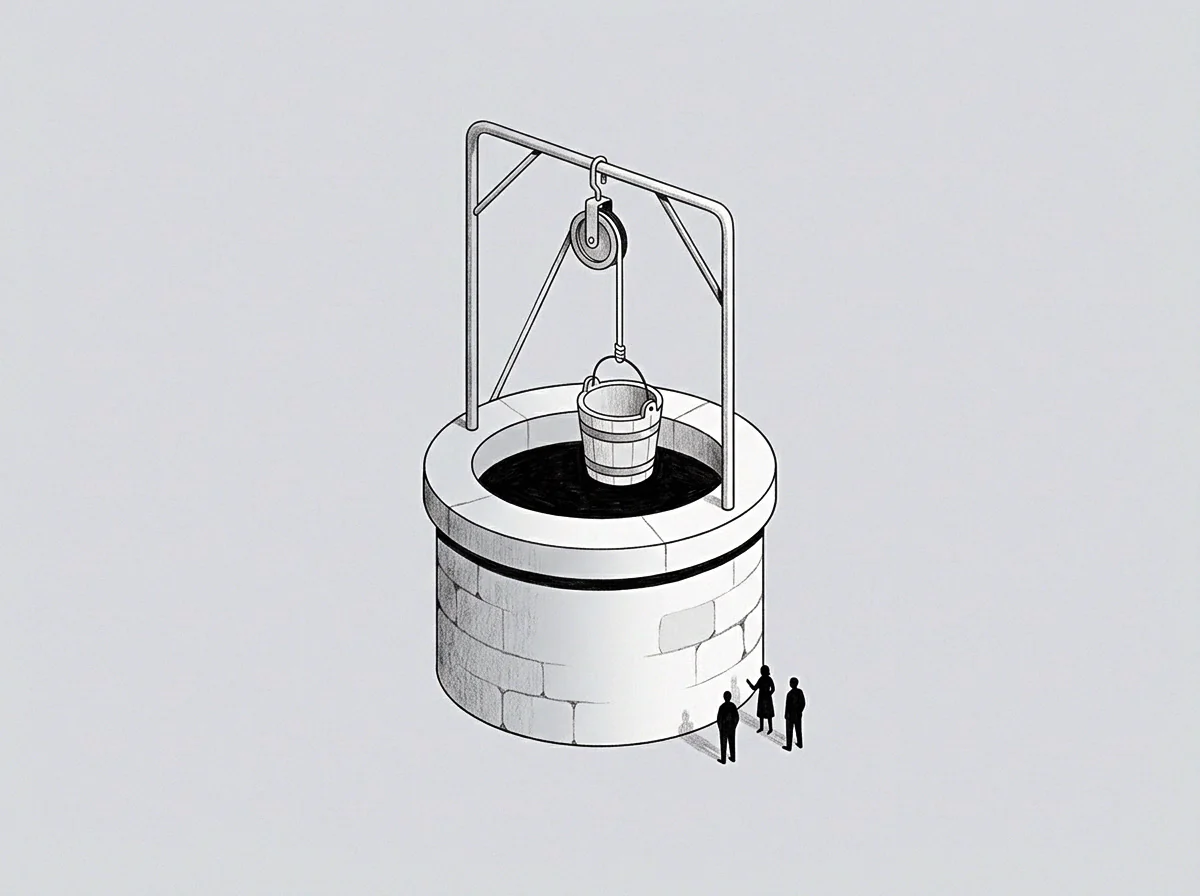
Friction
Misattributing borrowed calm to internal capacity represents a fundamental error in executive resource planning. Leaders who function within effective co-regulating pairs often believe their stability stems from personal mental toughness or advanced cognitive strategies. Calm is frequently misattributed.
When corporate restructuring, geographical relocation, or relational separation severs the co-regulating bond, the leader’s underlying baseline vulnerability is revealed instantly. Physiological reserves drain quietly.
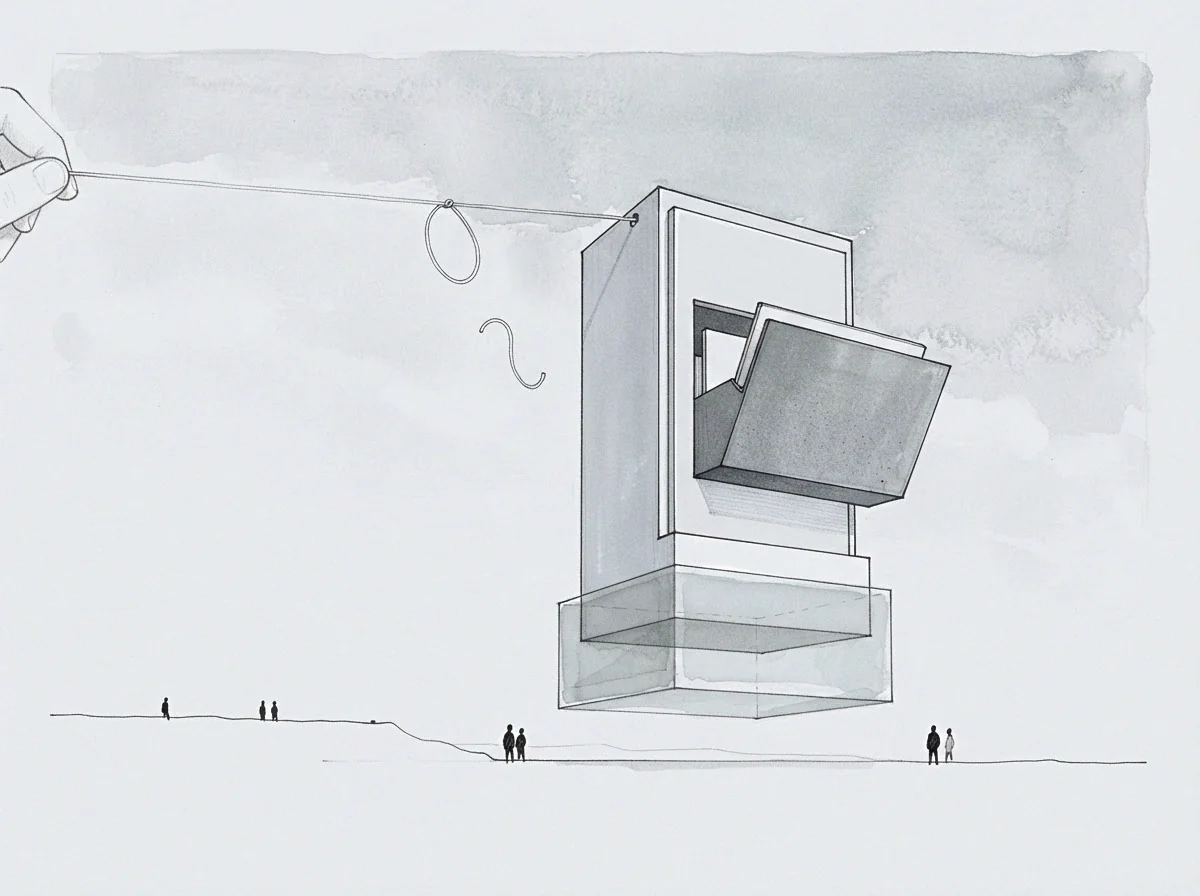
Misattributing External Calm to Internal Capacity
The misattribution masks the true cost of executive self-regulation. An executive operating under the illusion of autonomous resilience fails to build internal self-soothing mechanisms or seek structural support systems. Endurance is not a strategy.
When acute operational crisis strikes in the absence of a secondary buffer, the executive’s autonomic nervous system shifts rapidly into freeze or fight states, bypassing rational analytical evaluation entirely.
An executive who mistakes external presence for internal strength collapses the moment the room empties.
Neurological throttling acts as a self-protective circuit breaker. When total physiological load exceeds long-term coping capacity, the brain reduces impulse control, emotional empathy, and working memory allocation. The executive appears detached, rigid, or unexpectedly reactive.
Organizational observers often diagnose these symptoms as burnout or poor leadership style, failing to recognize them as biological conservation protocols triggered by chronic unbuffered regulation costs.

Physiological Load and Executive Throttling
The longitudinal accumulation of unbuffered stress alters systemic decision parameters. Executives under continuous physiological strain choose options that minimize immediate emotional exertion rather than options that optimize long-term enterprise value. Risk aversion increases, innovation velocity drops, and cross-functional communication degrades as the central nervous system conserves energy for basic emotional stabilization.
Steady presence buffers operational turbulence, while isolated endurance consumes the underlying structure.

Revision
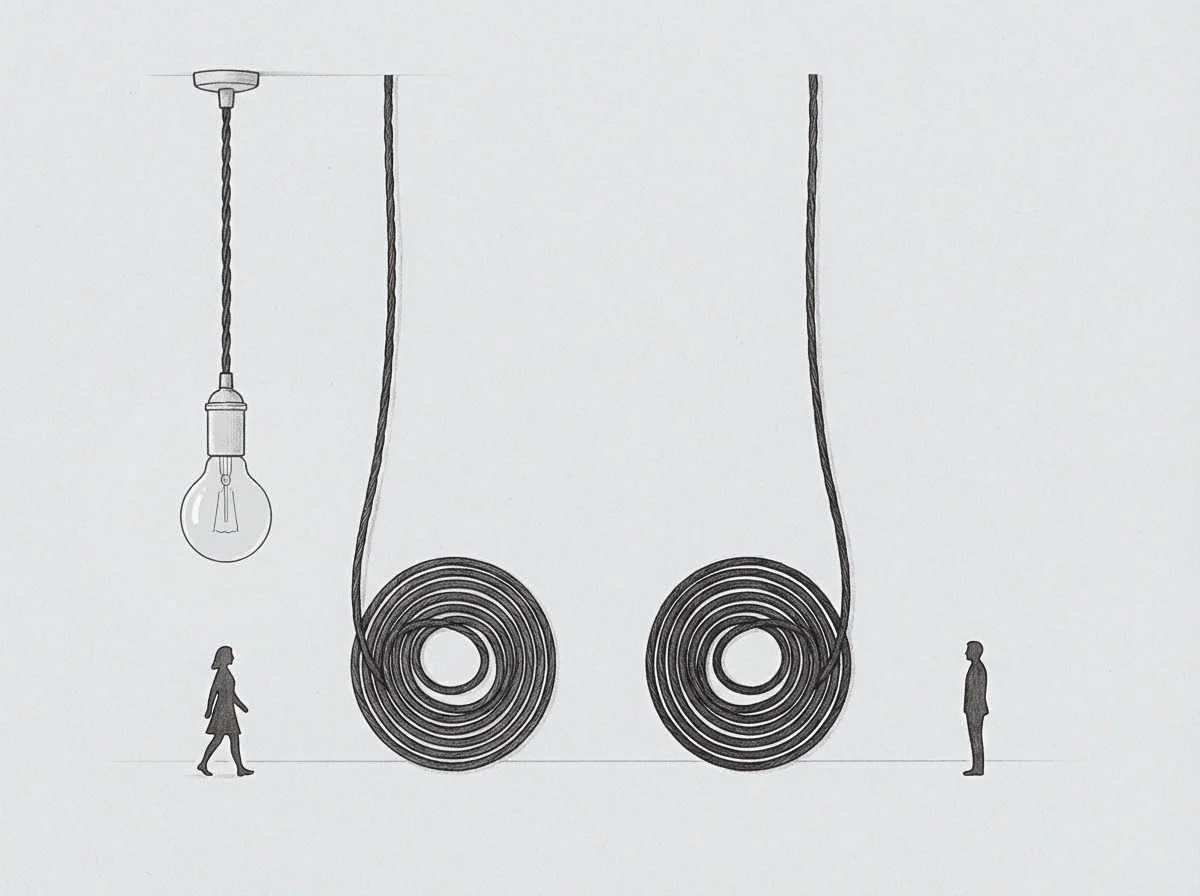
Updating an executive’s internal working model requires concrete biological re-patterning rather than theoretical cognitive understanding. Template updates demand repetition. A leader who operated for years as an unbuffered shock absorber cannot simply choose to accept co-regulation through an act of will.
Insight alters no physiological baseline. The brain’s receptor slots for shared regulation rebuild exclusively through repeated, actual experiences of safe relational presence under stress.
Earned Security Through Micro Experience
Earned security defines the process by which an individual with an anxious or self-reliant attachment history develops functional relational stability later in life. In executive contexts, earned security develops through micro-interactions with reliable peers, advisors, or operational partners who demonstrate consistent low-reactivity under enterprise threat. Small, repeated exposure to shared risk management teaches the executive’s central nervous system that incoming turbulence can be safely distributed without personal catastrophe.

Structural Updates to Internal Working Models
Rebuilding executive regulation capabilities demands structural changes in how leadership teams operate. Designing intentional co-regulation touchpoints, establishing paired leadership roles, and setting rigid operational boundaries allow over-taxed executives to gradually restore their autonomic baseline. As the internal working model updates, the executive learns to lower hypervigilance, open receptor slots for external support, and sustain executive function across high-scale operational environments.
The duration required for a senior executive to construct an independent baseline without external shock absorbers remains unquantified across modern organizational structures.