
Baseline Threat Buffering and Proximity Regulation Mechanics
Social baseline theory demonstrates that proximity to a steady partner lowers individual threat vigilance and prefrontal metabolic cost by sharing regulation.
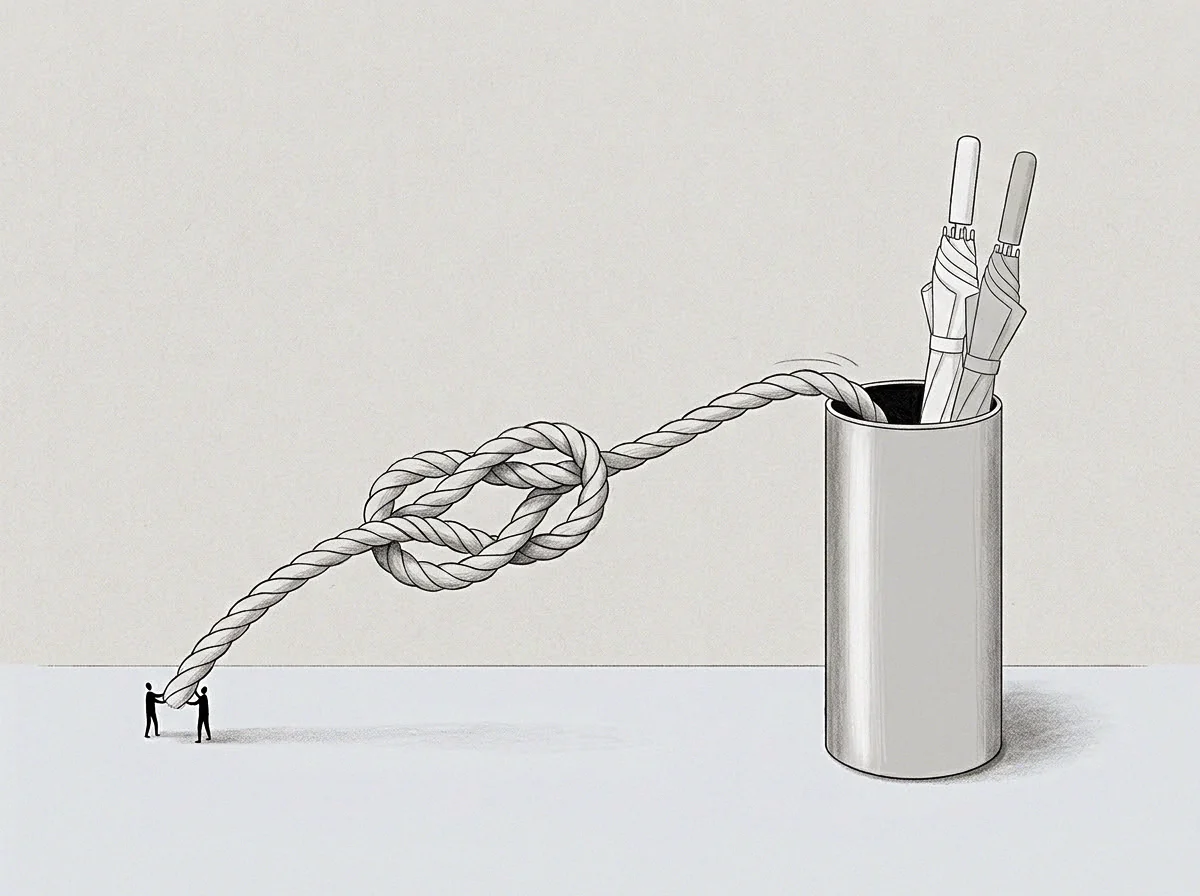
Load
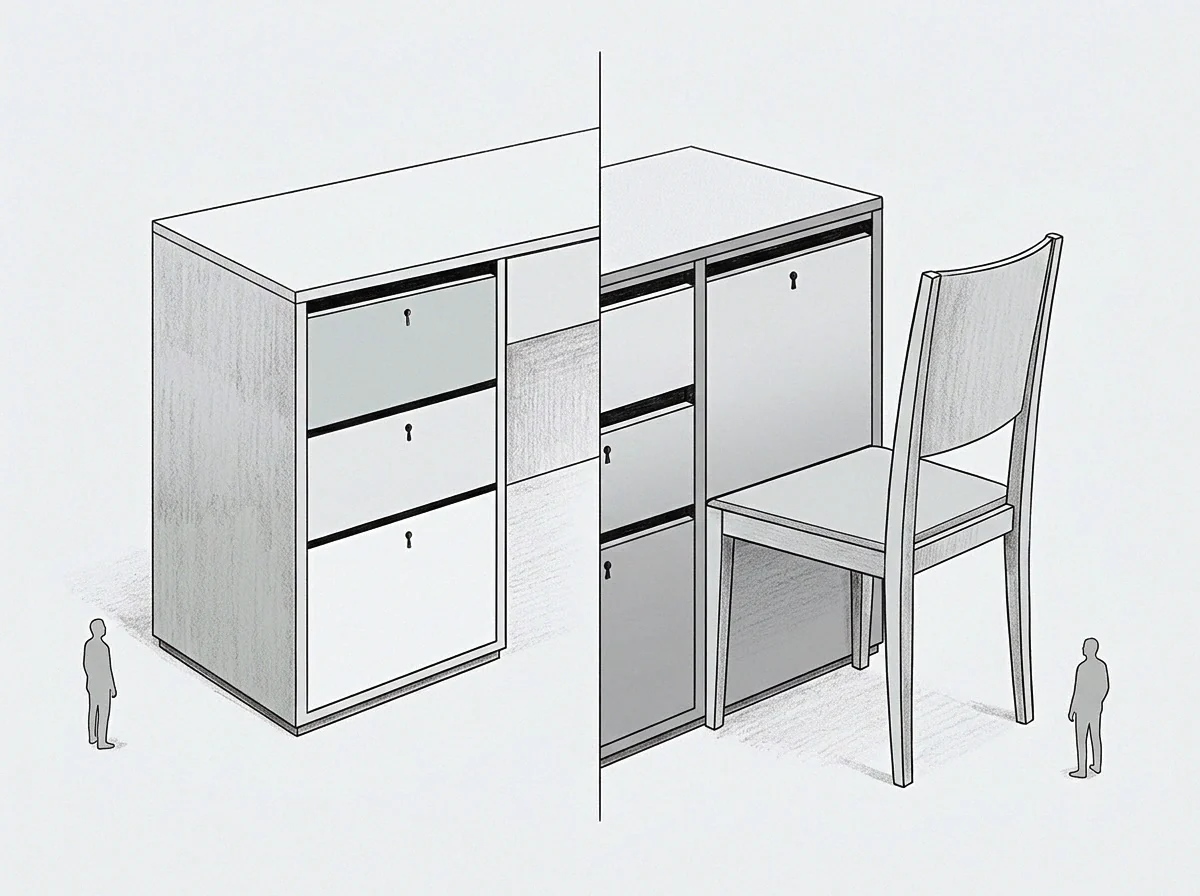
Four communication channels remain active at midnight while an executive reads a financial projection showing two months of runway. The body maintains a neutral heart rate and steady respiration, presenting an even posture to an incoming chief technology officer who enters the room in acute distress over a critical engineering failure. The executive absorbs the distress, speaks in measured cadences, and resolves the engineer’s panic within twenty minutes.
The engineer departs with restored cognitive clarity, returning to work at baseline metabolic cost. The executive remains alone at the desk, experiencing a sudden surge in cortisol and a total collapse of executive focus. The physical room was unchanged, yet an immense expenditure occurred silently across the desk.
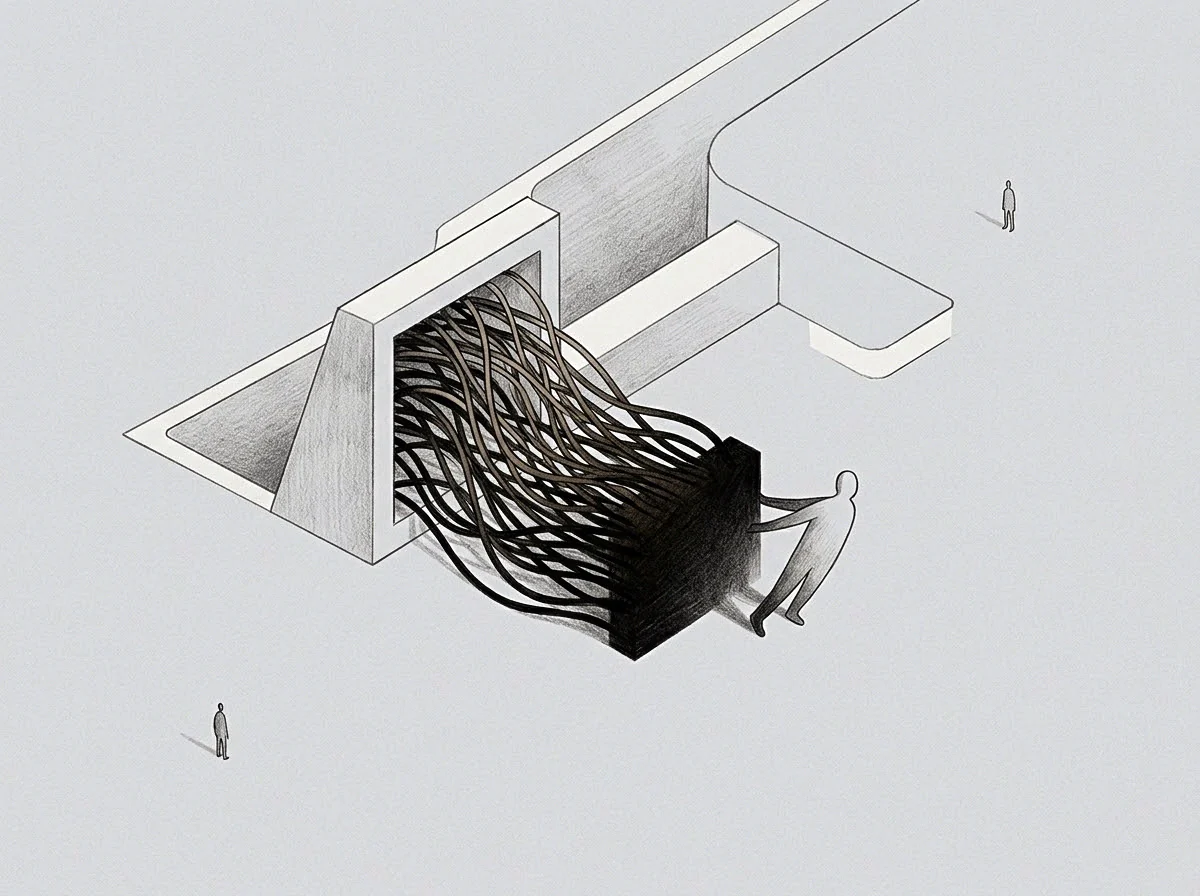
Neural Economy of Social Threat Buffering
Human nervous systems do not calculate environmental risk in isolation. Social baseline theory demonstrates that the mammalian brain constructs its default operational baseline under the assumption of continuous proximity to reliable conspecifics. When a trusted other is physically present or perceptually accessible, the primary somatosensory and emotional processing structures in the brain reduce their active threat monitoring.
Metabolic resources normally dedicated to vigilantly mapping potential hazards are redirected toward higher-order cognitive processing, long-term planning, and biological tissue maintenance.
Self-regulation conducted entirely alone represents the baseline maximum cost state for human physiology. In isolation, every potential systemic threat requires individual vigilance, raising allostatic burden and demanding higher glucose consumption from the prefrontal cortex. The sensory presence of a calm, predictable partner functions as a biological subsidy.
Threat buffering mechanics operate through this proximity offset: the nervous system offloads its vigilance requirements onto the surrounding social environment. When the environment contains a steady conspecific, the brain scales down its intrinsic alarm response, effectively borrowing the physiological stability of the external regulator.
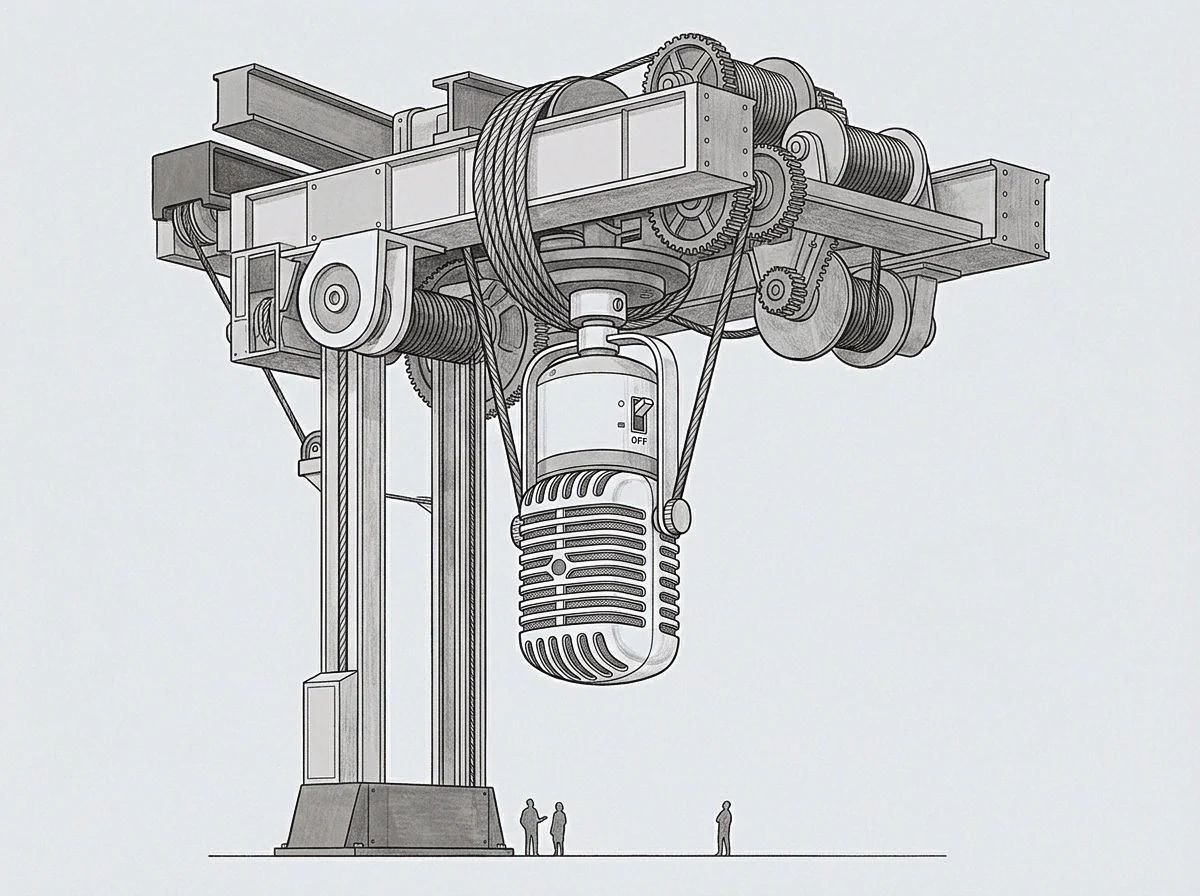
Physiological Baseline Defaults and Shared Energy
The distribution of metabolic expenditure during shared threat processing depends entirely on who holds the lower activation state. High-headroom regulators act as biological sinks for external hyper-arousal. When an dysregulated individual enters the perceptual field of an steady operator, the dysregulated individual’s autonomic nervous system synchronizes downward toward the steady state.
This dynamic lowers the physiological cost for the distressed party while placing a direct, unvoiced burden on the regulator.
Presence of a steady conspecific lowers prefrontal metabolic expenditure by offloading environmental vigilance onto shared perceptual space.
The regulator maintains an outward presentation of calm by actively suppressing autonomic resonance with the incoming panic. This containment demands continuous inhibitory control, drawing down the regulator’s finite reserves of glucose and metabolic energy. The recipient registers the interaction as a spontaneous return of their own clarity.
The party providing the steady baseline pays the full price of the structural stabilization.
They said everything was entirely under control and left no reason to check if anyone was holding them up.

Table
Metabolic accounting inside a company or a partnership reveals that stability is an operational commodity transferred between human bodies. The physical proximity of a reliable partner changes the energetic calculation of risk. Tasks rated as daunting by isolated individuals are evaluated as significantly less challenging when performed alongside an steady counterparty.
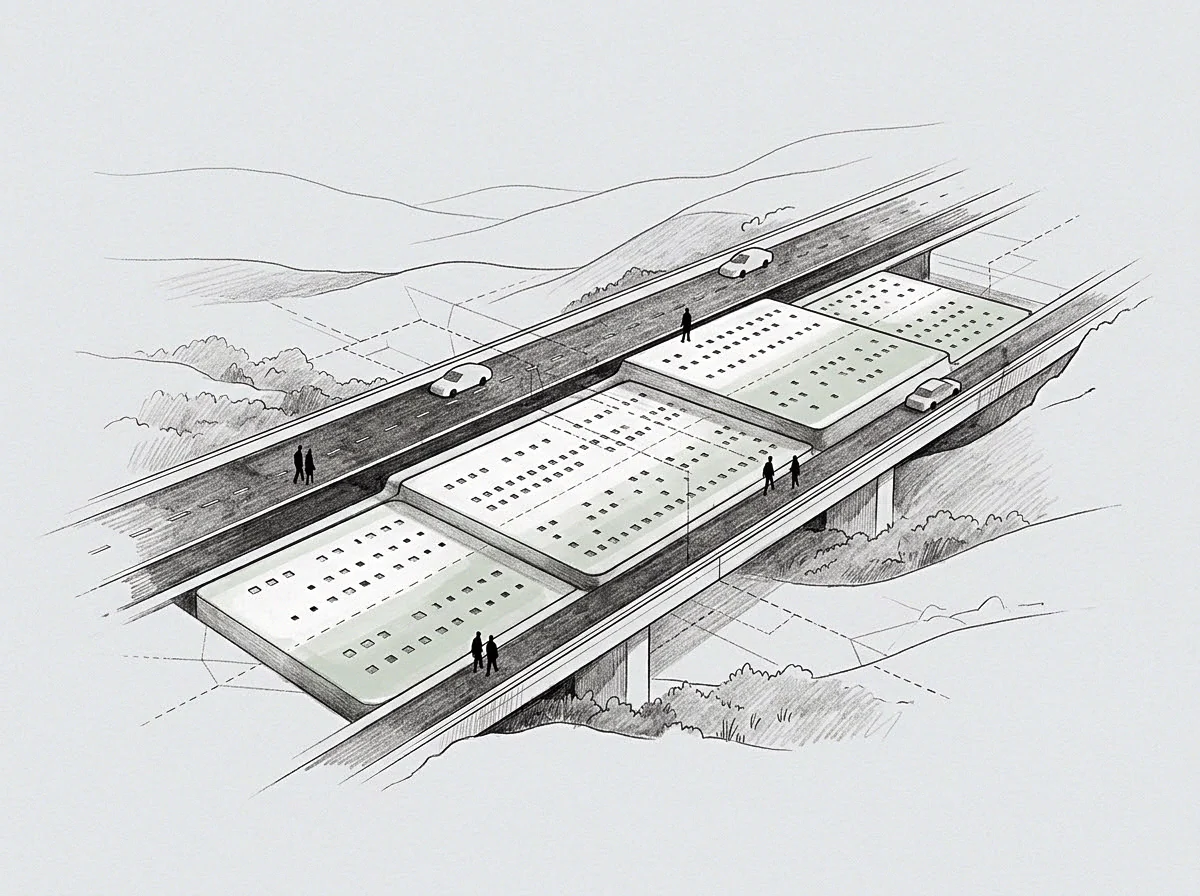
Proximity Mechanics and Differential Metabolic Expenditure
Functional neuroimaging reveals that holding the hand of a trusted partner during the threat of an electric shock reduces activation in the right anterior insula, superior frontal gyrus, and hypothalamus. When the partner is rated as highly dependable, threat-related neural activation drops to nominal levels. The physical presence of the counterparty alters the primary neural architecture of threat perception rather than merely modulating the emotional reaction after the fact.
The brain perceives fewer hazards when proximity guarantees shared load bearing.
This threat-buffering effect scales precisely with the perceived reliability of the social resource. An unpredictable or anxious counterparty fails to provide the metabolic subsidy, often increasing autonomic arousal and raising vigilance requirements. The body calculates relational availability using historical interaction patterns stored in long-term memory.
When historical patterns indicate high responsiveness, the brain automates the proximity subsidy, lowering baseline stress hormone production and preserving physiological headroom.
Internal Working Models Under Operational Pressure
Relational patterns settle into early internal working models that function as automated predictive software for proximity regulation. An individual raised with consistent, responsive care constructs a baseline template assuming that distress signals will attract effective environmental support. An individual exposed to unpredictable or punitive responses constructs an internal template assuming self-reliance is the sole viable path to safety.
These templates govern how individuals operate under extreme structural load within organizations.
- Autonomous Baseline Maintenance describes the operational state where an individual relies exclusively on internal neurochemical suppression to regulate acute environmental threat without drawing on social proximity.
- Co-Regulative Subsidy Shift occurs when a dysregulated party enters proximity with a steady counterparty, transferring their internal regulatory burden onto the counterparty’s active inhibitory architecture.
- Asymmetric Siphon State names the relational dynamic wherein one individual continuously absorbs external autonomic distress without ever receiving proximity regulation from their network.
- Structural Template Rigidity defines the persistent inability of a highly self-reliant operator to open a functional receptor slot for external baseline regulation even when reliable support is physically present.
Consider a worked situation involving two co-founders operating a venture during a severe capital freeze. The first founder holds an internal working model configured for shared regulation, regularly seeking physical proximity and open discussion to reset autonomic arousal. The second founder holds a backward template built on hyper-self-reliance, suppressing all internal distress signals while absorbing the first founder’s acute panic.
Assume the arrangement persists for eighteen months without explicit structural adjustments. The first founder maintains consistent daily output and low biological fatigue because their regulation cost is subsidized continuously. The second founder experiences progressive systemic exhaustion, severe sleep disruption, and sudden operational breakdown despite presenting absolute stability throughout the entire period.
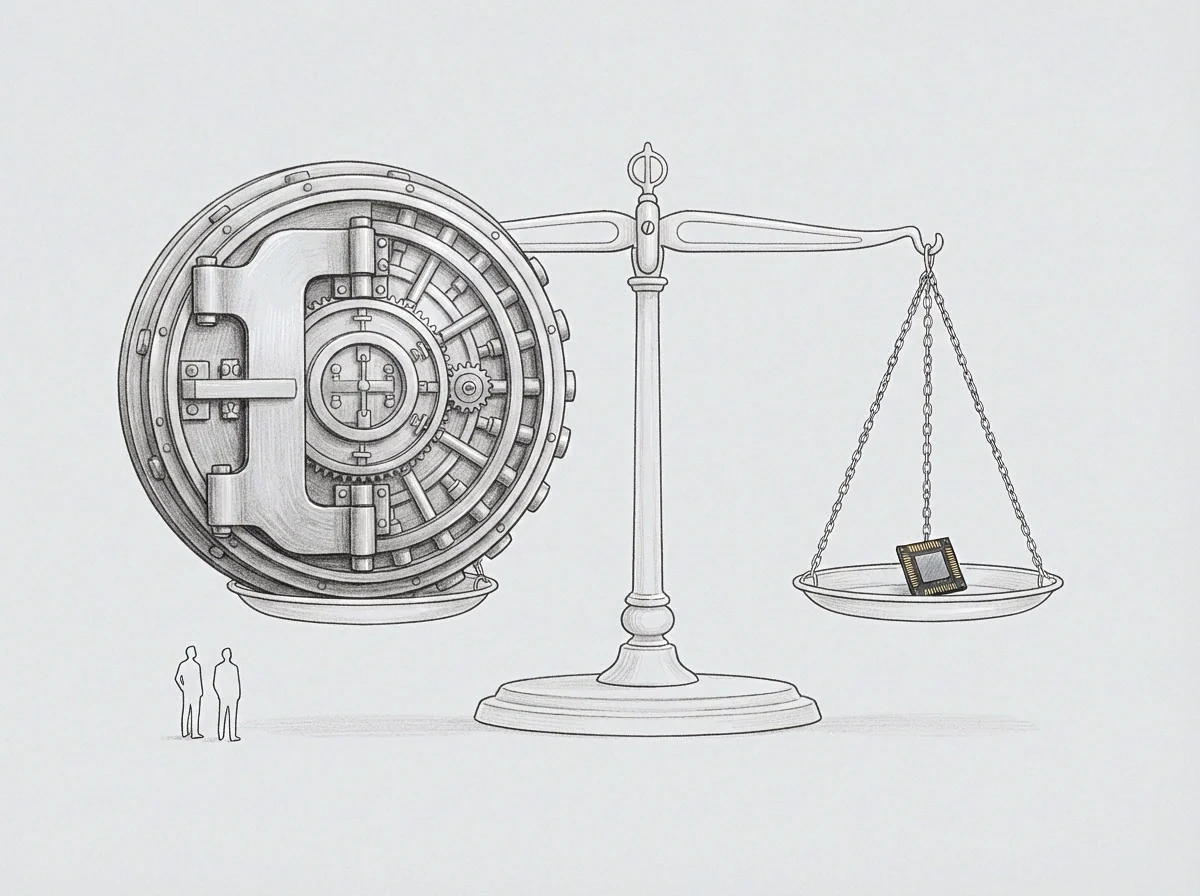
The second founder bore the unallocated regulation cost of both executives.
A regulator who consistently absorbs external panic without access to proximity support depletes their biological reserves regardless of their cognitive commitment.
Steady presence attracts operational load until explicit structural boundaries interrupt the automatic transfer.
Slot
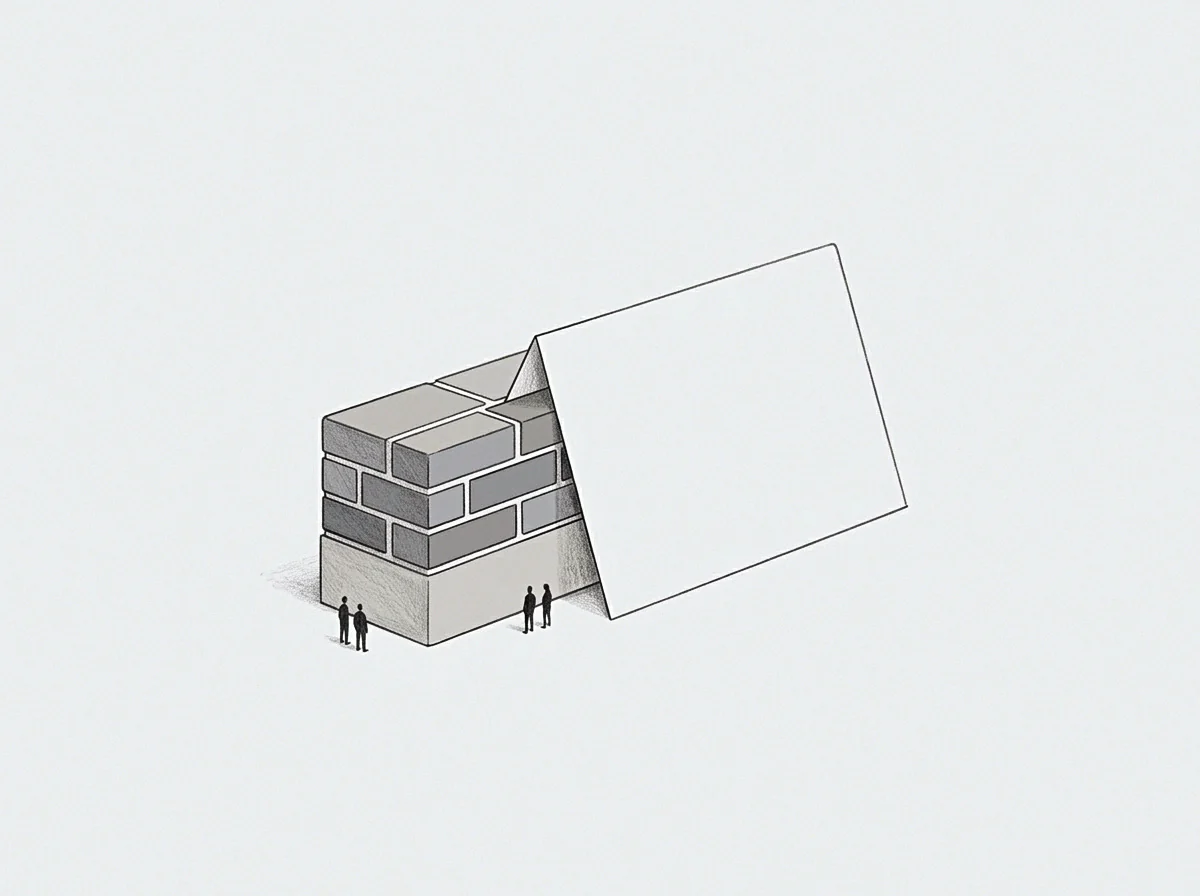
Receptor infrastructure determines whether an individual can absorb regulatory support from their environment. Holding a structural slot open for external regulation requires a pre-existing neurological template that recognizes safety in vulnerability. Without this template, attempts by counterparties to offer presence register as operational anomalies or active intrusive threats.
The Receptor Infrastructure in Asymmetric Co-Regulation
The human brain requires explicit neural hardware to convert external proximity into internal calm. This hardware develops through repeated, successful co-regulation cycles in early development. When a child experiences distress, an attentive caregiver provides sensory alignment, calming the child’s autonomic system.
This repeated cycle builds an internal model that links social connection directly to biological restoration. The adult retains this receptor slot, allowing partner proximity to automatically down-regulate threat processing.
When early care is inconsistent, cold, or hazardous, the biological receptor slot fails to mature. The developing brain learns that social proximity carries unpredictable energetic costs or direct physical danger. The adult nervous system subsequently hardens against external input, treating self-regulation as the only safe operational mode.
When an associate or partner offers physical presence or emotional support to an individual with a closed receptor slot, the input cannot land. The self-reliant individual processes the gesture as a demand for interaction rather than a biological subsidy, increasing their metabolic expenditure rather than reducing it.

Are Baseline Neural Resources Expandable Through Training?
Cognitive training and intentional operational awareness cannot alter the fundamental metabolic physics of the nervous system. Conscious effort to manage stress draws from the very prefrontal glucose reserves that threat regulation depletes. While cognitive strategies alter the subjective interpretation of operational challenges, they do not eliminate the biological cost of maintaining vigilance in isolation.
Only actual sensory proximity to an steady, trusted counterparty reliably scales down the core autonomic alarm system.
| Variable | Isolated Self-Regulation | Asymmetric Co-Regulation | Mutual Proximity Regulation |
|---|---|---|---|
| Primary Metabolic Sink | Prefrontal Cortical Inhibition | Primary Regulator’s Nervous System | Distributed Environmental Buffering |
| Vigilance Allocation | Maximum Individual Scanning | Unbalanced Vigilance Offload | Shared Environmental Monitoring |
| Autonomic Trajectory | Continuous Allostatic Rise | Recipient Down, Regulator Up | Sustained Autonomic Baseline |
| Long-Term Capacity | Rapid System Failure | Regulator Burnout at Capacity | Sustained Operational Resilience |
The operational comparison demonstrates that mutual proximity regulation provides the only sustainable model for high-stress environments. Asymmetric co-regulation protects one party by burning out the anchor. Isolated self-regulation guarantees steady biological exhaustion over extended timelines.
Relational proximity reduces physiological vigilance only when the underlying internal template registers the counterparty as an absolute source of safety.
The stated limit in an operational contract alters the baseline cost structure by explicitly restricting the downward transfer of unbuffered panic.

Weight
Early experience forces certain individuals to invert the natural direction of social baseline regulation. When a child’s survival depends on maintaining the emotional balance of an unstable or overwhelmed caregiver, the child adopts the role of the primary baseline provider. The child learns to monitor, predict, and smooth the caregiver’s autonomic state to prevent environmental volatility.
This dynamic forms a backward internal working model that persists into adult professional life.
Backward Templates and the Internalization of Operational Calm
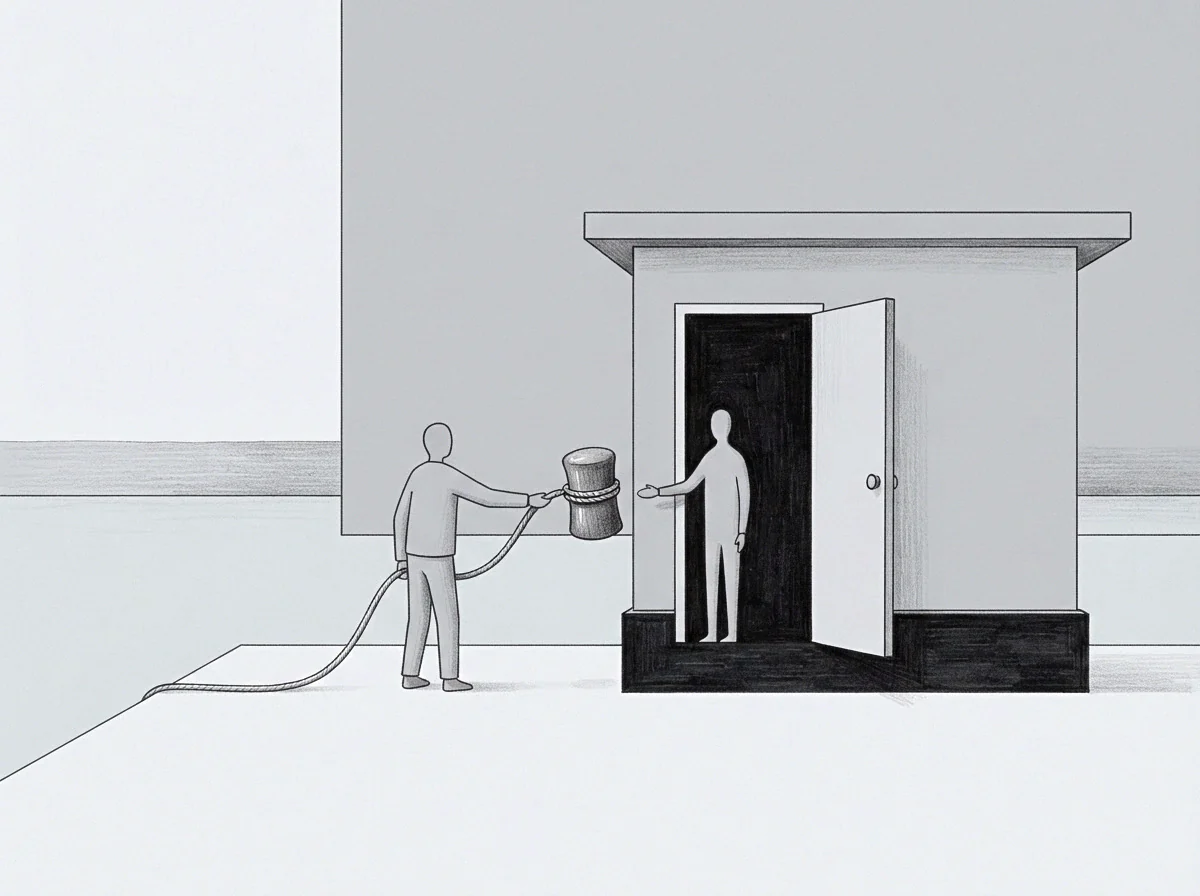
Individuals with backward templates integrate self-regulation and the regulation of others into a single continuous operation. They do not hold an internal concept of receiving presence, possessing no functional receptor slot for biological support. Their internal system evaluates safety as a state achieved exclusively when everyone in their immediate operational field is fully stabilized.
Consequently, they actively draw in surrounding dysregulation to neutralize it, consuming their own physiological reserves to maintain external order.
- The individual encounters an dysregulated associate or partner within their primary operational environment.
- The backward template interprets the associate’s distress as a direct threat to systemic operational stability.
- The individual automatically initiates high-cost prefrontal inhibition to project absolute calm and absorb the associate’s emotional variance.
- The associate down-regulates their autonomic system against the individual’s steady state, mistaking the individual’s output for endless baseline capacity.
- The individual completes the interaction with depleted physiological reserves and zero incoming regulatory input, reinforcing the conviction that self-reliance is mandatory.
This structural inversion explains why highly competent leaders frequently construct organizational environments that isolate them completely. Their templates treat external offers of assistance with deep physiological suspicion. They perceive a partner’s attempt to provide support as an operational risk, expecting that relying on another will inevitably trigger systemic failure or generate unexpected energetic debts.
A backward template converts every relational interaction into an operational task where the individual regulates the environment while remaining completely unheld.
Allowing an dysregulated network to continuously draw down an isolated operator’s baseline leads directly to structural systemic failure.

Shift
Updating an ingrained regulatory template cannot occur through structural analysis, intellectual insight, or strategic intention. Conceptual understanding of social baseline theory leaves the underlying neural architecture entirely intact. The brain’s threat-buffering algorithms respond exclusively to physical, repeated sensory evidence that safety is available in proximity to another human being.

Earned Security and the Update Path
Earned security defines the process by which an individual with an insecure or backward template constructs a functional, secondary regulatory model over time. This update requires prolonged exposure to an steady counterparty whose autonomic system remains baseline calm under operational stress and who consistently respects structural boundaries. The process is inherently slow because the brain must collect hundreds of distinct instances of safe co-regulation before overwriting its established predictive models.
In high-stakes environments, earned security develops when an operator experiences genuine operational threat while maintaining physical proximity to a reliable partner who does not demand to be regulated. The operator’s nervous system initially prepares to bear the double burden of self-containment and external stabilization. When the partner maintains their own baseline without relying on the operator, the operator’s alarm systems register a novel sensory input: threat is present, yet proximity actively reduces the total load.

Repeated Experience Beyond Structural Insight
The physical sensation of a dropped load marks the initial opening of the biological receptor slot. The operator realizes at a non-verbal, physiological level that presence can function as a genuine subsidy rather than a hidden performance requirement. Repeated instances of this shared threat processing alter the default baseline calculations in the insula and amygdala, gradually lowering daily metabolic expenditure.
Shift occurs in increments measured across operational cycles rather than singular revelations. As the secondary template solidifies, the operator develops the capacity to down-regulate their system in the presence of a counterparty without taking ownership of the counterparty’s emotional state. The distinction between one’s own autonomic baseline and the surrounding environmental noise becomes clear, permanent, and operational.
A founder who spent five years acting as the biological anchor for an entire company sits silently beside a new executive partner during a major corporate restructuring. The partner presents a clear strategy, maintains steady respiration, and asks for no emotional stabilization. The founder feels the familiar urge to manage the room’s tension, pauses, and lets their shoulders drop against the back of the chair.
The heart rate settles, executive focus sharpens, and the work proceeds without a single unvoiced debt.