
Longitudinal Physiological Costs Of Unilateral Hazard Absorption In High Stress Founder Partnerships
Unilateral hazard absorption transfers relational regulation costs to one partner, inducing chronic allostatic load and neural capacity degradation.
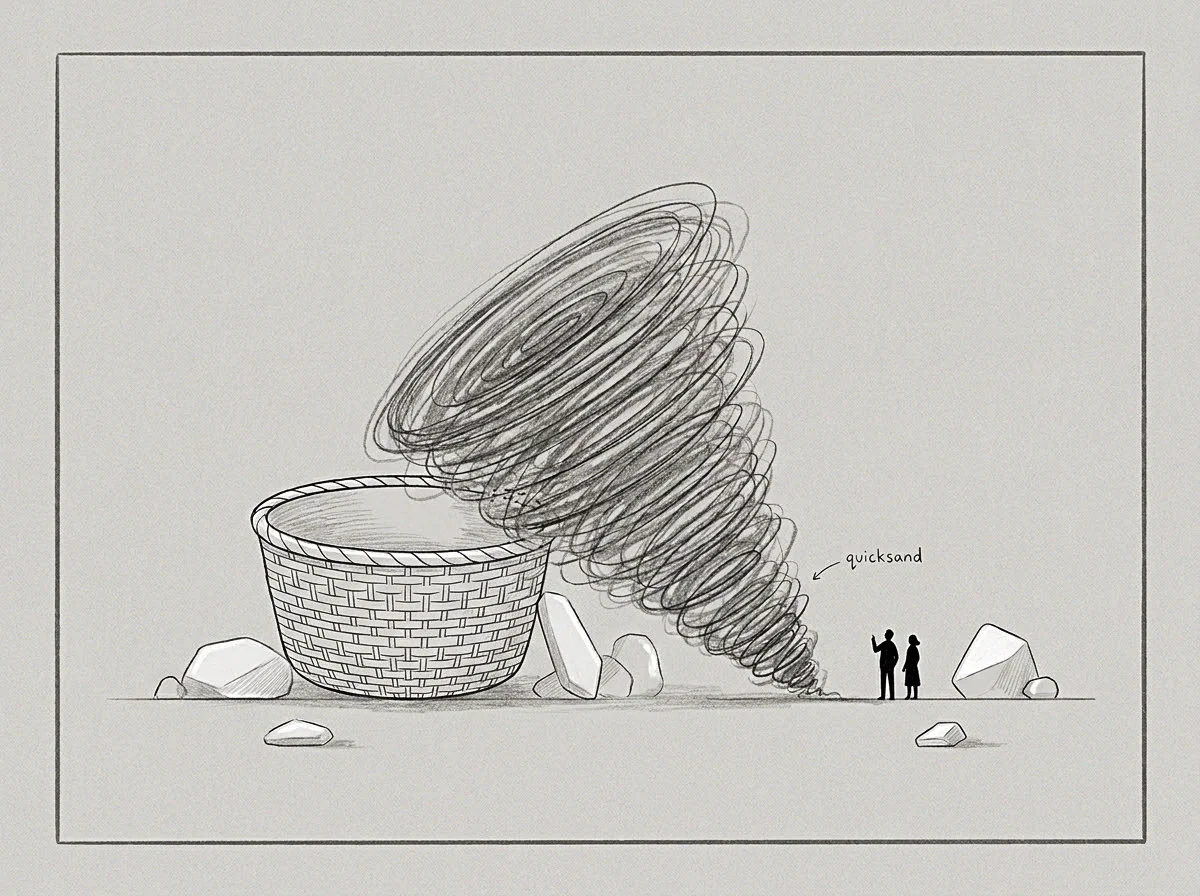
Seat
Four unread operational alerts sit on a dashboard while midnight passes in an empty office. Capital reserves cover ninety days of payroll, a primary distribution contract faces unilateral cancellation, and one executive partner has stopped answering messages. In high stress executive pairings, acute organizational volatility creates an immediate demand for autonomic containment.
When operational turbulence escalates, partners routinely diverge in their capacity to hold internal equilibrium. One founder absorbs the ambient panic, maintains a calm exterior, and addresses the immediate crisis alone. The second founder retreats into avoidance, emotional paralysis, or peripheral tasks, offloading the cognitive and physiological weight of the enterprise.

Emergency Signal Processing At Operating Capacity
Threat detection in commercial operations relies on distributed cognitive processing between executive partners. When a venture encounters catastrophic risk, the central nervous system registers the threat through sympathetic nervous system activation. Heart rate variability drops, systemic vascular resistance increases, and serum cortisol elevates to mobilize physical energy.
Under nominal conditions, two founders share this metabolic burden through mutual disclosure and synchronized problem-solving. Proximity to a steady counterpart signals safety to the brain, suppressing amygdala hyper-reactivity and preserving executive function. In an asymmetric partnership, this distribution breaks down entirely.
The steady founder suppresses their own physiological distress to stabilize the counterparty, creating an uncompensated internal load.
The human brain evaluates social proximity as a primary environmental resource for threat mitigation. When one partner fails to participate in hazard management, the remaining partner must process the operational threat while simultaneously regulating the counterparty’s distress. This dual task doubles the neural computation required to navigate the crisis.
Threat processing consumes neural fuel.
An unread operational alert sitting past midnight forces the partner holding the baseline to process both the structural threat and the counterparty’s silence.
Operational stability maintained by a single executive creates an illusion of organizational resilience. Board members, investors, and employees observe an intact enterprise moving through turbulent conditions without visible strain. They attribute this stability to sound management structures or institutional durability.
Inside the leadership dynamic, however, the calm rests entirely on the physiological expenditure of one individual. The steady founder acts as a shock absorber, converting external commercial volatility into internal somatic strain. The partner notes that one person remaining steady under threat proves the operational structure functions as intended.
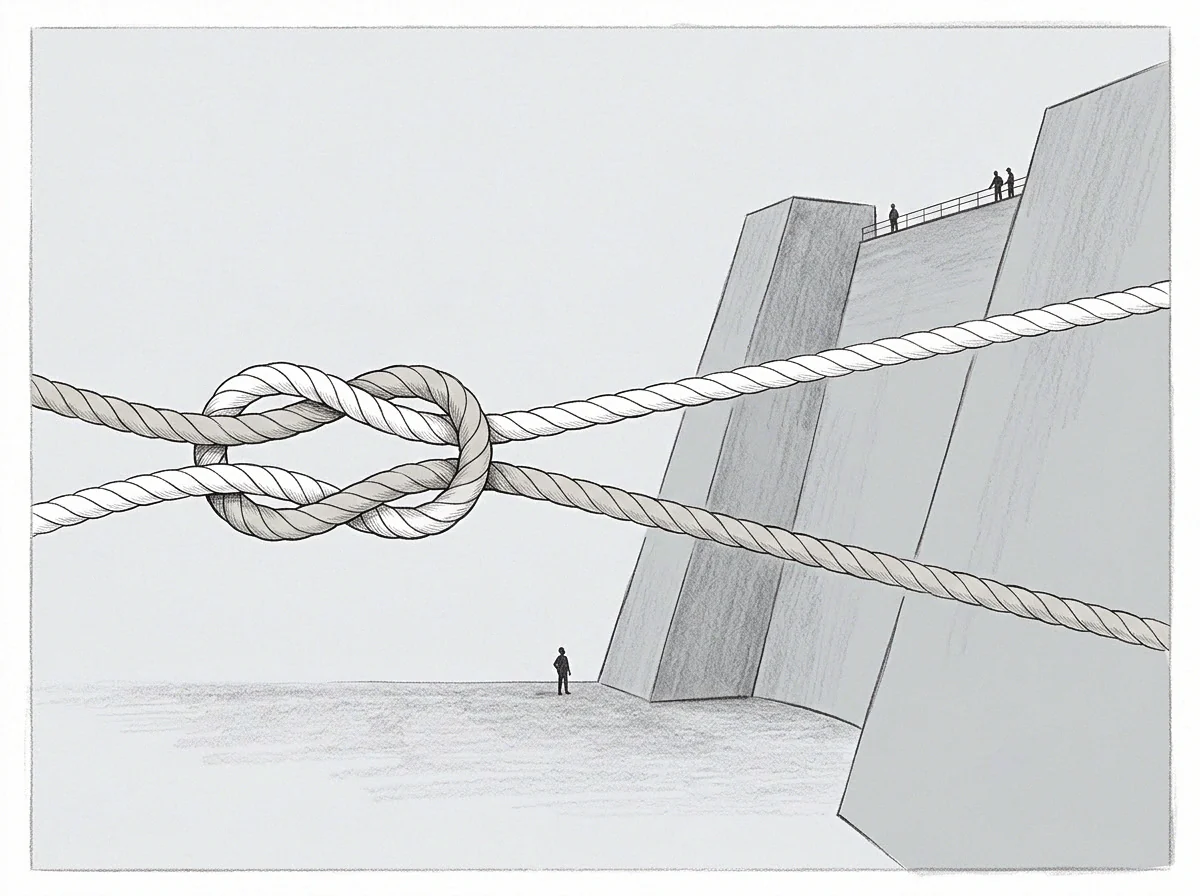
Absorption
Social baseline theory establishes that the human brain treats relational proximity as a primary energy conservation strategy. The brain assumes shared access to relational buffers and budgets metabolic resources accordingly. When an individual operates within a reliable social unit, neural threat monitoring decreases, baseline hypothalamic pituitary adrenal axis activity stabilizes, and cognitive headroom expands.
Unilateral hazard absorption occurs when an executive maintains the outward posture of a shared partnership while carrying the full metabolic price of organizational survival alone. The brain continues to signal for relational co-regulation, but receives no biological compensation from the counterpart.

Social Baseline Theory And Regulation Economies
Human neural architecture defaults to shared load management when a trusted partner remains present. In a co-regulating executive team, perceived environmental threats trigger lower total neural activation than in an isolated individual. Brain imaging studies demonstrate that holding the hand of a reliable partner during acute threat exposure significantly reduces activation in the anterior cingulate cortex, dorsolateral prefrontal cortex, and insula.
In a founder pairing where one partner consistently withdraws under pressure, this protective mechanism reverses. The presence of an dysregulated or non-responsive partner demands active physiological regulation rather than providing it. The absorbing partner expend extra metabolic energy to maintain relational cohesion while simultaneously solving the commercial crisis.
The baseline shifts under load. Over prolonged quarters, the absorbing partner’s nervous system stops anticipating relational support. The baseline regulation economy changes from a shared model to an unassisted mode, while the operational structure still demands joint performance.
The metabolic debt accumulates continuously.

The Physiology Of Threat Delegation
When one executive handles all incoming structural volatility, neural threat budgeting shifts into isolated survival modes. The non-absorbing partner delegates threat management implicitly by disengaging from high-stakes decisions, displaying acute distress, or demonstrating operational paralysis during capital shortages. This dynamic forces the absorbing partner to adopt an uninterrupted hyper-vigilant posture.
Cortisol remains elevated overnight. Systemic inflammatory markers, including interleukin-6 and C-reactive protein, increase in response to sustained, unbuffered psychological strain.
| Scope / Parameter | Co-Regulated Hazard Sharing | Unilateral Hazard Absorption |
|---|---|---|
| Sympathetic Activation | Transient spikes with rapid return to baseline baseline level | Sustained elevation with lost nocturnal dip profiles |
| Allostatic Load Distribution | Balanced across both executive metabolic systems | Concentrated entirely within the absorbing partner |
| Executive Neural Headroom | Preserved for long-range strategic planning | Consumed by immediate threat and relational containment |
| Recovery Interval Duration | Short restorative windows return autonomic balance | Extended rest fails to reset basal systemic strain |
Systemic strain alters neural architecture over extended timeframes. Prefrontal cortex synaptic density decreases under chronic hypercortisolemia, impairing working memory, cognitive flexibility, and complex decision-making capacity. Simultaneously, the basolateral amygdala hypertrophies, heightening baseline sensitivity to ambiguous operational signals.
The absorbing partner becomes structurally predisposed to detect threat, even during routine administrative operations. Isolation increases autonomic strain.
When social proximity fails to yield reciprocal co-regulation, the brain budgets neural threat processing as an isolated system operating at maximum load.
The commercial entity continues to function because one partner quietly absorbs every systemic shock. The non-absorbing partner often interprets the steady partner’s composure as evidence of low distress, assuming the workload distribution matches individual emotional tolerance. Under explicit contract conditions specifying equal operational accountability, the structural transfer of autonomic regulation converts relational stability into an uncompensated metabolic overhead.
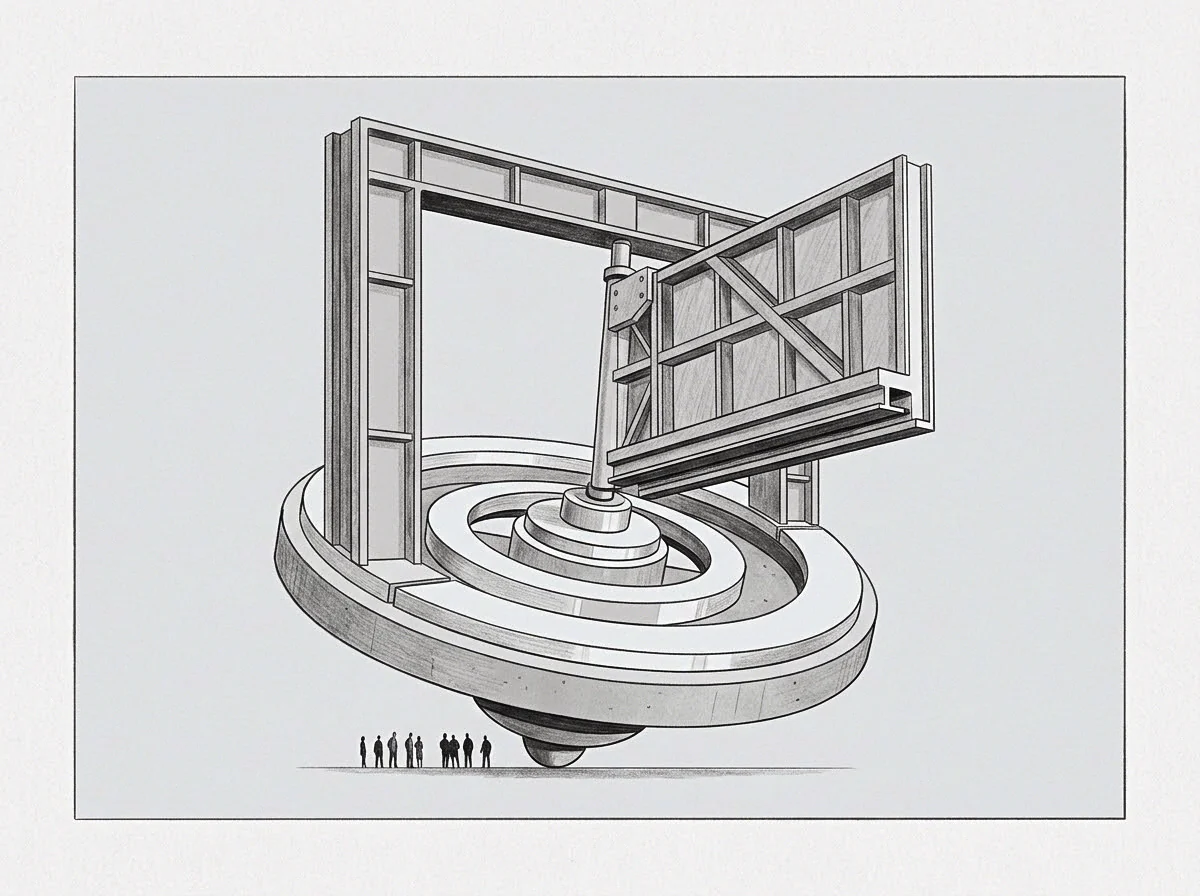
Template
Relational patterns established early in life define how an individual processes distress and accepts co-regulation. An internal working model functions as an automated cognitive and somatic template, predicting whether others will respond reliably to signals of overload. Founders who end up absorbing unilateral hazard routinely possess internal working models formed around childhood role reversal.
In these developmental backgrounds, the individual maintained safety by regulating the emotional volatility of primary caregivers. As adults, these founders execute the same regulation sequence in executive seats. They regulate their partners automatically, while possessing no functional internal template for receiving regulation themselves.
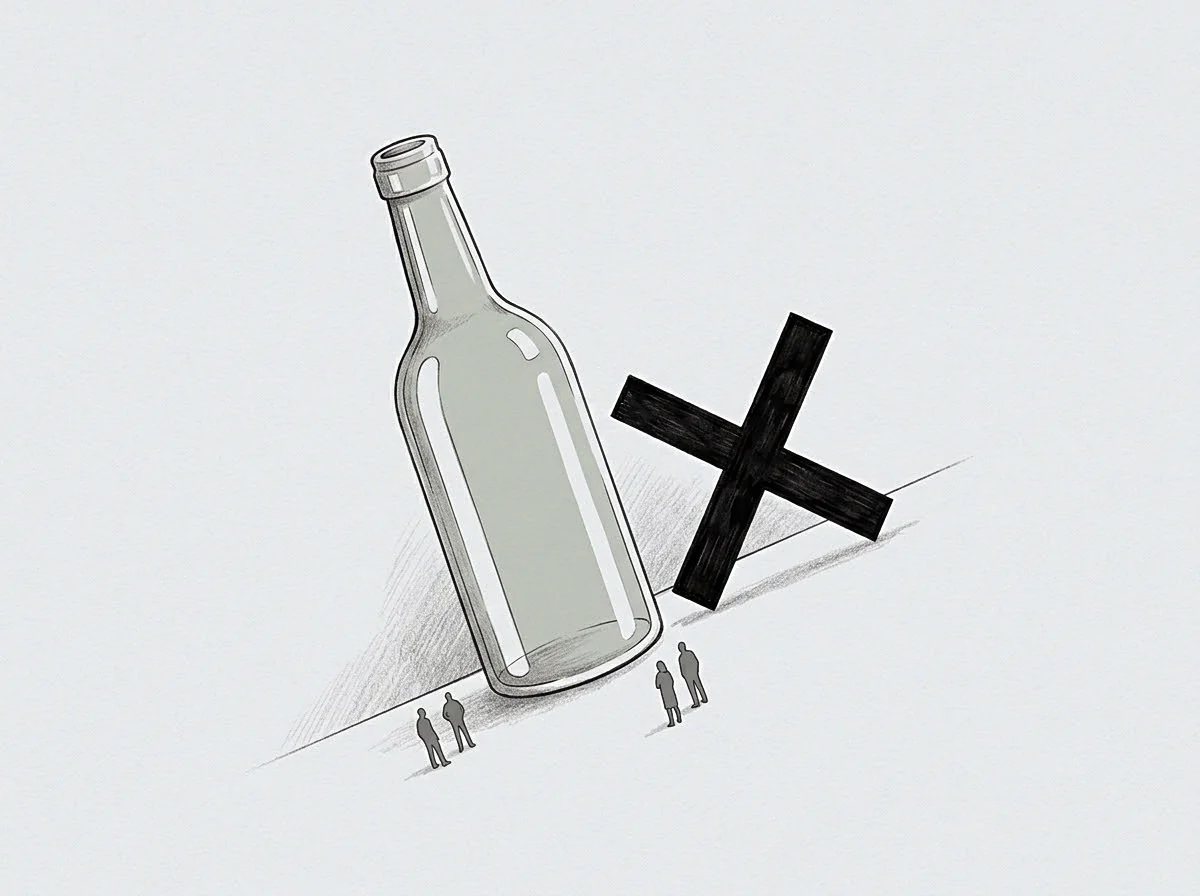
Early Internal Working Models Under Operational Pressure
Attachment systems formed in childhood dictate whether an executive views a partner as a stabilizing refuge or an added source of vigilance. An individual with an insecure-atypical or organized-compulsory attachment template associates safety with total self-reliance and environmental control. When operational pressure rises, this template activates automatically.
The founder assumes that expressing vulnerability or requesting shared load management will cause partner collapse or relational abandonment. Consequently, the executive suppresses signal displays of personal distress and absorbs all incoming organizational hazards to maintain partner equilibrium.
The body pays the metabolic debt. The absorbing founder maintains high operational outputs through compensatory sympathetic drive. This reliance on chronic adrenaline and cortisol masks underlying physiological fatigue, postponing the recognition of systemic exhaustion until organic functional capacity drops.
The Absence Of A Receptor Slot
An executive who learned to regulate guardians rather than receive regulation develops a reversed relational structure. In this neurobiological configuration, the individual lacks a functional receptor slot for incoming co-regulation. When a supportive partner, advisor, or investor offers genuine operational or emotional presence, the absorbing founder registers the input as an anomaly or an added supervisory burden.
The reversed template interprets incoming support through a lens of hyper-vigilance, scanning for hidden costs or impending operational failure.
- Autonomic tone decoupling occurs when heart rate variability parameters disconnect from conscious emotional state assessments, masking severe somatic exhaustion during routine operations.
- Compensatory hyper-vigilance drives continuous environmental scanning for structural failure, converting minor administrative oversights into acute biological alarms.
- Receptor slot closure prevents the integration of external supportive signals, forcing the individual to process all operational liabilities within an isolated neural loop.
- Somatic load escalation manifests as persistent systemic inflammation, gastrointestinal dysfunction, and chronic sleep architecture disruption over extended operating quarters.
Regulating others and regulating the self merge into a single operation built on one backward template. The founder cannot turn off threat containment because disengaging feels like inviting immediate organizational collapse. The individual functions as a permanent stabilization engine for the enterprise, operating without an internal mechanism to offload heat.
A partner operating from a backward internal working model converts incoming support into additional threat monitoring overhead.
This structural arrangement leads directly to physiological degradation. The absorbing partner remains unable to access relational buffers, even when surrounding conditions are safe. Failure to recognize early relational template distortion results in eventual autonomic exhaustion and total executive operational collapse.
Siphon
Walking forward through an eighteen month operational window reveals the metabolic compounding of unbuffered distress. Take two founders who build a venture from pre-revenue validation to a series capital raise over two years. Assume the operational lead holds sixty percent of execution responsibilities while maintaining equal equity.
During the first six months, market volatility triggers acute operational stress. The operational founder absorbs late-night customer churn, key hires departing, and cash runway contractions without raising alarms to the partner. The secondary founder disengages during board updates, expresses extreme anxiety when metrics dip, and relies on the operational founder for emotional reassurance.
Why Does Unilateral Absorption Degrade Allostatic Capacity?
Sustained high cortisol secretion suppresses immune function while altering prefrontal synaptic density over extended timeframes. During months six to twelve of the venture, the operational founder experiences chronic sleep disruption, marked by early morning awakenings driven by elevated nocturnal cortisol. Sympathetic tone remains dominant, preventing parasympathetic recovery during non-working hours.
Heart rate variability tracking shows a baseline vagal tone reduction of forty percent compared to pre-founding levels. The operational founder continues to execute strategy, but decision velocity slows as cognitive headroom declines. Calm registered as structural capacity.
Threat processing consumes neural fuel. By month fourteen, the operational founder exhibits signs of allostatic overload, including persistent fatigue, memory retrieval delays, and elevated resting blood pressure. The secondary founder, protected from direct hazard exposure by the operational founder’s containment posture, maintains baseline physiological metrics and views the company’s progress with optimism.
The operational founder attempts to communicate personal exhaustion, but the partner responds with panic, perceiving the steady founder’s strain as an existential threat to the company.
Endocrine Cascades And Allostatic Overload
Repeated activation of the hypothalamic pituitary adrenal axis transforms adaptive acute stress into systemic biological strain. Chronic elevation of glucocorticoids down-regulates glucocorticoid receptors in the hippocampus, impairing the negative feedback loop that normally terminates the stress response. The endocrine system loses its ability to shut down cortisol production after acute crisis resolution.
Fatigue masks endocrine dysregulation. The steady founder paid for calm. As allostatic load crosses critical thresholds, cellular aging accelerates.
Leukocyte telomere shortening accelerates under chronic unbuffered psychological strain, effectively advancing biological age beyond chronological age. The operational founder experiences frequent viral infections, localized somatic pain, and metabolic shifts characterized by insulin resistance and central adiposity accumulation.
The structural transfer of hazard management functions as an invisible metabolic siphon running continuously between executive seats.
The partnership eventually reaches an operational breaking point not through strategic disagreement, but through the physiological breakdown of the absorbing founder. The individual can no longer maintain the autonomic suppression required to keep the enterprise stable. Whether prolonged endocrine dysregulation permanently alters baseline neural threat sensitivity after the partnership dissolves remains under active physiological investigation.

Recovery
Updating an internal working model demands repeated concrete physical experiences of safety rather than intellectual clarity. Knowing the theoretical architecture of attachment or social baseline economics does not alter autonomic reactivity. The neurobiological system updates its threat calculations only through repeated real-world interactions where risk is shared or operational limits hold firm.
For an executive accustomed to unilateral hazard absorption, shifting the regulation economy requires structural boundaries that prevent covert load transfers.
Earned Security Through Repeated Actual Experience
Neural pathways driving relational trust reconfigure slowly through consistent real world exposure to stable counterparts. Earned security describes the structural update of an insecure internal working model into a resilient template through later adult experiences. For an absorbing founder, this transformation requires engaging in high-stakes operational environments with partners who process hazard directly rather than offloading it.
Experiencing a partner who stays present, regulates their own autonomic state during capital crises, and shares execution responsibility creates the sensory evidence needed to rewrite early developmental expectations.
Proximity alters neural resource allocation. When an executive experiences sustained co-regulation during operational crises, the brain rewires its threat-budgeting algorithms. The amygdala reduces its baseline alert state, prefrontal cortex metabolic consumption stabilizes, and autonomic flexibility restores.
Establishing Operational Limits At The Perimeter
Formal operational limits prevent passive load transfer by establishing objective thresholds for shared execution. These limits replace covert relational contracts with explicit performance parameters. The absorbing founder stops buffering the partner from the direct consequences of disengagement, allowing commercial tension to sit where it belongs.
- Stating operational load limits explicitly before capital allocation milestones to define precise execution parameters.
- Mandating synchronous decision windows to enforce shared threat processing during market contractions.
- Establishing non-negotiable off-grid physiological reset periods to force parasympathetic recovery cycles.
- Terminating uncompensated co-regulation dynamics through formal equity or authority restructuring when structural imbalance persists.
Limits protect executive headroom. Setting concrete operational boundaries acts as the primary intervention against unbuffered hazard transfer. The non-absorbing partner either adapts to the explicit load-sharing requirements or the dynamic breaks entirely, exposing the true viability of the executive arrangement.
Relational stability in executive seats requires structural limits rather than spoken assurances.
Stated terms alter relational dynamics permanently. The founder who stops absorbing unilateral hazard reclaims internal metabolic capacity and restores long-term strategic judgment. A partner who establishes firm limits retains executive capacity while an unbuffered dynamic consumes both the individual and the enterprise.