
Longitudinal Template Modification in Primary Relationships Following Sustained Founder Allostatic Overload
Sustained allostatic overload forces self-regulation onto an internal model, shifting primary partner interactions from shared calm to structural demand.
Circuit
Four operational communications remain unread on a laptop at midnight while metabolic reserves sit near zero. The human system facing multi-year commercial exposure operates under elevated baseline cortisol and sustained sympathetic drive. Prolonged exposure alters the baseline state, forcing the nervous system to maintain hyper-vigilance even during scheduled rest.
Autonomic tone shifts permanently toward threat detection. Threat alters baseline tone. Under normal operational conditions, a person relies on social proximity to distribute the metabolic overhead of affect regulation.
High autonomic load breaks this natural distribution.
When high metabolic strain persists over quarters, the brain reallocates energy away from relational intake. Executive function prioritizes survival tasks, threat mitigation, and structural risk management over emotional connection. The individual becomes an isolated processing unit.
Capacity drops under stress. Internal resource allocation treats relational queries as competing demands rather than sources of biological calm. The primary bond receives whatever residual energy remains after operational obligations extract their share.
A nervous system operating near capacity treats incoming presence as additional load.
Primary partners notice the change long before the individual names it. Bids for connection arrive, yet the overloaded nervous system registers these bids as operational inputs requiring analysis, output, or defense. The capacity to receive calm from another person relies on an open receptor slot in the internal working model.
Prolonged self-reliance under threat closes that slot. The individual continues to function, managing large budgets and complex teams, yet returns home physiologically incapable of settling into shared space. Load demands immediate allocation.
When an overloaded system continues to process relational connection as an administrative task, the primary bond quietly shifts into an auxiliary monitoring station.

Table
Structural Shifts in Primary Interpersonal Regulations
Longitudinal strain alters how two nervous systems interact within a shared domestic environment. The transition from mutual baseline support to isolated self-regulation follows predictable physiological lines. The cost shifts quietly.
The table below outlines the structural changes in relational regulation as sustained operational stress rewrites the underlying template.
| State of System | Primary Regulator Source | Relational Signal Interpretation | Autonomic Cost Allocation |
|---|---|---|---|
| Baseline Co-regulation | Shared Proximity | Bi-directional offer of safety | Low individual metabolic expenditure |
| Sustained Autonomous Overload | Isolated Executive Control | Operational demand or distraction | High personal reserve drain |
| Post-Overload Template Modification | Internalized Structural Model | Potential threat to stability | Compounded autonomic exhaustion |
A covert relational contract bills the partner for calm that was never consciously requested.
Receptor Slot Closure and Shared Headroom
As internal templates modify under prolonged stress, specific behavioral adjustments take hold inside primary relationships. These adaptations serve to protect dwindling cognitive capacity, yet they simultaneously isolate the individual from available social regulation.
- Autonomous buffering reduces incoming signals to protect remaining executive focus.
- Signal attenuation misinterprets soft relational inquiries as demands for immediate action.
- Internalized control routes all stabilizing decisions through self-reliance mechanisms.
The partner frequently senses an invisible barrier during ordinary conversations. Silence carries weight. The individual sitting across the table appears physically present, yet their nervous system continues to monitor external threats.
Over time, the partner adjusts by withholding their own needs, attempting to avoid adding weight to an already overloaded structure. A explicit cap on shared operational hours restores the physiological boundary required for biological co-regulation to resume.
Signal
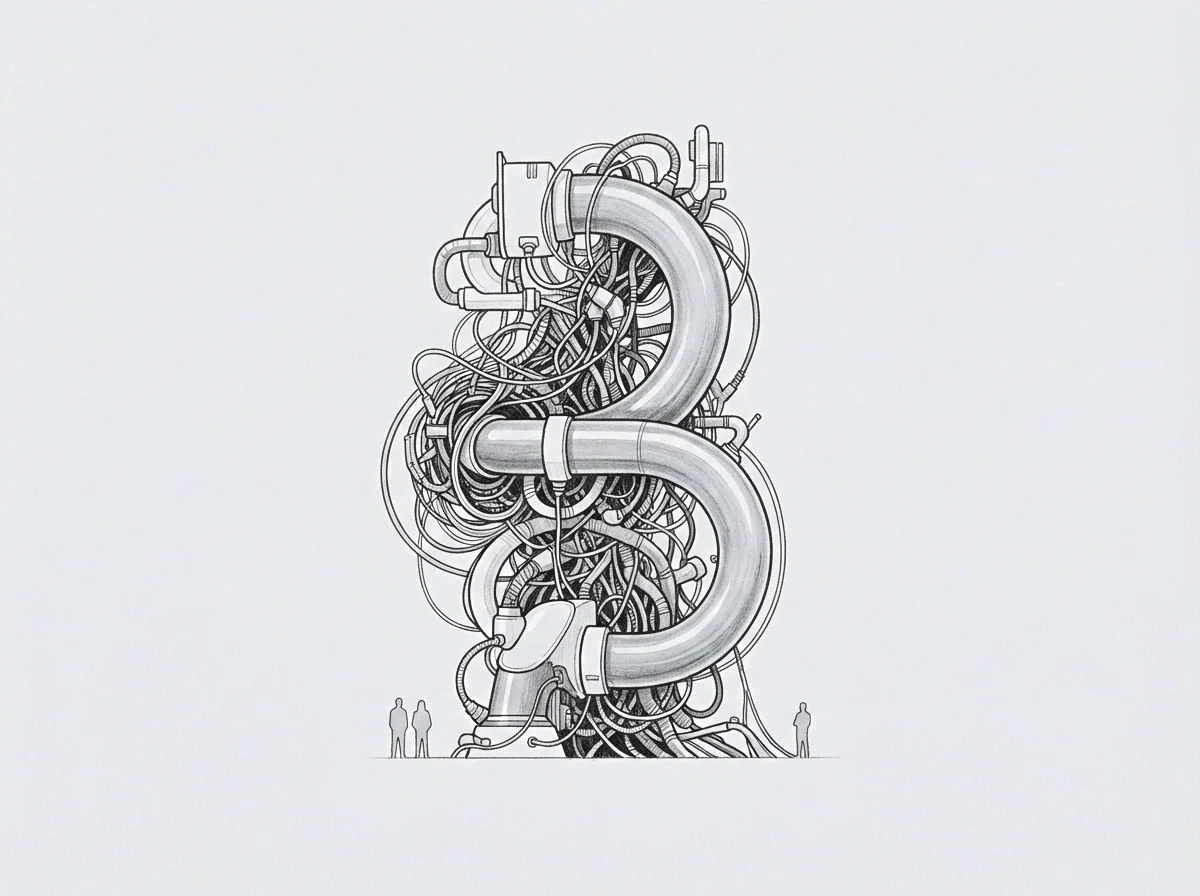
Does Borrowed Regulation Lower Total System Overhead?
Take two people who built an enterprise together across three years of negative cash flow while sharing a residence. Assume one individual holds legal responsibility for forty employee salaries while the other maintains predictable hours in an external role. In the early stages of commercial growth, the primary home provides a stabilizing environment.
The founder arrives home with elevated heart rate variability metrics, borrowing the partner’s low-arousal state to down-regulate sympathetic activation. Proximity functions as a natural buffer. Presence lowers regulation cost.
As commercial pressure continues without resolution, the cost structure of this arrangement changes. The founder’s internal working model adapts to continuous threat by establishing an autonomous regulation loop. The nervous system learns that external support is conditional, delayed, or insufficient for the scale of liabilities held.
Self-reliance becomes the primary defense strategy. Borrowed calm stops registering as personal relief. The founder begins to treat the partner’s steady state as an asymmetry of burden, questioning why one person carries acute risk while the other sits in comfort.
The founder’s template rewrites its expectations of the responsive other. The brain budgets threat detection as an exclusive, single-operator task. When the partner offers comforting physical touch or verbal reassurance, the founder’s physiology fails to drop its guard.
The input registers as an anomaly in a system built for solitary defense. The founder absorbs the partner’s presence as an extra variable to monitor, calculating whether the partner requires attention, explanation, or emotional protection from the ongoing commercial storm.
Proximity to a steady partner lowers autonomic expenditure only while the internal working model registers the other as safe.
This template modification persists even when cash flow turns positive and operational risks recede. The nervous system retains its modified settings long after the original threat resolves. The founder continues to sleep in a state of partial vigilance, reacting to domestic disruptions with the same intensity previously reserved for commercial crises.
The partner realizes that their steady presence no longer reaches the founder’s autonomic core. The room feels quiet, yet every conversation still carries the pressure of an operational briefing.

Buffer
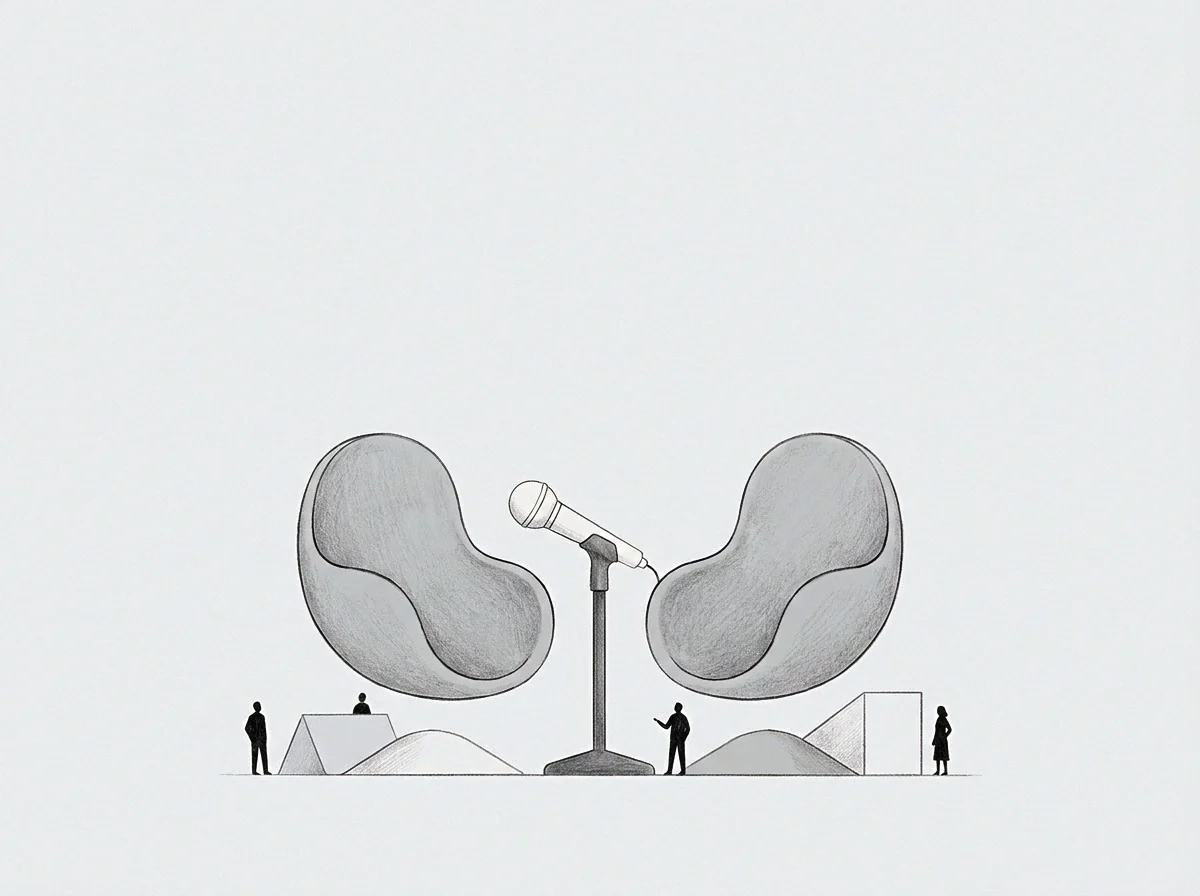
Atrophy of the Responsive Other Model
The internal working model of a responsive other develops through thousands of successful co-regulation cycles. In adult primary relationships, this template reassures the individual that vulnerability produces support rather than exposure to danger. Sustained allostatic load degrades this template.
When an individual manages high-stakes environments without relief, the brain updates its predictive architecture. The internal representation of the partner shifts from a protective harbor to a vulnerable entity needing protection, or to an unpredictable source of operational friction.
The slot remains closed. Once the model of a responsive other atrophies, self-regulation becomes the sole operational pathway. The individual accepts full responsibility for their internal biological state, refusing to lean into external relationships.
This structural shift creates a distinct set of operational behaviors within the domestic environment.
- Executive attention isolates decision paths to prevent external disruption.
- Emotional bids from close contacts trigger defensive motor preparation rather than engagement.
- Physical resting state retains high muscle tone even during prolonged operational pauses.
- Attempts at shared rest produce restlessness because the internal threat monitor remains engaged.
High autonomic capacity under prolonged threat frequently attracts further load from partners who mistake endurance for ease.
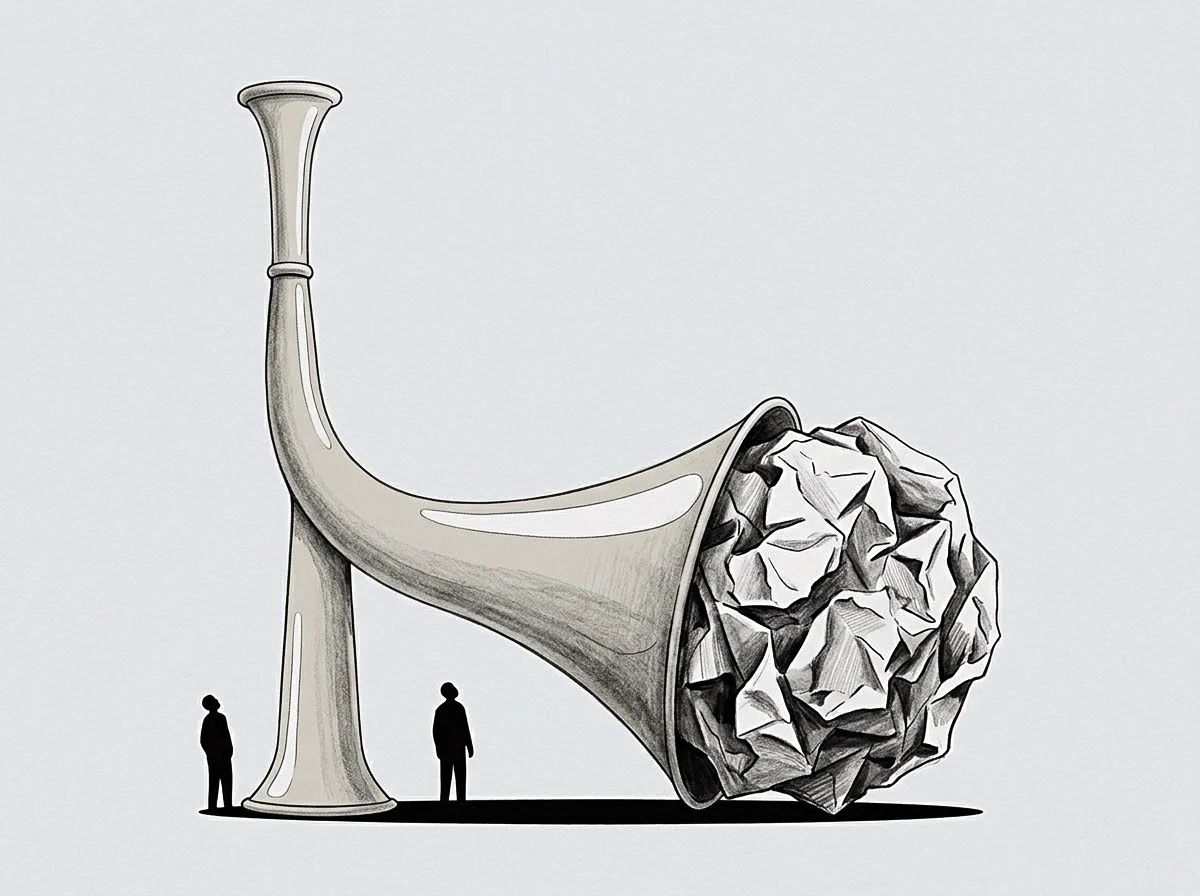
Rest demands real safety. A person who ran the self-reliance cycle for years finds quiet environments disorienting. When external noise drops, internal threat signals amplify, compelling the individual to seek out new work tasks or financial risks to match their internal state of arousal.
The partner remains caught in the fallout of this physiological mismatch, attempting to offer rest to a system that views stillness as vulnerability. How many months of deliberate co-regulation are required to reopen a receptor slot that closed under multi-year pressure?
Ground
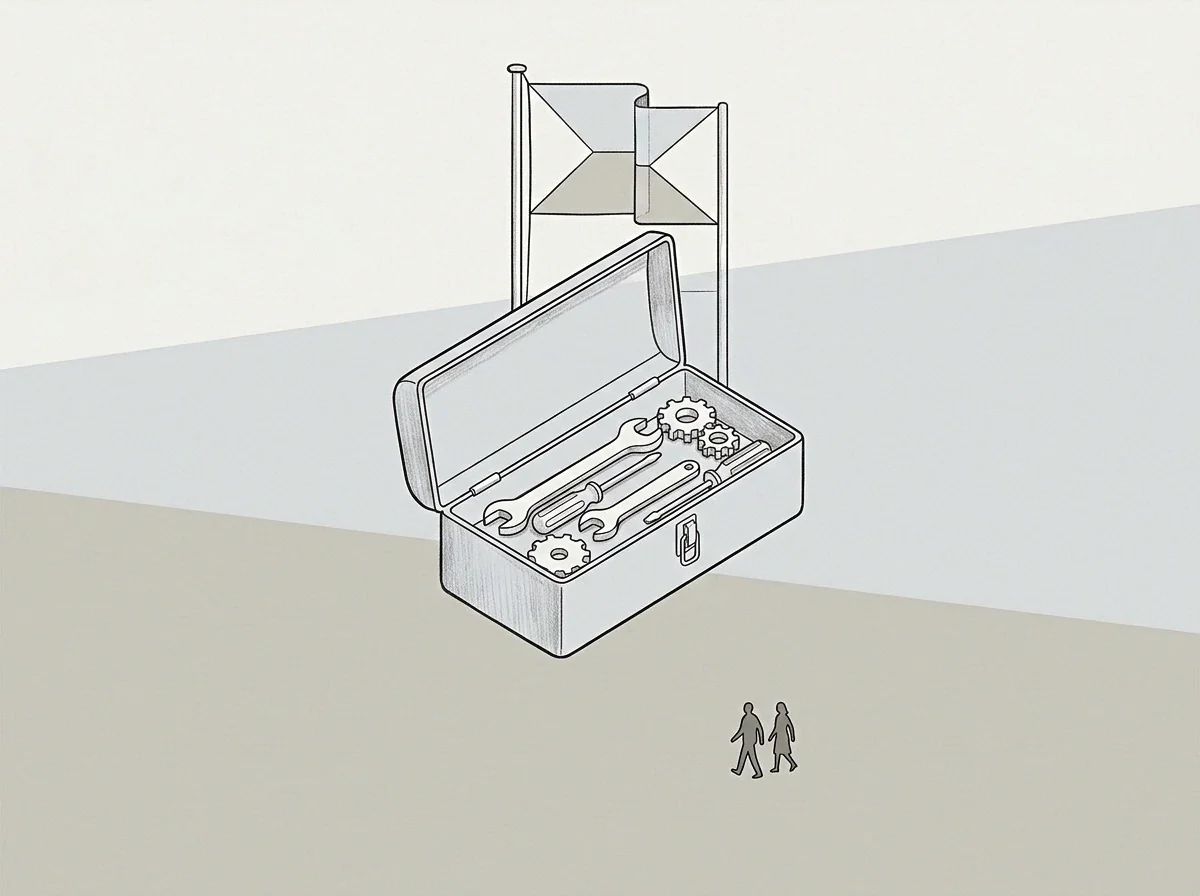
Pathways Toward Earned Relational Security
Updating a modified relational template requires direct physiological evidence rather than intellectual analysis. Knowing the underlying mechanisms of allostatic overload does not lower resting heart rate or restore biological receptivity. The nervous system updates its predictive models exclusively through repeated, non-threatening experiences over extended timelines.
Insight changes no physiological habit. The individual must experience shared space where no operational demand occurs, allowing the brain to register safety without active effort.
Earned security develops as a second template formed alongside the modified self-reliance structure. The goal is to build an auxiliary relational path capable of supporting biological co-regulation. This process demands explicit, low-demand contact where neither partner seeks an operational output or emotional performance.
The budget resets slowly. Time alone alters nothing. Rebuilding relational capacity takes root when both individuals sit in quiet room without exchanging operational data, letting physiological rhythms synchronize over time without demanding an outcome.