
Receptor Downregulation Bounds In Dyadic Regulatory Environment Reentry Following Sustained High Allostatic Load
Receptor downregulation under chronic overload throttles receptive neural pathways, making incoming dyadic calm register as sensory load during reentry.
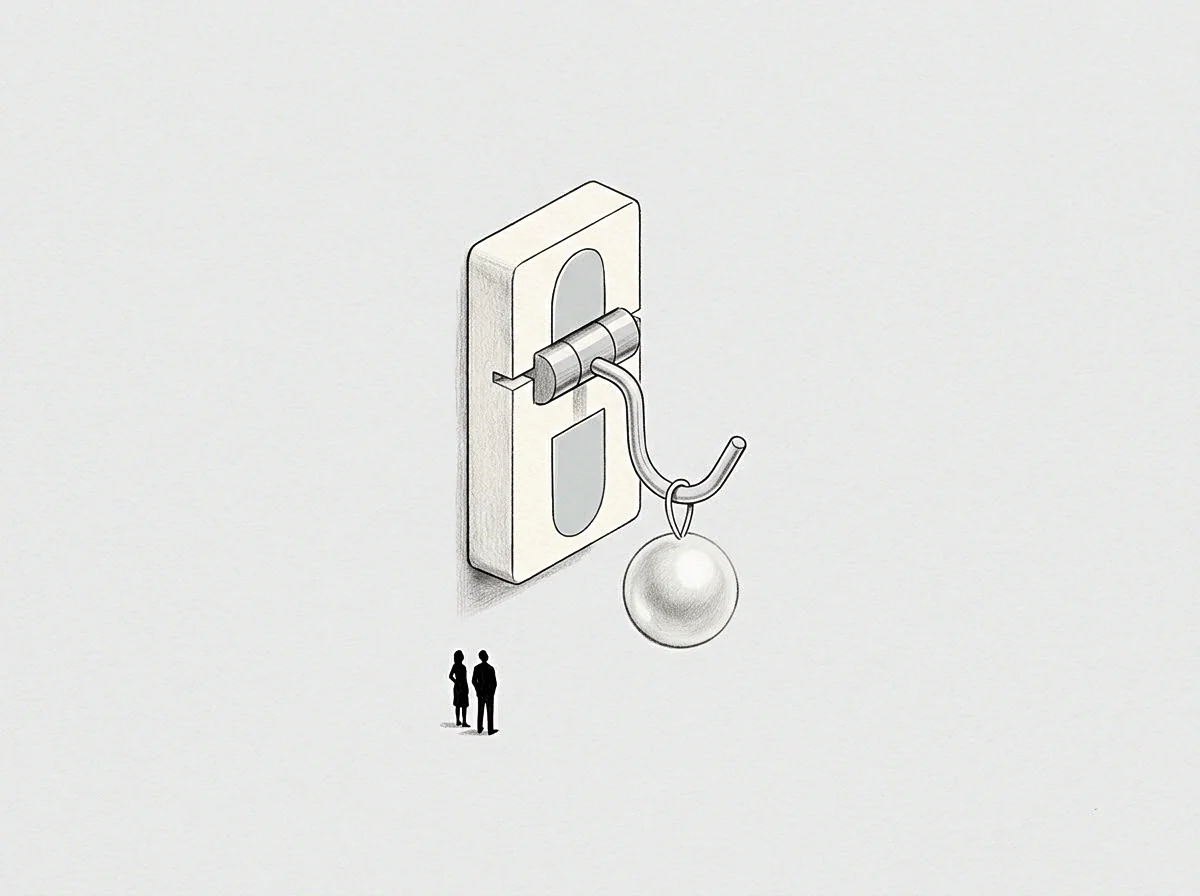
Attenuation
Four messages sat unanswered on a desk phone at midnight while the operator stared at the muted screen, incapable of drafting a single sentence. Eighteen months of continuous emergency capital deployment, operational restructuring, and sole fiduciary responsibility had kept the autonomic nervous system locked in high sympathetic output. When the founder finally walked out of the office and sat on the sofa beside a partner who offered a quiet, attentive presence, the physiological system did not relax.
Instead of registering the partner’s calm tone and low heart rate as a signal to downregulate, the founder experienced the interaction as an overwhelming influx of sensory data, triggering immediate irritability and withdrawal.
This physiological reaction stems from receptor downregulation across central and peripheral neuroendocrine pathways. Prolonged exposure to high allostatic load forces the brain to protect neural circuitry from excitotoxicity and metabolic exhaustion. Glucocorticoid receptors in the hippocampus and prefrontal cortex reduce their sensitivity or density, while central oxytocin binding sites and parasympathetic vagal pathways attenuate their responsiveness to social safety cues.
In this state, the neural architecture responsible for processing social baseline signals becomes structurally dampened.
Autonomic Habituation Under Continuous Threat
During sustained operational threat, the central nervous system reallocates energy toward survival mechanics, as isolated self-regulation draws heavily on available energy. The brain treats environmental uncertainty as a permanent baseline, burning metabolic reserves to maintain constant vigilance. When an individual operates without a reliable dyadic buffer for years, the brain reorganizes its regulatory assumptions.
Social baseline theory establishes that human organisms conserve energy by offloading environmental vigilance onto trusted dyadic partners. Proximity to a familiar, low-stress human being normally reduces the neural cost of baseline hypothalamic-pituitary-adrenal axis activation. Under sustained individual load, this offloading mechanism fails.
The neural circuits that perform dyadic baseline calculations adapt to perpetual self-reliance, suppressing the baseline expectation of co-regulation to prevent unfulfilled social reliance from compromising immediate survival performance.
Downregulation of central oxytocin receptors during long overload states transforms incoming co-regulatory signals into metabolic processing demands.

Glucocorticoid Sensitivity Shifts in Isolation
Glucocorticoid receptors mediate the termination of the biological stress response. Under chronic elevated cortisol, these receptors alter their expression patterns to limit cellular damage, producing an elevated threshold for parasympathetic activation. The organism becomes habituated to high circulating catecholamines and resistant to gentle dampening signals.
When the founder enters a quiet, non-demanding home environment, the lowered receptor density prevents the rapid binding of dampening hormones. The physiological system remains trapped in high arousal despite the objective disappearance of external threat. Reentry into a low-stress, highly supportive dyadic environment exposes this physiological mismatch.
The individual cannot immediately utilize the regulatory baseline provided by the partner, leaving the partner confused by the unexpected wall of emotional isolation.
Under the condition of prolonged receptor downregulation, a dyadic partner’s calm presence functions as an unprocessable metabolic input until neural receptor densities slowly rebuild over months of sustained low-threat exposure.

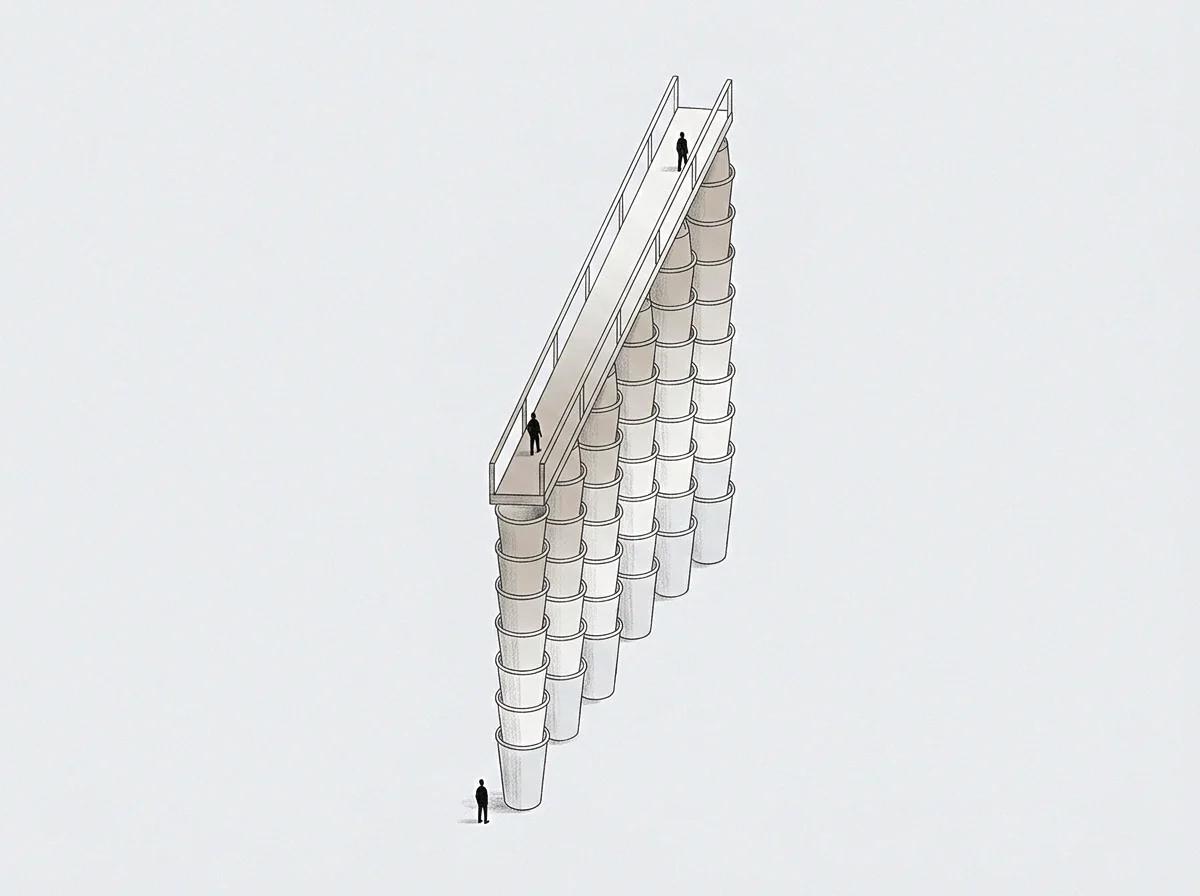
Proximity
Dyadic regulation relies upon a mutual exchange of autonomic cues. Soft vocal tones, steady eye contact, and relaxed physical postures serve as physiological inputs that lower the neural cost of maintaining stability. When a person with severe receptor attenuation enters proximity with a steady partner, the regulatory feedback loop fractures.
The steady partner broadcasts signals of rest, while the dysregulated individual lacks the available receptor slots to bind those signals.
The partner offering calm assumes that proximity inherently provides comfort, yet the overwhelmed individual perceives the expectation of connection as a secondary operational task. The body treats the requirement to attend, respond, and engage as a fresh draw on exhausted cognitive and emotional headroom. What should be borrowed calm registers instead as an intrusive demand for interpersonal performance.
| Regulatory Parameter | Partner Baseline State | Reentering Individual State | Dyadic Reentry Outcome |
|---|---|---|---|
| Vagal Tone Modulation | High heart rate variability, open for co-regulatory synchronization | Low heart rate variability, sympathetic hyper-arousal locked | Autonomic dissonance, partner steady state feels restrictive |
| Attentional Budget | Available bandwidth for non-verbal emotional tracking | Exhausted attentional capacity, sensory gating active | Bids for connection register as noise or cognitive load |
| Receptor Density | Normal oxytocin and glucocorticoid receptor availability | Downregulated central receptors, elevated binding threshold | Inability to absorb social dampening cues |
| Interpreted Signal | Offering presence, rest, and relational security | Detecting obligation, demands for responsiveness, and intrusion | Withdrawal behavior or defensive verbal reactivity |
| Data derived from physiological measures of baseline autonomic tone and dyadic co-regulation dynamics under prolonged stress. | |||

The Dyadic Input Signal Mismatch
When two individuals interact, their autonomic nervous systems engage in subconscious biological negotiation. The partner whose system is regulated offers a low-cost physiological anchor. Borrowed regulation registers as one’s own calm when the receiving system possesses intact receptor capacity.
The reentering individual, however, experiences a profound mismatch between their internal threat state and the partner’s external calm.
This mismatch creates structural friction in the relationship. The reentering person cannot match the partner’s physiological rhythm. Attempts by the partner to lean in, hold hands, or initiate conversation force the reentering person to actively manage sensory overload while modulating outward behavior, exhausting their remaining regulatory capacity.
When receptive capacity is saturated by chronic overload, an offer of relational connection costs the recipient more energy to process than it yields in calm.
Sensory Processing Load of Unsolicited Calm
Unsolicited bids for closeness require cognitive processing. The brain must decode facial expressions, interpret vocal prosody, and construct appropriate relational responses. For an operator emerging from sustained organizational survival, these processing steps require metabolic energy that does not exist.
The reentering individual often retreats to physical isolation, sitting in a dark room or staring at a blank screen. This behavior represents a protective biological boundary designed to lower sensory input until basal receptor sensitivity recovers. The partner frequently misinterprets this retreat as emotional rejection, leading to heightened relational distress and repeated bids for engagement that compound the operator’s physiological overload.
Gentle efforts to offer support meet an immediate defensive response, converting physical closeness into emotional distance.
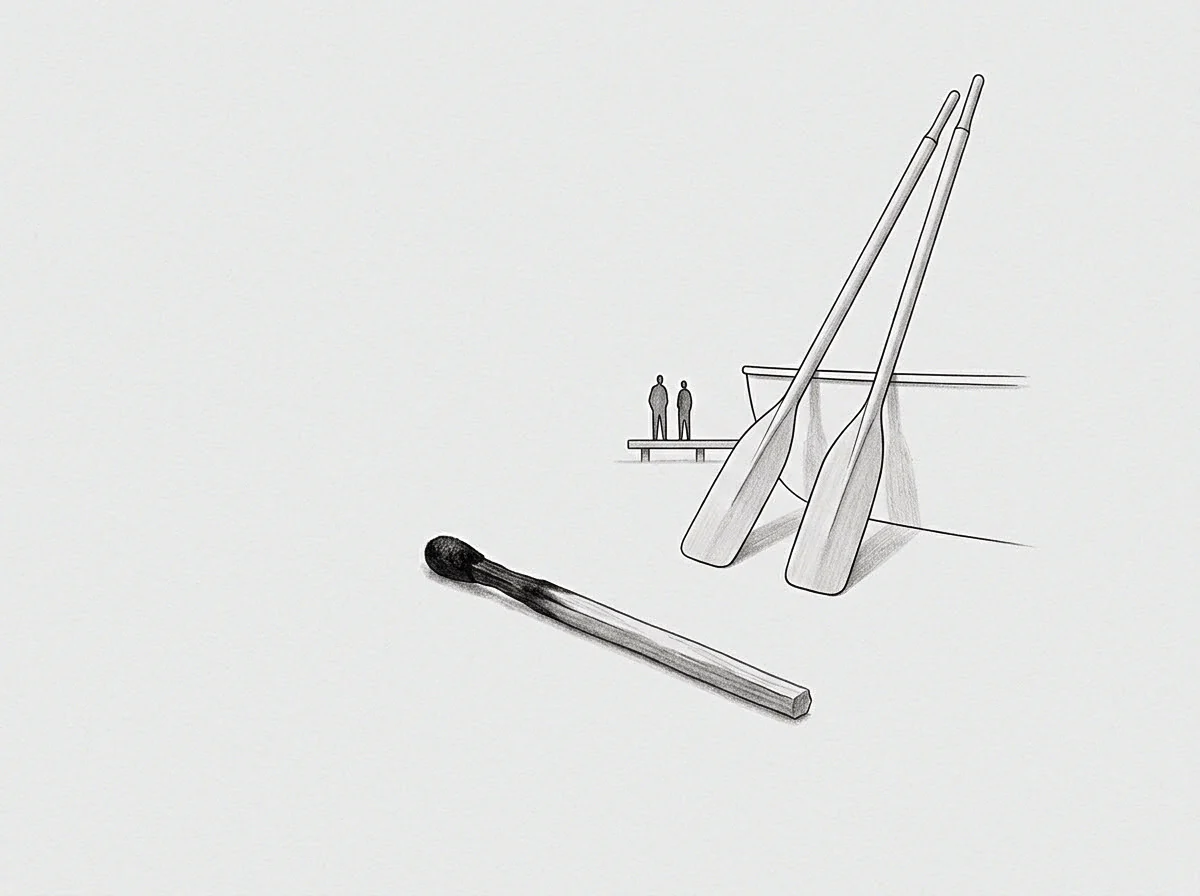
Door
Physical spaces and daily routines reflect where receptor downregulation manifests. The threshold of the home serves as a physical boundary between high-vigilance operational environments and domestic spaces. For an individual whose system is fully downregulated, crossing that threshold does not reset autonomic tone; the physiological state of the workplace persists inside the house.
A typical sequence involves a set of specific relational failure patterns when dyadic reentry is forced without adjusting for physiological limits:
- Unbuffered Physical Reentry occurs when the founder transitions directly from intense operational management into structured domestic social interaction without an intermediate period of sensory deprivation.
- Misattributed Affective Neutrality develops when the partner interprets the operator’s flat vocal tone and absent facial expression as personal dissatisfaction with the relationship rather than physiological receptor exhaustion.
- Premature Relational Demands emerge when deep emotional post-mortems or relationship repair conversations are scheduled immediately following intense work cycles.
- Symmetrical Hyper-Vigilance manifests when the steady partner’s repeated rejection experience triggers their own defensive reactivity, collapsing the dyad’s overall regulatory baseline.

Physical Thresholds and the Reentry Wall
The physical environment dictates sensory exposure. When an individual steps across the threshold after months of extreme load, the immediate presence of family or partners creates an involuntary reflex to re-establish environmental control. The individual demands silence, shifts lighting, or seeks immediate solitude.
Seeking physical boundaries functions as an autonomic protective measure rather than a psychological defense. The downregulated system requires an environment with zero unpredictable inputs before parasympathetic vagal tone can begin to engage. Forcing physical or conversational intimacy at the threshold reinforces the brain’s association of domestic space with ongoing energetic expenditure, impairing its capacity to serve as a low-cost regulatory environment.
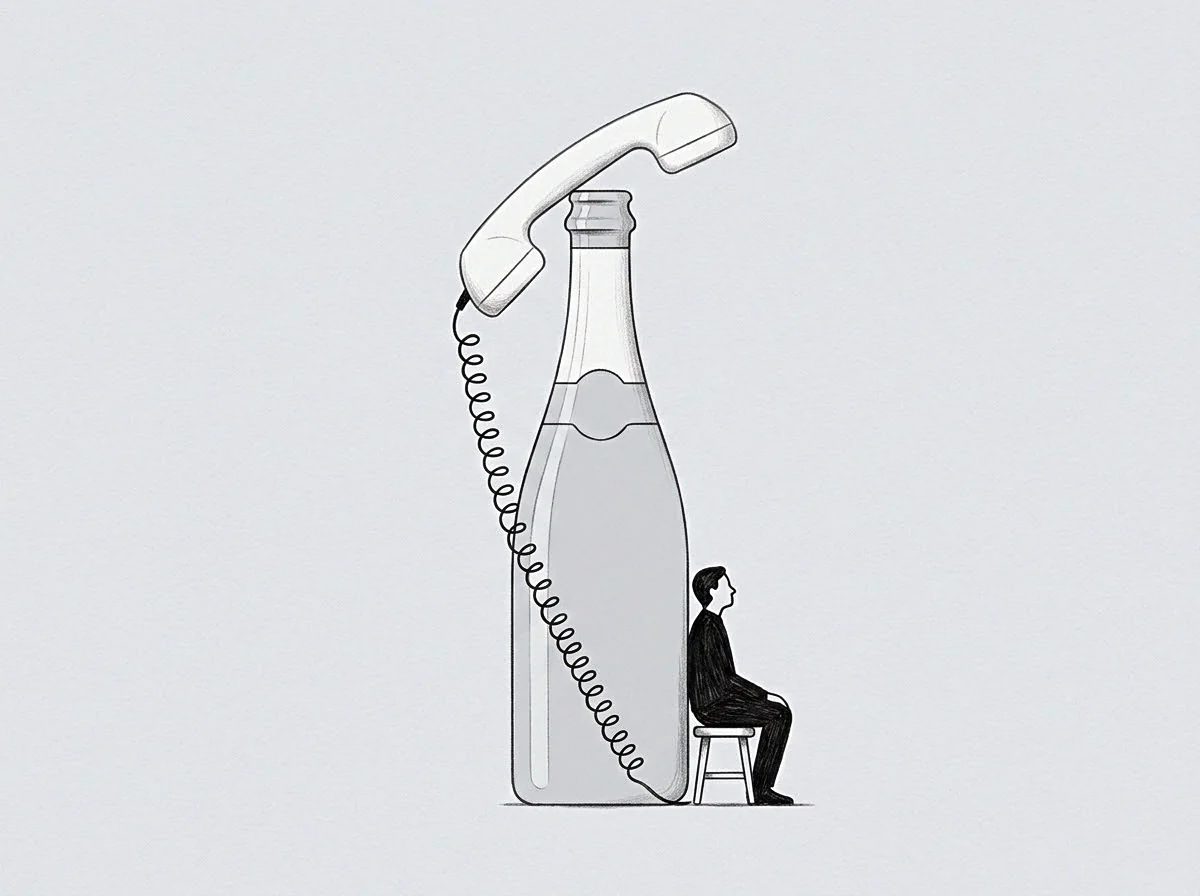
How Does the Receptor Capacity Recover Over Time?
Receptor sensitivity changes slowly through repeated, predictable, low-demand physical presence. Neural receptors upregulate in response to sustained environments where threat remains low and no active performance is demanded. The dyad adapts by sharing physical space without requiring conversational or emotional output.
- Establish a mandatory period of absolute sensory decompression upon entering the shared physical environment.
- Remove the expectation of verbal debriefing during the initial two hours following high-load operational transitions.
- Utilize parallel low-demand activities, such as reading or walking side by side, to allow passive autonomic co-presence.
- Gradually increase structured relational touch and conversation only after baseline heart rate variability shows consistent resting recovery.
Failing to respect these structural reentry limits forces the reentering individual’s physiological system into complete shutdown, accelerating relational erosion and converting temporary downregulation into chronic dyadic distance.

Slot
Long periods of carrying total responsibility alter the internal working model of the individual. When a founder or operator spends years operating as the primary source of stability for employees, investors, and clients, their internal architecture shifts. The neural model of a responsive other dissolves.
In its place, the individual internalizes a model where they are the sole source of regulation for everyone around them.
Regulating oneself and regulating others merge into a single operational template. In this template, there is no structural receptor slot for being held, supported, or quieted by another human being. The concept of receiving calm disappears from the physiological vocabulary.
The operator becomes a unilateral regulator, capable of outputting immense calm under stress, but completely incapable of absorbing it from external sources.

Internal Working Models of the Solitary Regulator
The attachment system uses internal working models to predict how the social environment will respond to distress. Early or adult experiences of high responsibility under isolation build an internal working model characterized by extreme self-reliance. The brain views external assistance as unpredictable, demanding of metabolic energy, or dangerous.
A person who has run the regulatory cycle backwards for years views any offer of assistance as a prelude to obligation. When someone offers support, the brain anticipates a corresponding operational demand. The capacity to simply sit, receive, and register comfort requires a neural receptor configuration that expects safety from proximity.
Without that expectation, the slot remains closed.
A regulator proven under severe threat attracts continuous external load while losing the internal neural architecture required to accept relief.
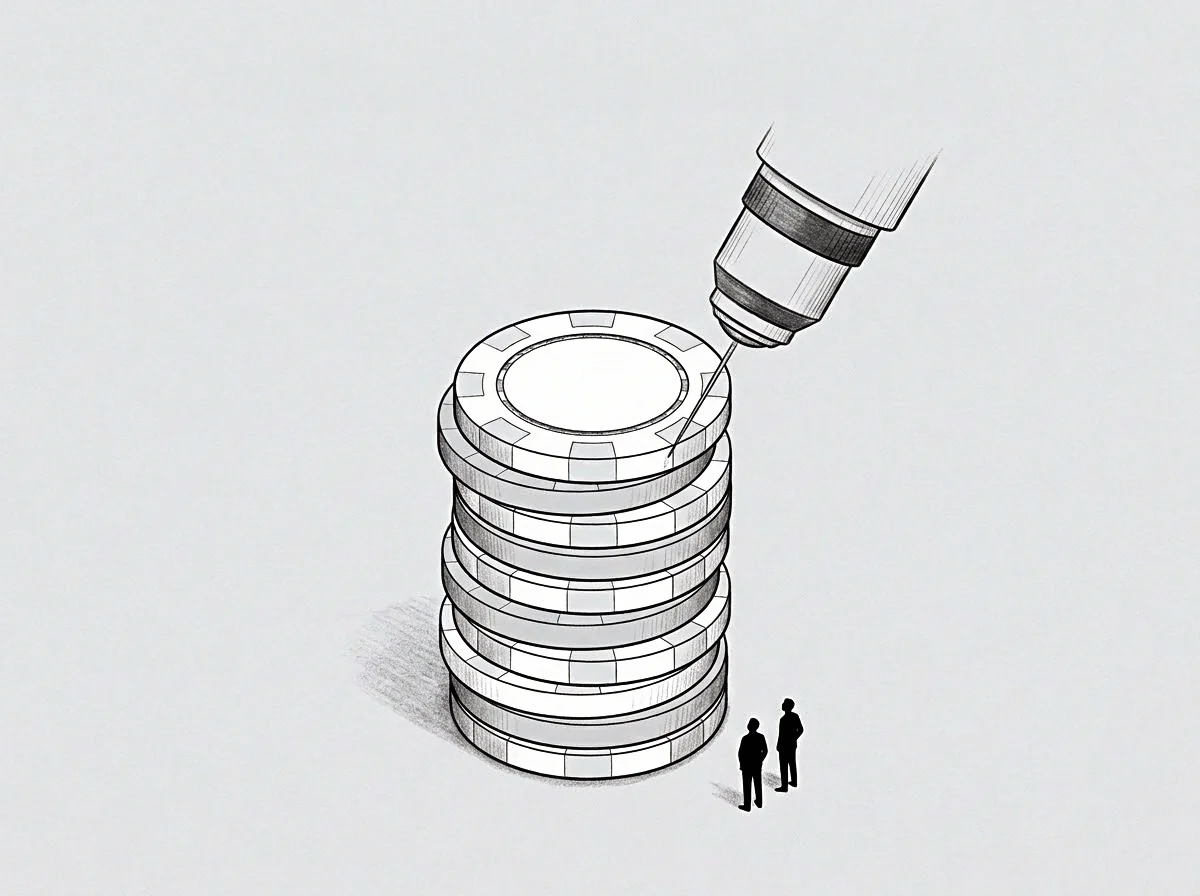
Merging Self Care and Other Care
For the solitary regulator, taking care of oneself is framed entirely as an operational necessity to continue taking care of others. Rest is reframed as vehicle maintenance. This reframing maintains the unilateral template, preventing genuine dyadic surrender.
The individual cannot drop their guard because dropping their guard feels like abandoning the structural support they owe to their ecosystem.
When this person attempts to reenter a romantic or personal partnership, the partner’s attempts to nurture them trigger profound discomfort. The operator does not know where to place the partner’s care. Because there is no receptor slot for being held, the care pools on the surface of the relationship, generating guilt, anxiety, and a driving need to regain control by managing the partner’s emotional state.
Unilateral regulators cannot receive borrowed calm until they experience physical presence that demands absolutely no maintenance of the other person’s state.

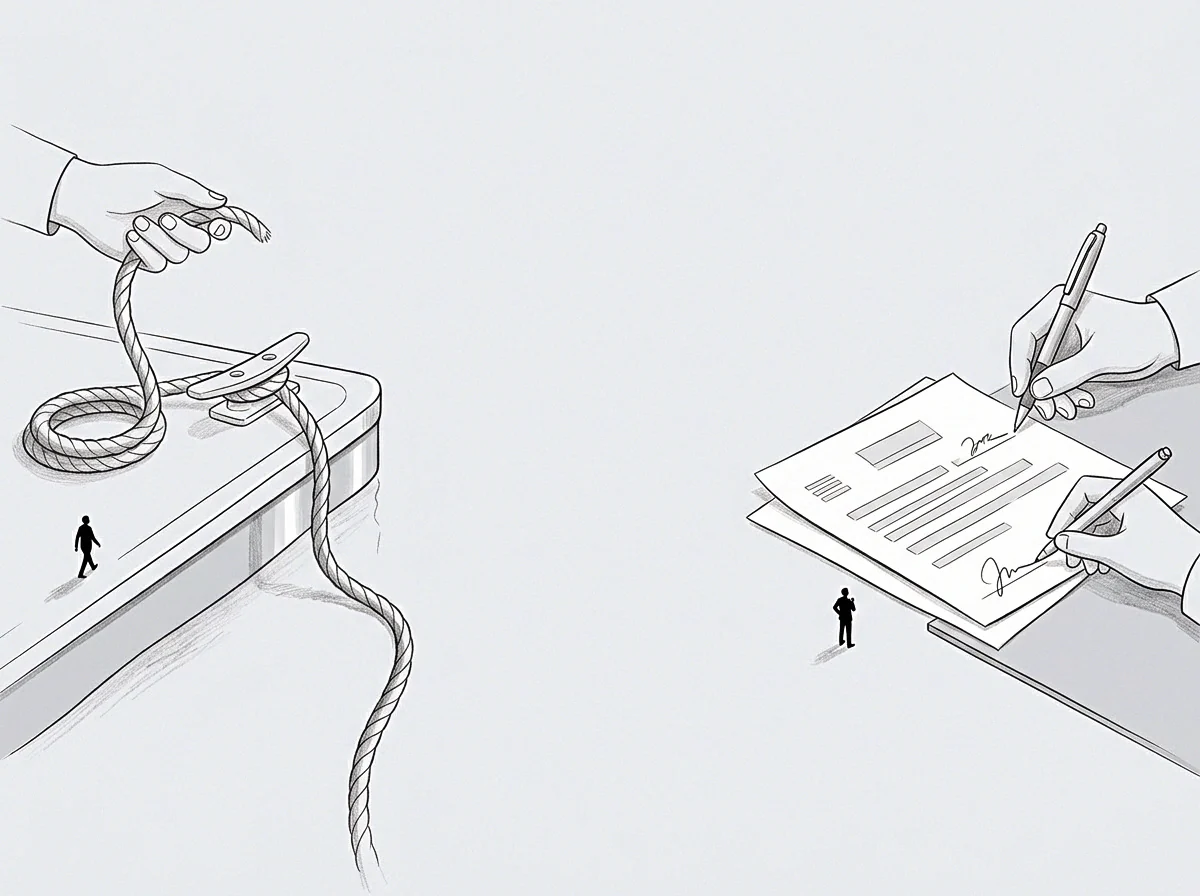
Anchor
Restoring receptor sensitivity and rebuilding the receptor slot requires a structured transition pathway known as earned security. Earned security develops as a biological update path driven by repeated physical experiences that contradict historical baseline assumptions, rather than through intellectual insight alone. Insight names the template, but physical experience updates it.
The update path requires the dyad to construct a new regulator template. This process happens through micro-exposures to low-demand proximity over extended timeframes. The dyad creates specific arrangements where the steady partner remains present without generating any expectation of emotional reciprocity, verbal validation, or behavioral change from the reentering individual.
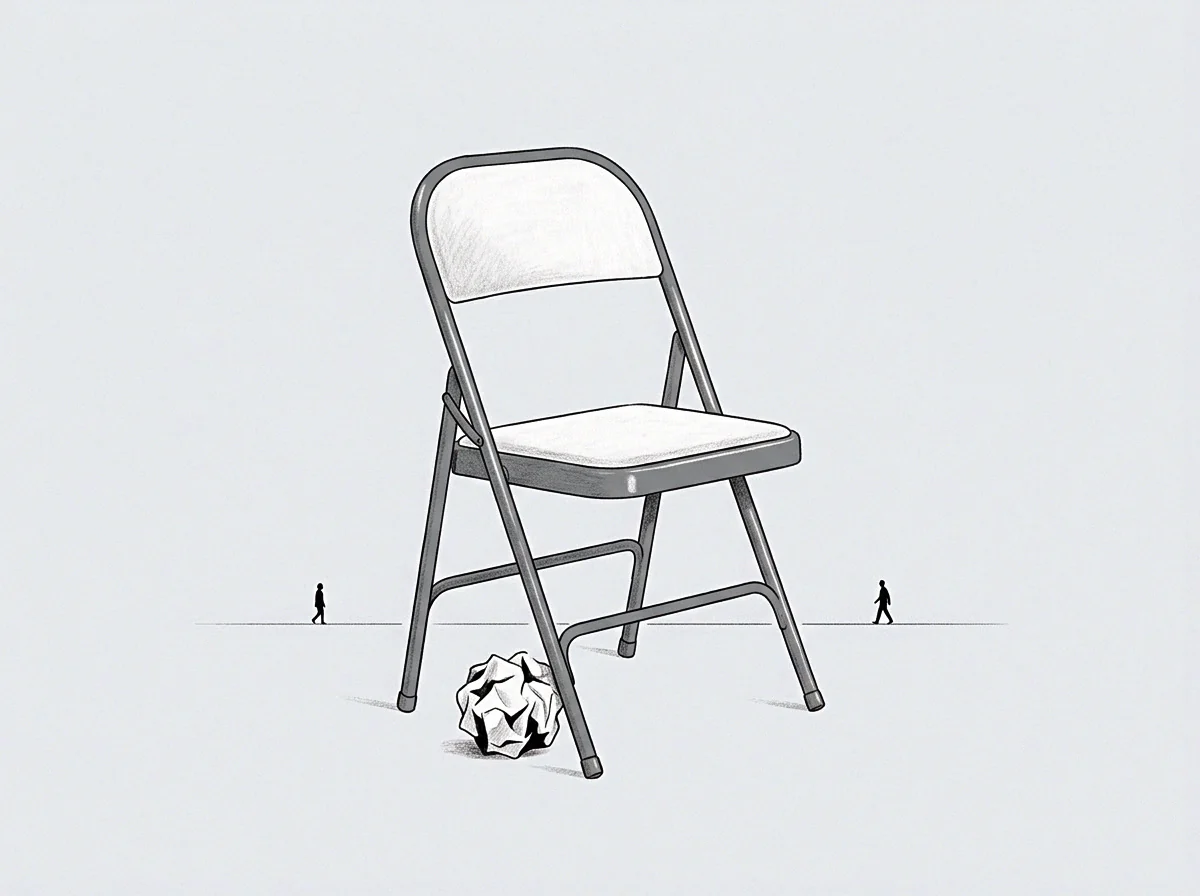
Low Demand Parallel Presence Protocols
Dyadic reentry functions through parallel presence. Parallel presence allows two individuals to occupy the same physical room while pursuing independent, low-stimulation activities. Reading, working on separate tasks, or sitting quietly outdoors provides the autonomic nervous system with low-level proximity cues without triggering sensory gating or performance anxiety.
Over weeks of parallel presence, the reentering individual’s brain tracks the partner’s low stress output without experiencing any associated energetic cost. The central nervous system slowly updates its threat assessment. Glucocorticoid receptor density begins to normalize, and central oxytocin pathways gradually upregulate.
The brain registers that proximity can occur without metabolic loss.
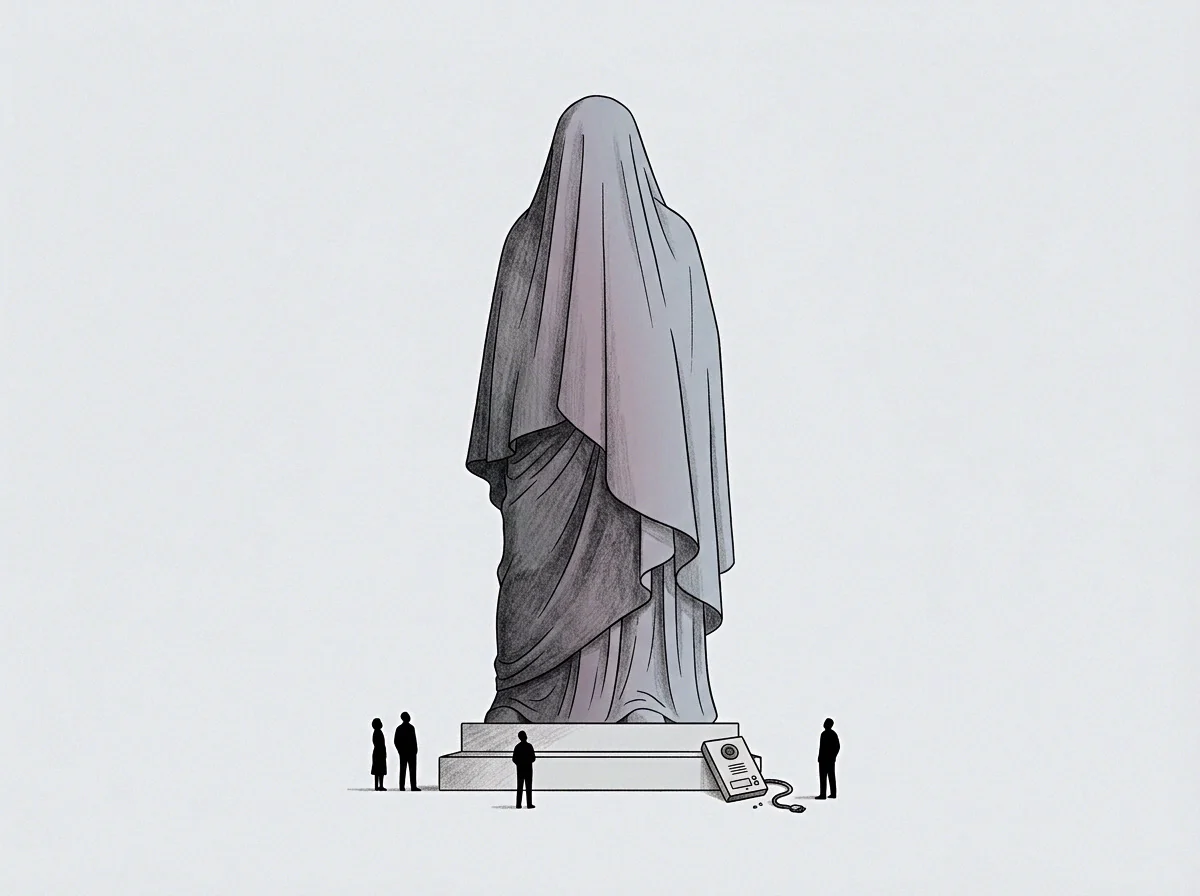
Updating the Template Through Micro Exposures
Once parallel presence is established, the dyad introduces micro-exposures to intentional co-regulation. These micro-exposures consist of brief, structured physical contact or simple shared routines that last only a few minutes before returning to parallel autonomy. The brevity of the exposure prevents the reentering individual’s system from triggering sensory downregulation.
The delta over time between the old template and the new template is measured in months of consistent, unforced proximity. The individual gradually learns to allow the partner’s presence to lower their baseline autonomic arousal. The receptor slot slowly opens, allowing borrowed regulation to flow naturally into the individual’s system.
Regulatory capacity stabilizes, allowing the operator to transition from solitary stress management to shared dyadic baseline stability.
This biological restructuring allows two people to share physical and emotional space without transferring unbuffered load across the relationship boundary.