
Gating Open Operational Threads To Restore Executive Capacity Limits
Gating active demands by scope and timeline preserves executive capacity limits by capping the physiological toll of unclosed operational loops.
Gating active demands by scope and timeline preserves executive capacity limits by capping the physiological toll of unclosed operational loops.
Open desk architecture increases autonomic regulation costs by replacing baseline physiological safety signals with persistent, unmanaged peripheral micro-threats.

Extended isolation recalibrates the nervous system to treat self-regulation as the zero-cost baseline and social presence as a metabolic surcharge.

Solitary executive threat processing forces the brain to spend local prefrontal energy without social baseline subsidies, raising metabolic costs.
Executive co-regulation shunts autonomic threat responses onto steady operators, depleting metabolic headroom while masking team operational instability.
Executive nervous systems absorb team anxiety as an unmetered biological subsidy until allostatic overload forces protective operational throttling.

Early venture leadership preserves decision capacity by gating operational intake, parking open loops, and treating working memory as a bounded structural resource.
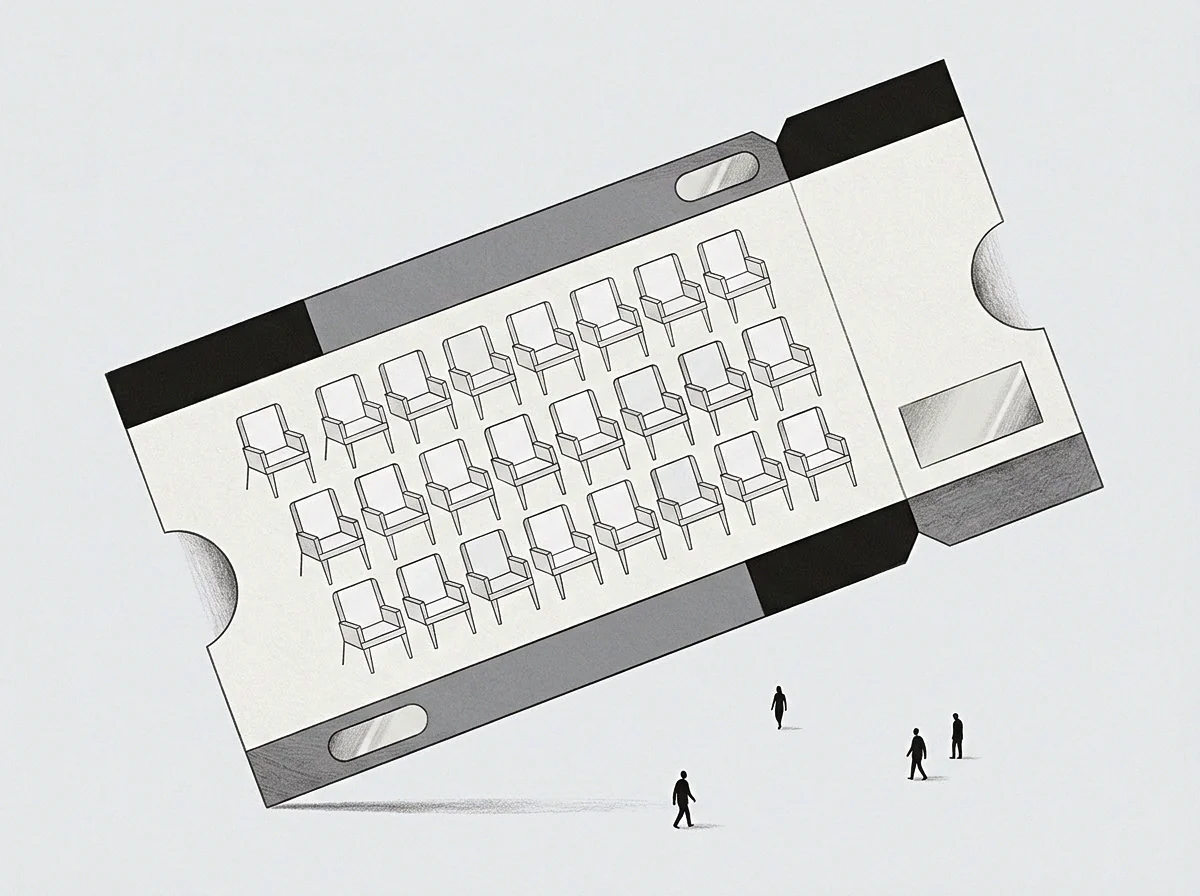
High accountability seats cap cognitive throughput at two to four concurrent open loops before ungated liability forces physiological throttling.
Resetting baseline nervous system tone requires shifting from expensive solitary allostatic defense to bounded co-regulation and enforced operational limits.

Structural corporate deficiencies transfer directly into human physiology when organizational buffers are absent, terminating in autonomic threshold failure.
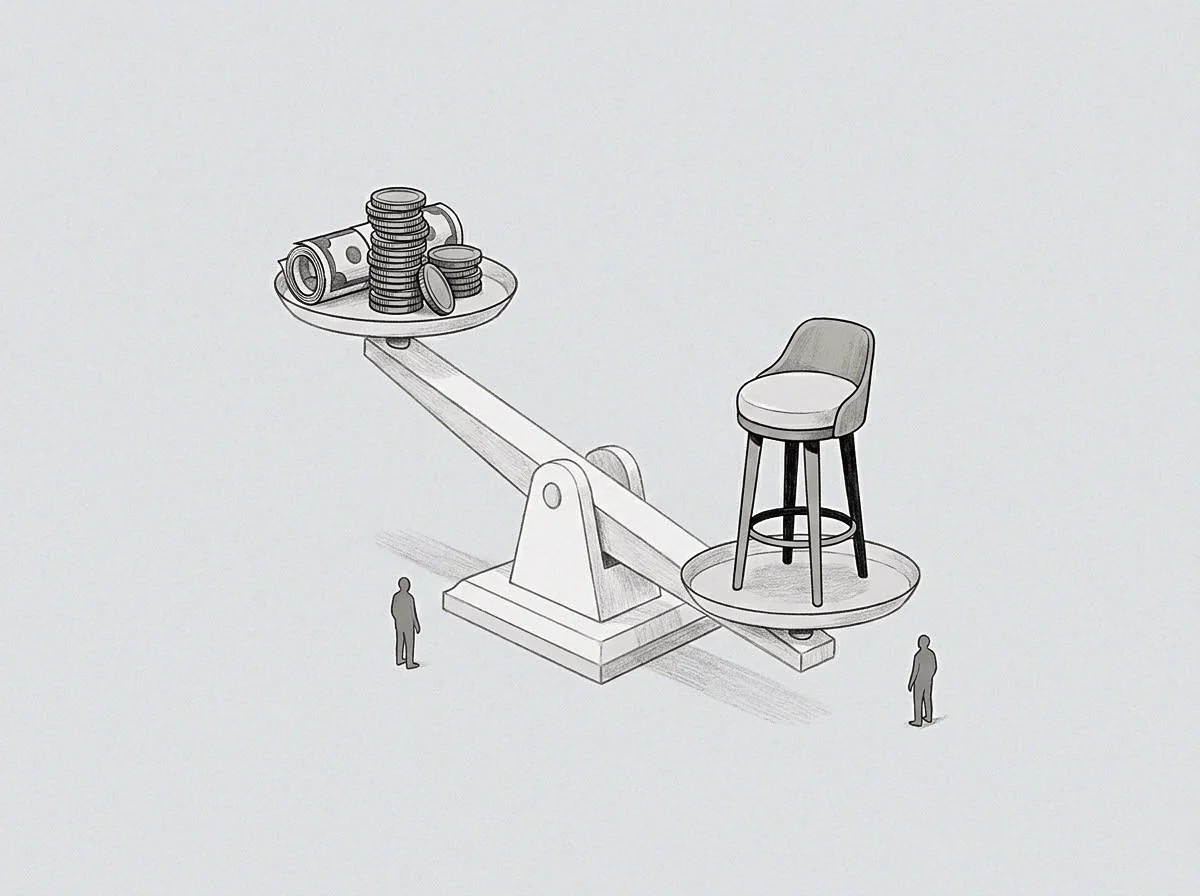
Delegating routine decisions through explicit authority thresholds halts continuous sympathetic monitoring and restores restorative parasympathetic tone.

Bounded operational gates convert chaotic, unpredictable demands into discrete, scheduled inputs, lowering perceived threat signals and sympathetic tone.

Autonomic arousal persists because unresolved interpersonal dependencies keep biological threat circuits active while awaiting external counterparty responses.

Allostatic load transfers across executive coalitions when dysregulated officers continuously rely on baseline-stable peers to down-regulate sympathetic arousal.

Executive stress physiology shifts toward chronic depletion when solo threat appraisal continuously exceeds the biological capacity for self-regulation.

Chronic enterprise debt overloads human neurobiology through isolated threat processing, requiring relational co-regulation to preserve executive function.
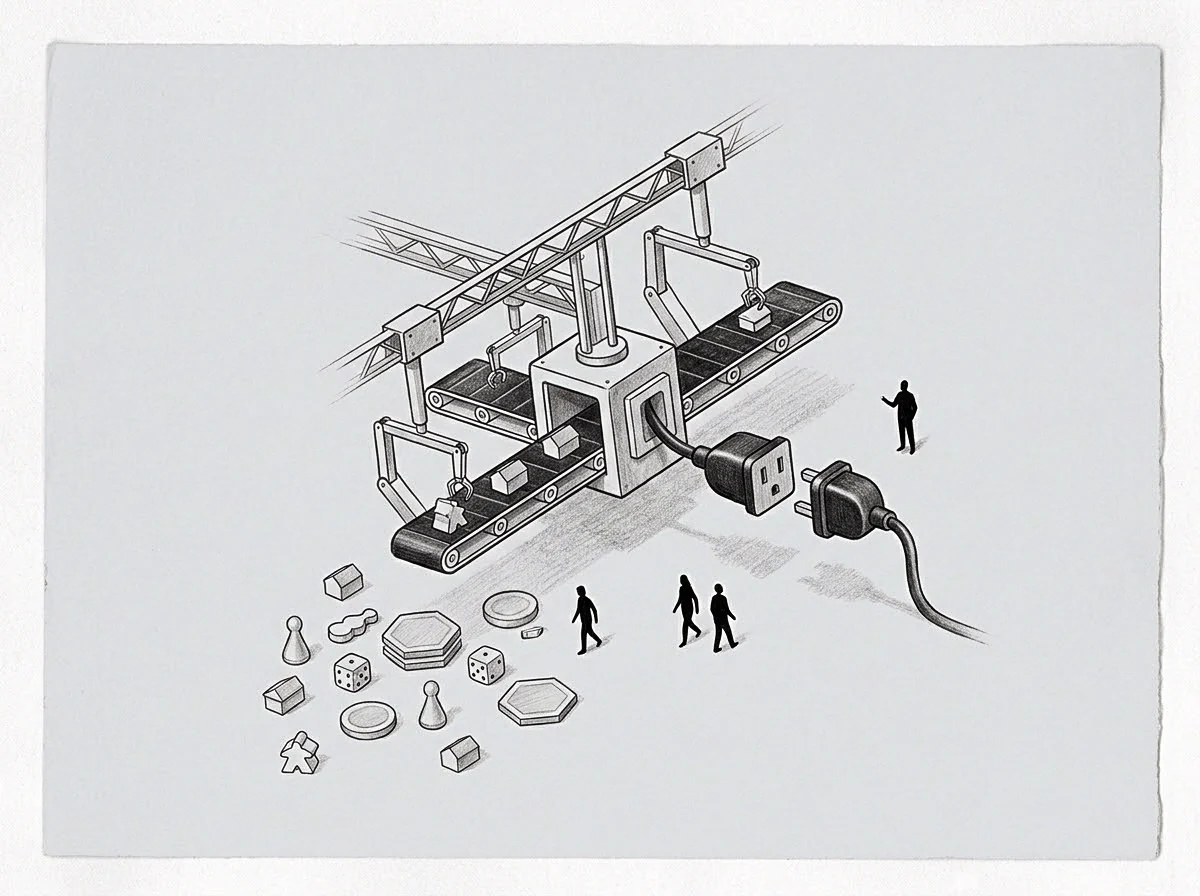
Executive nervous systems outsource regulation through proximity, but inverted templates force one partner to bear the metabolic cost of team stability.
Autonomic strain measurement requires combining discrete endocrine assays with electrophysiological metrics to capture systemic wear before clinical breakdown.

Unilateral containment forces continuous sympathetic activation in high-load operators until explicit relational safety signals enable visceral parasympathetic recovery.
Quantifying concurrency limits and autonomic thresholds protects executive decision fidelity by capping active loops and restoring parasympathetic baseline.

Somatic co-regulation lowers individual neural energy expenditure by distributing autonomic threat processing across proximal physiological baseline systems.

Shared operational hazard links co-founder nervous systems, replacing parasympathetic regulation with sustained sympathetic baseline threat activation.
Social baseline theory demonstrates that human brains delegate threat regulation to trusted peers, lowering metabolic costs while increasing load on leaders.
Rebuilding relational receptor slots across unequal power requires calibrated low-stakes exposure that keeps structural authority from triggering threat responses.
Fatigued builders interpret proximate presence as covert demand for regulation or vigilance rather than shared load, triggering sympathetic arousal.
Solitary leadership forces the nervous system to fund regulation through solo metabolic expense, requiring repeated low-stakes proximity to rebuild vagal tone.

Solitary self-regulation forces the prefrontal cortex to fund threat mitigation from internal metabolic stores without the energy savings of physical proximity.
The terms are written where they belong. Each field holds three desks, and every entry a desk writes raises the terms it uses, each term given a meaning, a mechanism and the places it appears. The record on these pages stays first person and hand made; the fields grow the nomenclature.