

Solitary Executive Threat Processing And Baseline Neural Economy
Solitary executive threat processing forces the brain to spend local prefrontal energy without social baseline subsidies, raising metabolic costs.
Solitary executive threat processing forces the brain to spend local prefrontal energy without social baseline subsidies, raising metabolic costs.
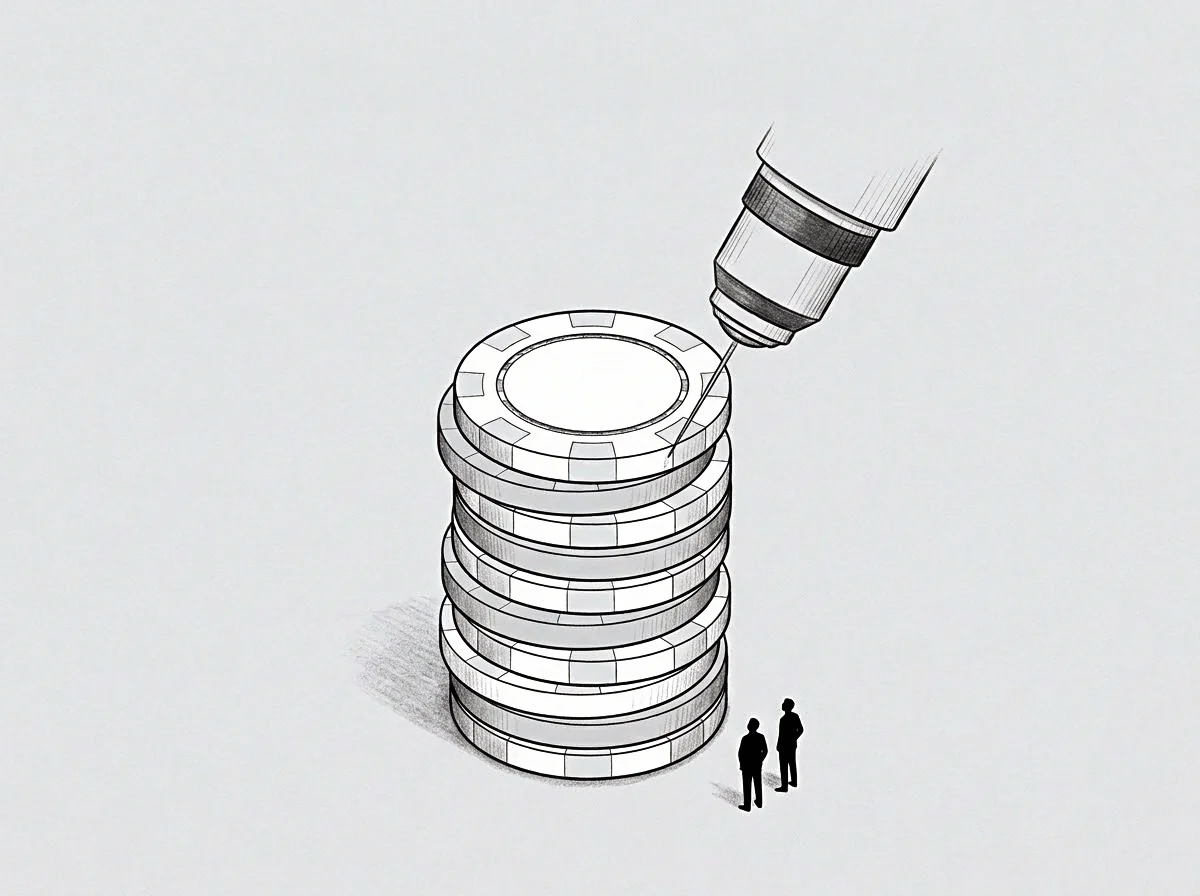
Executive co-regulation shunts autonomic threat responses onto steady operators, depleting metabolic headroom while masking team operational instability.

Executive capacity throttling protects overloaded working memory by dropping novel synthesis while preserving structured execution, differing from clinical depression.
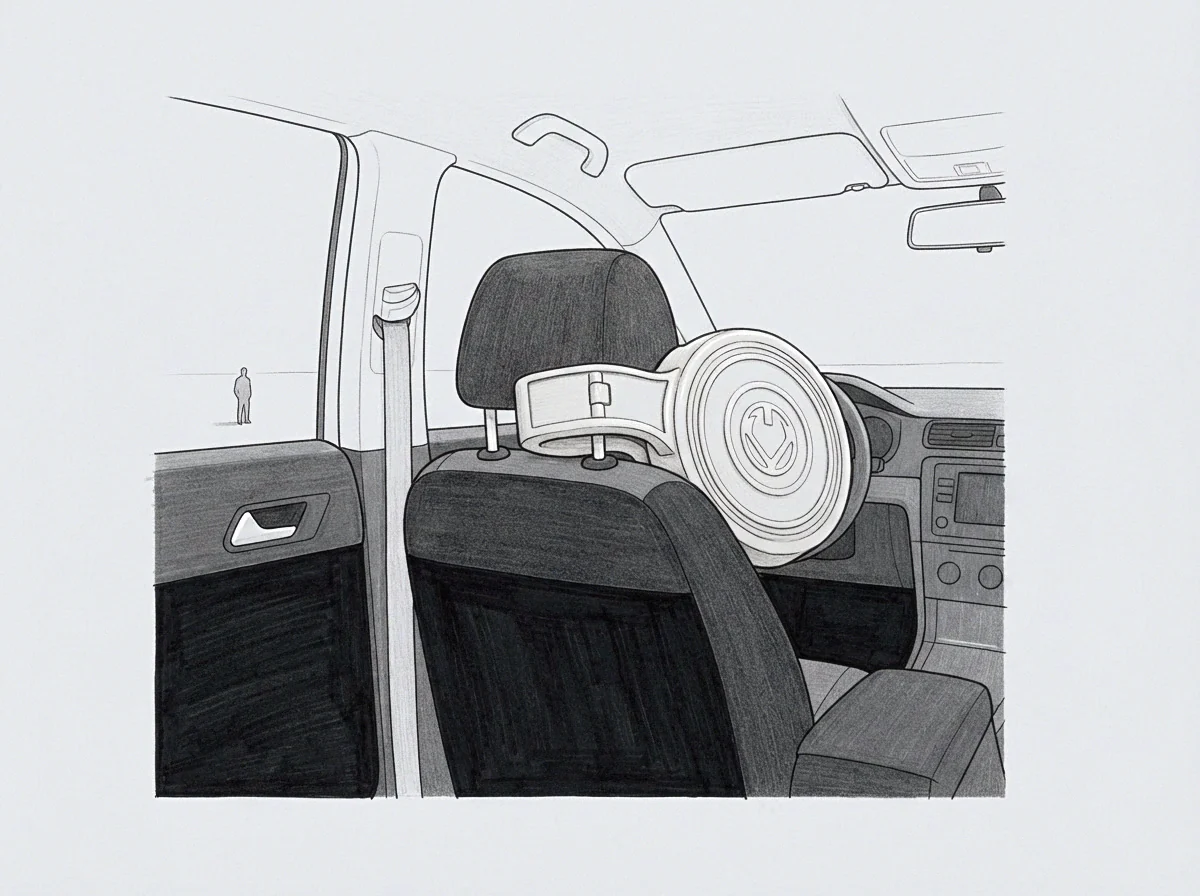
Solitary executive regulation across extended corporate crises triggers somatic throttling when prefrontal metabolic expenditure exceeds human allostatic limits without social co-regulation.
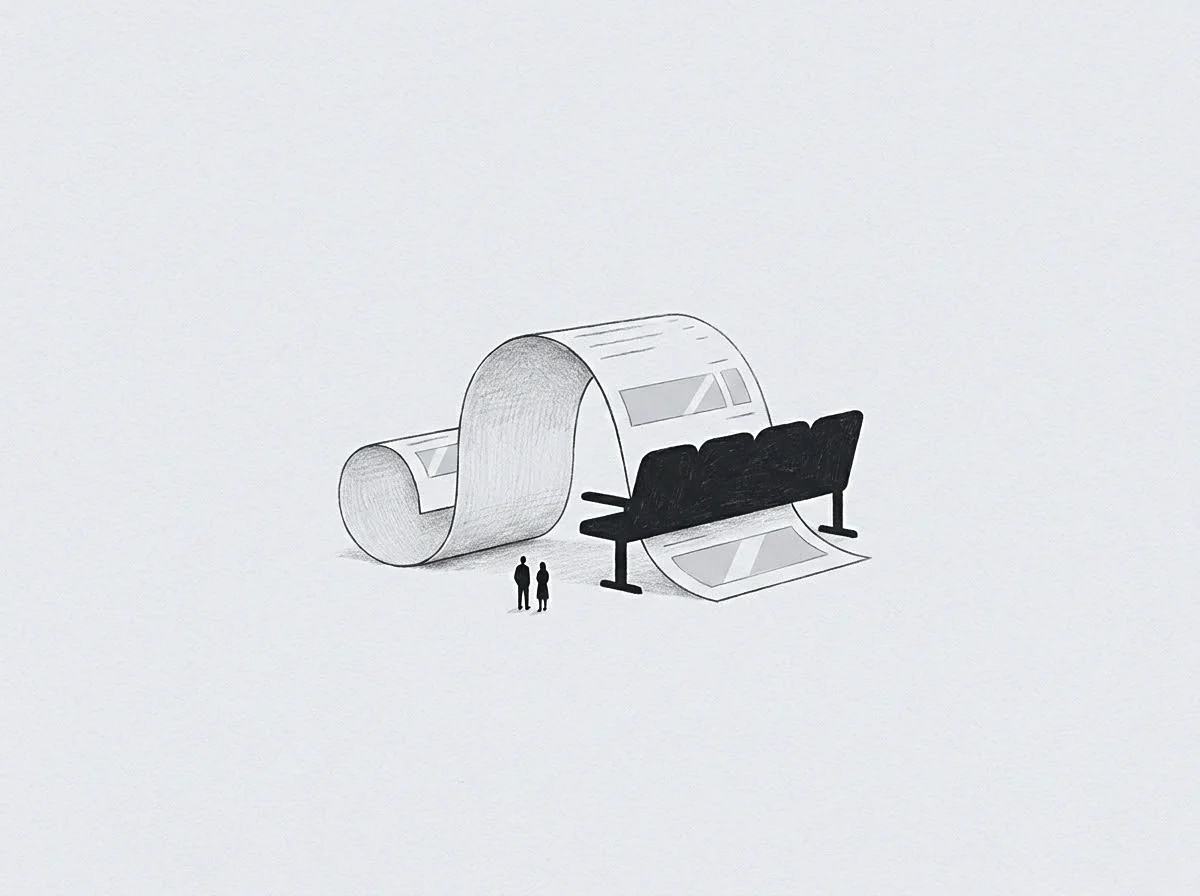
Rebuilding adult templates under operational load requires explicit micro-contingency protocols and partner headroom to lower metabolic threat monitoring costs.

Long term regulatory capacity recovery requires structural organizational baffles and latency buffers that physically isolate nervous systems from continuous operational escalation.
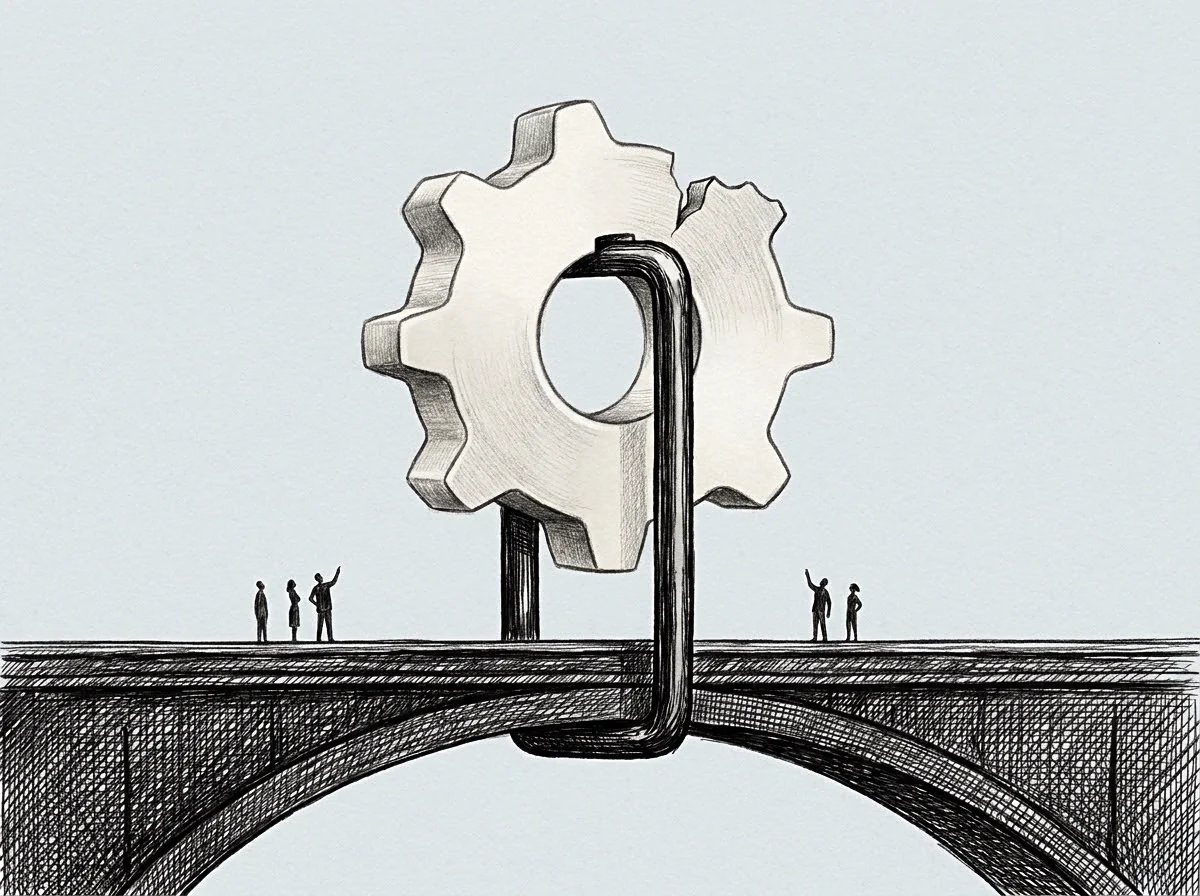
Executive nervous systems absorb team anxiety as an unmetered biological subsidy until allostatic overload forces protective operational throttling.
Sustained executive load forces the autonomic nervous system to raise its baseline tone, substituting chronic sympathetic vigilance for restorative vagal rest.
Distributed nervous system regulation fails in growth ventures because fiduciary asymmetry prevents genuine lateral baseline borrowing under existential threat.

Early executive systems without buffers transfer operational volatility directly to the individual, driving biological throttling misdiagnosed as depression.
Subordinate anxiety transfers upward through open communication channels, consuming executive cognitive capacity until structural gates force local resolution.

Asymmetrical executive isolation forces an unreciprocated somatic subsidy that atrophies internal receptor slots until repaired by earned security.

Shared allostatic throttling occurs when concurrent executive overload forces involuntary cognitive withdrawal, requiring explicit structural limits.

Structural governance redistributes operational friction through asynchronous buffers, dual seats, and supervisory boards, preventing executive autonomic exhaustion.
Unilateral co-regulation forces an operator to metabolize organizational panic through chronic prefrontal inhibition, depleting neuroendocrine reserves.

Partner coregulation functions through shared autonomic offloading until sustained operational load exhausts vagal reserves and forces protective throttling.
Executive autonomic regulation stabilizes institutional distress through metabolic vagal suppression, which extracts personal reserves absent true co-regulation.
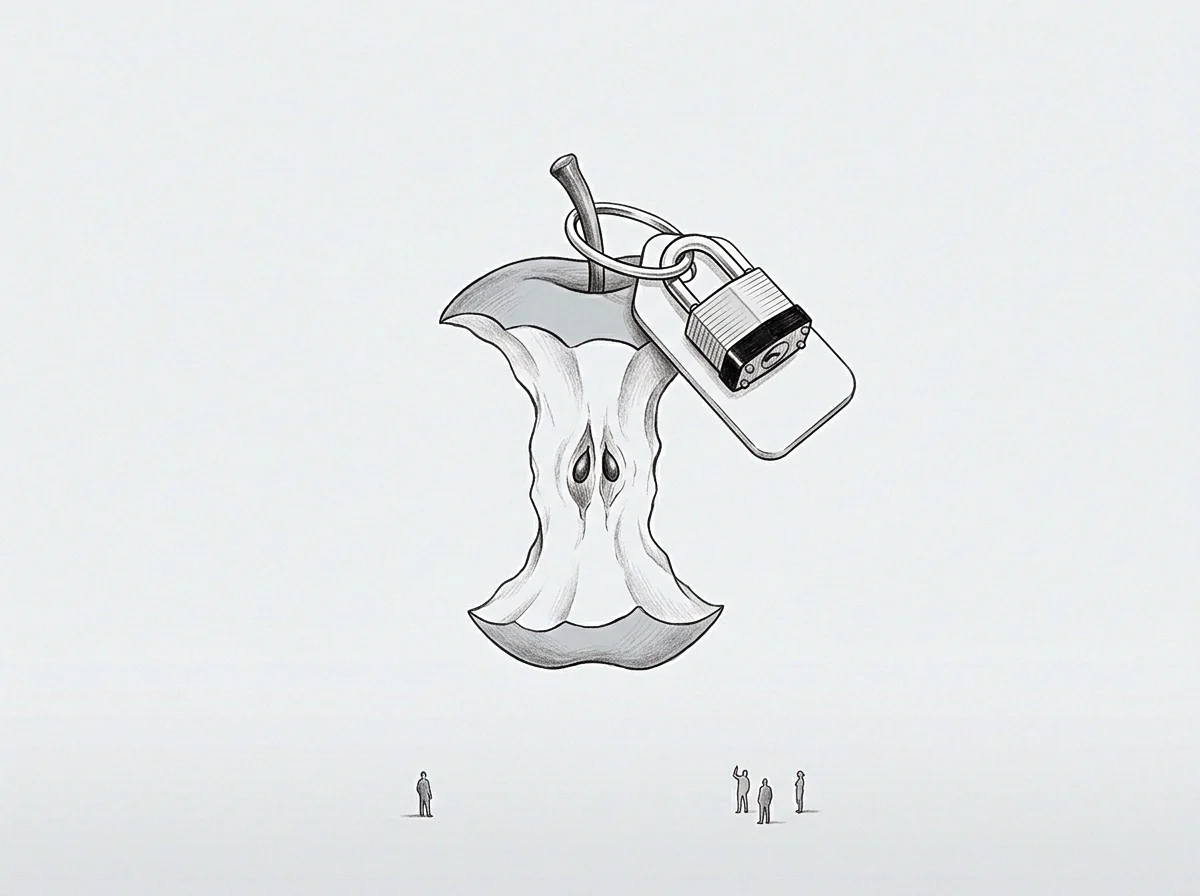
Cardiac vagal control buffers executive teams against chronic regulatory demand, while allostatic overload suppresses this brake and triggers operational shutdown.

Structural latency differences arise when biological tissue regeneration rates fail to match real-time relational demands, forcing systemic metabolic debt.

Restoring physiological headroom requires strict gating of active operational loops to reduce allostatic wear across unbalanced partner structures.

Exceeding working memory concurrency limits triggers biological throttling, requiring unilateral operational gating and parked lines to restore capacity.
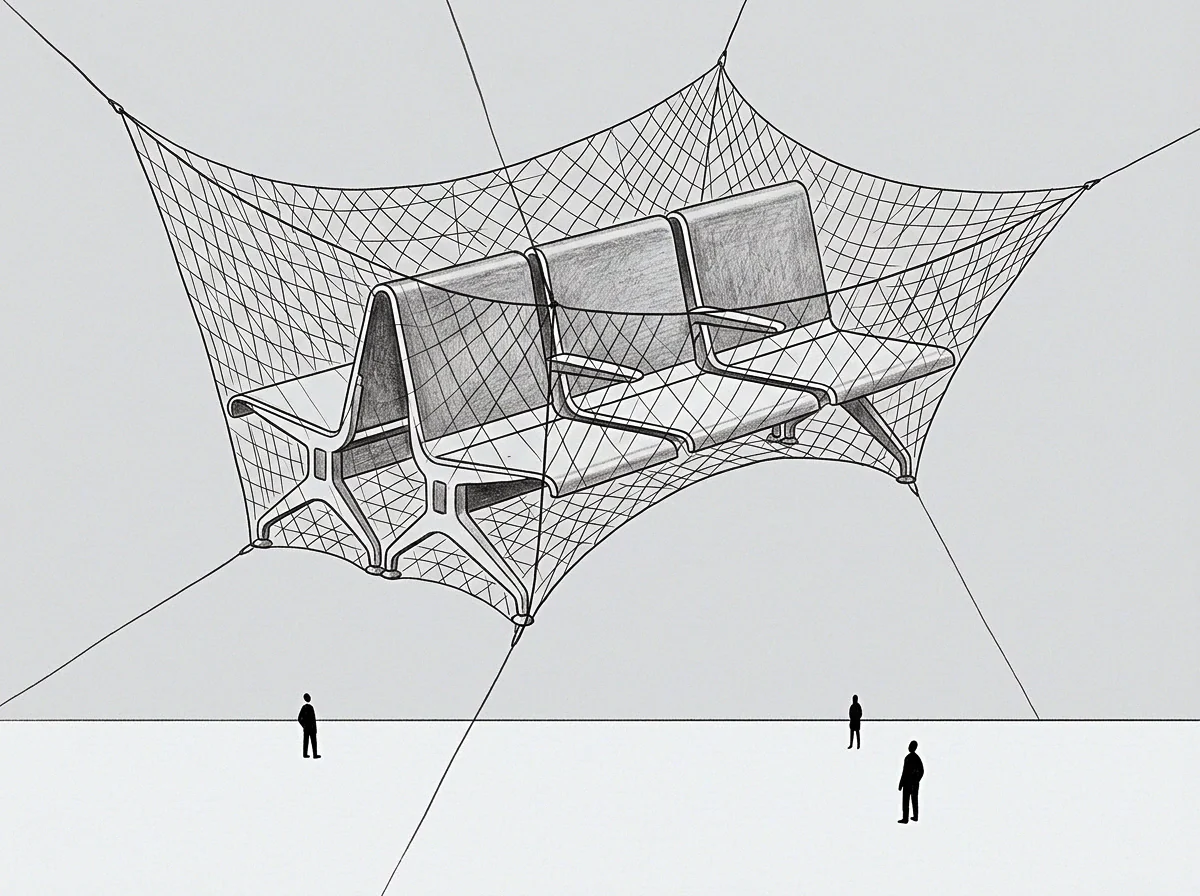
A stated capacity wall establishes an operational intake limit before workload transfers, forcing collaborative systems to route surplus demand elsewhere.

Executive throttling is protective prefrontal capacity preservation under high allostatic wear, distinct from clinical depression or operational failure.
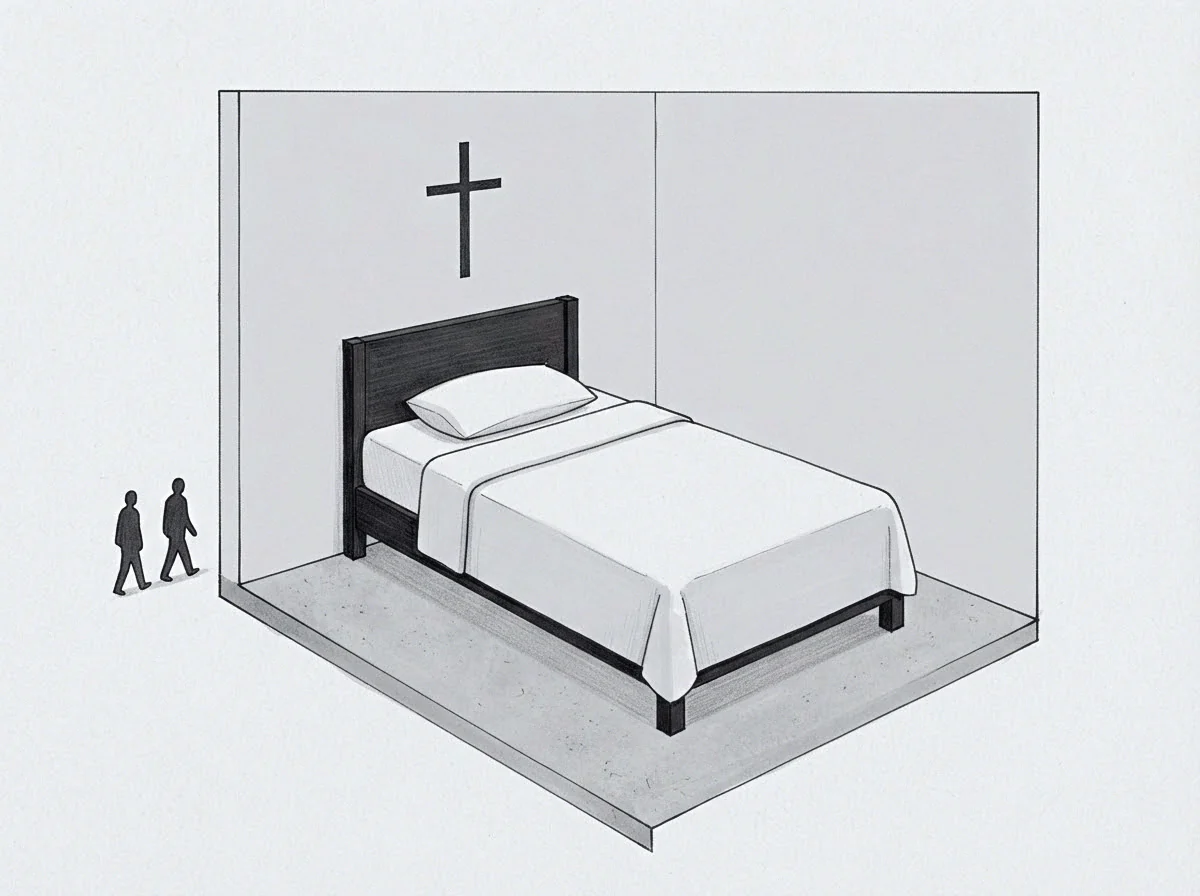
Autonomic headroom recovers when ambiguous operational loops receive defined scope, dates, and termination criteria, halting chronic sympathetic activation.

Structural corporate deficiencies transfer directly into human physiology when organizational buffers are absent, terminating in autonomic threshold failure.
The terms are written where they belong. Each field holds three desks, and every entry a desk writes raises the terms it uses, each term given a meaning, a mechanism and the places it appears. The record on these pages stays first person and hand made; the fields grow the nomenclature.