
Measuring Allostatic Load Transfers Within Operational Leadership Teams
Allostatic load transfers occur when dysregulated executives use proximity to baseline leaders to offload autonomic stress without internal physiological processing.

Seat
Four unread operational escalation alerts sit on a desktop screen at midnight. The operational leader sits in a quiet office while incoming communications stream from executive peers whose own autonomic regulation has broken down under acute revenue pressure. These incoming messages carry unprocessed anxiety, framed as urgent operational demands.
When an adjacent executive initiates contact, physical presence or a direct voice line opens a conduit for physiological transfer. Human autonomic nervous systems adjust baseline metabolic expenditure based on the social presence of reliable counterparts. A leader who maintains physiological stability during crisis becomes an informal regulatory resource for the entire executive layer.
Adjacent leaders move toward this stable presence to lower their own heart rate variability stress responses and circulating cortisol levels. Borrowed regulation registers as self-generated calm in the person borrowing it. The person supplying the calming baseline experiences a steady upward migration of resting heart rate and baseline allostatic load.

Asymmetric Regulation Costs in High Stress Seats
When an executive offloads threat processing onto an operational counterpart, underlying business metrics often obscure the physiological transfer. Operational leadership roles attract individuals who internalize high composure during external turbulence. These individuals hold an internal working model where regulating adjacent team members operates as a primary job function.
The organization measures output through project completion and margin retention, leaving the autonomic cost invisible on balance sheets. Over consecutive quarters, the cumulative burden of stabilizing dysregulated colleagues draws down metabolic reserves. The baseline holds.
When operational structures fail to account for physiological load transfers, the continuous absorption of dysregulated threat by a single leader leads to unexpected executive attrition and sudden operational failure.

Proximity

Physiological Co-Regulation and Threat Budgeting
Autonomic nervous systems continuously budget energy based on social availability. Social baseline theory demonstrates that the human brain treats the presence of a supportive, predictable counterpart as an environmental energy economy. In an operational leadership team, direct access to a calm colleague reduces the neural resources required to process operational threat signals.
When high-stress situations arise, executives lacking internal calm seek direct physical or immediate digital availability to lower their threat activation. Proximity accelerates load transfer.
The transfer of autonomic stress operates through subtle non-verbal cues, vocal tone, and rapid messaging cadences. An anxious chief executive officer who enters an operational chief operating officer’s office discharges physiological arousal during thirty minutes of unscripted interaction. The senior executive leaves the room with lowered systemic vascular resistance and normalized breathing.
The operational leader retains absorbed catecholamines, facing the remaining workday with elevated metabolic taxation. Offloading lowers cortisol.

Quantifying Borrowed Regulation Across Communication Channels
| Channel Format | Arousal Dampening Effect | Offloading Siphon Rate | Secondary Load Accumulation |
|---|---|---|---|
| In-person operational reviews | Immediate autonomic stabilization in sender | High arousal transfer per interaction minute | Acute baseline elevation in operational receiver |
| Synchronous video calls | Moderate autonomic stabilization in sender | Medium arousal transfer per interaction minute | Moderate baseline elevation in operational receiver |
| Asynchronous messaging | Delayed autonomic stabilization in sender | Low arousal transfer per discrete interaction | Distributed baseline elevation across processing windows |
A stated availability gate restricting unscheduled real-time access changes the transmission rate of autonomic stress across executive boundaries.

Conduit

Where Do Unbuffered Escalations Transmit Allostatic Weight?
Threat signals pass through operational communication channels whenever administrative safeguards drop. Consider a software enterprise experiencing a critical service outage during peak commercial hours. The chief technology officer maintains structural composure while diagnosing root cause parameters.
The chief commercial officer enters the command room experiencing elevated sympathetic nervous system activation, characterized by shallow respiration and high motor agitation.
An unbuffered operational boundary transfers physiological regulation costs to whichever leader maintains higher baseline stability.
- An executive experiences acute operational ambiguity, triggering autonomic nervous system arousal.
- The executive initiates unscheduled proximity or message pings to the operational leader without prior processing.
- The operational leader absorbs the un-regulated arousal, maintaining physiological composure to steady the system.
- The executive leaves the interaction with reduced cortisol output while the operational leader retains elevated baseline load.
The room quietens. The operational leader absorbs the stress vector without returning escalation. Over twelve months, this pattern creates a predictable path of least physiological resistance within the executive team.
Leaders automatically direct un-regulated anxieties toward the operational baseline because doing so reduces their own internal strain. The operational receiver absorbs the cost.
The operational leader always brings clarity and quiet focus to chaotic meetings, making every crisis manageable for the executive team.
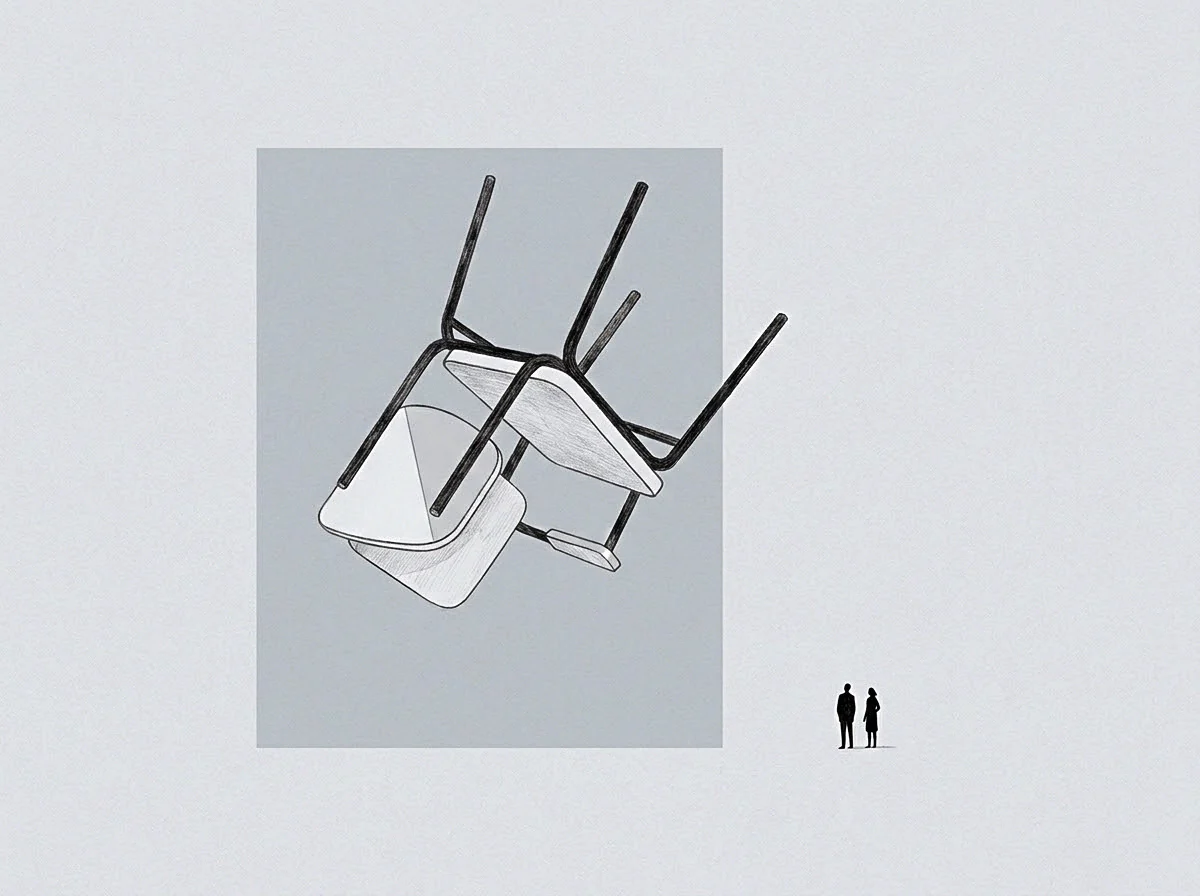
Threshold

Indicators of Cumulative Physiological Siphon
Continuous absorption of external autonomic load drives an operational leader beyond safe metabolic boundaries. Allostatic load accumulates when secondary physiological systems remain active after initial stressors vanish. When executive peers continuously use an operational leader as an external nervous system, the leader’s internal baseline fails to return to resting levels between operational cycles.
When social baseline offloading exceeds personal physiological recovery, operational decision quality degrades at the systemic boundary.
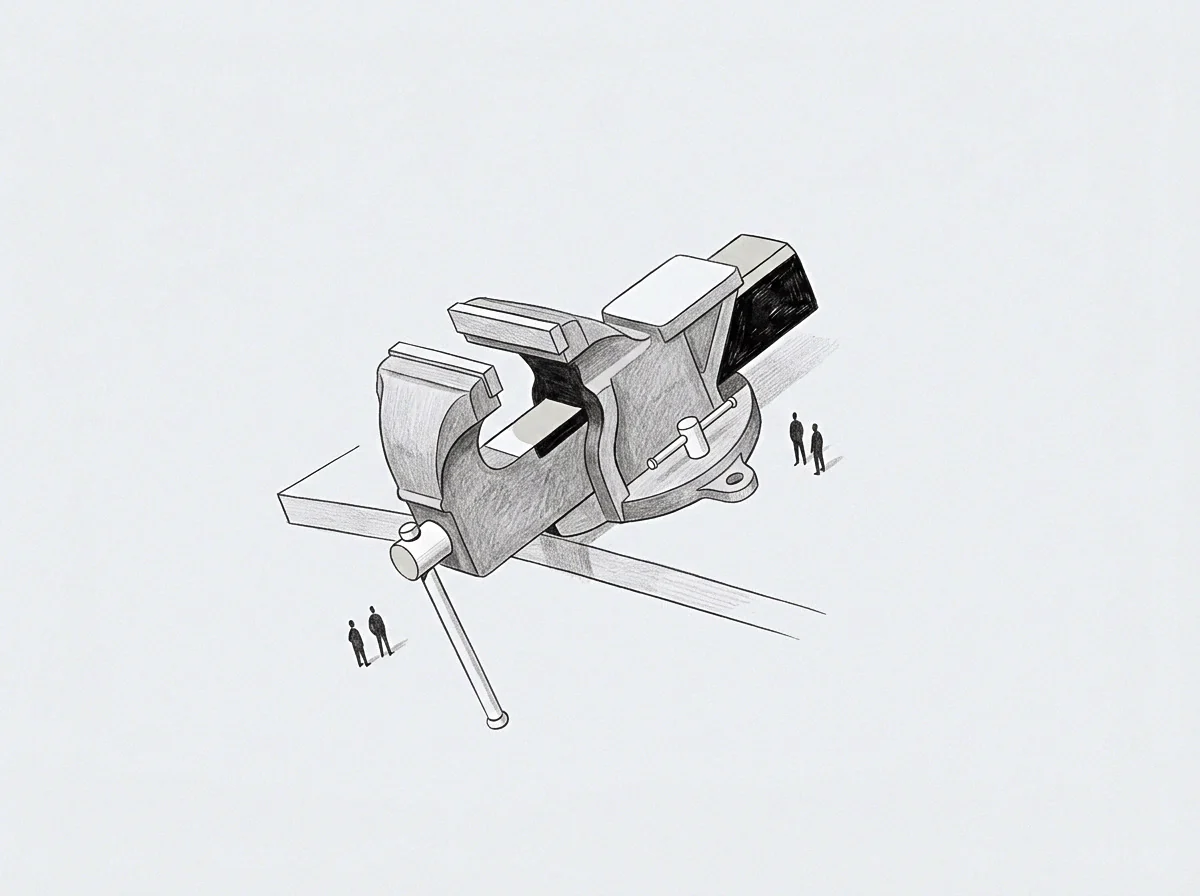
Operational Markers of Regulation Exhaustion
- Attaching to stability occurs when secondary leaders redirect un-processed escalations exclusively to an operator whose physiological baseline remains quiet under threat.
- Receptor slot absence describes the structural condition where a baseline leader possesses no internal template for receiving borrowed calm from peers.
- Throttling behavior emerges as an involuntary cognitive defence when cumulative baseline exhaustion forces an operator to delay operational inputs.
- Covert debt accumulation happens when autonomic arousal drops in the sender while rising silently in the operational receiver over extended quarters.
Quiet composure attracts escalation. Capacity drops without warning. The baseline leader begins exhibiting operational throttling, deliberately delaying responses to incoming communications to prevent complete neural exhaustion.
This throttling represents a physical conservation measure to prevent systemic physiological failure. Silence masks physiological debt. The budget resets slowly.
What physiological monitoring protocol will reliably detect secondary load accumulation in baseline leaders before operational throttling triggers systemic delivery failures?

Template
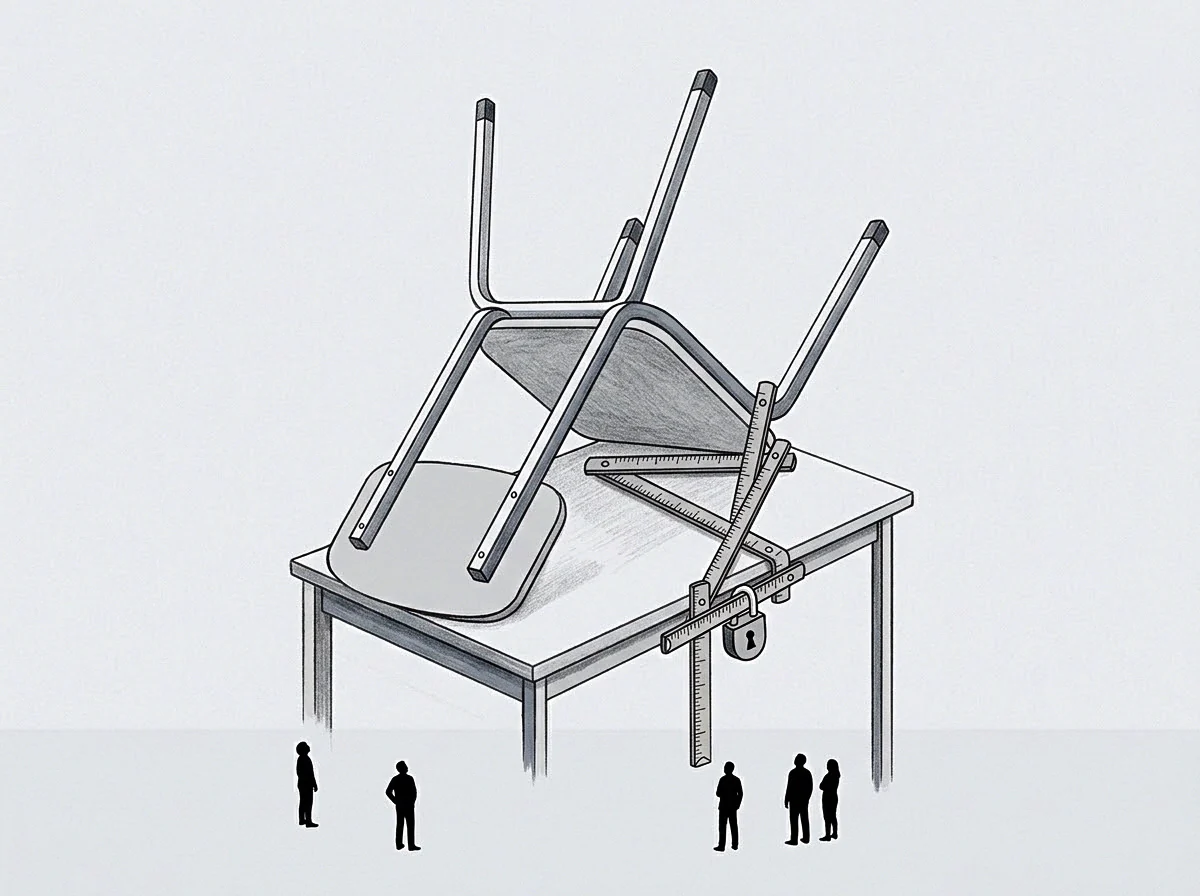
Updating Internal Working Models Through Stated Limits
Reversing structural load transfers requires structural updates to the internal working models governing executive interaction. Operational leaders who habitually absorb stress often operate on a legacy working model developed early in career development. In this early pattern, maintaining baseline calm for others served as the primary mechanism for establishing operational value.
Updating this pattern requires the development of earned security through repeated behavioral boundaries.
Establishing hard availability gates forces adjacent executives to process autonomic threat internally, halting direct stress offloading through immediate proximity.
The transition begins when an operational leader enforces a stated limit on unbuffered access. Setting clear communication windows forces adjacent executives to build internal self-regulation mechanisms. When an executive encounters an availability gate during crisis, the initial response involves heightened autonomic distress and repeated attempts to breach the boundary.
Sustained boundary enforcement interrupts the offloading siphon. The limit fixes the cost.
Unprocessed arousal seeks stability. Over time, executive counterparts build independent stress processing capacity when denied immediate access to a borrowed baseline. The operational leader reclaims metabolic headroom as incoming offloading transfers taper.
Earned security updates the template.
A firmly maintained operational limit protects baseline metabolic headroom while compelling adjacent leaders to develop autonomic self-regulation.