
Metabolic Allostatic Tax of Continuous Unreciprocated Coregulation in High Load Leadership
Unreciprocated coregulation forces a nervous system to self-regulate alone under load, driving sustained allostatic wear and physiological exhaustion.
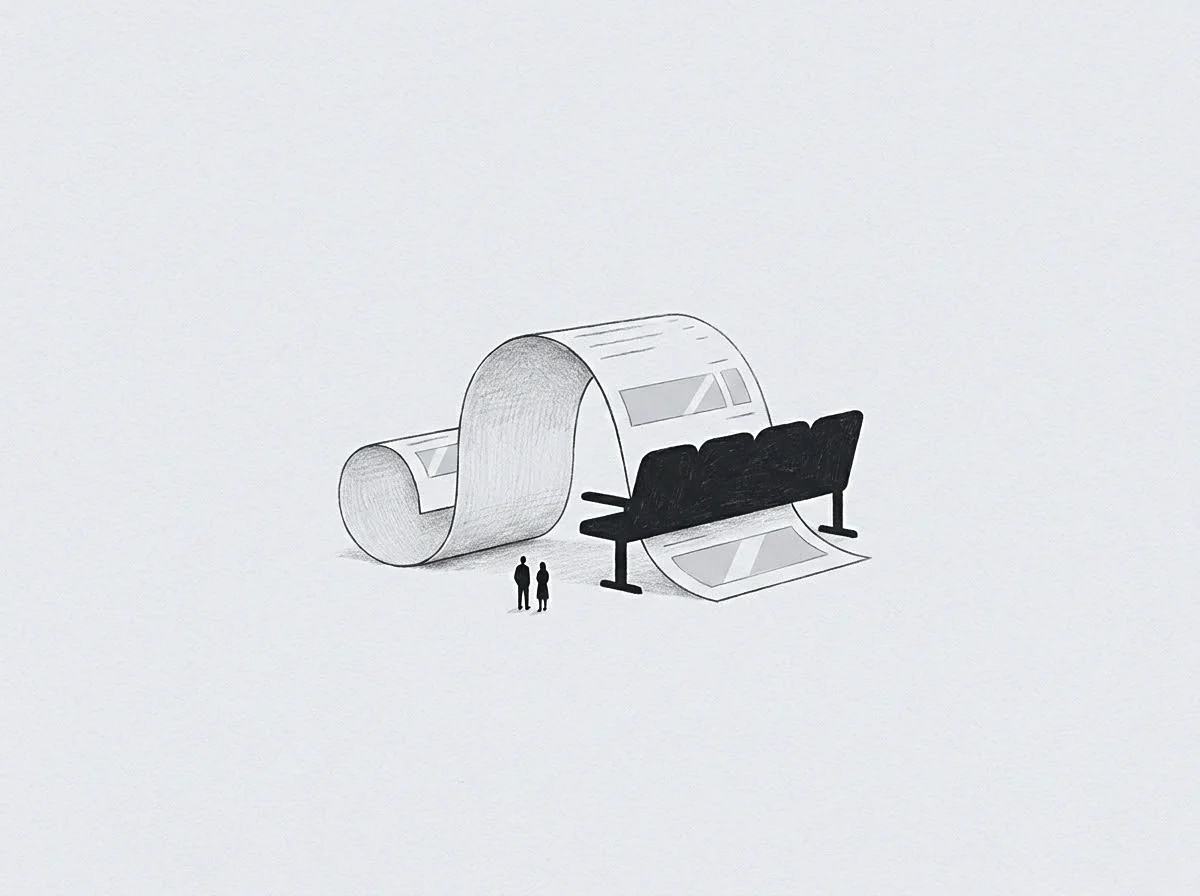
Floor
Late on a Tuesday evening, four distinct messaging channels register active escalations simultaneously. The chief executive sits at an empty desk, reviewing a series of contradictory financial models while preparing for a board call scheduled for the next morning. In the adjacent conference room, two senior vice presidents debate product timelines with rising vocal cadence.
When the chief executive enters the conference room, the ambient tension drops immediately. The vice presidents alter their posture, settle their tone, and look toward the center of the table. Their physiological systems read the executive’s physical calm as evidence of safety, drawing down their own autonomic alarm.
The executive’s heart rate stays steady, but the internal expenditure required to maintain that appearance is uncompensated. The vice presidents regulate their emotional states against the executive’s physical presence. The executive receives no reciprocal calming input from anyone in the building.
The building relies on one central stabilizer. The debt accumulates in silence.
An executive team steadying its panic against a leader’s calm leaves the leader carrying the physiological price of both states.
In high-load environments, organizational members continuously draw upon the chief executive as a primary coregulatory anchor. During periods of liquidity pressure or technical failure, team members project their threat responses outward, seeking a stable reference state. When the leader presents a stable baseline, the team’s collective cortisol levels normalize.
The leader’s internal autonomic nervous system, however, remains engaged in continuous active suppression of threat responses. Coregulation occurs in one direction only. The team leaves the interaction rested, while the leader exits the room with heightened sympathetic activation.
Over extended operating quarters, this structural asymmetry reshapes how the executive experiences physical presence. Every conversation becomes an implicit request for emotional stabilization. Team members do not notice the extraction because their own nervous systems report restored equilibrium.
The system functions smoothly on the surface, masking the gradual depletion of the central anchor.
The conversation went well because the room felt entirely steady throughout the discussion.
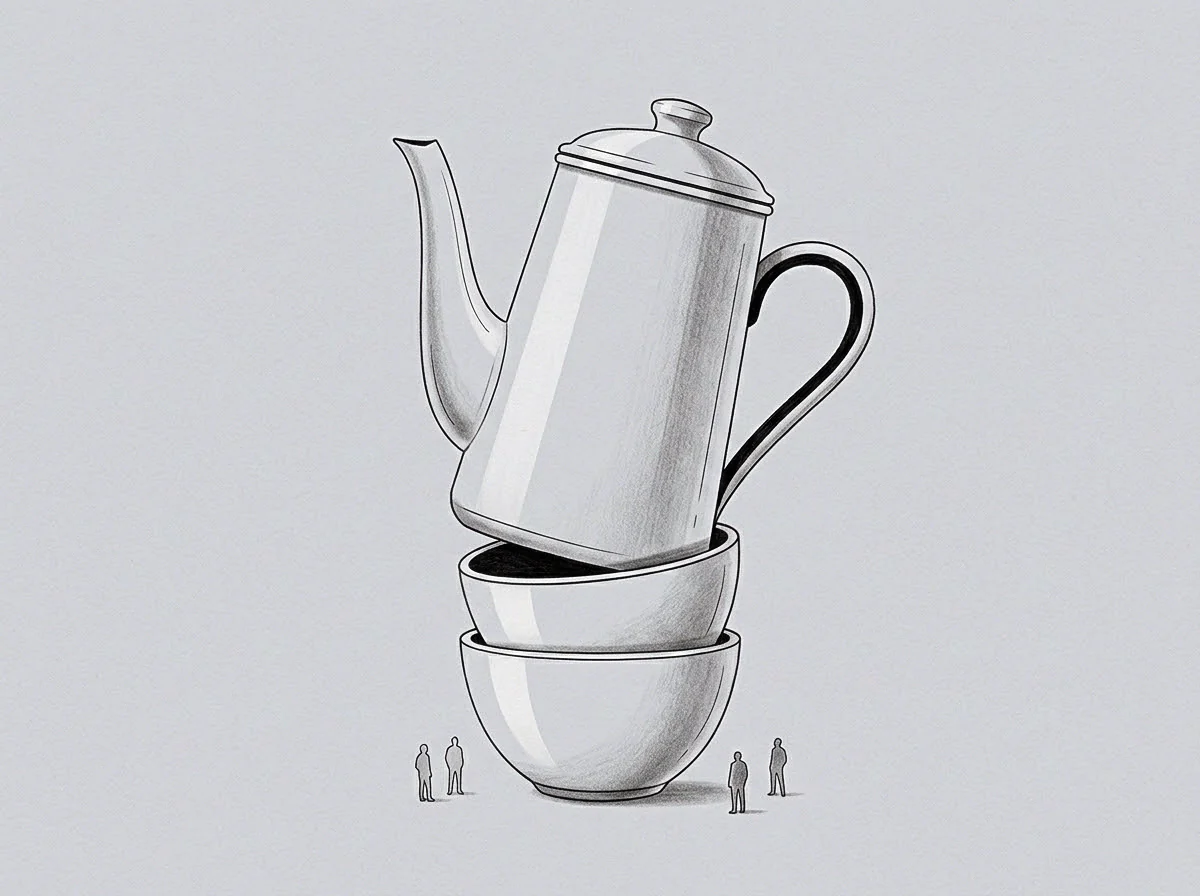
Exertion
Mammalian autonomic physiology operates on an energy budget optimized for proximity to reliable group members. Under social baseline theory, the brain treats the physical presence of a trustworthy peer as a low-cost substitute for individual self-regulation. When an individual regulates alone, neural circuits in the hypothalamus and amygdala maintain high baseline alertness, expending glucose and elevating circulating cortisol.
In a coregulating pair, metabolic load drops because threat monitoring is distributed across both organisms.
In executive leadership seats, this biological assumption breaks down. The leader acts as the coregulatory environment for dozens of subordinates while receiving zero incoming coregulation from the organizational environment. The brain continues to expend energy as if it were defending a perimeter single-handedly, despite being surrounded by people.
The metabolic demand remains continuous. The nervous system pays continuously.
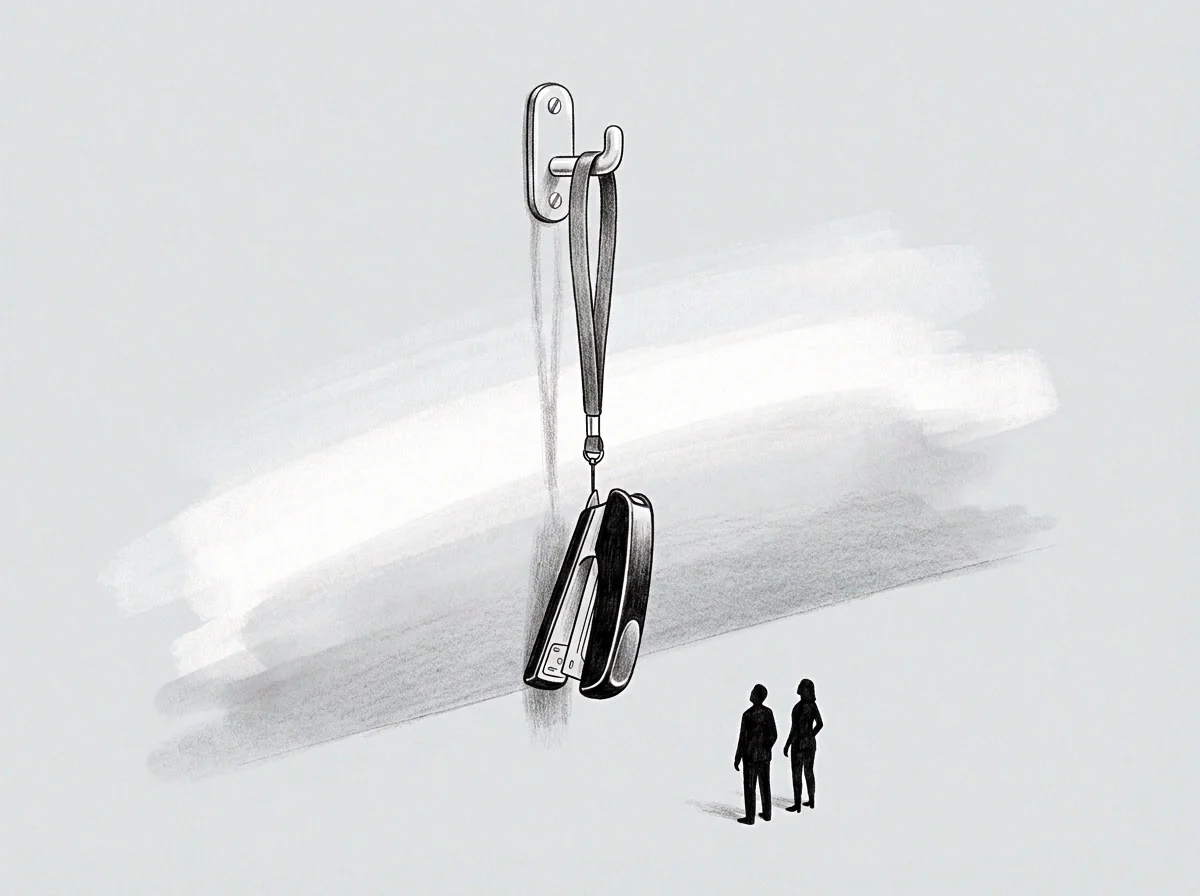
Biological Mechanics of Autonomic Wear
Continuous unreciprocated coregulation imposes a specific physiological tax known as allostatic load. When threat response mechanisms remain active without periodic reciprocal stabilization, the autonomic nervous system stays shifted toward sympathetic dominance. Heart rate variability decreases over time, signaling reduced parasympathetic tone.
The body maintains elevated baseline vascular resistance and altered inflammatory markers. The individual experiences this physiological shift as persistent exhaustion that sleep fails to resolve. Sleep restores tissue but not autonomic tone.
When coregulation flows in only one direction, the stabilizing organism bears the biological expenditure of both systems.
In traditional workplace stress models, workload is measured by task volume, decision density, or working hours. These metrics miss the primary driver of executive exhaustion. A leader holding twenty hours of operational meetings may experience less strain than a leader holding five hours of high-stakes conflict resolution where team members depend entirely on the leader’s emotional baseline.
The biological tax scales with the degree of emotional asymmetry, not the duration of the calendar event.

Physiological Indicators of Baseline Exhaustion
Disruptions in bodily rhythm manifest through measurable vegetative markers across multiple organ systems:
- Suppressed parasympathetic tone reflects a state where heart rate variability remains low even during non-working weekend hours.
- Blunted morning cortisol slope alters early energy distribution, leaving the executive exhausted upon waking despite adequate sleep duration.
- Heightened auditory sensitivity causes ambient office noise to trigger sharp defensive muscular contractions across the shoulders and neck.
- Thermal dysregulation appears as sudden cold sensations in hands and feet during routine organizational updates.
The physical system signals its limits clearly.
Sustaining continuous unreciprocated coregulation over multiple operating years results in autonomic exhaustion, executive withdrawal, and sudden structural breakdown of leadership capacity.
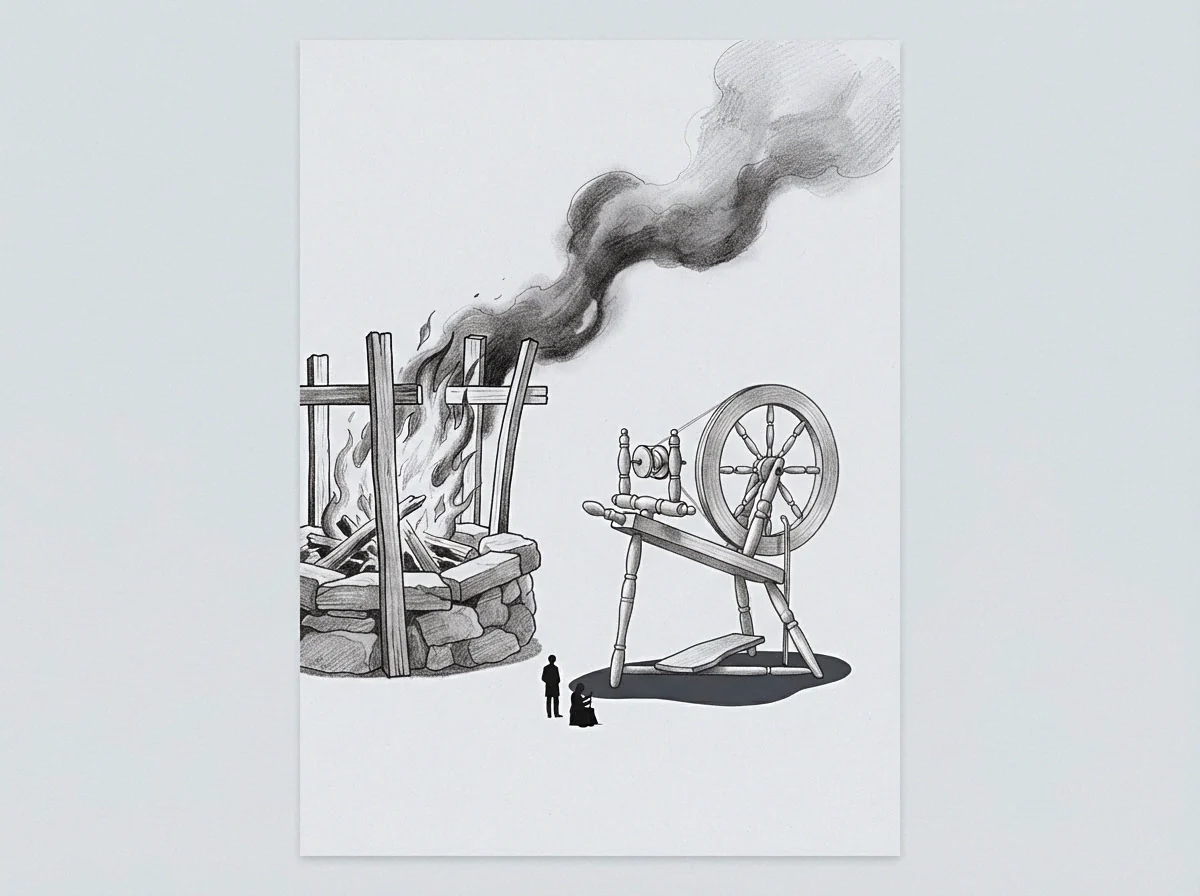
Alignment
Organizational roles create distinct profiles of emotional baseline trade-offs. The degree to which an individual gives coregulation versus receiving it depends heavily on structural seat placement, decision authority, and governance expectations.
| Executive Role | Coregulation Direction | Autonomic Expenditure Rate | Incoming Stabilization Sources | Long-term Structural Risk |
|---|---|---|---|---|
| Chief Executive | Unidirectional Outward | Severe continuous expenditure | Infrequent external peer groups | Autonomic exhaustion and withdrawal |
| Operations Partner | Bidirectional Internal | Moderate regulated expenditure | Chief executive and functional leads | Relational friction during crisis |
| Department Head | Asymmetric Mixed | Variable localized expenditure | Executive officers and team members | Role confusion and mid-level strain |
| External Board Member | Intermittent Reciprocal | Low episodic expenditure | External professional network | Governance disconnect from daily reality |
The comparative data highlights how governance position governs physiological costs. Executive leaders who sit at the top of an operational hierarchy rarely receive coregulation from subordinates. Subordinates look upward for emotional grounding; attempting to reverse this flow creates organizational instability.
When a chief executive expresses autonomic distress to a direct report, the direct report often experiences heightened anxiety, which increases the threat signal back to the executive. Downward vulnerability increases ambient organizational panic. The leader remains trapped in single-directional stabilization.
To offset this continuous drain, high-load leaders require external structures specifically designed for reciprocal coregulation. Peer groups composed of non-competing founders, external executive advisors, or specialized operational partners offer spaces where emotional grounding can flow both ways. Without these external anchors, the leader’s internal reserves drain until operational capacity drops.
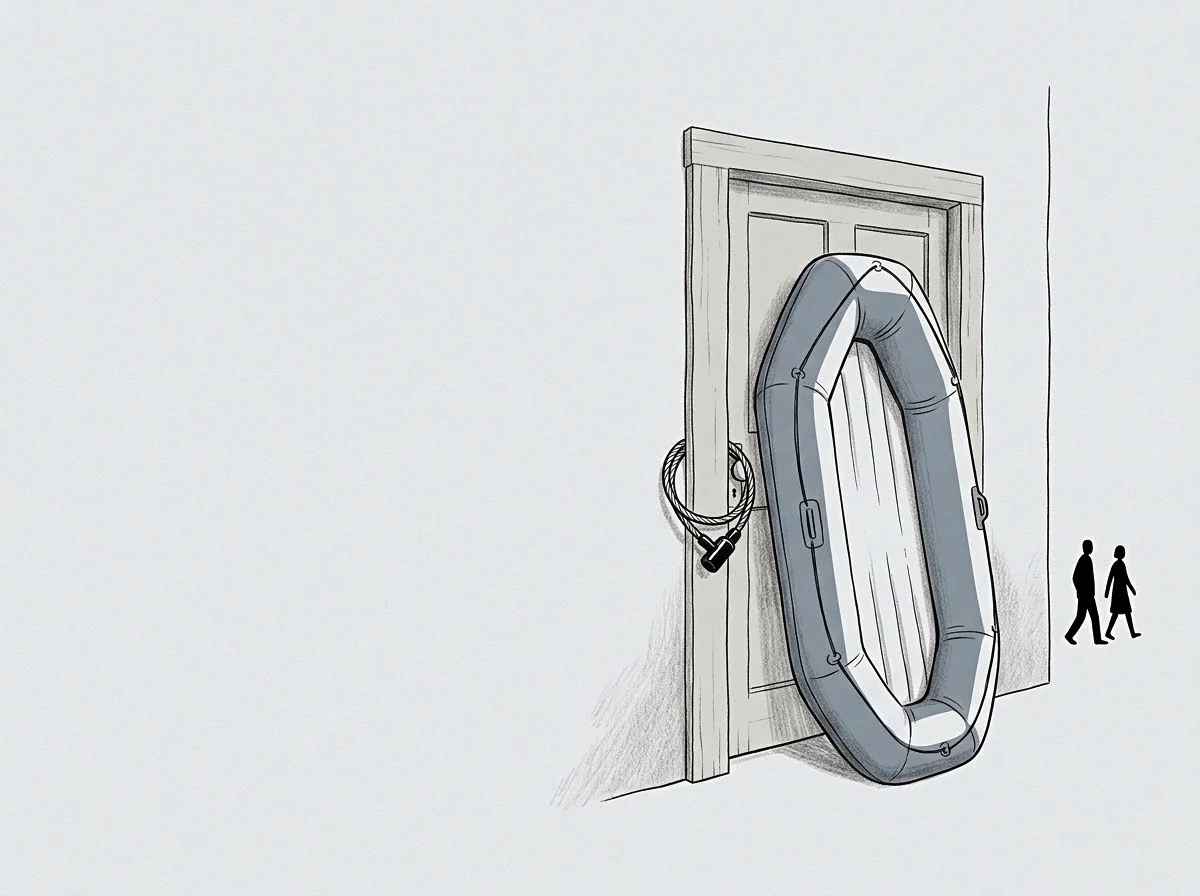
A formal advisory retainer specifying peer coregulation frequency changes the rate of executive autonomic recovery across high-stress operating quarters.
Structure
The tendency to accept continuous unreciprocated coregulation is rarely an accidental occupational hazard. Leaders who habituate to this asymmetric burden often possess an internal working model formed early in life. When a child acts as the primary emotional stabilizer for a parent or home environment, the child internalizes a specific operational template: security is achieved by stabilizing others, never by being held.
In adult leadership, this template functions as a powerful asset during early organizational scaling. The leader displays immense capacity for stress, absorbs ambient chaos, and provides steadying presence to early employees. The missing element is an operational receptor slot for receiving coregulation.
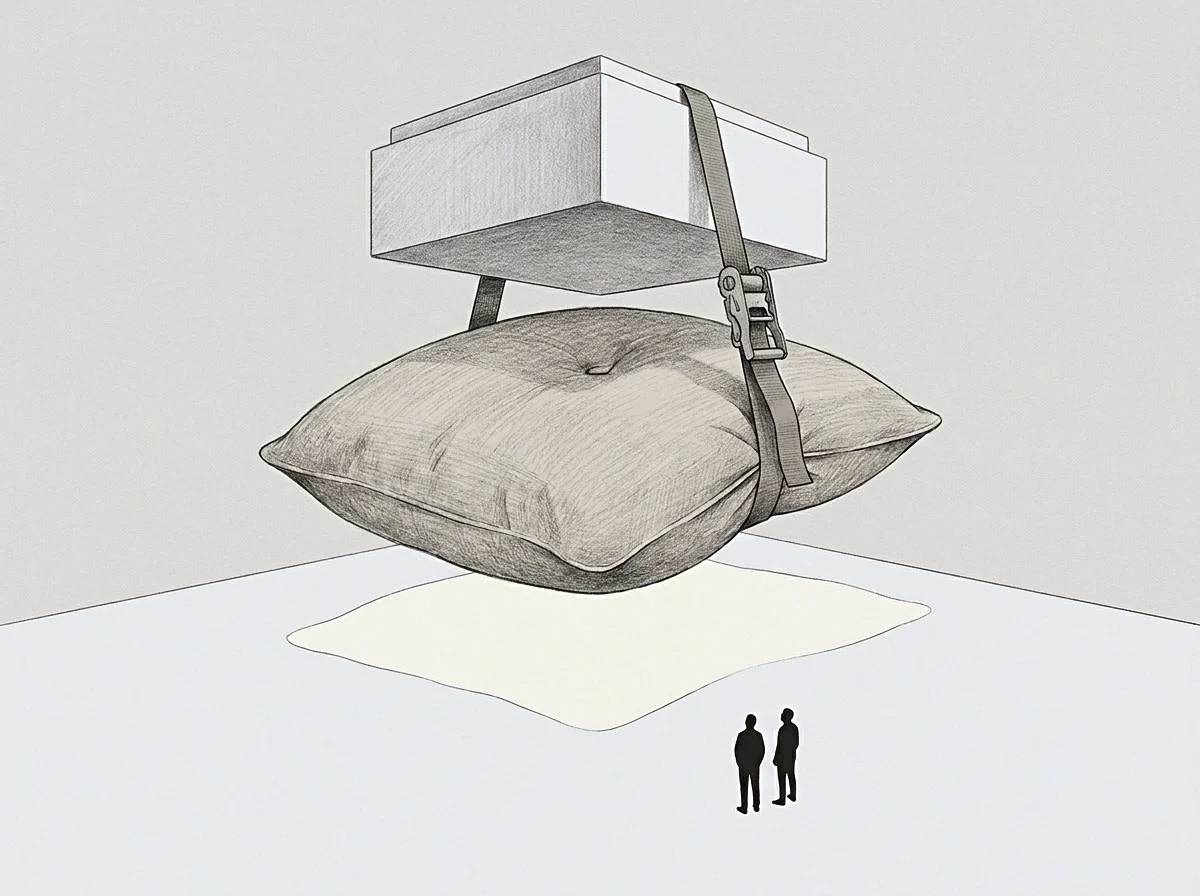
When a colleague or partner offers support, the leader’s nervous system reads the gesture as an anomaly or potential threat rather than an opportunity for rest. The offer of support lands without effect. The internal template lacks a receiving slot.
In structural engineering, a cantilevered beam carries load across an open span by transferring stress directly back to a single fixed anchor. If that anchor lacks internal cushioning, structural vibration accumulates within the metal until microscopic fracture lines propagate across the joint.
An executive operating without an internal receptor slot for coregulation treats offered support as operational overhead rather than physiological relief.
How Does the Absent Receptor Slot Persist Under Stress?
When organizational pressure escalates, an internal working model defaults to familiar patterns. The leader doubles down on self-reliance, suppressing personal autonomic needs while increasing emotional availability to the organization. This response pattern creates a feedback loop: steady presence attracts more team escalations, which increases metabolic tax, which further drives the leader into isolated self-regulation.
Breaking this automatic cycle requires a sequence of deliberate operational interventions:
- Audit daily operational interactions to identify channels where single-directional emotional grounding is continuously requested by team members.
- Establish hard availability windows that separate high-intensity coregulatory meetings from individual deep work hours.
- Introduce external peer environments where executive coregulation flows bidirectionally without organizational hierarchy.
- Practice non-defensive reception of support during low-stakes operational updates to build physiological tolerance for incoming coregulation.
Repetition slowly alters the autonomic threshold.
Whether an executive can expand internal receptor capacity while remaining inside the precise high-load environment that triggered the asymmetry remains an open empirical question.

Tether
Updating a deeply ingrained regulatory template requires physical operational changes rather than cognitive self-understanding. Intellectual awareness of allostatic load does not alter autonomic processing during a crisis. The nervous system updates its baseline assumptions through repeated actual experience of safety in proximity to reliable others, a process known as earned security.
Earned security in high-load leadership develops when an executive routinely experiences reciprocal coregulation without paying an operational penalty. This process requires constructing specific structural boundaries around the leadership seat. Insight explains the drain without stopping it.
Physical boundaries protect the autonomic baseline. The seat requires clear operational limits. Recovery depends on structured mechanical limits.
Operational limits protect an executive’s autonomic baseline long before internal working models adapt to support incoming regulation.
When an executive sets an explicit limit on operational availability, the team initially experiences heightened anxiety. If the executive remains firm without offering additional compensatory coregulation, the team’s nervous systems eventually adapt. Subordinates begin developing peer-level coregulation structures among themselves, distributing emotional load across horizontal relationships rather than concentrating it entirely on the central leader.
Over time, the reduction in incoming emotional demand creates room for the executive’s autonomic nervous system to down-regulate. The metabolic tax drops, parasympathetic tone recovers, and the individual regains capacity to engage in true bidirectional coregulation. The shift from survival-driven self-reliance to reciprocal relational regulation marks the transition to sustainable high-load leadership.
A leader who protects their own autonomic baseline secures the long-term stability of the entire enterprise.