Meaning
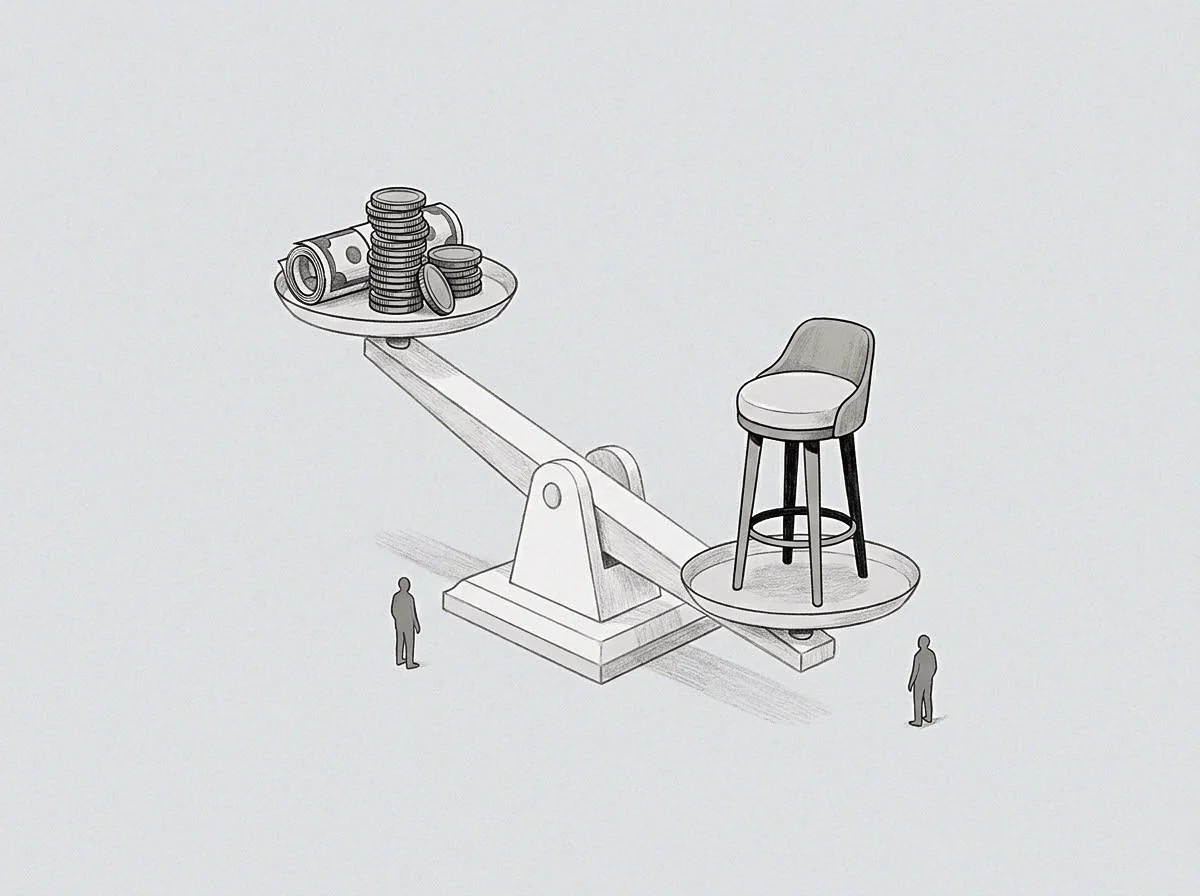
Physiological readiness denotes the baseline capacity for autonomic regulation during the recovery phase following high-intensity work. Parasympathetic tone functions as a measure of the restorative nervous system activity that counteracts the mobilization response. It indicates the speed at which the body returns to a neutral metabolic state after a period of prolonged executive exertion.
Regulation Efficiency
High levels of this activity show that the body maintains the ability to shift away from fight-or-flight mechanisms during rest periods. This capacity protects energy reserves by preventing chronic activation of the stress-response systems. Stable levels allow for sustained performance over extended timelines because the individual does not reach a state of permanent sympathetic overdrive.
Frequent monitoring of this metric provides data on whether recovery protocols actually lower the physiological load.
Recovery Capacity
Low values suggest that the nervous system remains locked in a high-alert configuration even in the absence of active demands. This persistent engagement prevents the replenishment of cognitive resources and increases the caloric cost of baseline existence. Over time, the suppression of this restorative function degrades the quality of sleep and mental clarity.
An absence of sufficient shift into a restorative mode forces the system to draw upon emergency biological capital.
Operational Limit
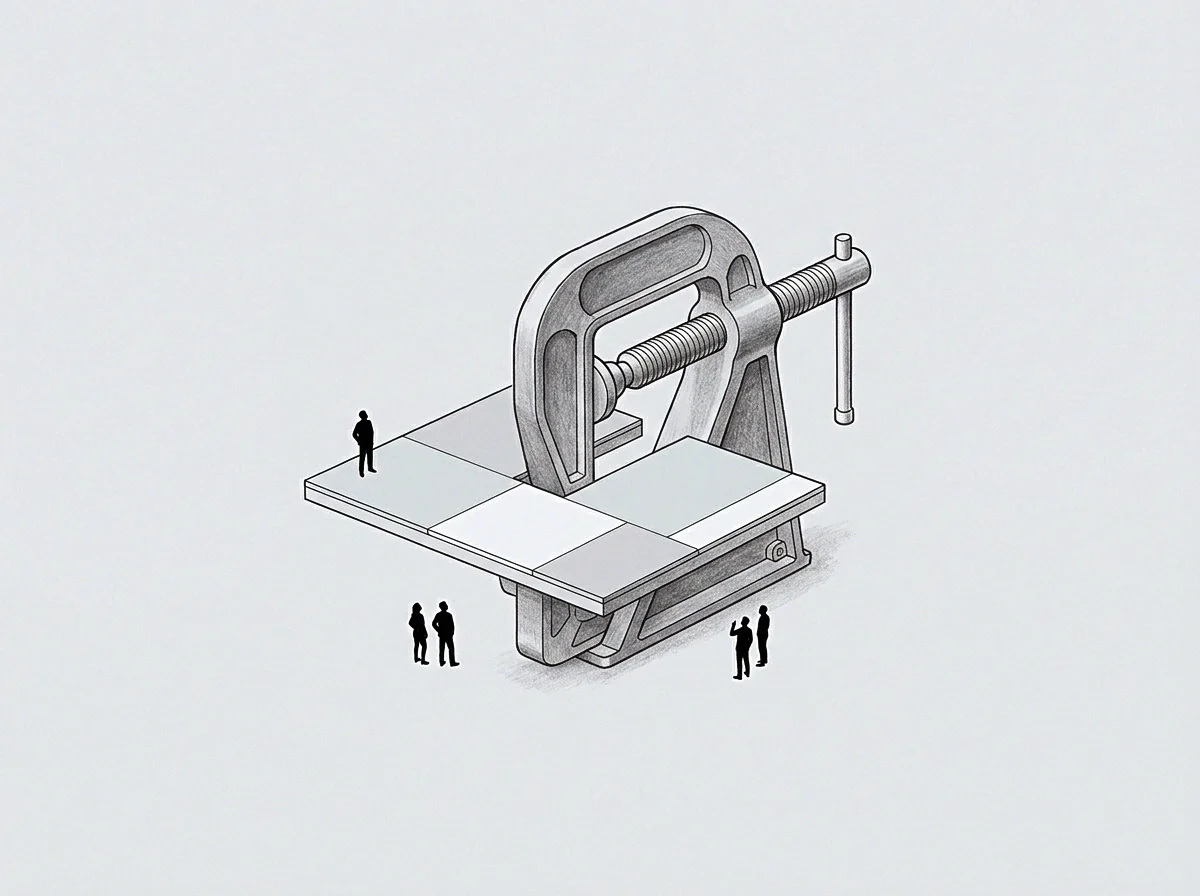
The threshold for this restorative activity establishes the boundary for total output over multiple cycles. Exceeding this limit results in a measurable decline in executive function and reduced error tolerance during complex decision tasks. A failure to return to a low-arousal state forces the individual to function with a narrower range of operational flexibility.
Any sustained reduction in this activity indicates a structural deficit in the ability of the biological system to manage the cumulative impact of professional demands.