
Social Baseline Economy and Coregulation Rebuilding in Post Founding Operational Life
Coregulation rebuilding requires transitioning from solitary neural budgeting to reciprocal presence that distributes metabolic loads across trusted bodies.

Weight
Four incoming pings sit unanswered on a glass desk at midnight while the operator stares at an open terminal. A partner asks for direction on an overdue debt facility, a product lead needs clearance on a structural rehire, and two investors want reassurance regarding revised burn multiples. The nervous system registers each request as a metabolic load transferred onto a single pair of shoulders.
Under social baseline theory, mammalian neural architecture assumes the constant presence of dependable peers to share vigilance, thermal load, and caloric risk. When someone operates without reliable coregulation, the brain treats that solitary baseline as an acute emergency, directing glucose and sympathetic arousal into maintaining a level of alertness that social proximity usually spreads across a group.
Solitary neural budgeting carries a steep physical cost. The hypothalamic-pituitary-adrenal axis maintains elevated systemic cortisol, vasoconstriction narrows peripheral vessels, and prefrontal circuits draw disproportionate blood glucose to keep executive suppression over alarm states active. A founder who built an enterprise across half a decade routinely carries the physiological load of fifty employees, absorbing collective volatility while projecting steady, predictable behavior.
The team attaches directly to that stability. People lean on a calm nervous system to reduce their own regulatory burden, drawing composure from a leader who maintains outward equilibrium under severe operational friction.
A biological budget running without shared vigilance depletes prefrontal glucose before noon.
Borrowing calm from an executive registers to the borrower as their own native composure. Direct reports walk out of a strategic review feeling focused and settled, entirely unaware that their prefrontal stabilization was anchored by the person at the head of the table. The founder internalizes an inverted model: safety exists only when regulating the room, while letting someone else regulate the space feels like dangerous exposure.
Over years of operational escalation, this dynamic welds self-preservation to solitary endurance, and the capacity to receive coregulatory support atrophies from disuse.
Metabolic Surpluses in Corporate Solitude
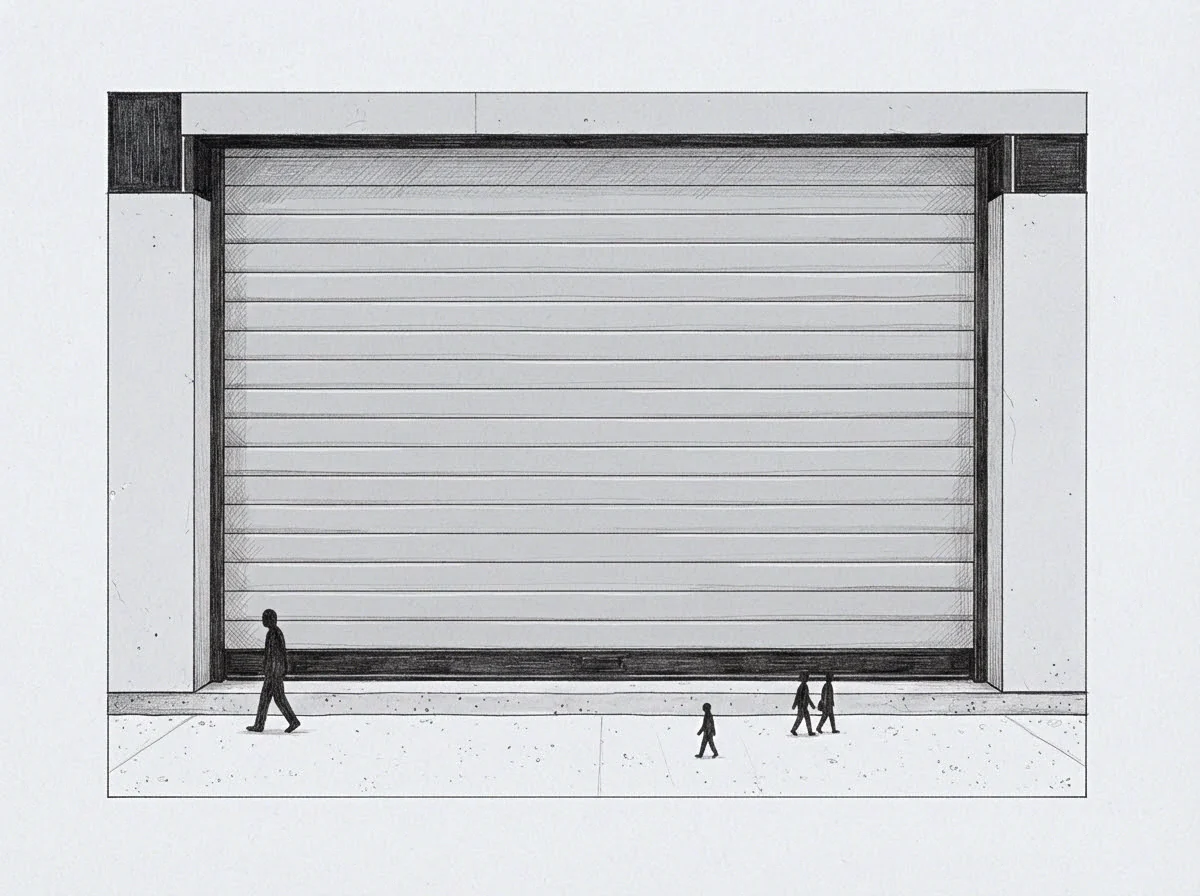
Stepping down from active operational leadership removes formal demands but exposes a depleted physiological foundation. Without twenty daily crises requiring manufactured composure, the autonomic nervous system struggles to settle into genuine parasympathetic restoration. Sympathetic tone stays elevated, scanning empty calendars for impending failure.
The brain interprets the sudden absence of dependent counterparts as isolation rather than relief, because human neural networks calculate safety through dense relational interdependence. An isolated former executive sitting in an empty house pays a heavy metabolic cost for basic physiological regulation.
Prolonged solitary vigilance degrades cellular repair, elevates circulating inflammatory cytokines, and fragments slow-wave sleep across months of post-exit isolation.
Reserve
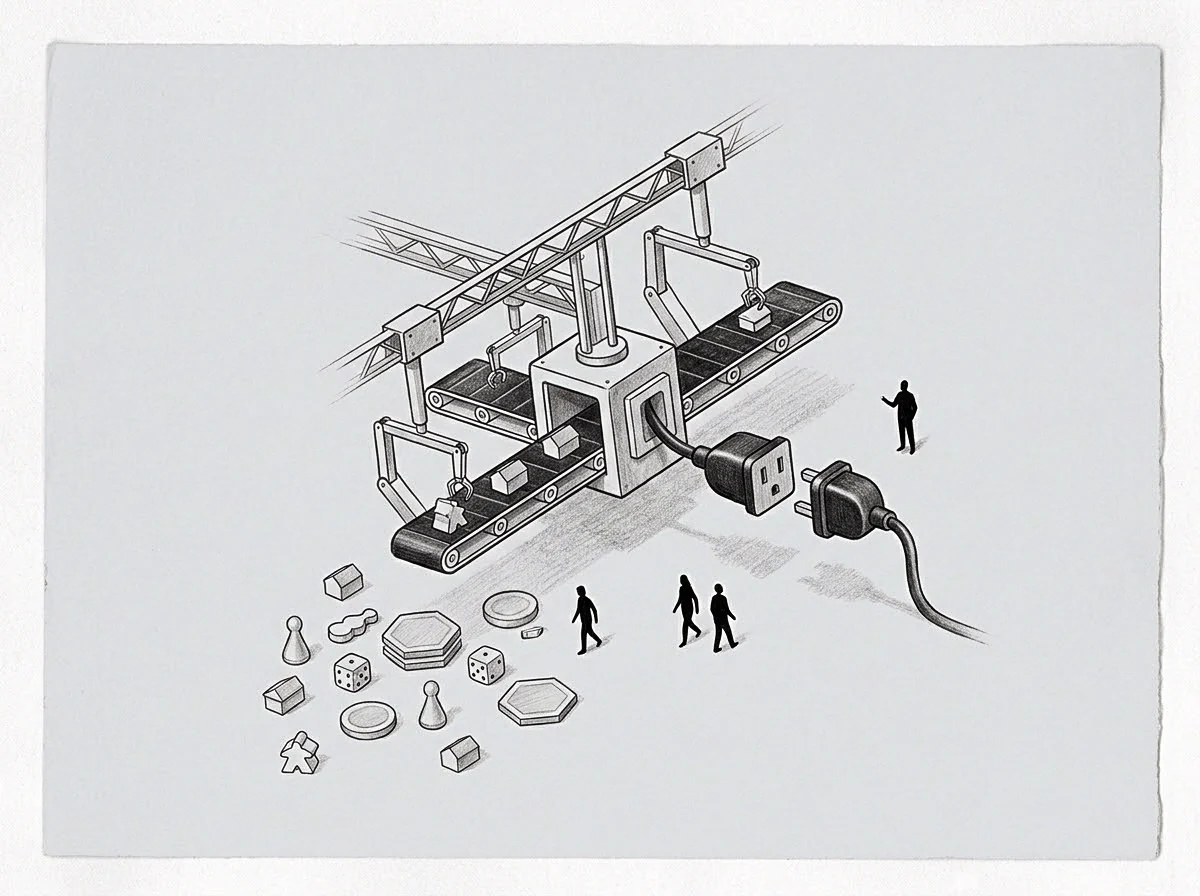
Recovering physiological headroom requires a clear assessment of relational energy. Someone stepping away from operational intensity often assumes that complete isolation will replenish depleted endocrine reserves. But solitary vacations, silent retreats, and closed doors frequently accelerate autonomic dysregulation.
The mammalian brain treats total seclusion as a threat, amplifying vigilance inside quiet rooms. Rebuilding headroom requires slowly reintroducing low-demand social proximity where metabolic load flows symmetrically between people.
The regulatory pattern established while building a company operates in one direction. The executive provided stability, absorbed volatility, and suppressed personal autonomic responses to maintain institutional continuity. Changing this pattern means learning to share physical space with people who require no oversight or management.
Shared physical presence drops peripheral vascular resistance when performance expectations remain absent.
Relational exchanges after an exit fall into distinct functional categories based on their metabolic consequences:
- Asymmetric extraction occurs when former colleagues seek validation or professional sponsorship, forcing the operator back into solitary baseline stabilization. The interaction drains scarce autonomic reserves within minutes.
- Parallel presence involves working or resting alongside a peer without conversational demands or status evaluations. Peripheral blood flow normalizes during quiet joint tasks.
- Attuned coregulation establishes reciprocal autonomic calm through unhurried eye contact, steady vocal cadence, and physiological synchrony. The central nervous system registers genuine relational safety during shared physical meals.
Autonomic Entrainment Dynamics
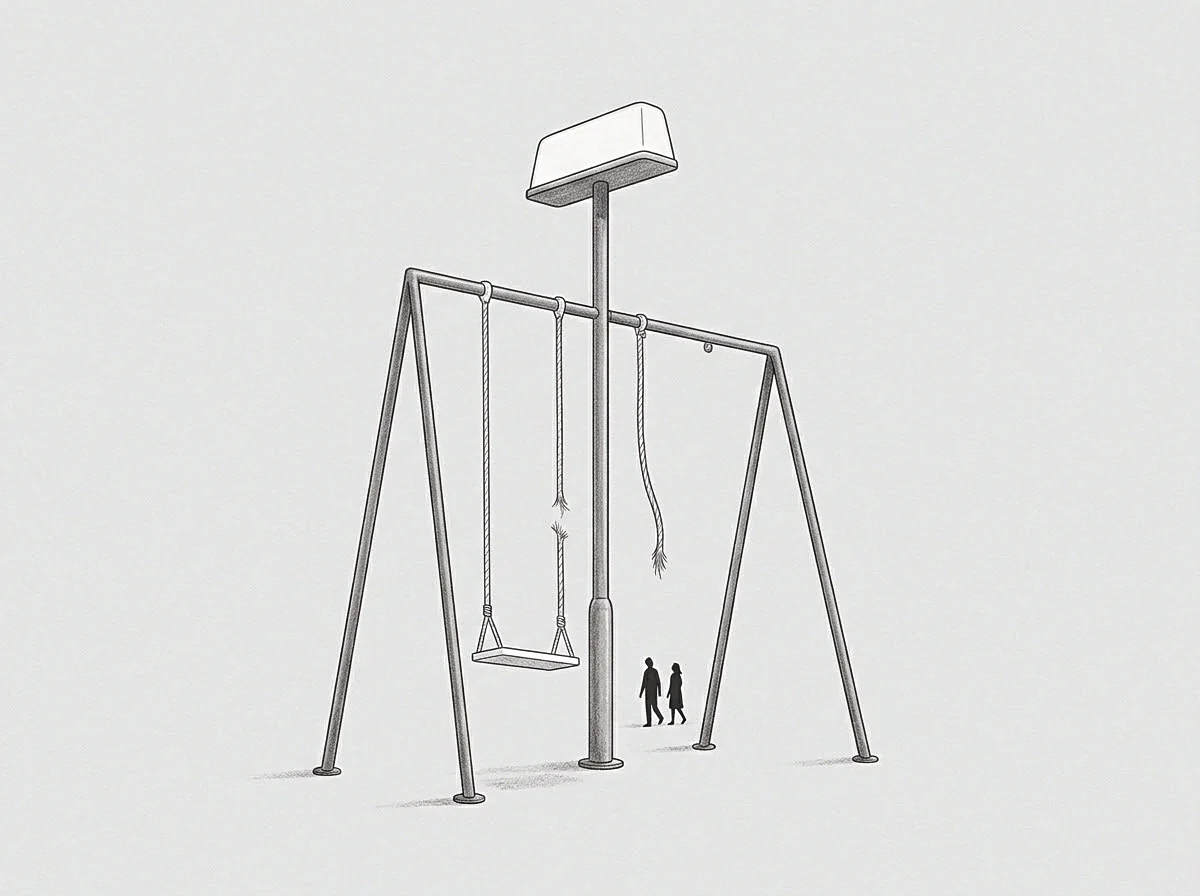
Two biological systems in physical proximity involuntarily entrain heart rate variability and respiratory sinus arrhythmia. When an agitated person sits next to a deeply anchored companion, their vagal brake engages, slowing cardiac acceleration without conscious effort. This is borrowed regulation.
An executive who spent years acting as the anchor rarely experienced receiving someone else’s biological calm. The capacity for external coregulation has to be rebuilt gradually through small, repeated exposures to grounded people.
Relational recovery stalls when every conversation is treated as a strategic transaction with an expected return.
Table
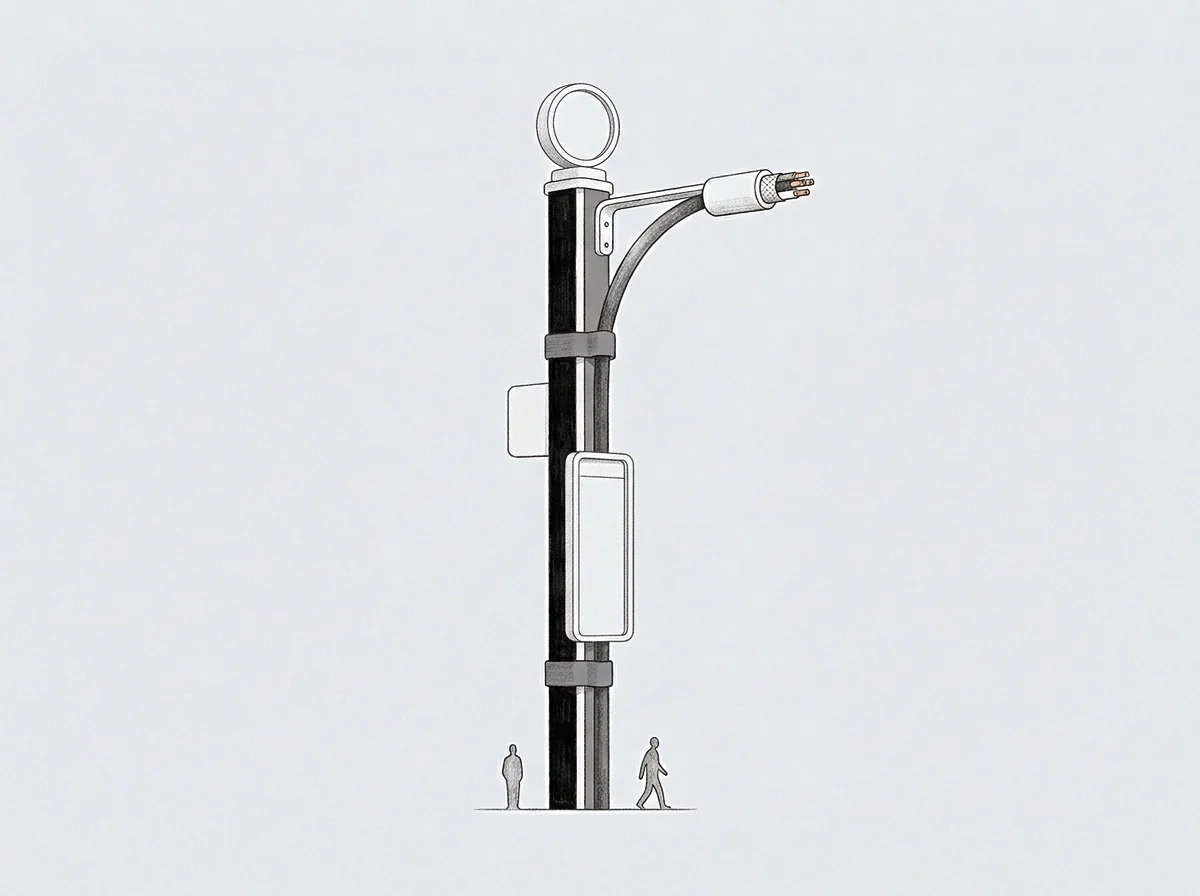
Physical environments dictate autonomic states far more than cognitive intent. A dining table, a desk, or an operations desk each place specific expectations on the nervous system. During operational life, sitting across from someone signified negotiation, resource allocation, and defensive positioning.
The somatic memory of the conference room lingers long after equity dissolves. Moving toward restorative coregulation requires deliberate changes to physical setting, posture, and pacing.
Direct face-to-face seating across narrow furniture triggers subtle sympathetic arousal, maintaining low-grade alertness. Sitting at ninety-degree angles or walking side by side removes that confrontational geometry, allowing social engagement circuits to activate. The ventral vagal complex responds to physical positioning, vocal tone, and deliberate movement.
| Relational Mode | Autonomic State | Cortisol Trajectory | Vagal Tone Impact |
|---|---|---|---|
| Executive Stewardship | Sympathetic Hyperarousal | Sustained Elevation | Suppressed Vagal Brake |
| Advisory Interaction | Mixed Sympathetic Vigilance | Moderate Fluctuations | Transient Engagement |
| Silent Joint Immersion | Ventral Vagal Activation | Progressive Decline | Robust Amplitude Increase |
| Reciprocal Processing | Dynamic Social Engagement | Baseline Stabilization | Restored Rhythmic Control |
Changing physical posture during contact alters the internal model of interaction. When someone sits beside a peer without an agenda, an open notebook, or a deadline, the brain slowly stops linking human proximity to constant demand. The body learns that an interaction does not require a performance.
Repeated neutral encounters re-establish the baseline assumption that other people can exist as stabilizing presences.
Setting a clear ninety-minute cap on social engagements prevents anticipatory exhaustion and protects recovering autonomic reserves.
Channel
Modern communication tools break biological coregulation while creating an illusion of constant contact. Digital messaging keeps the autonomic nervous system in a low-level alarm state through continuous pings. A notification tone activates sensory cortices, spiking heart rate in anticipation of trouble.
For a retired founder, keeping digital channels open recreates the neurochemical state of active crisis management.
Will Repeated Solitary Exposure Restore Metabolic Equilibrium?
Physical proximity remains the primary biological medium capable of delivering measurable coregulatory benefits. Vocal tone, micro-expressions, pupil dilation, and skin temperature changes register only in person. Digital interfaces filter out the physiological cues the mammalian brain relies on to confirm safety.
Spending fourteen hours a day interacting through text starves the ventral vagal system of essential inputs, leaving the body in functional isolation.
Unbroken digital availability preserves operational panic patterns inside peacetime nervous systems.
Rebuilding biological communication requires constructing firm physical parameters around information reception:
- Hard perimeter isolation cuts mobile notifications entirely between nightfall and morning light. This quiet window allows the autonomic baseline to complete cellular recovery overnight.
- Batch voice transmission replaces asynchronous instant messaging with scheduled, direct conversations. Acoustic frequencies carrying natural inflection lower threat responses.
- Somatic anchor routines involve shared manual work, weight training, or walking alongside trusted peers. Physical effort discharges accumulated sympathetic arousal through natural motor patterns.
The central dilemma is whether someone whose working model was forged through total individual responsibility can ever fully accept reciprocal safety without expecting a sudden collapse.
Repair
Earned security develops through repeated physical experiences that contradict past expectations. Cognitive understanding of social baseline theory changes little in the autonomic nervous system, which updates its predictive models through direct somatic experiences. Someone who spent years acting as an unyielding pillar needs to experience moments of strain in the presence of someone who stays grounded, demands nothing, and expects no return.
This reconstruction unfolds over years rather than quarters. A former operator slowly finds peers who have enough stability to remain present without being overwhelmed by surrounding stress or exhaustion. In these settings, executive vigilance can drop, allowing physical tension to release.
The brain registers that the sky does not fall when the guard comes down. Parasympathetic activation opens previously constricted vascular pathways, signaling a shift toward a restored baseline.
Earned security forms when bodily collapse meets dependable, quiet endurance.
Relational stability requires setting aside the impulse to provide immediate value to everyone in the room. Learning to sit quietly and share a meal without offering strategic commentary is essential work after stepping down. The transition moves someone from an isolated power source to a node in a reciprocal network, replacing solitary strain with the shared baseline built into human biology.
A relationship remains restorative only as long as neither person keeps count of presence owed.