
Neural Baseline Shifts In Long Solitary Founders
Solitary building shifts the neural baseline from low-energy social buffering to expensive independent hypervigilance, accumulating unsustainable allostatic load.
Solitude
Operational Isolation and Neural Load
Four browser windows sit open beside an intake queue at three in the morning while the builder reviews error logs alone. Nobody else holds root access to the production database or shares the commercial liability of the pending enterprise rollout. When an operational alarm sounds, physiological arousal rises immediately, heart rate variability drops, and cortisol enters the bloodstream without any social buffer to attenuate the surge.
Social baseline theory establishes that the human nervous system treats the presence of trusted conspecifics as the default, low-energy state for threat management. When a solitary builder works without a reliable counterpart for eighteen consecutive months, the brain categorizes the environment as fundamentally demanding and resource-scarce.
Social baseline theory measures the metabolic difference between facing a stressor alone versus facing that stressor in physical proximity to an aligned peer. Under laboratory conditions measuring neural responses to threat cues, holding the hand of a familiar partner attenuates activity in the anterior insula, dorsolateral prefrontal cortex, and supplementary motor cortex. When solitary enterprise operators execute decisions in total isolation, the brain budgets bioenergetic resources under the assumption that all defense, repair, and monitoring costs belong exclusively to one individual.
The prefrontal cortex maintains continuous hypervigilance to prevent catastrophic outcomes, allocating glucose and oxygen at rates unsustainable over multi-year cycles.
Under sustained isolation from aligned peers, threat cues trigger full prefrontal resource allocation without the bioenergetic attenuation provided by proximity.
This solitary operational stance alters baseline autonomic regulation. Prolonged solitary tenures force the autonomic nervous system to treat elevated sympathetic tone as normal operational resting state. The baseline shifts from a cooperative bioenergetic economy to an isolated survival economy.
Solitary operators interpret mild commercial uncertainties as severe existential threats because no secondary nervous system exists to distribute the cognitive and physiological weight.
Allostatic Load Accumulation
Prolonged exposure to unbuffered operational stress generates measurable allostatic load across multiple bodily systems. In solitary builders, neuroendocrine dysregulation manifests as flattened diurnal cortisol slopes, sustained elevations in circulating pro-inflammatory cytokines, and suppressed vagal nerve activity. The hypothalamic-pituitary-adrenal axis remains chronically activated, failing to return to true metabolic rest even during deliberate work pauses.
Over continuous quarters of independent operation, systemic biological wear degrades executive functioning. Working memory contracts, risk assessment skews toward hyper-defensive bias, and attentional flexibility diminishes under chronic neurochemical saturation. Solitary builders routinely misdiagnose this neurobiological exhaustion as characterological weakness or fading ambition, attempting to correct biological depletion with harsher discipline.
Leaving this neurobiological expenditure unaddressed forces the prefrontal cortex into severe cognitive throttling that impairs long-term strategic calculation.
Span
The Solitary Concurrency Limit
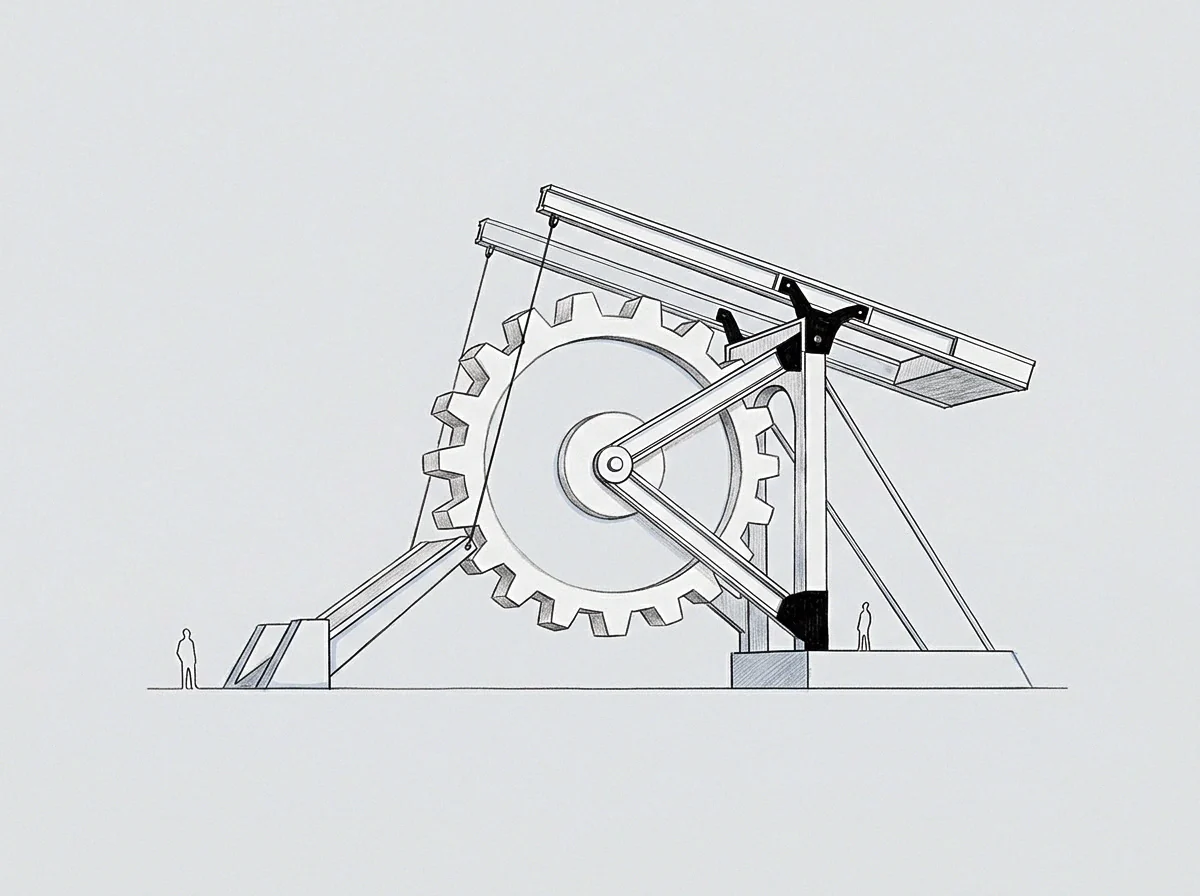
Every operator possesses a finite capacity for simultaneous cognitive and emotional operational vectors. This concurrency limit defines how many high-stakes ambiguities an individual can process before decision fidelity collapses. In multi-member executive teams, these parallel vectors distribute across several nervous systems, allowing individual founders to drop attention from specific operational risks.
The solitary operator holds every thread simultaneously: legal exposures, server uptime, cash runway, customer churn, and product direction.
Holding five active enterprise negotiations while debugging infrastructure pushes cognitive load past sustainable biological limits. Attentional switching costs compound throughout the day, leaving the prefrontal cortex drained of executive control capacity before evening arrives. Because no peer shares the fiduciary duty, the builder cannot offload working memory representations of pending liabilities.
A biological system holding unshared fiduciary liabilities cannot enter autonomic recovery while active operational vectors remain unresolved.
The table below delineates the metabolic and cognitive differences between solitary and distributed leadership models across key operational dimensions.
| Operational Dimension | Solitary Builder Model | Distributed Co-Founder Model |
|---|---|---|
| Neural Threat Allocation | Full prefrontal activation on every commercial anomaly | Attenuated insular response via shared accountability |
| Autonomic Tone During Crisis | Sustained sympathetic elevation without baseline drop | Intermittent parasympathetic recovery through presence |
| Working Memory Load | Entire operational tree held in single active buffer | Domain segmentation across independent buffers |
| Cognitive Throttling Point | Reached rapidly under concurrent threat events | Buffered by asynchronous problem processing |
| Template Receptivity | Progressive closure of support-seeking behavior | Continuous reinforcement of cooperative exchange |
Metabolic Budgeting Across Multi-Year Horizons
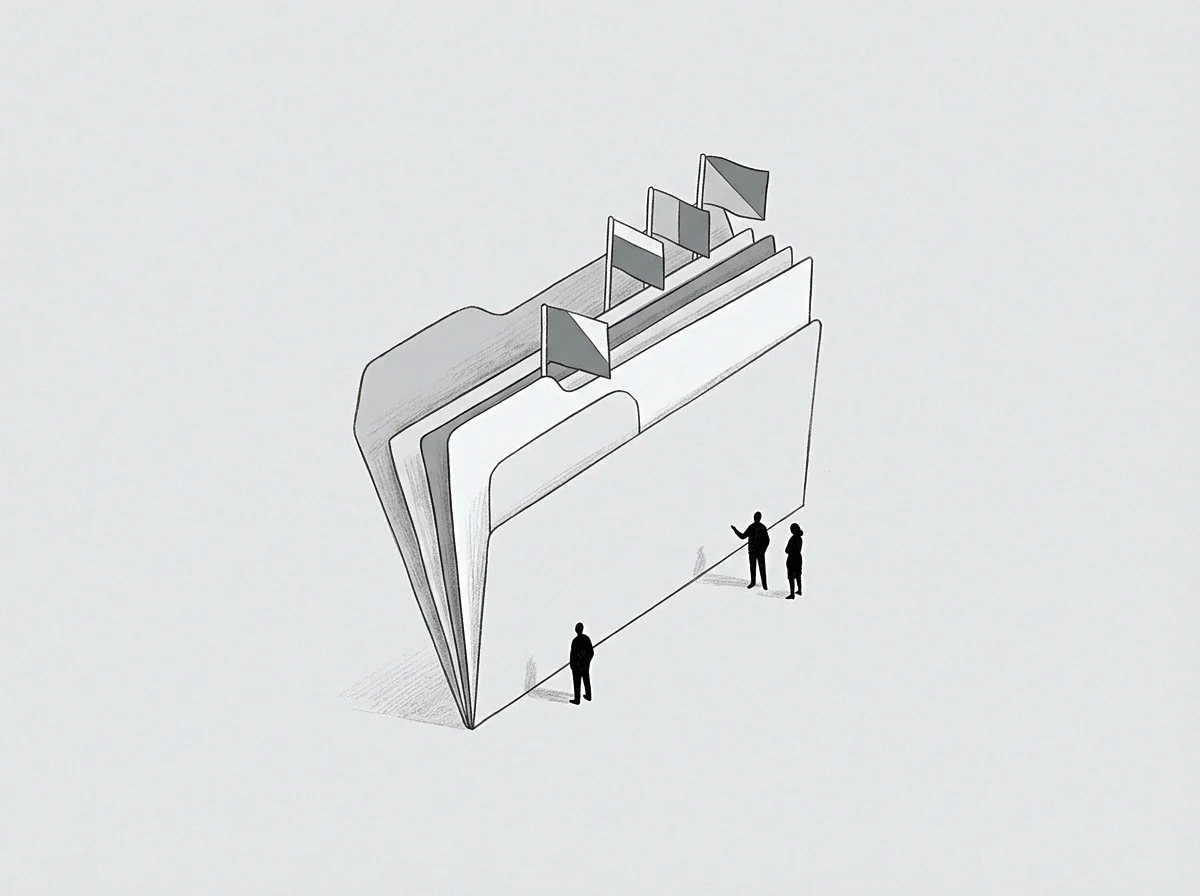
Human bioenergetics operate under strict thermodynamic constraints governed by brain energy balance models. The brain accounts for roughly twenty percent of total metabolic expenditure despite comprising only two percent of body mass. In solitary builders maintaining round-the-clock responsibility, the neural budget prioritizes immediate threat management over somatic restoration and long-term neurogenesis.
The builder who attempts to outwork biological constraints encounters diminishing returns across code quality, strategic clarity, and emotional equilibrium. Chronic prefrontal energy drain causes involuntary attentional narrowing, locking the operator into reactive firefighting patterns. Structural resilience decreases as allostatic load accumulates.
An unshared operational load expands to consume the exact capacity of the single nervous system supporting it.
Calibration
The Regulator Template Inversion
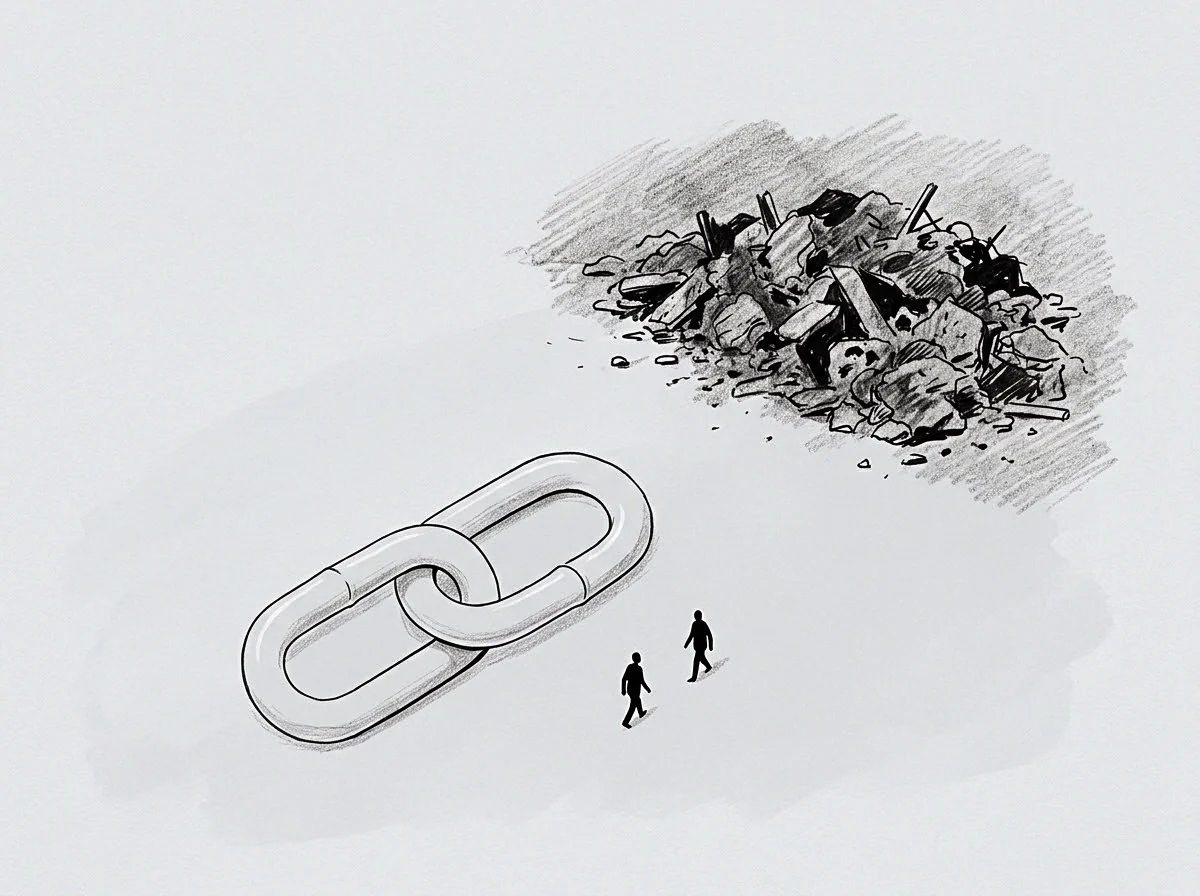
Extended solitary building restructures the internal working model that governs how an individual relates to external assistance. In healthy relational development, an infant internalizes a model of a responsive caregiver, creating a psychological receptor for comfort and shared regulation. When a builder spends years serving as the sole stabilizing force for customers, contractors, and junior hires, the operational model inverts entirely.
The builder constructs an internalized model where they act exclusively as the provider of stability, never the recipient.
This regulator template treats all incoming human interaction as an operational demand. When an employee, peer, or investor asks how the company is performing, the solitary builder automatically interprets the inquiry as a signal to project unflinching certainty. The nervous system suppresses authentic somatic strain to maintain external confidence.
Over thousands of repetitions, this suppression becomes an automatic motor program, eliminating the behavioral pathways required to accept co-regulation from others.
- Borrowed Regulation occurs when an anxious counterparty calms down simply by standing near a stable operator, draining the host’s regulatory reserves without reciprocal energetic return.
- The Receptor Slot names the neural and behavioral capacity to receive calming input from an external peer, an architecture that atrophies under multi-year solitary administration.
- Attaching To A State describes the relational habit where team members bond to the founder’s unshakeable operational composure rather than to the founder as a person.
- Stated Limits represent explicit operational boundaries that halt incoming demands before prefrontal exhaustion forces involuntary cognitive collapse.

How Solitary Builders Reconstruct Shared Safety?
Re-establishing reciprocal regulation demands deliberate behavioral intervention rather than cognitive intellectualization. Solitary operators routinely understand their physiological depletion yet remain entirely unable to accept help when offered. Knowing the theoretical mechanics of social baseline theory does not update an inverted relational template.
The nervous system requires repeated somatic evidence that revealing vulnerability or delegating critical outcomes does not produce catastrophic failure.
A behavioral template updates only through repeated somatic evidence of safe outcome delivery by another party.
The process begins with low-stakes operational delegation where the builder deliberately refuses to monitor execution. When an external contractor delivers a successful migration without founder oversight, the builder’s threat-prediction circuits receive disconfirming sensory data. Gradually expanding these zones of unmonitored delegation re-opens the neurobiological channels necessary for collaborative reliance.
A stated contract term requiring absolute operational autonomy for specific functional areas enforces this behavioral exposure by removing founder veto authority.
Counterpart
The Dynamics Of Borrowed Calm
Teams, early employees, and advisory boards routinely stabilize their own anxieties by anchoring to the solitary builder’s demeanor. In early-stage commercial ventures, junior staff members lack the historical context to interpret market volatility accurately. They look directly at the founder’s face, vocal tone, and communication cadence to evaluate existential risk.
When the builder maintains steady respiration and measured speech, the team experiences borrowed calm, lowering their individual cortisol production at the builder’s direct physiological expense.
The solitary operator pays the biological tax for the entire organization’s peace of mind. Every meeting where the founder absorbs panic, clarifies direction, and projects unyielding confidence represents an active withdrawal from their metabolic reserves. Because the team feels relieved after these exchanges, they naturally seek more contact, increasing the frequency of incoming emotional pings.
The builder becomes an allostatic sponge, accumulating organizational tension while receiving zero regulatory restitution from the surrounding environment.
The leader who projects absolute calm under existential threat attracts the exact emotional weight the team cannot carry alone.
This dynamic creates a severe relational mismatch. Team members perceive the solitary builder as invulnerable, mistaking biological suppression for unlimited emotional stamina. Consequently, they bring raw, unprocessed anxieties directly to the builder’s desk, assuming the founder possesses infinite capacity to process disturbance.
The founder cannot express fatigue without destabilizing the company, reinforcing the solitary isolation loop. The team thought the business was completely stable because the founder never showed a single moment of doubt during the entire crisis.
Reversal
Earned Security and Neural Recalibration
Recovering a functional social baseline after years of solitary operation requires the development of earned security. This neurobiological update path does not rely on early attachment history; rather, it forms through deliberate, structured relational experiences in adulthood. The solitary builder must actively seek peers who operate at equivalent levels of responsibility and cognitive competence.
In the presence of a true commercial and intellectual equal, the builder’s threat-detection circuitry can finally stand down, allowing mutual co-regulation to take place.
Establishing these lateral connections requires the builder to tolerate the initial visceral discomfort of surrendered control. When two experienced operators discuss systemic risks openly without posturing, both nervous systems register the presence of an allied peer. Vagal tone improves, peripheral vasoconstriction eases, and executive functioning expands beyond survival parameters.
The prefrontal cortex gradually recalculates its energetic budget, recognizing that threat management can once again be shared across multiple minds.
A solitary builder can structure specific operational interfaces to accelerate this neural recalibration:
- Structured Lateral Exchange involves bi-weekly technical and strategic debriefs with non-competing peer founders who hold identical fiduciary pressures.
- Irrevocable Functional Handover mandates transferring total commercial and architectural authority over key systems to trusted operators without status check-ins.
- Asynchronous Buffer Implementation creates rigid temporal gates on communication channels, eliminating instantaneous incoming pings that maintain sympathetic fight-or-flight readiness.
The Delta Over Time
Rebuilding social regulation capacity is an incremental, physiological process measured across quarters rather than days. The delta over time between an isolated survival baseline and a cooperative baseline reflects real physical remodeling of synaptic pathways and autonomic set-points. Early in the transition, accepting help triggers acute anxiety, as the inverted template interprets reliance on others as lethal exposure.
With sustained, successful collaborative outcomes, this threat response extinguishes.
As biological reserves replenish, executive decision-making shifts from hyper-defensive conservatism to expansive, long-horizon innovation. The builder regains the capacity to evaluate commercial opportunities without the cognitive distortions imposed by chronic allostatic load. The nervous system discovers that shared load carriage preserves vital biological capital across decade-long building cycles.
The primary uncertainty that remains is whether an operator who has spent a decade in absolute operational isolation can ever fully restore baseline parasympathetic receptivity to the levels observed in lifelong collaborative leaders, or whether the nervous system permanently retains a latent hypervigilant bias that reactivates under severe systemic stress.