
How Solitary Leadership Restructures Cognitive Threat Processing And Relational Capacity
Solitary leadership recalibrates neural threat processing by elevating baseline vigilance while constricting relational capacity through unshared regulatory load.

Vigil
Late at night, four operational channels remain active on a primary desktop monitor while a founder evaluates an isolated vendor dispute. The dispute involves a negligible contract variance, yet the physiological response matches an existential breach. Heart rate remains elevated, cognitive bandwidth narrows to a single thread, and the capacity to engage with family members in the adjacent room vanishes entirely.
This reaction is not a personal failure of emotional control. It is the predictable metabolic outcome of operating without a shared regulatory baseline.

Solitary Threat Recalibration Under Chronic Allostatic Load
The human central nervous system calculates environmental risk relative to the presence of social support. Under normal conditions, proximity to a reliable partner allows the brain to offload a portion of its environmental monitoring, lowering the baseline budget required for vigilance. When a leader operates in isolation, this economy breaks down.
The brain re-allocates cognitive resources, assuming that all systemic threats must be managed independently.
Isolation forces internal threat regulation. Without borrowed regulation from a trusted counterpart, prefrontal circuits remain continuously engaged in danger detection. Over time, this chronic activation raises the baseline threat threshold.
Minor operational variances, unreturned messages, or routine structural friction begin to register as severe survival hazards.
Social baseline theory demonstrates that physical and relational isolation forces the central nervous system to budget environmental demands as high-cost personal threats.
Allostatic load accumulates rapidly when threat processing stays active without recovery intervals. The energy expended to maintain visible composure drains executive function. The brain treats self-regulation alone as a high-cost enterprise.
Over months of unshared responsibility, neural architecture adapts to prioritize surveillance over connection.
A solitary seat turns distant organizational signals into immediate physiological threats.
Frame
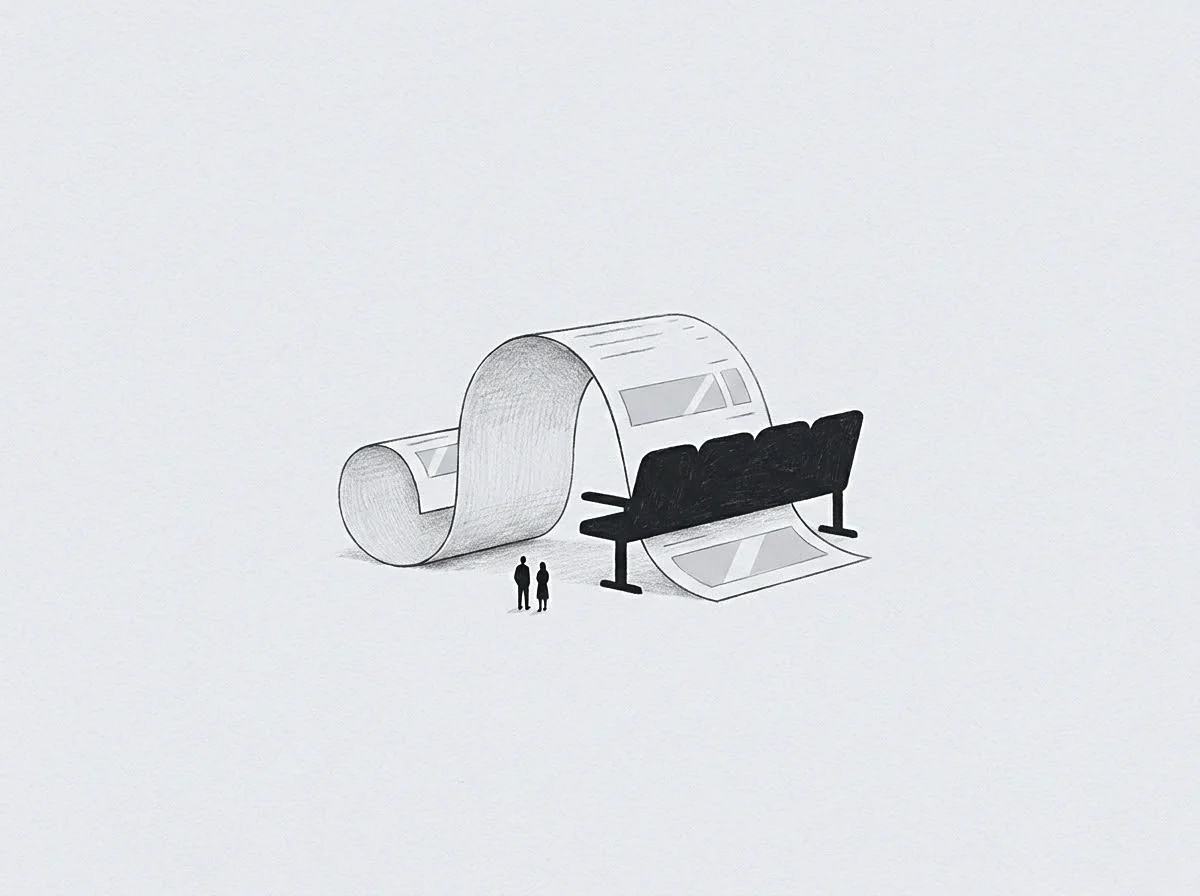
Executive cognition alters its baseline architecture when solitary responsibility persists across extended operational quarters. The shift changes how the prefrontal cortex processes risk, evaluates incoming data, and maintains relational capacity. When threat monitoring occurs without shared baseline regulation, executive function becomes tethered to immediate hazard containment.

Cognitive Architecture of Unshared Risk
Continuous prefrontal engagement without shared accountability changes how incoming information gets categorized. Solitary execution requires constant predictive modeling, forcing the brain to evaluate every organizational variable for potential systemic failure. Shared risk structures alter this calculation by distributing metabolic expenditure across multiple individuals.
The table below details the operational shifts that occur when moving from a shared regulatory baseline to a solitary executive seat.
| Regulatory Mode | Baseline Threat Horizon | Executive Attention Allocation | Signal Sensitivity | Relational Headroom |
|---|---|---|---|---|
| Shared Regulatory Baseline | Extended strategic planning | Distributed across complex problem solving | Filtered through shared risk buffers | High capacity for interpersonal engagement |
| Solitary Executive Seat | Immediate hazard containment | Concentrated on active surveillance | Amplified across minor operational shifts | Severely constricted by metabolic exhaustion |

Neurological Costs of Constant Prefrontal Overload
Extended exposure to solitary operational pressure alters neural energy allocation across decision loops. The prefrontal cortex consumes substantial glucose and oxygen to maintain inhibitory control over lower threat centers. When an individual lacks access to co-regulation, prefrontal reserves deplete rapidly under daily operational friction.
Unstated operational limits allow incoming communication to consume executive attention until relational capacity collapses.
Relational capacity suffers directly from this metabolic drain. Interpersonal communication requires fine-grained social signal decoding, empathetic processing, and vocal tone modulation. These tasks demand significant prefrontal headroom.
When cognitive resources are fully committed to solitary threat processing, the neural capacity for relational engagement collapses. The individual becomes functionally incapable of processing nuance, warm presence, or personal connection.
Stating explicit availability windows changes incoming operational traffic from perpetual threat into structured workflow.
Receptor
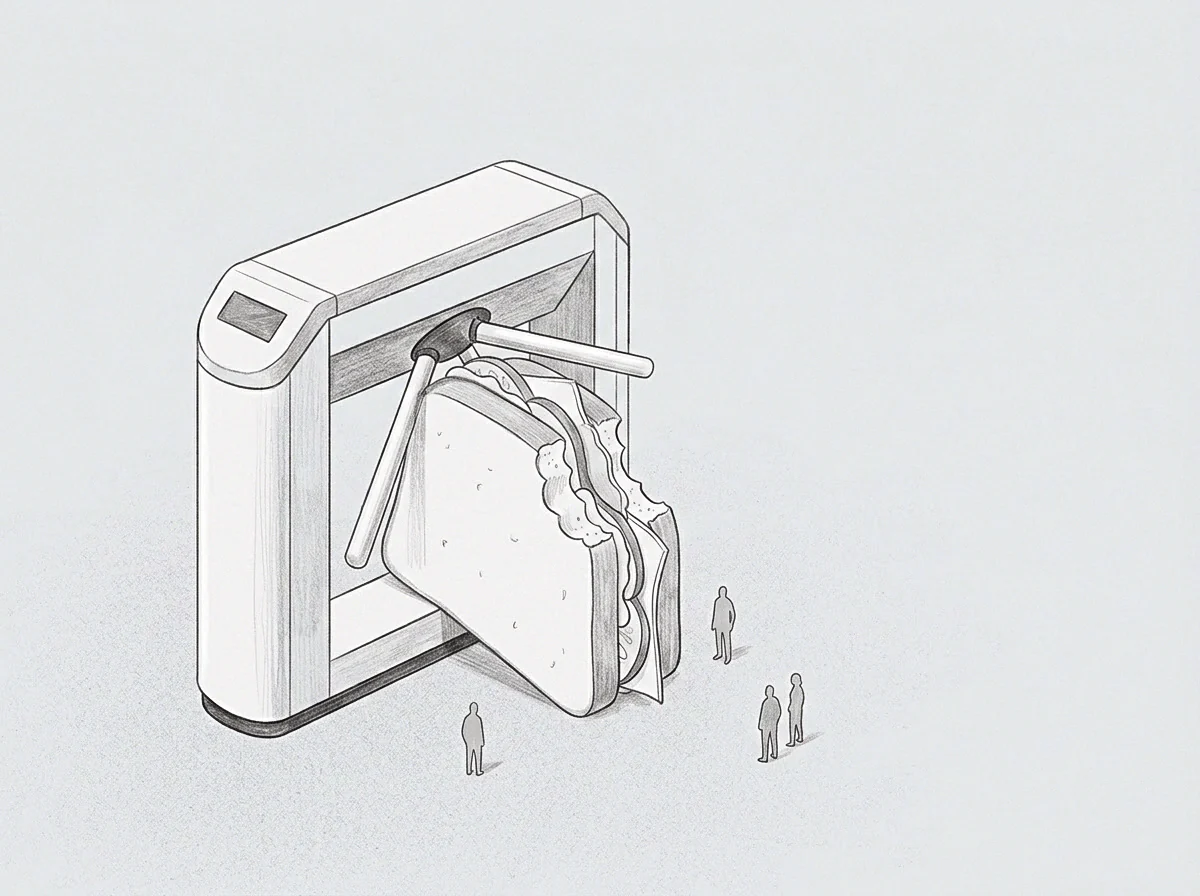
Early relational patterns construct an internal working model that governs how an individual handles metabolic stress. When a leader internalizes a model of self-reliance, the central nervous system constructs a unidirectional regulatory mechanism. The individual regulates others effectively while lacking the internal architecture to receive regulation from external sources.

The Internalized Template of Solitary Regulation
When an individual repeatedly calms others without receiving shared presence, the central nervous system adapts. The internal template configures self-regulation and external regulation into a single operation performed entirely by the individual. The receptor slot for receiving support remains inactive.
The functional features of this internalized regulatory pattern include specific operational behaviors.
- Internal Working Model Constructs a cognitive schema where personal stability is maintained exclusively through independent effort and continuous environmental control.
- Receptor Slot Deficit Prevents the absorption of external calming signals, causing offers of relational support to register as operational interruptions.
- Asymmetric Co-Regulation Establishes a relational dynamic where the leader absorbs external anxiety while transmitting stability, draining personal energy without replenishment.
People attach to a stable state rather than to operational artifacts. An executive who projects unyielding composure becomes an anchor for colleagues, investors, and teams. These counterparties regulate their own anxiety against the leader’s presence.
The anchor bears the cumulative metabolic load of the entire organization.
Perceived self-sufficiency under stress draws external demands while constricting the capacity to accept external regulation.
This dynamic creates a structural trap. Strength under stress attracts external load. The more stable the leader appears, the more incoming stress the system directs toward their seat.
Because the leader’s template lacks a functional receptor slot for shared regulation, incoming calm from others fails to penetrate. The individual remains isolated while surrounded by dependent counterparties.
The leadership presence registered as distant and cold despite constant physical presence in the room.

Ledge
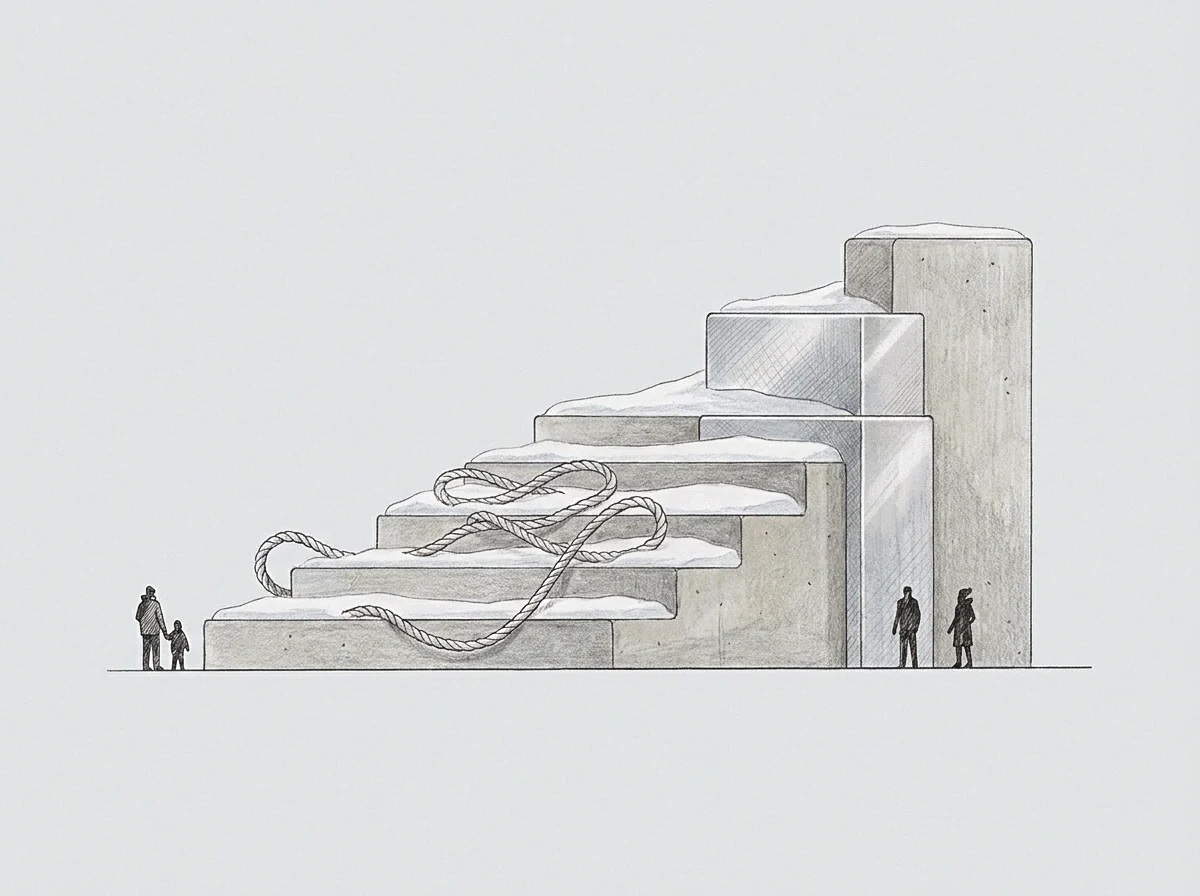
Organizational growth presents severe tests to relational capacity when leaders operate without shared risk structures. As systemic complexity expands, the volume of operational pings increases exponentially. Without explicit parameters around access and decision rights, the leader’s central nervous system transitions into constant survival management.
This structural load eventually fractures key professional and personal partnerships.
Who Bears the Cost of Unspoken Limits?
Assume a founder and an operational partner manage a rapidly expanding organization for three years without explicit agreements regarding real-time availability. The founder carries sole fiduciary liability, while the partner manages day-to-day execution. The founder’s brain processes overall organizational survival as a solitary burden, while the partner assumes constant access to the founder is necessary for operational velocity.
Every message sent at night triggers a spike in the founder’s allostatic load. The founder cannot turn off threat monitoring because any incoming message might announce a critical failure. The partner reads the founder’s fast response times as evidence of operational alignment.
In reality, the founder is operating in severe prefrontal overload. The absence of explicit limits creates a hidden dynamic where availability is traded for executive longevity.

The Structural Shift in Relational Capacity
As operational volume increases, the founder begins filtering incoming messages through a survival lens. Relational communication requires emotional resonance and active listening. Under high allostatic load, these activities register as unaffordable energy expenditures.
The founder begins throttling communication, issuing brief, blunt directives or ignoring messages entirely for days.
Silence signals overload rather than calm. The partner interprets this shift as personal coldness, passive-aggressive withdrawal, or loss of commitment. The partner escalates communication frequency to regain connection, which further intensifies the founder’s threat response.
The relationship enters a destructive feedback loop driven by mismatched regulatory needs.
The sudden reduction of real-time communication protects basic prefrontal function during periods of metabolic exhaustion.
Take another aspect of this arrangement. The partner attempts to offer reassurance, stating that operational tasks are under control. Because the founder operates on a backward regulatory template, this reassurance fails to land.
The founder reads the partner’s offer as an unvetted risk, assuming that relaxing surveillance will lead to operational oversight. The partner feels rejected and invalidated. The founder feels completely uncontained and exhausted.
Neither party recognizes that the conflict is driven by baseline physiological exhaustion rather than intent.
Failing to define operational availability converts personal proximity into an unmanageable regulatory burden that destroys key partnerships.

Update
Modifying a long-standing regulatory pattern requires repeated physical and relational experiences over sustained durations. Intellectual insight into social baseline theory does not alter neural threat calculations. The central nervous system updates its predictive models through direct, lived experiences of shared load under actual stress conditions.

Reconstruction of Earned Security in Solitary Seats
Relational security forms when the brain records consistent, reliable co-regulation during active stress. For a solitary leader, this process involves deliberate exposure to shared risk within bounded parameters. The leader must experience situations where operational responsibility is distributed, and the counterparty maintains stability without failing.
Repeated over time, these micro-experiences build a second regulatory template alongside the old pattern.
Earned security replaces independent threat calculation with accurate risk assessment. As the new template matures, the receptor slot for shared regulation begins to function. The leader becomes capable of registering presence, accepting support, and offloading metabolic costs during high-demand periods.
Prefrontal bandwidth recovers, restoring relational headroom and executive flexibility.
Whether an executive accustomed to solitary threat processing can tolerate the initial vulnerability of borrowed calm remains untested until external load returns.