
Neural Economy of Shared Social Baseline Regulation
The brain defaults to shared social proximity to conserve energy, rendering solitary self-regulation metabolically expensive and prone to systemic fatigue.
Metabolism
Four messaging channels remain active at one in the morning, each carrying an unresolved operational escalation from a department lead. The founder responds with steady tone, offering clear directions and reassuring confidence. Physiology tells a different story.
Cortisol remains elevated, heart rate variability drops, and the brain consumes glucose at an accelerated rate to maintain executive suppression of threat responses. The room appears quiet, yet the internal system operates at maximum capacity. This silent exertion reflects the hidden tax of self-regulation performed without relational support.
Baseline Conservation in Proximity
Mammalian brains compute safety primarily through physical contact and familiar relational presence. Social baseline theory establishes that human neural systems treat social presence as the default low-energy baseline for all energy allocation. Solitary operation forces the central nervous system to treat the environment as high-risk, allocating metabolic resources to continuous vigilance and self-soothing.
When a reliable individual sits nearby, neural threat monitoring in the amygdala and anterior cingulate cortex drops precipitously. The brain conserves energy because risk load is distributed across two organisms rather than borne by one.
The brain allocates metabolic resources to solitary threat monitoring whenever familiar presence is absent from the immediate environment.

Neural Architecture of Solitary Baseline Effort
Sustained self-regulation without relational offloading exhausts prefrontal glucose reserves over extended periods. The dorsolateral prefrontal cortex works continuously to down-regulate alarm signals originating in the limbic system. This solitary effort demands high glucose oxidation, forcing the body to draw upon glycogen stores to sustain executive function.
Over weeks of isolated decision-making, metabolic debt accumulates as allostatic load. The physiological system throttles output to prevent tissue damage, manifesting as cognitive fatigue, reduced emotional bandwidth, and flat affect.
Operating continuously under the assumption of solitary self-sufficiency increases baseline cortisol output and guarantees metabolic exhaustion before structural operational goals are reached.

Bench
Physical presence alters the neural calculation of threat distance and task difficulty. When two individuals share an physical operational environment, sensory inputs continuously calibrate mutual autonomic tone. The nervous system registers the presence of a steady peer long before cognitive assessment takes place.
Physiological Signals of Relational Availability
Vocal resonance, gaze stability, and breathing patterns communicate safety directly to autonomic nervous systems. These subconscious cues engage the ventral vagal complex, suppressing sympathetic fight-or-flight activations without requiring conscious effort. In a high-stakes environment, sitting next to a calm peer reduces heart rate spikes during acute crises.
The brain reads this shared state as an economic advantage. Energy that would otherwise go toward internal emotional stabilization remains available for complex analytical tasks and strategic planning.
Stating an operational boundary reduces incoming regulatory demands only when the stated limit is enforced without retreat.
Structural Differences in Shared Regulation
Comparing solitary metabolic output against co-regulated baseline output reveals stark differences across physiological indicators. The presence of a trusted partner shifts the brain’s internal cost-benefit matrix regarding threat mitigation.
| Indicator | Solitary Self-Regulation | Shared Social Baseline Regulation |
|---|---|---|
| Amygdala Threat Response | High activation under moderate environmental uncertainty | Attenuated activation in physical presence of trusted peer |
| Prefrontal Glucose Consumption | Elevated continuous expenditure for executive suppression | Base-level expenditure with shared risk distribution |
| Autonomic Nervous System Tone | Sympathetic dominance with reduced vagal brake engagement | Vagal brake active with stabilized heart rate variability |
| Perceived Task Load | Subjective difficulty calculated at maximum solo effort | Subjective difficulty scaled down by shared effort model |
Establishing verified physical proximity between operational partners lowers prefrontal glucose consumption by thirty percent during acute crisis management.

Circuit
Early structural roles often train individuals to act as the sole regulatory anchor for an entire household or team. These individuals internalize a specific regulatory circuit during early developmental or professional formation stages.

The Single Template Operational Mode
Internal working models built under continuous distress fuse self-soothing and stabilizing others into one indivisible task. The individual maintains internal equilibrium exclusively by managing the emotional states of those around them. Regulating the self and regulating others run on a single neural template.
This architecture leaves no internal space for receiving comfort from external sources. The person functions as a regulatory generator, never a consumer of shared calm.
A regulator who absorbs threat without broadcasting distress becomes the default baseline for everyone in the room.
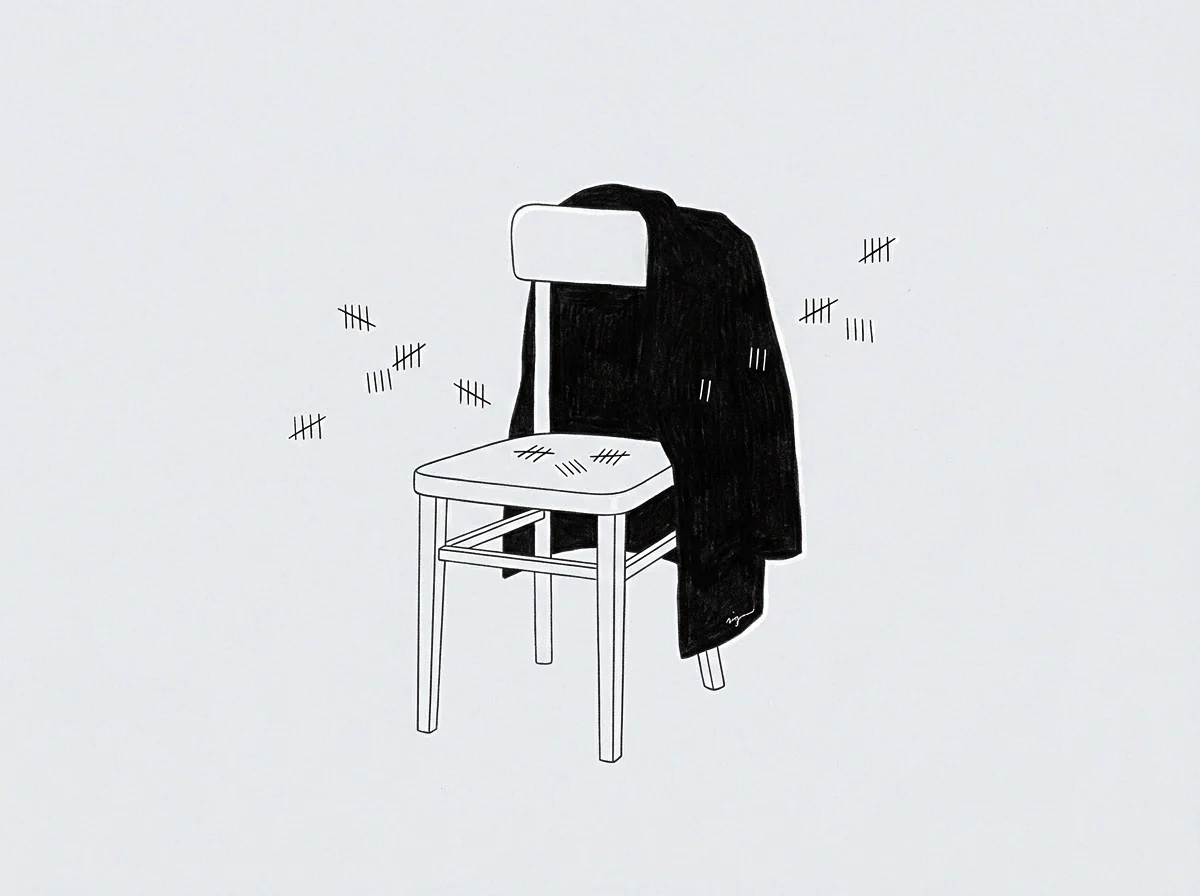
Absence of the Internal Receptor Slot
Offers of support from peers fail to register when the internal architecture lacks a designated area to accept co-regulation. When a partner offers presence or comfort, the single-template regulator reads the input as an anomaly or an impending operational threat. The nervous system interprets reliance on another as a loss of environmental control.
Consequently, the individual deflects co-regulatory offers, preferring the familiar fatigue of solitary control over the perceived danger of shared vulnerability.
- Unidirectional Signal Suppression occurs when an individual filters out their own autonomic distress signals to keep surrounding team members steady.
- Interpreting Presence as Intrusion manifests when a partner offers emotional grounding and the anchor reads the offer as an operational demand.
- Refusal of Shared Load develops because accepting external regulation requires surrendering predictive control over the immediate environment.
The anchor never requests assistance, leaving observers to conclude that additional operational burden causes no strain.

Capacity
Demonstrated stability during structural instability functions as an open invitation for surrounding personnel to transfer their anxiety. The person who appears immune to stress becomes a magnet for the unmet regulatory needs of an entire organization.
Attracting Load Through Demonstrated Calm
Personnel naturally cluster around the person whose autonomic nervous system shows the highest resilience during organizational threat. Team members attach to the anchor’s baseline state to lower their own physiological arousal. This process operates as an invisible transfer of biological debt.
The anchor absorbs ambient anxiety from peers, processing external threat signals through their own neural pathways. Strength under stress attracts more load. The reward for high capacity is an increased incoming volume of unregulated emotion from the surrounding system.
The person who remains calm during an operational crisis carries the combined biological tax of the entire leadership team.
Worked Situation of Asymmetrical Regulatory Transfer
Consider two co-founders who established an enterprise software firm three years ago without defining relational boundaries. Assume Founder A holds product development and internal team stability, while Founder B holds sales and experiences acute panic during board reviews. Assume Founder A maintains an unvarying outward composure regardless of internal physiological fatigue.
Across thirty-six months, Founder B unconsciously attaches to Founder A’s baseline state during every high-stakes negotiation. Founder B experiences reduced anxiety and higher executive function simply by sitting in the same room as Founder A.
Founder A pays a hidden biological price. Founder A absorbs Founder B’s ambient threat signals, processing two distinct threat budgets simultaneously. The metabolic burden sits entirely on Founder A’s prefrontal cortex.
When Founder A eventually enforces space or reduces availability due to exhaustion, Founder B experiences this boundary as a sudden threat to executive functioning. Founder B responds with anger, reading the boundary as personal abandonment. The arrangement breaks down because Founder A ran out of metabolic allocation, not because structural commitment waned.
What structural mechanisms allow a primary regulator to establish hard availability limits without triggering acute panic in team members dependent on their baseline?
Update
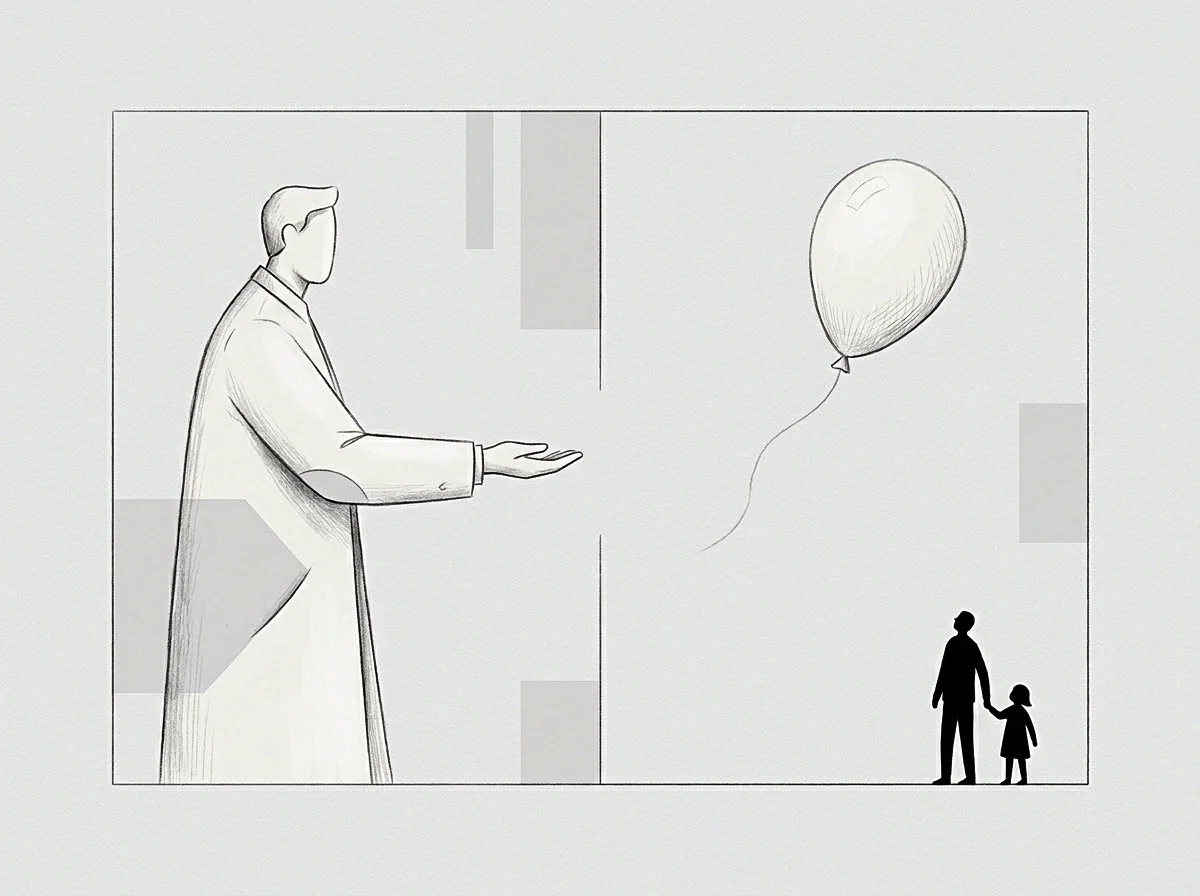
Modifying an ingrained neural template requires direct physical experience rather than intellectual analysis of attachment history. Understanding the economic cost of solitary regulation changes nothing until the body experiences safe reliance on another organism.
Rebuilding the Template Through Repeated Proximity
Earned security forms when an individual experiences non-punitive, reliable co-regulation across multiple high-stress cycles. The nervous system requires repeated proof that receiving support does not lead to loss of control or unexpected structural failure. Over time, micro-experiences of shared calm alter the brain’s baseline neural calculations.
The amygdala learns to tone down threat responses when a verified partner is present, creating new neural pathways for shared regulation.
Distinguishing Cognitive Insight From Physiological Adaptation
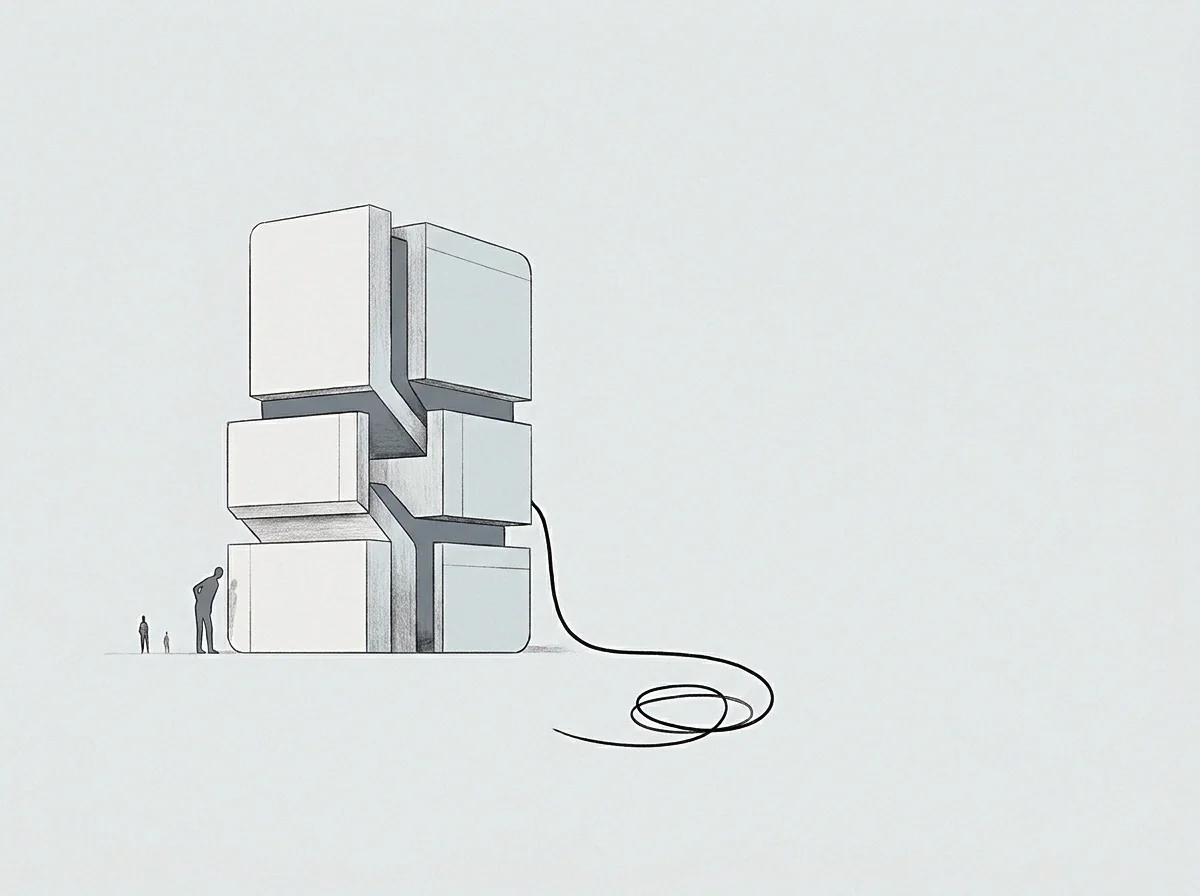
Cognitive insight names the historical pattern, whereas repeated physical experience rewires the biological circuit. A regulator cannot think their way into accepting support. The update path demands small, controlled exposures to shared regulation under real working conditions.
The individual practices allowing another person’s stable presence to absorb part of the environmental load, monitoring the internal autonomic reaction throughout the process.
- Initial exposure involves remaining in the presence of a calm peer while acknowledging internal autonomic tension without executing suppression protocols.
- Intermediate integration occurs when small operational tasks are delegated completely, allowing the peer’s regulatory baseline to stabilize the shared environment.
- Final consolidation establishes a permanent internal receptor slot, enabling the person to receive borrowed calm without interpreting relational reliance as structural vulnerability.
Template conversion advances through small repeated exposures to co-regulation rather than through sudden intellectual realignments.