
How Extended Solitary Operation Alters Neural Capacity For Relational Co-Regulation
Extended solitary operation shifts the neural baseline, converting human proximity from a metabolic discount into an energetic cognitive tax.

Vault
Four unanswered communications sit open on a primary display while ambient hardware humming fills the room at three in the morning. An operator running a venture alone for twenty-four months learns to regulate biological stress without external cues. In ordinary relational environments, the presence of a predictable, non-threatening human partner lowers the metabolic expenditure required for environmental vigilance.
Social baseline theory establishes that the human central nervous system defaults to sharing risk and load with proximate conspecifics. When an individual operates in sustained solitude, this physiological baseline shifts. The brain recalculates energy expenditure under the assumption that no external support exists, elevating autonomic arousal and increasing prefrontal cognitive oversight to maintain operational stability.
This prolonged metabolic shift alters how the nervous system calculates threat. Self-regulation without proximity is an expensive survival adaptation. Over months of solitary execution, neural circuits governing environmental monitoring remain persistently active.
Cortisol secretion flattens at an elevated baseline, while sympathetic nervous system activity stays subtly heightened even during periods of apparent inactivity.
Sustained solitary operation forces the central nervous system to budget environmental threat processing without the metabolic discount provided by physical proximity.
When an operator remains in this heightened self-reliant state for an extended duration, the neural architecture governing relational receptivity reorganizes. The brain optimizes for predictability, control, and zero-latency decision making. Relational inputs, which are inherently variable and unstructured, begin to register as biological friction.
The operator manages complete system oversight smoothly when isolated, yet experiences sudden energetic depletion when another person enters the immediate workspace.
This physiological re-patterning explains why founders who survive long periods of solitary execution frequently experience profound relational fatigue upon re-entering shared operational or personal environments. The brain treats incoming social signals as additional computational load rather than co-regulatory support. What appears superficially as emotional withdrawal or interpersonal coldness is a biological conservation strategy.
The nervous system preserves operational capacity by throttling relational engagement. How long this elevated threat baseline persists after solitary operation ceases remains difficult to predict across individual biological profiles.

Shift in Autonomic Baseline Vigilance
Extended solitary operation systematically alters the functional balance of the autonomic nervous system. The ventral vagal complex, which regulates social engagement, cardiac deceleration, and middle-ear auditory filtering tuned to human vocal frequencies, undergoes functional down-regulation. Concurrently, sympathetic arousal and dorsal vagal preservation pathways become the primary mechanisms for managing environmental demand.
Insular cortex activation shows marked changes after prolonged isolated execution. The anterior insular cortex processes interoceptive signals, mapping internal physiological strain against external environmental demands. In solitary operators, insular sensory gating sharpens around task-relevant metrics while blunting receptivity to subtle social cues.
Eye contact, prosodic tone variation, and micro-expressions in others no longer trigger automated calming cascades. Instead, these inputs demand explicit prefrontal decoding, elevating the total cognitive energy required for simple conversation.

What Shifts the Baseline Threat Ceiling?
The anterior cingulate cortex evaluates potential errors and social evaluation risks. Under extended solitary conditions, the baseline threshold for detecting unexpected environmental variance lowers significantly. The brain treats unexpected relational initiatives as system interruptions that jeopardize task completion.
The biological adaptations following sustained isolation fall into predictable operational modes:
- Ventral Vagal Throttling suppresses automated cardiac deceleration during interpersonal contact, forcing the operator to exert deliberate cognitive effort to remain calm in shared rooms.
- Interoceptive Desensitization mutes internal awareness of physiological fatigue, allowing sustained task focus while delaying the conscious recognition of exhaustion.
- Prosodic Signal Filtering reduces auditory sensitivity to emotional inflections in human speech, prioritizing raw semantic content over relational nuances.
- Hyper-Vigilant Error Detection amplifies anterior cingulate cortex responses to small unpredictable changes in a partner’s timing or tone.
When an operator attempts to re-engage in relational environments without accounting for these autonomic shifts, the physiological mismatch generates immediate friction. Attempting to force emotional openness while the ventral vagal complex remains down-regulated induces acute autonomic overload, prompting sudden behavioral shutdown or irritability. The operator pays for the biological delta with depleted executive function.
Rig
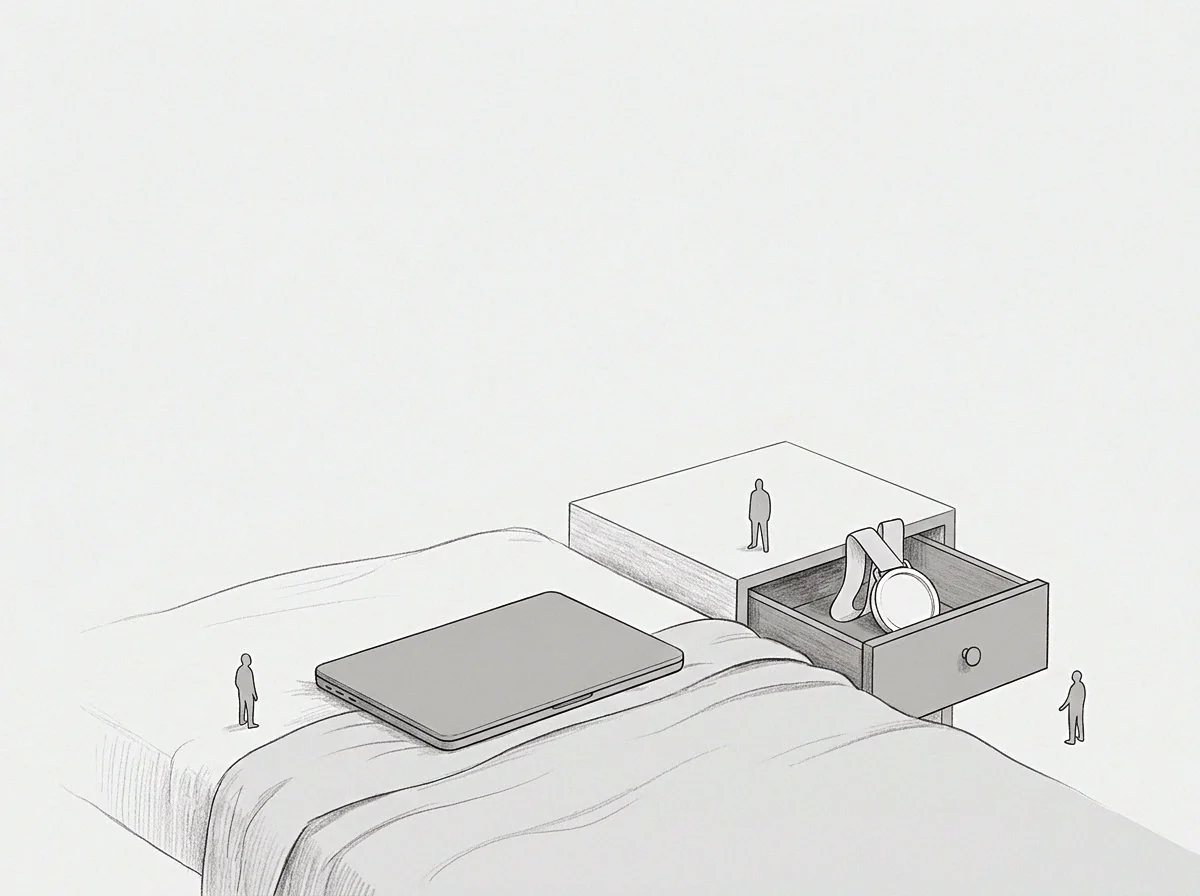
A comparative analysis of two operational setups over a twelve-month duration demonstrates how solitary execution diverges from proximity-anchored co-regulation in total physiological energy expenditure. Take two founders operating identical software ventures with equivalent revenue goals and capital constraints. Assume the first operator works entirely alone from a home office, while the second operator shares a physical workspace with a co-founder who maintains stable emotional baseline metrics.
The solitary operator maintains complete control over environmental variables, eliminating immediate social interruption. However, environmental monitoring costs remain unmitigated. Every operational threat, financial risk, and strategic ambiguity registers directly upon the solitary operator’s central nervous system.
Over twelve months, this operator exhibits steady rises in resting heart rate variability suppression and baseline salivary alpha-amylase levels.
| Evaluation Criterion | Solitary Operational Economy | Relational Co-Regulation Economy |
|---|---|---|
| Metabolic Baseline Burden | Elevated continuous expenditure due to unmitigated environmental threat processing. | Discounted expenditure through passive co-regulatory threat sharing. |
| Interpersonal Signal Decoding | High cognitive cost; social inputs processed via explicit prefrontal pathways. | Low cognitive cost; social inputs processed via automated subcortical circuits. |
| Stress Recovery Latency | Extended recovery time; system requires complete isolation to lower sympathetic arousal. | Rapid recovery time; proximity to a stable partner accelerates parasympathetic reset. |
| State Throttling Trigger Threshold | Low threshold; minor unpredictable social demands induce immediate state shutdown. | High threshold; system accommodates relational variance without operational disruption. |
| Data synthesized from longitudinal stress physiology measurements in high-demand technical environments. | ||
The co-located operator incurs daily social friction and minor interruptions. However, physical proximity to a calm, predictable peer provides continuous, subcortical validation of safety. The brain budgets threat expenditure across two bodies rather than one.
When acute operational crises occur, the co-located operator exhibits faster parasympathetic recovery and lower post-event cognitive fatigue.
Sustained solitary execution converts ordinary social proximity from a physiological calmative into an explicit cognitive tax.
The solitary operator achieves high short-term output at the expense of long-term relational capacity. By month twelve, the solitary operator displays pronounced state throttling upon entering relational interactions. The nervous system treats an approaching partner or team member as an incoming resource demand rather than a source of operational assistance.
The specific operational condition where isolation exceeds eighteen consecutive months permanently alters the autonomic baseline unless deliberate physiological recalibration is initiated.
Conduit
Operating as the primary source of calm for an organization while working in isolation produces a specific psychological architecture known as the backward regulator template. An operator running an enterprise alone internalizes the role of the stabilizing anchor for investors, employees, and customers. The operator projects absolute steadiness, absorbs external volatility, and resolves operational ambiguity.
Over time, the internal model of human relationships shifts entirely into an active, output-only mode.
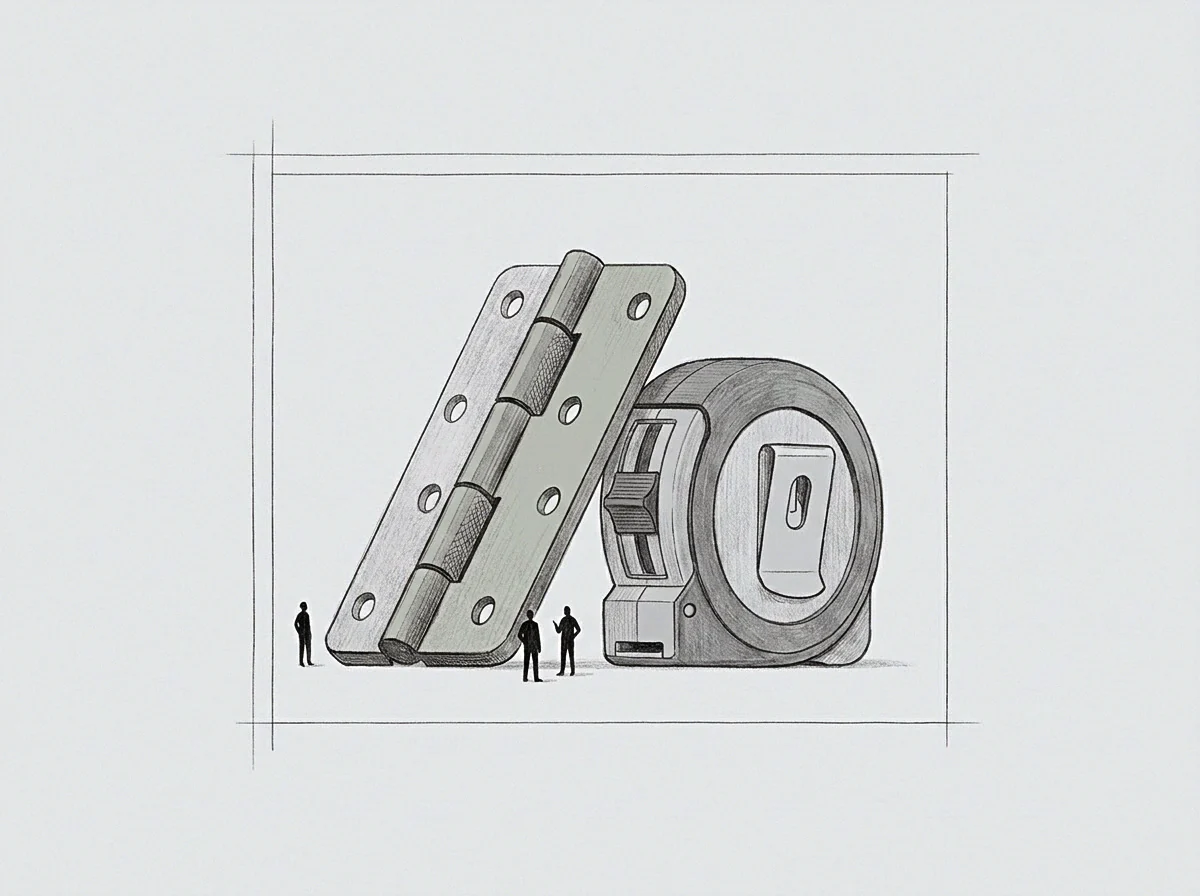
In this backward model, regulating oneself and regulating others merge into a single operational protocol. The operator possesses highly developed pathways for projecting calm outward, yet lacks an internal receptor slot for receiving co-regulation from another person. When a partner or friend offers genuine support or presence, the operator’s system reads the offer as an anomaly or an uncalibrated demand for emotional performance.
Structural Absence of the Receptor Slot
The absence of a receptor slot prevents the operator from offloading autonomic strain. Even in moments of severe personal or corporate stress, the individual cannot utilize an available, reliable partner for emotional baseline restoration. The incoming offer of care requires the operator to process the partner’s intention, evaluate the partner’s emotional stability, and manage the partner’s expectations.
The offer costs energy to receive.
Downstream Friction in Relational Threads
This dynamic creates severe misunderstandings in personal and professional relationships. Partners read the operator’s self-reliance as intentional emotional distance or active rejection. When a partner attempts to close physical or emotional distance, the operator’s throttled nervous system experiences an acute surge in sympathetic arousal.
The operator retreats into hyper-functional task execution or complete silence to prevent system overload.
An operator trained by prolonged solitude processes an offer of relational support as a complex operational task requiring deliberate management.
The partner misinterprets this physiological self-preservation as a lack of affection or trust. The partner increases efforts to connect, which further intensifies the operator’s perception of energetic intrusion. The loop reinforces itself until the relationship either breaks under the friction or settles into an uncomfortably distant parallel coexistence.
The partner observes that every attempt to provide comfort seems to make the operator more tired.
Yield
Restoring relational co-regulation capacity after extended solitary operation requires physical experience rather than cognitive insight. Intellectual understanding of attachment mechanics or autonomic nervous system theory does not update a baseline physiological template.
The central nervous system requires structured, low-demand physical exposures to re-learn that relational proximity can lower metabolic expenditure. Cognitive understanding allows an operator to label their state throttling, but only repeated subcortical safety signals can rebuild the missing receptor slot. The process of developing earned security and restoring co-regulatory capacity follows a defined physical progression over time.
Physiological Sequence of Template Reconstruction
Restoring capacity depends on precise, incremental exposure to physical proximity without operational or emotional demands. The sequence proceeds through distinct stages:
- Passive Parallel Presence establishes basic physical proximity without mandatory eye contact or active conversation, allowing the autonomic nervous system to register another body in the space without generating performance strain.
- Low-Demand Sensory Synchronization integrates shared rhythmic activities like walking or sitting together in silence, encouraging heart rate variability entrainment without explicit emotional processing.
- Micro-Offloading of Autonomic Strain involves deliberately communicating minor physical or logistical discomforts to a reliable partner, testing whether the system can permit brief support without immediate energetic payback.
- Active Receptor Slot Habituation allows longer periods of physical contact or sustained eye contact during moments of actual tiredness, systematically conditioning the brain to accept proximity as metabolic relief.
Rebuilding relational receptivity requires exposure to non-demanding proximity until the brain re-categorizes human presence as biological relief.
Progress along this path is measured by the gradual reduction of post-interaction exhaustion. As the ventral vagal complex regains functional responsiveness, the operator begins to experience spontaneous parasympathetic deceleration in the presence of trusted peers. Operational efficiency no longer requires absolute physical isolation, and relational engagement ceases to act as an unmitigated drain on strategic capacity.
Regular exposure to low-demand proximity eventually resets the neural baseline, allowing high operational capability and relational co-regulation to exist within the same nervous system.