
Autonomic Recalibration through Shared Somatic Baseline Architecture
Physical proximity to a regulated partner lowers baseline autonomic threat expenditure by allowing the central nervous system to outsource environmental monitoring.
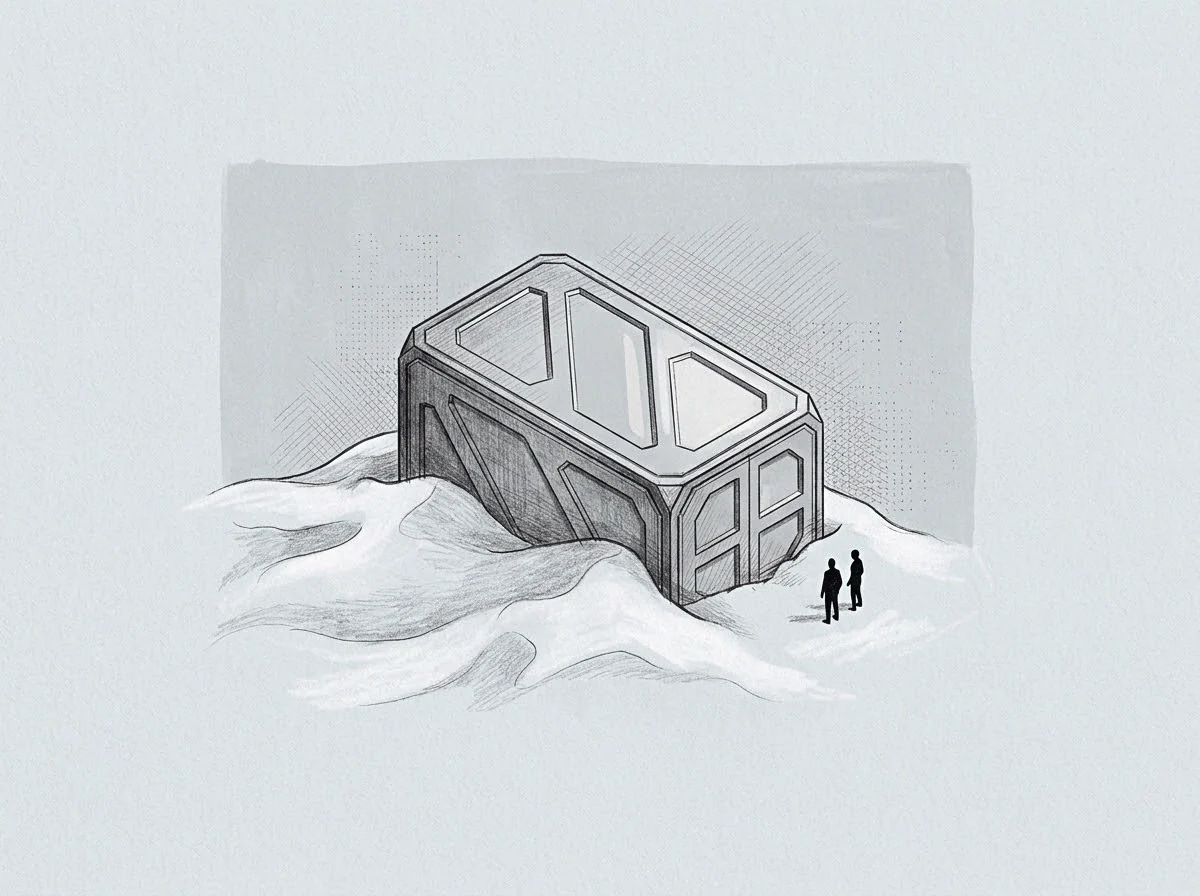
Weight
Solitary cognitive management is often mistaken for physiological stabilization. Faced with operational uncertainty, the central nervous system calculates the energy required to respond. Standard stress management models treat coping as an internal, deliberate exercise, assuming self-regulation is the default state of human biology.
Affective neuroscience reveals a different mechanism: the autonomic nervous system budgets resources based on environmental cues, chief among them the physical proximity of a familiar, responsive species member.

Metabolic Economics of Solitary Versus Shared Regulation
The human brain consumes roughly twenty percent of daily glucose while accounting for two percent of total mass. To minimize energy expenditure, neural circuits outsource threat monitoring to the environment when safety cues are present. Social baseline theory establishes that being alone constitutes the metabolically expensive mode for human physiology, requiring higher baseline resources.
When an individual operates in isolation, the brain predicts higher environmental risk and elevates sympathetic arousal: cardiac output increases, baseline cortisol rises, and prefrontal circuits remain hypervigilant. When a reliable partner enters the immediate spatial environment, sensory pathways transmit safety signals directly to the ventromedial prefrontal cortex and amygdala, lowering the neural threat budget.
Social baseline theory demonstrates that glucose consumption drops when a familiar somatic presence sits within physical reach.
This autonomic adjustment occurs without conscious intent or cognitive reappraisal; the physiological system does not require intellectual convincing to feel safe. Physical proximity alters neural resource allocation automatically. Once co-presence is established, oxygen uptake drops and heart rate variability stabilizes, freeing cognitive capacity for complex decision-making.
A known, responsive presence functions as an environmental variable that shifts the autonomic baseline from high-cost active monitoring to low-cost conservation.
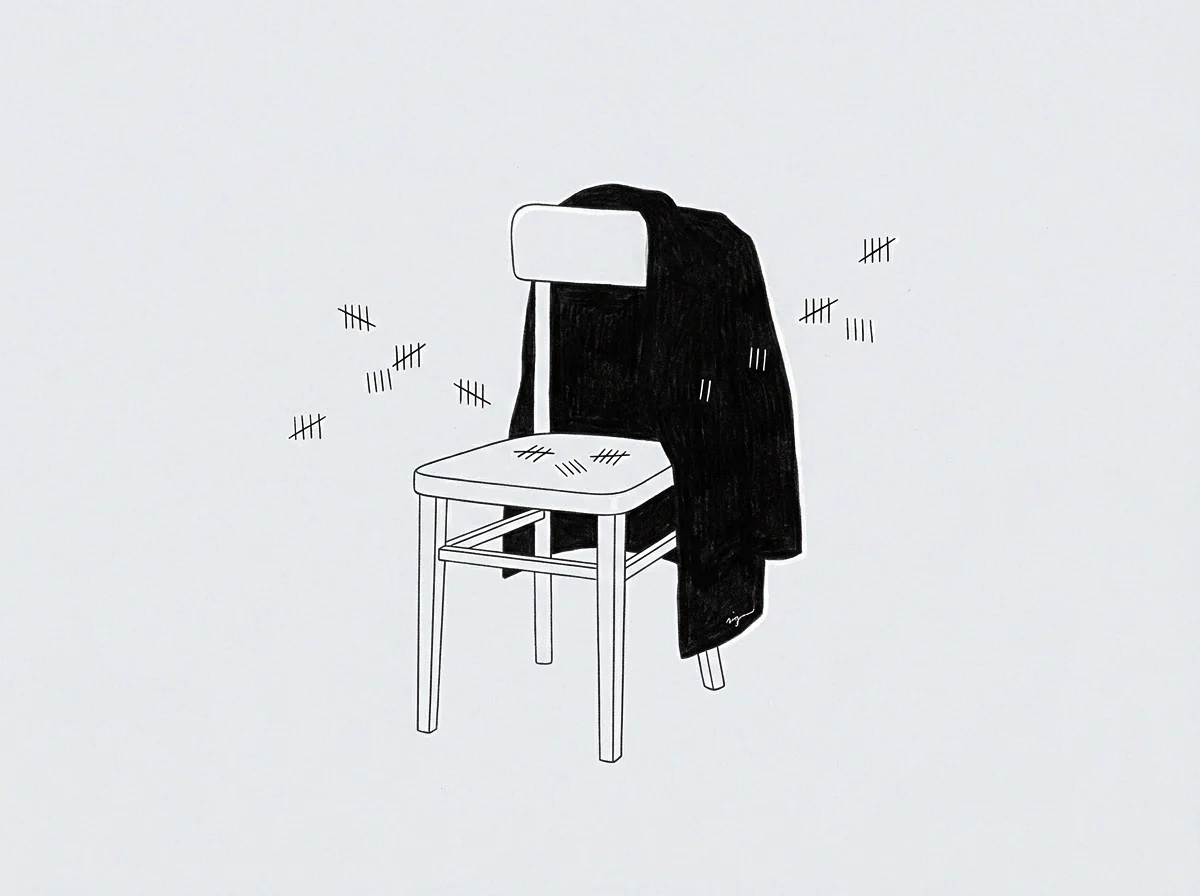
Slot
Early attachment experiences construct an internal working model that governs how autonomic systems interact with proximity. When caregivers respond reliably to somatic distress, the developing infant internalizes a template in which distress is brought to an external other and co-regulated. This process establishes a functional capacity to receive external calm as the biological system seeks efficiency.
The Missing Receptor Template in Structural Leadership
Individuals who develop early self-reliance internalize a neural pattern where state regulation runs exclusively through self-directed action. Under this structural setup, the person learns to provide stability for others while possessing no internal neurobiological blueprint for receiving regulation from an external source, leaving the receptor slot for shared calm unformed.
When an operator with this template enters a leadership role, an asymmetric dynamic emerges. The leader becomes the somatic baseline for the surrounding organization. Colleagues, employees, and partners register the leader’s physiological stability and unconsciously attach to it to down-regulate their own autonomic arousal.
The leader functions as a group regulator, absorbing incoming stress without distributing it outward.
A regulator who operates without a receptive slot converts every incoming presence into an administrative task.
Because the internal working model lacks an input channel for co-regulation, offers of support are misprocessed. An offer of presence or assistance from a peer is experienced not as biological relief, but as an anomaly or an additional operational demand. The system defaults to high vigilance, allowing the leader to regulate the room while remaining entirely isolated at an autonomic level.
The steady presence reassures others, even as no support is requested or expected in return.

Load
When an individual acts as the primary somatic anchor for an enterprise, the physiological system processes every external threat through single-source computation. Allostatic load represents the cumulative biological strain resulting from repeated exposure to acute or chronic stress responses. When an operator regulates a team without accessing shared baseline architecture, the full burden falls on individual tissue, vascular structures, and neuroendocrine pathways.

Operational Metrics of Co-Regulatory Dynamics
Measuring autonomic shift across paired operators reveals explicit thermodynamic differences between shared and isolated states. Physiological measurements demonstrate that autonomic recalibration relies on real-time somatic feedback, including vocal timbre, respiratory rhythm, and postural micro-movements.
| Regulatory Mode | Glucose Expenditure Rate | Vagal Tone Index | Threat Perceptual Threshold | Down-Regulation Velocity |
|---|---|---|---|---|
| Solitary Coping | High (Elevated baseline) | Low (Sympathetic bias) | Hyper-sensitive (Low trigger threshold) | Slow (Requires active effort) |
| Shared Somatic Baseline | Low (Metabolic conservation) | High (Ventral vagal dominant) | Calibrated (Accurate risk scaling) | Rapid (Passive somatic shift) |
| Unilateral Somatic Anchor | Maximum (Double expenditure) | Suppressed (Chronic strain) | Attenuated (Blunted risk detection) | Delayed (High metabolic deficit) |
Because physiological capacity is finite, unilateral anchoring forces the leader to absorb the group’s autonomic instability while actively suppressing peripheral stress signals to maintain an outward appearance of calm.
When an operator conceals physiological stress to protect peers, the autonomic nervous system doubles its internal metabolic expenditure.

A Worked Situation of Asymmetric System Drift
Assume two partners build an enterprise over four years without explicit limits on evening availability. Partner A holds the internal working model of the unilateral anchor, while Partner B relies on Partner A’s presence for autonomic down-regulation. Assume Partner A experiences an acute personal stressor that consumes sixty percent of baseline regulatory capacity.
In a balanced dynamic, Partner A would draw on Partner B’s somatic baseline to down-regulate. Because Partner A’s template lacks a receptor slot, Partner A continues to act as Partner B’s anchor. Partner B sends routine operational queries during off-hours, expecting the usual steady response, which Partner A processes not as simple communication, but as demands to stabilize Partner B’s autonomic state.
Load transfers without verbal declaration.
Partner A’s baseline cortisol remains chronically elevated. The neural system, unable to dump heat into a shared biological container, throttles output to protect tissue integrity, resulting in severe fatigue, reduced empathetic capacity, and cognitive slowing. Partner B perceives Partner A’s sudden emotional flatness as disengagement or hostility, which increases Partner B’s anxiety and drives further attempts to connect.
The loop escalates until Partner A experiences systemic burnout or abruptly exits the partnership. Supplying continuous somatic anchoring without a co-regulatory outlet drives autonomic exhaustion, metabolic Th1-to-Th2 immune shifts, and eventual total systemic withdrawal.

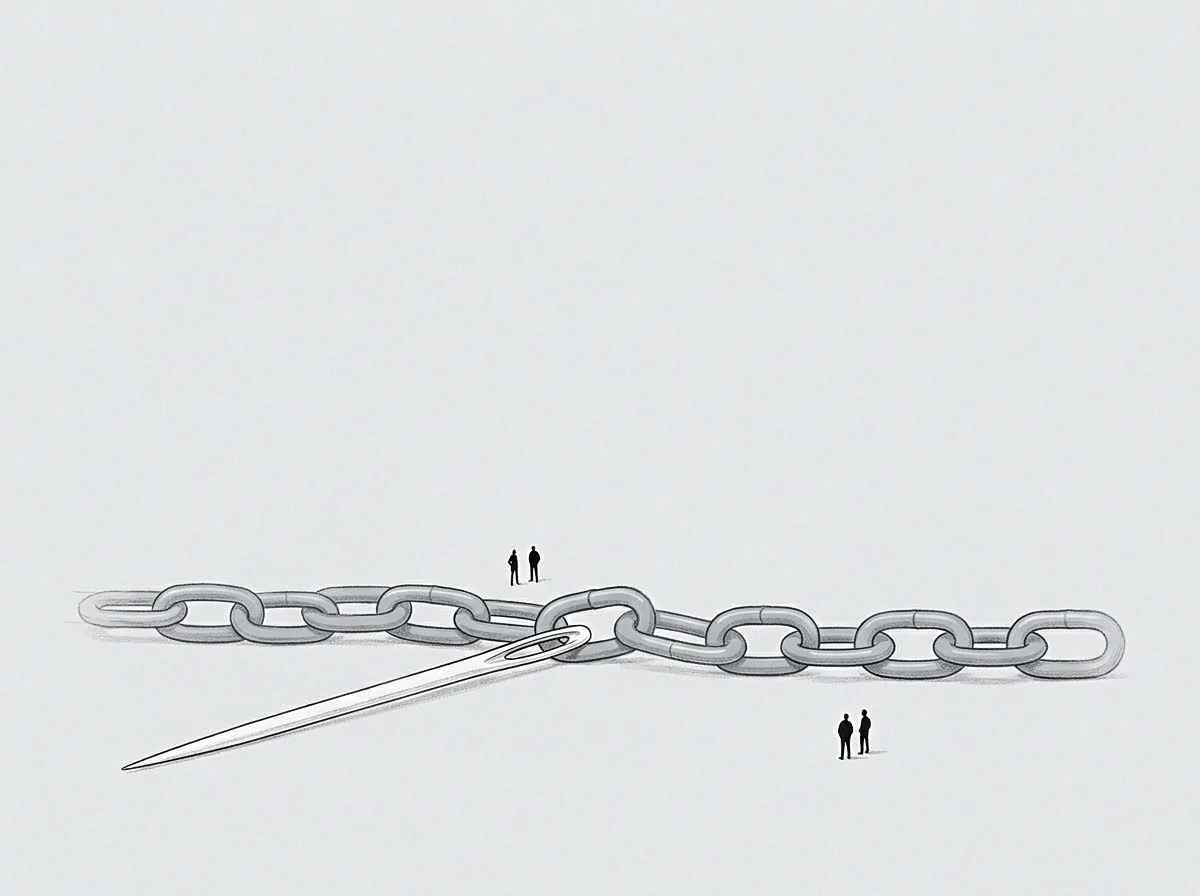
Contact
Physical proximity modifies autonomic arousal through non-conscious sensory processing. The nervous system continuously scans the environment through neuroception, evaluating risk cues beneath conscious awareness. When two individuals share spatial proximity, mammalian sensory channels cross-examine physiological states.
Does Somatic Presence Function Without Direct Physical Contact?
Auditory pitch cues, breath cadence, and visible motor stability transmit physiological safety across immediate spatial boundaries, resetting the circuit under physical proximity. Autonomic recalibration requires specific physical and relational parameters to initiate neurological down-regulation.
- Vocal Prosody Stability matches low-frequency variations in speech cadence to communicate parasympathetic dominant states to nearby listeners.
- Respiratory Entrainment synchronizes breathing frequencies between individuals within auditory or visual range, lowering cardiac rate.
- Postural Micro-Movement Deceleration signals the absence of immediate physical danger to peripheral motor systems through physical stillness in a familiar partner.
- Direct Touch Calibration triggers oxytocin release and inhibits amygdala threat activation through firm, slow cutaneous contact.
The shift takes time. Autonomic recalibration does not occur instantaneously upon physical entry; the nervous system requires sustained exposure to a regulated somatic baseline before releasing protective muscle tone and sympathetic bias. Whether autonomic recalibration can occur through asynchronous digital interactions when physical co-presence remains permanently unavailable remains an unproven frontier in affective neuroscience.

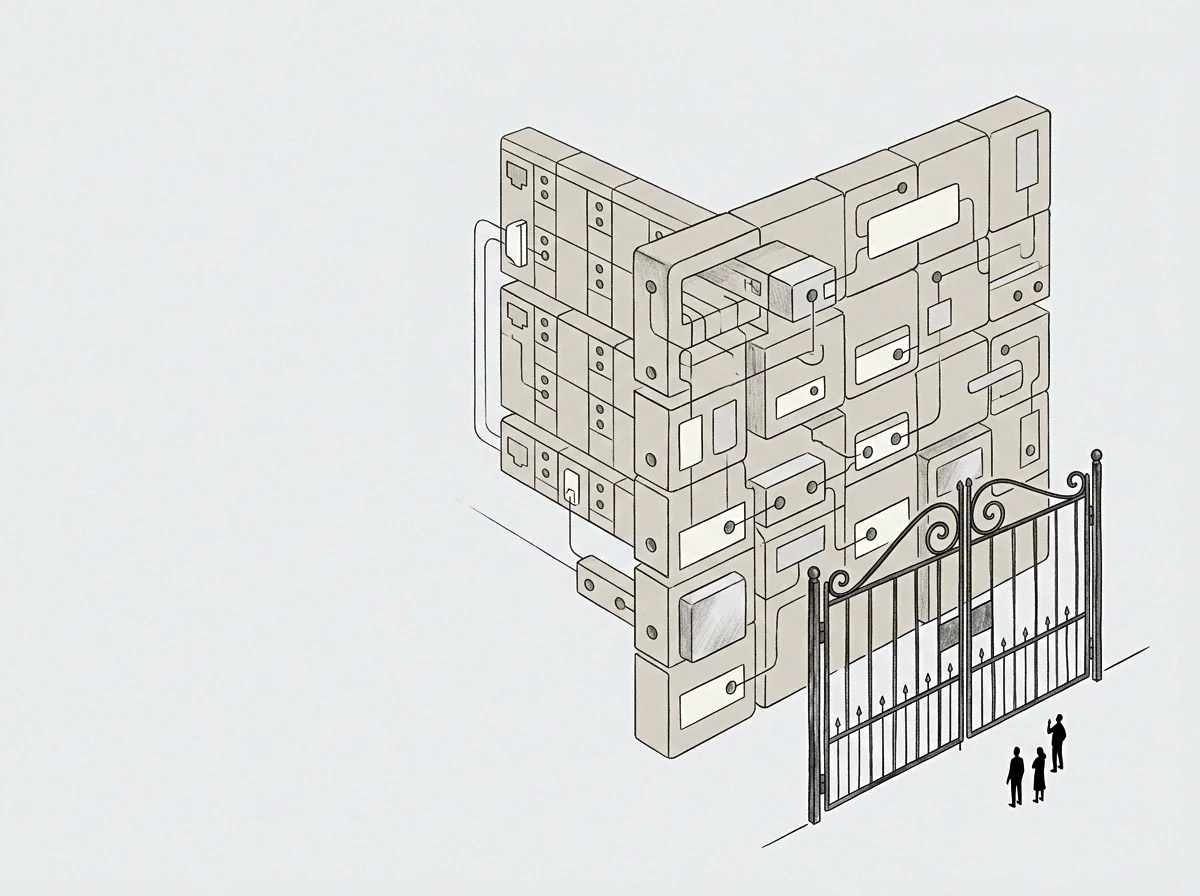
Wall
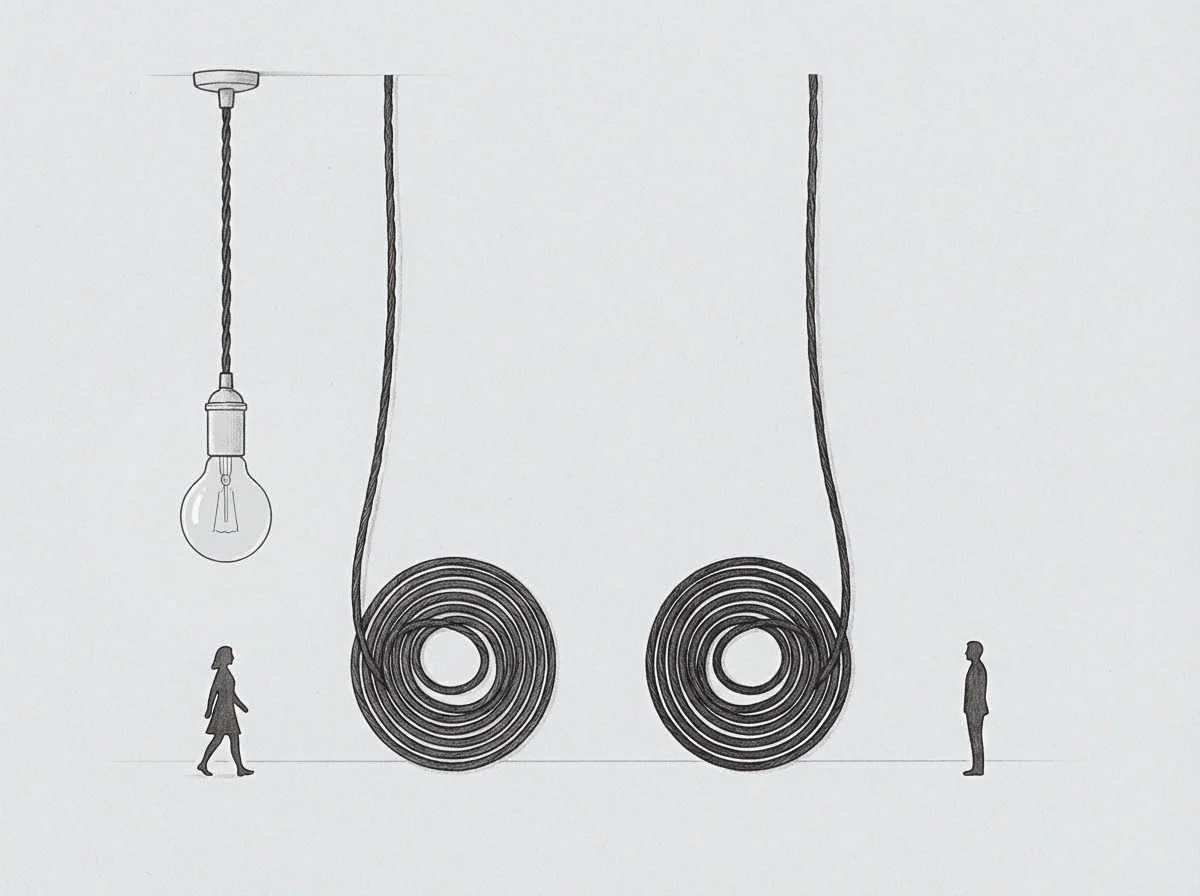
Defining strict operational parameters creates an external structure that bounds sensory input. When an operator cannot rely on an internal receptor slot to refuse incoming regulatory demands, explicit operational limits act as a mechanical surrogate to define capacity and prevent the continuous drain of unilateral somatic anchoring.
Transitioning Toward Earned Security Through Repeated Exposure
Updating an entrenched internal working model requires concrete biological evidence rather than cognitive insight alone. Earned security represents the developmental process whereby an individual with an insecure or unilateral attachment template constructs a flexible, adaptive model through repeated co-regulatory experiences in adult life.
This adaptation occurs through a systematic progression of structured somatic experiences.
- Identification of personal autonomic state boundaries and recognition of sympathetic overload markers.
- Implementation of structural operational walls that throttle external demands when internal capacity reaches threshold.
- Deliberate exposure to regulated peers in non-operational environments without carrying administrative responsibility.
- Toleration of incoming co-regulatory cues without converting the interaction into a supportive task for the partner.
- Integration of a secondary internal working model that recognizes proximity as a source of energy conservation.
Over extended time, repeated interactions with a stable partner gradually establish a secondary template, allowing the autonomic nervous system to share the somatic baseline and release its constant posture of solitary vigilance.