Meaning
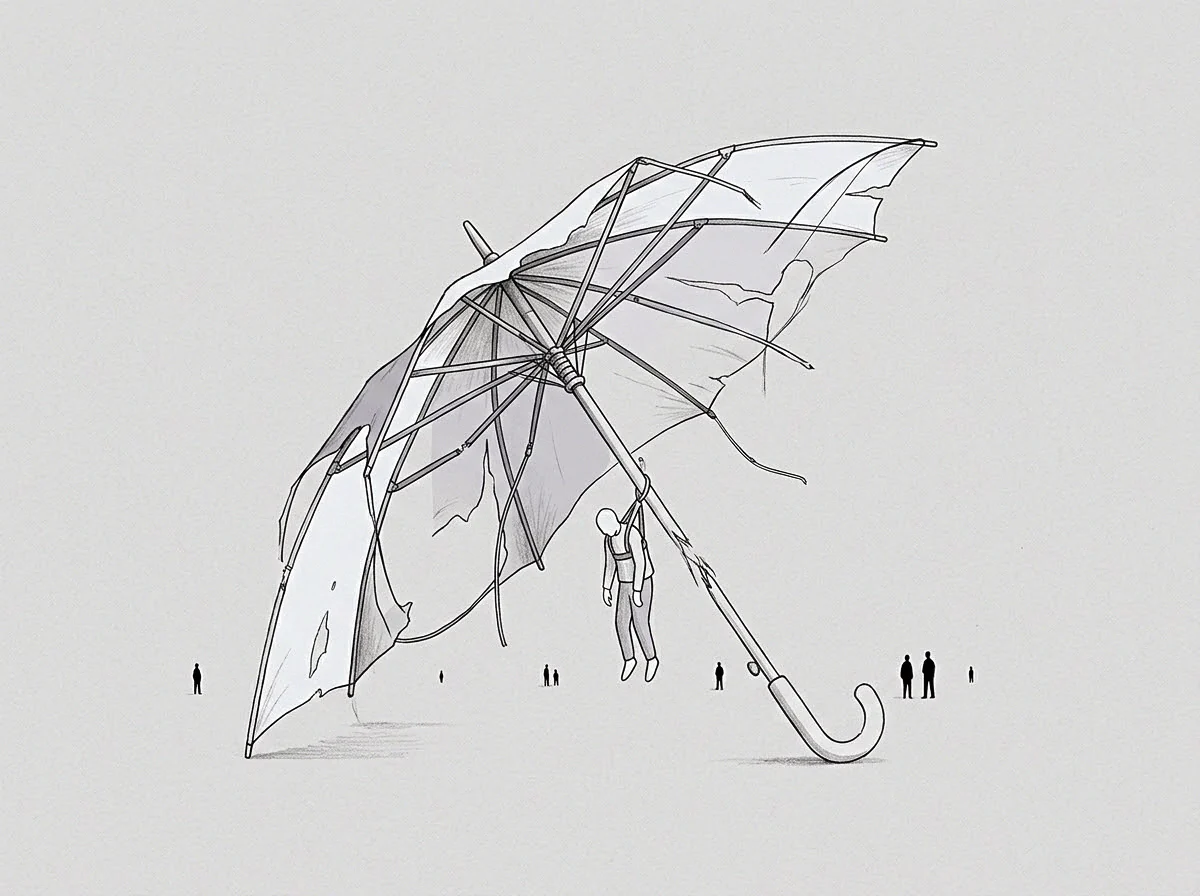
The reduction of physiological and psychological reserves necessary to maintain a standard state of operation describes a specific regulatory failure. In the context of post-transition leadership, baseline depletion occurs when the fundamental energy required to sustain basic focus and social interaction is exhausted. This state limits the ability to process new information or engage in complex decision making.
It differs from acute fatigue because the deficit resides in the underlying capacity and the sustained nature of the exhaustion.
Capacity Erosion
Sustained high performance without adequate recovery periods forces the body to borrow from long term physiological stores. When baseline depletion takes hold, the individual finds that formerly routine tasks require a deliberate and exhausting application of will. The cost is measured in hours of lost productivity and a narrowing of the cognitive field.
Recovery requires a total cessation of the demanding activity for a duration that exceeds the original period of overexertion. Every interaction becomes a calculation of survival.
Regulatory Expense
A person operating under these conditions experiences a high allostatic load that degrades the immune response and metabolic efficiency. Because baseline depletion acts as a tax on every action, the time required to complete a single interaction doubles or triples. The regulatory system moves into a mode of preservation where only the most primitive functions are fully funded.
This state increases the vulnerability of the individual to secondary stressors. Capacity for empathy and complex social navigation disappears first.
Systemic Boundary
The condition persists until the external load is removed. Stability is regained only when demand matches current reserve.