
The Neural Cost of Unilateral Regulation Templates in Long Term Unreciprocated Operational Proximity
Unilateral regulation in shared operational space shifts physiological load onto one nervous system, elevating baseline cortisol and suppressing regulatory receptor updates.
Floor
Four communication channels remain open on a desktop late on a Thursday evening while adjacent systems stall. The operator at the center desk maintains an even voice, steady breathing, and an unhurried pace of work while three colleagues step into the office to offload operational panic. The room registers no crisis because a single nervous system absorbs the ambient pressure without outward fluctuation.
Colleagues take that composure as proof that the workload carries negligible physiological cost. The operator finishes the review, shuts down the machine, and hits a wall of heavy exhaustion that sleep does not resolve.
Operational Proximity and the Social Baseline
Social baseline theory establishes that the human brain treats proximity to others as a primary energy-saving economy. Under baseline conditions, working alongside a reliable partner signals to the central nervous system that threat detection, metabolic management, and emotional stabilization can be shared. Vigilance drops, basal metabolic expenditure declines, and the brain budgets energy on the assumption that distress will meet reciprocal stabilization.
In high-pressure workplaces, this autonomic economy frequently runs in reverse. When one person consistently displays high emotional stability, low reactivity, and rapid problem-solving, adjacent staff anchor to that steady baseline. The shared workspace turns into an asymmetric regulatory field where the stable operator receives no autonomic support from the room; instead, the room draws its equilibrium from the operator.
Where baseline theory predicts shared conservation, the operational reality concentrates the regulatory work into one body.
A stable presence in a shared workspace lowers the metabolic expenditure of adjacent personnel while doubling the quiet regulatory load of the person holding the floor.
The Mechanism of Borrowed Homeostasis
Borrowed regulation occurs when someone under acute physiological arousal relies on the baseline of an adjacent colleague to regain internal composure. This transfer relies on pre-reflective neural channels: tone of voice, posture, motor stillness, and steady eye contact transmit safety cues that reduce sympathetic activation in the distressed person.
The distressed colleague walks away with lower cortisol, normalized heart rate variability, and recovered focus, regarding the exchange as productive collaboration. The regulating partner secures that outcome by suppressing their own physiological response to incoming tension while deliberately projecting stability. That composure comes at the cost of elevated vascular resistance and suppressed parasympathetic recovery.
The operational space felt entirely manageable because the lead appeared completely calm standardizing every pressure.
Template
Early experience in high-strain environments shapes an internal working model of regulation. When an individual learns that showing distress leads to operational breakdown, abandonment, or sharper disarray, they adopt a unilateral regulation template. That posture merges personal stabilization and environmental management into one command: managing oneself and managing others become the same act.
Internal Working Models under Asymmetric Load
Someone operating under a unilateral template lacks an internal receptor for outside support. When colleagues offer assistance, presence, or care, the template treats the gesture as an operational anomaly or an exposure to loss of control. The input brings no autonomic relief.
The operator continues to assume total internal responsibility for the floor, treating adjacent personnel as loads to steady rather than partners who could offer stability.
This dynamic forms a self-reinforcing loop. Because the operator never passes autonomic strain down to the team, the team never develops the reciprocal stabilizing habits needed to support the lead’s baseline. Colleagues conclude the lead is self-sustaining.
Over time, that impression settles into a structural habit where affective instability travels upward to a single desk, and no regulatory feedback moves back down.
Structural Differences in Regulatory Architecture
The operational divergence between mutual baseline systems and unilateral containment templates manifests across physiological, behavioral, and structural parameters.
| Operational Parameter | Bilateral Co-Regulation Model | Unilateral Containment Template |
|---|---|---|
| Autonomic Load Distribution | Shared dynamically based on real-time individual capacity. | Concentrated permanently in the designated primary regulator. |
| Metabolic Expenditure | Low baseline expenditure with rapid post-stress recovery. | Elevated basal metabolic draw with chronic recovery deficits. |
| Receptor Availability | High sensitivity and openness to incoming regulatory cues. | Suppressed or absent slot for external stabilizing inputs. |
| Capacity Signaling | Transparent expression of strain triggers team containment. | Masked strain attracts additional structural load from peers. |
| Operational Failure Mode | Symmetrical degradation managed through mutual adjustments. | Sudden catastrophic severance without preliminary behavioral signals. |
The primary risk of a unilateral containment template is that it hides itself. In a bilateral system, shifts in individual capacity prompt visible reallocations of work and pacing. In a unilateral system, the internal standard demands uniform execution regardless of depleted reserves.
The body registers the strain long before any operational dashboard reflects the deficit.
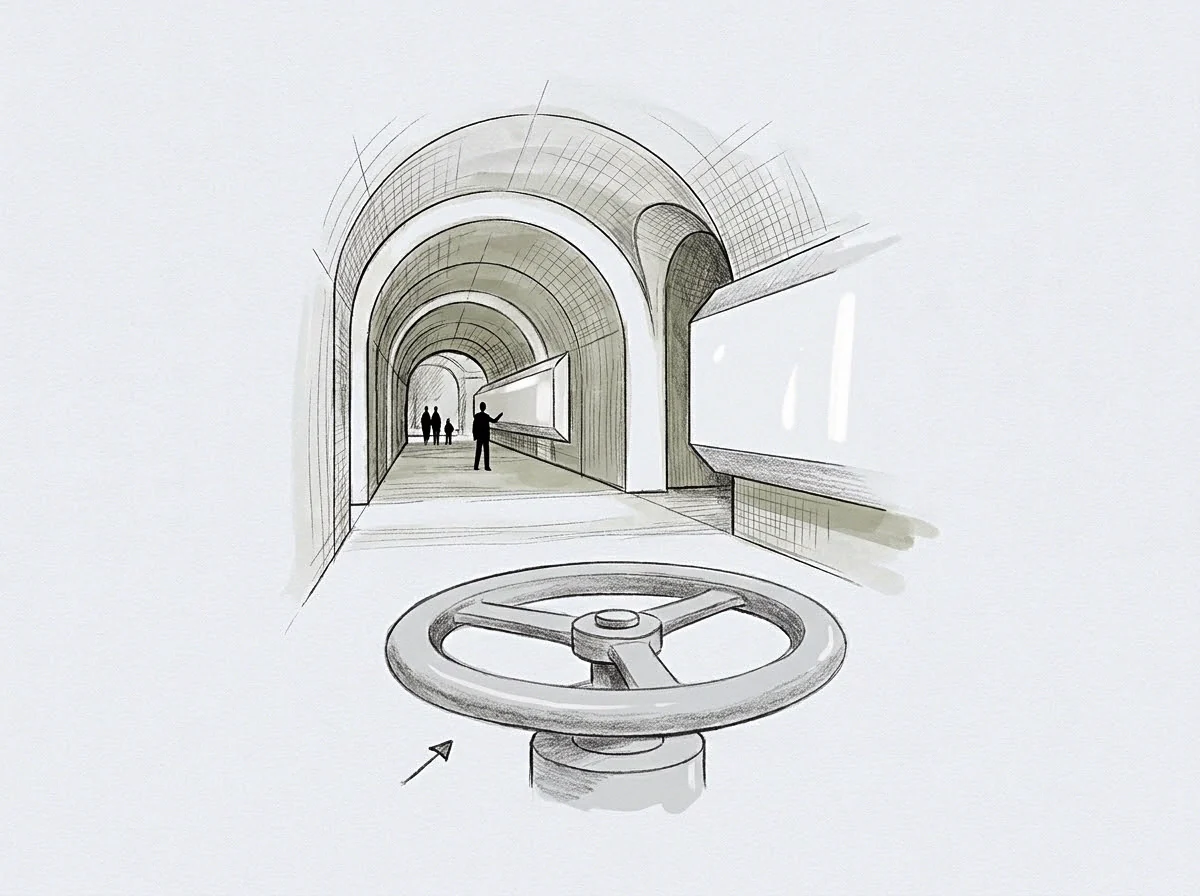
When internal stabilization and external management fuse into a single operational valve, the capacity to receive reciprocal care drops to zero.
When an individual mistakes a partner’s absorbed autonomic load for low systemic difficulty, operational commitments scale past the physiological ceiling of the remaining regulator.
Calm
High-proximity offices mask affective transfers behind operational transactions. A colleague stops by an office, flags an urgent technical blocker, receives a clear decision, and returns to the floor settled. The interaction looks entirely administrative.
Beneath the surface, an autonomic exchange occurred: the visitor left their operational anxiety with the lead and took away part of the lead’s quiet composure.
Physiological Masking in High-Proximity Systems
Borrowed calm leaves no visible trail. Because the person drawing on the lead’s regulation feels immediate relief, they assume the working arrangement is functioning well, reporting high trust in leadership and low personal strain. The lead, meanwhile, sees no outward change in conditions while absorbing an unbroken sequence of high-arousal states across the workday.
Maintaining a tranquil exterior under sustained vigilance requires heavy energy expenditure. Prefrontal cortical circuits continually down-regulate limbic alarm prompted by incoming operational friction. This sustained inhibition cuts into the cognitive capacity available for long-range planning, leaving the operator caught in real-time affective containment while assuming they are simply working through standard reviews.

The Silent Economy of Affective Transfer
The movement of affective strain follows a regular path within a co-located or synchronous team structure. The following sequence outlines the progressive stages of unreciprocated regulatory transfer:
- An operational shock introduces acute threat signals into the peripheral team layer.
- Peripheral personnel seek physical or immediate synchronous contact with the designated stable lead.
- The lead deploys vocal, postural, and cognitive containment mechanisms to project environmental control.
- Peripheral personnel absorb the lead’s baseline, lowering their own sympathetic nervous system arousal.
- Peripheral personnel return to their execution tasks with restored operational focus.
- The lead retains the absorbed physiological strain, lacking a downstream channel to discharge the metabolic load.
As this cycle repeats throughout the day, the team stabilizes while the lead accumulates allostatic burden. Over months of constant proximity, the lead’s baseline adjusts toward tonic hypervigilance.
Borrowing regulation from a steady partner registers internally as one’s own calm, ensuring the transfer remains unacknowledged by the receiver.
A stated availability limit introduces an explicit operational boundary that halts passive affective offloading before metabolic exhaustion forces an abrupt system severance.
Anchor
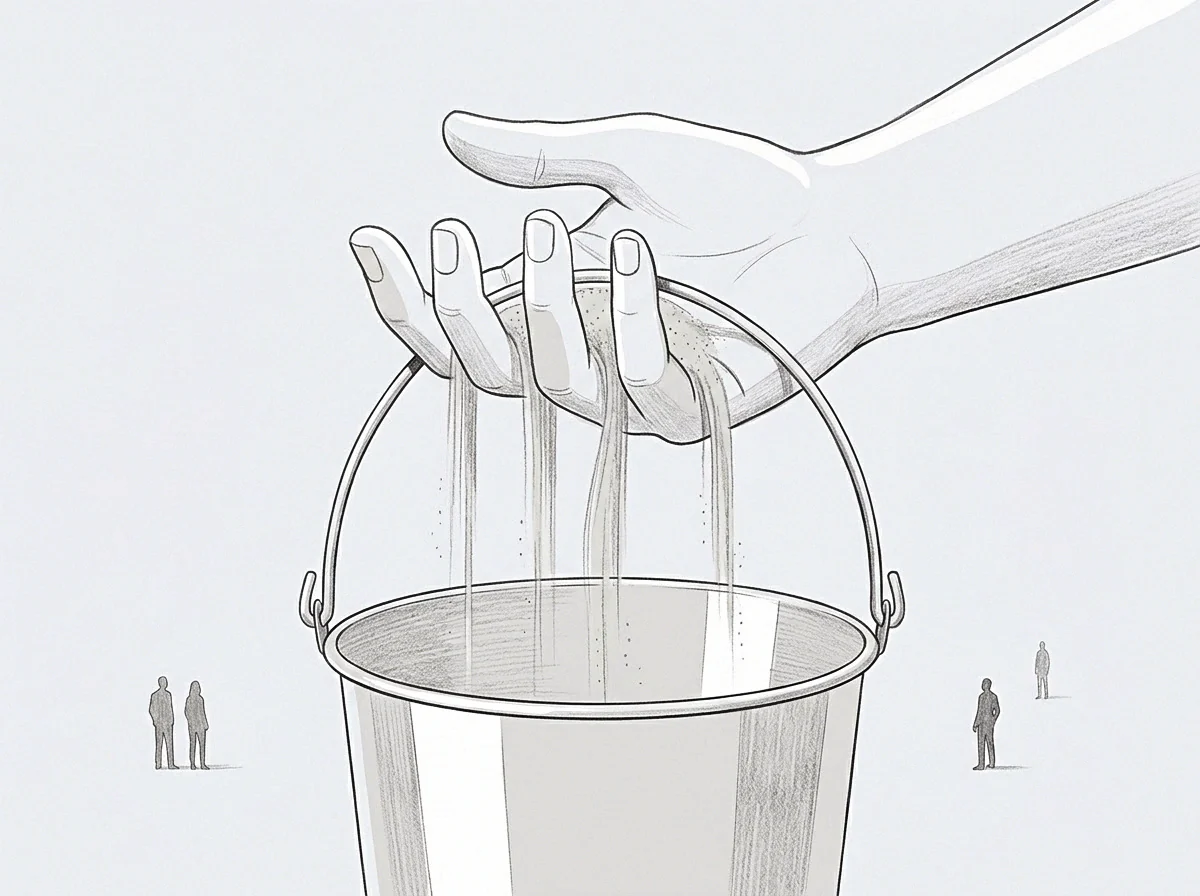
When an operator demonstrates strength under pressure, the organization responds by adding structural weight. A lead who handles high-arousal incidents without visible friction signals that their capacity has no ceiling. Founders, operational leads, and senior managers regularly walk into this trap, watching their physiological stability become infrastructure consumed to preserve organizational speed.
Capacity Signaling and Load Attraction
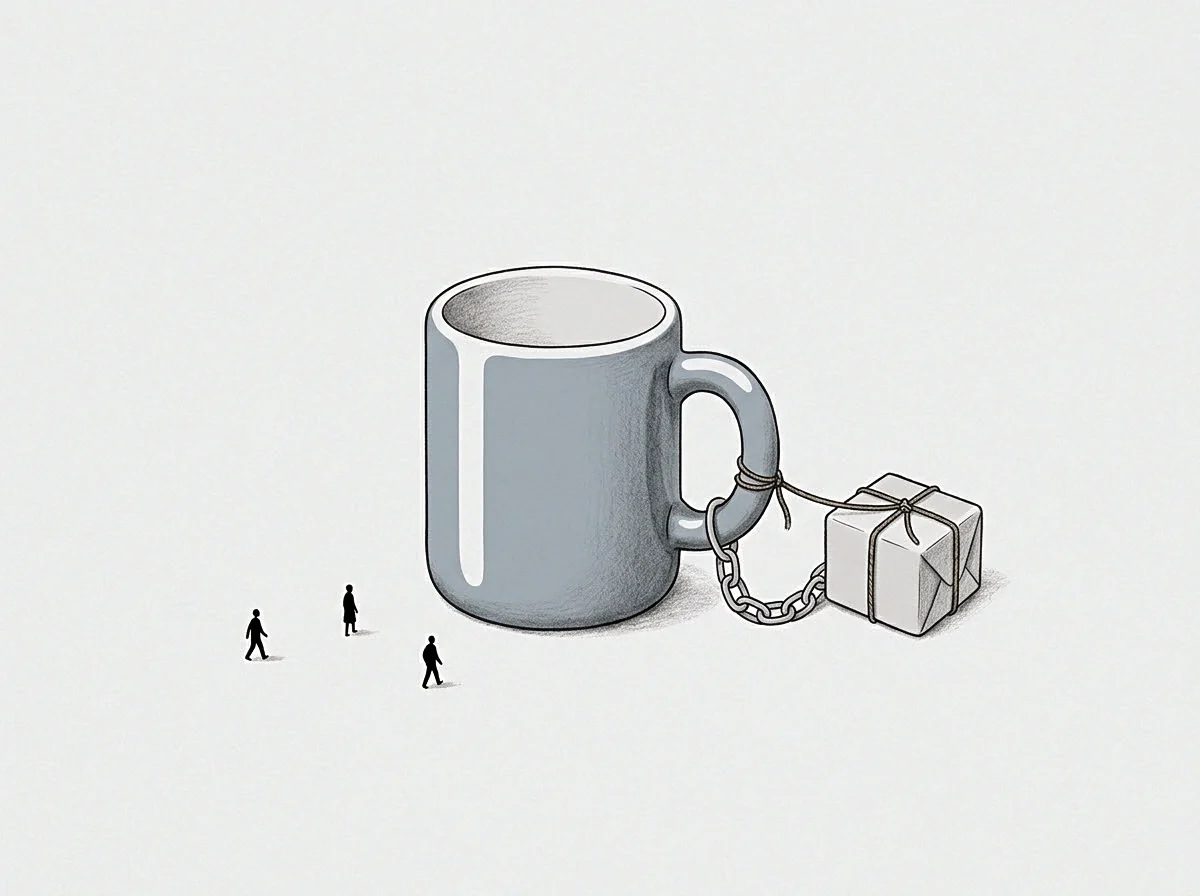
Workplace groups rely on visible signs of distress to reallocate work. When someone shows signs of fatigue, agitation, or hesitation, colleagues naturally adjust expectations, divert incoming demands, or step in to assist. A unilateral regulation template suppresses these cues.
Operating on the belief that showing strain introduces organizational risk, the lead maintains an even front even when internal capacity is exhausted.
The organization interprets that steady posture as capacity for greater complexity. Investors, partners, and direct reports channel their most volatile issues to the desk showing no strain, validating the assumption that the operator has bandwidth to spare.
Systemic Failure Modes of Unreciprocated Containment
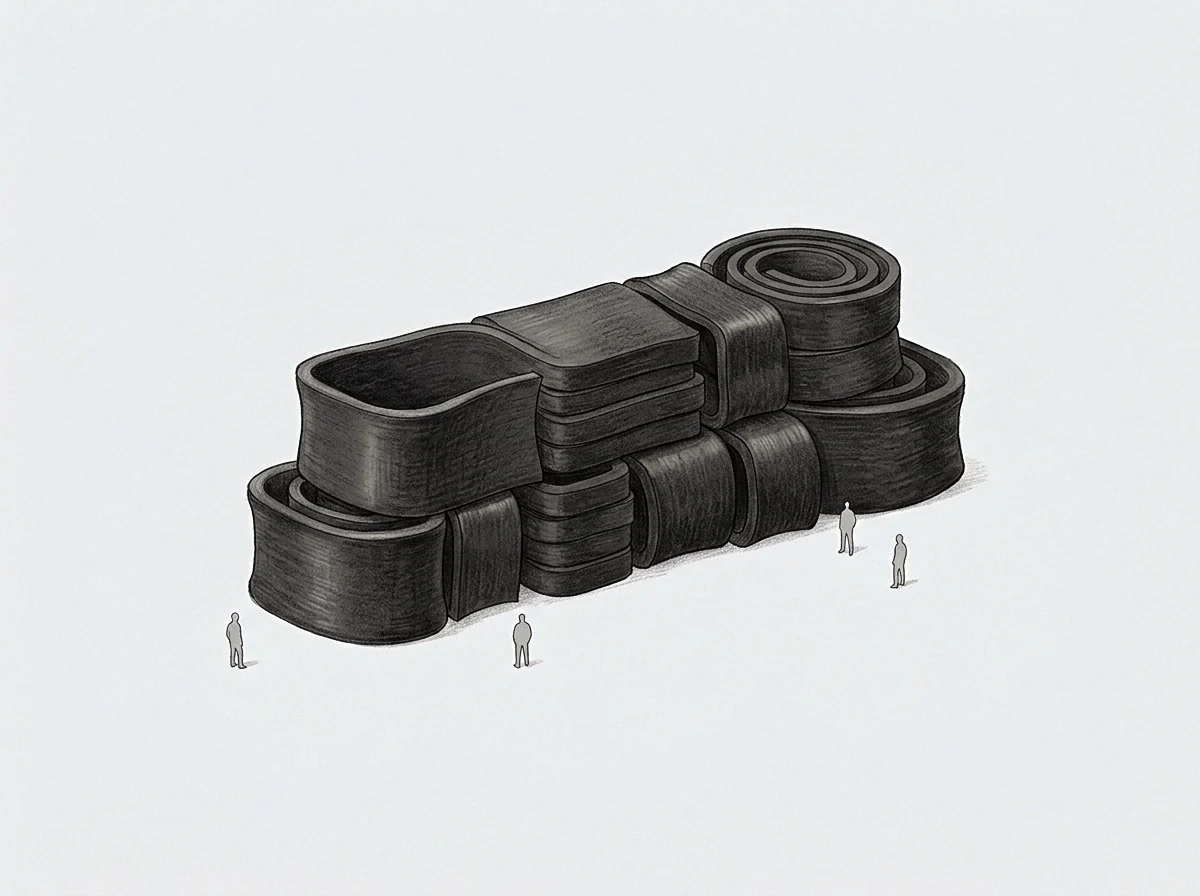
When an operational environment relies entirely on unilateral regulation templates, specific structural failure patterns predictably emerge across the organization:
- Atrophied Lateral Support Systems where team members fail to develop peer-to-peer co-regulation mechanics because all affective stabilizing routes directly to the primary lead.
- Covert Contract Proliferation wherein the regulating lead secretly expects adjacent partners to eventually recognize the asymmetric load and offer reciprocal support without explicit terms being stated.
- Proximity Dependency Loops characterized by team performance collapsing rapidly whenever the primary regulator is physically absent or disconnected from communication channels.
- Receptor Down-Regulation leading to the primary lead becoming physiologically unable to process genuine offers of support, reading all incoming proximity as potential load.
- Abrupt System Severance occurring when the primary regulator reaches absolute metabolic exhaustion and exits the organization without preliminary negotiation or step-down transitions.
A lead often mistakes high personal tolerance for stress for a durable operational advantage. In practice, high tolerance merely postpones visible failure while increasing the eventual physical cost.
A nervous system that consistently absorbs structural pressure without demanding reciprocal baseline reset becomes the sole designated shock absorber for the organization.
Toll
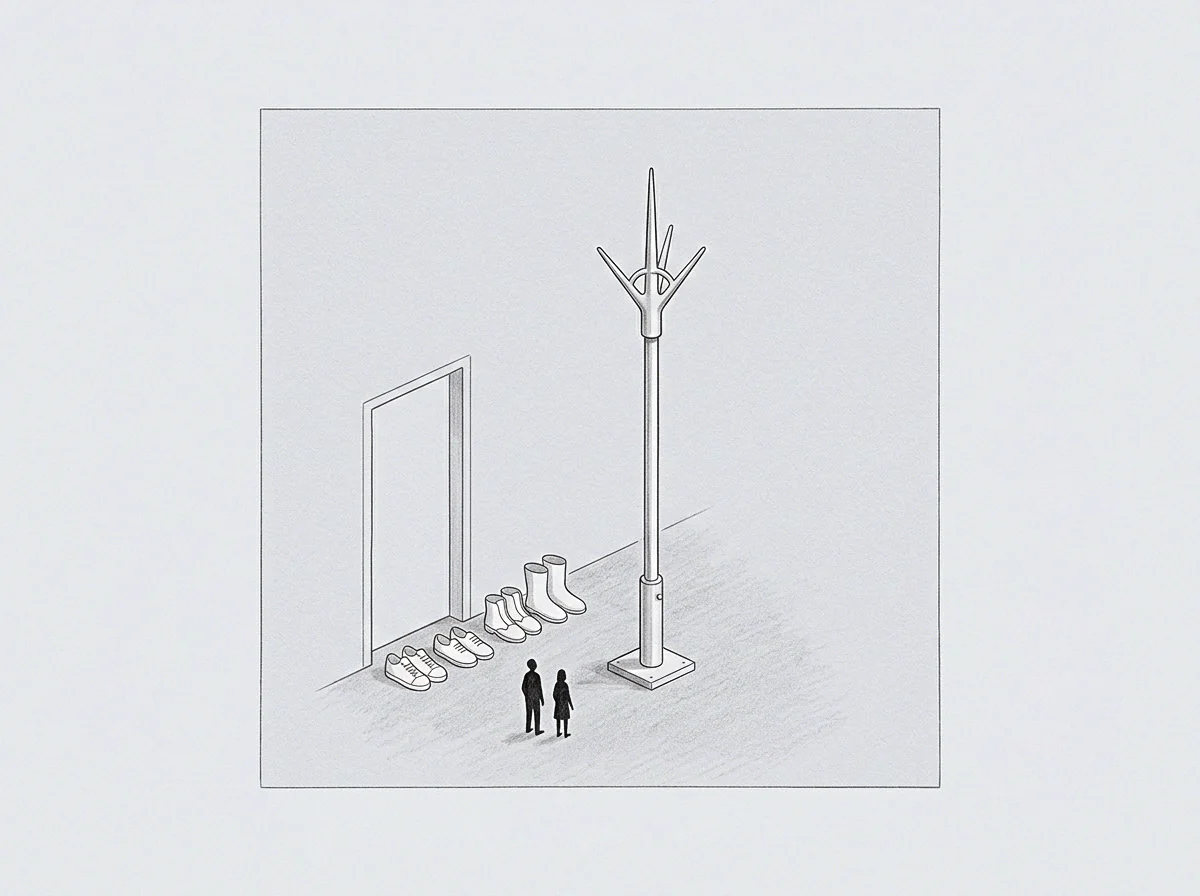
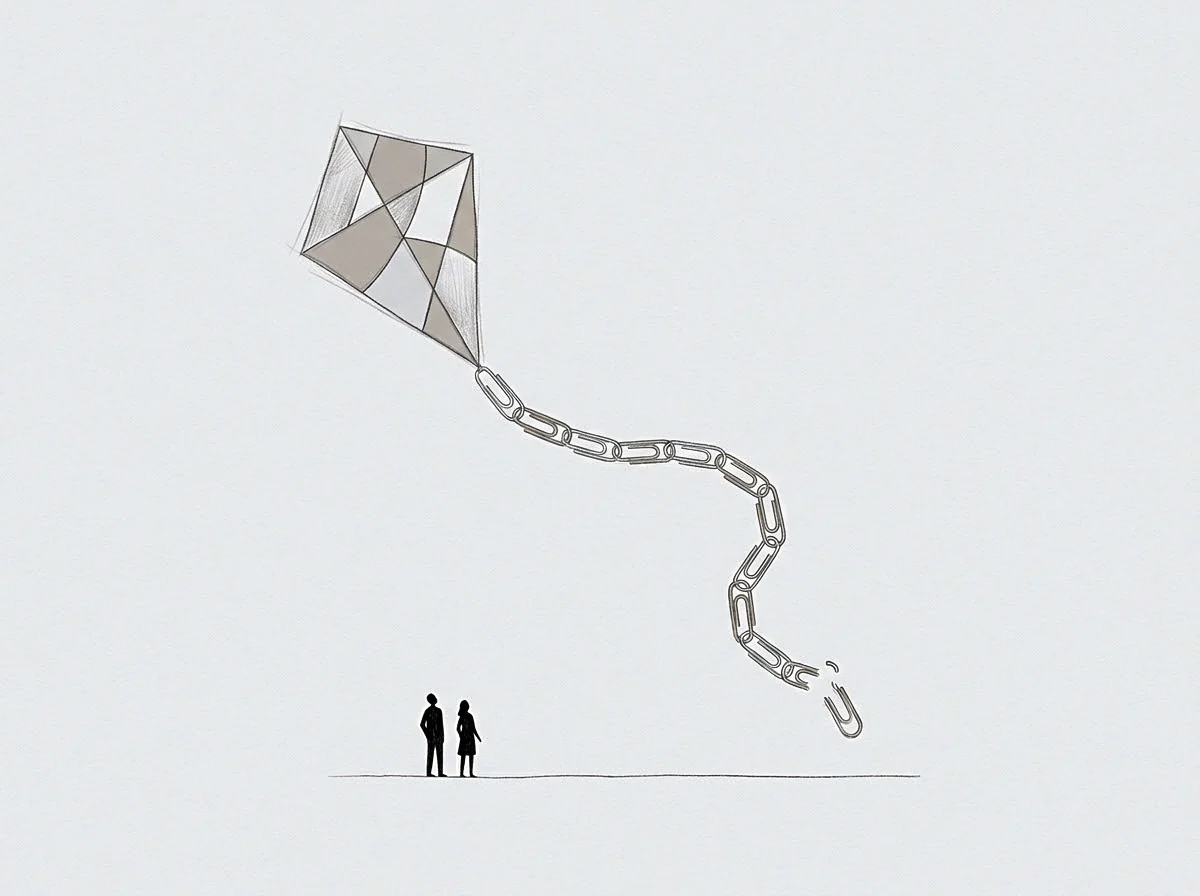
The long-term neural and systemic toll of unilateral regulation without reciprocation runs deeper than ordinary fatigue. When a nervous system serves as a one-way sink for external tension without receiving reciprocal containment, the brain resets its baseline for allostasis. Chronically elevated basal cortisol coupled with suppressed parasympathetic tone impairs memory consolidation, reduces executive attention, and compromises immune function.
Allostatic Accumulation and Neural Atrophy
Allostatic load represents physical wear accumulated through ongoing exposure to heightened neuroendocrine activity. In an operator holding a unilateral template, this burden settles on the neural circuits needed for empathy, long-range planning, and boundary maintenance. The prefrontal cortex shows functional retraction while the amygdala maintains low-grade chronic activation.
The operator experiences a gradual dampening of personal affect. Tasks that previously carried intrinsic interest begin to register as mechanical obligations. This shift differs structurally from clinical depression; it is a protective neural throttling that reduces overall affective responsiveness to prevent deeper metabolic exhaustion, leaving the operator functional but running on narrow reserves.
Constructing Secondary Templates through Stated Boundaries
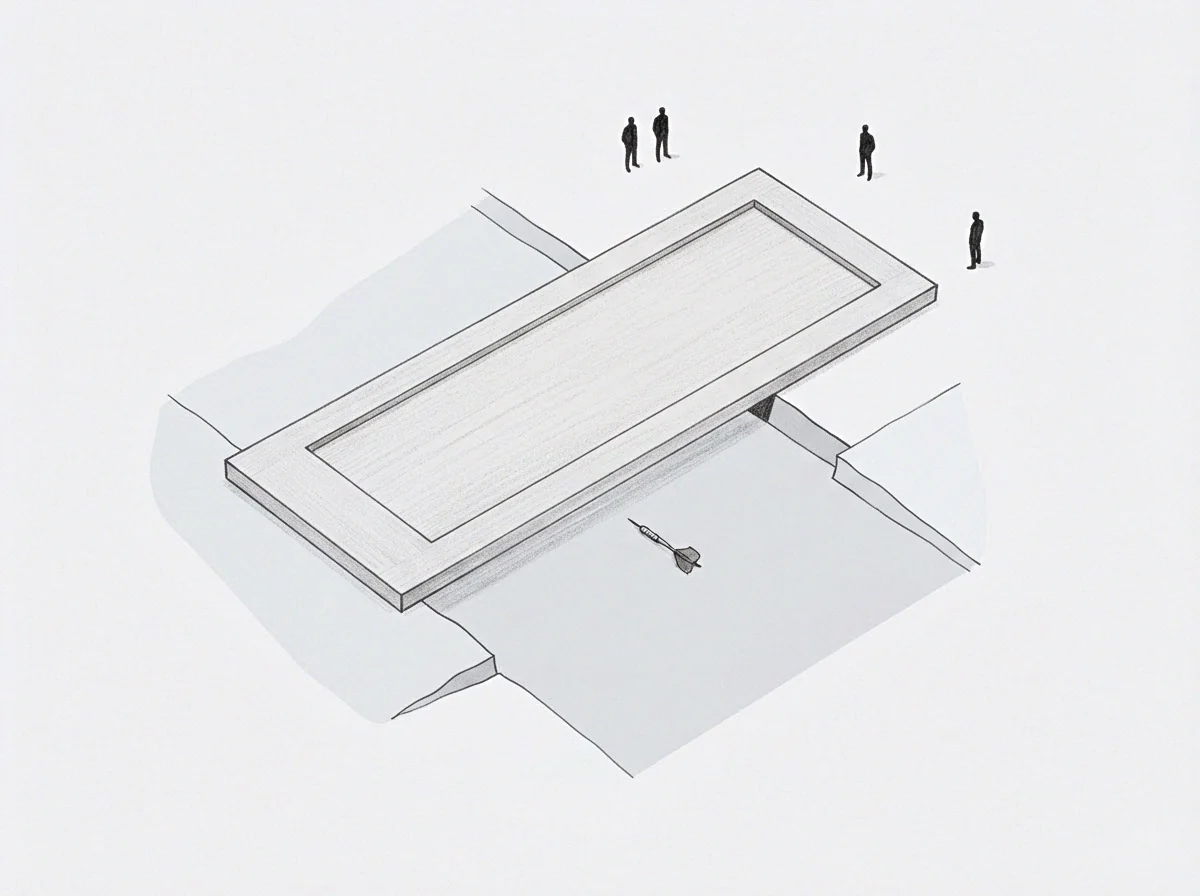
Intellectual insight into a unilateral template does nothing to reset the underlying physiology. Recognizing that one acts as an organizational shock absorber does not calm an overtaxed nervous system. Rebuilding capacity and forming reciprocal baseline dynamics requires establishing a secondary template through deliberate operational changes.
Internal working models adjust through direct operational experience where distress is expressed, boundaries are enforced, and the surrounding environment is left to carry its own load. That transition requires explicit structural adjustments within the daily workflow:
First, the operator sets explicit limits on operational availability and emotional containment. Urgent pings, unscheduled walk-ins, and unstructured escalations must meet an established operational boundary rather than immediate soothing. Second, the operator steps back from physical and synchronous proximity during high-stress team events, prompting staff to build lateral support habits among themselves.
Third, the operator tolerates the operational friction that appears when borrowed calm is no longer readily on tap.
Over months of consistent enforcement, the central nervous system registers that stepping back from total containment does not bring operational collapse. The capacity to accept external support begins to rebuild, shifting the operator from an isolated buffer into a bounded participant in a shared environment.
How long an operational lead can maintain high-fidelity strategic execution while operating from an internal template that treats external regulation as non-existent remains unmeasured.