
Neural Mechanisms of Earned Security in Solitary Founders Operating Under Chronic Systemic Load
Earned security updates neural threat budgets when physical co-regulation replaces solitary metabolic self-soothing under chronic stress.
Circuit
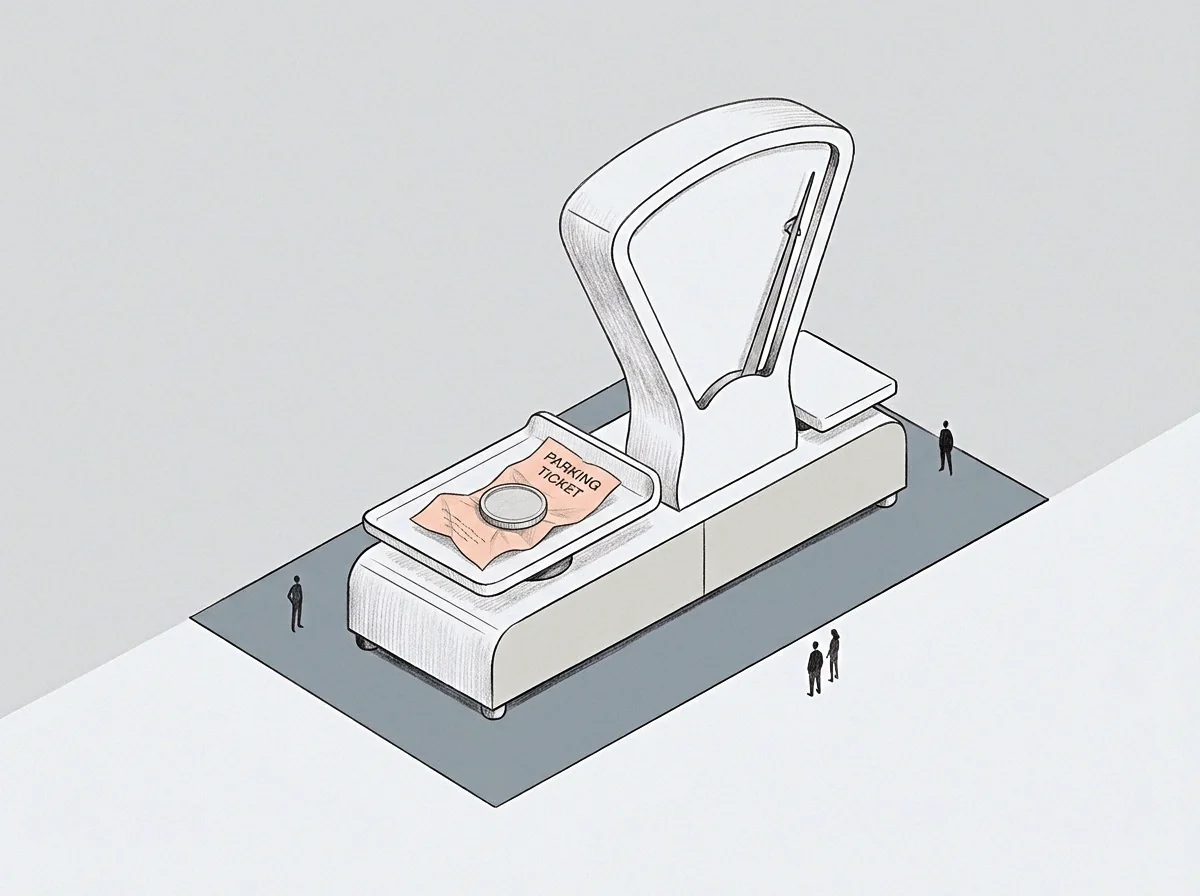
The human brain budgets metabolic expenditure by relying on the implied presence of stable peers. Under standard physiological conditions, proximity to a predictable partner reduces the neural baseline for threat detection. When an individual operates without this social buffering, the ventromedial prefrontal cortex performs continuous inhibitory work to damp amygdalar reactivity.
Solitary execution under continuous enterprise liability forces the central nervous system to treat all environmental novelty as acute operational threat.
Isolation elevates the metabolic budget. The anterior cingulate cortex registers unbuffered operational demands as chronic physical distress. Over extended timeframes, this persistent recruitment of executive suppression alters baseline synaptic density within prefrontal regulatory loops.
Neural threat responses damp rapidly when physical proximity to a reliable peer signals shared operational weight.
Neural Economics of Solitary Baseline Regulation
In the absence of physical co-regulation, autonomic homeostasis demands higher glucose utilization. High-stress solitary operation obligates the neural architecture to remain in continuous sympathetic dominance. Parasympathetic recovery cycles shorten, altering heart rate variability and disrupting sleep architecture.
The primary regulatory burden falls upon the frontoparietal control network. Without external signals of safety, internal neural monitoring loop frequency accelerates. The individual experiences this physiological reality as hyper-vigilance, continuous scenario simulation, and an inability to disengage executive focus after working hours.
When the operational protocol specifies solitary accountability under persistent systemic threat, the neural baseline reallocates executive attention permanently toward threat scanning.
Load
Allostatic accumulation occurs when environmental inputs repeatedly exceed system recovery rates. Solitary operators running complex ventures remain in continuous physiological mobilization. When team members, investors, and vendors observe stability under stress, incoming operational loads migrate toward that stable presence.
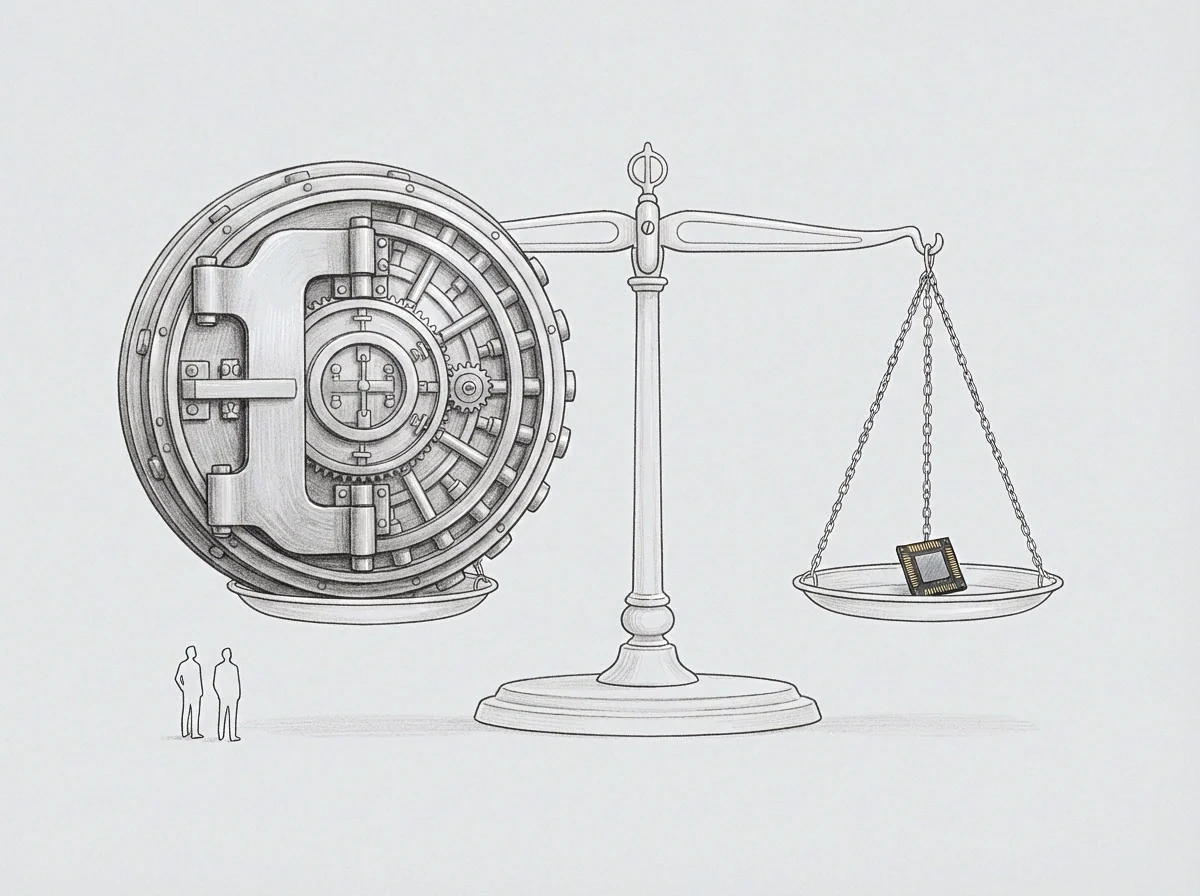
The seat remains heavy. Capacity decays without recovery. Load flows toward stability.
A regulator proven under stress functions as a metabolic shock absorber for the surrounding organization. This structural arrangement creates an asymmetric energy drain. While the organization offloads regulatory anxiety onto the individual, the individual possesses no structural receiver for their own internal strain.
| Mode | Neural Path | Metabolic Cost | System Effect |
|---|---|---|---|
| Solitary Self-Regulation | Continuous prefrontal inhibition of amygdala threat outputs | High glucose depletion, elevated baseline cortisol | Cognitive throttling, eventual executive fatigue |
| Borrowed Co-Regulation | Social baseline modulation via autonomic proximity cues | Low metabolic expenditure, balanced autonomic tone | Sustained executive capacity, broad operational perspective |
Continuous unbuffered exertion eventually triggers allostatic throttling. The brain intentionally dampens emotional range and cognitive bandwidth to protect basic physiological functions. Operational output deteriorates from long-term strategic synthesis into short-term reactive triage.
Continuous unbuffered self-regulation forces the brain to throttle high-level cognitive synthesis to preserve basic metabolic stability.
Unchecked reliance on solitary self-correction eventually reduces executive bandwidth, forcing the system into coarse decision heuristics and emotional numbing.
Schema
Internal working models formed during early high-stress environments dictate how relational inputs get processed later in life. Early experience where self-reliance was the sole path to safety creates a specific neural template. The individual internalizes themselves as the sole responsive entity, blending the role of the distressed party and the regulating authority into a single closed loop.
Silence becomes the default channel. The template resists verbal insight.
This closed architecture omits the structural receptor slot for receiving external calm. Offers of assistance from colleagues or partners do not register as metabolic relief. The internal model interprets incoming relational presence as an additional variable to monitor and manage, compounding total system load.
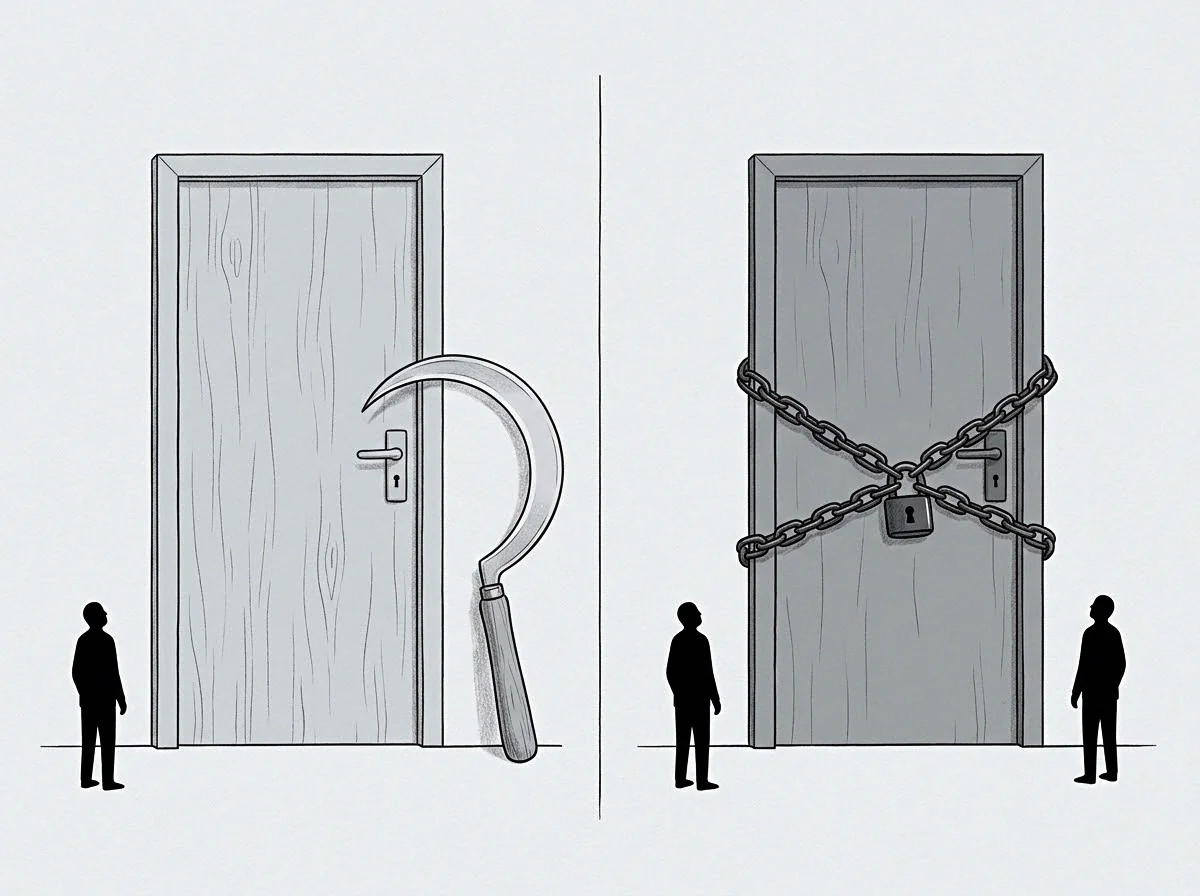
An inverted internal working model turns every incoming offer of presence into an operational risk that demands monitoring.
Structural Failure Modes in Closed Regulatory Architectures
- Rejection of Proximity The brain registers incoming offers of assistance as cognitive noise or operational risk rather than energy relief.
- Attaching to States The individual binds emotionally to atmospheric stability rather than directly to another human presence.
- Interpersonal Over-Functioning The operational role obligates regulating surrounding counter-parties to maintain personal internal equilibrium.
The partner notes that sitting in the same room feels like standing outside a locked control station.
Bench
Neural circuits supporting attachment security retain plasticity throughout adulthood. Updating a deeply entrenched regulatory template demands physical, repeated exposure to non-threatening co-regulatory experiences. Cognitive comprehension of attachment theory leaves subcortical threat circuits unchanged; physiological updates demand real-time experiential input.
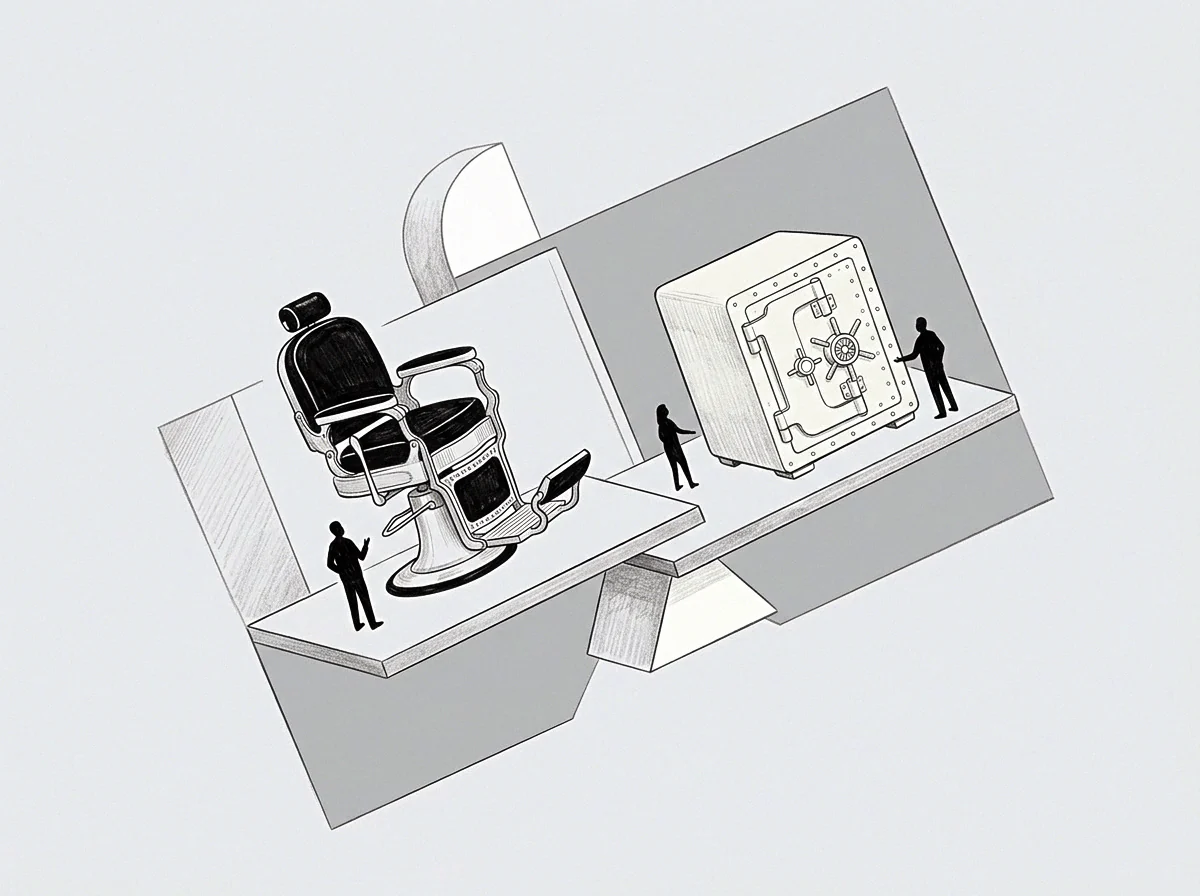
Repeated safety updates the circuit. The second template grows slowly.

Is template updating possible without interpersonal co-regulation?
Solitary effort cannot rewire a solitary threat template. The subcortical networks regulating social baseline expectations require external somatic input to register safety. A secondary template forms when an individual experiences sustained physical proximity to a peer who remains emotionally regulated while demanding no regulatory output in return.
- Repeated somatic exposure to an emotionally stable peer who demands no regulatory effort from the operator.
- Deliberate offloading of low-risk operational decisions to create micro-intervals of unmonitored baseline stability.
- Sustained physical proximity during active operational stressors without active verbal processing or task coordination.
Earned security forms when somatic exposure repeatedly contradicts early expectations of solitary vulnerability.
Safe physical proximity repeated across mundane work hours quietly updates the threat template without requiring emotional conversation.
Shift
The establishment of earned security alters how an operator handles enterprise risk. Need transforms into conscious choice across organizational boundaries. The baseline recalculates threat.
Choice replaces necessity.
With an updated regulatory template, the individual sets clear operational limits without somatic panic or defensive withdrawal. The capacity to hold acute ambiguity expands because the physiological cost of regulation no longer rests entirely on solitary prefrontal inhibition.
Whether a high-stress venture can fully sustain an updated regulatory template once market conditions demand immediate, existential pivoting remains an open operational question.