
Receptor Slot Construction and Earned Security Mechanics in Post Isolation Executive Operations
Receptor slot construction replaces solitary executive threat processing with earned security formed through repeated somatic co-regulation experiences.
Desk
The Architecture of Unidirectional Calm
Four communication channels remain active past midnight while an enterprise capital allocation decision waits for final signature. Operating teams transmit escalating variance reports, project leaders submit urgent schedule adjustments, and investors request revised cash flow projections. Across every interaction, the chief executive maintains complete physiological steady-state output, delivering measured responses that absorb the anxiety of thirty staff members.
The room perceives this stability as operational capacity. Inside the executive’s neural architecture, the physiological price mounts silently.
Social baseline theory establishes that human neural circuits budget metabolic resources under the default assumption that reliable second parties share environmental threat loads. When an executive operates through prolonged structural isolation, this environmental assumption breaks down completely. Self-regulation replaces shared regulation, transforming every threat response into a solitary expenditure.
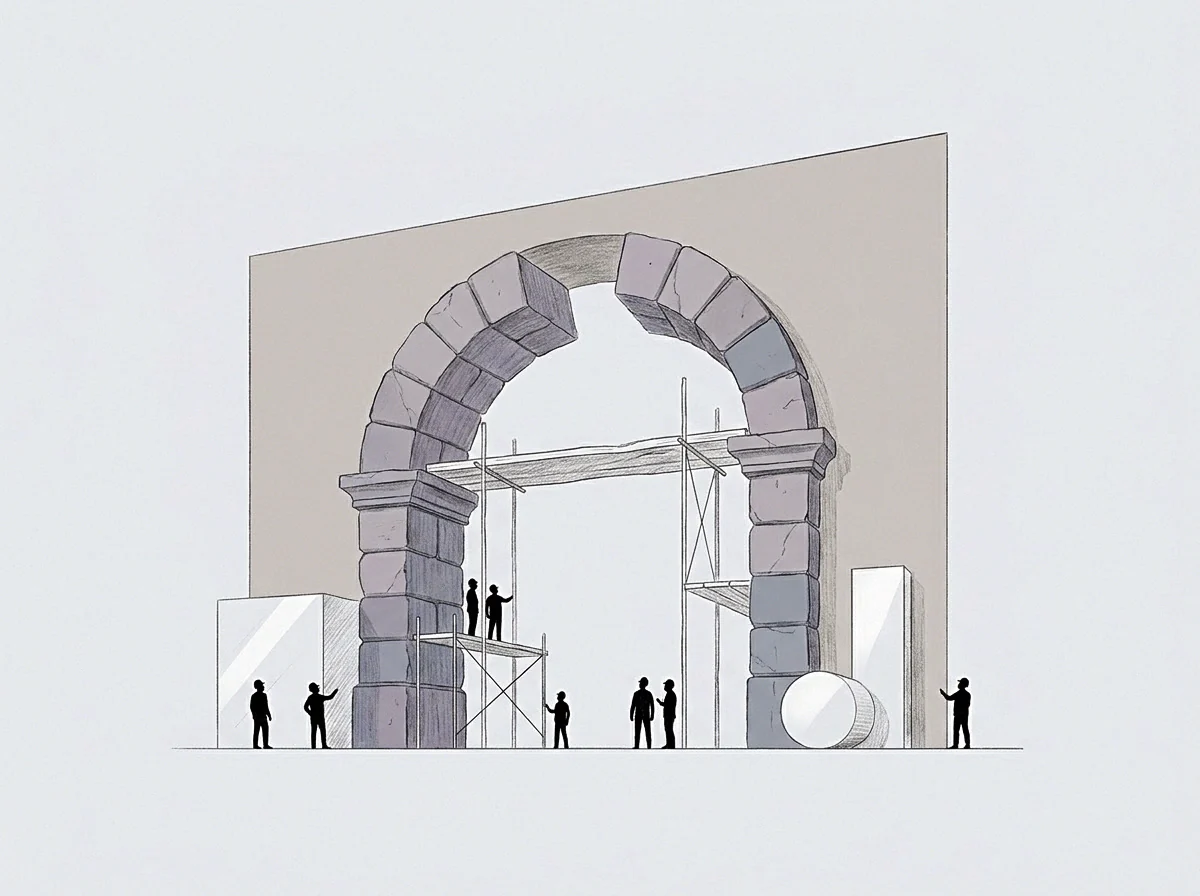
The brain adapts by constructing an asymmetric regulation profile: the individual becomes highly proficient at supplying steadying feedback to lower-level operators while shutting down internal sensory mechanisms that register offers of support from others.
Occupational isolation forces the primary decision-maker to function as an unreciprocated stabilizing anchor for the entire enterprise.
The absence of an internal receiving mechanism creates a distinct operational failure mode. Offers of assistance, strategic partnership, or peer co-regulation register not as potential relief, but as incoming supervisory tasks or unexpected demands on attention. When an external partner attempts to share the analytical or emotional load, the isolated leader experiences the interaction as an anomaly that increases overall vigilance.
Threat processing remains active.
The internal slot stays closed. Over extended operational cycles, the leader becomes structurally unable to offload metabolic strain, leading to continuous sympathetic nervous system tone and elevated allostatic load. Capacity decays under load.
Template

Structural Inversion of the Internal Model
Relational development research demonstrates that early internal working models form through repeated interaction patterns with primary caregivers. In standard developmental trajectories, the individual internalizes a model of a responsive second party, creating a neural receptor slot for receiving external regulation. Executives who built organizations under high-stress conditions often run this cycle in reverse.
They internalize an inverted working model where they themselves represent the only source of stability in every room.
This inverted state merges self-regulation with external stabilizing operations into a single functional loop. Regulating oneself and steadying an enterprise become indistinguishable actions executed on the same neural substrate. The person possesses deep capacity for outgoing emotional containment, but carries zero internal architecture for receiving inbound stability.
The reserve drains completely.
The primary operational features of an inverted working model include specific structural limitations:
- Backward Operational Relay. Incoming offers of organizational relief or analytical support are automatically rerouted into outgoing risk audits and quality checks.
- Attunement Reversal. Sensory focus monitors surrounding operators for subtle indicators of distress while remaining entirely blind to internal autonomic strain indicators.
- Exhaustion Misattribution. Severe relational depletion is continuously diagnosed as a purely administrative, financial, or strategic efficiency deficit.
- Receptor Atrophy. Prolonged reliance on solitary coping mechanisms erodes the physiological capability to experience neural down-regulation alongside a stable peer.
A leader operating on an inverted relational model treats every offer of assistance as a task requiring active oversight.
Because intellectual awareness does not alter baseline relational software, studying attachment mechanics yields negligible practical change. The chief executive continues to handle every high-stakes situation as a solitary task, misinterpreting structural solitude as professional duty. Signals stop registering.
The partner on the other side of the desk observes the calm demeanor, assumes complete self-sufficiency, and delivers an additional tranche of unvetted problems.
Budget
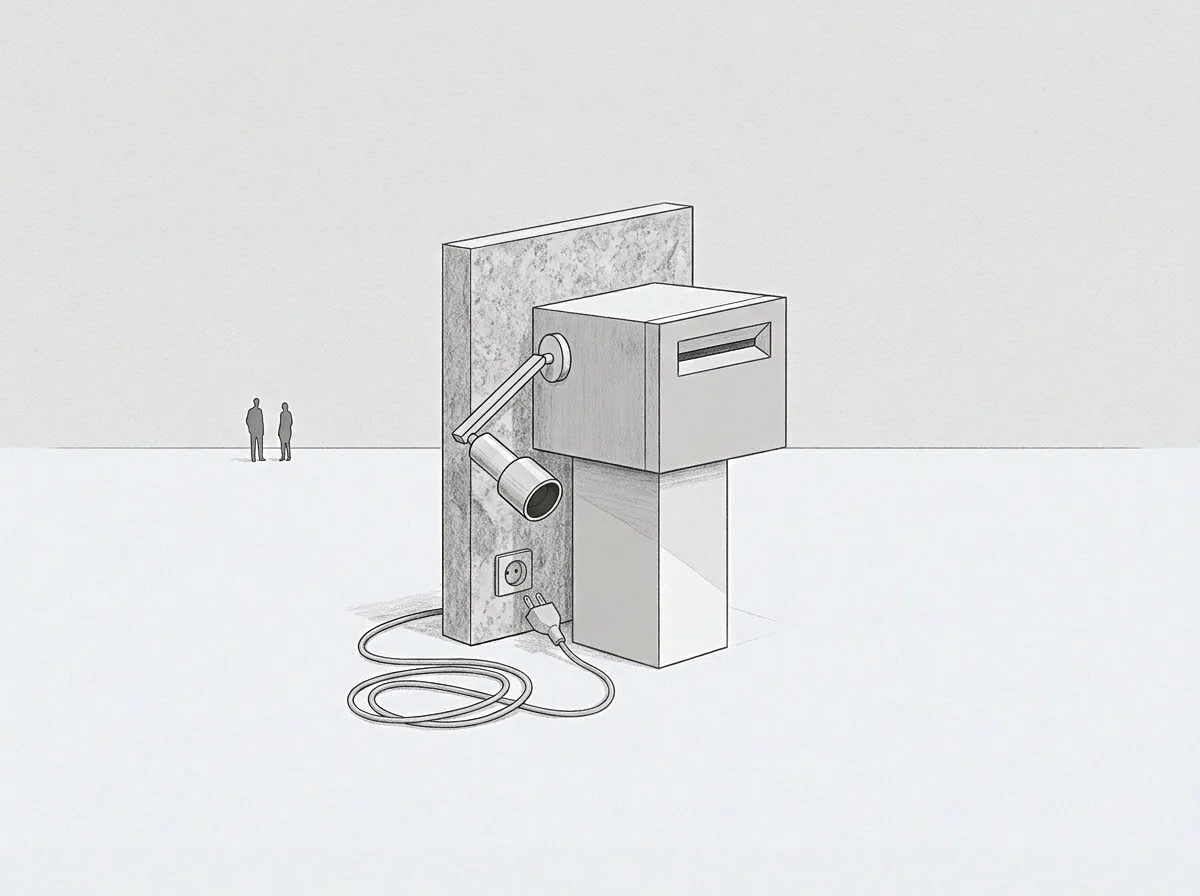
Why Does Structural Solitude Inhibit Receptive Baseline Calibration?
Proximity to a reliable peer alters the central nervous system’s resource balance by reducing the predicted cost of environmental response. When two aligned individuals share a threat space, the brain down-regulates prefrontal cortex activity and suppresses autonomic arousal. Solitude enforces self-reliance.
For an executive who spent years in structural isolation, this energy-saving pathway remains inactive even when competent peers surround the seat.
The neural system evaluates safety based on historical relational data rather than present strategic context. If historical data confirms that second parties routinely introduce variance, instability, or additional oversight work, the nervous system calculates that proximity increases metabolic expense rather than lowering it. Shared presence alters expenditure.
The table below summarizes the operational differences between an isolated executive operating on inverse regulation and an executive who has built earned co-regulation capacity.
| Operational Variable | Inverse Regulation Profile | Earned Baseline Co-Regulation |
|---|---|---|
| Threat Load Processing | Solitary prefrontal computation; high cortisol output | Distributed neural computation; attenuated autonomic response |
| Peer Interaction Framing | Evaluated as incoming administrative or supervisory work | Evaluated as shared capacity and resource pooling |
| Somatic State Under Stress | Continuous sympathetic activation; masked tension | Dynamic autonomic recovery; responsive heart rate variability |
| Delegation Depth | Shallow execution transfers with high monitoring overlay | Deep transfer of operational accountability and ownership |
Building a functional receptor slot requires converting intellectual comprehension into somatic learning through systematic, repeated experiences of low-stakes co-regulation. The executive must encounter situations where another individual maintains physical steady-state, holds operational accountability, and introduces no secondary load. Baseline calibration demands repetition.
Shared threat processing lowers prefrontal energy expenditure only when the brain verifies that the secondary actor is reliable.
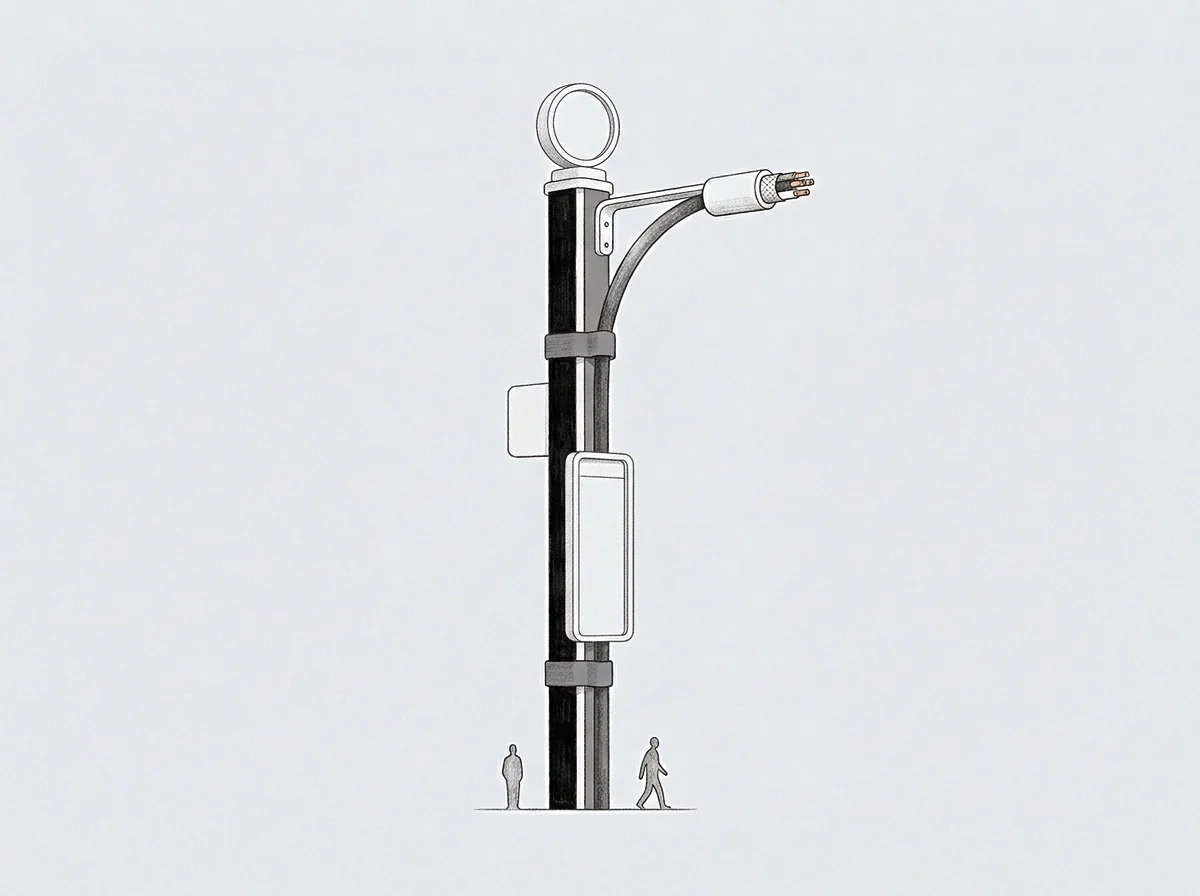
The transition from solitary expenditure to shared allocation depends directly on a stated limit: when the executive refuses to absorb secondary operational variance, the counterparty must either stabilize their own domain or reveal structural unfitness for the seat.
Insulation
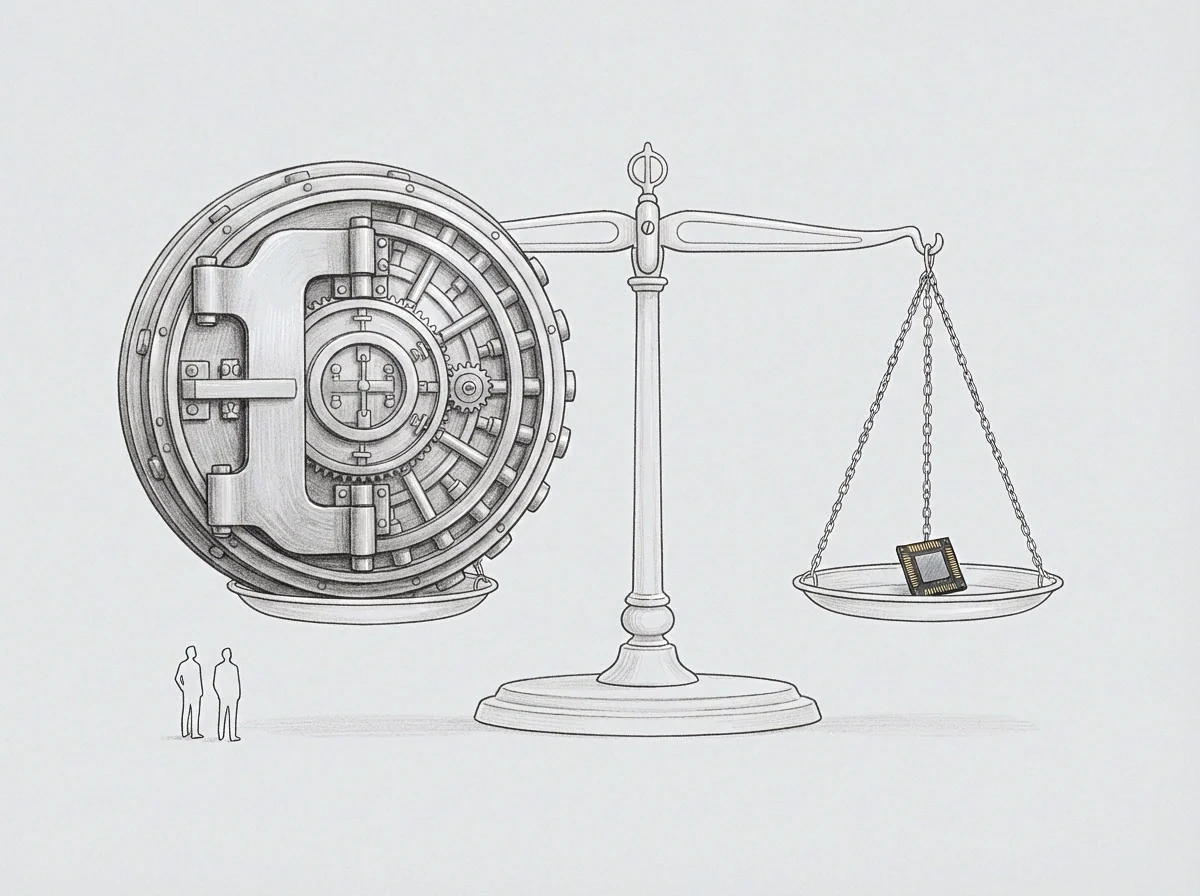
Sequential Phases of Relational Capacity Reconstruction
Overcoming executive isolation is an empirical process of modifying neural working models through earned security mechanics. Earned security describes the structural update that occurs when an adult with an insecure or isolated baseline reconstructs relational capacity through repeated experiences with a responsive second party. This process relies on experiential validation rather than cognitive insight.
Rebuilding the internal receptor slot follows a precise operational sequence that cannot be accelerated through advisory interventions:
- Recognition of the internal signal that misinterprets external support as an incoming operational demand.
- Establishment of bounded operational zones where a designated peer holds total decision authority without executive oversight.
- Direct physical or situational exposure to shared high-stakes conditions where the peer maintains autonomic steady-state.
- Somatic registration of lowered prefrontal expenditure during active crisis management.
- Consolidation of a secondary internal working model that recognizes external presence as a stabilizing resource.
During the early phases of this sequence, the chief executive experiences intense urges to step in and absorb the operational load. The original relational model signals that safety depends on absolute central control. The operational delta expands.
Halting the impulse to intercede exposes the executive to temporary autonomic discomfort, but this brief exposure allows the nervous system to record a new outcome: the organization remains stable without solitary executive consumption.
How long can an enterprise sustain high-velocity capital deployment before the chief executive’s unreciprocated regulation load induces irreversible operational paralysis?

Posture

Somatic Verification and the Update Delta
The ultimate test of earned security mechanics occurs during acute operational volatility. When a strategic deal fractures, a key executive leaves, or market liquidity contracts, the updated neural architecture responds differently than the legacy template. Rather than reflexively shutting down external inputs and expanding solitary prefrontal effort, the leader leverages the newly built receptor slot to maintain connection with stable key stakeholders.
Terms define the boundary.
This shift changes the executive’s physical baseline in real time. Heart rate variability remains flexible, cognitive bandwidth stays open for non-linear problem-solving, and decision-making quality avoids the narrowing effect of prolonged sympathetic activation. Real integration proceeds through experience.
The executive no longer operates as a solitary dam holding back enterprise panic, but functions as a central node in a distributed network of steady-state operators.
Earned security replaces solitary emotional containment with shared operational baseline calibration.
As the secondary working model solidifies through months of consistent execution, the default neural assumption of structural solitude quietly dissolves. The executive maintains high authority without paying for organizational stability through physical self-consumption. The seat remains filled, the decision quality stays elevated, and the receptor slot reliably processes incoming co-regulation across every tier of executive operations.