
Neural Regulation Cost Distribution Across Executive Teams Operating Under Extended Structural Volatility
Extended structural volatility shifts neural regulation costs onto stable executive anchors, exhausting headroom and forcing systemic cognitive throttling.

Post
Four functional directors sit in an executive review at eleven in the evening during the fifth week of an unplanned corporate restructuring. The chief operational officer sits at the head of the table, maintaining an even cadence, steady posture, and deliberate vocal modulation while reviewing three conflicting capital re-allocation proposals. Across the table, the vice president of engineering presents rapidly shifting scenario models, showing elevated heart rate variability and rapid speech transitions that betray systemic physiological strain.
The vice president of sales exhibits flattened affect and delayed verbal responses, signaling early neural throttling. Neither director manages their own nervous system baseline autonomously; both subconscious processing systems monitor the chief operational officer’s physical composure to stabilize their internal threat assessments. The chief operational officer’s brain consumes glucose and metabolic energy at double the standard baseline rate to maintain this visible stability, absorbing the emotional and operational variance of the room.
Neural architecture treats social proximity as a primary energy conservation mechanism. Human brains operate under a metabolic budget that assumes the presence of reliable, predictable conspecifics. When an executive team operates under extended structural volatility, defined as prolonged shifts in organizational hierarchy, capital liquidity, or strategic direction lasting beyond ninety days, the internal baseline changes.
Threat processing centers, specifically the amygdala and anterior cingulate cortex, elevate continuous background vigilance. Self-regulation without external co-regulatory support demands massive prefrontal cortex recruitment. In executive environments characterized by persistent ambiguity, individual operational leads exhaust their autonomous regulatory capacity.
They lean imperceptibly on the executive whose nervous system demonstrates the highest operational threshold.
This transfer of regulatory burden creates an invisible metabolic distribution across the executive team. While organizational charts record functional accountability, the physiological chart records a distinct load distribution. The stable leader acts as a central neural anchor, providing a regulatory baseline that lower-capacity or higher-reactivity team members continuously tap into.
Borrowed calm registers in the recipient as their own functional focus, obscuring the true energy origin. The individual supplying the baseline experiences a compound drain, bearing both their operational domain load and the cumulative nervous system stabilization costs of their peer group.
Executive teams under prolonged structural ambiguity centralize co-regulatory demands onto individual baseline anchors, accelerating silent exhaustion in stable leaders.
Extended structural volatility strips away predictable organizational routines that normally reduce cognitive expenditure. Standard operating procedures, clear reporting lines, and stable budget allocations function physiologically as regulatory shortcuts. When these structures dissolve, every internal interaction demands real-time threat evaluation and active impulse management.
The brain treats continuous uncertainty as an open loop, requiring continuous inhibitory control from the ventromedial prefrontal cortex. This state of perpetual higher-order monitoring depletes glycogen stores in glial cells, leading directly to executive function degradation, impaired risk assessment, and severe decision fatigue across the entire leadership layer.
Leave this neural cost unmonitored and the executive anchor inevitably reaches physiological capacity limits. When the central regulator enters exhaustion, the entire leadership team loses its external stabilizing baseline, causing simultaneous operational paralysis and hyper-reactive decision loops across all functional domains.

Siphon
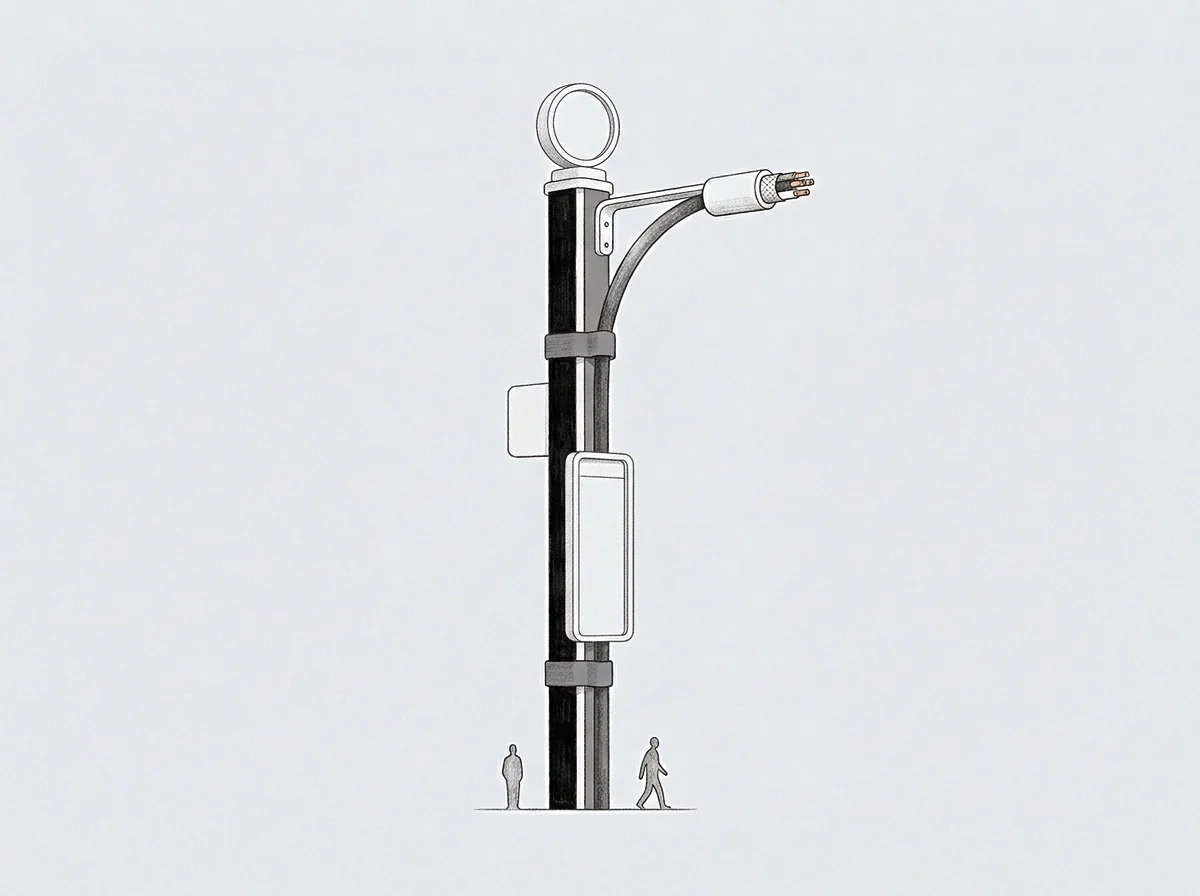
Asymmetric Load Transfer Across Leadership Anchors
The distribution of regulation costs across an executive team operates on a continuous siphon mechanism. Consider an executive committee managing a distressed asset sale over a six-month duration. Assume two primary actors: a founder who acts as chief executive, operating from an internal template formed around self-reliance and emotional containment, and a chief financial officer who maintains low physiological reactivity under financial acute stress.
Assume two secondary functional leads: a head of product and a head of legal, both experiencing acute regulatory overload due to regulatory scrutiny and changing deal parameters.
When the head of product faces intense deal ambiguity, their sympathetic nervous system activates, elevating systemic cortisol and subjective anxiety. Rather than utilizing internal cognitive reappraisal techniques, the head of product schedules daily alignment touchpoints with the chief financial officer. During these interactions, the head of product matches the calm physiological rhythm, steady tone, and paced respiration of the chief financial officer.
The head of product leaves these meetings with lower heart rate metrics and restored executive function. The chief financial officer, however, has expended substantial inhibitory neural capacity to hold an unyielding, non-reactive baseline against the incoming emotional turbulence.
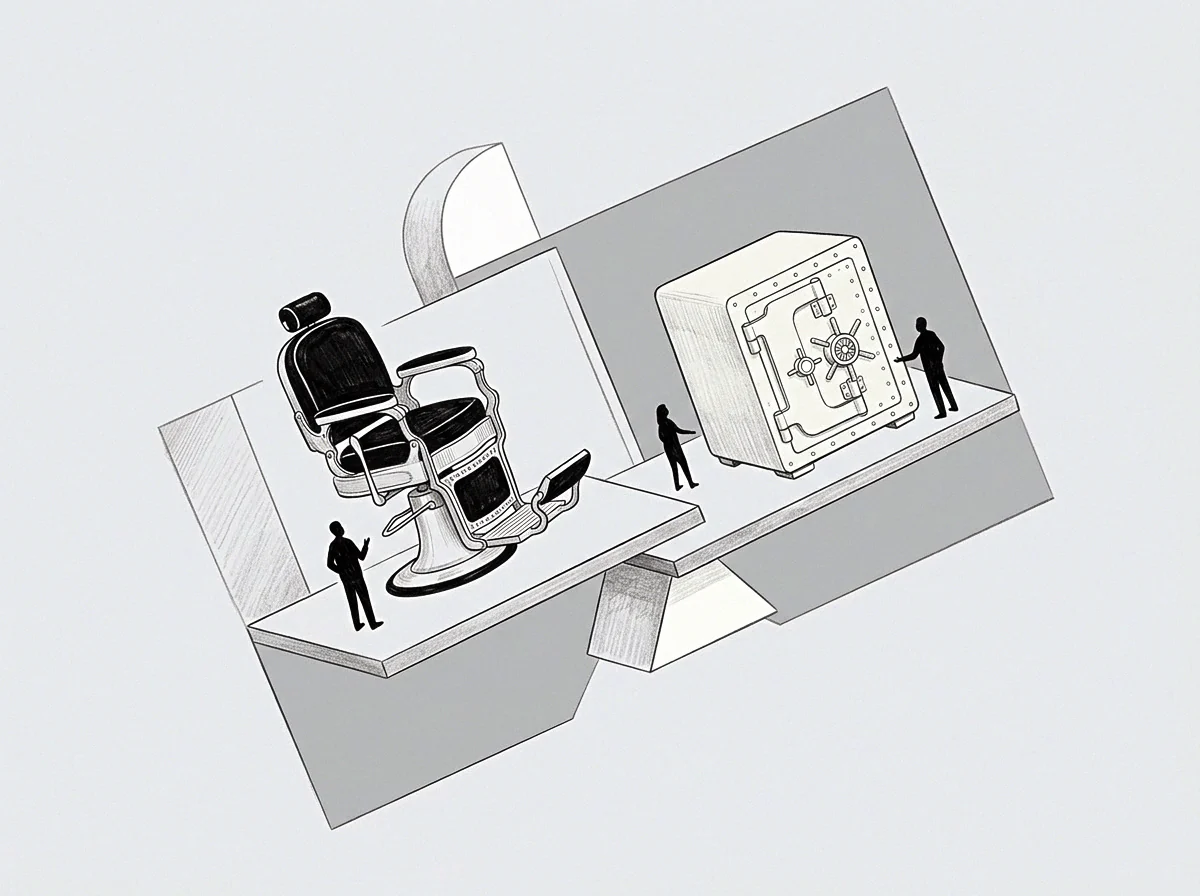
Worked Allocation in Extended Liquidity Distresses
Walk this situation forward across twelve weeks of active deal negotiations. The chief financial officer absorbs continuous regulatory demands from product, legal, and operational leads, conducting eight to ten informal co-regulation sessions daily disguised as strategic check-ins. The chief financial officer’s autonomous neural allocation shifts heavily toward external stabilization.
| Leadership Role | Internal Self-Regulation Expenditure | External Co-Regulation Import/Export | Net Cognitive Headroom Remaining | Functional Failure Threshold |
|---|---|---|---|---|
| Chief Financial Officer (Anchor) | High (65 percent metabolic capacity) | Exporting baseline calm (-25 percent) | 10 percent | Abrupt systemic collapse or sudden withdrawal |
| Chief Executive Officer (Stabilizer) | Very High (75 percent metabolic capacity) | Exporting baseline calm (-15 percent) | 10 percent | Risk-averse paralysis or hyper-fixation |
| Head of Product (Borrower) | Low (20 percent metabolic capacity) | Importing baseline calm (+45 percent) | 35 percent | Inability to execute without daily proximity |
| Head of Legal (Borrower) | Moderate (35 percent metabolic capacity) | Importing baseline calm (+30 percent) | 35 percent | Excessive risk hedging and analytical loops |
As the table demonstrates, the regulatory anchor preserves the functional capacity of surrounding team members by consuming their own metabolic margin. The head of product and head of legal maintain workable cognitive headroom specifically because the chief financial officer and chief executive officer absorb the systemic variance. This imbalance remains invisible in standard performance reviews because the output of the borrowing executives appears steady and effective.
Stable leaders absorb peer group state variance until internal metabolic margins reach zero, masking systemic instability beneath individual competence.
The borrowing executives perceive the interaction as highly productive alignment. They report feeling grounded, clear, and confident following interactions with the central regulator. They do not observe the physiological cost incurred by the anchor, who experiences cumulative allostatic load, disrupted sleep architecture, elevated baseline inflammation, and progressive cognitive narrowing.
We need our daily alignment meeting with the chief financial officer because it is the only time our strategic priorities actually feel manageable and clear.

Balance

Structural Comparison of Executive Regulation Models
Executive teams under extended structural volatility default to one of two structural architectures for nervous system regulation: unilateral baseline anchoring or distributed co-regulation protocols. Unilateral baseline anchoring relies on one or two exceptionally resilient leaders who act as passive neural shock absorbers for the entire organization. Distributed co-regulation protocols explicitly design operational cadences, decision boundaries, and physiological check-ins to equalize regulation costs across all leadership seats.
Unilateral baseline architectures operate efficiently in short-term crises lasting under thirty days. The central anchor absorbs transient spikes in team anxiety without requiring structural alterations to organizational communication. When volatility extends into multi-month reorganizations or prolonged liquidity distress, unilateral anchoring yields catastrophic failure modes.
The single anchor suffers metabolic exhaustion, leading to sudden cognitive withdrawal, emotional detachment, or acute health collapse. When the anchor fails, the executive team experiences a rapid, unmanaged spike in collective panic, as no secondary co-regulation structures exist.

Can Executive Co-Regulation Scale Across Structural Volatility?
Scaling co-regulation across volatile executive environments requires explicit structural parameters rather than reliance on individual emotional endurance. Distributed co-regulation architectures decentralize the stabilization load. Executive teams implement mandatory operational pauses, asynchronous decision channels, explicit boundary parameters, and peer-level regulation pairings.
This structural dispersion prevents any single executive seat from becoming a singular neural bottleneck or metabolic sink.
Structural volatility requires distributed regulation protocols to prevent central leadership seats from transforming into single points of physiological failure.
The primary barrier to implementing distributed architectures lies in the unconscious attachment templates of executive team members. Leaders who developed hyper-independent survival strategies during early career milestones routinely resist distributed load models. They interpret offers of co-regulatory support as threats to personal autonomy or indicators of operational incompetence.
Conversely, executives conditioned toward continuous external reassurance overwhelm distributed protocols by converting every strategic discussion into a physiological stabilization session.
When an executive team states explicit availability terms and enforces structured asynchronous communication intervals, the collective regulation cost drops immediately by thirty to forty percent across all functional seats.

Clock

Temporal Decay of Executive Cognitive Headroom
The progression of neural regulation exhaustion across an executive team follows a predictable temporal decay curve during extended volatility. In the initial phase, spanning days one through thirty, elevated catecholamine release enhances focus and masks regulatory deficits. Executive team members work extended hours, absorbing state variance through sheer metabolic exertion.
The neural budget operates in a deficit, borrowing against systemic physiological reserves.
Between days thirty-one and ninety, catecholamine receptor sensitivity decreases, and chronic cortisol elevation becomes the dominant endocrine state. Cognitive headroom shrinks. Executive leaders begin exhibiting distinct neurological throttling behaviors designed to limit further neural energy expenditure.
These behaviors are frequently misdiagnosed as leadership friction, motivational loss, or interpersonal conflict.
The functional manifestations of advanced neural regulation exhaustion across executive teams present as distinct operational failure patterns:
- Cognitive Throttling manifests as deliberate reduction in strategic depth, where executives restrict focus exclusively to immediate, low-complexity operational tasks while avoiding long-range systemic analysis.
- Affective Flattening appears as complete emotional detachment during high-stakes evaluations, masking severe prefrontal exhaustion beneath a facade of clinical objectivity.
- Proximity Seeking emerges when overloaded functional leads create redundant, high-frequency synchronization meetings solely to anchor their nervous system against a calmer peer.
- Availability Gate Failure occurs when exhausted anchor leaders abruptly sever all informal communication channels, isolating themselves to prevent further neural regulation depletion.
- Impulse Decoupling presents as erratic, reactionary decision-making driven by uninhibited lower-brain threat responses when higher-order prefrontal monitoring completely collapses.
The temporal decay curve accelerates when executive teams attempt to manage structural volatility by increasing working hours or executive meeting frequency. Additional meetings intended to bring strategic clarity frequently exacerbate neural exhaustion by forcing overloaded brains into continuous, high-intensity social evaluation environments.
Continuous operational availability during structural volatility forces prefrontal neural throttling, converting strategic leadership into survival-driven micro-management.
A reliable rule of thumb holds that any executive team operating under unmitigated structural volatility for longer than six weeks without explicit regulation boundaries will suffer a minimum fifty percent reduction in strategic working memory capacity.
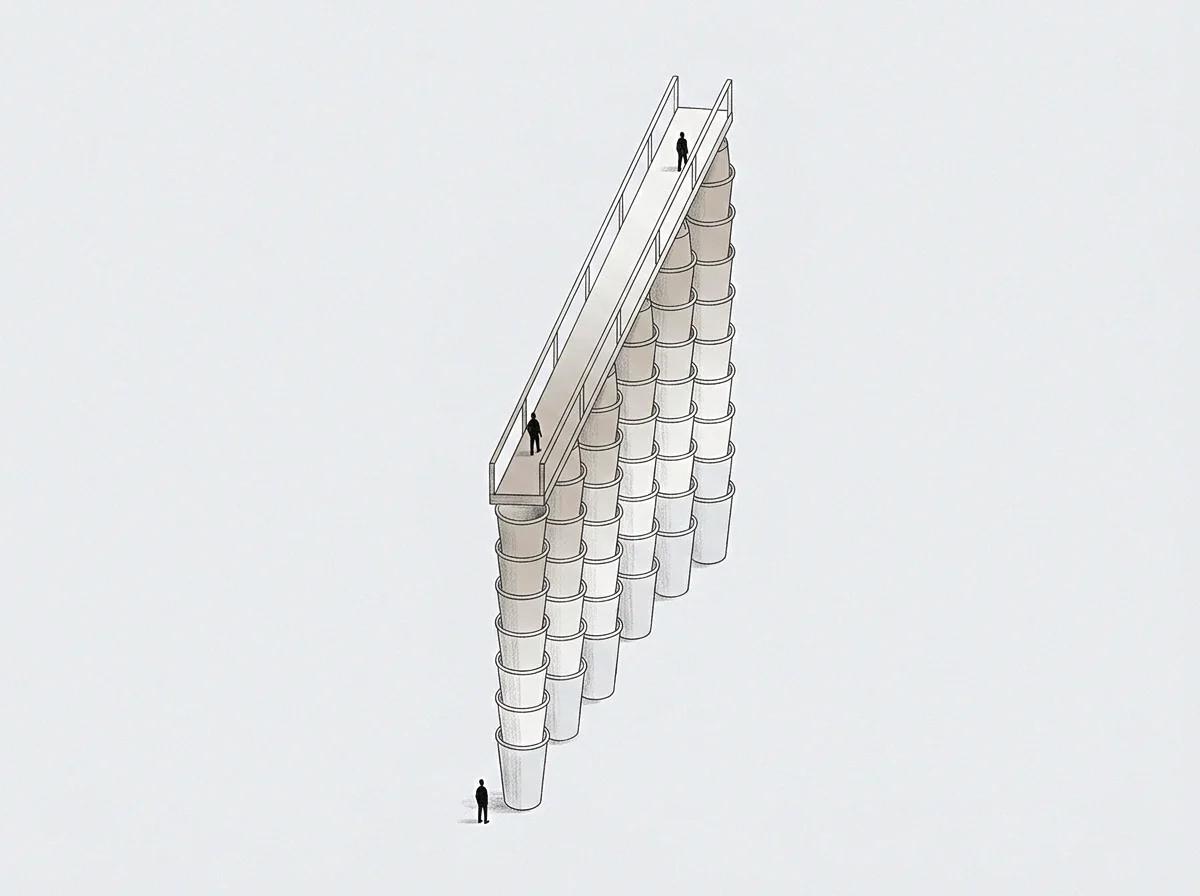
Strand

Re-Architecting Executive Regulation Protocols
Restoring neural balance across an executive team operating under extended structural volatility demands structural operational intervention rather than psychological encouragement. The internal working models of executive leaders update exclusively through repeated, actual operational experiences that demonstrate safety, predictability, and shared load distribution. Conceptual agreement with workload reduction strategies produces zero physiological baseline alteration.
Systematic restructuring of operational touchpoints creates the physical environment necessary for earned structural security.
Re-architecting neural regulation distribution across executive leadership layers requires executing a precise, sequential operational protocol designed to decouple strategic decision-making from acute physiological threat responses:
- Audit all existing executive communication channels to identify and terminate informal, high-frequency co-regulation siphons operating under the guise of urgent status updates.
- Establish rigid asynchronous decision windows for non-acute operational choices, allowing overloaded prefrontal cortexes to process complex data without real-time social evaluation pressure.
- Implement mandatory individual cognitive reset intervals following high-stakes strategic reviews, enforcing absolute detachment from all organizational communication systems.
- Define explicit availability gates for executive anchor seats, specifying exact hours during which peer co-regulation interactions are permitted and strictly prohibited.
- Distribute risk-bearing decision signatures across functional peer triads rather than single executive seats, reducing individual threat-processing loads during volatile evaluations.
- Establish objective metrics for tracking executive cognitive fatigue, utilizing delayed response latencies and reduced strategic bandwidth as operational indicators for immediate forced rest.
These interventions systematically alter the regulation energy budget of the organization. By replacing continuous, unmanaged real-time synchronization with structured, asynchronous operational boundaries, the physiological demand on individual anchor leaders diminishes rapidly. Functional leads learn to utilize internal reappraisal tools and structural protocols rather than relying on proximity-based regulation siphons.
As these structural parameters take hold, the executive team establishes a secondary regulation template. Earned security spreads through the leadership layer as team members experience consistent operational predictability despite external market or structural turbulence. Cognitive headroom recovers, allowing prefrontal networks to resume high-order strategic synthesis, risk calculation, and long-range organizational planning.
The executive team transitions from a fragile, central-anchor dependency model to a resilient, metabolically sustainable leadership structure capable of navigating indefinite structural volatility without systemic physiological collapse.