
Neuropeptide Refractory Periods Bounding Co Regulation Recovery Following Extended Enterprise Stress
Extended enterprise stress down-regulates central neuropeptide receptors, creating a biological refractory period that temporarily blocks interpersonal calming.

Lag
Eighteen months of enterprise contraction end with a signed liquidity agreement. The founder leaves the closing room, comes home, and sits beside a partner on the sofa. Expectation holds that ending catastrophic exposure will allow immediate calm in close proximity.
Instead, the nervous system registers physical closeness as an invasive stimulus. The skin feels tight, the voice stays clipped, and the room produces a rising pulse instead of relief.
Extended operational threat forces the neuroendocrine system into continuous defense. Under ordinary baselines, mammalian regulation relies on mutual physiological pacing: a calm companion down-regulates sympathetic activation through voice tone, touch, and facial warmth. This borrowed composure lowers the metabolic cost of personal vigilance.
Prolonged enterprise duress breaks this exchange. When an individual spends quarters absorbing liabilities, defending payroll, and shielding staff from collapse, neural networks responsible for interpersonal reception shut down.
Repeated neuropeptide stimulation under systemic panic locks cellular receptors into extended internalization cycles.
The founder sits in the room wondering why intimacy generates irritability, while the partner reads the withdrawal as deliberate abandonment or indifference. Neither party identifies the cellular refractory interval causing the barrier. The nervous system cannot accept external regulation while its receptor architecture remains depleted.
Vigilance outlasts the crisis.
Assuming physical safety brings immediate restoration creates a relational fault line. When proximity fails to quiet the pulse, partners often press harder, asking for disclosures, declarations, or eye contact. These overtures land as demands on an exhausted battery.
Sympathetic tone climbs higher, reinforcing the impression that home offers no sanctuary from the operational arena.
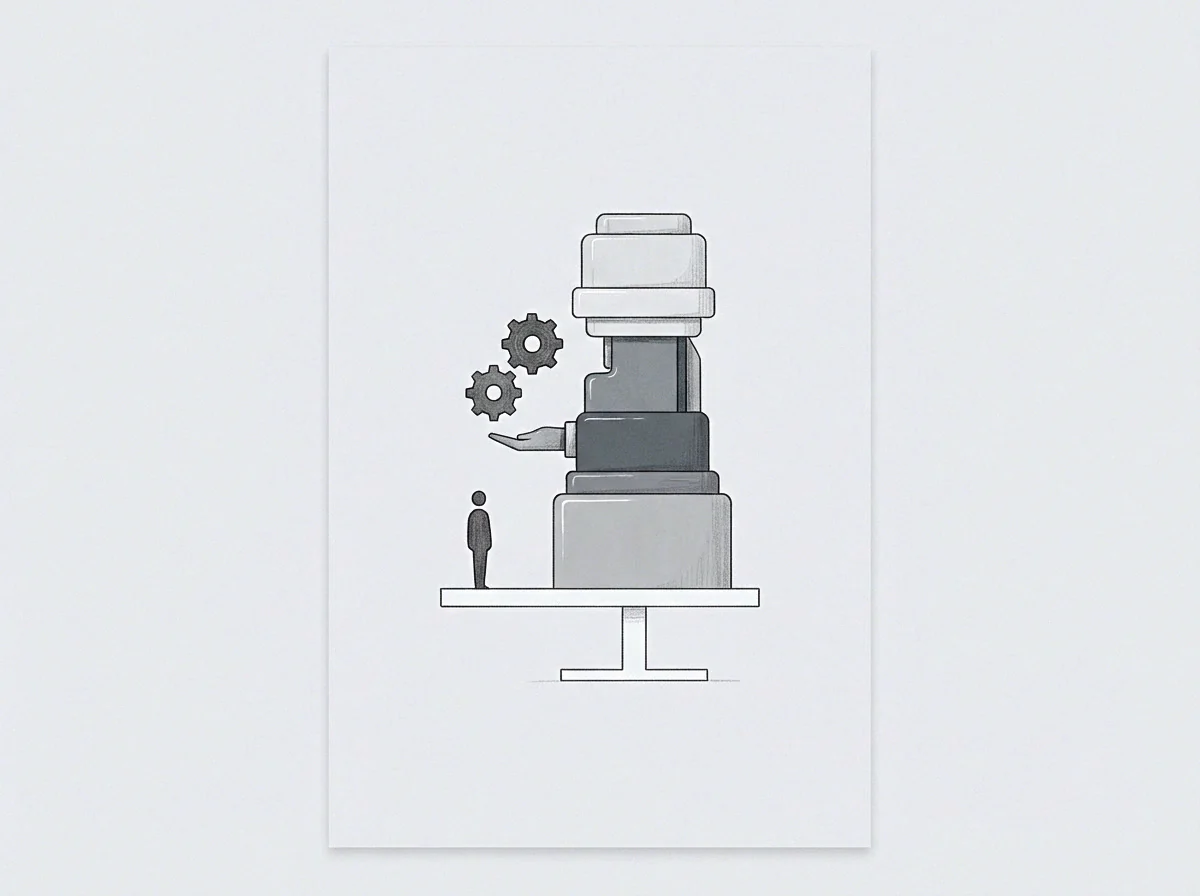
Wall
Cellular communication in the central nervous system depends on available cell-surface binding sites. During acute social buffering, oxytocin released by the hypothalamus binds to receptors in the central amygdala, attenuating stress responses. Arginine vasopressin modulates vigilance and territorial defense through V1a receptors.
In short bursts, these peptides coordinate trust, fear extinction, and physical composure. Sustained enterprise peril inverts that dynamic.
Months of chronic glucocorticoid elevation drive deep neurochemical adaptations. Sustained high-affinity binding prompts G-protein coupled receptor kinase recruitment and beta-arrestin binding, removing oxytocin receptors from the plasma membrane. Internalized receptors degrade or enter slow endosomal recycling pathways.
Protein synthesis must generate replacement receptors before the cell can respond to baseline oxytocin pulses.

What Delays Biological Responsiveness In Shared Space?
Extended allostatic load alters peptide production and receptor density at the same time. Glucocorticoids cross the blood-brain barrier continuously, altering transcription factors in the paraventricular nucleus. Vasopressin pathways stay chronically primed for threat detection, while central oxytocinergic pathways experience deep habituation.
Contact that once signaled respite now triggers sensory overload because the soothing cascade lacks functional reception points.
| Variable | Acute Co-Regulation Baseline | Post-Enterprise Refractory State |
|---|---|---|
| Oxytocin Receptor Availability | High membrane density across amygdala | Widespread beta-arrestin internalization |
| Vasopressin V1a Tone | Flexible activation during distinct challenges | Tonic baseline elevation maintaining territorial defense |
| Interpersonal Proximity Effect | Vagal brake activation with cardiac slowing | Sympathetic spike registering as sensory invasion |
| Peptide Synthesis Latency | Standard vesicular replacement within hours | Epigenetic transcriptional suppression spanning weeks |
Receptors take time to return. The duration of this biological latency reflects the severity and length of the operational hazard. Field measurements in stress physiology show that neuroendocrine reset curves require intervals proportional to prior allostatic expenditure.
A two-year institutional crisis cannot clear over a forty-eight-hour weekend.
A biological receptor deficit transforms supportive human touch into an acute metabolic expense.
Attempting to bypass this physiological boundary through sheer intentionality produces neurochemical failure. When an individual forces cooperative presence despite desensitized receptors, the prefrontal cortex burns glucose to simulate warmth, compounding executive fatigue. The central nervous system treats the social arena as an uninterrupted continuation of the corporate battlefield.
Executing a mandatory operational wind-down clause alters this cycle only when physical solitude precedes relational integration.
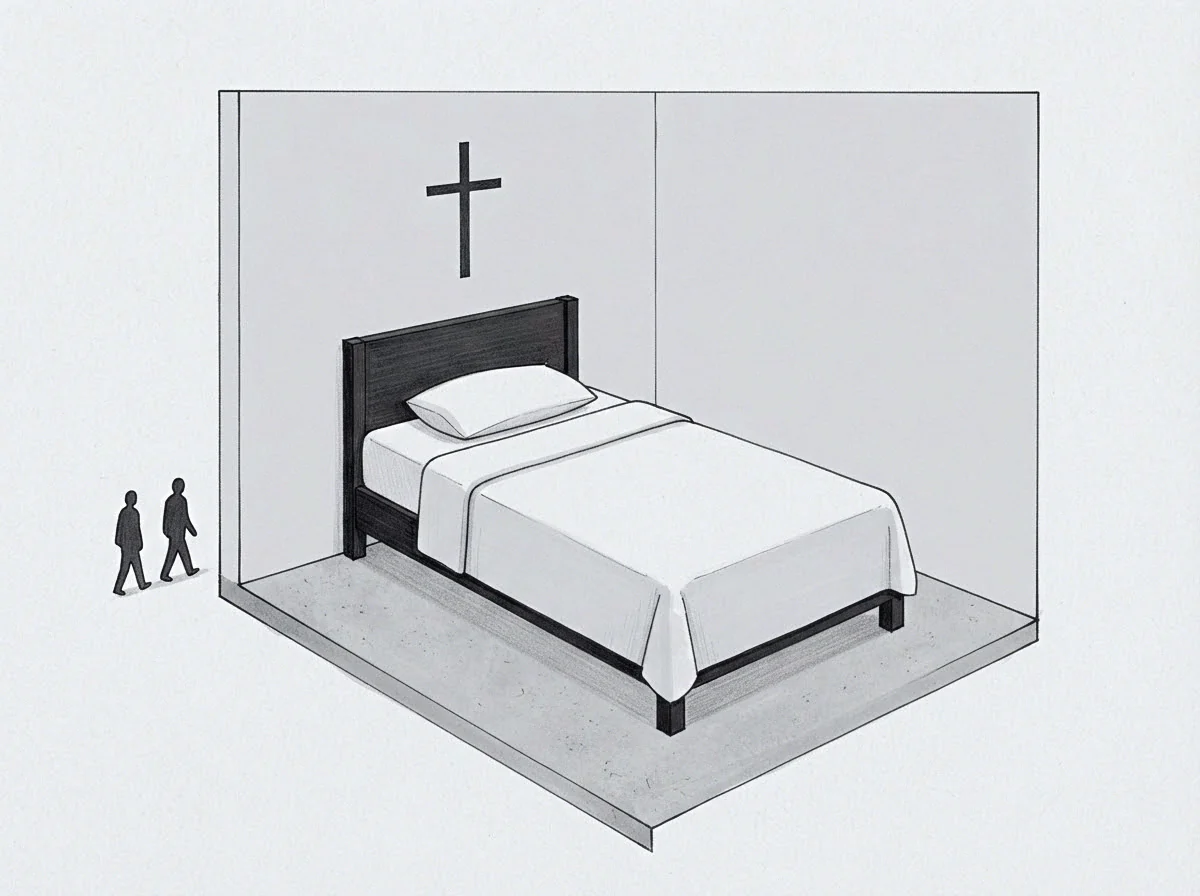
Release
Interpersonal relationships establish unspoken baseline agreements during calmer periods. One individual functions as an emotional anchor, absorbing operational ambiguity and discharging tension through predictability. The system relies on this steady state.
When enterprise peril places that individual under sustained threat, their internal working model shifts to survival mode, regulating others outward while losing the capacity to receive care.
Colleagues and partners grow accustomed to borrowing calm from the founder. When that supply stops, distress ripples through both the company and the home. The anchor individual discovers no receptor slot remains for receiving support, and tension settles into muscle.
- Functional Numbness locks the body into an unresponsive state where supportive gestures evoke flat mechanical compliance.
- Intrusive Irritability surfaces instantly when a close relation requests emotional presence, reflecting autonomic saturation rather than anger.
- Relational Misattunement occurs as the partner misinterprets physiological lag as a permanent loss of affection.
- Compulsive Self-Containment drives the affected person to isolate entirely, viewing relational input as an unpayable demand on capacity.
Physical proximity demands energy. In an uncompromised state, shared presence reduces energy consumption by distributing threat detection across two organisms. In a desensitized state, proximity doubles metabolic consumption because the nervous system monitors the companion for demands it cannot satisfy.
The founder retreats to an empty garage, an office after hours, or an isolated room simply to lower input volume.
True earned security develops through the quiet toleration of latency rather than enforced engagement.
The companion feels rejected by this retreat. Having waited through eighteen months of eighty-hour workweeks for the crisis to pass, they expect immediate companionship upon corporate resolution. They encounter an impenetrable barrier, and the inability to bridge this gap generates bitter domestic recrimination.
The founder leaves the company behind, yet treats the household as an enemy perimeter.
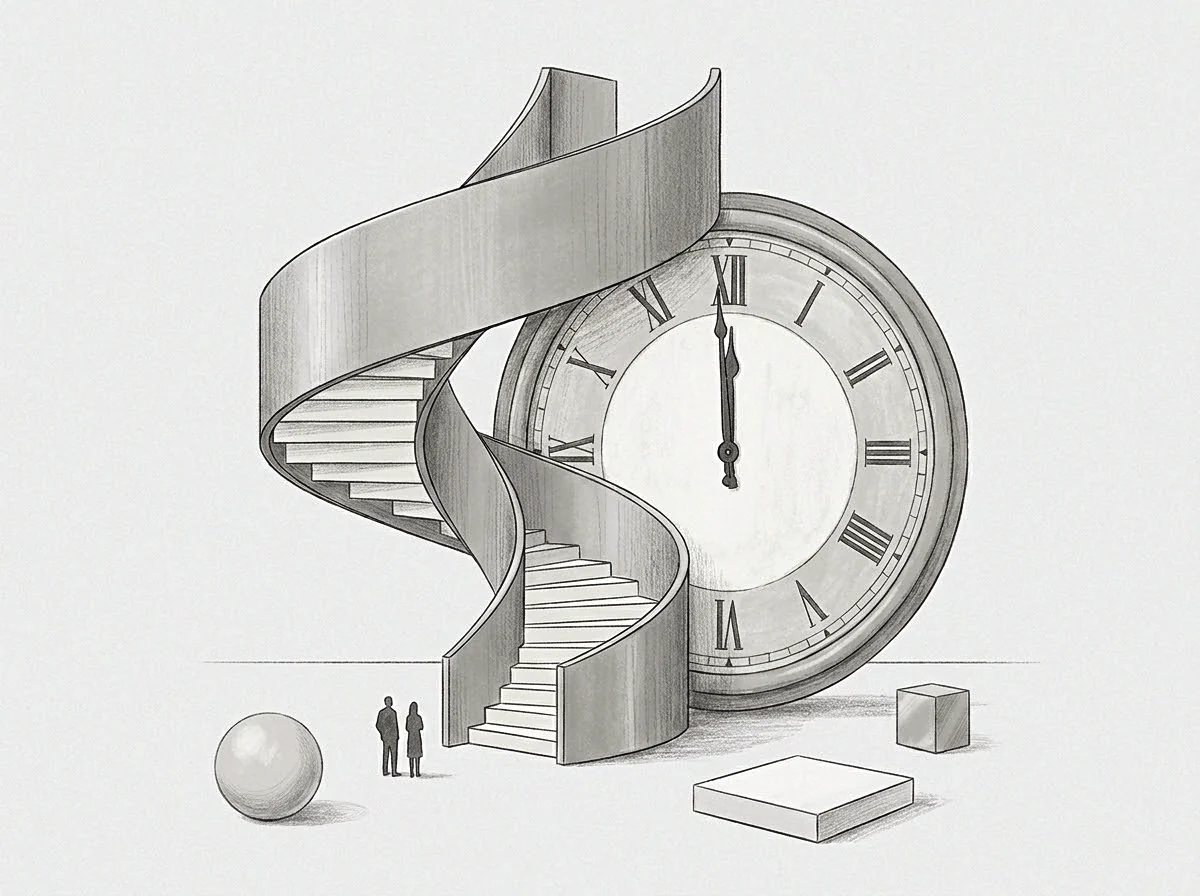
Pact
Rebuilding the capacity for co-regulation demands a mechanical respect for neuropeptide regeneration. Earned security is not established through verbal analysis or strategic communication workshops. It is rebuilt through repeated, micro-dosed experiences of physical safety that do not demand reciprocal emotional performance.
The body resists contact until underlying receptors clear endosomal pathways and populate cell membranes anew.
The founder and their close counterparts must establish structured limits around shared physical space. Rather than demanding full-evening emotional presence, arrangements should favor parallel activity without eye contact or conversational expectations. Walking outdoors on separate tracks, reading in the same room without speaking, or sharing a table while attending to solitary manual tasks preserves proximity without triggering sensory saturation.
Over a span of several months, this low-demand proximity permits the hypothalamic-pituitary-adrenal axis to reduce systemic cortisol. Lower circulating glucocorticoids allow cell nuclei to resume standard transcription of oxytocin receptor proteins. Sensory processing networks slowly recalibrate, recognizing gentle tactile input and soft vocal tones as calming stimuli instead of enterprise threats.
The person who was the baseline must learn to receive without immediately performing the role of the steady provider. This transition exposes deep discomfort. When someone offers a plate of food, a blanket, or simple silence, the instinct is to reject the gesture or repay it immediately with labor.
Accepting the gift without returning an immediate operational benefit signals the establishment of a functional receptive slot. The template updates through lived biological safety rather than intellectual resolve.
Allowing the biological baseline to reset through silent parallel presence precedes demanding emotional warmth.