
Autonomic Down Regulation And State Throttling Under Extended Isolation
Extended isolation forces the nervous system to down-regulate autonomic reactivity to conserve metabolic energy when external co-regulation is absent.

Economy
Four digital communication channels remain open at midnight while an isolated operator sits in an empty room, reviewing financial projections and engineering logs. Incoming messages ask for direction, reassurance, and technical decisions. The operator responds to each ping with measured precision.
To external observers, this steady pattern looks like operational resilience. Beneath that surface, the nervous system is executing a fundamental reallocation of metabolic resources. When physical isolation extends over months, the neural apparatus responsible for threat assessment and emotional baseline maintenance loses access to external baseline calibration.

Metabolic Budgeting Under Neural Solitude
Social baseline theory establishes that the human brain evolved to assume physical proximity to reliable conspecifics as its default physiological state. Near trusted peers, the brain offloads much of its threat monitoring and autonomic regulation, lowering metabolic expenditure by sharing vigilance across the group. In prolonged isolation, this proximity discount vanishes.
The central nervous system has to fund emotional stabilization, danger assessment, and physiological control entirely from internal reserves. Solitary self-regulation is the most energy-expensive operational mode available to the organism.
Under continuous solo operation, the brain interprets the absence of a co-regulating presence as a persistent threat. Neural circuits dedicated to baseline risk assessment stay active around the clock. The cost of this solitary vigilance accumulates as an allostatic load, draining energy reserves that would otherwise support cognitive flexibility and executive processing.
The operator remains functional, but the baseline cost of stability rises every week.

The Proximity Discount and Co-Regulatory Absence
Relational proximity acts as a physical regulatory buffer. The presence of a stable person lowers the baseline cost of holding stress for everyone in the room. In extended isolation, the neural pathways expecting that input receive only silence, leaving the internal working model with a continuous regulatory shortfall.
Autonomic down-regulation occurs when prolonged neural solitude forces the central nervous system to reduce baseline metabolic expenditure by suppressing affective responsiveness.
Without borrowed regulation from an external baseline, the isolated individual relies entirely on internal cognitive control to override stress signals. Over extended periods, this reliance generates severe physiological strain. The nervous system eventually adapts to the sustained metabolic deficit by initiating a systematic reduction in baseline autonomic arousal.
The explicit presence condition dictates that autonomic recovery begins only when physical proximity to a stable coregulator reduces baseline monitoring costs below active operational expenditure.

Seat
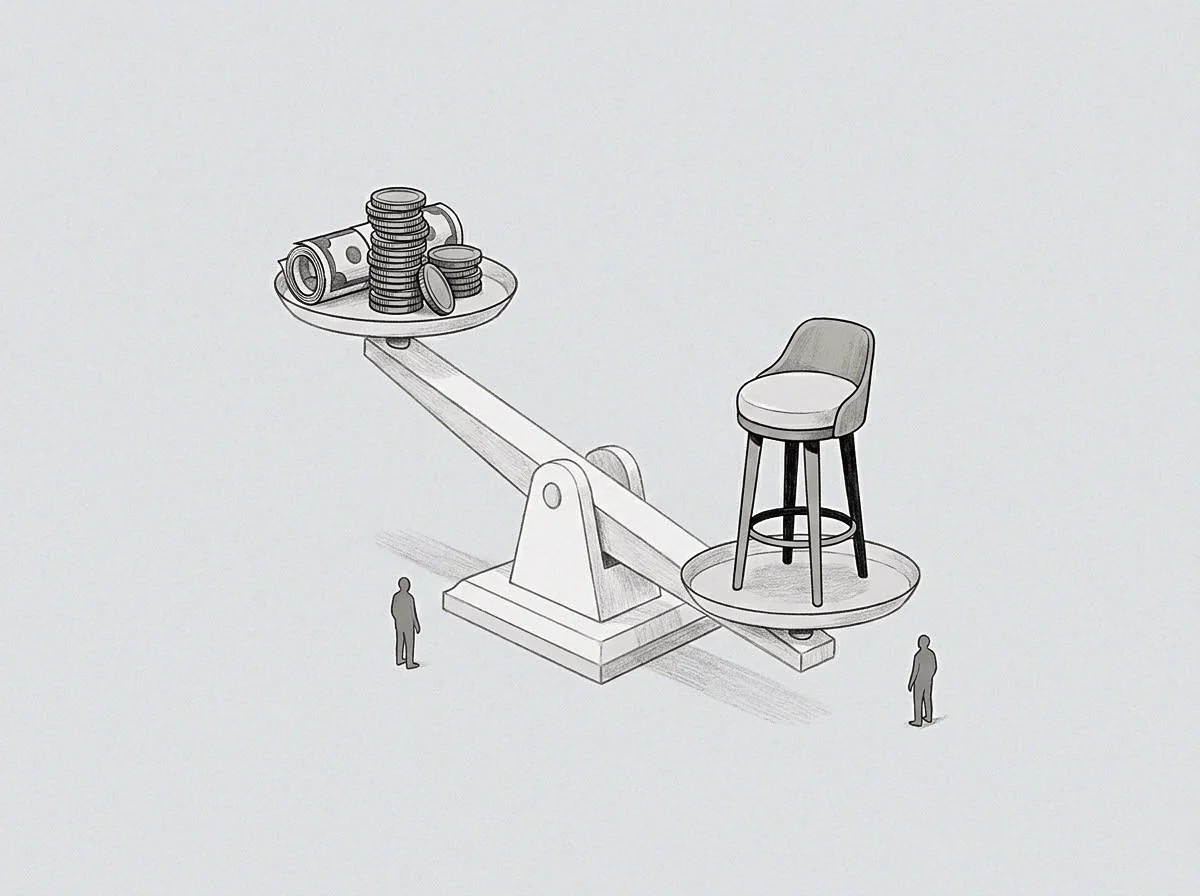
The individual holding the primary operational chair becomes the central stabilizing anchor for the organization. Team members, investors, and operational partners direct their emotional turbulence toward this seat, seeking composure. The person in the chair absorbs incoming stress signals and returns steady, modulated directives, which the organization reads as evidence of unlimited capacity.
Asymmetric Demand on the Isolated Operator
A structural imbalance develops when an organization relies on an isolated leader for baseline regulation while providing no channel for reciprocal stabilization. People naturally attach to a steady state rather than to written guidelines or static policies. A calm leader lowers the ambient anxiety of the operational environment, allowing team members to function smoothly, but the team borrows that calm without recognizing that the seat pays for it out of a finite physiological budget.
This dynamic creates a unidirectional regulatory drain. Incoming pings, urgent requests, and strategic crises land on a single individual who has no external co-regulatory outlet. The operator processes incoming panic, converts it into structured action, and returns synthetic calm to the system.
The transfer works for the recipients, but the isolated provider absorbs the full metabolic cost of the conversion.
State Attachment Across Digital Distance
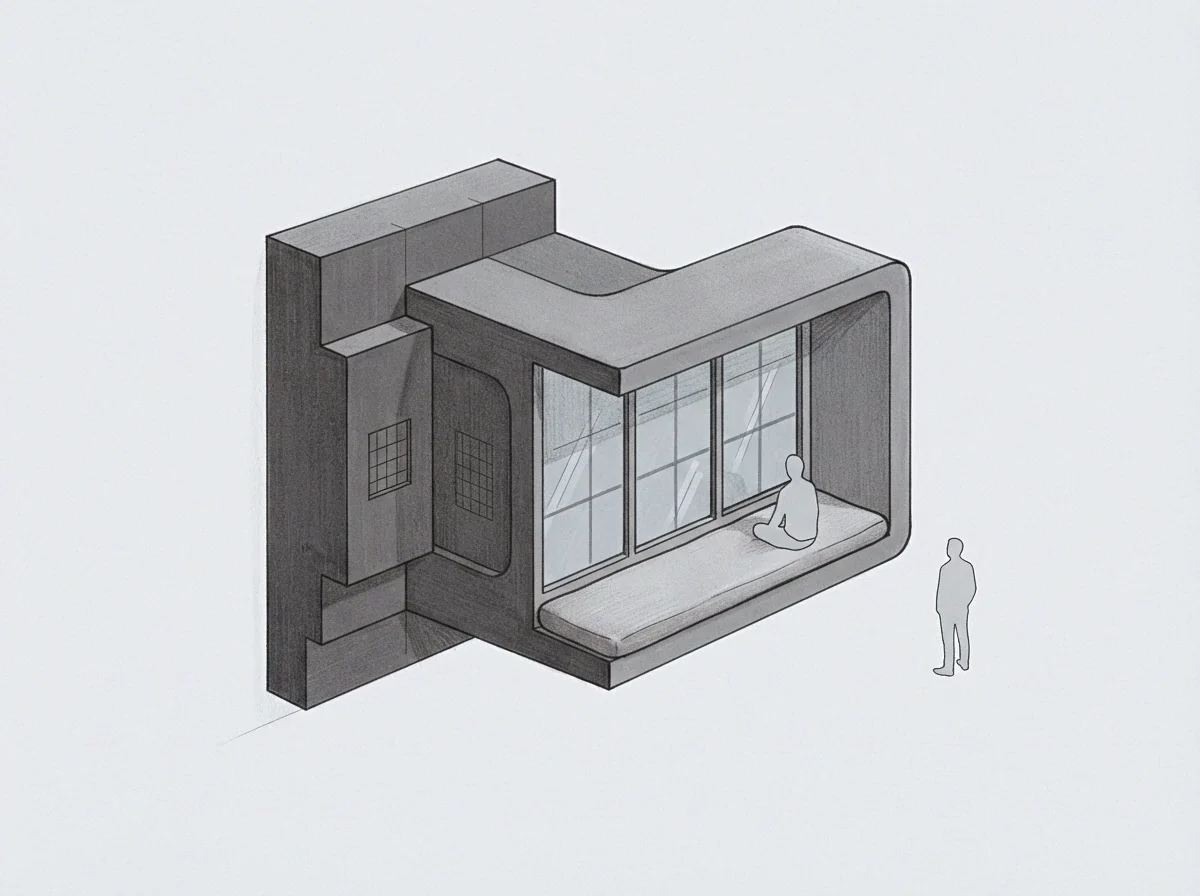
Digital interaction channels amplify this dynamic by masking the physiological cost borne by the leader. Asynchronous messages and brief video calls transmit state demands without the subtle co-regulatory signals that occur in physical space. The team receives calm decisions without offering physical presence or shared buffering in return.
A covert regulation contract emerges when team members rely on an isolated leader for stability while offering no structural slot for that leader to receive regulatory support in return.
The isolated leader internalizes an operational template that equates leadership with total self-reliance. Over time, the receptor slot for receiving support closes entirely. Offers of assistance from colleagues or partners begin to register as operational burdens rather than opportunities for shared regulation.
The operator becomes locked into the role of sole regulator, accelerating energy depletion while maintaining an outward appearance of control. The team assumes the quiet channel signifies composure rather than autonomic exhaustion.

Circuit
When extended isolation converges with relentless operational demand, the central nervous system reaches its metabolic limit. Continuous high-cost self-regulation becomes unsustainable. To prevent systemic breakdown, the autonomic nervous system engages a protective dampening protocol known as state throttling, down-regulating affective reactivity, narrowing emotional bandwidth, and restricting real-time processing capacity to conserve basic metabolic function.
Who Bears the Metabolic Deficit During Isolation?
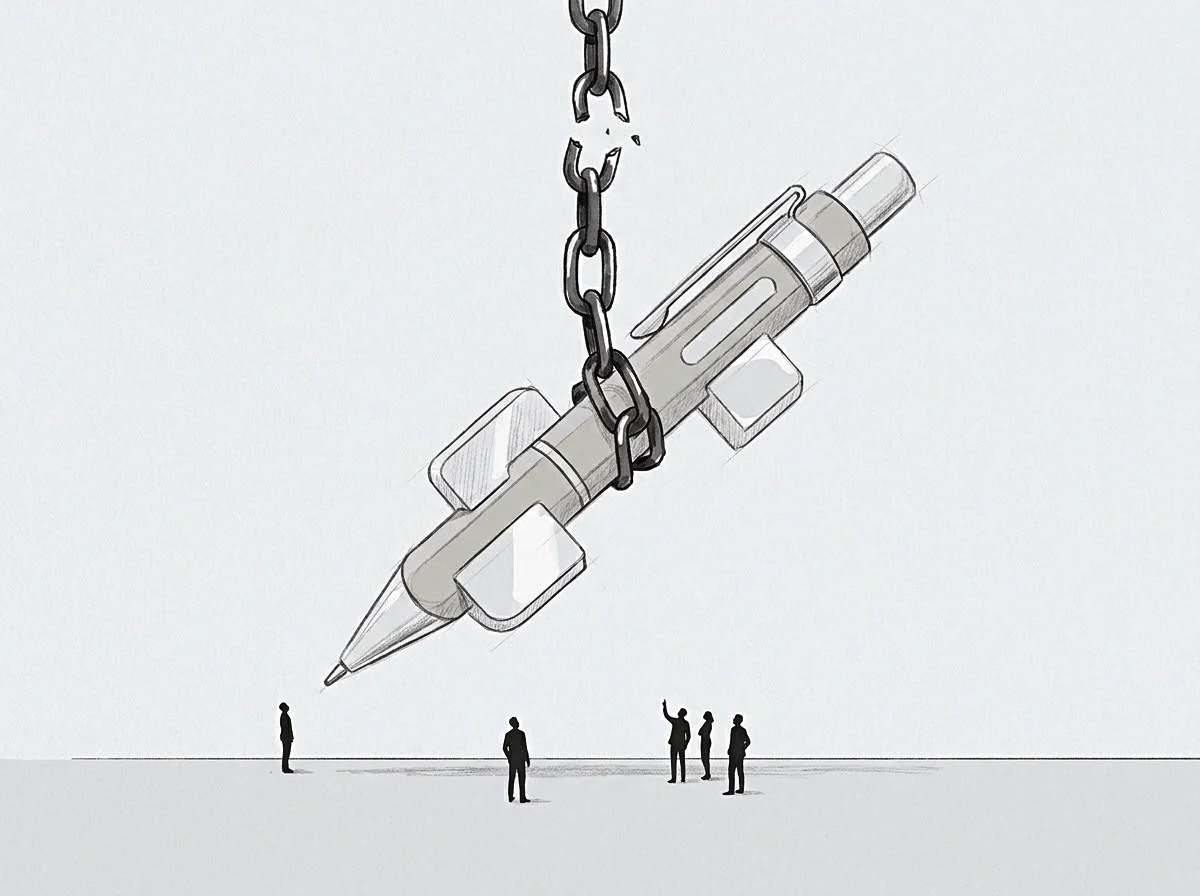
State throttling operates as an emergency autonomic circuit breaker. The brain dampens its own responsiveness to protect vital physiological operations. Sympathetic headroom contracts, emotional expression flattens, and cognitive processing shifts from fluid strategic evaluation to rigid, algorithmic execution.
The individual retains administrative competency, but the biological threshold for emotional engagement increases significantly.
This autonomic dampening alters how the operator processes external stimuli. Incoming threats, interpersonal conflicts, and strategic pivots that once triggered immediate responses now produce a delayed, muted reaction. The nervous system throttles output to match available energy reserves, prioritizing functional survival over relational warmth or innovative problem-solving.
| Operational State | Vagal Tone Baseline | Threat Reactivity Window | Metabolic Cost per Response | Concurrency Capacity |
|---|---|---|---|---|
| Active Co-Regulation Baseline | High flexible parasympathetic tone | Wide adaptive window | Low shared metabolic cost | High concurrent task handling |
| Acute Solo Load | Elevated sympathetic activation | Narrow heightened vigilance | High unbuffered metabolic cost | Moderate focused capacity |
| Throttled Autonomic State | Low blunted autonomic variability | Constrained throttled window | Conserved minimal metabolic cost | Severely restricted capacity |

Biological Dampening and Concurrency Reduction
As state throttling deepens, the operator’s operational concurrency limits drop. The ability to hold multiple open strategic loops simultaneously degrades. The throttled nervous system processes one input channel at a time, treating additional incoming signals as system overloads.
- Affective Flattening reduces emotional reactivity to neutral levels to prevent metabolic spikes during operational stress.
- Executive Latency slows down complex decision cycles due to reduced prefrontal energy allocation under chronic load.
- Sensory Hyper-Vigilance maintains baseline threat scanning while discarding non-essential contextual details.
- Relational Withdrawal eliminates non-essential social exchanges to conserve remaining autonomic capacity for survival tasks.
This biological dampening protects the operator from immediate collapse, but it imposes a severe tax on long-term execution. Strategic vision narrows to immediate task survival. Interpersonal empathy disappears, replaced by transactional efficiency.
The throttled state represents a physiological trade-off: short-term preservation in exchange for long-term relational and strategic capacity.
Sustained biological dampening preserves basic operational functions by sacrificing emotional depth and high-level strategic flexibility.
Misinterpreting autonomic throttling as durable composure leads directly to administrative overload, structural exhaustion, and sudden operational collapse.

Limit
Surviving extended isolation requires moving from implicit coping mechanisms to hard operational constraints. The throttled nervous system cannot regain baseline flexibility while exposed to unconstrained external demands. Setting explicit limits on incoming signal volume and real-time availability creates the space necessary for autonomic recovery.

Operational Concurrency Bounds
An operator working under sustained isolation must set firm concurrency limits. Attempting to process multiple high-stakes inputs simultaneously during autonomic throttling triggers acute systemic distress. Clear operational boundaries protect remaining neural bandwidth from complete exhaustion.
Concurrency management requires limiting active decision threads, enforcing strict communication schedules, and refusing continuous real-time availability. Moving from an open-door reactive mode to a structured asynchronous workflow reduces the continuous threat-monitoring load carried by the central nervous system.
Explicit Availability Schedules
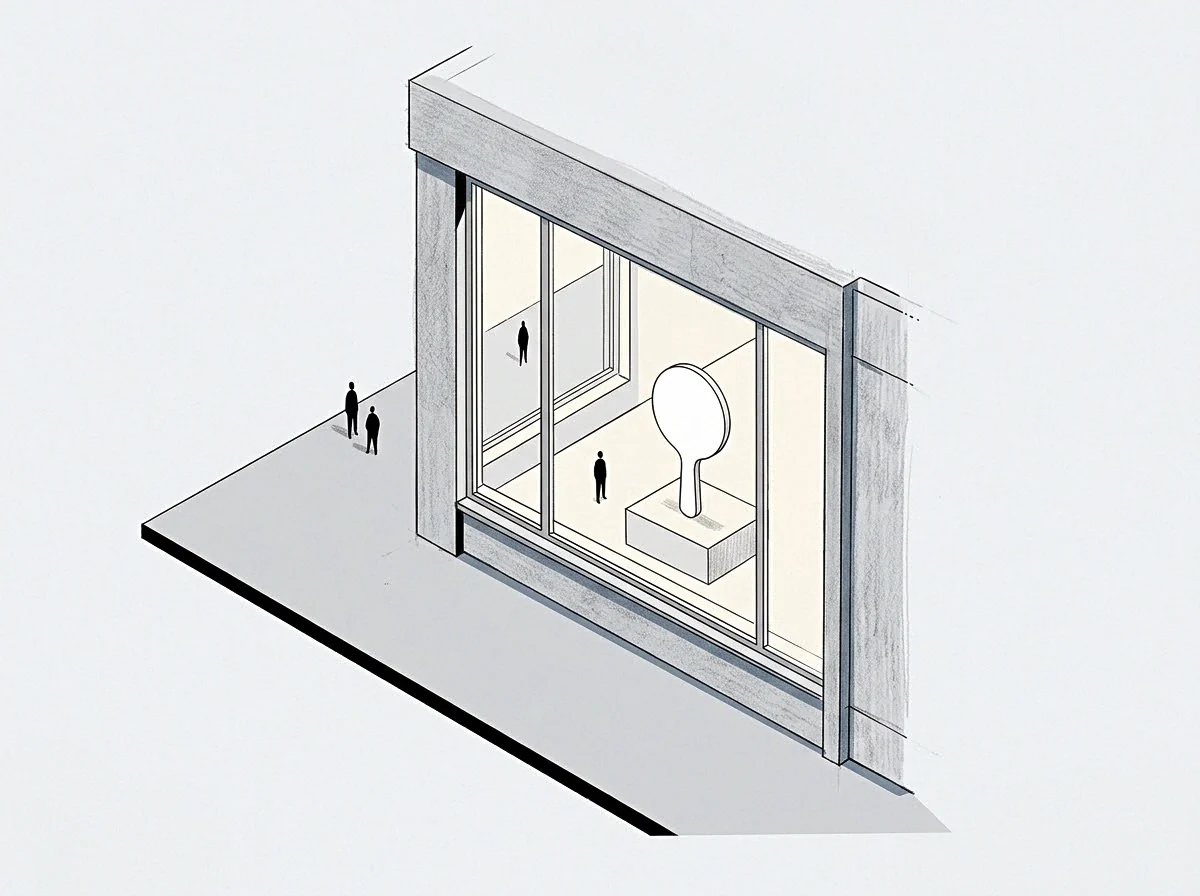
Explicit availability schedules replace covert availability contracts with transparent operational protocols. Team members and external stakeholders receive clear guidelines regarding when and how the operator responds to incoming requests.
- Measure incoming signal volume across all active communication channels over a five-day period.
- Define fixed temporal windows for asynchronous message processing.
- Establish hard stops on direct real-time availability during solo deep work.
- Communicate structural availability rules to team members without emotional justification.
Stating a firm limit is the first structural barrier an unconstrained load-transferring environment encounters. When an operator states a clear availability rule, the system has to adjust its expectations rather than assuming infinite capacity. The limit protects remaining autonomic reserves, preventing further biological dampening.
An unstated availability expectation converts every incoming notification into an autonomic tax on a depleted system.
How long an isolated system can maintain state throttling before metabolic exhaustion forces total functional shutdown remains an open empirical question.

Update
Exiting state throttling requires more than structural limits or intellectual insight into autonomic mechanics. Conceptual understanding of social baseline theory does not recalibrate a down-regulated nervous system. Re-establishing flexible autonomic function demands real, repeated physical experiences of co-regulation and shared safety over time.

Template Revision Through Repeated Proximity
The internal working model that governs autonomic regulation updates exclusively through consistent experiential feedback. An isolated operator adapted to continuous solo regulation carries an internal template that views self-reliance as the sole path to safety. Rebuilding neural trust requires placing the nervous system near stable, responsive coregulators who reliably share regulatory loads without imposing demands.
Template revision unfolds gradually. Initial experiences of physical proximity and shared load may trigger defensive hyper-vigilance in a previously isolated operator, as the down-regulated nervous system initially interprets incoming support as an operational vulnerability. Sustained, reliable co-regulatory experiences break down this posture, demonstrating that external regulation is safe and metabolically efficient.

Earned Security and Re-Engaging Responsive Dynamics
Earned security develops as the nervous system internalizes a second operational template built on shared capacity. Through repeated exposure to responsive coregulators, the biological cost of baseline threat monitoring declines. Vagal tone flexibility returns, sympathetic headroom expands, and the protective dampening of state throttling naturally recedes.
The operator develops a new structural capacity: a functional receptor slot for receiving support. Relational engagement ceases to register as a metabolic drain and resumes its evolutionary role as a primary source of physiological stabilization. Strategic flexibility, affective depth, and high-concurrency executive function return as the nervous system exits survival throttling and re-enters baseline operational health.
Updating an internal working model takes repeated physical experiences of safety rather than conceptual insight.