
Quantifying Metabolic Load Transfer within Executive Equity Partner Dynamics
Executive equity partners offload autonomic stress through proximity, transferring physiological load onto stable principals and creating uncounted operational debt.

Ledge
At two in the morning during the final negotiation of a capital raise, four urgent messages from institutional investors sit unread on a glowing terminal screen. Across the conference table, one equity principal exhibits visible physiological distress, pacing the floor with elevated heart rate, erratic respiratory cadence, and fragmented verbal focus. The second principal remains still in a chair, keeping eye contact steady, voice low, and breathing deliberate.
The distressed principal repeatedly steps closer to the desk where the calm principal sits, anchored by the physical proximity of a quiet presence. As the distressed principal re-engages the terminal, the physical tremor in their hand subsides, and their speech returns to a structured cadence. The calm principal has said almost nothing about the term sheet, yet their steady posture has altered the metabolic trajectory of the room.

Physiological Resonance in High Stakes Partnerships
Human neural architecture processes environmental threat through an economy of social baseline regulation. Brains budget metabolic resources on the foundational assumption that reliable conspecifics are physically available to share the baseline load of environmental monitoring. When an executive principal encounters severe operational volatility, self-regulation consumes substantial prefrontal glucose and demands high sympathetic arousal.
If a calm equity partner sits within physical proximity, the distressed principal’s autonomic nervous system automatically offloads a portion of its threat-dampening work onto that stable partner. Neural threat modulation research demonstrates that physical proximity to a trusted individual down-regulates activity in the dorsal anterior cingulate cortex and ventral prefrontal regions during acute stress. The distressed principal feels quieter internally because their neural circuitry relies on the partner’s physiological stability as an external regulatory buffer.
A partner holding physical composure during negotiation frequently absorbs the autonomic turbulence of the room without written record.
This offloading operation functions as an invisible metabolic transfer within executive leadership. The partner providing the calm baseline experiences an uncounted elevation in autonomic burden. While the distressed principal feels relieved, the supporting principal’s brain works continuously to damp incoming environmental noise, maintaining baseline equilibrium for two distinct nervous systems simultaneously.
Over extended quarters, this asymmetry converts acute relational buffering into chronic physiological strain for the stabilizing partner. The equity split remains equal on paper, but the daily physiological expenditure required to sustain executive function is borne almost entirely by one seat.

The Invisible Absorption of Partner Autonomic Debt
The daily interaction pattern between equity partners establishes a unspoken energetic contract. When one principal routinely brings unprocessed operational anxiety into the shared workspace, the receiving partner acts as a regulatory sink. The incoming volatility is met with quiet containment, which masks the real computational strain imposed on the receiving principal’s nervous system.
Tonic vigilance consumes executive bandwidth. The stabilizing partner eventually spends more metabolic energy maintaining the co-regulatory bridge than executing core strategic responsibilities. Because this physiological transaction leaves no paper trail, executive teams routinely misattribute the resulting fatigue to operational workload rather than relational load transfer.
The partner across the desk observes only that the room feels stable whenever both principals sit together.

Surrogate
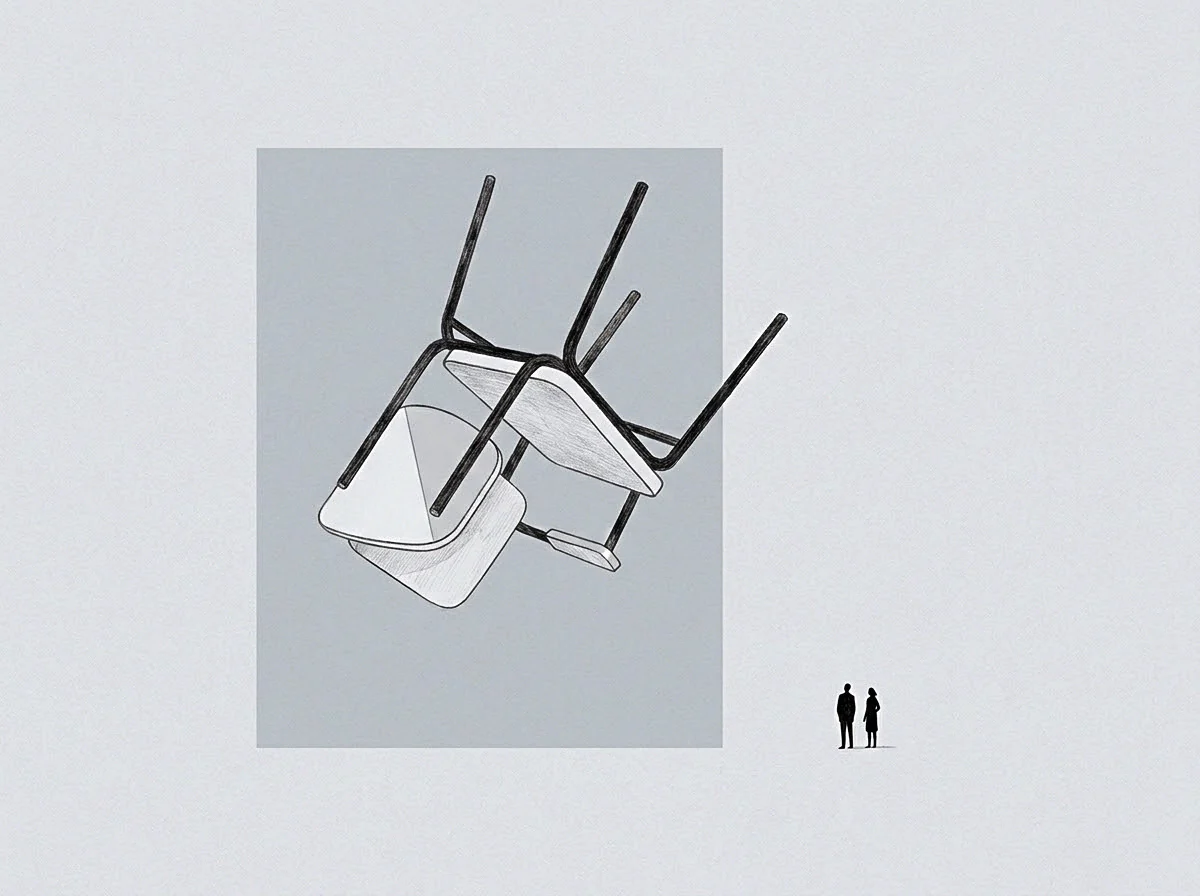
Equity partnerships frequently rely on an unacknowledged regulatory surrogate to maintain operational velocity during periods of market distress. When market conditions deteriorate, executive decision making demands continuous prefrontal activation and threat evaluation. One partner often assumes the burden of acting as the physiological anchor for the firm, maintaining an aura of unshakeable stability while the counter-principal cycles through acute anxiety and strategic panic.
The quiet partner operates as an external autonomic regulator for the entire executive suite, absorbing high-frequency emotional noise and outputting baseline calm.
Neural Offloading and Social Baseline Theory
Social baseline theory demonstrates that human beings are ecologically adapted to distribute regulatory tasks across trusted social networks. Individual self-regulation represents a costly evolutionary fallback mode, characterized by elevated baseline cortisol, higher cardiac vagal suppression, and accelerated cellular wear. When equity partners establish high relational proximity, their nervous systems establish a coupled circuit.
If Partner A maintains a secure internal working model, Partner B’s prefrontal cortex registers Partner A as an available regulatory resource. Partner B downgrades local metabolic expenditure on threat dampening, effectively balance-sheeting their emotional stability against Partner A’s baseline reserve. Autonomic equilibrium carries a distinct metabolic price.
Autonomic load transfers from the destabilized principal to the stable partner whenever proximity replaces individual self-regulation.
This coupling allows the partnership to function under conditions that would paralyze a single operator. The covert transfer of metabolic load introduces systemic vulnerability when sustained indefinitely. Partner A’s baseline reserve is finite.
As Partner B continually exports autonomic distress, Partner A experiences an invisible accumulation of allostatic load. The stabilizing partner’s physiological system remains in a perpetual state of low-grade sympathetic activation to buffer the counter-principal’s volatility. The systemic cost surfaces not as acute conflict, but as a subtle down-regulation of Partner A’s strategic creativity, operational patience, and systemic resilience.

Physiological Cost Vectors in Partner Systems
The dynamics of covert load transfer operate through identifiable vectors across executive teams. These vectors define how metabolic energy moves between seats and where the resulting strain manifests across the leadership architecture.
- Autonomic regulation offloading context: The destabilized principal downgrades local prefrontal threat monitoring, drawing upon the physical presence of the calmer partner to stabilize personal autonomic arousal during high-stakes negotiations.
- Vigilance hyper-activation context: The baseline principal increases tonic threat monitoring to anticipate and damp structural friction before it reaches operational visibility, consuming critical cognitive reserves.
- Allostatic overdraft accumulation context: Sustained physiological coregulation without structural recovery windows elevates baseline cortisol and degrades cardiac vagal control over prolonged operational quarters.
- Asymmetric emotional dampening context: The stable principal suppresses personal autonomic responses to preserve an unshakeable environmental baseline for the executive firm, creating a persistent internal deficit.
Uncounted metabolic transfer transforms the calmer partner into a single point of physiological failure for the entire firm.

Budget
Cap-table ownership models assign equity based on financial capital, domain expertise, and operational hours, completely omitting the metabolic cost of leadership coregulation. Two co-founders holding equal equity splits may contribute equal hours at their desks, yet one founder may consume twice the metabolic energy of the other if they must simultaneously regulate their own nervous system and stabilize their partner’s emotional state. This imbalance creates an unquantified equity distortion.
The baseline partner quietly finances the partnership’s autonomic debt out of personal physiological reserves, receiving no structural compensation or governance relief in return.
Is Partner Availability Masking Internal Regulatory Debt?
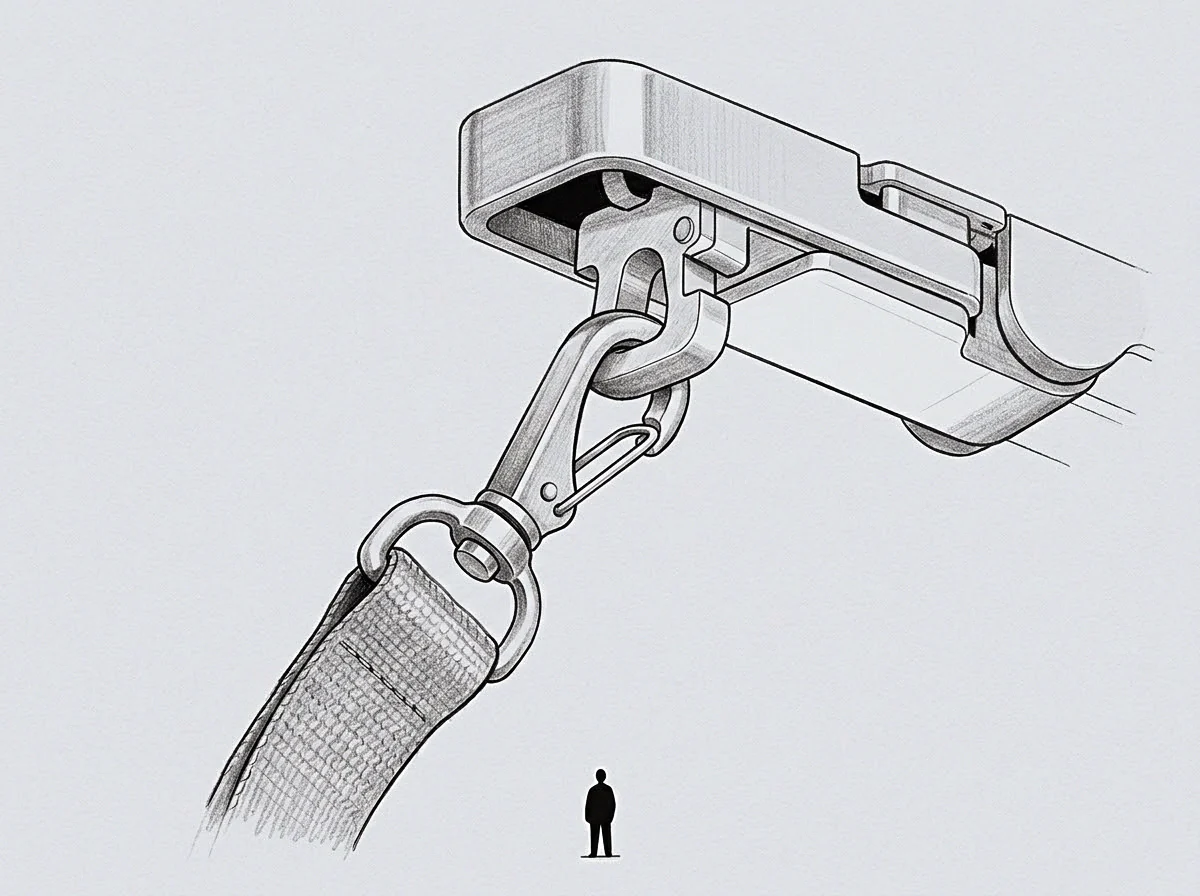
Executive availability expectations often serve as a delivery mechanism for baseline load transfer. Constant messaging, unannounced drop-in meetings, and late-night debrief sessions are rarely about strategic urgency; they are frequent pings designed to draw upon the anchor partner’s regulatory reserve. The distressed partner seeks physical or auditory contact to lower their own physiological arousal.
Borrowed calm disguises underlying structural deficits. By providing immediate, unthrottled access, the anchor partner enables the counter-principal to bypass the development of personal self-regulatory capacity. The partner consumes baseline capacity without compensation.
| Regulation Mode | Primary Physiological Mechanism | Operational Capacity Impact | Long Term Equity Risk |
|---|---|---|---|
| Isolated Self Regulation | High prefrontal cortex glucose consumption and elevated tonic sympathetic activation | Decreased daily decision throughput and premature strategic fatigue | Sudden operational withdrawal or individual executive exit |
| Asymmetric Coregulation | Unilateral offloading of autonomic threat response onto a steady principal | Unbounded baseline debt accumulation in the supporting principal | Invisible equity distortion and systemic burnout of anchor partner |
| Structural Co-Regulation | Shared baseline load anchored by clear governance terms and explicit boundaries | Stable decision velocity and predictable executive recovery windows | Long term retention of strategic leadership capacity across seats |
Equal equity distributions mask compounding physiological asymmetry when one partner silently finances the emotional stability of both seats.
Quantifying metabolic load requires examining the sequence of relational dependencies that develop over the life of an enterprise. The covert transfer of metabolic strain follows a predictable path from early operational enthusiasm to structural breakdown.
- The initial operational sprint demands continuous shared hours, masking underlying baseline discrepancies between equity principals.
- The destabilized principal begins transferring daily threat processing through constant unprompted communication channels.
- The anchor principal absorbs incoming volatility, sacrificing personal strategic headroom to maintain executive alignment.
- The cumulative metabolic asymmetry triggers systematic operational throttling across critical functional departments.
- The partnership breaks at the equity realization gate due to unacknowledged physiological debt.
Equity splits assume identical physiological capacity. The baseline principal bears the uncounted burden. Unprocessed volatility slows strategic decision velocity.
When metabolic capacity drains completely, the executive engine stalls despite strong commercial metrics.
Whether standard partnership equity vesting schedules can ever reflect the covert autonomic expenditures required to maintain leadership coherence remains an open question in corporate governance.

Throttling
When an executive principal reaches their absolute limit of metabolic load absorption, the nervous system enforces a safety threshold through operational throttling. Throttling is not a conscious choice or a tactical maneuver; it is an involuntary physiological protective response. The overloaded partner experiences a sharp contraction in cognitive headroom, emotional bandwidth, and social tolerance.
Tasks that previously required minimal energy, such as reviewing contracts, providing strategic feedback, or attending board meetings, suddenly feel impossibly expensive. The baseline principal begins to retreat, creating operational friction that puzzles outside observers.

Operational Friction as Metabolic Debt Realization
Operational deceleration protects remaining physiological headroom. The overloaded principal begins delaying decision approvals, ignoring communication channels, and missing strategic deadlines. This behavior represents a desperate attempt by the brain to shed extraneous computational load and protect core autonomic function.
The destabilized partner, accustomed to relying on the anchor partner for regulation, interprets this retreat as a threat or a breach of trust. The destabilized partner escalates pings and demands for alignment, which further accelerates the anchor partner’s physiological withdrawal. Strategic alignment breaks down rapidly under this dynamic.
A steady principal who continuously absorbs systemic volatility eventually limits firm growth to preserve basic autonomic function.

Cognitive Bandwidth Compression in Partner Systems
The systematic compression of cognitive bandwidth alters how executive teams evaluate risk and opportunity. An overloaded partner can no longer hold complex, multi-variable strategic models in active memory while simultaneously dampening relational volatility. Strategic decision-making becomes reactive, linear, and risk-averse.
The firm begins to miss market inflections because its leadership core is fully occupied with internal physiological stabilization rather than external competitive execution.
- Explicit operational boundaries context: Clear written agreements defining individual decision domains prevent constant real-time alignment pings across executive desks.
- Cap on emergency pings context: Stated limits on immediate response expectations force partners to process localized stress before escalating to the shared executive channel.
- Mandated recovery windows context: Scheduled periods of structural detachment allow the anchor principal to restore autonomic baseline capacity without equity penalty.
Capacity drops when baseline reserves drain. Silence becomes an active regulatory strategy. The system reaches its physiological ceiling.
A hard clause limiting asynchronous evening communication transfers the burden of self-soothing back to the originating partner, preserving the baseline capacity of the firm.

Upkeep
Updating the metabolic dynamic between equity partners requires transitioning from informal coregulation to explicit governance architecture. Intellectual insight into social baseline theory is insufficient to update an entrenched internal working model. Internal working models are physiological templates forged through repeated relational experiences under high threat conditions.
Updating these templates requires structured, repeated real-world interactions where boundaries are maintained and consequences are enforced without default emotional rescue. The anchor partner must step back from acting as an automatic regulatory buffer, forcing the counter-principal to build local self-regulatory mechanisms.

Restoring Balance Through Earned Security
Earned security within executive dynamics emerges when partners transition from a state of physiological dependence to a state of structural interdependence. In an interdependent partnership, each principal assumes full responsibility for their own autonomic baseline. Presence becomes a deliberate choice for strategic alignment rather than a desperate requirement for emotional stabilization.
When one partner experiences acute stress, the second partner offers support within clear, predefined structural boundaries, preventing unilateral metabolic load transfer. This boundary enforcement protects the baseline capacity of the firm while fostering genuine operational resilience in both principals.
Structural Governance for Metabolic Sustainability
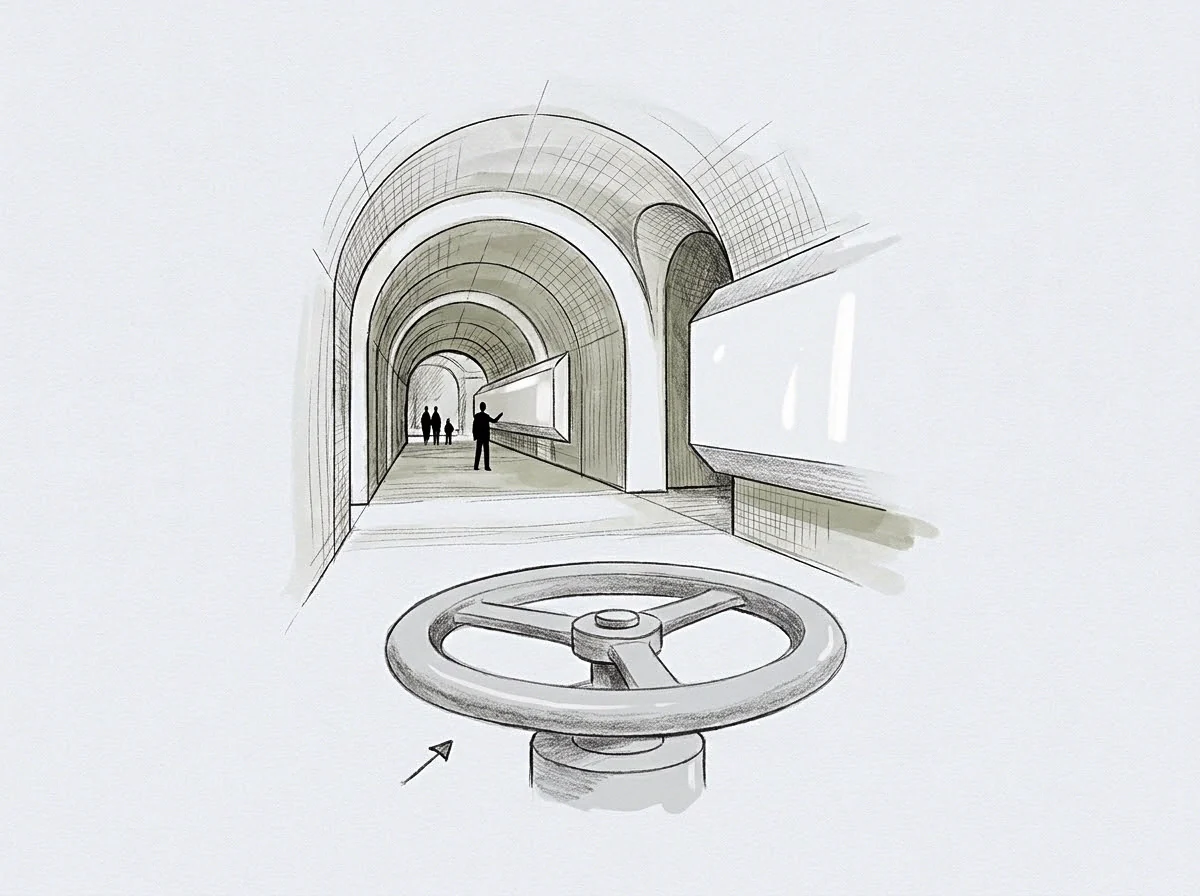
Long-term partnership sustainability depends on designing governance structures that account for human physiological limits. Executive teams must move beyond the naive assumption that stamina is infinite and emotional stability is free. Implementing explicit communication protocols, mandatory operational detachment periods, and clear domain autonomy creates a protective buffer around executive bandwidth.
Explicit governance preserves executive energy. Structural boundaries enforce autonomic recovery. Repeated experiences update internal working models.
By formalizing metabolic sustainability within partnership agreements, founding leadership secures both commercial viability and individual physiological baseline health.
Sustainable equity partnerships rely on structural boundaries rather than individual stamina to carry the metabolic weight of the enterprise.