
Evaluating Micro-Contingencies and Partner Headroom Requirements During Adult Template Rebuilding Under Operational Load
Rebuilding adult templates under operational load requires explicit micro-contingency protocols and partner headroom to lower metabolic threat monitoring costs.

Clock
Four system alerts arrive on a monitor while an internal messaging indicator lights up and goes dark. The clock reads two in the morning, and a co-founder’s availability status flips from active to away without a word. During periods of severe operational strain, the adult brain does not evaluate relational stability through formal agreements or shared history.
It evaluates stability through micro-contingencies, the sub-second cues of latency, tone, and presence that signal whether a co-regulating partner remains available under load.
When an adult working model of attachment undergoes structural rebuilding, these micro-signals carry amplified weight. An individual who developed an internal working model based on self-reliance operates with a high baseline expenditure of neural and physiological energy. Threat monitoring remains active continuously.
When operational stress elevates cortisol and heart rate variability falls, the brain searches for proximity to a reliable secondary baseline to offset metabolic expenditure. A delayed reply to a time-sensitive ping or a sharp tonal drop during a high-stakes call registers not as a minor logistical friction, but as a total drop in relational safety.
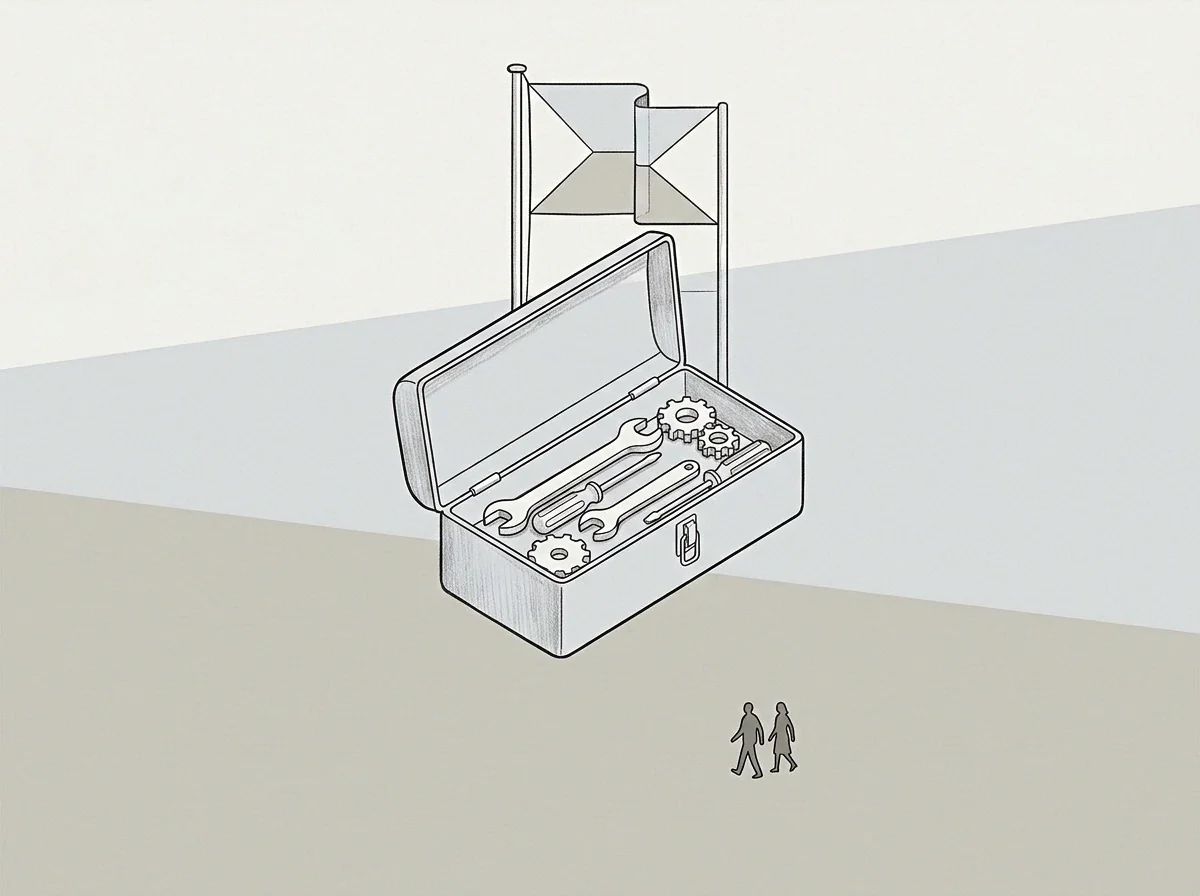
Operational Strain and Latency Signal Detection
The signal arrives late.
System performance under load relies on clear boundaries and predictable responses. When an operator attempts to update an ingrained adult template, the nervous system requires consistent, highly predictable micro-contingencies from a partner to lower its internal allostatic calculation. If a partner exhibits unpredictable latency during an operational crisis, the nervous system reverts instantly to its legacy template.
Self-preservation mechanisms take over, driving either total hyper-independence or disruptive hyper-vigilance.
Co-regulatory stability depends on micro-contingency predictability rather than shared intent during high-stress execution.
Consider a setup where two partners manage an enterprise transition over a six-month window. Partner A holds a legacy template that equates personal overload with immediate abandonment by others. Partner B maintains high operational velocity but routinely drops communication during deep work blocks without declaring an absence.
When Partner B goes dark for six hours during a critical system outage, Partner A experiences an allostatic spike. The metabolic cost of managing the outage alone triggers defensive isolation. Partner A pulls operational authority inward, revokes shared permissions, and stops sharing critical system state updates.
The operational damage stems directly from the micro-contingency failure, not from a lack of technical alignment.

The Mechanics of Micro-Pings
Micro-pings are the informal, low-friction checks performed throughout an operational cycle. They test whether the co-regulatory channel remains open. A short message acknowledging a update, a brief nod in a meeting, or a prompt status change before stepping away all serve as micro-contingencies.
They inform the partner’s nervous system that energy allocation can remain focused on the external task rather than internal threat monitoring.
The body registers the delay. When micro-pings fail repeatedly under load, the individual attempting to rebuild their internal template faces an unmanageable metabolic budget. They must fund both the heavy operational task and the constant internal monitoring of relational collapse.
The legacy template is re-anchored, reinforcing the belief that no reliable baseline exists outside the self.
The work continues on schedule, but the partnership channel has shifted into defensive isolation.

Headroom
Partner headroom defines the exact operational and metabolic capacity an individual retains after accounting for their own direct work demands. Social baseline theory establishes that human physiology assumes the presence of a reliable other to distribute threat monitoring and environmental adaptation costs. When a partner maintains sufficient headroom, their calm presence acts as an accessible external baseline.
Proximity to that baseline drops the subjective cost of operational load, lowering heart rate reactivity and conserving executive function for complex decision-making.
Capacity determines the cost. If a partner operates at ninety-nine percent of their personal capacity, their headroom vanishes. They possess no excess physiological bandwidth to offer co-regulation to anyone else.
In that state, even routine micro-pings from an overloaded founder register as invasive demands for caretaking, triggering defensive withdrawal or acute irritability.

Social Baseline Economy and Co-Regulatory Capacity
An operator rebuilding an adult template requires a partner who maintains explicit, uncommitted headroom. Borrowed calm is not a metaphor; it is a measurable transfer of physiological efficiency. When Partner A remains steady during a financial or operational emergency, Partner B can lean on that baseline state to regulate their own autonomic arousal.
This process conserves energy that would otherwise be consumed by baseline fight-or-flight responses.
Proximity to a steady co-regulator lowers autonomic arousal only when the co-regulator retains uncommitted capacity.
When headroom runs out across a team, co-regulation fails entirely. The system transforms into an array of isolated units, each incurring maximum metabolic expense to self-regulate while managing operational complexity. The resulting allostatic load accelerates exhaustion and distorts risk assessment across the organization.

Capacity Allocation Across High-Yield Threads
Evaluating headroom requires an explicit accounting of how operational and emotional demands consume an individual’s daily capacity. The failure to track headroom leads directly to predictable relational and operational breakages under pressure.
- Bandwidth Depletion occurs when a partner commits full intellectual and emotional energy to external tasks, leaving zero reserve capacity to absorb micro-contingency fluctuations from a co-founder during unexpected crises.
- Asymmetric Load Transfer happens when one partner repeatedly uses the other as a regulation baseline without verifying whether that partner holds the necessary headroom to process the incoming stress.
- Premature Channel Closure develops when a partner shuts down relational availability entirely to protect their own remaining energy, inadvertently triggering the other partner’s legacy abandonment templates.
- Reactive Spikes emerge when two partners with zero remaining headroom attempt to resolve operational friction, converting standard task misalignments into escalated relational threats.
When headroom requirements are ignored, partners misinterpret physiological exhaustion as personal incompatibility, destroying functional working arrangements that simply lacked capacity management.
Wire
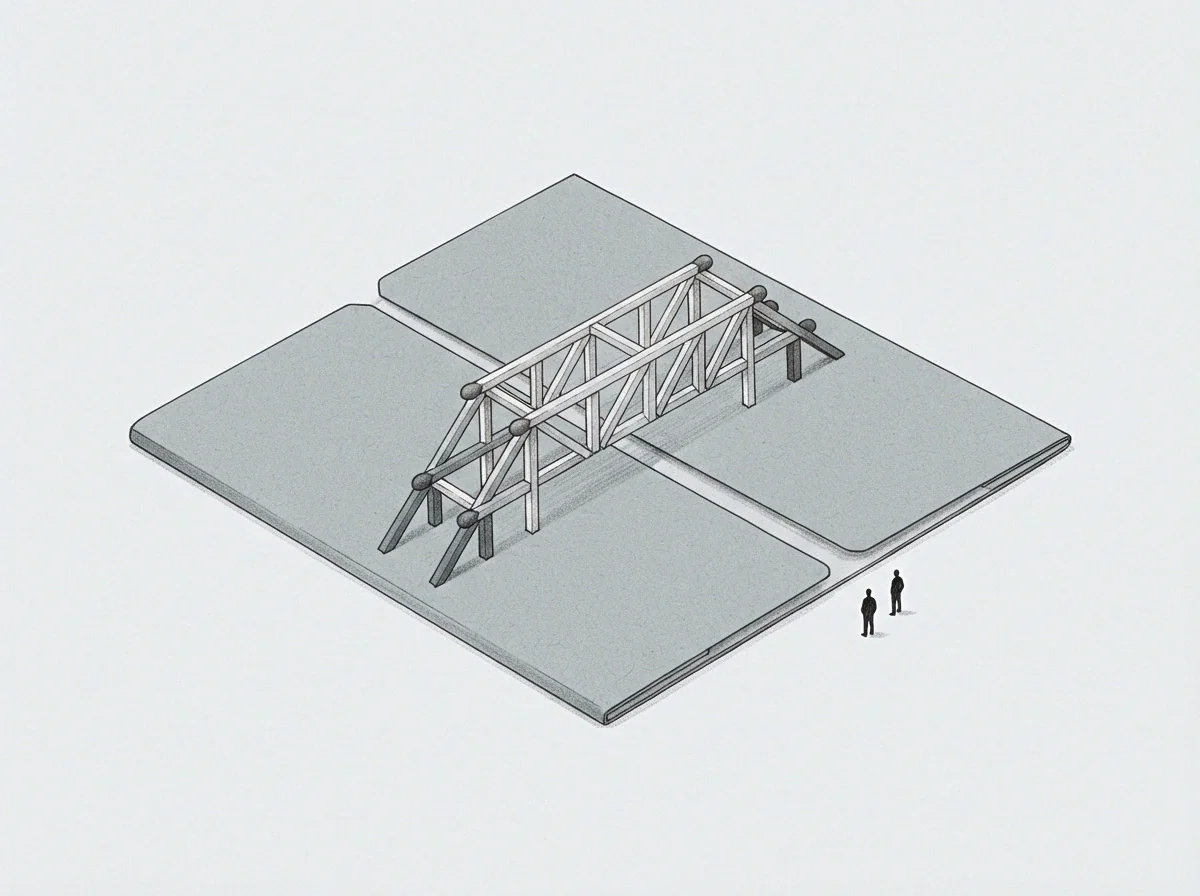
The physical and communicative coupling between partners acts as the wire through which regulatory signals travel. When operational load escalates, the fidelity of this wire determines whether micro-contingencies reach their destination clearly or arrive distorted by noise. Real-time signal clarity requires explicit protocols around availability, latency, and state transmission.
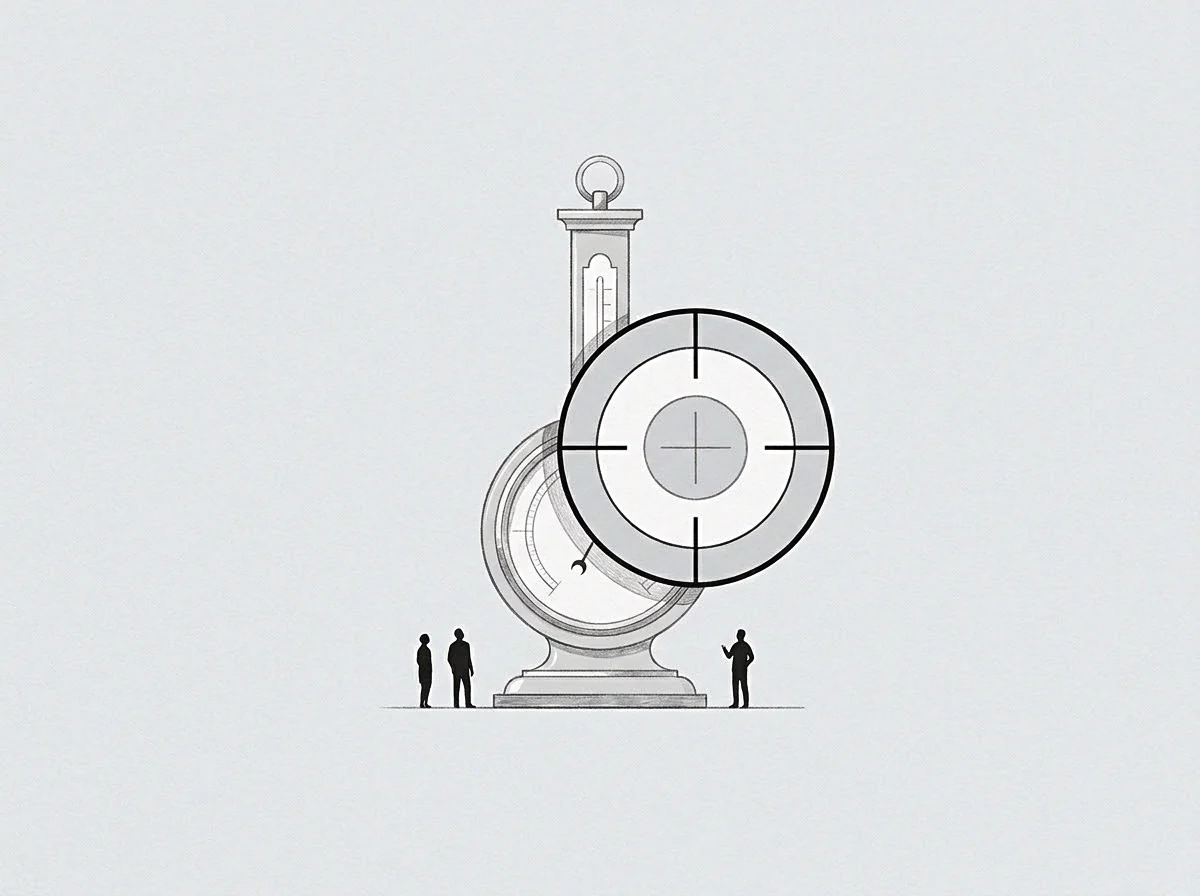
What keeps a micro-ping from escalating under stress?
Escalation occurs when a micro-ping carries ambiguous intent or meets an unexpected delay. To maintain signal fidelity under load, partners introduce brief, high-information state updates that remove ambiguity before latency registers as threat.
Silence carries weight. A partner stepping into a four-hour execution block transmits a single plain line stating the duration of non-availability and the exact time of the next return ping. This simple operational move decouples the partner’s temporary absence from any relational meaning.
The nervous system of the receiving partner reads the absence as a planned operational state rather than an unpredictable drop in co-regulatory safety.
The partner holds ground.

Coupling Mechanics and Latency Management
Coupling mechanics describe how tightly two individuals mirror each other’s physiological and cognitive states. High coupling allows rapid synchronization during execution, but without defined boundaries, it permits panic to propagate instantly across the partnership. Effective coupling requires variable impedance.
Partners tune their responsiveness based on current operational demands and available headroom.
Consider two executives managing a product launch failure. Executive A registers a critical infrastructure drop and enters an acute stress response. If Executive B instantly absorbs that acute stress state without damping it, both executives experience cognitive narrowing and rapid fatigue.
If Executive B maintains a decoupled, steady baseline state while acknowledging the operational severity, Executive B provides a stabilizing anchor. Executive A uses that external anchor to drop autonomic arousal back into a functional processing window.
Signal clarity across a high-stress partnership improves when partners explicitly state their operational availability before entering execution blocks.
This dynamic updates internal templates over time. By repeatedly experiencing acute operational stress while linked to a partner who remains grounded and responsive, the nervous system updates its working assumptions. It learns that high operational load does not inevitably lead to isolated panic or relational breakdown.
The delta over time between predicted catastrophe and actual co-regulated stabilization builds earned security in adult working models.
The explicit protocol agreement changes the default interpretation of silence from abandonment to scheduled execution.
Cost
Running a backward template imposes a severe allostatic price on an individual. A backward template develops when a person learns early in life to serve as the regulation baseline for others while never developing a functional receptor slot to receive regulation themselves. In adult operational environments, founders and senior leaders with this template routinely act as the unyielding anchor for entire organizations, executive teams, and business partners.
The slot remains empty. They absorb the stress of everyone around them while remaining physically incapable of accepting care, presence, or shared regulation from others. An offer of support from a partner is misread as an operational burden, an attempt at control, or a sign of personal failure.
Consequently, the leader pays full energy price for both self-regulation and the regulation of their environment, leading to rapid allostatic overload.
The Allostatic Price of the Backward Template
The human brain is not designed to operate as a one-way regulatory sink indefinitely. Absorbing external volatility while suppressing one’s own autonomic processing demands continuous metabolic expenditure. Glucose consumption in the prefrontal cortex remains elevated, baseline inflammation markers rise, and sleep architecture deteriorates.
Load changes the threshold. Over time, the capacity to process complex operational decisions drops sharply. The individual experiences a systemic narrowing of cognitive flexibility, misinterpreting neutral operational variances as acute threats to survival.
Evaluating Structural Regulation Models
Understanding the precise differences between regulation modes allows organizations and partners to identify the exact metabolic expenses involved in their current operating dynamic.
| Regulation Model | Metabolic Expenditure | Latency Sensitivity | Partner Headroom Required | Template Update Probability |
|---|---|---|---|---|
| Isolated Self-Regulation | Maximum continuous baseline draw | Zero (no reliance on external cues) | None | Zero (legacy template reinforced) |
| Co-Regulated Proximity | Low (threat monitoring shared) | High (micro-contingency dependent) | High (partner must hold spare capacity) | High (earned security developed) |
| Backward Template Sink | Extreme (funds self and partner) | Low for self, High for partner | Zero for self, Extreme for partner | Zero (receptor slot absent) |
Updating a backward template requires an individual to build a functional receptor slot under operational conditions. This process cannot occur through cognitive understanding alone. Insight into one’s attachment history changes nothing at the autonomic level.
The update happens exclusively through repeated, actual experiences where the individual exposes a real operational vulnerability, accepts a partner’s presence, and observes that catastrophe does not follow.
What structural mechanism allows an executive with an entrenched backward template to safely test opening a receptor slot without compromising their core business obligations under extreme load?
Hinge
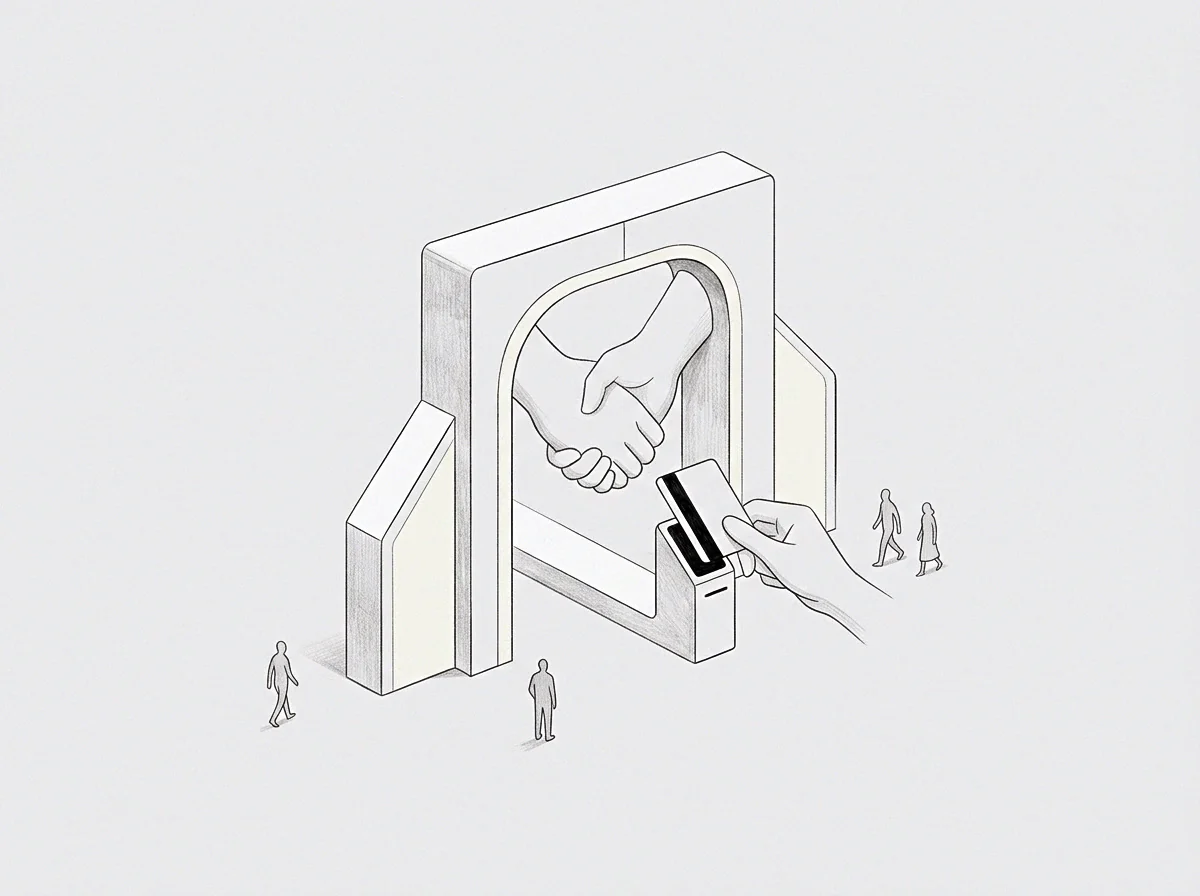
The hinge represents the specific operational transition where template rebuilding aligns with practical work protocols. Rebuilding an adult working model while managing continuous stress requires deliberate, low-risk structural moves rather than sudden emotional overhauls. The move relies on establishing precise micro-contingency rules, managing partner headroom, and gradually constructing a functional receptor slot.
The budget runs clear. Rather than demanding full relational transparency overnight, partners implement bounded, structured micro-interactions that build trust and lower allostatic load predictably.
Constructing the Second Template Under Load
Building a second template is an iterative process driven by real-world delta over time. Earned security develops when predicted relational failures fail to occur over hundreds of routine operational cycles. The target is not a perfect state of emotional harmony, but a functional, low-cost operating model that maintains business output while updating internal safety calculations.
Time reveals the delta. By establishing explicit agreements around latency, state communication, and headroom protection, partners establish a stable co-regulatory environment. The nervous system learns that it can rely on an external baseline without risking operational collapse or personal exposure.
Sequence of Structural Protocol Adjustments
Executing this shift requires a progressive sequence of actions designed to convert relational vulnerability into clear operational parameters.
- Establish daily state transparency pings that communicate current energy and headroom capacity using plain numerical ratings prior to strategic decision meetings.
- Define clear non-availability parameters during deep work blocks, specifying exact restart times to eliminate latency ambiguity for the receiving partner.
- Implement micro-contingency acknowledgement terms, where incoming operational messages receive immediate neutral receipt confirmations before deep processing begins.
- Set formal headroom preservation boundaries, limiting total daily high-yield decision hours to protect uncommitted capacity for co-regulation.
- Initiate controlled receptor slot tests by delegating single high-stress operational threads to a partner and deliberately refraining from shadow-monitoring the execution.
- Review monthly operational and relational performance using objective metrics to verify that shared regulation lowered total energy costs without reducing system output.
The baseline holds firm.
Relational stability increases as operational transparency replaces implicit emotional expectations.