
Rebuilding Neural Regulation Templates for Executives Facing Post Collapse Exhaustion
Post collapse exhaustion occurs when solo neural regulation depletes autonomic reserves, requiring secondary template construction through social baseline co regulation.

Room
Four communication channels remain active at midnight while an executive sits before a darkened screen. The capital allocation split was finalized three hours late, the head of engineering handed in a resignation at dinner, and the board requested an emergency financial model by sunrise. The room stays quiet.
The executive feels no acute panic, no sorrow, and no sudden spike of adrenaline. Instead, a flat, uniform weight covers every cognitive operation. A simple email reply demands five minutes of mechanical drafting.
Decisions that once took seconds now sit unresolved in open browser tabs, generating a quiet, continuous friction that drains whatever metabolic reserve remains.
This state is post collapse exhaustion. It occurs when the autonomic nervous system reaches the absolute ceiling of solo threat management. For years, the executive operated as the primary stabilizing engine for an entire enterprise.
Every erratic signal from investors, every interpersonal conflict between department leads, and every market contraction was buffered by the executive’s personal nervous system. The organization remained operational because one human body consistently absorbed the variance of hundreds of others. When that central body exhausts its capacity to regulate alone, the underlying template for managing stress breaks down entirely.
In standard organizational literature, this state is frequently mislabeled as motivational fatigue or loss of alignment. The actual event is physiological and structural. The brain, operating under sustained high allostatic load, systematically throttles neural output to protect basic metabolic survival.
Higher-order executive functions, including complex pattern matching, long-term strategic forecasting, and relational attunement, are gated off. The individual attempts to restore capacity using traditional recovery practices such as brief retreats, modified sleep schedules, or structured leave. These efforts fail because they treat the collapse as a simple battery depletion within an isolated self-regulating unit, rather than a failure of the internal neural architecture that governs regulation itself.
An executive who functions as the sole stabilizer in an organization absorbs the physiological debt of every unmanaged crisis around them.
When the internal baseline collapses, self-directed efforts at calm consume more energy than they produce. The act of sitting alone in a quiet space attempting to breathe deliberately forces the prefrontal cortex to recruit additional metabolic resources to suppress an overactive amygdala. In a state of post collapse exhaustion, those prefrontal resources are exhausted.
Forcing solo self-regulation upon a burned-out neural circuit worsens the depletion, locking the individual into a perpetual loop of unrecovered effort. The body holds the score.
Circuit
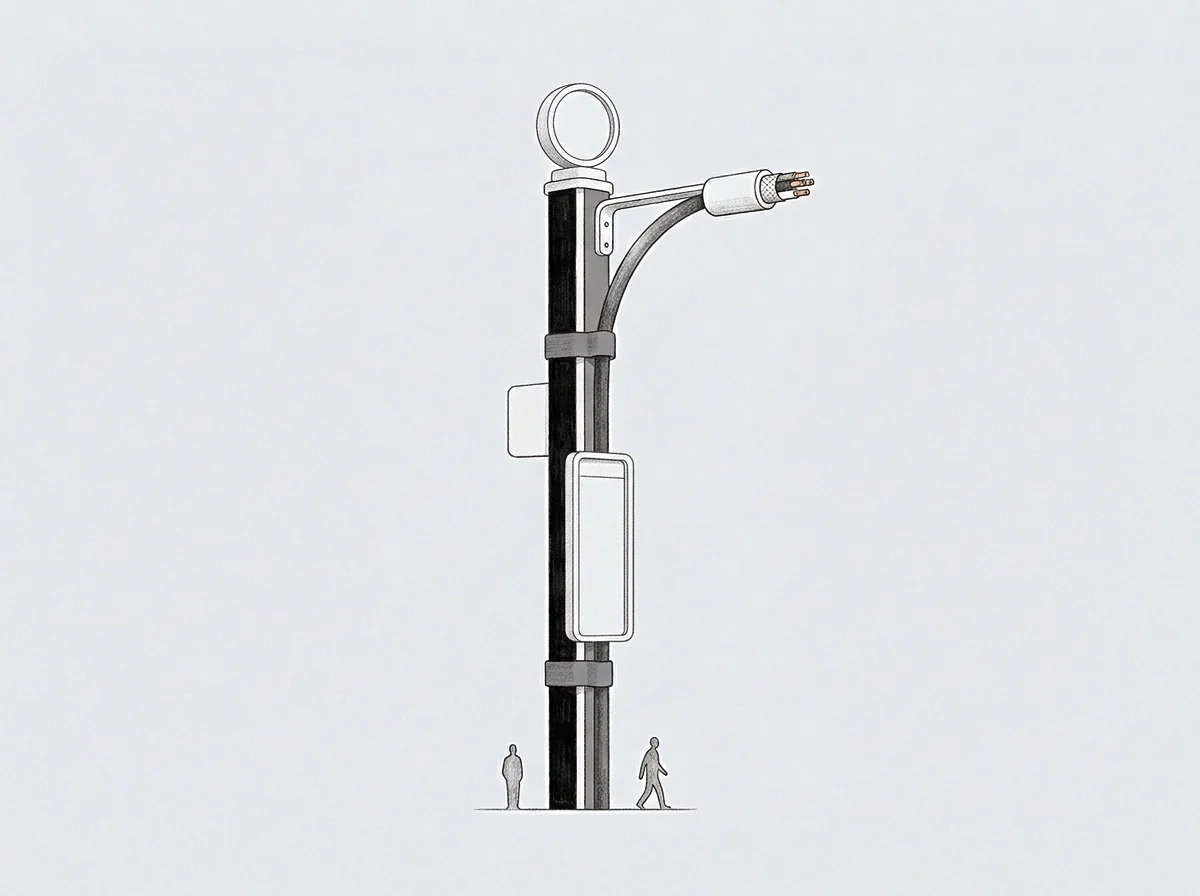
Human nervous systems are not built to maintain internal balance in complete isolation. According to social baseline theory, the human brain defaults to assuming immediate proximity to reliable, co-regulating conspecifics. When supportive social proximity is present, the brain offloads a significant portion of its threat monitoring and environmental calculation to the group.
The presence of a predictable, non-demanding other lowers the baseline metabolic cost of maintaining physiological stability. Self-regulation in isolation is not the natural default mode of the brain; it is the most expensive operational state known to mammalian biology.
When an executive steps into a leadership role, an inversion occurs. The organization treats the leader as the continuous source of stability. Rather than borrowing regulation from their environment, the executive acts as the regulatory anchor for everyone within their operational orbit.
Employees bring dysregulated emotional states, unhedged operational risks, and urgent demands into the leader’s office. The executive’s brain continuously performs co-regulation in reverse, lending its own physiological calm to stabilize the surrounding team. Proximity reduces neural expenditure.
Over multi-year horizons, this relentless outward export of regulatory effort depletes the leader’s baseline reserves.
When proximity to a predictable partner is maintained, the autonomic nervous system downregulates threat monitoring automatically.
The neural mechanics of this depletion follow a predictable cascade across the central and autonomic nervous systems:
- Vagal Brake Withdrawal reduces parasympathetic tone, locking the heart rate into a high baseline state that prevents deep physiological rest even during sleep.
- Sympathetic Hyper-Arousal maintains continuous low-grade cortisol release, causing systemic inflammation and destabilizing glucose regulation in deep brain structures.
- Prefrontal Atrophy Signals downregulate synaptic plasticity in the dorsolateral prefrontal cortex, impairing working memory and executive attention control.
- Default Mode Network Hyperconnectivity locks the mind into continuous internal rumination, rendering passive unstructured time intensely uncomfortable.
The cost accumulates quietly. Over time, the executive’s nervous system adapts by building an isolated neural regulation template. This internal working model operates on a single baseline premise: safety exists only when the individual maintains total control over all external variables without relying on external support.
The internal architecture adapts to view incoming offers of help or presence as potential sources of additional load rather than sources of relief. Consequently, when post collapse exhaustion hits, the executive finds it physically impossible to rest in the presence of others, creating a severe structural barrier to autonomic recovery.
What specific sensory cues trigger the brain to abandon solo threat monitoring when its primary template has been wired exclusively for total self-reliance?
Structure
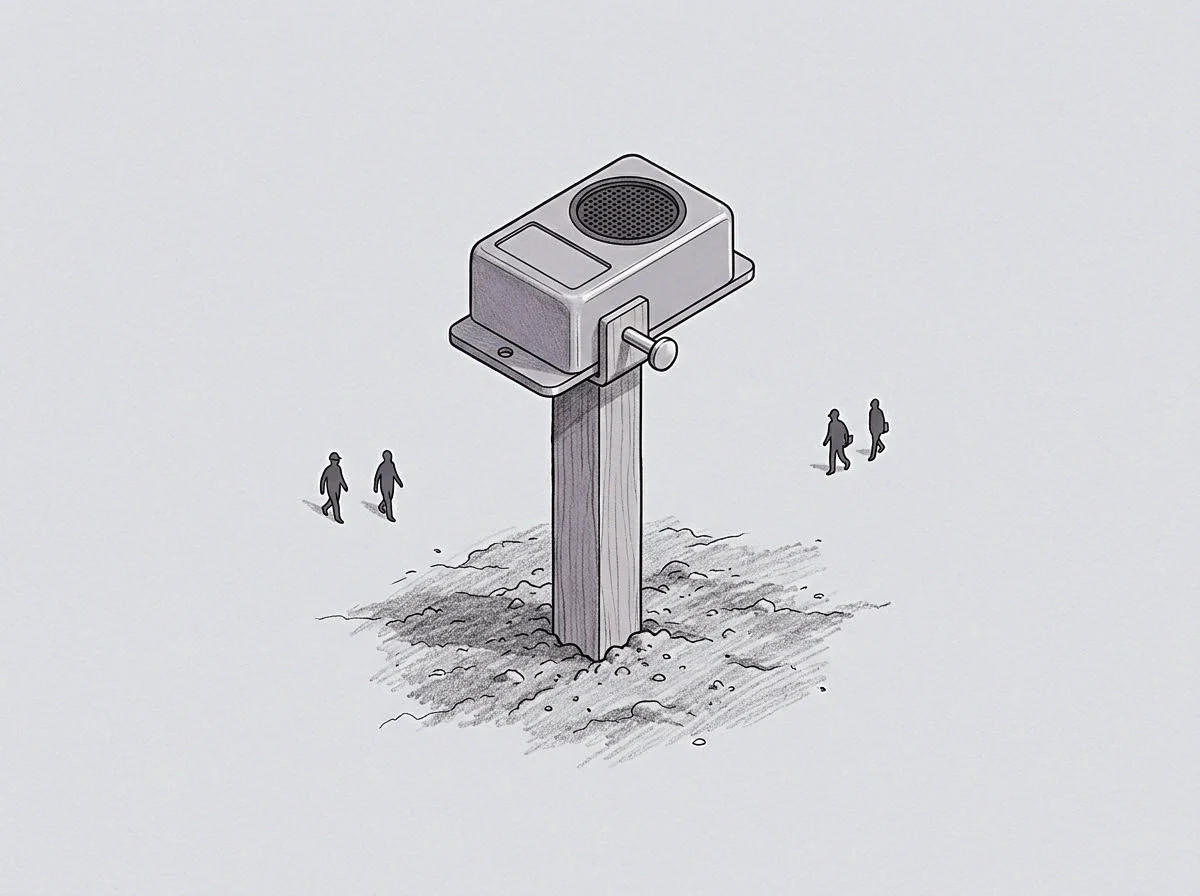
The primary barrier to recovering from post collapse exhaustion is the structural defect of the reverse regulator template. In childhood or early professional development, high-performing individuals often internalize an internal working model that equates vulnerability or reliance on others with immediate operational risk. They learn to regulate themselves by regulating the surrounding environment.
Over time, regulating the self and regulating the enterprise merge into a single unified circuit inside the brain. There is no distinct neural pathway reserved for receiving care; the receptor slot for borrowed regulation is entirely absent from the template.
When well-meaning partners, executive coaches, or board members offer support during a period of exhaustion, the reverse regulator template misinterprets the input. An offer of help arrives as an implicit demand to manage another person’s expectations, organize a handover, or explain a complex internal state. The executive’s brain reads the offer as an increase in cognitive and emotional load.
Metabolism drives neural load. The individual reflexively declines help, withdraws into isolation, and attempts to solve an autonomic collapse using the same solitary prefrontal control that generated the breakdown initially.
The structural difference between various regulatory modes highlights why standard self-help strategies consistently fail executives in post collapse exhaustion.
| Regulatory Mode | Primary Neural Mechanism | Metabolic Expenditure | Autonomic Baseline | Long-Term Viability |
|---|---|---|---|---|
| Isolated Self-Regulation | Active prefrontal suppression of threat circuitry | Extremely High | Sympathetic Dominance | Collapses under continuous load |
| Borrowed Co-Regulation | Passively shared physiological baseline with stable other | Minimal | Parasympathetic Activation | Indefinitely sustainable |
| Structural Offloading | Delegation of operational risk and decision boundaries | Moderate | Mixed Dynamic Range | Requires functional receptor slots |
Consider a typical operational situation involving an executive who built a software firm over six years. The executive operated without a chief operating officer, holding direct management over engineering, sales, and capital strategy. Every major operational dispute arrived directly at the executive’s desk.
When the market shifted and revenue contracted by thirty percent, the executive worked eighty-hour weeks for two consecutive quarters to stabilize cash flow. The enterprise survived, but the executive’s autonomic nervous system collapsed. The founder could no longer read complex financial reports without experiencing severe cognitive brain fog and rapid heart rate acceleration.
In an attempt to recover, the founder spent two weeks at an isolated rural retreat. The quiet environment provided zero external inputs, forcing the founder’s prefrontal cortex to work continuously to suppress the internal alarm signals generated by unmonitored operational open loops. The founder returned to work more autonomicly depleted than when the retreat began.
Isolation forces solo regulation. The failure occurred because the founder attempted to recover using an isolated self-regulation model inside a nervous system whose isolated regulation circuit was entirely burned out.
“We provided full space and complete isolation for two weeks, but the executive returned even more overwhelmed than before.”
Hand
Rebuilding a neural regulation template requires setting aside the assumption that self-regulation is an act of willpower or cognitive reframing. The brain updates its neural circuits through repeated sensory reality, not through analytical comprehension. To construct a new template capable of utilizing borrowed regulation, the executive must experience physical proximity to a stable, predictable, and non-demanding presence.
This process mirrors the developmental path through which infant nervous systems learn baseline security from responsive caregivers, a process developmental neuroscience terms earned security.
In an executive context, earned security is built through micro-interactions where the individual is present with another human who demands no performance, no explanation, and no emotional caretaking. A co-regulating presence can be a clinical professional trained in somatic autonomic balancing, a long-term peer who operates at an equal level of capability without competitive friction, or a partner who understands how to maintain a quiet, grounded physical state without offering verbal advice. The critical variable is the absolute absence of a demand signal.
When no demand signal is present, the executive’s threat monitoring networks can safely disengage.
Absence of an internal receptor slot causes external offers of support to register as cognitive intrusion.
How Do Neural Networks Shift Regulatory Priorities?
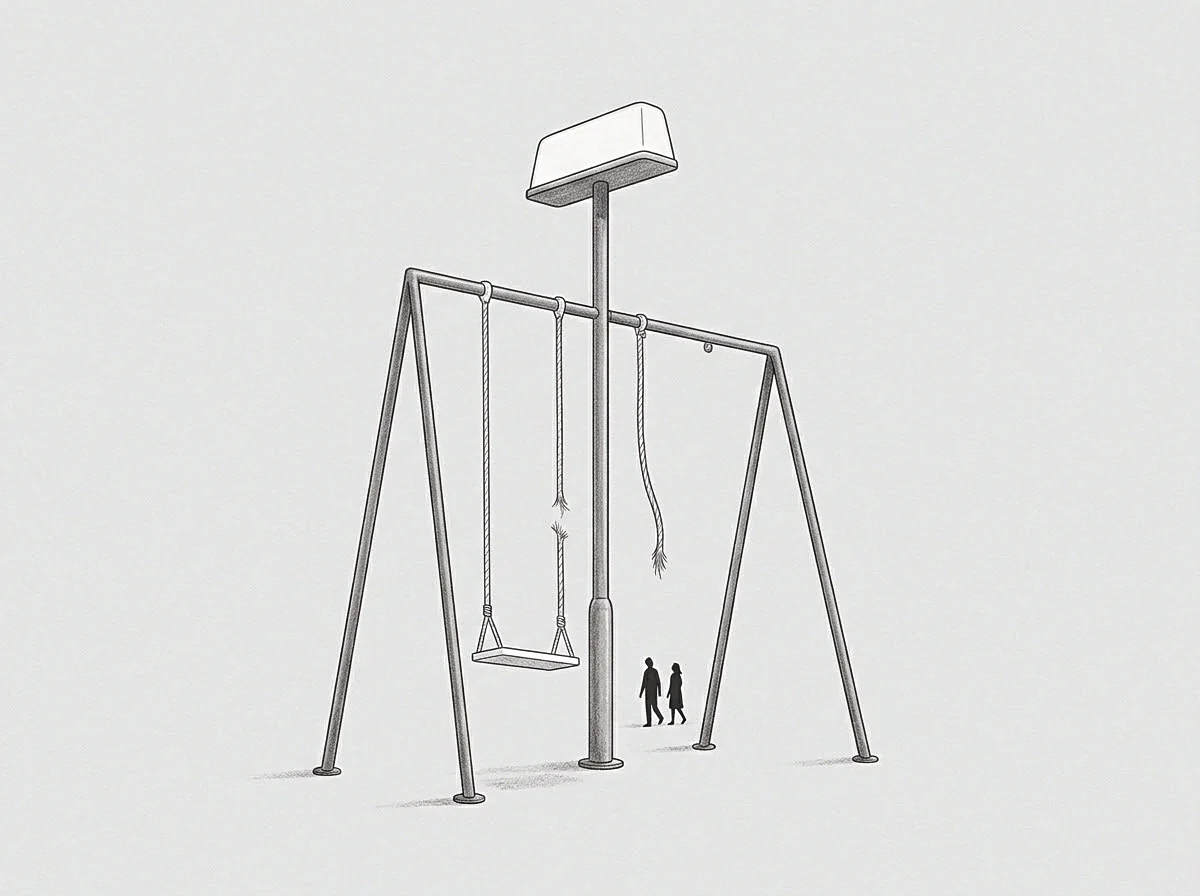
When a dysregulated executive sits in close physical proximity to a person whose autonomic nervous system is solidly anchored in parasympathetic dominance, subtle neurobiological entrainment occurs. Through visual cues, micro-facial expressions, respiratory patterns, and vocal tone, the dysregulated brain receives continuous sensory validation that the immediate environment is secure. The insular cortex and amygdala slowly reduce their alarm signaling.
The prefrontal cortex can finally step down its expensive top-down suppression effort. The ceiling arrives without warning.
This process relies on precise biological conditions to initiate template re-wiring:
- Predictable Physical Boundaries eliminate the cognitive overhead required to monitor environmental changes or unexpected social demands.
- Non-Verbal Attunement provides direct autonomic signaling of safety without engaging language processing or analytical overhead.
- Zero Responsibility Transmission ensures that the executive is not implicitly expected to stabilize, entertain, or guide the other party.
- Sustained Co-Presence Duration allows sufficient time for sympathetic nervous system arousal to naturally de-escalate below critical activation thresholds.
The signal remains unread. If the supporting party introduces unasked-for strategic advice, demands emotional disclosure, or displays personal anxiety during the interaction, the executive’s nervous system instantly reinstates its active prefrontal guard. Load shifts instantly.
The primary rule governing regulatory template reconstruction dictates that any input requiring processing effort from the exhausted party immediately converts a potential co-regulatory partner into a source of net metabolic drain.
The operational condition known as functional attunement converts physical proximity into measurable autonomic downregulation only when the supporting presence maintains an unshakeable, non-reactive physiological baseline.

Update
Updating an ingrained neural regulation template takes time. The brain built its isolated, solo-regulating architecture over decades of high-stakes performance and survival adaptation. It will not abandon that architecture based on a single theoretical realization or a brief period of structured rest.
Rebuilding requires establishing a secondary regulation circuit through disciplined, repeated exposure to low-cost co-regulatory environments while systematically reducing total allostatic exposure across the executive’s daily calendar.
The practical path to building this secondary template follows a precise five-stage operational sequence:
- Acknowledge Autonomic Ceiling by stopping all attempts to force productivity through caffeine, stimulants, or sheer cognitive effort when severe brain fog manifests.
- Establish Non-Demanding Proximity by scheduling regular time blocks spent alongside a stable, non-demanding individual without engaging in work-related dialogue or strategic problem-solving.
- Install Rigid External Boundaries by offloading calendar authority and communication triage to a capable third party to eliminate unpredictable threat pings.
- Expand Parasympathetic Receptors by engaging in low-intensity physical rhythms, such as structured walking in unstimulating natural settings, while keeping heart rate strictly within zone one.
- Consolidate Earned Security by gradually introducing moderate business decision-making back into the daily schedule only after parasympathetic recovery metrics stabilize across four consecutive weeks.
The baseline resets downwards. During this transition, the executive will experience significant internal pushback. The default mode network will generate anxious narratives claiming that stepping back from total environmental control will cause immediate organizational failure.
These narratives are not objective risk assessments; they are the defensive outputs of a threatened neural template attempting to preserve its familiar, albeit destructive, operational pattern. Recognizing these cognitive signals as structural artifacts of autonomic fatigue prevents the executive from acting on them.
Updating an internal working model depends on repeated non-demanding contact rather than analytical insight.
Over a six-to-twelve-month timeline, the continuous application of borrowed regulation alters the underlying neural topography. The brain constructs new synaptic pathways that recognize shared regulation as biologically safe and metabolically efficient. The secondary template matures.
The executive slowly regains the capacity to handle high levels of operational complexity, but with a fundamental structural difference. Decisions are no longer filtered through a solitary, high-cost prefrontal suppression circuit. The leader learns to operate within a wider social and organizational matrix, leveraging shared baseline regulation to buffer shock, process information, and preserve long-term cognitive endurance.
The secondary circuit opens slowly. Experience overrides intellectual understanding. The ultimate indicator of a fully updated neural template is not the total absence of stress under pressure.
It is the immediate, unforced capacity to accept grounded human presence, offload metabolic burden, and remain functionally open when the enterprise demands maximum performance.