
The Long Term Neural Adaptations That Prevent Secondary Regulator Templates From Replacing Primary Autonomic Enclosure
Subcortical survival circuits prevent secondary cognitive templates from replacing primary autonomic baselines because executive overrides degrade under acute metabolic load.
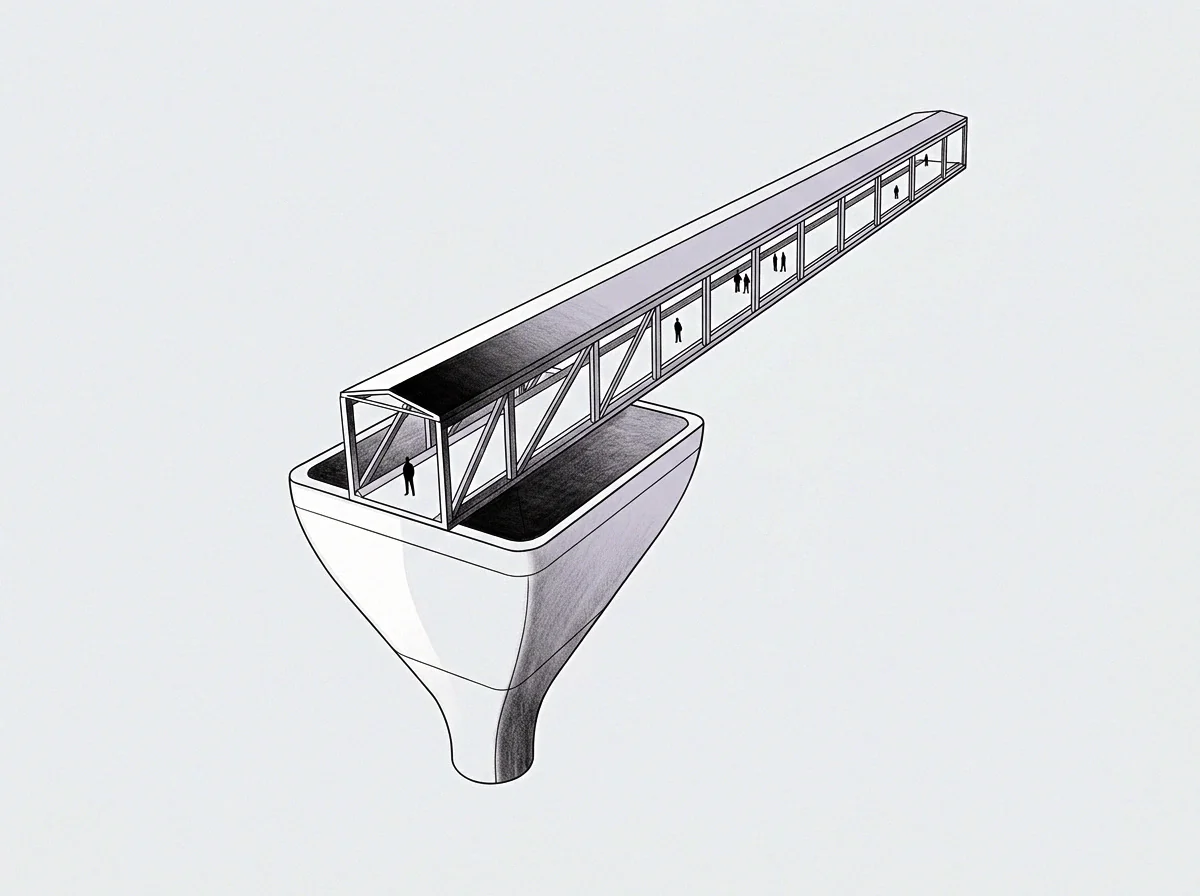
Pillar
Four distinct escalation alerts arrive on an operator’s terminal during a single hour of system instability, each demanding real-time cognitive evaluation while the person’s baseline physiological reserve sits at capacity. The body responds not through the clean procedural checklists learned during quiet executive training, but through visceral muscle constriction, shallow thoracic breathing, and rapid focal narrowing. Long after the operator learns explicit protocols for down-regulating anxiety, the subcortical nervous system continues to run its original autonomic patterns under threat.
The secondary template, acquired late in development through conscious practice, sits over an early-formed biological baseline like a shallow layer of topsoil over granite bedrock.
The distinction between primary autonomic enclosure and a secondary regulator template turns on structural origin and neural speed. Primary autonomic enclosure forms during early developmental windows through direct autonomic co-regulation with primary caregivers. This early architecture establishes the baseline setpoints for the myelinated vagal brake, hypothalamic-pituitary-adrenal axis responsiveness, and ambient threat detection.
A secondary regulator template emerges later in life as a cognitive construct. It comprises learned breathing exercises, deliberate cognitive reappraisal strategies, executive self-monitoring routines, or operational containment habits developed inside high-demand environments. While secondary templates allow an individual to simulate emotional stability or maintain operational execution under moderate friction, they do not possess the structural subcortical wiring required to override or replace primary autonomic enclosure when physiological survival circuits activate.
When external pressure crosses a critical threshold, executive control recedes. The brain reallocates metabolic resources away from prefrontal networks toward subcortical structures responsible for rapid survival mobilization. In these moments, the secondary template drops away instantly, exposing the unchanged primary enclosure underneath.
An operator who appears composed during routine operations may experience sudden autonomic flooding, profound relational withdrawal, or explosive sympathetic hyperarousal when unexpected system failure strikes. The secondary template functions as a temporary operational overlay rather than an architectural replacement.
| Structural Criterion | Primary Autonomic Enclosure | Secondary Regulator Template |
|---|---|---|
| Anatomical Substrate | Brainstem nuclei, unmyelinated and myelinated vagal circuits, amygdalar circuits | Prefrontal cortex, dorsal anterior cingulate cortex, explicit memory networks |
| Developmental Window | Early infant and childhood attachment periods | Adulthood, professional training, explicit skill acquisition |
| Activation Latency | Milliseconds, preceding conscious awareness | Hundreds of milliseconds, requiring executive intent |
| Metabolic Cost Under Load | Low metabolic cost, default operational baseline | High metabolic cost, degrades rapidly during fatigue |
| Relational Requirement | Anchored in direct biological co-regulation and proximity | Designed for isolated self-management and cognitive control |
| Adaptation Path | Updated through repeated somatic co-regulation over time | Acquired through instruction, reflection, and deliberate practice |
Operational reliance on cognitive self-soothing during acute crisis reveals the structural limit of secondary overlays. The subcortical nodes that govern heart rate variability and peripheral vascular tone operate entirely outside the direct voluntary reach of prefrontal commands. When survival pathways fire, secondary routines act as peripheral suggestions rather than structural commands.
An organization that mistake an operator’s explicit composure for deep autonomic resilience eventually hits the boundary where secondary routines collapse entirely.
A secondary template manages moderate friction, but primary baseline enclosure dictates survival under extreme load.
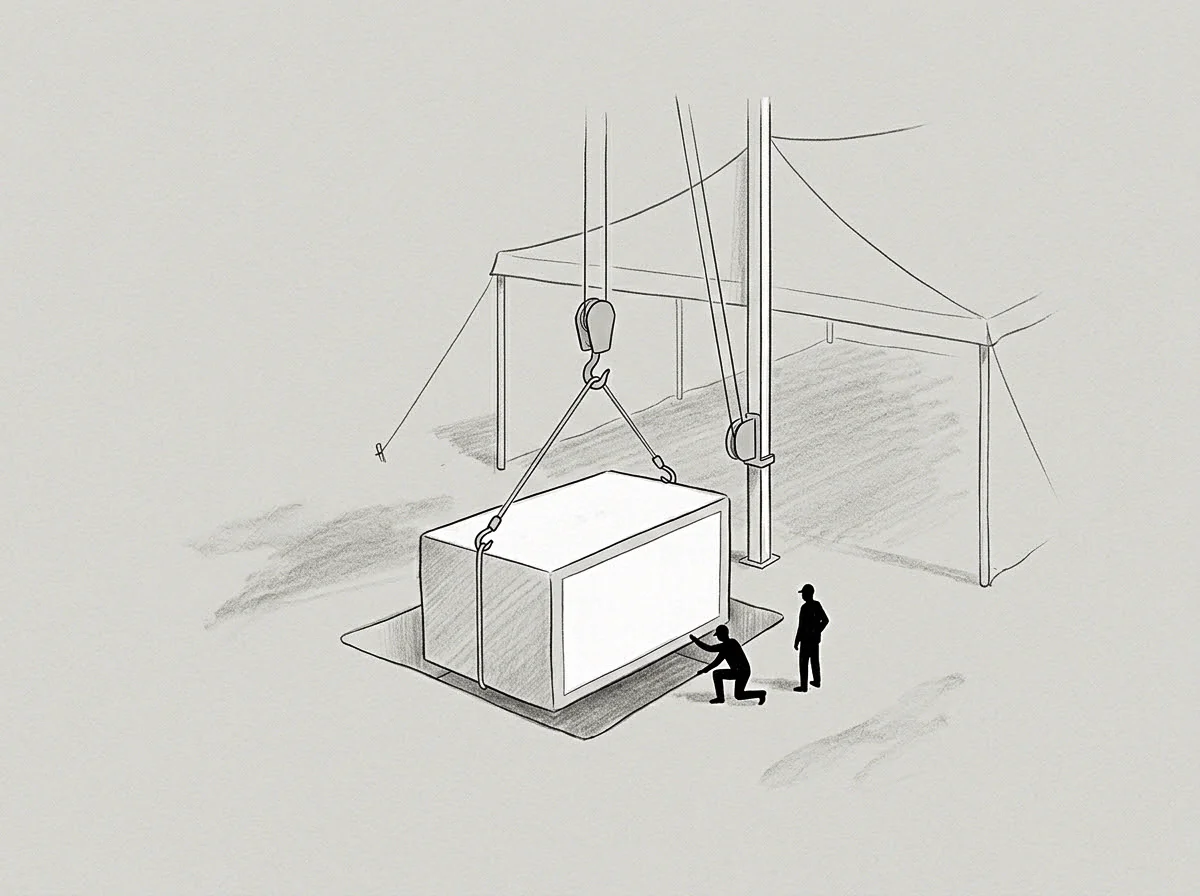
Substrate
Subcortical survival circuits preserve their structural dominance through early-forming neural pathways that lock primary autonomic responses into place. During early developmental periods, the unmyelinated and myelinated pathways of the vagus nerve undergo rapid structural consolidation based on the emotional environment provided by primary attachment figures. Neuronal arborization, synaptic density in the nucleus tractus solitarius, and baseline sensitivity of the basolateral amygdala organize to reflect the relative safety or threat of that early environment.
These early adaptations form an enduring physiological container that dictates how the nervous system calculates metabolic risk and regulates physiological arousal.
Top-down prefrontal pathways construct secondary regulation routines much later in life, relying primarily on glutamatergic projections from the ventromedial prefrontal cortex to the intercalated cell masses of the amygdala. These cortical projections permit explicit cognitive reappraisal, deliberate motor suppression, and procedural self-calming routines. The axonal conduction velocities of these high-order cortical loops remain significantly slower than the dense, direct monosynaptic pathways linking subcortical sensory threat detectors directly to the brainstem and autonomic motor output centers.
In conditions of rapid threat detection, the subcortical circuit fires long before the prefrontal overlay can generate an inhibitory signal.
Secondary cognitive strategies fail to alter subcortical baseline setpoints because prefrontal inhibitory signals lack the structural speed and neuroendocrine authority of primary autonomic pathways.
The neuroendocrine cascade further solidifies this architectural hierarchy. Acute threat activates the locus coeruleus norepinephrine system and triggers rapid hypothalamic release of corticotropin-releasing hormone, initiating systemic corticosteroid discharge. High systemic cortisol concentrations alter neural firing patterns across the brain, temporarily impairing prefrontal cortical function while simultaneously enhancing subcortical amygdalar processing.
This physiological shift systematically offline the very cortical infrastructure required to run secondary regulator templates. The nervous system intentionally disengages top-down executive overrides during survival events to ensure unhindered, primitive defensive actions.

Subcortical Priority and Cortical Degradation
Structural constraints prevent secondary cognitive overlays from replacing early autonomic baselines. Synaptic pruning during late adolescence stabilizes high-order executive networks, but it leaves early subcortical survival templates intact. The primary autonomic container remains the foundational circuit against which all ambient energy expenditures are calculated.
When an individual attempts to substitute explicit mental strategies for deep somatic regulation, the brain experiences an ongoing metabolic toll. The continuous recruitment of prefrontal networks to manually down-regulate subcortical arousal consumes glucose and glycogen at unsustainable rates.
Long-term biological costs accumulate when an individual continually relies on cognitive effort to mask autonomic dysregulation. Persistent activation of prefrontal inhibitory pathways without underlying somatic recalibration leads to executive exhaustion, persistent sleep architecture fragmentation, and elevated baseline systemic inflammation. The primary autonomic baseline continue to emit low-grade threat signals despite explicit mental affirmations of safety, maintaining a state of chronic physiological wear.
Attempting to govern early subcortical survival architecture through sheer executive effort guarantees systemic neural exhaustion and eventual autonomic breakdown.
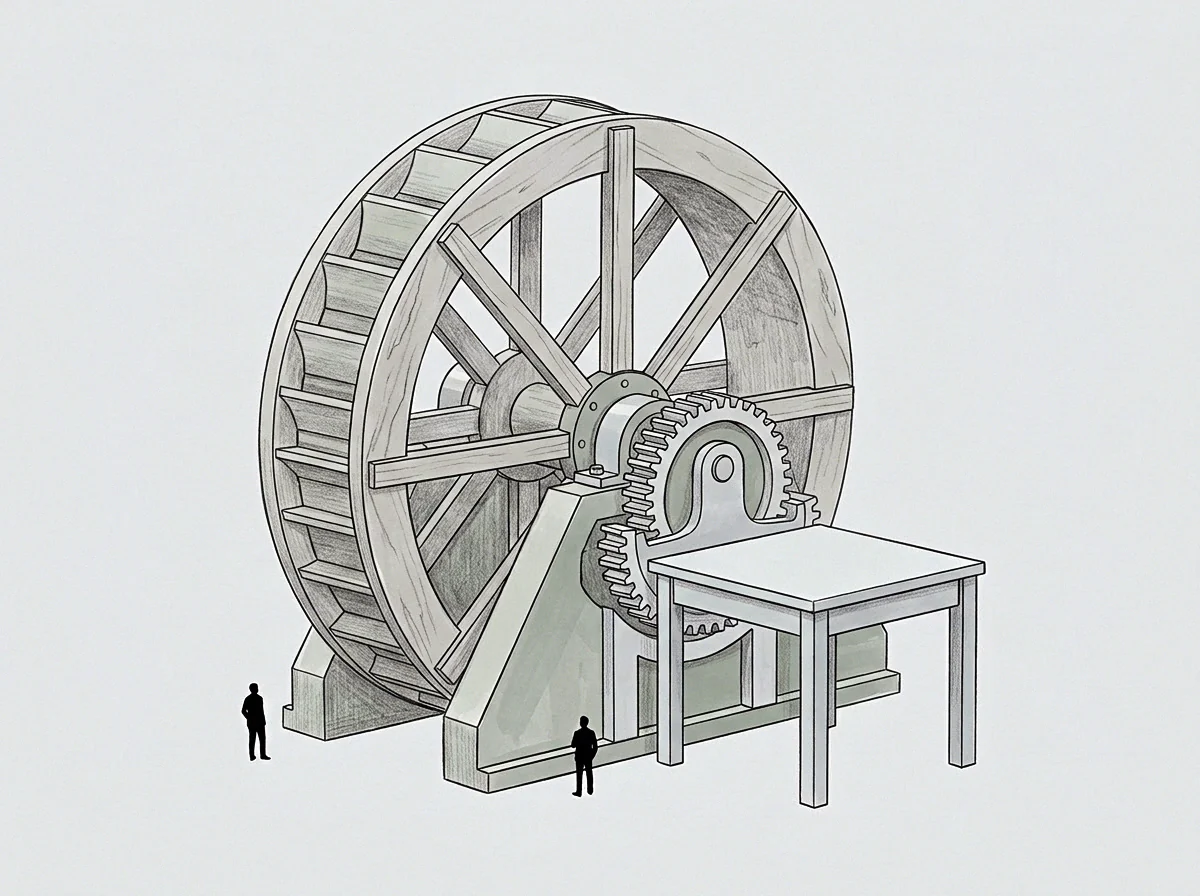
Ceiling
Consider an owner who led an enterprise through three years of persistent market contraction without establishing formal co-regulatory support or structural limits on availability. The person managed mounting uncertainty through secondary regulator templates: strict cognitive scheduling, explicit biofeedback breathing protocols, deliberate somatic tracking, and disciplined intellectual framing. For two years, these secondary templates successfully masked an underlying primary autonomic enclosure configured for chronic hypervigilance.
The owner appeared stable to partners, staff, and external observers, maintaining an even cadence during operational friction.
Pressure escalated when a primary debt facility defaulted simultaneously with a key operational partner’s resignation. In that window, total incoming operational demand crossed the owner’s allostatic capacity limit. The metabolic cost of sustaining prefrontal executive control surpassed the brain’s available energetic reserves.
Within hours, the secondary regulator template dissolved completely. The underlying primary enclosure reasserted control through overwhelming sympathetic fight-or-flight dynamics, followed rapidly by dorsal vagal immobilization. The owner could no longer process routine emails, experienced severe motor fatigue, and instinctively cut off communication with key stakeholders.
When total incoming threat load exceeds prefrontal metabolic capacity, secondary regulatory overlays dissolve instantly, exposing the early autonomic baseline.
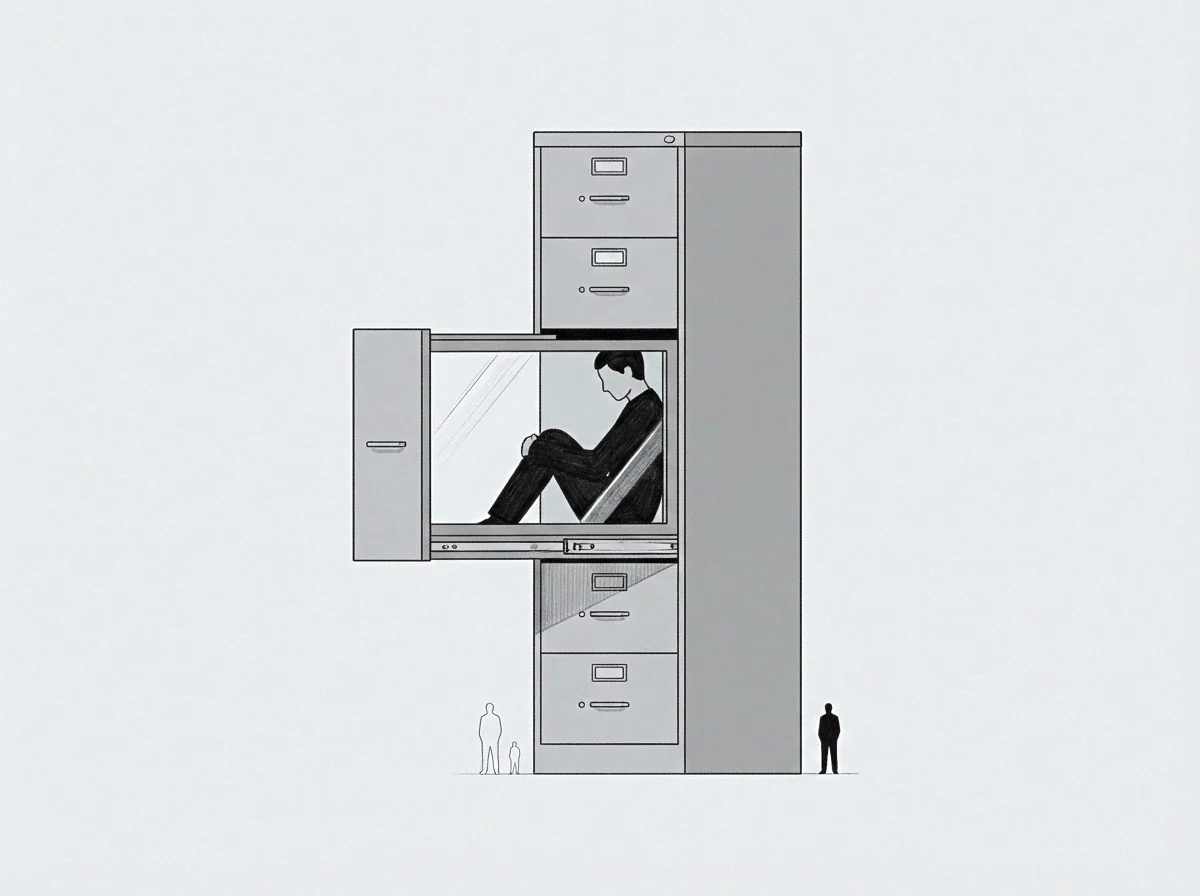
Why Does Cognitive Overriding Fail Under Sustained Threat?
Cognitive control requires continuous metabolic expenditure, whereas primary autonomic enclosure functions as an automatic, low-cost baseline engine. Under persistent or compound threat, the central executive network experiences severe functional depletion. The anterior cingulate cortex can no longer maintain the energetic output required to send inhibitory signals down to the autonomic brainstem nuclei.
At this junction, the primary autonomic system reclaims total operational control to preserve basic biological functions, disregarding secondary goals or acquired behavioral routines.
The transition from secondary template control back to primary baseline enclosure follows a predictable physiological sequence during sustained systemic overload:
- Prefrontal glucose depletion reduces inhibitory signaling from the ventromedial prefrontal cortex to subcortical threat centers.
- Basolateral amygdala reactivity increases, triggering uninhibited sympathetic chain ganglion firing and neuroendocrine activation.
- Secondary procedural routines, including deliberate breathing and cognitive reframing, fail to alter rising heart rate and vascular constriction.
- Systemic fatigue forces the autonomic nervous system into dorsal vagal immobilization to conserve basic cellular survival resources.
The failure of secondary templates under extreme load leaves unresolved whether an individual can ever build an executive overlay strong enough to withstand indefinite environmental friction without underlying somatic recalibration.

Proximity
Social baseline theory establishes that the human brain does not treat self-regulation as its default or most efficient operational state. The brain budgets threat detection, metabolic management, and emotional regulation under the structural assumption that reliable, responsive co-regulatory partners are physically accessible. When an individual is supported by a trusted co-regulator, neural load is distributed across both organisms.
Threat detection activity in the dorsal anterior cingulate cortex and anterior insula drops significantly, lowering the metabolic cost of maintaining internal stability. Proximity to a stable presence reduces the body’s baseline physiological expenditure.
Secondary regulator templates are almost exclusively engineered as isolated, internal operations. Modern professional environments encourage individuals to construct self-contained cognitive machinery to manage stress without burdening others. This reliance on isolated self-regulation forces the brain into its most expensive operational mode.
Running a secondary regulation overlay in complete isolation requires continuous prefrontal expenditure, treating the absence of co-regulatory proximity as a permanent environmental risk factor.
Self-regulation in total isolation represents the brain’s most expensive metabolic mode, whereas relational co-regulation provides immediate physiological load reduction.
When an individual who functions as the primary stability baseline for an organization attempts to regulate their own nervous system using secondary templates, a structural imbalance occurs. Other team members instinctively attach to the baseline person’s apparent calm, borrowing regulation from them. The baseline person absorbs the incoming nervous system load of the group while relying entirely on explicit, high-cost cognitive templates to maintain their own internal posture.
The baseline person pays for the entire group’s physiological equilibrium out of their own declining reserve.
- Borrowed calm consumption occurs when surrounding individuals absorb an operator’s outward composure to steady their own autonomic setpoints while offering no reciprocal physiological co-regulation.
- Isolation tax escalation develops as the brain interprets continuous solitary regulation as evidence of environmental risk, automatically elevating baseline cortisol and sympathetic tone.
- Receptor slot absence describes the structural incapacity of a secondary regulator template to accept presence or support from another person, treating incoming relational presence as an operational anomaly or an additional threat.
- Relational load transfer happens when a steady regulator absorbs the uncontained emotional and physiological turbulence of key partners without a mechanism to discharge the incoming energy.
A partner observing an operator reliant on secondary templates notices the structural distance long before operational failure occurs. The partner senses that the operator’s calm is maintained through intense mental control rather than genuine somatic ease. The offer of physical presence or shared burden fails to register with the operator, landing against an explicit secondary wall designed for total self-reliance.
The person stated that everything was managed, but their posture remained entirely rigid when support was offered.
Latch
Long-term neural adaptations that alter primary autonomic enclosure do not occur through explicit cognitive learning, intellectual insight, or the adoption of secondary templates. Primary subcortical architecture updates exclusively through repeated, low-threat somatic experiences that directly engage early vagal and emotional circuitry. Earned security represents the structural recalibration of this primary baseline.
It occurs when an individual with an insecure or hypervigilant primary enclosure experiences sustained, reliable co-regulation over prolonged periods, slowly rewiring subcortical setpoints for threat and safety.
Updating primary autonomic enclosure requires moving beyond secondary overlays to establish a second primary template. This process cannot be rushed through intense executive effort or conceptual understanding. The subcortical nervous system alters its baseline assumptions only after accumulating hundreds of hours of real-time somatic evidence that environmental threat has dropped and co-regulatory support is enduringly accessible.
The delta over time between cognitive insight and neural adaptation reflects the slow pace of structural myelination and subcortical synaptic remodeling.
Earned security forms through repeated, low-threat co-regulatory experiences over time, never through the intellectual adoption of a secondary template.
The transition from a secondary template overlay to an updated primary autonomic enclosure follows a specific, non-negotiable sequence of somatic recalibration:
- Recognition of secondary template exhaustion during moderate operational friction.
- Deliberate reduction of isolated executive self-regulation efforts in favor of physical proximity to reliable co-regulatory partners.
- Tolerating initial visceral vulnerability when subcortical survival circuits fire in low-threat relational environments.
- Accumulation of repeated somatic experiences where physiological distress is met with immediate, non-punitive relational stability.
- Gradual subcortical remodeling of the myelinated vagal brake, lowering baseline sympathetic tone and restoring resting heart rate variability.
When an individual establishes a genuine update to their primary autonomic enclosure through earned security, the fundamental threshold for allostatic overload permanently elevates, rendering secondary cognitive overrides largely obsolete during routine operational stress.