
Rebuilding Node Regulatory Responsibility When Historical Escalation Channels Are Closed Permanently
When escalation channels close permanently, local nodes rebuild regulatory capacity by replacing borrowed stability with explicit containment limits.
Seat
Four system alerts flashed simultaneously across an operator console at midnight on a Thursday, but the button that previously transferred critical exceptions to central authority returned a standard null response. The parent organization had shuttered its central escalation group twelve hours earlier without updating local authorization parameters. An operational crisis that previously traveled up a defined chain of command now remained stationary at the local level.
Upstream backstops dissolved.
When an operational structure eliminates higher-level appeal channels, the regional node experiences an immediate shift in threat budgeting. Under ordinary conditions, human baseline regulation operates on an assumption of shared load: the human brain registers the presence of a reliable external authority as an immediate reduction in local energy requirements. When higher authority is reachable, local baseline stress stays low because the cognitive cost of potential failure is offloaded to the secondary tier.
The permanent closure of those channels forces the local node to absorb the full baseline energy cost of every incoming anomaly.

The Enclosure of Operational Threat
The queue stopped pinging. An incoming operational breach remains at the boundary when upward routing fails. Under social baseline theory, the brain conserves metabolic resources by treating nearby supportive entities as extensions of its own regulatory capacity.
When escalation pathways vanish, the brain recalculates threat proximity without that external buffer. The local operator experiences this shift as a sudden elevation in baseline vigilance, because every decision carries finality.
In distributed operational environments, central backstops often function as quiet regulatory crutches. Local teams maintain the appearance of operational autonomy while relying on central teams to handle tail-risk events. When those central desks close, the local node loses access to borrowed regulation, which is the process where a lower-tier operator regulates their own physiological state against the perceived stability of a higher-tier entity.
Without this mechanism, local operational errors cannot be transferred, hidden, or deferred.
A node that absorbs incoming operational risk without an upstream buffer doubles its baseline threat expenditure within hours.
Physiological Costs of Isolated Decision Making
An operator sitting alone with final authority experiences rapid expenditure of baseline metabolic reserves. Laboratory evaluations of heart rate variability and cortisol output confirm that individuals facing complex choices without escalation safety nets enter sustained sympathetic arousal. Threat stayed local.
This metabolic elevation is not a psychological reaction to workload. It is the physiological cost of carrying un-delegated accountability.
When external escalation channels close permanently, nodes that attempt to maintain pre-closure decision speeds enter chronic metabolic deficit. The attempt to process every local variance without a higher-level buffer depletes working memory, narrows attention, and degrades risk assessment over consecutive shifts. Continued operation under these conditions without structural adaptation leads directly to operational paralysis, high error rates, and localized systemic breakdown.
Relay
Signal processing across severed organizational pathways requires a fundamental structural redesign. Historically, a local node operated as a simple relay station: it identified exceptions, gathered initial diagnostic information, and transmitted complex threats upward to specialized teams. Once those upward relays vanish permanently, the node can no longer function as a passive conduit.
The local unit must become a self-contained regulatory center capable of absorbing, analyzing, and resolving anomalies at the point of impact.
The transition from a relay model to an autonomous model creates severe operational friction. Nodes previously optimized for rapid handoff frequently lack the internal working mechanisms necessary to settle contested decisions. When escalation terminates, the team dynamic changes immediately from signal transmission to local threat containment.

Disruption of Borrowed Calm in Distributed Networks
Central escalation desks provide more than technical resolution; they export physiological stability downward through the network. When a local operator encounters a high-stakes failure, the ability to transfer the ticket restores baseline regulatory balance to the local node. The central authority acts as a primary stabilization node, allowing satellite units to operate with low internal baseline capacity.
The board recorded silence.
Once those central channels close, satellite units lose their primary source of external stabilization. No higher node answered. Without an explicit replacement for this regulatory stabilizing force, peer-to-step interactions within the local node deteriorate under pressure.
Interpersonal friction increases, decision latency lengthens, and minor operational disagreements escalate into localized impasses because no participant possesses the structural authority or internal calm to settle the dispute.
Severing an escalation pathway transforms every unresolved system exception into a direct charge against local processing capacity.
Structural Failure Modes of Severed Upstream Escalation
Nodes adapting to the permanent loss of historical escalation channels routinely collapse into specific operational failure patterns. These breakdown modes stem directly from trying to run historical relay protocols within isolated node architectures.
- Uncontained threat accumulation occurs when a local operator identifies a critical anomaly but lacks both escalation channels and local resolution authority, causing unprocessed risk to sit active in the system indefinitely.
- Regulatory exhaustion appears when a key local operator absorbs all incoming operational volatility without clear containment rules, leading to personal baseline collapse and systemic drift.
- Decision hyper-fragmentation emerges when team members attempt to distribute individual accountability across peer consensus groups, resulting in protracted deliberation over minor operational steps.
- Unauthorized shadow escalation develops when local nodes attempt to build informal, unmonitored escalation channels to former central personnel, creating secondary security vulnerabilities and inconsistent operational practices.
When the central support group dissolved, local management assumed the local team would naturally step up and take full ownership of the daily exceptions without changing the underlying operational parameters. The local operator expected the central office to maintain emergency overrides despite the formal notice of channel closure.
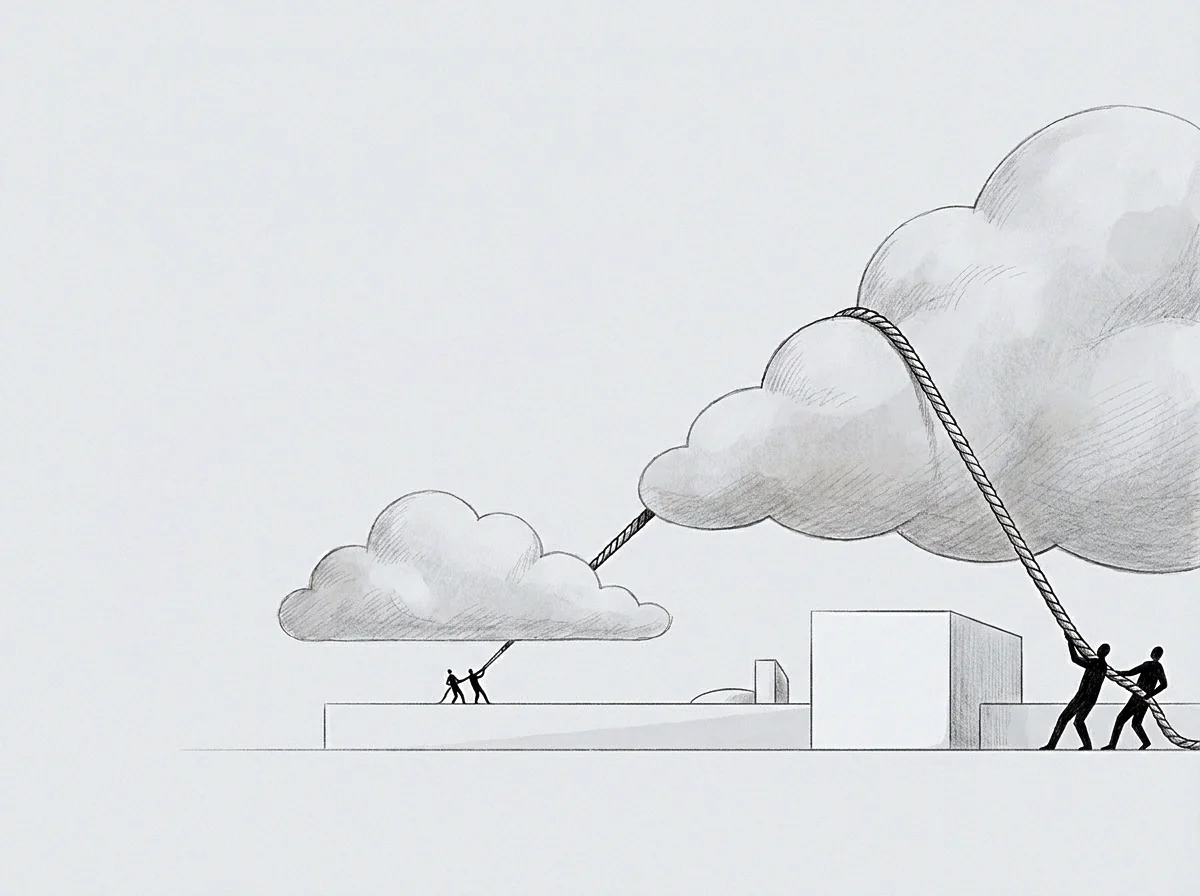
Template
An operator’s capacity to absorb operational volatility depends on their internal working model, which is the subconscious neural template formed through past interactions with authority structures. Operators trained in environments with heavy escalation backstops internalize a model wherein severe threat is always handled by a responsive external other. When historical escalation channels close, this template becomes an operational vulnerability.
The operator searches for a non-existent higher-tier buffer, delaying local intervention while threat accumulates.
Updating an internal working model requires more than theoretical comprehension of a new org chart. A neural template changes only through repeated, concrete experiences of surviving un-escalated threat. The operator must experience local containment, execute local resolution, and observe that the local node remains standing without central intervention.
This process forms earned security within the local node structure.

Could Local Regulation Replace External Escalation Entirely?
Replacing central escalation with total local autonomy appears efficient, yet physical and cognitive constraints set absolute limits on node self-sufficiency. A single node can process only a finite volume of concurrent operational anomalies before metabolic load exceeds capacity. The budget reset.
When local capacity is saturated, total local autonomy fails catastrophically unless secondary peer-containment loops exist.
Local regulation cannot replace external escalation unless the node possesses explicit authorization to drop, defer, or reduce non-critical operational tasks during crisis events. Without authority to shed load, a node faced with un-escalatable threat attempts to hold all routine processes alongside emergency interventions. Capacity dictates survival.
This overload breaches local containment and collapses node performance.
Local capacity expands only after an operator stops waiting for external intervention.

Rewriting Internal Working Models Under Sustained Load
Transitioning an operational team from escalation dependency to autonomous regulatory responsibility requires a deliberate sequence of structural updates. The following sequence establishes local regulatory accountability when historical escalation channels are closed permanently:
- Formal auditing of all incoming anomaly types previously routed to central authority.
- Mapping existing local authority limits against the actual technical requirements of those un-escalatable anomalies.
- Codifying explicit local drop rules that permit operators to halt non-essential workflows when high-severity events occur.
- Establishing horizontal peer-stablization shifts to distribute real-time decision load across multiple local operators.
- Running deliberate stress-test scenarios to build operator familiarity with executing final decisions without central sign-off.
Through repeated execution of this sequence, the local node stops searching for external backstops. The operator’s internal regulatory template adapts to the reality of final local authority. Threat processing moves from defensive hesitation to structured local containment, stabilizing the baseline cost of operations across the team.
A sustainable regulatory architecture relies on clear local limits rather than infinite local capacity.
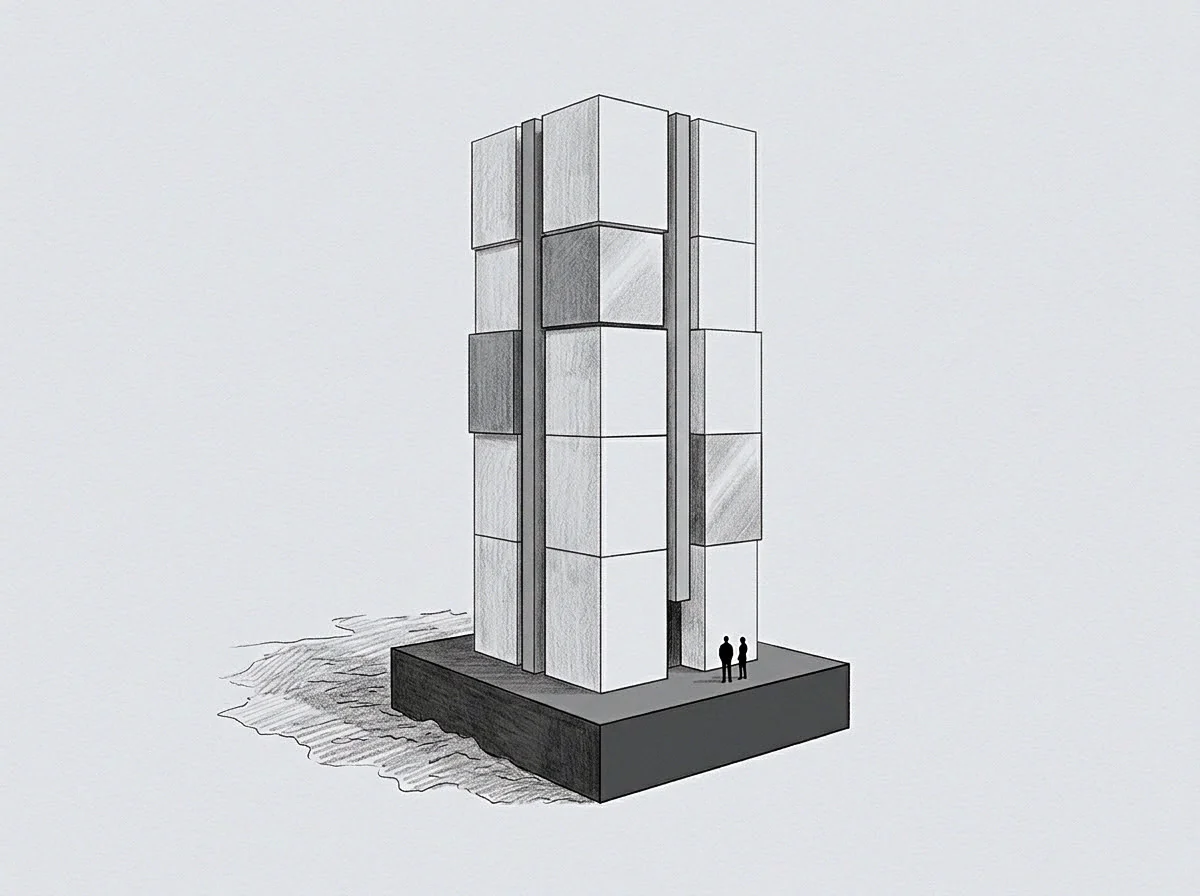
Table
Structural transitions from escalation-reliant architectures to self-contained node models require precise operational criteria. Comparing these architectures highlights the structural changes necessary when upstream escalation pathways are permanently severed. The node absorbed load.
The table below outlines the behavioral, metabolic, and operational differences across three distinct node development states under sustained threat load.
| Evaluation Metric | Escalation-Dependent Node | Transitional Hybrid Node | Fully Autonomous Local Node |
|---|---|---|---|
| Threat Absorption | Transfers anomalies upstream immediately; low local baseline retention. | Attempts local resolution but retains high anxiety and shadow routing habits. | Absorbs and settles anomalies within defined local parameters. |
| Allostatic Burden | Low steady-state load; severe spikes when escalation queues delay responses. | Extremely high baseline load due to role ambiguity and lack of drop rules. | Moderate, predictable load managed through explicit local shedding protocols. |
| Decision Latency | High total latency dependent on central desk queue times. | Maximum latency caused by local hesitations and secondary peer debate. | Minimum latency; immediate execution based on localized authorization limits. |
| Capacity Limit Mode | Queue saturation at the central authority layer. | Individual operator exhaustion and emotional withdrawal. | Systemic shedding of non-essential local background processes. |
An autonomous node processes exceptions five times faster than a node attempting to reach a closed escalation queue.
Transitioning from an escalation-dependent structure to an autonomous model alters the primary metric of organizational health. Success changes from rapid ticket transfer times to the local containment rate of system anomalies under steady operational load.
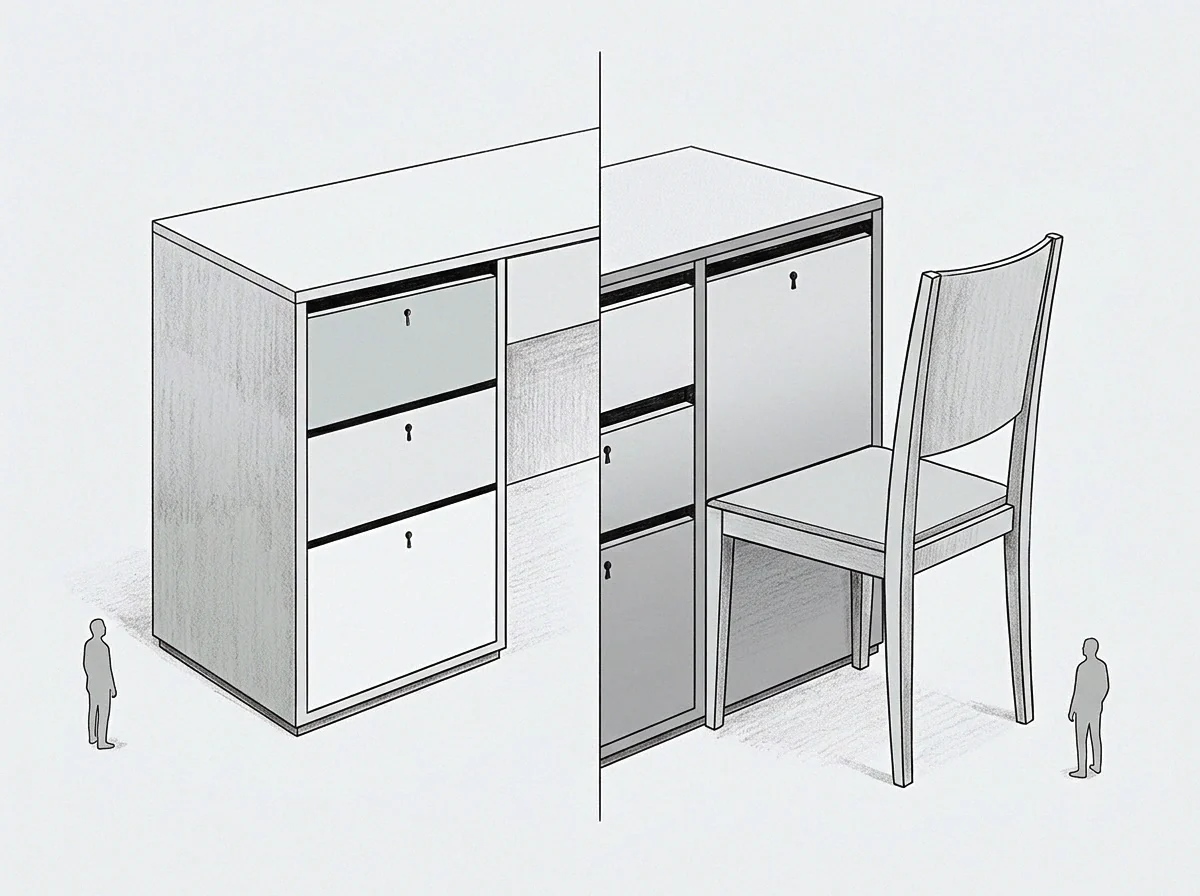
Frame
Rebuilding node regulatory responsibility when historical escalation channels are closed permanently requires establishing clear structural frames around local operation. When central authority recedes, the local node must construct its own regulator template, defining exactly how threat is held, who carries ultimate decision authority, and how baseline stability is maintained without external intervention. The central desk dissolved.
Response times doubled. The template updated slowly.
The final step in this structural transformation is shifting from borrowed regulation to peer co-regulation. In a peer co-regulatory model, two or more local operators share the cognitive and physiological load of critical exceptions through structured, concurrent oversight. By operating in proximity and maintaining shared visibility over system state, peer operators reduce each other’s baseline threat expenditure without relying on a central authority layer.
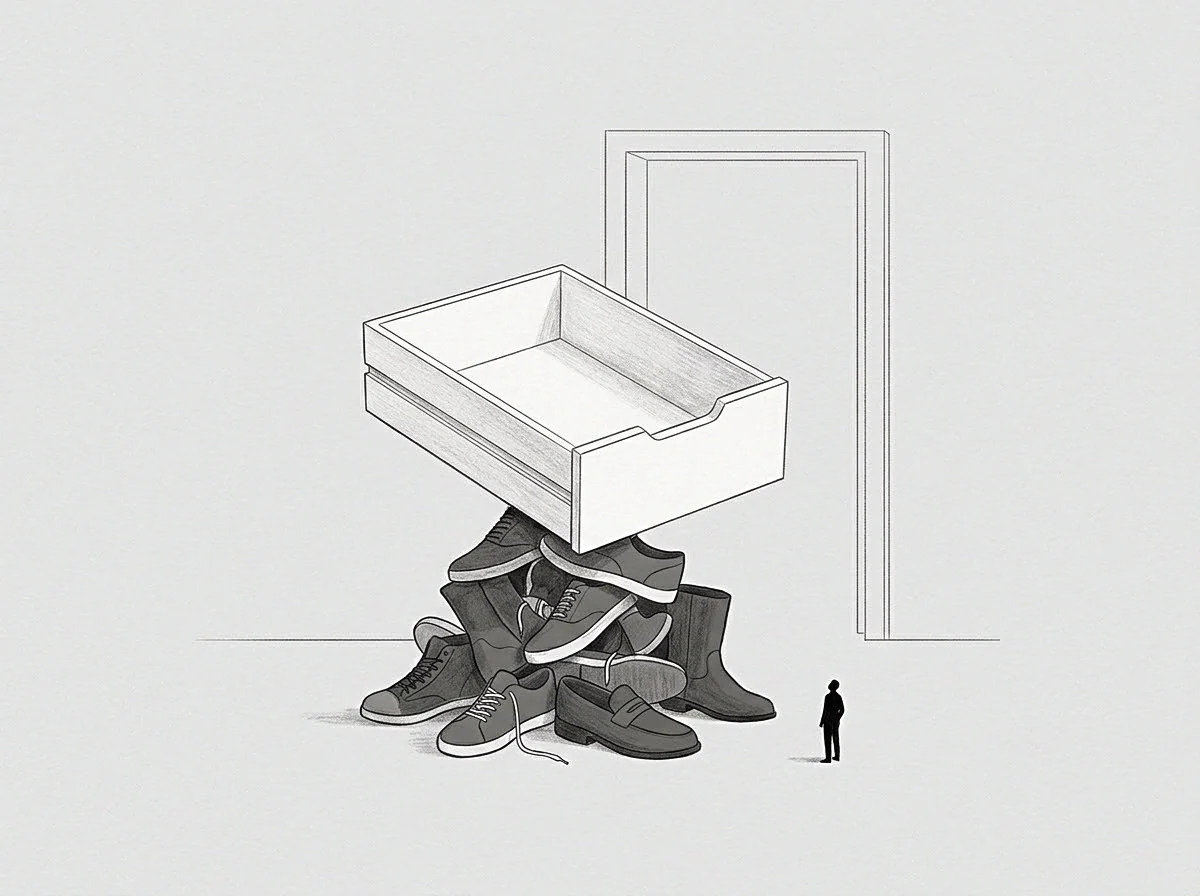
Establishing Local Containment Parameters
A node cannot maintain regulatory stability if its boundary parameters are loose or undefined. Without central escalation, the local node must enforce rigid stated limits regarding incoming work volume, acceptable risk thresholds, and emergency operating procedures. These parameters act as a mechanical substitute for the central escalation desk, preventing system load from exceeding human metabolic capacity.
When an incoming exception exceeds pre-defined local parameters, the node executes automated containment procedures: halting non-critical traffic, isolating the affected subsystem, or triggering pre-authorized load-shedding scripts. By replacing open-ended human discretion with automated structural constraints, the node protects its operators from continuous, unmanageable baseline strain.
Earned Security Through Peer Stabilization
Peer stabilization functions as an efficient substitute for historical top-down authority. When two operators jointly manage a high-stakes event under clear local guidelines, their co-presence lowers baseline physiological threat responses. This collaborative stability enables both operators to maintain access to working memory, clear communication, and precise technical execution during severe system stress.
Over time, operating within a well-framed, peer-stabilized node rewrites the team’s shared operational template. The team stops viewing the absence of central escalation as a structural deficit, recognizing it instead as the foundation for localized operational security. The baseline cost of decision-making normalizes at a sustainable level.
The node operates with quiet, self-contained regulatory authority, holding its own ground regardless of external operational turbulence.
What structural indicators demonstrate that a local node has fully transitioned from historical escalation dependency to permanent, self-sustaining regulatory autonomy?