
Long Term Neural Adaptations Following Extended Solitary Responsibility Across Multi Year Enterprise Scale Transitions
Prolonged solitary responsibility forces the brain to budget regulation without social damping, locking neural circuits into autonomous threat appraisal.
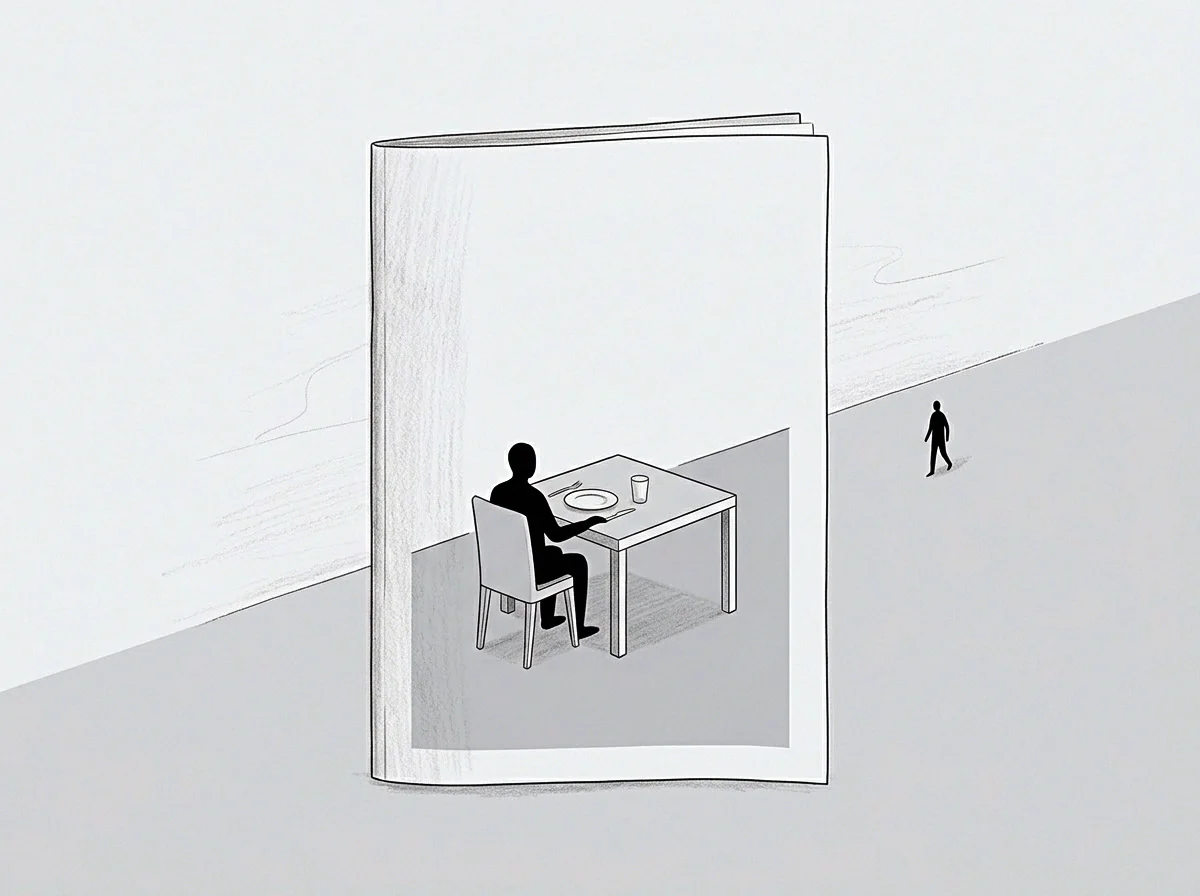
Floor
Working in operational isolation over long horizons changes how the nervous system calculates the effort required to survive. When a single operator holds total accountability for an organization across multi-year cycles, the brain adapts to an environment where risk cannot be handed off. Social baseline theory points out that human neurology expects the presence of reliable peers to distribute metabolic and cognitive demands.
Without that shared baseline, the central nervous system comes to treat solitary self-regulation as its permanent working state.
That shift raises the metabolic floor for monitoring danger. Maintaining constant vigilance keeps baseline sympathetic tone elevated, eventually altering the functional pathways between the prefrontal cortex and the amygdala. Circuits that would typically wait for secondary confirmation begin treating any variance in the business as an immediate, solitary hazard.
Under prolonged unshared accountability, the neural baseline treats every ambient ambiguity as an unmitigated threat to operational survival.
The operator stops assuming that metabolic costs can be shared with a broader group, relying instead on unilateral calculation. Rather than resting on social support, energy conservation happens by narrowing cognitive scope and training attention only on immediate hazards.
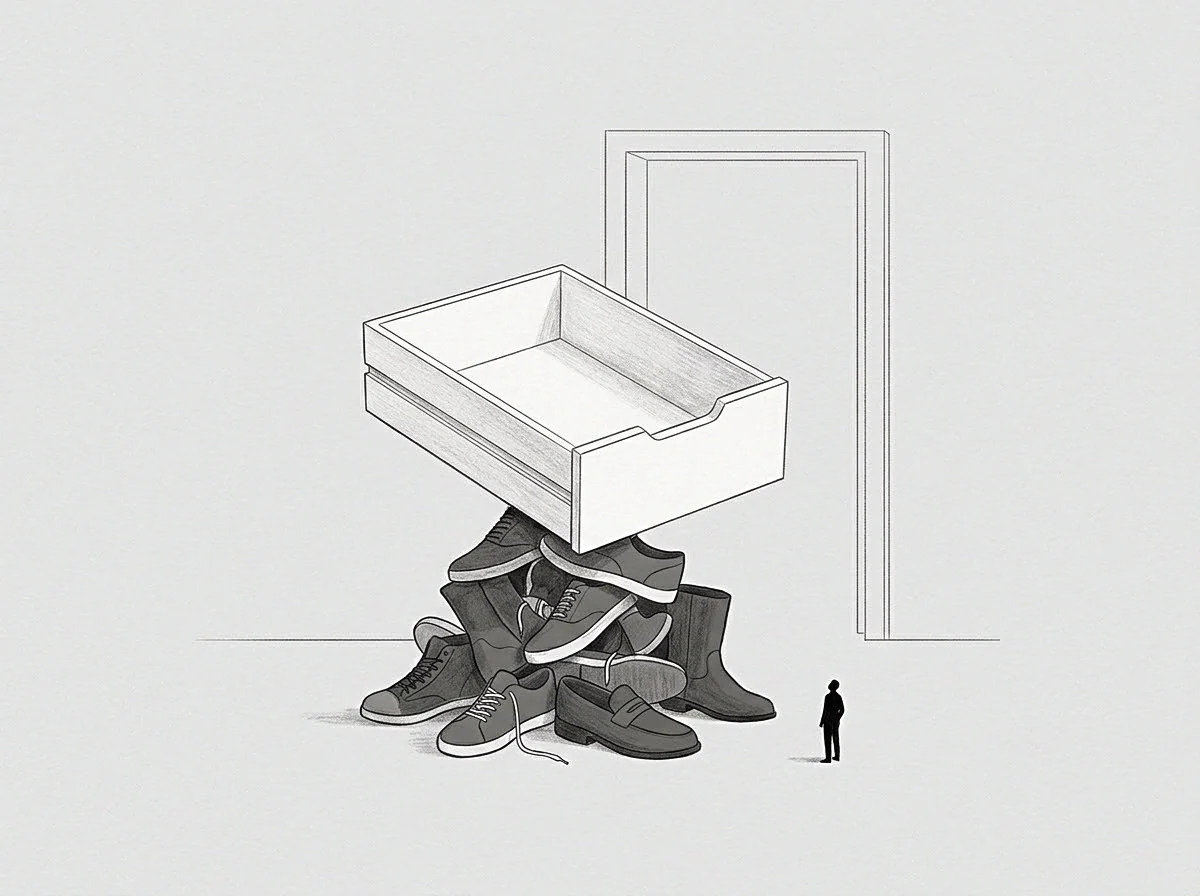
Unassisted Threat Appraisal
Turnarounds lasting years demand continuous decisions with no external buffer to absorb the friction. The anterior cingulate and ventromedial prefrontal cortices run threat assessments without the damping effect that peers normally provide. Routine inputs that would usually be written off as background noise turn into persistent signals that require deliberate cognitive suppression.
Neural energy shifts away from open-ended exploration and pours into defensive planning. Sustained levels of circulating catecholamines reinforce circuits that prioritize threat avoidance over collaborative trust. Once these self-contained survival loops set in, the ability to settle the nervous system simply by being around others fades.
Years of carrying exposure alone reshape central receptor distribution, leaving the sympathetic nervous system locked on and taking a persistent toll on vascular health.
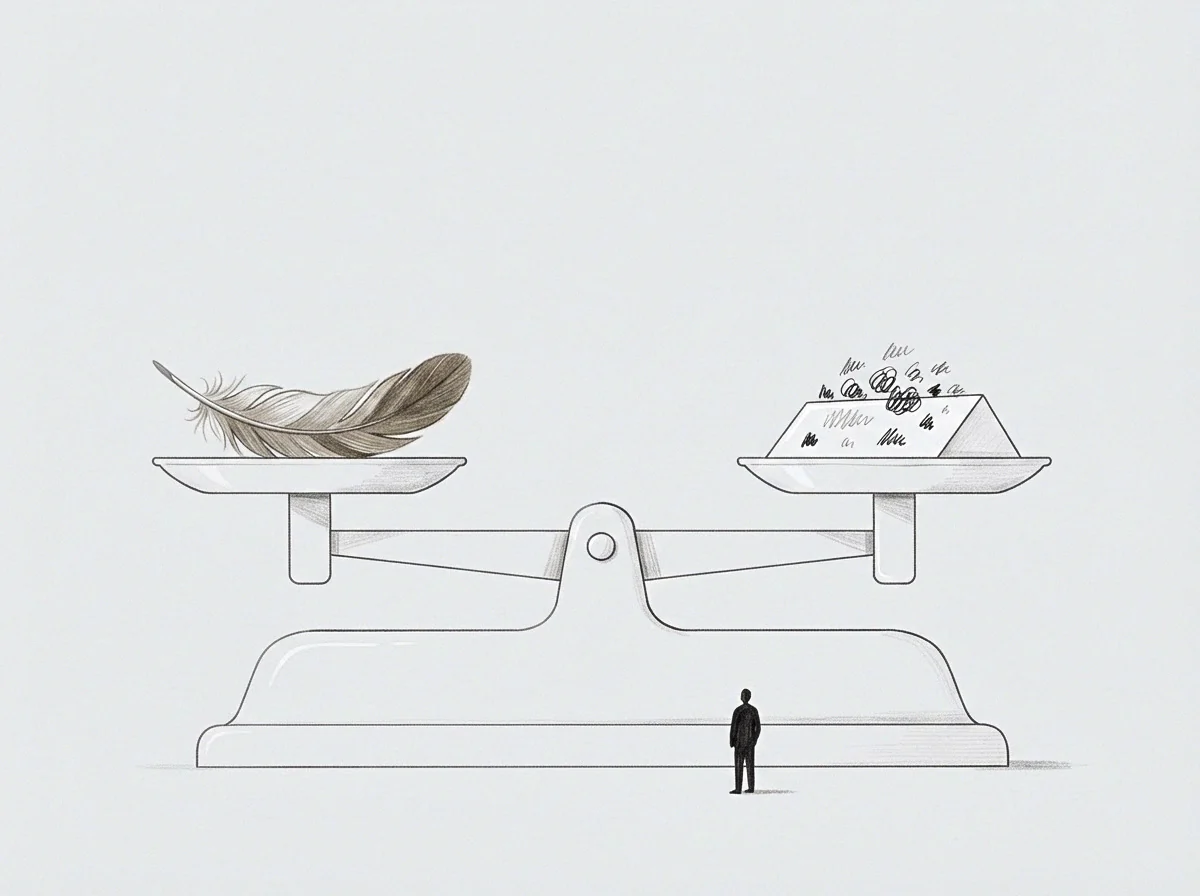
Node
Holding solitary responsibility turns an operator into the single emotional regulator for an entire company. Staff, board members, and outside parties draw confidence from the leader’s composure rather than distributing tension across the group. The flow of emotional regulation moves strictly one way.
Teams navigate friction by leaning on the visible calm of the person at the top, using that steady presence to offset their own anxiety. To sustain that effect, the operator continuously dampens the team’s stress while absorbing the impact behind a firm exterior.
Steady executive composure under persistent threat operates as an uncompensated metabolic subsidy to the surrounding enterprise.
Over time, this dynamic shuts down reciprocal pathways. The operator internalizes an operating style where they are strictly the source of composure, never the recipient. Pathways meant to take in reassurance from others fall out of practice and gradually lose their sensitivity.
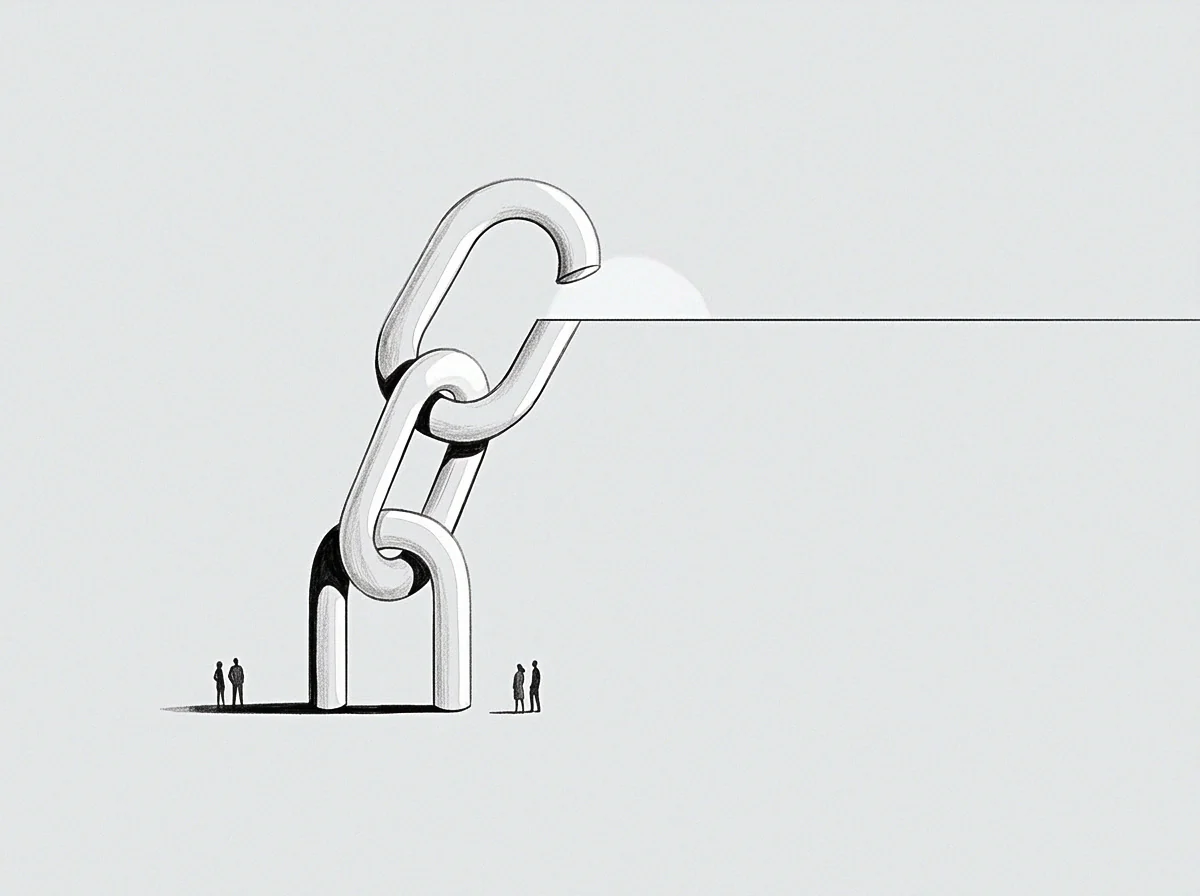
Asymmetrical Regulatory Topography
Attachment circuitry adapts to the realities of the seat. When nearly every interaction asks for stability rather than offering it, the brain lowers its receptive sensitivity. Unsolicited offers of support no longer register as helpful; they feel like friction or unnecessary distraction.
- Unidirectional equilibrium absorbs anxiety from the organization while confining visceral stress entirely to the solitary operator.
- Attenuated input channels filter out external reassurance as an inefficient signal that adds administrative friction.
- Structural receptor deficit keeps the nervous system from translating social cues into genuine physiological recovery.
Reassurances from outside advisors end up reading like background static. Once the nervous system reorganizes around unilateral containment, reopening those dormant pathways often demands years in an environment where stakes are genuinely shared.

Drift
These neural changes show up clearly in day-to-day behavior as solitary stretches wear on. Shifting baseline function alters how an executive handles operational problems and interpersonal cues. The table below tracks how a shared regulatory baseline diverges from one shaped by years of solitary operation.
| Operational Dimension | Distributed Social Baseline | Chronic Solitary Adaptation |
|---|---|---|
| Neural Threat Budgeting | Shared metabolic load via social presence | Autonomous threat absorption with elevated baseline cost |
| Affiliative Receptor State | Receptive to external downregulating cues | Input channels closed to incoming co-regulatory signals |
| Ambiguity Processing | Exploratory cognitive variance modeling | Defensive triage minimizing exposure to unhedged variables |
| Interpersonal Coupling | Bidirectional physiological resonance | Asymmetrical stabilization acting as a social dampener |
The move toward total self-reliance happens quietly. Operators rarely notice receptive pathways closing down in real time. Instead, the change feels subjectively like sharpening focus and growing self-sufficiency.
The nervous system categorizes the inability to receive external support as personal autonomy.
Structural Independence Against Isolation
Executive autonomy can easily conceal physiological numbness. An operator often reads the lack of reaching for others as quiet competence, even while the ventral striatum stops responding to social rewards and focuses almost exclusively on avoiding operational traps.
That isolation reinforces itself. When being around others brings no physiological relief, group discussions feel like a waste of finite cognitive stamina, driving the operator to make decisions alone.
When unshared accountability runs on without interruption, complete self-reliance turns into an involuntary reflex.
Grid
Take a four-year turnaround of a capital-heavy manufacturing business run by two senior partners. Only one carries personal balance sheet guarantees, direct legal liability, and final accountability for making payroll each month. The second partner runs major operational mandates without personal systemic exposure.
Over those forty-eight months, the partner holding the legal risk lives with continuous hypothalamic-pituitary-adrenal axis activation. When debt covenants come close to default in month twenty-six, both put in eighty-hour weeks, but they experience them differently: the liable partner feels an existential threat, while the executing partner treats it as a demanding professional problem.
The liable partner projects steady composure during management briefings, keeping department heads and creditors calm enough to prevent an immediate loss of key staff and operational resources.
Composure displayed during structural crises attracts expanded operational burdens from dependent observers.
The cost of that public composure in physical energy and attention falls entirely on the liable partner. Daily cortisol rhythms flatten into an elevated plateau, training the nervous system to treat letting down its guard as an invitation to disaster.
Longitudinal Behavioral Divergence
By year four, the company stabilizes and leaves the turnaround behind. The executing partner moves easily into standard governance, sleeping normally and engaging openly with colleagues. The liable partner, by contrast, remains hypervigilant, reluctant to delegate critical work, and noticeably detached from the team.
- Perceptual divergence makes the same project update read as routine administration to the team and as an imminent failure to the liable partner.
- Relational divergence sets in when staff celebrate a completed milestone that the central operator feels only as a brief pause before the next crisis.
- Somatic divergence leaves chronic muscle tension and suppressed heart rate variability in place long after the corporate balance sheet recovers.
Once routine operations resume, the team often finds the primary operator distant, rigid, and unnecessarily demanding.
Yield
Unwinding years of solitary adaptation takes repeated, practical experience rather than intellectual understanding. Understanding social baseline theory on paper will not undo neural habits built across thousands of hours under pressure. Real security returns only through repeated exposure to situations where risk is genuinely shared.
The nervous system requires tangible proof that others are carrying weight before it reopens receptive channels. The operator has to live through real handoffs that do not end in operational failure; conceptual insight leaves the defensive wiring unchanged.
Shifting away from solitary threat appraisal takes measured delegation backed by clear, enforceable agreements. Trust has to rest on concrete structural terms rather than well-meaning intentions.
Earned Security Mechanics
Restoring reciprocal regulation requires environments where mistakes carry bounded, manageable fallout. The body needs practical proof that a delayed message or an unresolved task will not bring down the company.
Neurological recalibration takes root when working alongside peers who carry comparable exposure. When two people with similar accountability interact without an asymmetric reliance on one another, the operating baseline begins to normalize, giving defensive prefrontal networks room to stand down.
A legally binding governance structure that formally redistributes final liability relieves the nervous system by removing the objective reason for constant vigilance.