
Rebuilding Autonomic Baseline Safety After Prolonged Solitary Strain
Prolonged solitary strain forces the autonomic nervous system to classify proximity as a threat, raising baseline vigilance until low-demand presence updates the internal working model.
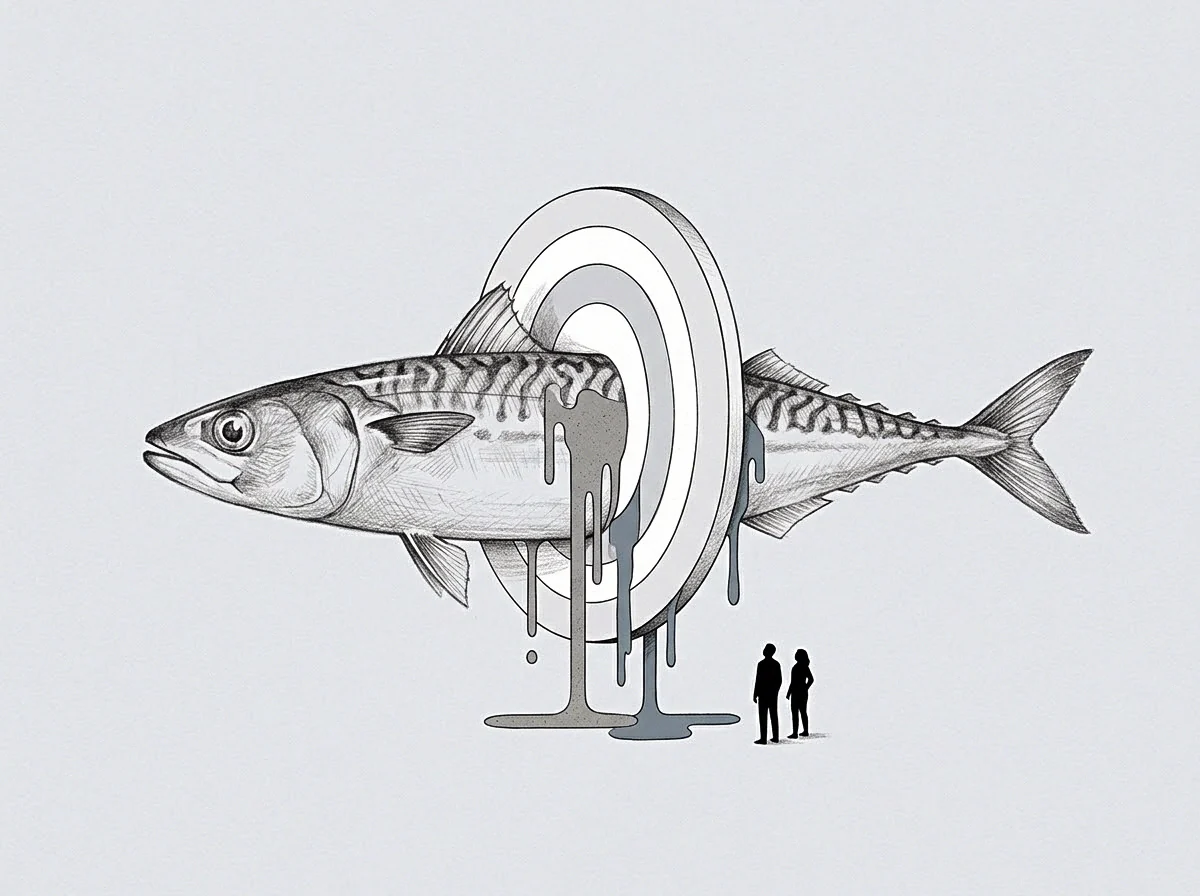
Floor
Four months after stepping back from running an operation alone, a founder sitting in a quiet room often feels unexplained autonomic hyperarousal. Elevated heart rate, muscle tension, and shallow breathing persist even with no immediate external demands. The physiological floor shifted during that period of solitary strain.
Managing complex risks alone over an extended stretch causes the nervous system to recalibrate its baseline threat model. Solitude no longer registers as a chance to rest; instead, the brain treats it as a high-risk setting where every potential threat requires complete reliance on internal metabolic resources.
Social baseline theory establishes that the human nervous system evolved to outsource regulation to a group, keeping biological energy expenditure lowest when reliable counterparties are nearby. Under prolonged solitary strain, this baseline expectation breaks down. The brain adapts to the ongoing absence of support by raising its default baseline tone, turning high sympathetic arousal into the default state because it expects no external party to help absorb sudden shocks.
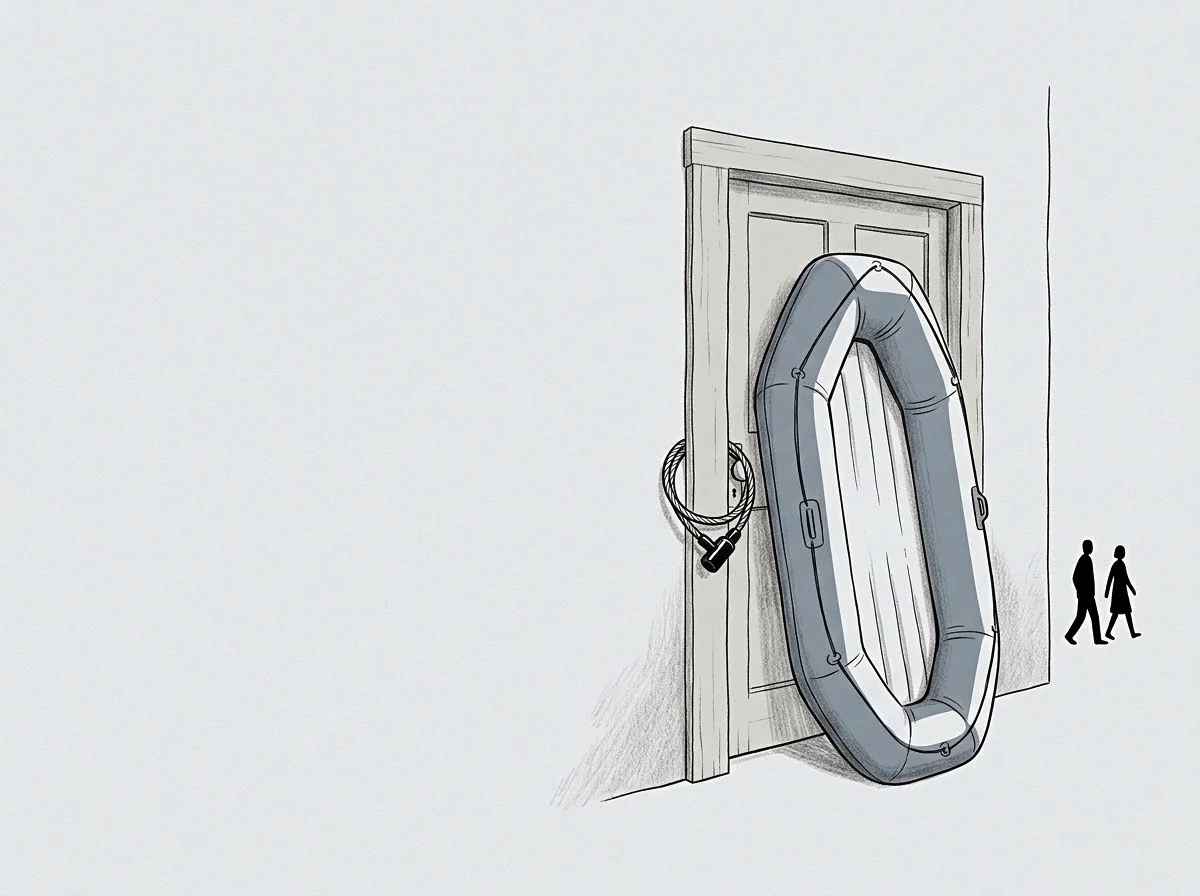
The Solitary Energy Budget
When an operator runs an organization without a co-regulating counterpart, every threat calculation depends on a single neural system. The metabolic cost of doing this alone builds up over time, driving up allostatic load as stress responses stay active without returning to baseline.
Autonomic safety degrades when the nervous system treats solitude as a permanent requirement for total self-reliance.
In this elevated baseline state, passive recovery measures fail to reduce physiological tension. Massages, vacations, and shorter work hours do not convince the autonomic nervous system that safety has returned. The physiological floor resets only when the nervous system receives steady, verifiable signals that environmental risk has dropped and operational isolation has ended.
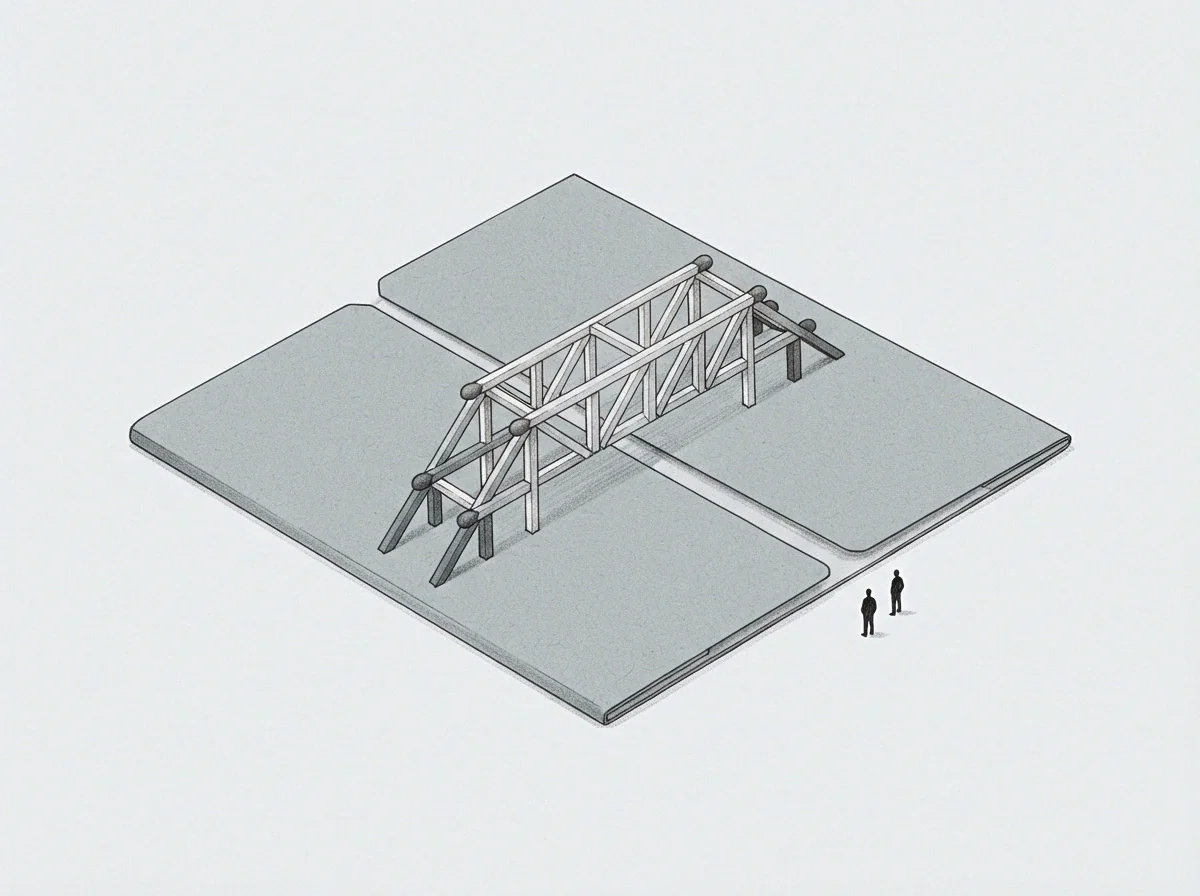
Vigilance Shift Under Extended Autonomy
Extended solitary operations force the brain to reassign ordinary background signals as potential threats. A delayed message, an unexpected calendar invite, or a subtle shift in performance metrics can trigger a full sympathetic spike. The nervous system adapts to isolation by treating hyper-vigilance as an efficient survival response.
Removing the immediate operational strain leaves this elevated baseline intact, where it remains until the nervous system receives empirical proof that external regulation is available and safe.
Leaving the autonomic system stuck in high baseline vigilance leads directly to endocrine exhaustion, disrupted sleep architecture, and sudden drops in executive control during minor operational friction.
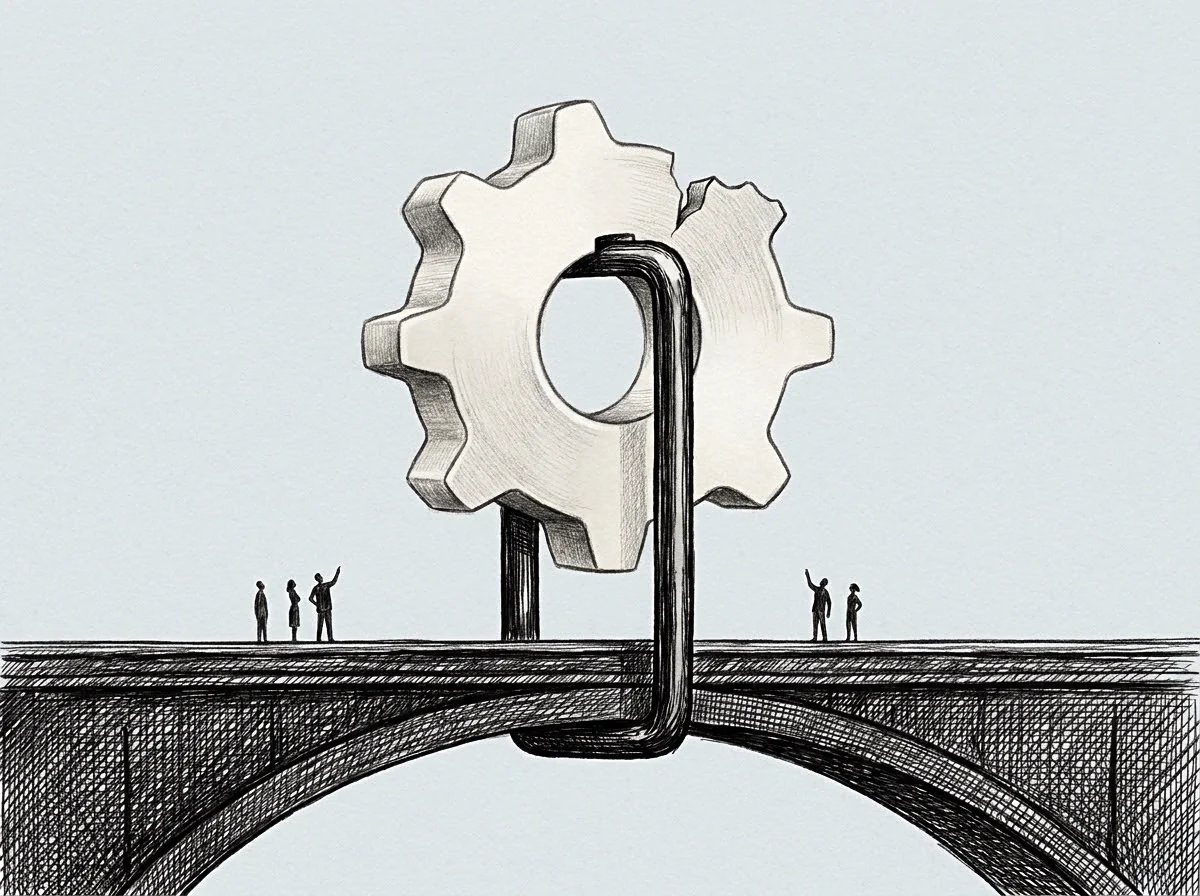
Template
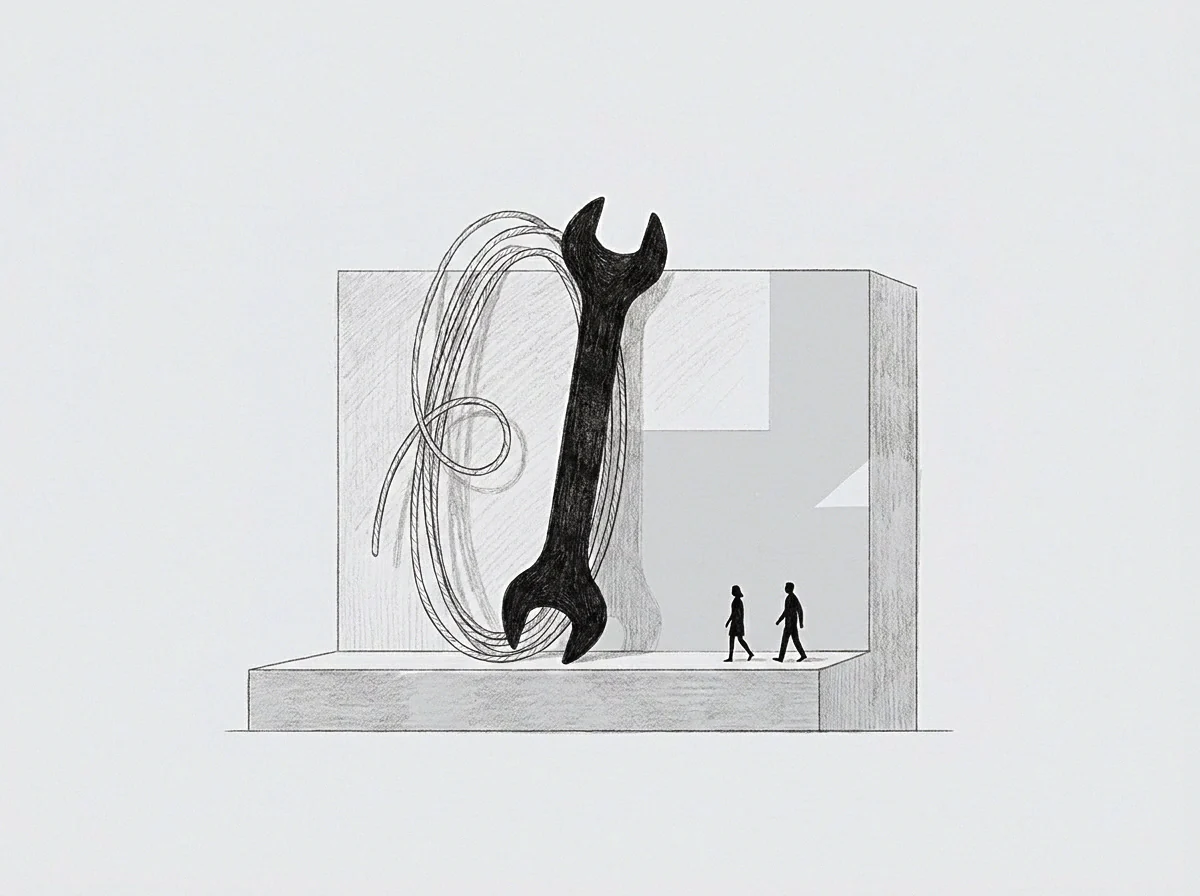
Internal working models govern how a person predicts relational responses. During long periods of solitary strain, a founder develops a rigid internal model focused entirely on self-reliance. The brain constructs a backward template in which the individual sees themselves as the sole source of regulation for others, while viewing external parties as consumers of their calm who offer no structural support in return.
This backward template fundamentally alters how social proximity is processed. Proximity normally lowers autonomic load through co-regulation, but for an operator with a backward template, another person’s presence immediately increases it. The nervous system assumes the other person will demand operational clarity, emotional containment, or strategic direction, making proximity feel like an incoming metabolic tax.
Internal Working Models Under Solitary Load
The neural architecture of an internal working model relies on repeated experience. Years of resolving operational crises alone teach the nervous system that safety comes exclusively from personal action, closing the receptor slot for receiving support. When an investor, partner, or peer offers genuine help, the operator registers the offer as an anomaly or an operational trap.
Accepting support implies a temporary surrender of control. To an autonomic system conditioned by solitary strain, surrendering control introduces unpredictable variance into a high-risk environment.
Why does proximity feel like threat after prolonged isolation?
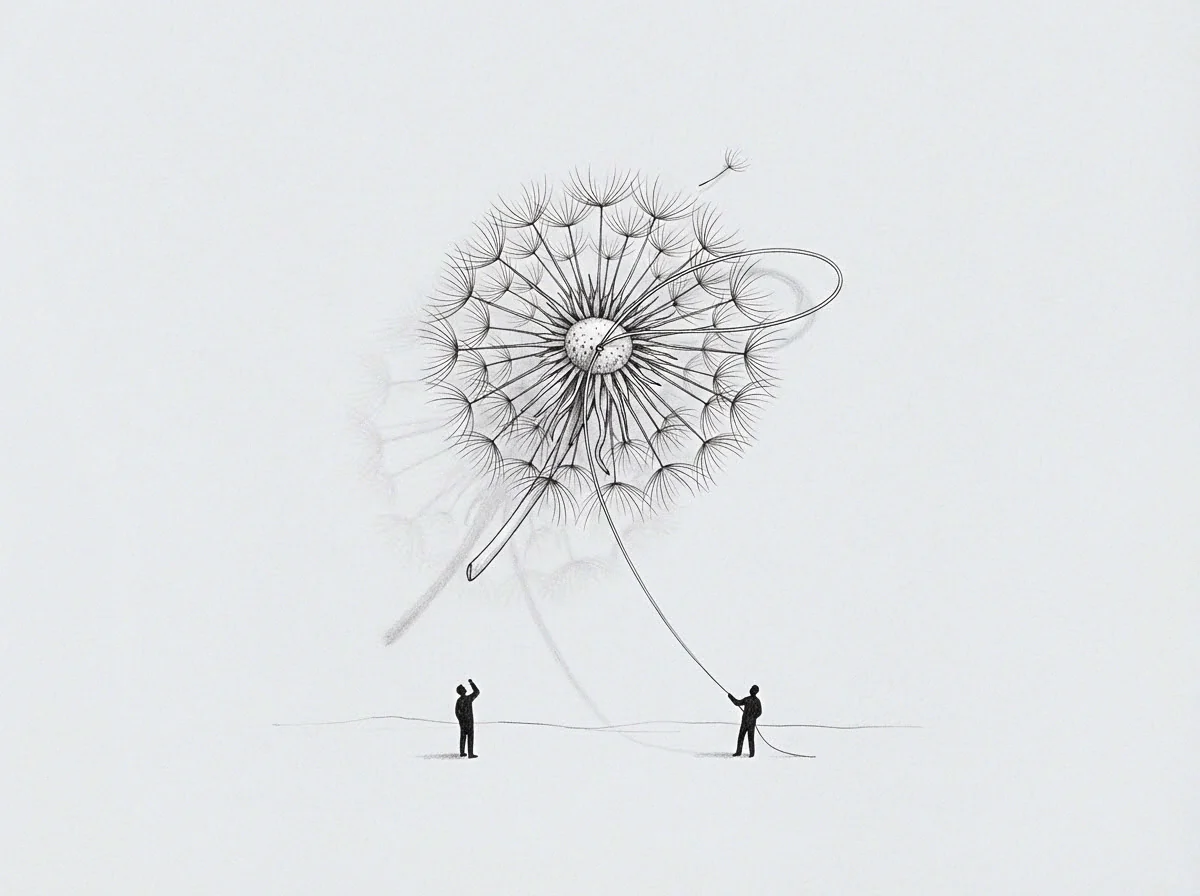
Isolation conditions the nervous system to treat external variables as uncontrolled hazards. When another person enters the operational or physical space of a long-solitary operator, the brain calculates the energy required to monitor them. Co-regulation requires mutual attunement, and if the operator’s template classifies attunement as an asymmetric transfer of energy, proximity triggers defensive hypervigilance, preparing the body for a drain rather than a lift.
This dynamic creates a cycle where the operator insulates themselves from the very proximity needed to lower their autonomic baseline. The insulation shields against immediate sensory overload while ensuring the elevated baseline remains permanent.
Sitting in a room with a partner can end up feeling more exhausting to the operator than auditing an inventory balance sheet alone late at night.
Cost
Evaluating the transition from solitary strain to shared regulation requires tracking physiological metrics alongside operational mechanics. Self-regulation without external buffering is an expensive operational mode for the human brain. The metabolic expenditure of maintaining perpetual vigilance drains energy reserves that would otherwise support strategic cognition, memory consolidation, and cellular repair.
| Evaluation Metric | Solitary Regulation Baseline | Co-Regulated Baseline |
|---|---|---|
| Basal Heart Rate Variability | Suppressed high-frequency power indicating restricted vagal tone and perpetual readiness for action. | Elevated high-frequency power reflecting dynamic autonomic flexibility and vagal brake activation. |
| Threat Processing Latency | Immediate sympathetic spike to low-grade operational ambiguity with slow post-trigger recovery. | Attenuated physiological reaction to environmental noise with rapid return to resting baseline. |
| Metabolic Energy Allocation | Continuous substrate allocation to core survival networks and peripheral muscle tension. | Metabolic conservation allowing allocation to executive function, immune health, and deep sleep. |
| Relational Signal Interpretation | High false-positive rate for threat detection in neutral communications from team members or partners. | Accurate contextual filtering of relational inputs with minimal baseline disruption. |
The baseline budget resets slowly because solitary load alters perception. When an operator runs solo, the nervous system suppresses vagal nerve activity to keep cardiac output ready for sudden exertion, limiting the capacity for deep rest.
Extended solitary strain forces the sympathetic baseline upward, converting background signals into metabolic drains.
Transitioning out of prolonged solitary strain requires accounting for this physiological cost explicitly. Forcing an immediate shift into broad open accessibility without structural controls causes severe autonomic rebound effects. The body defends its high baseline state until lower-cost alternatives prove reliable over extended timelines.
When the condition of predictable, structured contact remains unmet, the autonomic system defaults to total withdrawal or sudden hypervigilance at the first sign of relational ambiguity.
Bench
Rebuilding autonomic safety requires designing a controlled environment for relational exposure. Consider a situation involving two executives rebuilding operational alignment after one operated as sole founder for three years. The incoming operator assumes forty percent of organizational decision rights.
The operating assumptions are explicit: the founder carries a backward template, possesses an elevated sympathetic baseline, and experiences proximity as a metabolic tax.
Initial attempts at open-ended collaboration fail in predictable ways. Unstructured check-in meetings leave the founder physiologically dysregulated, interpreting open-ended questions about company direction as indirect signals of operational failure or impending resource drains. The founder responds by reasserting complete control over trivial decisions, driving up tension across both roles.

Operational Re-entry Stressed Across Parallel Roles
To repair this baseline friction, the operational structure must change to respect autonomic realities. Shared regulation cannot start with unstructured emotional vulnerability or high-ambiguity brainstorming sessions; it begins with clear functional boundaries and low-demand co-presence.
A regulator accustomed to solitary load reads offered presence as an impending debt until low-stakes contact resets the baseline.
The re-entry structure relies on explicit protocols that bound exposure while providing continuous operational proof of support.
- Stated operational scope defines the exact territory where the incoming operator holds absolute decision authority without founder review, removing the founder’s perceived obligation to maintain continuous oversight.
- Asynchronous handover channels replace high-frequency verbal updates with structured written summaries, preserving the founder’s autonomic processing space during periods of baseline recovery.
- Parallel task execution establishes physical or virtual co-presence where both operators work on separate tasks within the same environment without requiring direct interaction or continuous attunement.
- Bounded availability windows establish non-negotiable boundaries where no operational communications cross, providing guaranteed windows for autonomic decompression.
Over six months of consistent adherence to these bounded protocols, the founder’s nervous system receives continuous empirical evidence that proximity does not lead to operational loss or surprise expenditure. As the incoming operator demonstrates consistent containment of their assigned operational domain, the physiological cost of shared presence decreases.
Clear operational boundaries reduce autonomic load faster than unstructured goodwill.
Slot
Updating an internal working model relies on earned security, which is the structural shift where a nervous system conditioned for hyper-self-reliance builds new neural pathways through repeated positive relational experiences. Intellectual understanding of this mechanism changes nothing at the autonomic level. Insight explains the historical cause of isolation, but repeated physical and operational experience replaces the template.
A receptor slot for external regulation grows gradually. When an autonomic system has spent years relying strictly on self-contained regulation, sudden demands for deep interpersonal trust trigger immediate defensive reflexes. The path to autonomic safety requires structured, micro-doses of predictable proximity over extended periods.

Micro-Doses of Predictable Proximity
Micro-doses of proximity operate below the threshold of autonomic threat detection, consisting of low-demand, highly structured contact where no performance is requested and no emotional labor is extracted. A partner sitting silently in the room reading while the founder works on a ledger serves as a physiological micro-dose. An operator handling a low-level operational crisis without escalating it provides an operational micro-dose.
Safety arrives through repetition. The brain logs each micro-dose as an incident where proximity occurred without metabolic loss, allowing vagal tone to recover as the physiological brake that slows heart rate in the presence of others begins to re-engage.
The Update Path Through Earned Security
The delta over time separates intellectual insight from true autonomic safety, which can be tracked through real shifts in daily physiological responses to ambient stress.
Early in the update path, minor unexpected relational events cause immediate autonomic spikes. One year into structured re-entry, those same events produce minimal sympathetic movement. The brain updates its default threat model: solitude loses its status as the sole safe state, and proximity transitions from an operational threat to a low-cost regulatory buffer.
Rebuilding autonomic safety culminates when the individual allows another person to hold a high-load operational thread without continuously monitoring their state. The receptor slot opens as the nervous system accepts that shared regulation lowers metabolic expenditure across every operational domain, allowing the individual to rest within shared space.