
Rebuilding Social Baseline Efficiency Through Physical Presence and Borrowed Regulation
Physical co-presence lowers neural vigilance by distributing regulation costs across stable bodies, reducing solitary allostatic load.
Proximity
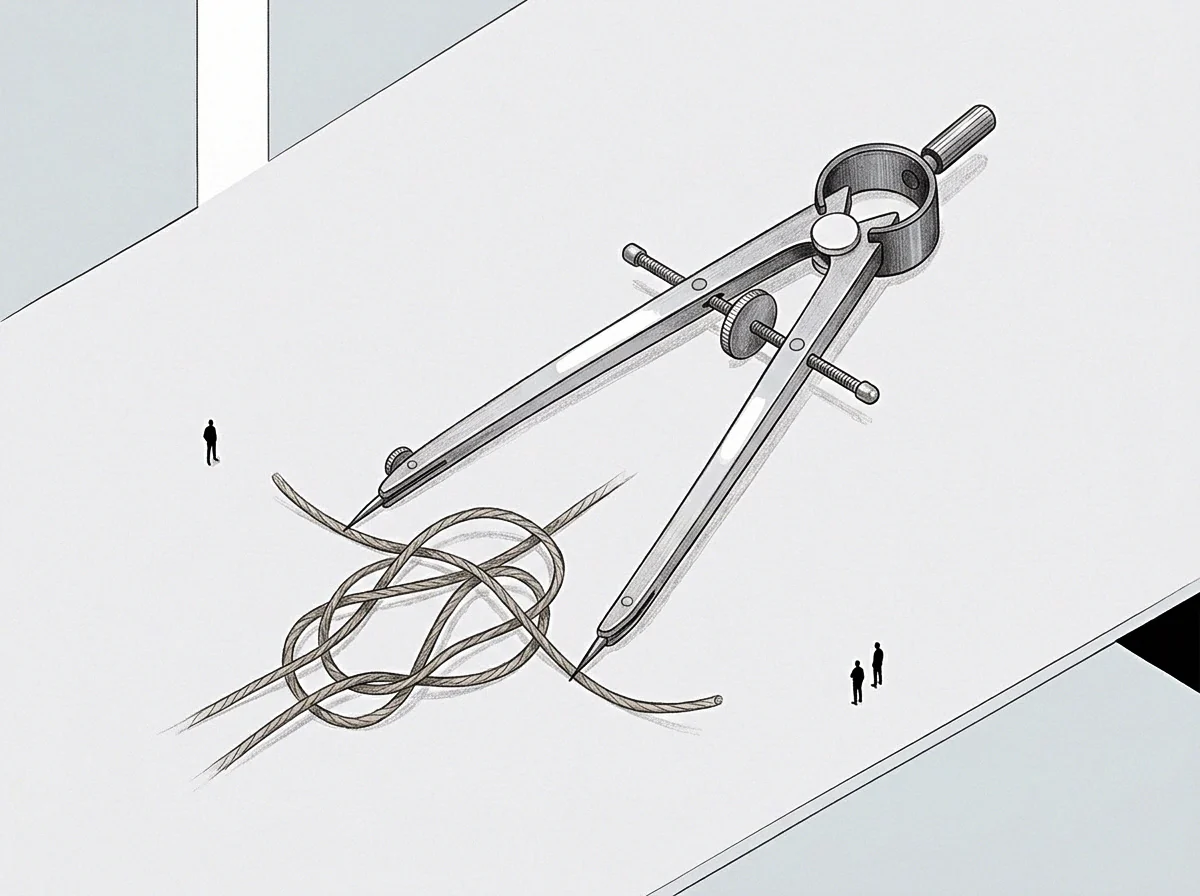
Human neural architecture allocates energy around the immediate physical presence of familiar conspecifics. Under social baseline theory, the brain treats physical proximity to a reliable, low-threat individual as the default economy for energy expenditure. Operating in total isolation alters this metabolic baseline; when alone, the central nervous system predicts higher risk, shifting resources toward threat monitoring, muscular readiness, and continuous risk assessment.
Physical co-presence with a stable person attenuates this autonomic expenditure. Neurological data demonstrates that when an individual faces a potential stressor while holding the hand of a trusted partner, neural activation in the hypothalamus and anterior insula drops significantly. Solitary self-regulation demands higher glucose consumption and sustained prefrontal cortical control, as the brain must generate its own feeling of security without external somatic validation.
This physiological conservation mechanism relies on offloading baseline assumptions. The nervous system delegates part of its environmental vigilance to the surrounding social network. When another person is physically present and non-threatening, the brain spends fewer resources scanning for ambient danger.
Solitary operation forces the individual to bear the entire regulatory load independently, escalating baseline metabolic expenditure across every hour of work.
Relying entirely on remote or asynchronous interactions forces the nervous system to fund its own baseline security, causing systemic allostatic exhaustion over time.
Wall
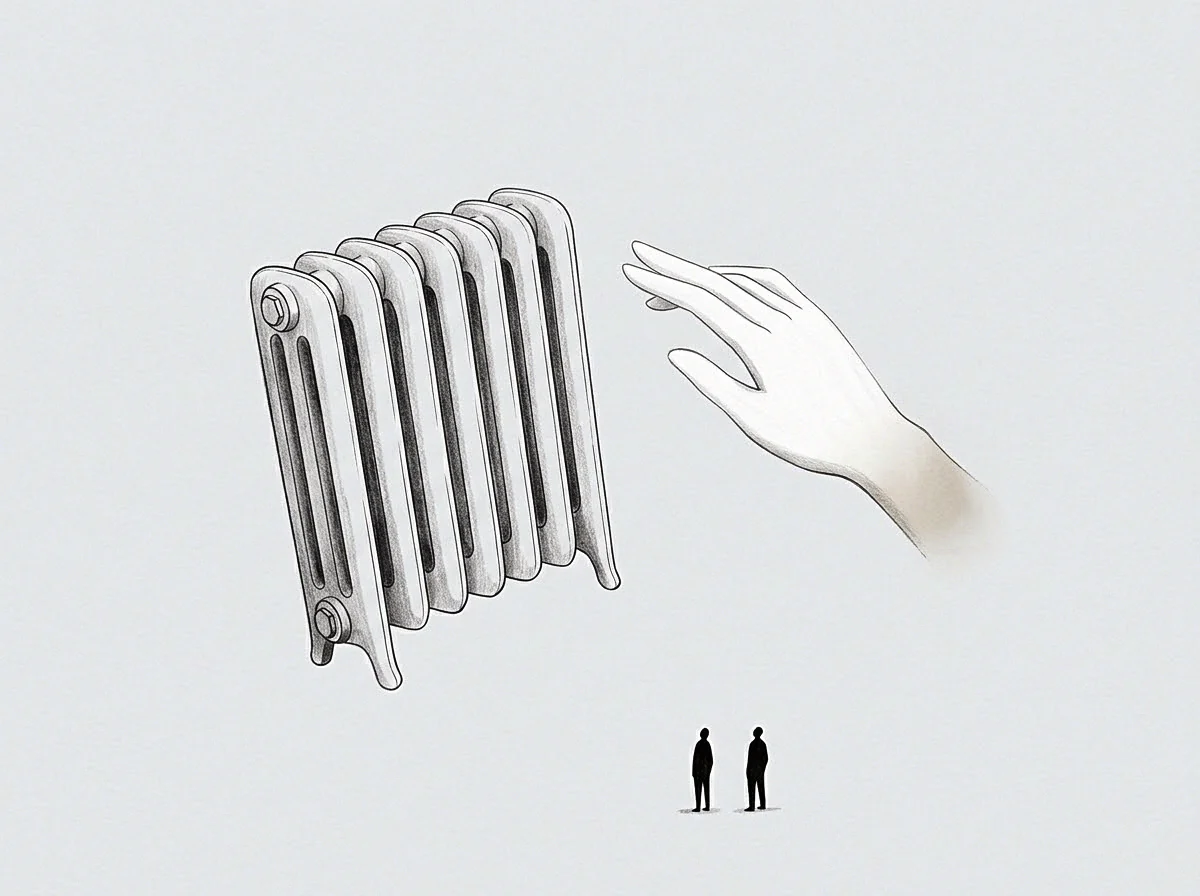
Digital communication channels eliminate the subtle somatic signals that inform human safety assessment. Micro-expressions, respiratory rhythms, subtle shifts in posture, and non-verbal vocalizations provide continuous feedback during in-person interactions. Without these physical cues, the brain cannot confirm the emotional or physiological state of the other party, maintaining a state of low-grade vigilance during every exchange.
Physical co-presence suppresses autonomic threat responses when the accompanying body exhibits physiological stability.
Asynchronous communication introduces severe cognitive and autonomic latency. A text message or email notification arrives as an isolated stimulus lacking emotional context. The receiver’s brain must construct a predictive model of the sender’s intent, often filling gaps with threat scenarios to prepare for negative outcomes.
This continuous state of predictive modeling converts routine management tasks into high-cost physiological events.
- Asynchronous Latency creates an open sensory loop where the nervous system fills communication pauses with elevated predictive threat assessments.
- Contextual Vacuum forces the receiver to supply emotional calibration that physical voice tone and eye contact naturally provide in real time.
- Continuous Availability converts personal hardware into an unmediated conduit for external distress signals, preventing autonomic recovery cycles.
Physical separation distorts how boundaries function within professional relationships. In a shared physical room, a person’s posture, movement, and physical position communicate availability without speech. Digital interfaces collapse these physical cues into binary availability indicators, leading counterparties to treat silence as an invitation for additional demands.
The message contained no negative content, yet its arrival caused an immediate spike in baseline tension.
Weight
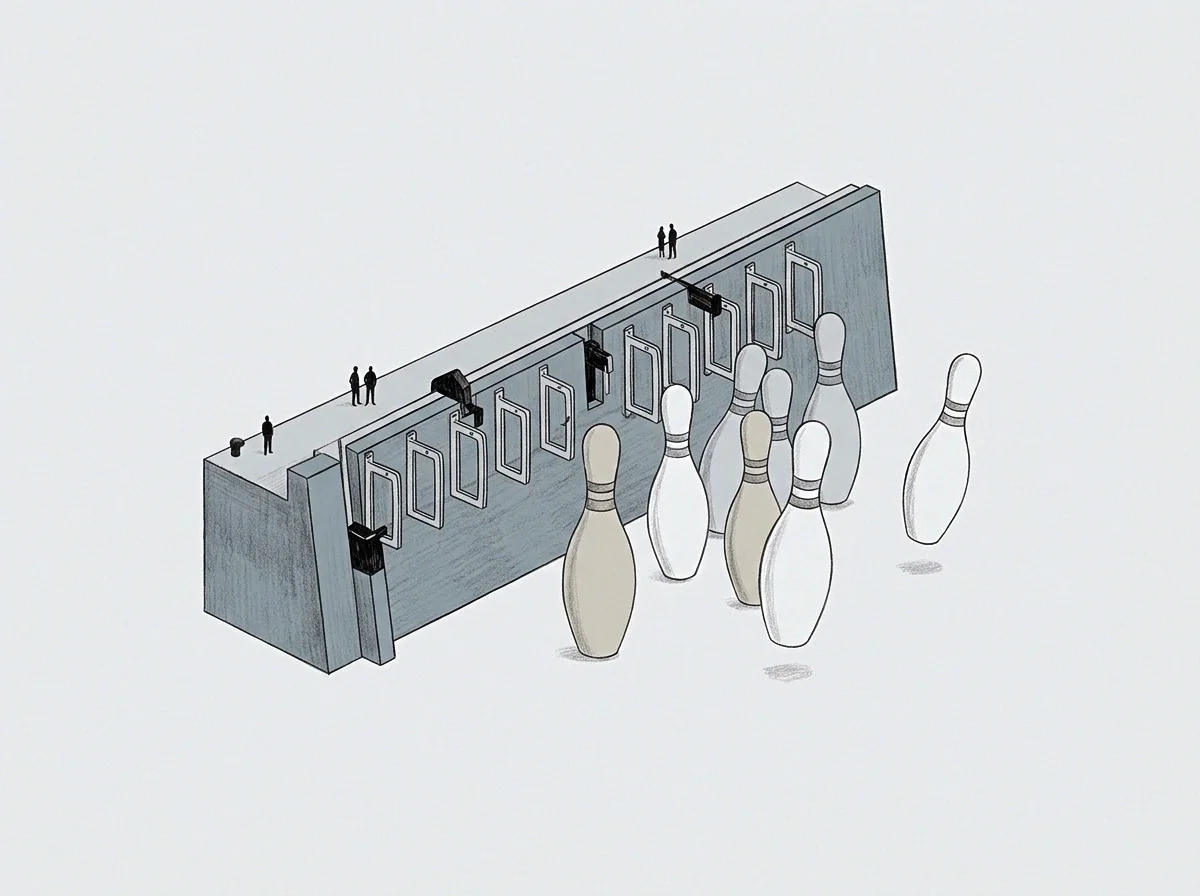
Sustained stability during organizational crises attracts disproportionate operational reliance from surrounding team members. When an individual demonstrates high emotional regulation and consistent problem-solving capacity under pressure, team members attach to that person’s physiological state. Silent bodies exchange autonomic signals; surrounding individuals borrow the regulator’s calm to stabilize their own autonomic nervous systems, using the regulator as a baseline anchor.
Does co-presence reduce metabolic expenditure under load?
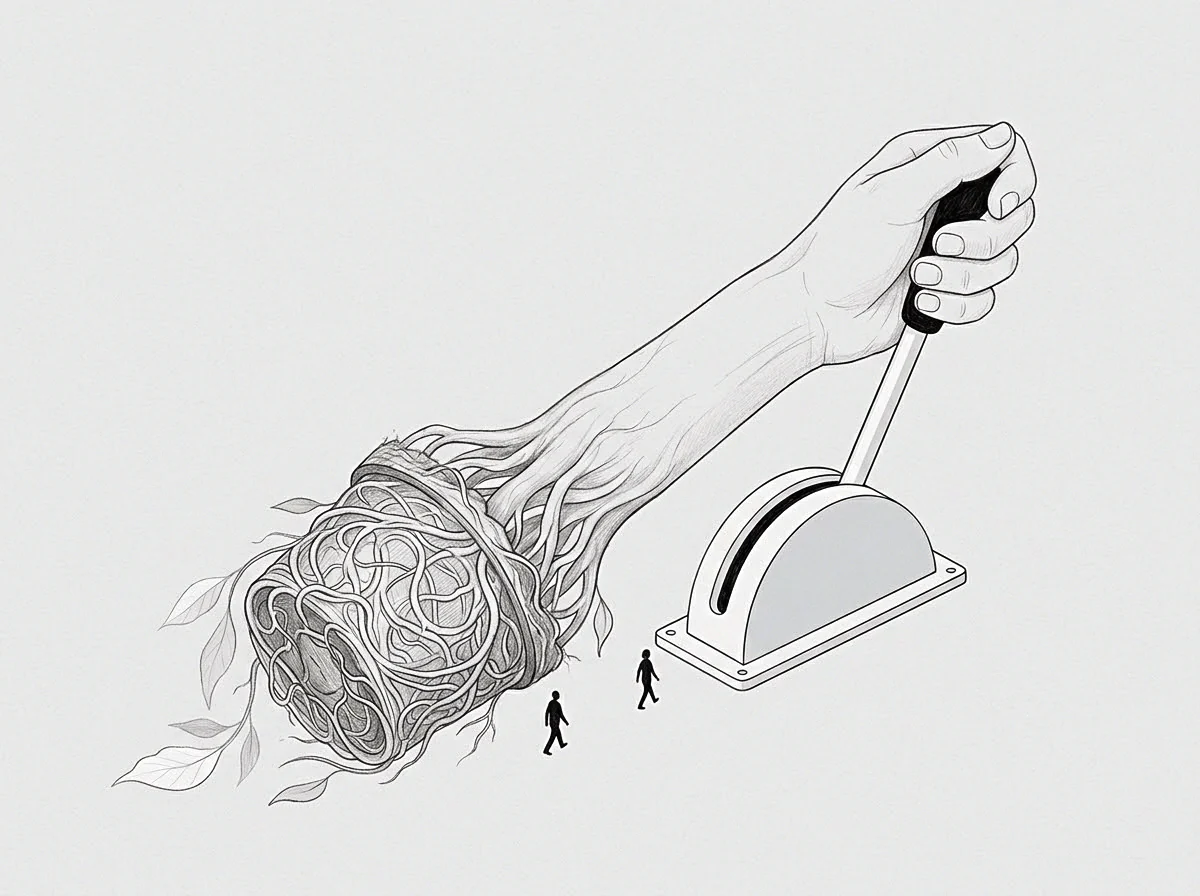
This transfer of regulatory burden operates as an unpriced exchange of biological energy. Borrowed regulation lowers the metabolic cost for the borrower while inflating the cost borne by the regulator. Calm operates as shared capital.
The regulator must process internal stressors while simultaneously providing an anchor for others, escalating cumulative allostatic load without explicit acknowledgment from the team.
A regulator proven under stress continuously absorbs external nervous system volatility until explicit structural boundaries stop the transfer.
Capacity invites continuous incoming load. When a regulator consistently absorbs external anxiety, team members stop developing their own internal regulation mechanisms. The organization defaults to leaning on the regulator’s personal stability, treating an exhausting individual biological exertion as a permanent operational feature of the company structure.
| Regulation Mode | Metabolic Energy Cost | Vigilance Frequency | Somatic Signal Fidelity |
|---|---|---|---|
| Solitary Throttling | High metabolic drain | Continuous high frequency | Low sensory fidelity |
| Asynchronous Ping | Moderate metabolic drain | Intermittent unpredictable spikes | Absent somatic cues |
| Physical Co-Presence | Low metabolic drain | Baseline low frequency | High somatic synchronization |
| Data derived from physiological monitoring of allostatic load across working environments. | |||
Enforcing a non-negotiable physical buffer alters the baseline calculation, forcing surrounding individuals to develop independent internal regulation mechanisms.
Slot
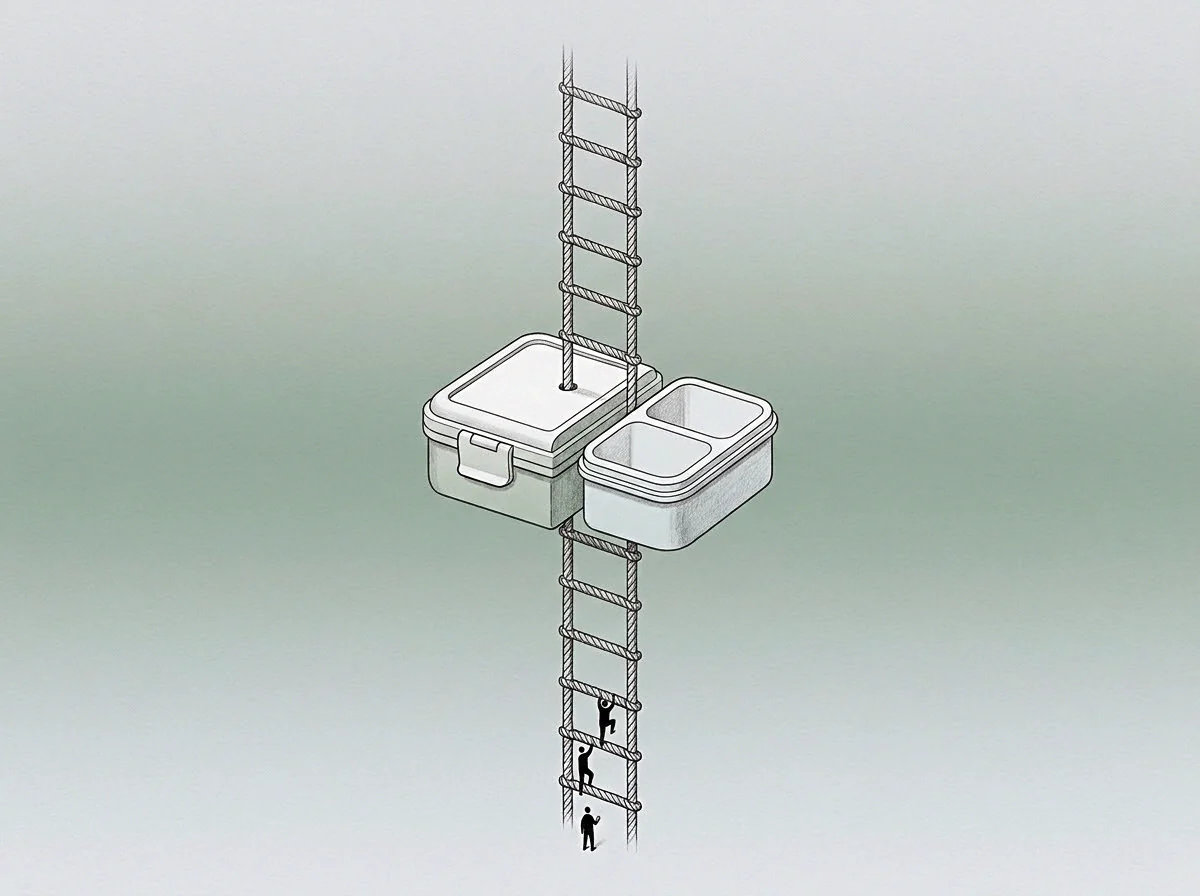
Early relational configurations often produce adults who view themselves exclusively as suppliers of stability rather than recipients. Individuals who functioned as emotional regulators early in life internalize an inverted relational template. Their internal working model links safety with maintaining control over the emotional states of others, treating personal vulnerability as an operational risk.
This inverted structure results in a missing receptor slot for receiving regulation from external sources. When an offer of presence, care, or shared load arrives, the regulator’s system scans it as an anomaly or an incoming task. The regulator cannot convert external support into autonomic calm, viewing the offer as something to manage, evaluate, or repay immediately.
Understanding an internal relational model never alters it without repeated physical evidence of safety.
Rebuilding this biological capacity requires updating the internal working model through structural experience rather than cognitive insight. The individual must experience physical co-presence with a non-demanding, physiologically stable other without being called upon to regulate that person or perform a task.
- Somatic Recognition identifies the physical resistance and muscle tension that arise when another person offers low-demand presence.
- Repeated Exposure maintains physical proximity with a reliable counterparty without engaging in operational task execution or performance.
- Structural Integration incorporates daily periods of unmediated, non-evaluative co-presence into the baseline personal routine over time.
Whether an individual who spent decades operating as the sole baseline can fully build a receptor slot in mid-life remains an active inquiry in adult attachment research.
Tether
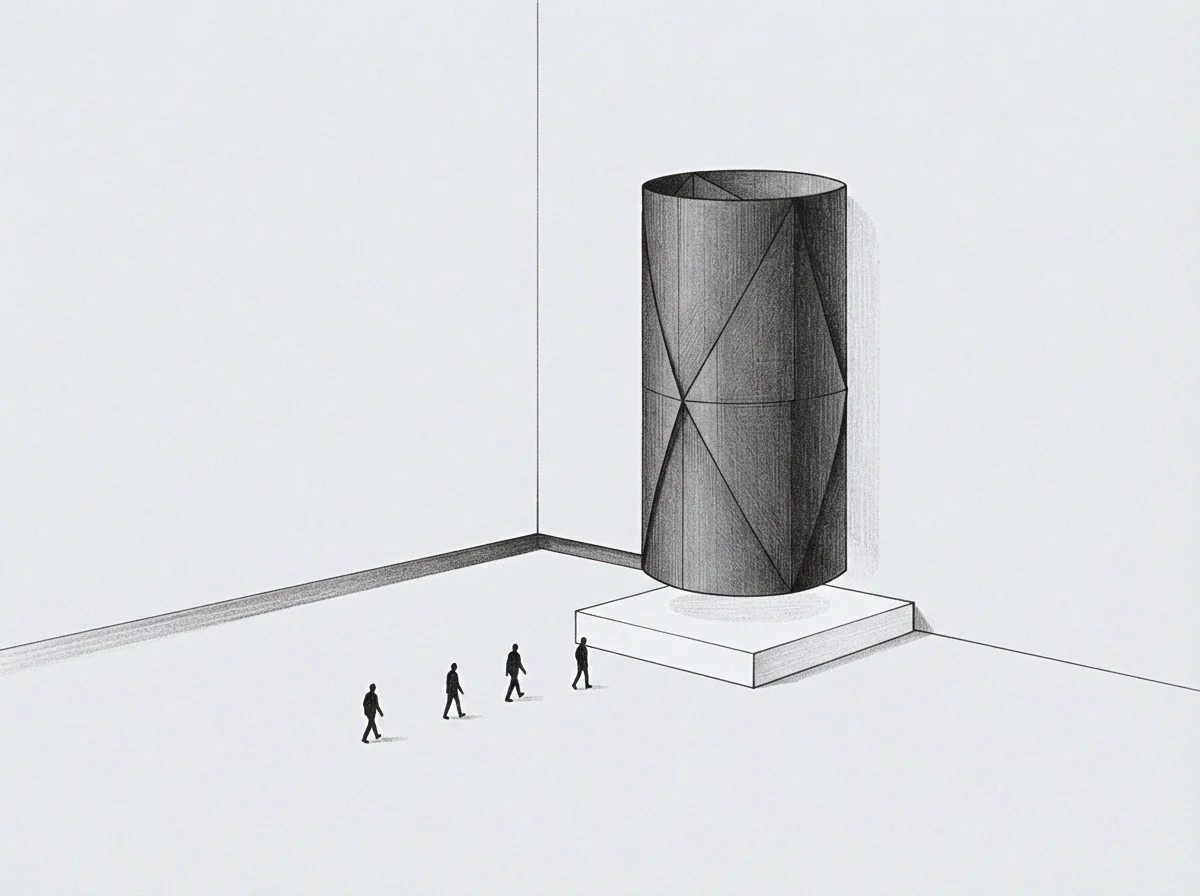
Restoring social baseline efficiency involves deliberate exposure to physical presence detached from workplace productivity. Sitting in the same room with a quiet, grounded person without a business agenda allows the nervous system to disarm its threat detection apparatus. The body senses the presence of a safe conspecific, lowering baseline heart rate variability strain and reducing cortisol output.
Autonomic synchronization happens without spoken words. Non-evaluative physical presence creates an environment where borrowed regulation operates in reverse, allowing the habitual regulator to absorb calm from an unburdened source. Over time, these low-demand shared experiences demonstrate to the central nervous system that physical proximity does not always precursor an influx of operational demands.
Physical proximity without operational expectations restores the nervous system’s capacity to budget energy efficiently.
Rebuilding social baseline efficiency shifts personal interactions from a state of metabolic desperation to one of intentional alignment. The individual transitions from needing physical presence to survive operational load to choosing proximity as a deliberate practice. This distinction changes how boundaries are set, how teams are built, and how personal energy is allocated across the lifecycle of a business.
True baseline efficiency returns when presence feels lighter than solitude.