
Resolving Structural Executive Depletion When Distributed Operational Nodes Reject Regulatory Responsibility Under Shock
Executive depletion resolves when central leaders enforce structural limits, stopping distributed nodes from offloading local regulatory responsibility under acute shock.

Load
Four distributed operational units send emergency escalations within ten minutes, even as local telemetry shows nominal reserve thresholds. Local managers retain throttling authority, but each unit relays operational pressure directly to the central executive seat rather than running local risk containment. A sudden shift across regional suppliers creates immediate margin pressure.
Distributed nodes absorb this financial strain by halting routine decisions and asking the central seat for override directives on standard operational trade-offs.
The central executive absorbs the regulatory burden of all four units at once. When stress raises local threat responses, distributed managers experience a sharp spike in cognitive load. Self-regulation during acute operational shock requires substantial energy.
Shifting decision costs to a central authority reduces local demands by moving the risk calculation upward. The central executive seat then serves as an external buffer for nodes that do not hold local operational risk.

Shock Transmission Across Distributed Operational Boundaries
Stress physiology shows that individuals in organized systems rely on external resources to maintain internal stability under pressure. When acute shock hits an enterprise network, distributed operators evaluate threats against their immediate baseline capacity. Without enforced structural limits, local operators default to offloading regulatory work.
The local operator sends raw variance to the central seat, transferring the operational risk calculation upward.
Baseline energy expenditure drops at the local operational node when regulatory responsibility shifts upward during acute shock.
This offloading operates through continuous communications and real-time decision requests. Central leadership interprets incoming escalations as tactical necessity rather than regulatory refusal. The central executive reviews local supplier contracts, approves temporary inventory deviations, and adjusts pricing line by line, while local problem-solving capacity remains idle.

The Physiology of Centralized Regulatory Absorption
The central executive operates with finite cognitive headroom. Continuously absorbing external operational shock depletes the energy reserves needed for long-term executive function. The brain budgets executive attention as a scarce resource.
When four distributed nodes demand simultaneous baseline regulation, central working memory collapses under the volume of concurrent requests.
Exposure to operational panic without local structural filtering turns systemic risk into acute executive exhaustion. The executive maintains heightened sympathetic nervous system activation, keeping baseline cortisol elevated across extended shifts. Emergency capacity collapses first, and prolonged central absorption leads to decision paralysis, executive depletion, and failure across non-escalated business units.
Organizations that allow distributed nodes to surrender local operational ownership under shock systematically exhaust central executive capacity, producing institutional paralysis during volatility.
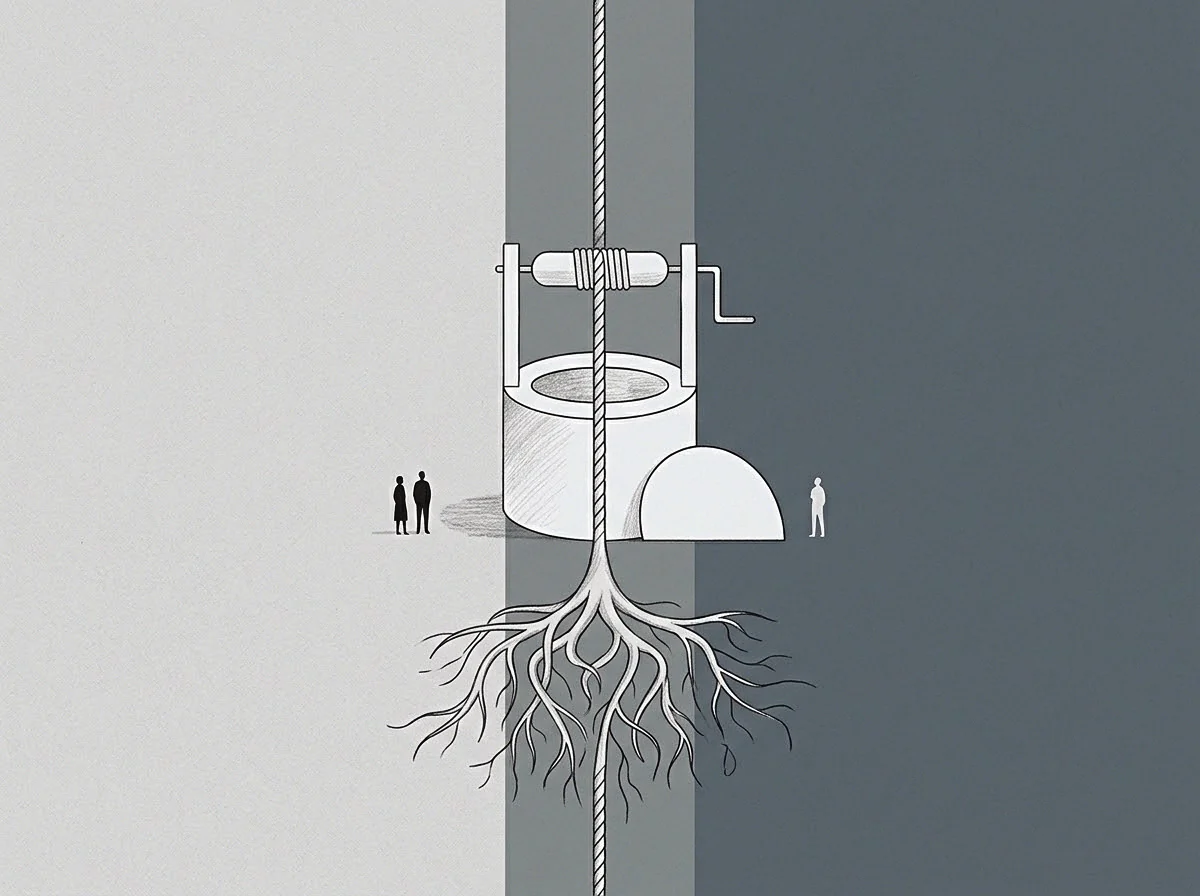
Budget
Social baseline theory indicates that human brains process threats as less costly when supported by a reliable partner. When operational environments destabilize, distributed nodes treat the central executive as an unlimited resource for absorbing pressure. Borrowed calm registers as stability within the local node, concealing the metabolic cost borne centrally.
The local node returns to normal function while the central seat pays the full price for that externalized stability.

Neural Economy of Distorted Co-Regulation
The relationship between distributed managers and central leadership operates as a baseline exchange of regulatory energy. In standard operations, local nodes maintain internal models of competence that include self-contained risk management. Under unexpected shock, those internal models revert to distress signaling if local accountability remains porous.
Threat is misread as shared work, and externalized regulatory demand hits the central executive as an immediate cognitive cost.
A central executive who absorbs local operational panic without structural resistance accelerates systemic depletion across the entire leadership layer.
The operational node experiences immediate relief upon handing decision ownership to the executive. This relief creates a self-reinforcing feedback loop: local operational tension triggers central escalation, central intervention restores local comfort, and local capacity for autonomous stress management degrades over successive cycles. The local manager’s internal template comes to treat central overrides as standard operating procedure.

What Converts Local Operational Friction Into Central Executive Depletion?
The conversion of local operational friction into executive exhaustion depends on four structural vulnerabilities within the operational baseline:
- Absence of stated operational envelopes explicitly defined in delegation documents to prevent unauthorized upward risk transfers.
- Continuous real-time communication channels that permit immediate asynchronous escalation of unvetted local variances to executive leadership.
- Implicit executive rewards for hyper-responsiveness that encourage central leaders to intervene in routine local operational friction.
- Unfiltered threat propagation protocols that fail to require local risk mitigation before formal escalation.
When these four operational gaps exist, local nodes shed accountability as soon as external metrics breach baseline expectations. The executive absorbs systemic heat while the node operates in a protected, non-accountable position. Silence registers as compliance, and local teams presume the executive seat possesses infinite bandwidth to process regional turbulence.
Local operational nodes come to expect central intervention whenever regional conditions exceed standard parameters.
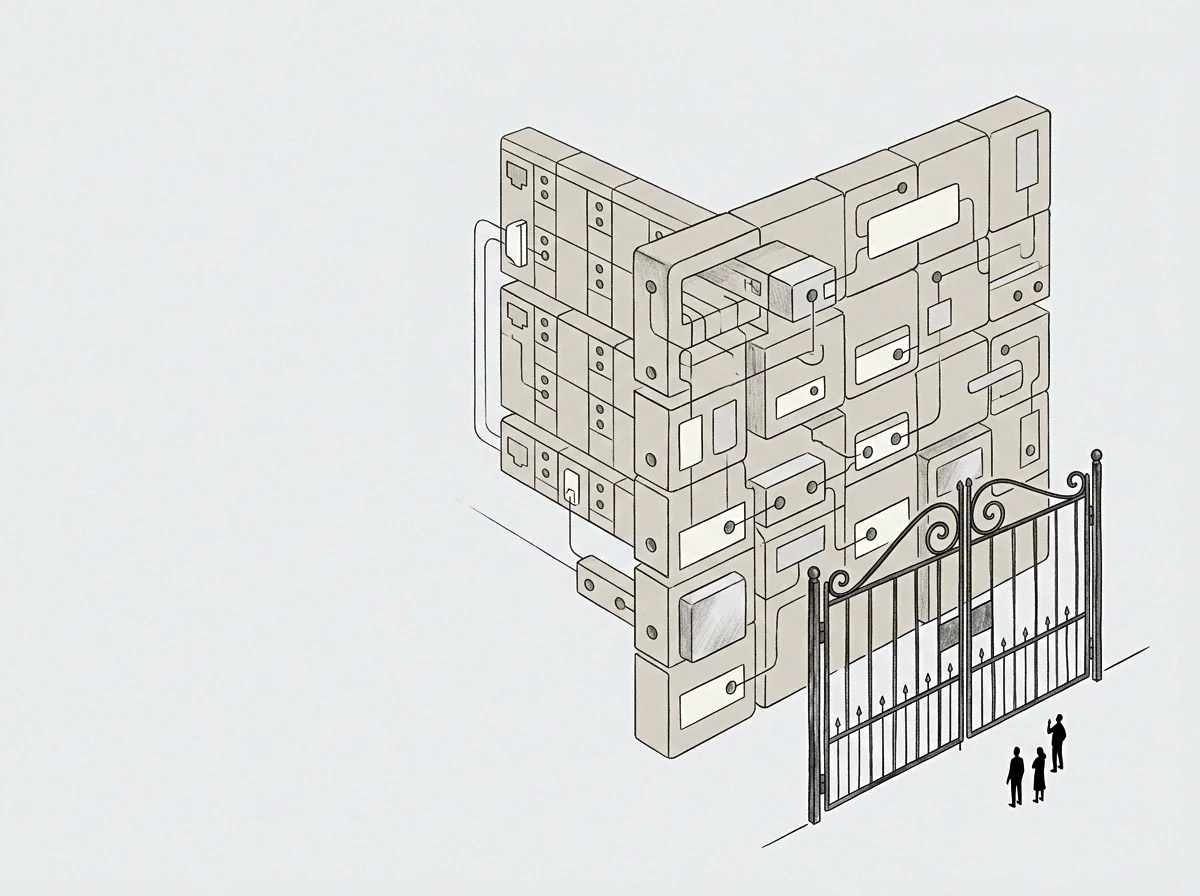
Span
A retail network operating forty distributed locations during a regional logistics collapse illustrates this dynamic. The central operations seat holds final authorization over store inventory allocations, while regional store managers hold authority over labor hours and local supplier substitutions up to fifty thousand dollars. Tracing the network through three distinct structural models under acute supply disruption shows how regulatory costs are distributed across the organization.

Comparative Capacity Under Environmental Stress
The operational span of control shifts dramatically depending on where regulatory accountability rests during an environmental shock. The table below compares executive workload, local node autonomy, and network survival across three regulatory architectures under shock conditions.
| Regulatory Architecture | Central Executive Load | Local Node Behavior | Network Stress Containment |
|---|---|---|---|
| Unilateral Upward Offloading | Severe metabolic depletion within 48 hours; cognitive saturation reached; strategy halts. | Passively awaits central directives; halts local supplier negotiations; local capacity idle. | Systemic failure; central bottleneck halts local adaptations; inventory stalls network-wide. |
| Shared Tactical Co-Regulation | Moderate operational friction; continuous review of non-standard escalation requests. | Executes standard playbook; escalates complex variances; partial local trade-offs made. | Delayed adaptation; network remains stable but absorbs high central communication overhead. |
| Hard Envelope Containment | Low physiological load; high focus on macro capital allocation and systemic tail risks. | Executes local substitutions up to threshold; absorbs local variance; maintains operational tempo. | High operational resilience; localized shocks contained at node boundary without central depletion. |
Under Unilateral Upward Offloading, central leadership spends eighty percent of working hours processing store-level inventory substitutions. Under Hard Envelope Containment, store managers execute substitutions independently within pre-approved financial limits, leaving executive bandwidth clear for long-term contract restructuring.
Operational limits established prior to environmental shock determine whether executive capacity survives systemic turbulence.
The difference between operational collapse and resilience lies in enforcing non-negotiable node boundaries before acute shock hits the system. A local manager who knows central overrides are unavailable mobilizes internal operational reserves to resolve regional vendor friction directly.
Enforcing strict local financial limits alters default node behavior from immediate escalation to autonomous risk mitigation.

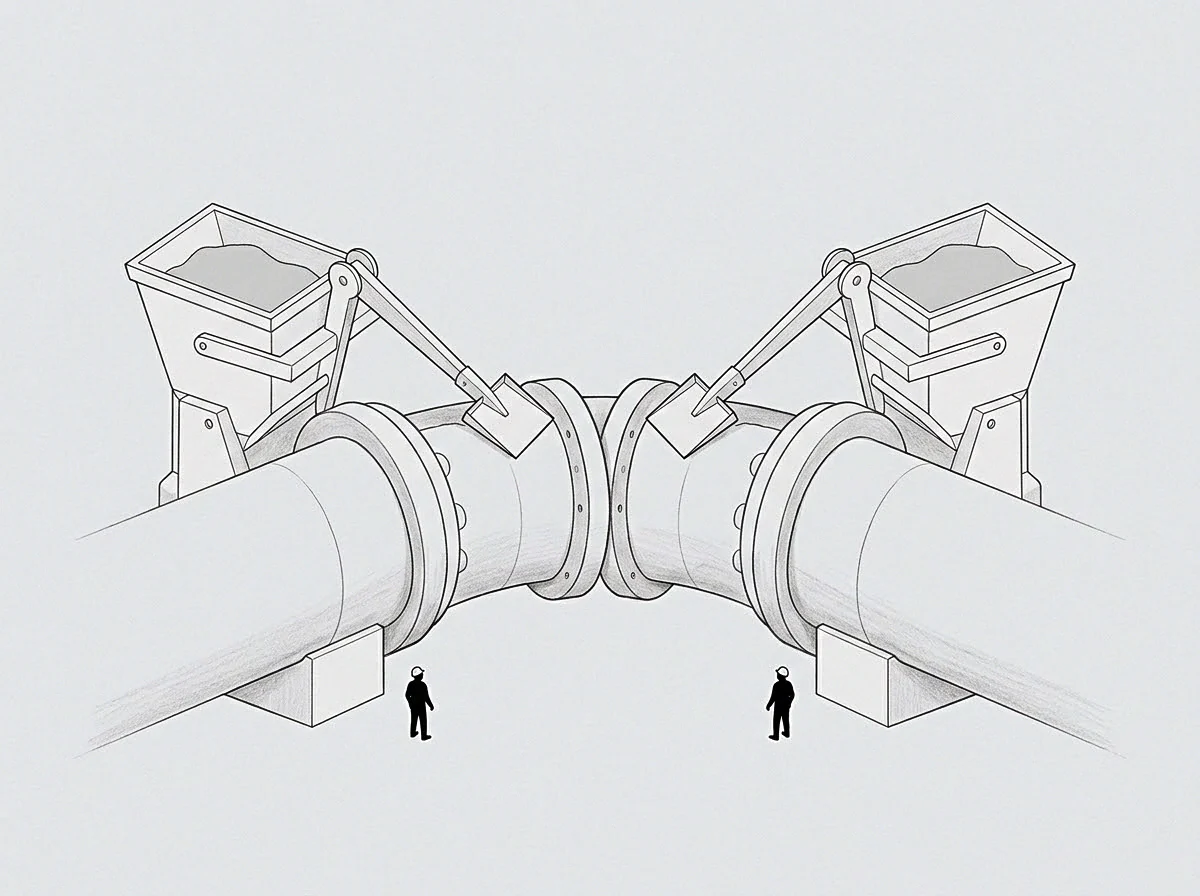
Valve
Restoring executive function requires structural valves that limit the upward flow of operational risk. A structural valve acts as a mandatory filter that prevents a distributed node from transferring regulatory responsibility without meeting explicit local conditions. The executive seat must close the open operational buffer and enforce hard boundaries around central availability.
Reconstructing Structural Envelopes and Local Limits
Transitioning an organization from regulatory offloading to localized responsibility requires altering baseline expectations for node leadership. The central executive stops acting as an emotional and operational sponge, relying instead on structural limits to protect operational tempo.
- Define non-negotiable operational envelopes that specify exact financial, legal, and personnel thresholds local managers must resolve independently before initiating central contact.
- Establish structured escalation protocols requiring local nodes to present two fully costed mitigation proposals alongside any request for central operational intervention.
- Implement scheduled communication windows, eliminating continuous asynchronous channels that disrupt executive focus during high-volatility events.
- Redirect unauthorized operational escalations back to local managers immediately, without providing interim answers or regulatory comfort.
When distributed managers encounter structural resistance at the central boundary, their physiological threat response shifts from upward delegation toward internal problem-solving. This shift forces the local node to build regulatory capacity over time.
A structural limit enforced consistently under environmental shock builds earned security within local operational teams.
Updating an organization’s regulatory template requires repeated experience with central boundaries. Understanding local empowerment intellectually does not alter behavior during a crisis; only the lived experience of holding local operational risk changes a node’s internal model. The central executive must remain firm when local nodes test structural limits during early shock waves.
What systemic operational failures occur when a local node lacks the underlying skill to manage the risk contained within its enforced structural envelope?
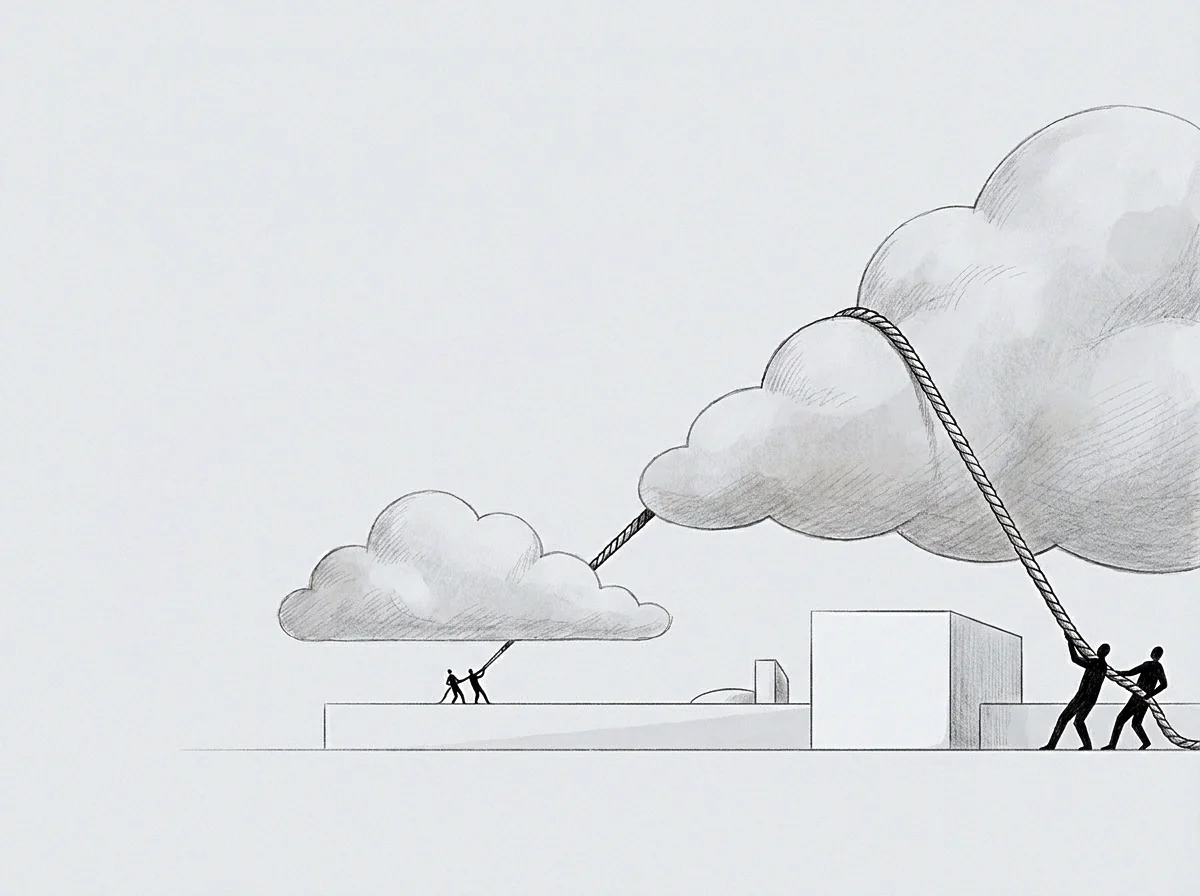
Floor
The structural floor represents the minimum operational baseline an organization maintains once central executive depletion is resolved. Security within operational nodes develops through repeated exposure to enforced boundaries paired with clear expectations, shifting the baseline economy from central threat absorption to distributed resilience.

Earned Security Through Envelope Enforcement
When the central executive refuses to absorb non-executive regulatory load, distributed operational nodes adapt to the new structural reality. Local teams build operational capability by navigating regional shocks within their defined envelopes. Over extended cycles, the gap between local threat perception and local execution capability shrinks, establishing a regulatory template rooted in distributed autonomy.
The executive seat returns to its primary function: strategic capital allocation, high-level enterprise risk containment, and long-term organizational design. Baseline physiological load for the executive team returns to nominal levels, preserving emergency cognitive capacity for genuine systemic crises. The central seat ceases to be an emotional buffer and becomes a structural anchor.
Clear boundaries within an operational architecture create a stable baseline across all nodes, ensuring that localized shocks remain localized while executive bandwidth remains intact.
Operational stability increases when distributed nodes bear local risk within enforced structural boundaries.