
Resolving Unilateral Containment Templates To Enable Visceral Parasympathetic Offloading In High Load Operators
Unilateral containment forces continuous sympathetic activation in high-load operators until explicit relational safety signals enable visceral parasympathetic recovery.
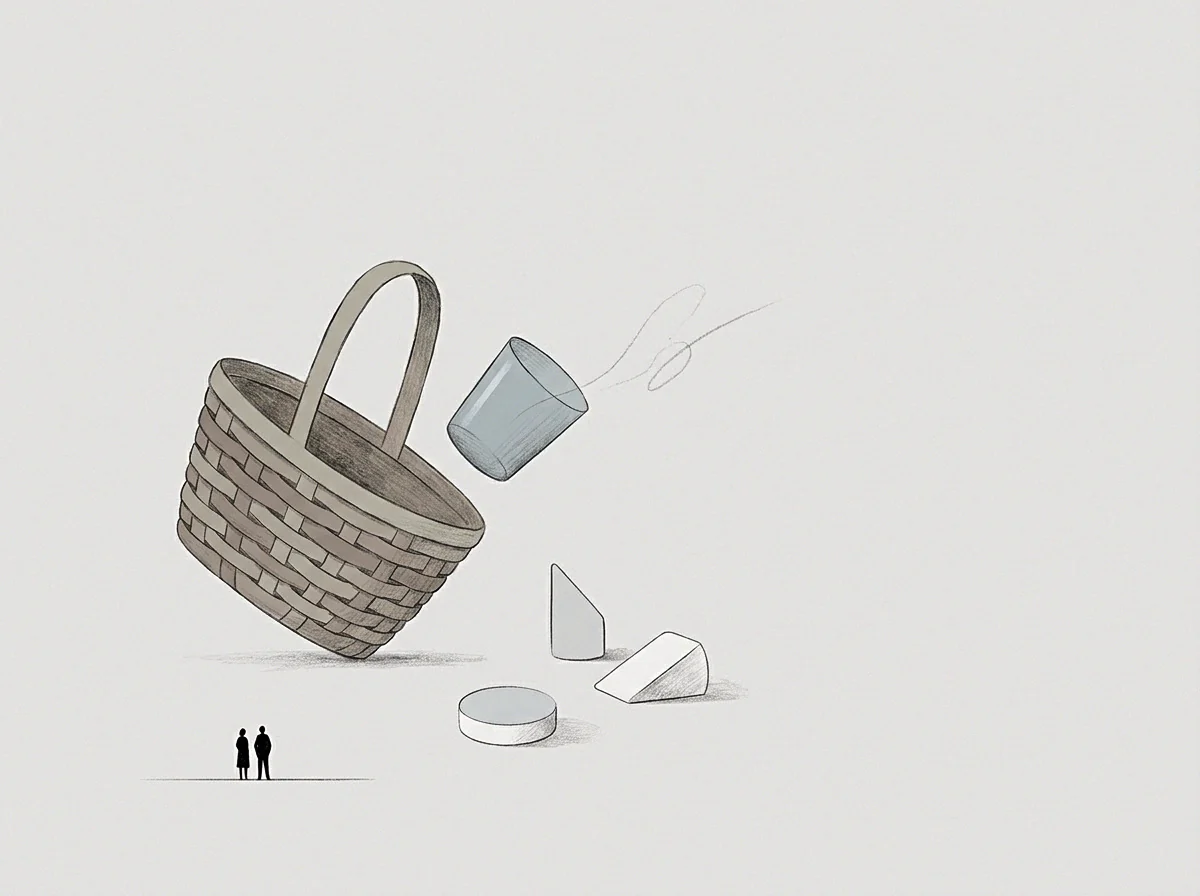
Floor
Four incident channels remain open on a laptop screen at midnight in a dark room. The operator at the desk keeps a steady voice, stable heart rate, and minimal movement even as service degradations multiply. Teams route panic to this terminal because it absorbs the strain without showing friction.
Yet underneath, autonomic arousal stays high. Blood vessels remain constricted, digestion slows to a stop, and the body does not shift into recovery even after the immediate incident ends. Parasympathetic offloading fails to start because the nervous system treats containment as a solitary, unfinished task.
Operators under prolonged stress develop a distinct adaptation. The brain calculates energy needs using perceived environmental support. If an operator learns early on that surrounding figures are unreliable or easily overwhelmed, the neural threat-budgeting system recalculates its baseline.
Suppressing distress signals becomes the primary defense. The individual acts as a steadying baseline for the entire organization, absorbing volatility while hiding the physical cost.
Unilateral containment forces the autonomic nervous system to treat all incoming organizational turbulence as a solitary physiological debt.
Solitary containment relies on constant sympathetic activation, keeping baseline stress high. The neural pathways that govern rest, digestion, and repair require clear cues of relational safety before they can engage. Without a trusted presence to share the burden, the operator’s body defaults to constant vigilance, remaining locked in high output even after external demands drop back to normal.
Sustained internal pressure eventually degrades physical health. Sleep fragments into short, light cycles interrupted by micro-arousals. Vascular tension raises baseline blood pressure, and chronic suppression of recovery causes persistent digestive issues.
Through all of this, the operator projects total calm, hiding internal depletion until metabolic limits force an involuntary shutdown.
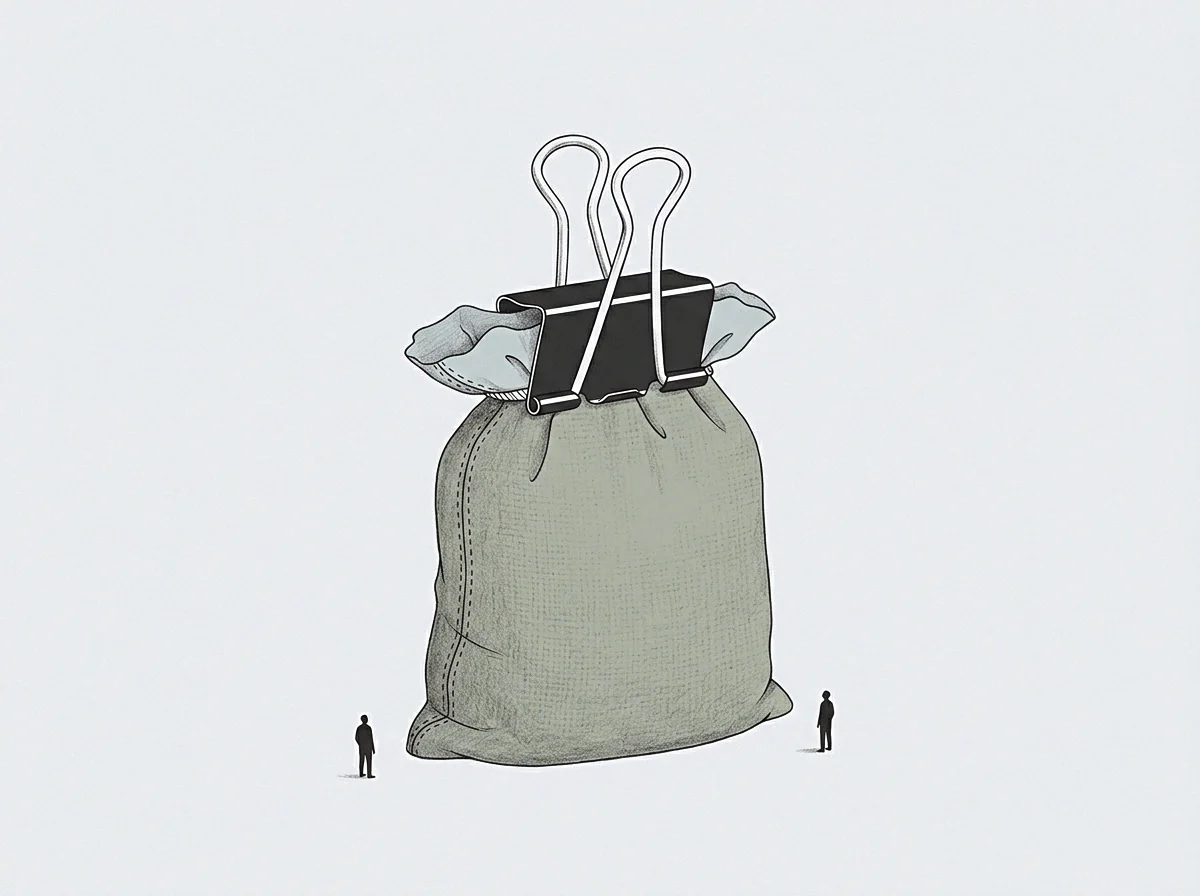
Arch
Early structural adaptation builds a persistent internal model. This cognitive and physical template assumes safety depends entirely on maintaining full control over operational and emotional outcomes. Operating automatically, it frames offers of support as added risk or unwanted overhead.
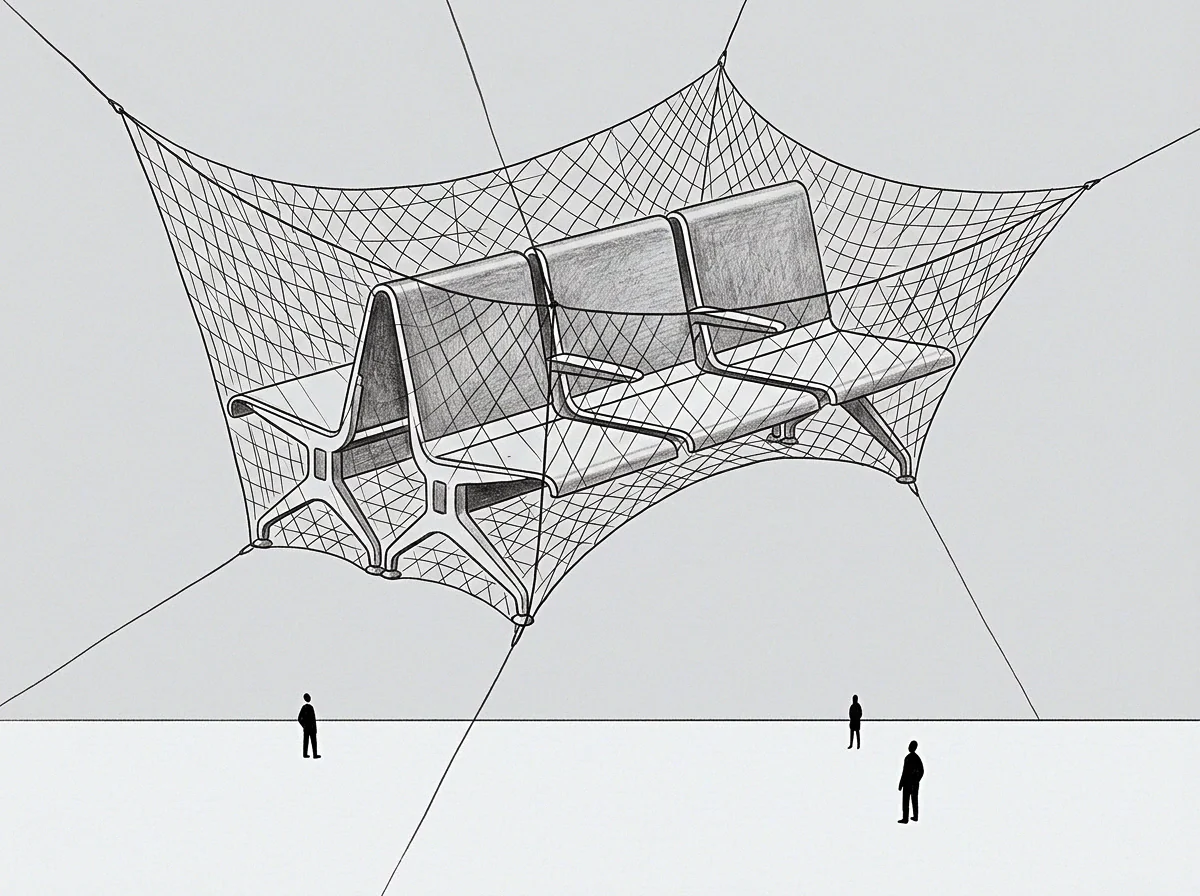
Mechanics of Unilateral Containment
Social baseline theory shows that human nervous systems conserve metabolic resources by sharing regulatory burdens. When two or more people co-regulate, brain activity in threat-processing areas drops sharply during acute stress. Unilateral containment patterns bypass this biological advantage entirely.
- Unilateral Responsibility Model drives the system to interpret team distress as a sole directive to absorb and neutralize pressure without giving feedback.
- Receptor Slot Suppression blocks incoming soothing signals from peers, as the nervous system marks external help as unpredictable or inefficient.
- Attaching to State occurs when team members subconsciously ground their own panic against the operator’s steady baseline, adding to the weight on the central node.
- Earned Security Barrier prevents past experiences of co-regulation from settling into the body, locking the operator inside legacy preservation patterns.
The operator processes self-regulation and containing others as the exact same physical task. Neural circuits designed to suppress personal fear are repurposed to absorb anxiety from direct reports, board members, and clients. Holding the line for everyone else consumes remaining physical energy, leaving no bandwidth left to accept support.
A nervous system configured for unilateral containment interprets an offer of rest as an incoming operational failure.
Direct reports learn to rely entirely on the operator’s steady composure, mistaking that calm for deep reserves rather than a suppressed autonomic stress response. Assuming the leader needs no backing, the team routes all unmanaged organizational tension straight back to the central desk.
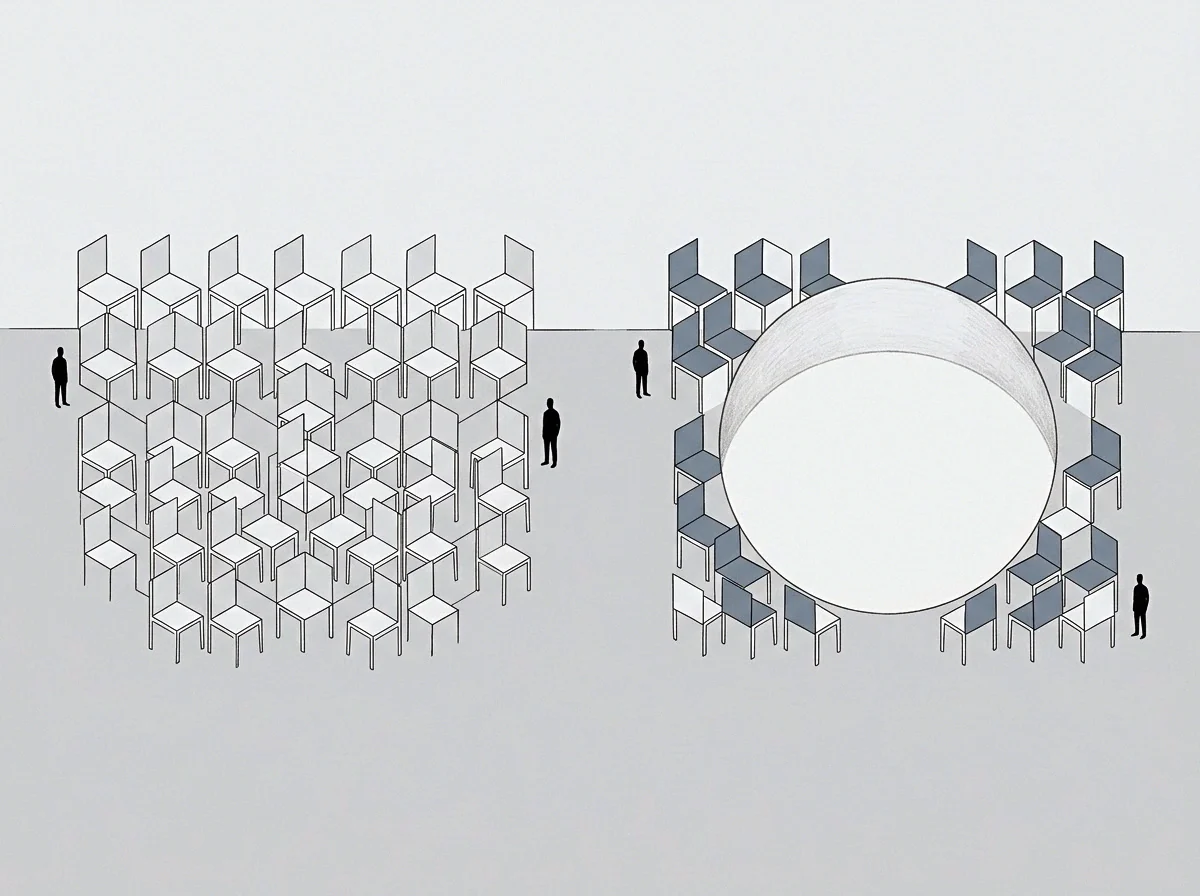
Draft
Consider a technical founder navigating an emergency funding sprint. Holding sixty percent of decision-making authority while managing two senior executives in conflict over resource allocation, the founder works fourteen hours daily while maintaining a reassuring tone. Behind that calm exterior, the founder’s resting heart rate stays twenty beats above normal, cortisol remains elevated, and deep sleep cycles are entirely absent.
The executive team interprets this composure as proof of resilience, bringing increasingly chaotic disputes straight to the founder. The founder absorbs these strains, applies unilateral containment, and settles conflicts without showing stress. While the operational ledger looks balanced, the physical system runs an unsustainable deficit.
| Operational Criterion | Unilateral Containment Dynamics | Bilateral Co-Regulation Dynamics |
|---|---|---|
| Autonomic State Under Stress | Sustained sympathetic activation, blocked parasympathetic transition | Dynamic oscillation between action and visceral recovery |
| Resource Allocation Path | Central operator absorbs all systemic volatility alone | Distress load distributed across multiple relational nodes |
| Receptor Availability | Blocked; incoming support registered as an operational threat | Open; incoming support utilized to lower metabolic expenditure |
| Long-term Systemic Capacity | Linear degradation leading to somatic collapse | Sustainable capacity preserved through continuous somatic offloading |
This situation shows how structural assumptions dictate biological reality. The founder treats total self-reliance as an absolute operational requirement. When a peer offers relief, the founder’s internal baseline flags the gesture as an anomaly, triggering an immediate reaction that pushes the colleague away.
Systemic stability depends on establishing clear biological and operational limits across all team nodes.
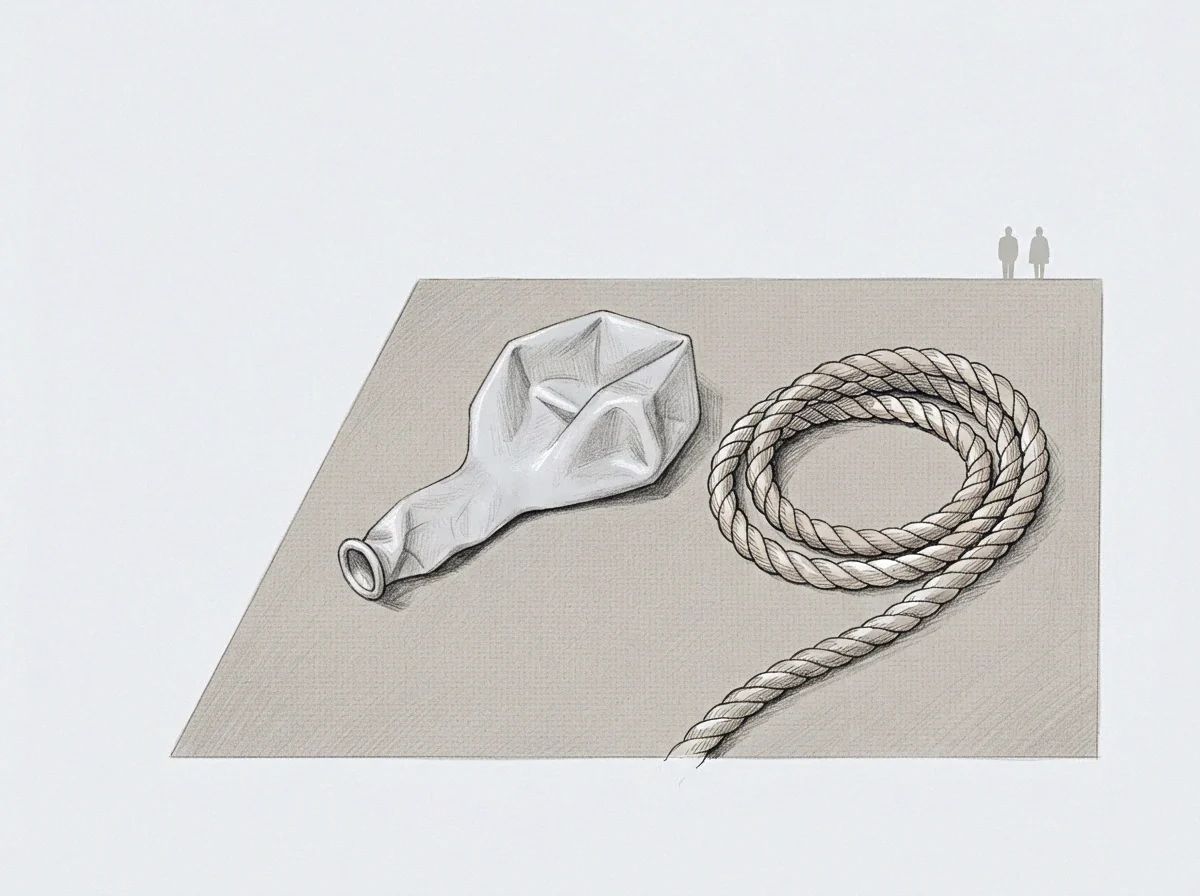
Door
Opening a path to parasympathetic offloading requires dismantling the barrier that blocks incoming co-regulation. High-load operators routinely build defenses that treat vulnerability as systemic danger. Breaking those patterns takes deliberate physical re-conditioning.
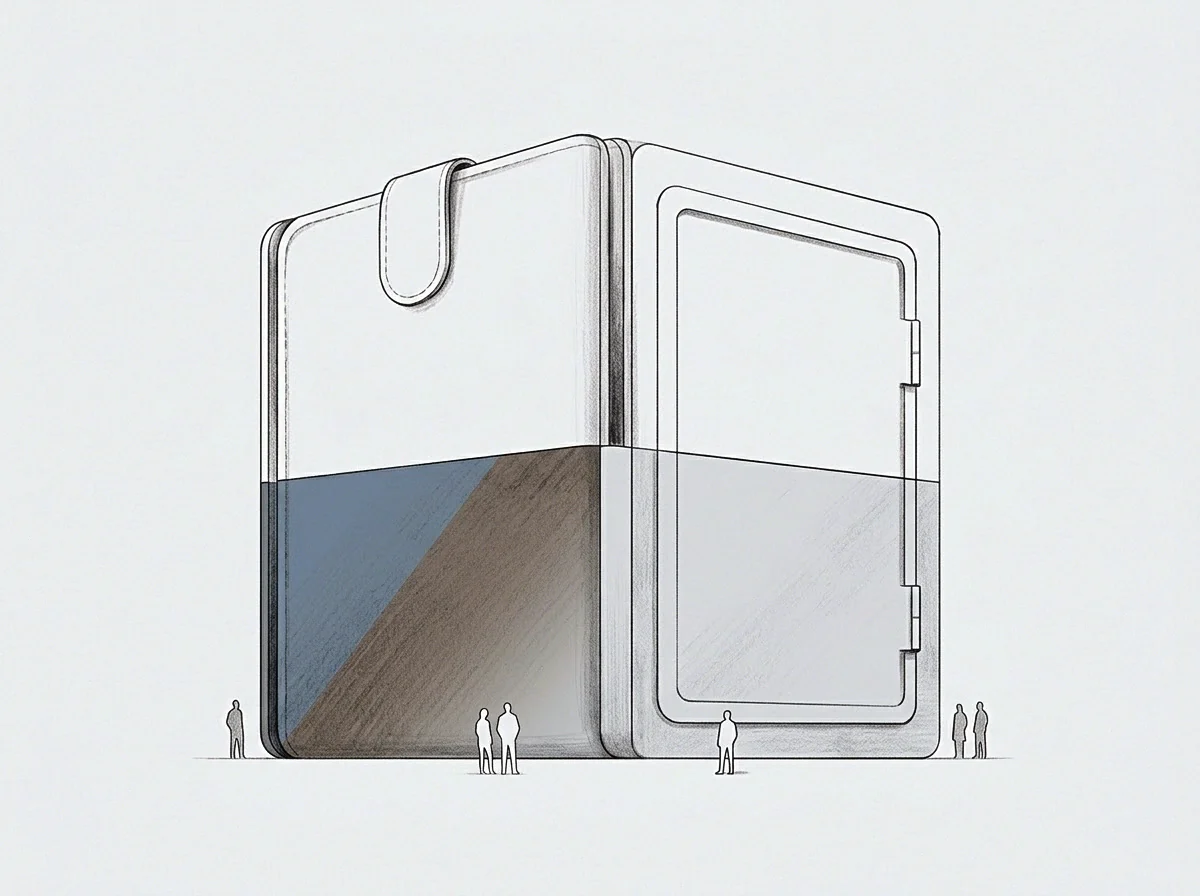
Whose Capacity Decreases When Containment Fails?
Organizational performance drops sharply when a central node breaks under unmanaged allostatic load. Expecting one person to absorb endless pressure without offloading contradicts basic stress physiology. Long-term viability requires shifting from unilateral templates to shared regulatory systems.
The process begins by recognizing the physical signals that precede exhaustion. Operators learn to track micro-changes in autonomic tone, including muscle tension, shallow breathing, and the persistent feeling of carrying everything alone. Rebuilding that missing capacity requires exposing the nervous system to small, structured moments of genuine safety.
- Signal Recognition marks the continuous tracking of physical contraction during high-friction leadership interactions.
- Structured Limit Setting defines explicit operational boundaries that keep external volatility from flooding the central node.
- Micro-Offloading Exercises involve trusting a verified partner or peer with small increments of operational weight.
- Integration Verification evaluates whether the autonomic system successfully shifts into parasympathetic recovery after shared containment.
Parasympathetic offloading can only initiate when the central nervous system registers the presence of a truly reliable external baseline.
Re-patterning an internal template takes time and deliberate physical feedback. As the central operator learns that sharing operational weight does not trigger organizational failure, baseline threat detection gradually settles.
What structural modifications are necessary to ensure that executive teams can sustain shared regulatory functions during prolonged periods of high market volatility?
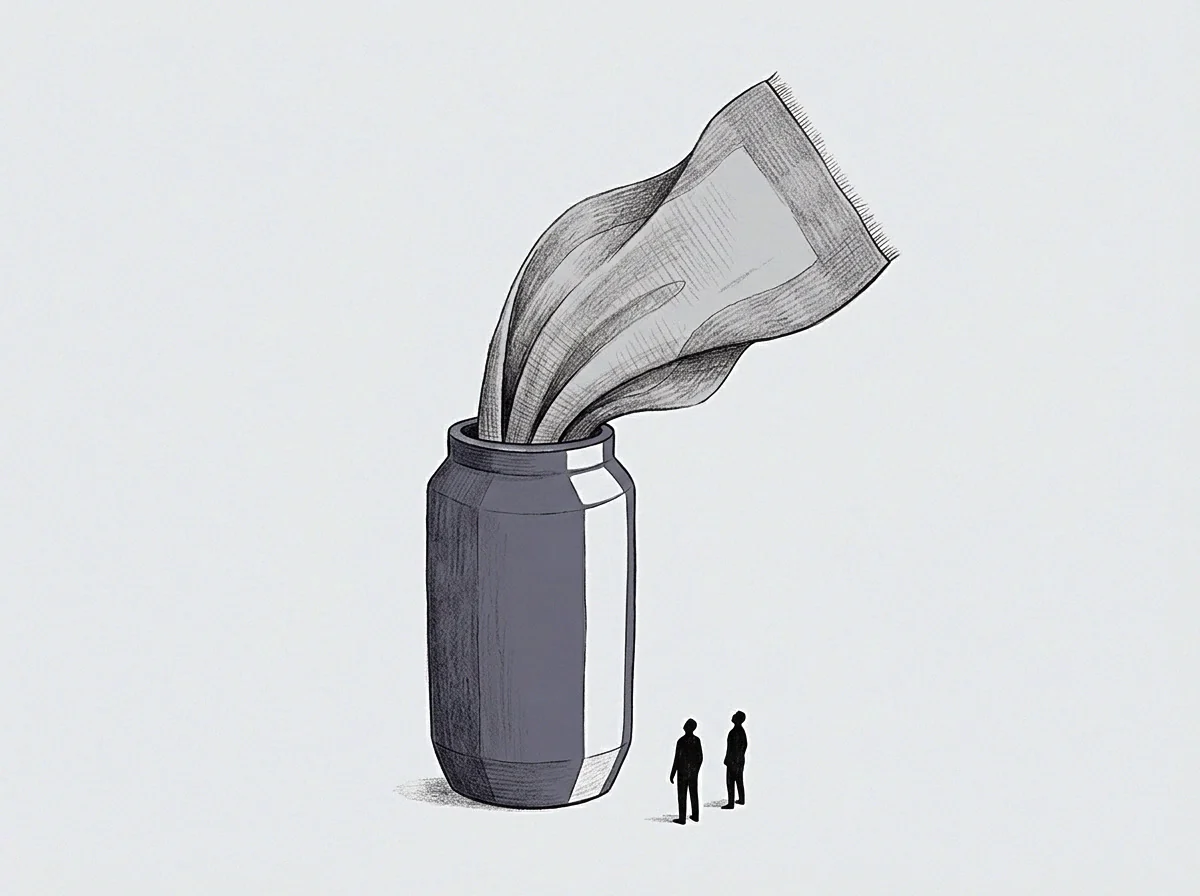
Weld
Resolving legacy containment templates requires building earned security. That state is not achieved through cognitive insight alone, but through repeated experiences where the nervous system relinquishes sole control and sees that outcomes remain stable. By deliberately allowing peers or partners to hold operational stress, the operator learns that stepping back from continuous containment does not trigger disaster.
This re-education alters the brain’s threat-budgeting calculations. As the central operator verifies that direct reports, partners, or peers can carry structural weight without crumbling, the biological need for hyper-vigilance dissolves. Vascular tension softens, vagal tone improves, and parasympathetic recovery becomes accessible during rest.
Shifting from solitary holding to shared regulation restores sustainable capacity. Operators retain sharpness and decision-making clarity while shedding the biological cost of unilateral containment. The nervous system regains flexibility, moving fluidly between intense operational drive and restorative recovery once the work is complete.