
Social Baseline Mechanics Under Sustained Solo Leadership
Solo leadership elevates neural metabolic expenditure because self-regulation lacks the physiological load sharing provided by direct coregulating proximity.

Presence
Four operational messages arrive late on a Thursday evening while the founder sits at an empty desk, each asking for an urgent decision, clarification, or steering. Throughout the company, employees expect a measured response that signals total tactical control. The team interprets that steady posture as an absence of pressure, taking it for granted that cognitive strain is negligible.
Baseline interactions inside early enterprises often rest on that assumption.
Social Baseline Theory establishes that the human brain evolved to treat proximity to dependable peers as its default condition for conserving metabolic resources. Working alongside trusted partners allows the central nervous system to distribute risk detection and autonomic regulation across multiple people, lowering the neural energy any single person spends tracking threats. Independent self-regulation is merely an expensive fallback, demanding constant glucose consumption and sustained vigilance from the prefrontal cortex.
Under a solo leadership structure, baseline buffering runs in only one direction. Staff members steadily pull regulatory stability from the founder, using the executive’s steady composure as a physiological anchor to damp their own sympathetic nervous system arousal. The founder absorbs operational friction and supplies calm to the room, but receives no coregulating signal in return.
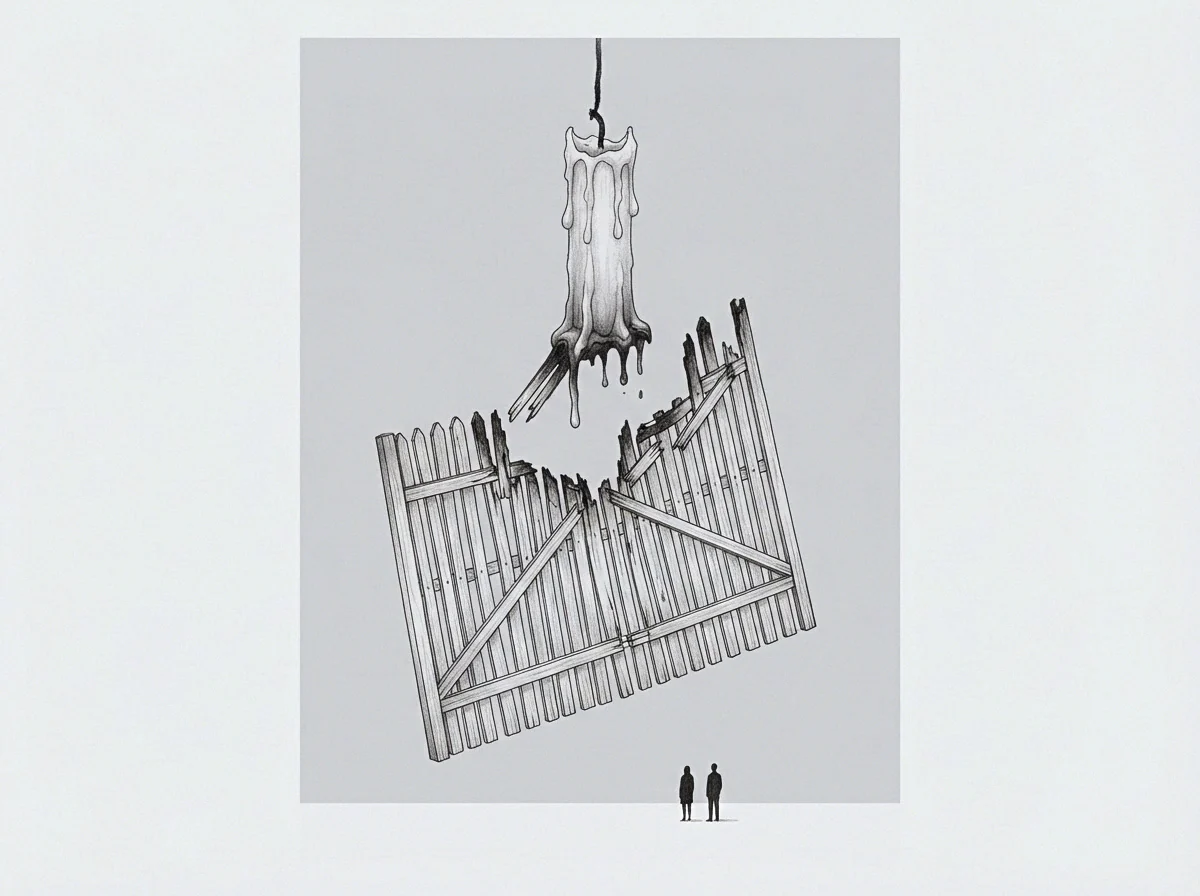
The Asymmetry of Borrowed Calm
Employees interacting with a composed executive borrow regulation directly from that presence. The physiological benefit to the employee is immediate, stabilizing heart rate variability and cortisol levels during the exchange. Because this transfer relies on pre-conscious autonomic signaling, team members rarely recognize that they have drawn down the leader’s metabolic energy reserves.
Under these conditions, the solo leader accumulates a heavy physiological burden. Threat-evaluation circuits in the anterior insula and dorsal anterior cingulate cortex fire continuously when calculated operational risk rests entirely on one set of shoulders. Without a peer who shares formal accountability for company survival, the executive brain registers every operational variance as an immediate demand on personal capacity.
Because the leader appears unaffected, the surrounding team assumes the operational pressure remains entirely manageable.
Room
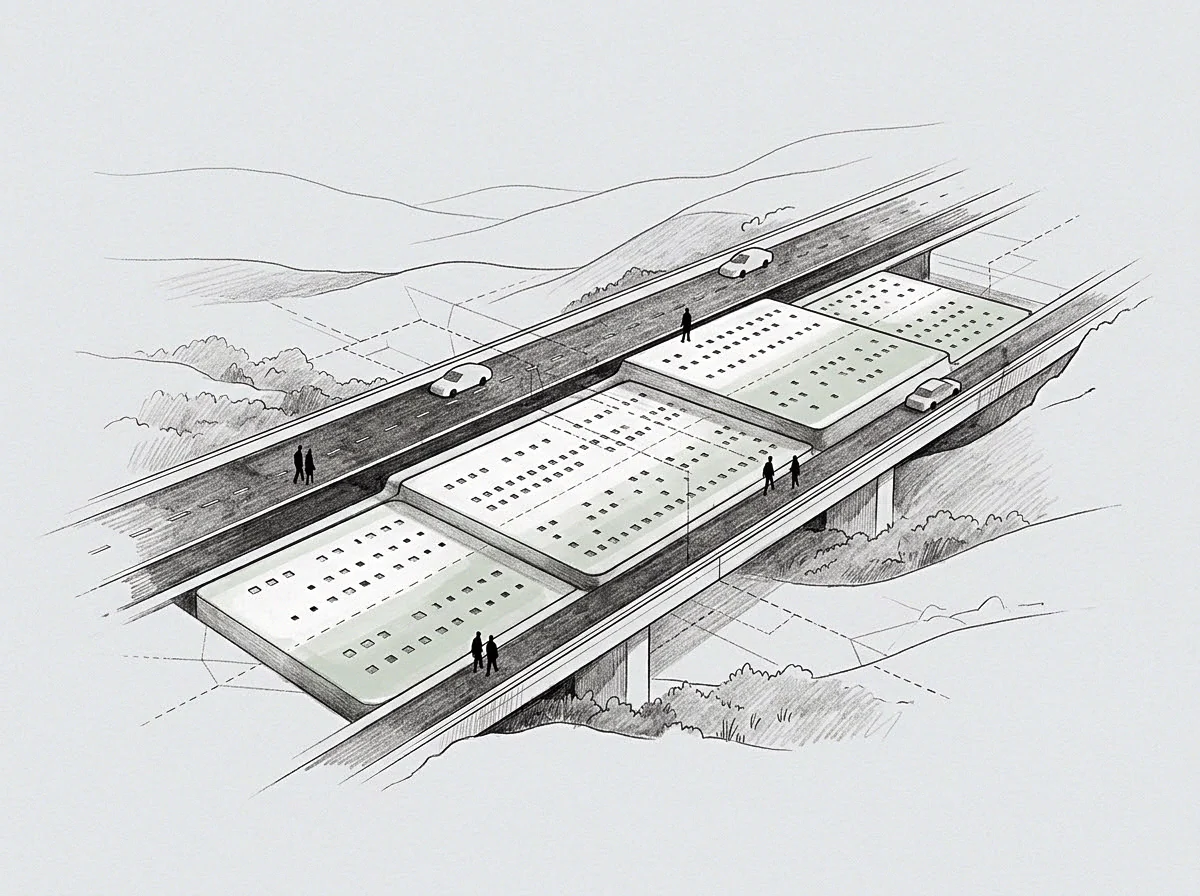
Physical space and direct sensory cues allow mammalian nervous systems to adjust autonomic states without spoken negotiation. When two colleagues share an office through periods of intense operational uncertainty, mutual coregulation happens through posture, tone, and visual alignment. The physical presence of a competent peer tells subconscious threat monitors that environmental vigilance can be divided, a calculation running uninterrupted beneath conscious thought.
When executive authority is held by one person, the leader bears sole responsibility for the relational climate of the workspace. Employees enter the room carrying anxiety and leave with renewed focus, treating the space as an absorption sink for organizational tension. The founder acts as an isolated environmental anchor, constantly modulating tone and expression to keep the surrounding group operational.
A leader who regulates an entire organisation alone operates at baseline metabolic rates designed for acute survival rather than sustained expansion.

The Receptor Slot Void
Coregulation depends on a receptive capacity within an individual’s relational template, the physiological ability to take in calming cues from someone else. Many founders formed early relational habits around steadying the adults around them rather than receiving containment themselves. Over time, regulating others and regulating oneself fuse into a single reflex.
This inverted habit creates a distinct vulnerability. When an advisor, investor, or colleague offers genuine coregulation, the founder’s nervous system often interprets the support as an anomaly or another task to manage. The receptive capacity remains blocked, leaving the leader to shoulder the entire autonomic burden because their neural wiring treats external support as an unfamiliar operational risk.
Lasting physiological equilibrium requires either shared operational accountability or close proximity to an anchor outside the organization.

Load
Metabolic expenditure mounts rapidly when autonomic control relies entirely on internal effort. Where leadership is genuinely shared across an organization, allostatic load, the physiological wear and tear from adapting to persistent stress, spreads across several anchors. When one executive carries all strategic and operational accountability alone, that strain builds up without adequate recovery windows.
When the nervous system faces uncertainty without a coregulating partner, it assigns elevated threat ratings to ordinary operational problems. A capital allocation decision that feels routine alongside an equal partner can trigger a prolonged sympathetic response in an isolated executive, draining glucose, narrowing cognitive headroom, and hastening mental exhaustion.
An enterprise’s operational design reflects whether nervous system regulation is divided or carried alone, shifting physiological mechanics across leadership models.
| Evaluation Dimension | Solo Regulatory Model | Dual-Anchor Regulatory Model |
|---|---|---|
| Primary Regulation Source | Internal self-regulation and individual metabolic consumption | Reciprocal co-regulation and shared metabolic distribution |
| Neural Threat Processing | Heightened anterior insula activity during uncertainty | Damped threat activation via relational baseline buffering |
| Team Regulatory Draw | One-way extraction from founder to surrounding staff | Bi-directional load distribution across executive peer group |
| Executive Headroom Margin | Progressively compressed over sustained operational exposure | Maintained through metabolic resource conservation |
| Allostatic Load Accumulation | Rapid accumulation leading to strategic capacity throttling | Modulated accumulation with ongoing relational dissipation |
When threat calculation runs without a coregulating partner, neural metabolic expenditure increases in direct proportion to perceived operational isolation.
Metabolic Threat Accounting
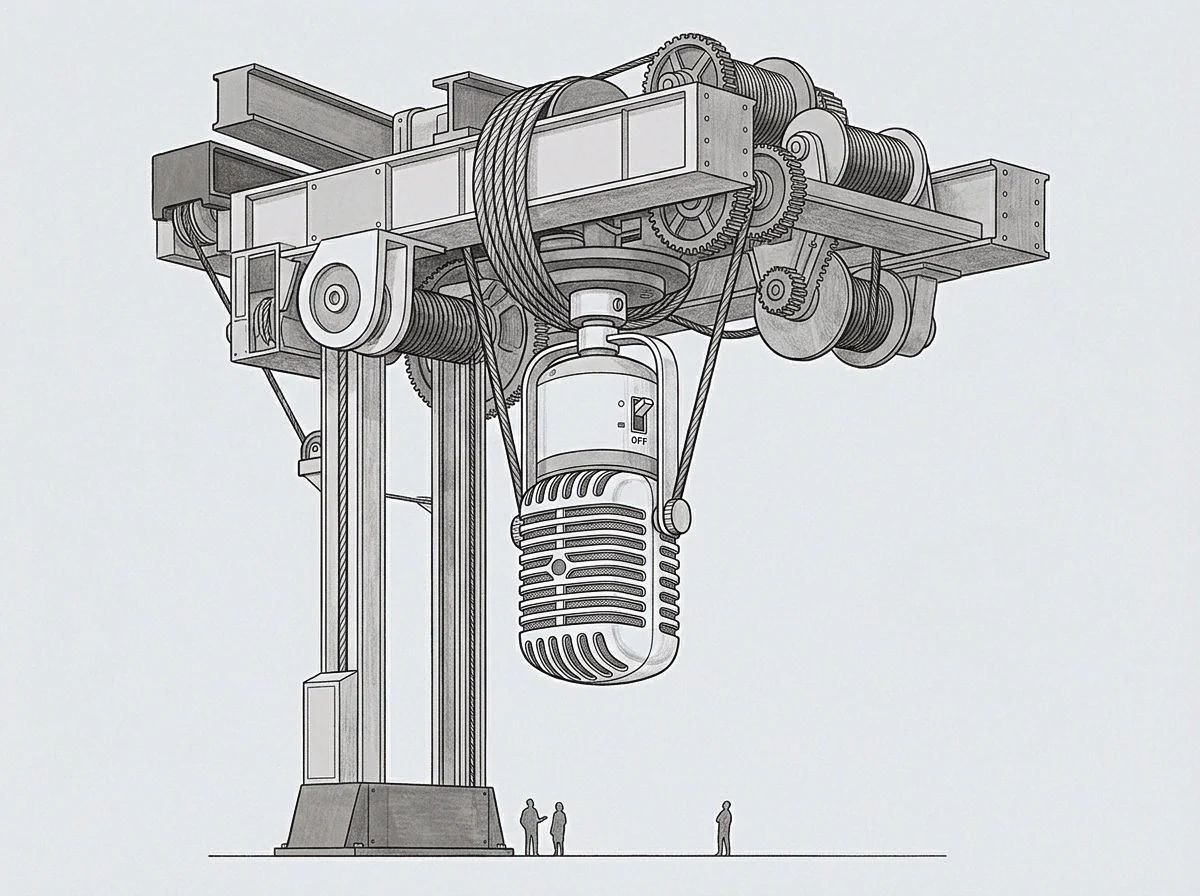
This baseline shift happens quietly. As allostatic load mounts, the brain redirects energy from long-range strategic synthesis toward immediate physiological defense. Intellectual ability remains intact, but somatic headroom shrinks.
Problems requiring broad creative synthesis feel exhausting because the nervous system is already operating near capacity.
When an executive leads alone across years, the nervous system defends itself by filtering incoming information or pulling back from personal interactions. That retreat is frequently mislabeled as executive burnout or declining ambition, when it is simply an autonomic defense mechanism acting to prevent physiological collapse.
Mistaking sustained autonomic over-drive for personal resilience leads to sharp cognitive exhaustion and compromised strategic judgment.

Strain
Relying on an executive’s physiological stability creates an unacknowledged dependency across a company. Staff expect the founder to absorb ambiguity, neutralize friction, and broadcast an unbroken signal of safety. This creates an implicit arrangement where the team depends on that buffer to protect their daily focus, while the founder takes on the role of managing the entire climate.
- Initial State Absorption: The team senses executive steadiness during operational disruptions and steadies its own response by anchoring to the leader.
- Covert Contract Formation: Staff members assume the executive has limitless capacity, pushing raw ambiguity upward without noticing the physiological energy cost.
- Receptor Slot Atrophy: The founder suppresses cues of exhaustion to maintain the environment, further narrowing internal pathways for accepting support.
- Structural Throttling: The executive eventually curbs strategic exposure or detaches emotionally to prevent autonomic collapse.
Because a solo executive presents an unshakeable posture, board members, investors, and managers channel their unbuffered anxieties directly toward the chief executive. The organization treats the leader as a self-replenishing resource, increasing the volume of incoming regulatory demands.
A stated limit establishes an operational boundary that prevents the covert transfer of metabolic load onto a solo leader.

Updating the Internal Working Model
Breaking this pattern takes more than intellectual clarity. A founder can grasp the literature on social baselines thoroughly while remaining caught in the same behavioral rut. Intellectual models sit in cortical structures, whereas relational regulation is anchored in brainstem and limbic pathways shaped by years of lived experience.
Reworking those templates requires earned security, built through repeated instances of shared regulation under genuine strain. The executive must encounter situations where naming capacity constraints or sharing structural exposure produces stability instead of catastrophe. Over time, those encounters build a secondary internal working model that reopens the capacity to accept external support.
A stated limit turns an invisible autonomic burden into a clear operational parameter, distributing physiological load across the executive team.
Draft
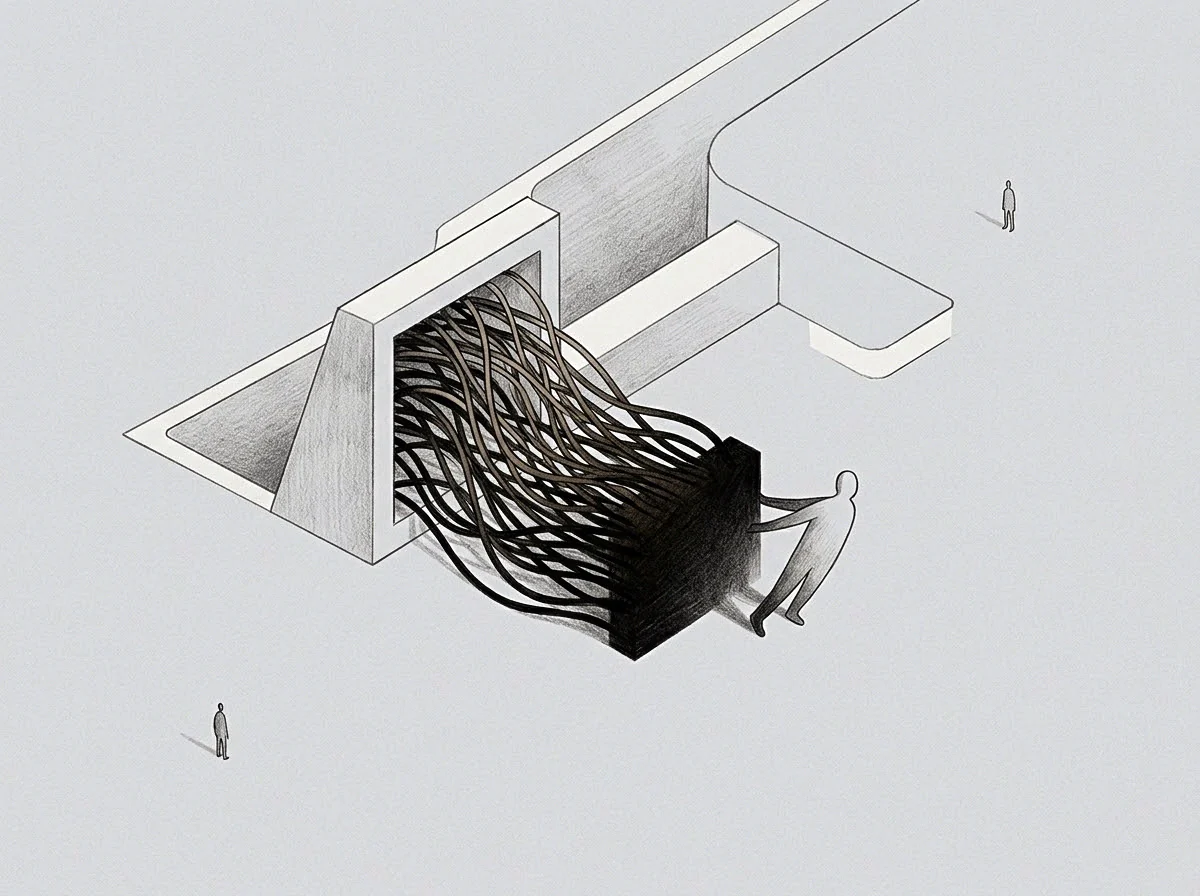
In aerodynamics, a lead craft takes the blunt resistance so trailing vehicles can conserve fuel. Solo founders do much the same thing, creating a low-turbulence environment for their companies by absorbing market shifts, cash pressures, and strategic conflicts head-on. The organization works smoothly within that slipstream, largely unaware of the drag absorbed by the person at the front.
- Unbuffered Ambiguity Exposure: Direct operational friction hits team members without executive translation, spiking staff turnover and internal anxiety.
- Asymmetric Availability Expectations: Team members request continuous access, misinterpreting calm response times as unconstrained cognitive availability.
- Relational Baseline Failure: Strategic partners assume the leader requires no supportive anchor, concentrating all coregulation demands onto one party.

Is Borrowed Regulation Sustainable Without a Counterweight Anchor?
Holding that lead position without relief drains executive energy faster than nightly sleep can restore it. While the business may perform well in the short term, relying on a single autonomic anchor builds fragility at the very top of the organization.
A solo founder who acts as the sole emotional buffer eventually runs out of cognitive bandwidth for strategic expansion.
When that regulatory buffer is sustained by one person without external balance, steadiness gradually hardens into isolation. The executive stops asking for feedback, drops informal communication with peers, and handles threats through sheer stubbornness. The company ends up locked inside a closed loop, increasingly vulnerable to blind spots at the top.
Whether an executive can build a secondary coregulating template while holding primary company authority remains an open empirical question.

Return
Restoring autonomic balance requires structural reorganization rather than time off. A brief holiday provides fleeting physiological relief, but leaves baseline social dynamics untouched once the executive returns to work. As soon as the founder sits back down, the team begins drawing down that calm again, rapidly exhausting whatever energy was regained.
Establishing a sustainable baseline requires building external coregulating anchors capable of carrying actual structural weight. In practice, this means adding equity co-founders, hiring a chief operating officer with genuine decision-making authority, or forming a peer group of executives who carry equivalent operating risk.
When the nervous system registers equal peers holding genuine risk, the neural energy spent on constant vigilance declines immediately. The brain redirects those resources toward longer-range thinking, problem-solving, and clear judgment. Coregulation functions as a practical asset that shields executive decision-making over years of operation.
As an executive works through repeated cycles where risk is genuinely shared among capable partners, isolated self-regulation ceases to be the default mode. The underlying nervous system adapts to distributed stability. Establishing a secondary regulatory anchor outside the company provides the relational ballast required to restore a functional social baseline.