
Structural Mechanics of Stated Capacity Boundaries in Scaling Leadership Seats
Stating operational limits as fixed structural terms stops lateral load transfer by forcing adjacent leaders to resolve ambiguities internally.

Datum
A calendar grid displays four simultaneous review requests across six working hours, while eighty pending approvals linger inside the primary communications queue. At midnight, an executive peer deposits three unresolved team disputes into the direct message stream without documentation. The recipient absorbs the items, reorganizes sleep schedules, and produces resolution drafts before morning operations commence.
This absorption establishes an operational precedent across the executive team. The surrounding organization reads uninterrupted responsiveness as structural capacity. When leadership seats scale, an unstated limit functions as an invitation to lateral load transfer.
Executive performance literature documents allostatic load as a systemic adaptation to sustained environmental demand. When a leadership seat operates without declared operating boundaries, surrounding nodes naturally route ambiguous problems toward that seat. Cognitive resources drain through triage rather than synthesis.
Unscreened channel queries dilute focused cognition. The person holding the seat experiences compounding cognitive fragmentation while the organization assumes infinite reserve capacity. Capacity ceilings protect executive attention. A boundary stated as personal fatigue invites negotiation, whereas a boundary anchored in mechanical terms reallocates operational ownership to its originating node.
A leadership seat that accepts every incoming operational load trains adjacent executives to externalize structural friction.
Organizational behavior research demonstrates that human social baselines default to distributed effort only when specific resource walls become visible. In the absence of documented thresholds, adjacent leaders minimize their own effort expenditure by transferring unresolved operational tension onto the most responsive peer. The unstated boundary invites constant intrusion. This dynamic escalates during phases of rapid organizational expansion, where ambiguity increases faster than formal governance can settle authority boundaries.

Establishing Explicit Seat Parameters
Declarations of operating capacity require definitive structural terms rather than personal sentiment. A leader defines the scope of the seat through precise parameters: designated evaluation windows, explicit delegation thresholds, and clear refusal conditions for out-of-scope operational items. Stating these limits once creates an unambiguous operating baseline.
Surrounding executives adjust workflow velocity to match the stated constraint rather than relying on presumed infinite elasticity.
The operating contract specifies that unscheduled escalations lacking documented financial or organizational risk remain unreviewed until scheduled weekly operational sessions.
Floor
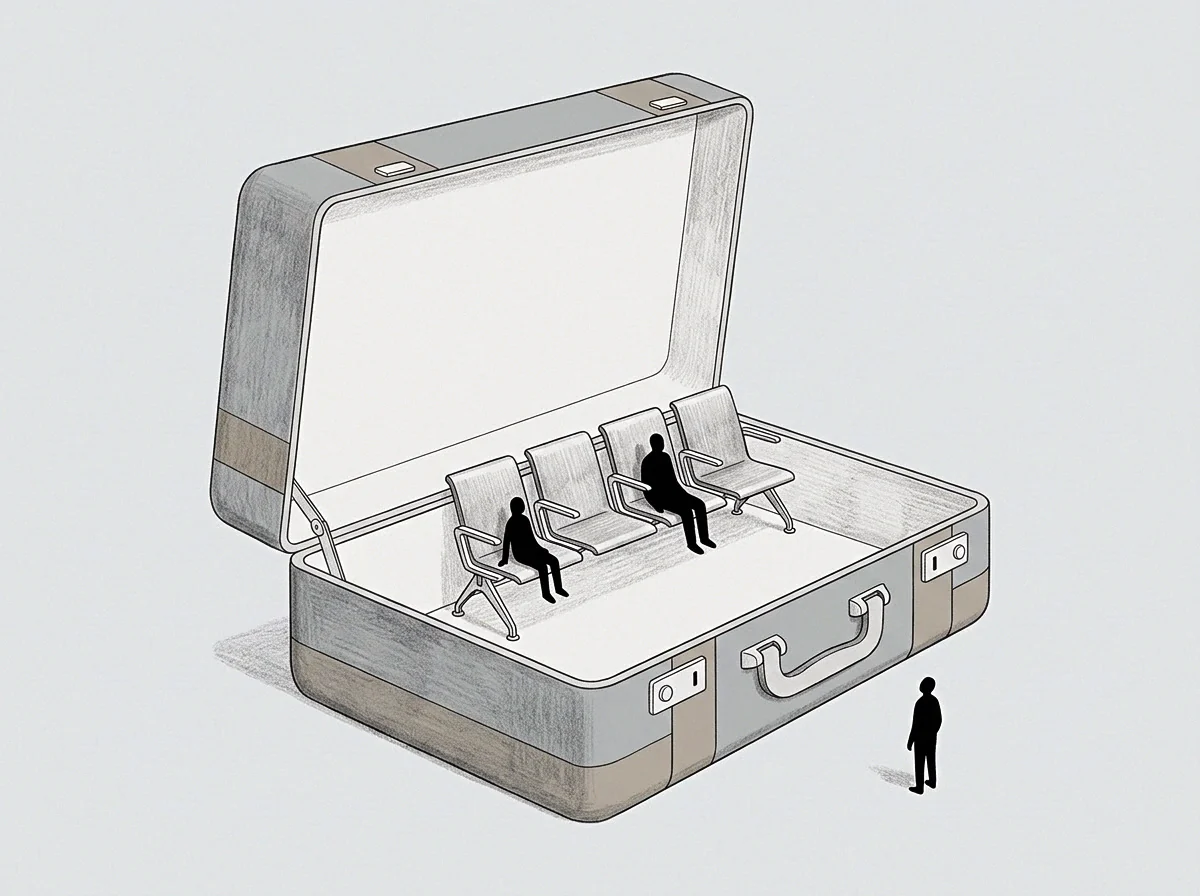
The establishment of a operational floor fixes the minimum conditions under which an executive engages incoming demands. Without a floor, the person in the seat acts as an emergency dampener for the entire enterprise. Unchecked lateral demands force executive fatigue. Every unresolved friction point settles on the individual willing to absorb it, masking institutional failure modes behind individual intervention.
The operator absorbs unassigned company tension. Over successive operational quarters, this pattern guarantees severe systemic distortion.
Control systems engineering describes load-transferring systems through the dynamics of resistance and compliance. When a component yields predictably to incoming force, external forces continually route toward that component until material failure occurs. Human leadership seats follow identical patterns.
A leader who yields to off-hours communication and unscheduled operational triage creates an institutional path of least resistance. Every unstated exception degrades operational stability. The organization ceases building durable middle-tier resolution processes because the executive seat functions as an unpriced operational subsidy.
A stated capacity limit functions as a permanent retaining wall rather than a temporary personal preference.
Stating a capacity floor requires specifying what the seat will reject regardless of lateral organizational pressure. When an expanding technology venture adds fifty employees per quarter, operational ambiguity multiplies exponentially. Team leads routinely push personnel conflicts, cross-functional prioritization disputes, and architectural decisions upward.
An established floor returns these problems to their structural owners. Direct statements settle operational ownership quickly. The rejection of inappropriate load forces adjacent departments to develop internal problem-solving capacity.
The sustained failure to define an operational floor results in systemic organizational paralysis, where middle leadership atrophies from disuse while senior leaders become cognitive bottlenecks unable to evaluate long-term strategy.
Notch
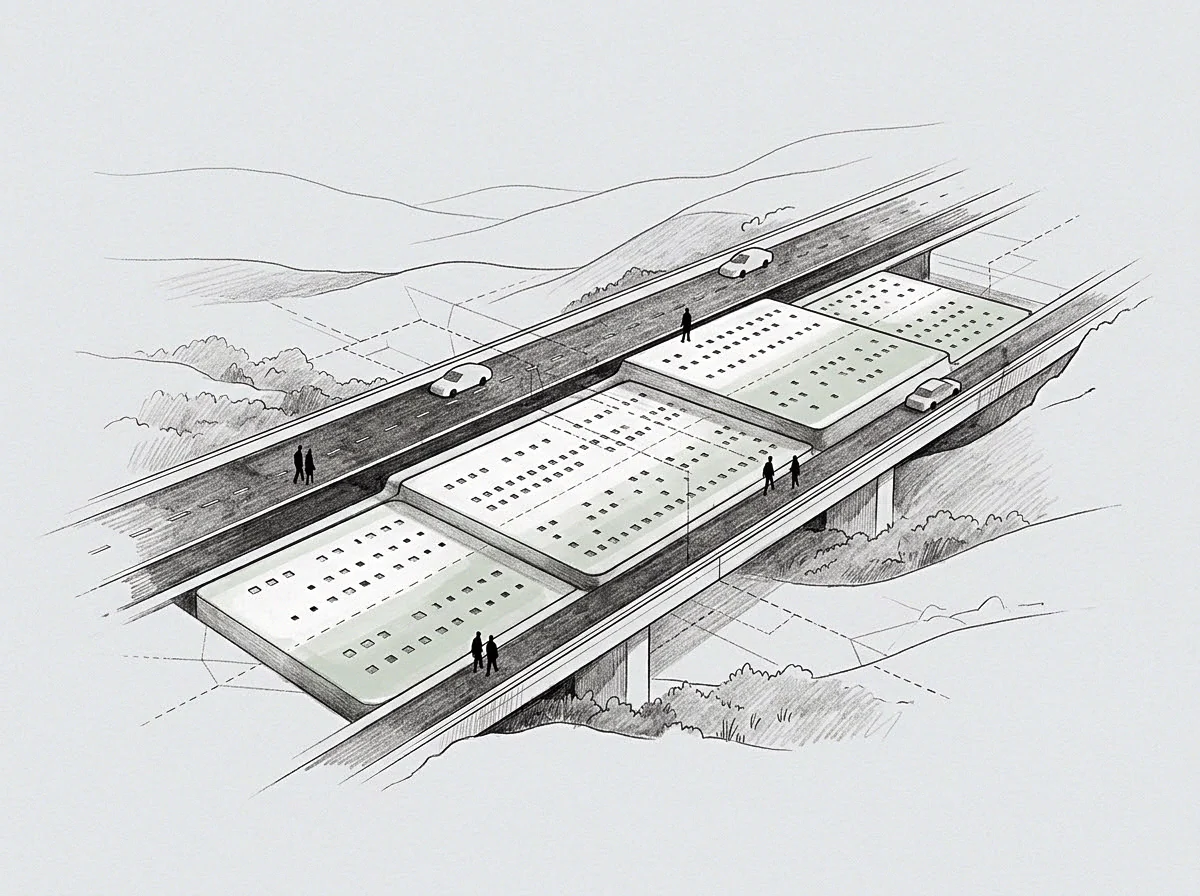
Capacity boundaries operate through calibrated ratchets that step down executive availability as organizational complexity advances. In early venture phases, an executive handles diverse tasks spanning customer resolution, operational debugging, and capital allocation. As scaling accelerates, the leader ratchets capacity downward to preserve cognitive bandwidth for systemic decisions.
Late responses reallocate working initiative. This transition generates friction among early personnel accustomed to immediate lateral access.
Can Stated Limits Resist Urgent Lateral Ingestion?
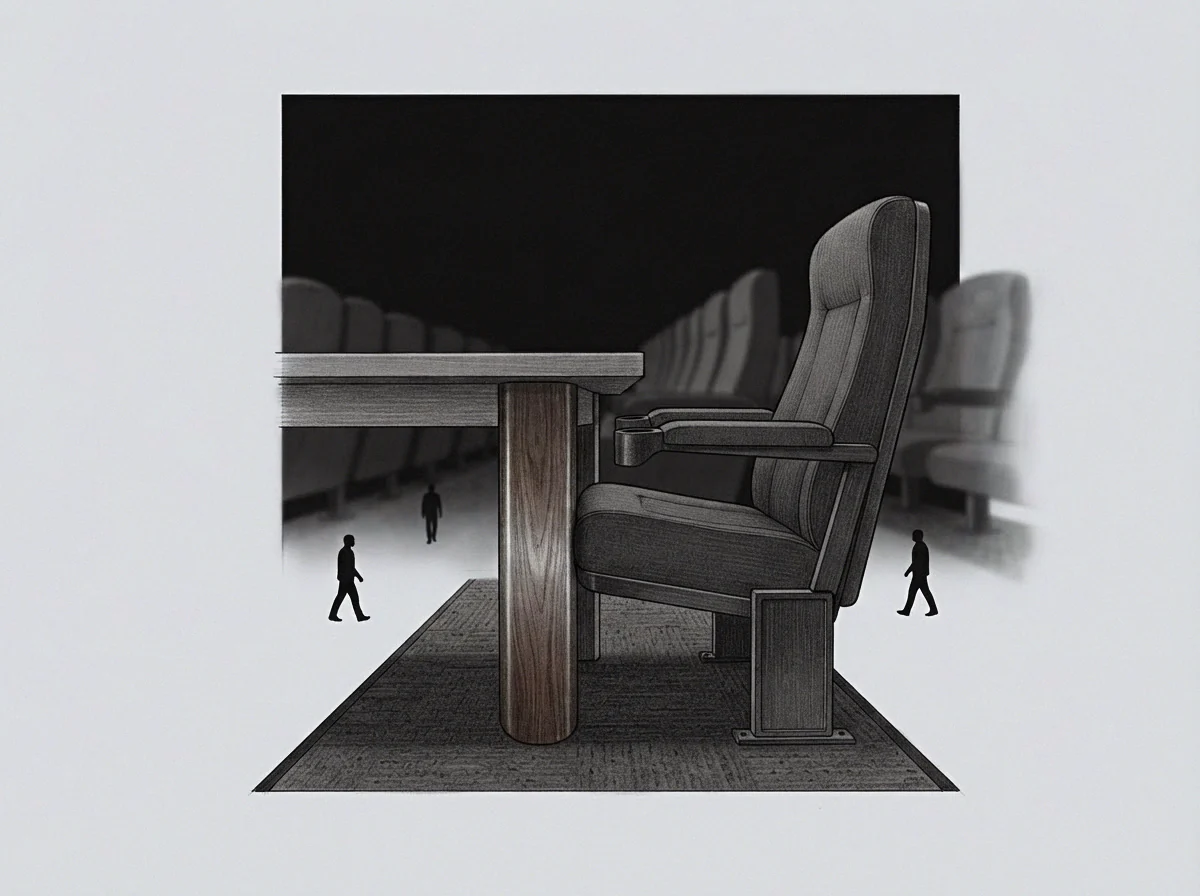
The durability of a stated limit depends on whether the executive enforces mechanical friction against lateral escalations. When a peer requests immediate intervention on an unvetted operational matter, the stated limit provides the script for disengagement. Structural terms redirect incoming tactical pressure. The executive directs the peer toward established review channels without processing the substantive content of the request.
Adhering to this protocol preserves the structural boundary against intense interpersonal pressure.
| Operating Mode | Intake Friction | Peer Derivation | Structural Outcome |
|---|---|---|---|
| Absorptive Operation | Zero intake friction across open digital channels | Seat possesses infinite unallocated capacity | Middle leadership operational atrophy |
| Reactive Denial | Irregular friction determined by executive exhaustion | Refusals represent interpersonal hostility | Unpredictable cross-functional escalations |
| Stated Mechanical Limit | Predictable gating governed by published protocols | Seat maintains explicit resource boundaries | Decentralized lateral problem resolution |
The data demonstrates that mechanical limits produce durable structural separation between the individual and the operational seat. A boundary maintained through personal willpower fluctuates with fatigue, inviting repeated probing from external teams. The unstated limit creates chronic strain. Conversely, a boundary anchored in standardized documentation shifts the focus of friction from interpersonal dynamics to institutional governance.
Executive capacity limits are physical realities.
In high-pressure industrial production environments, mechanical safety interlocks prevent machinery from accepting raw material beyond thermal thresholds, irrespective of upstream inventory backlogs. Leadership seats require identical structural throttling mechanisms. When incoming demand outstrips cognitive processing capacity, the intake valve must close automatically through procedural protocols.
A leader who attempts to evaluate each incoming request on its emotional merits inevitably defaults to catastrophic absorption.
- Explicit Protocol Enforcement establishes unambiguous procedural requirements before any lateral item reaches executive review schedules.
- Predictable Silence Windows designate multi-hour operational blocks where digital communication channels remain completely disconnected.
- Documented Delegation Gates require middle operators to resolve cross-functional frictions within defined financial constraints before requesting executive involvement.
Incoming teams frequently demand direct intervention because prior occupants resolved interdepartmental deadlocks without process.
Toll
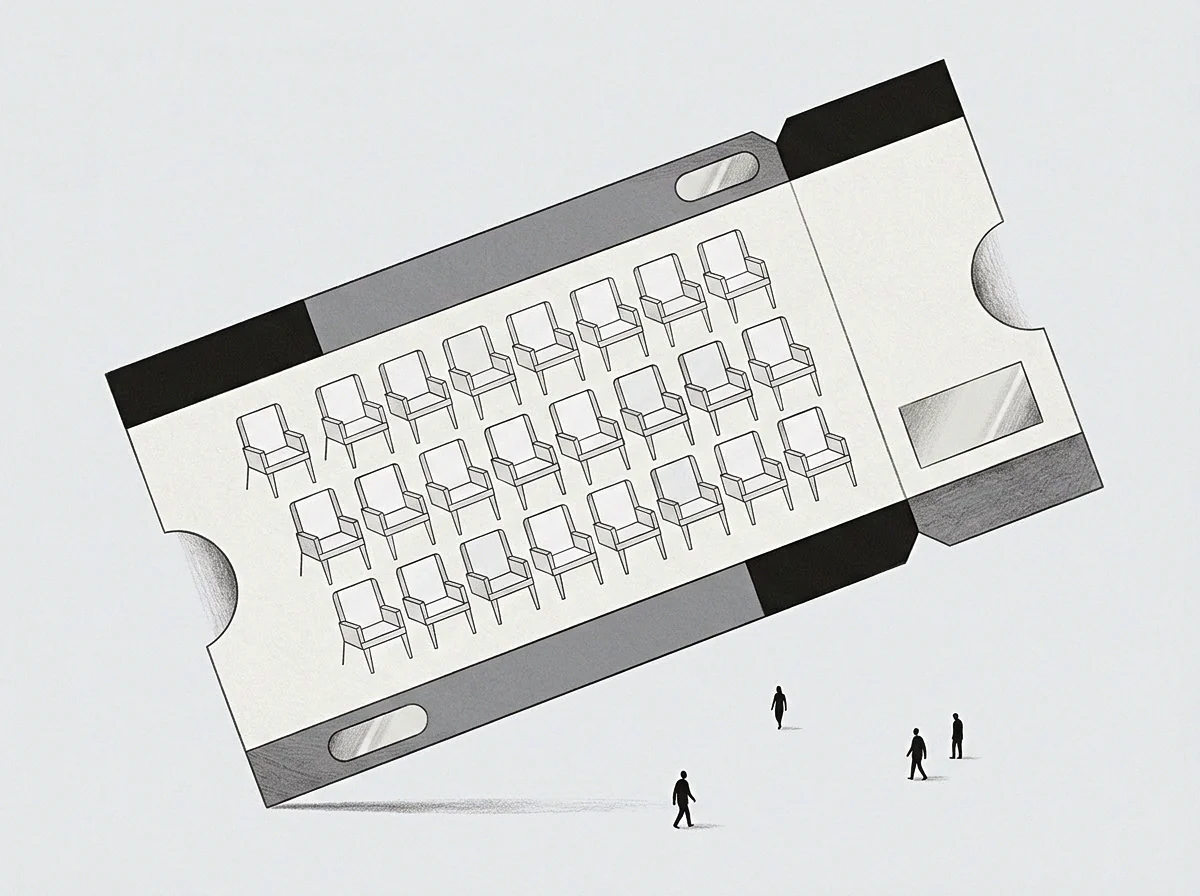
Enforcing stated limits incurs an immediate relational and systemic toll across the enterprise. When a leader ceases absorbing peripheral operational friction, adjacent team members experience sudden discomfort as unresolved work returns to their desks. Systemic friction shifts to originators immediately. Accusations of unresponsiveness and aloofness frequently emerge during this recalibration phase.
The leader must endure this transient friction without providing defensive explanations that invite further negotiation.
When lateral demands encounter an immovable structural term, operational initiative returns to the originating tier.
Neurobiological research into social threat appraisal confirms that abrupt reductions in interpersonal availability activate defensive signaling across collaborative teams. When an executive transitions from continuous availability to gated access, colleagues interpret the absence of rapid confirmation as an operational vacuum. Unmanaged volume reduces strategic response speed. Left unmanaged through structural terms, this dynamic causes adjacent teams to bypass established protocols through backchannel lobbying.
The executive holds the position by letting the silence communicate the structural reality of the boundary.
The cost in hours and attention manifests primarily in short-term organizational dissonance. Certain projects stall when middle managers encounter real responsibility for the first time. Unvetted escalations sit unaddressed until teams recognize that the executive will not intervene.
This friction represents necessary organizational maturation. Clear capacity ceilings protect executive attention. Shielding teams from the consequences of their operational inaction stunts the institutional capability required to support sustained corporate scale.
Whether executive capacity limits can maintain structural integrity during extreme liquidity events or hostile market contractions without collapsing into complete personal absorption remains an open engineering question in organizational governance.

Rest
The establishment of stated capacity boundaries concludes with systemic equilibrium across the leadership architecture. As the organization internalizes executive operating boundaries, lateral load transfer diminishes permanently. Teams construct their own operational buffers and decision protocols, reducing aggregate corporate vulnerability to single-point cognitive failure.
The leadership seat transforms from an open operational sink into a defined strategic terminal.
Sustaining this equilibrium requires continuous discipline over personal responsiveness. The temptation to intervene in minor operational anomalies remains strong, particularly for leaders who built early corporate infrastructure through direct physical intervention. The leader must treat personal cognitive headroom as an institutional asset owned by the enterprise.
Breaching one’s own published boundaries for minor tactical expediencies degrades the structural authority of the entire governance model.
The ultimate condition of an expanding leadership structure reflects the quiet stability of its operating limits rather than the heroic exertion of individual operators. A well-constructed seat protects both the human occupant and the enterprise from the catastrophic risks of unmonitored cognitive exhaustion. When structural boundaries hold under intense lateral pressure, the entire corporate apparatus gains durable operational sovereignty.
Operational stability increases as executive availability becomes predictable, constrained, and structurally non-negotiable.
When capacity limits are stated cleanly and enforced mechanically, the surrounding organization stops probing the seat for hidden reserves and begins executing within its own operational perimeter.