
Social Baseline Regulation Costs In High Pressure Environments
Self-regulation under persistent threat extracts high metabolic energy, whereas proximity to a stable leader transfers regulation costs onto the baseline.
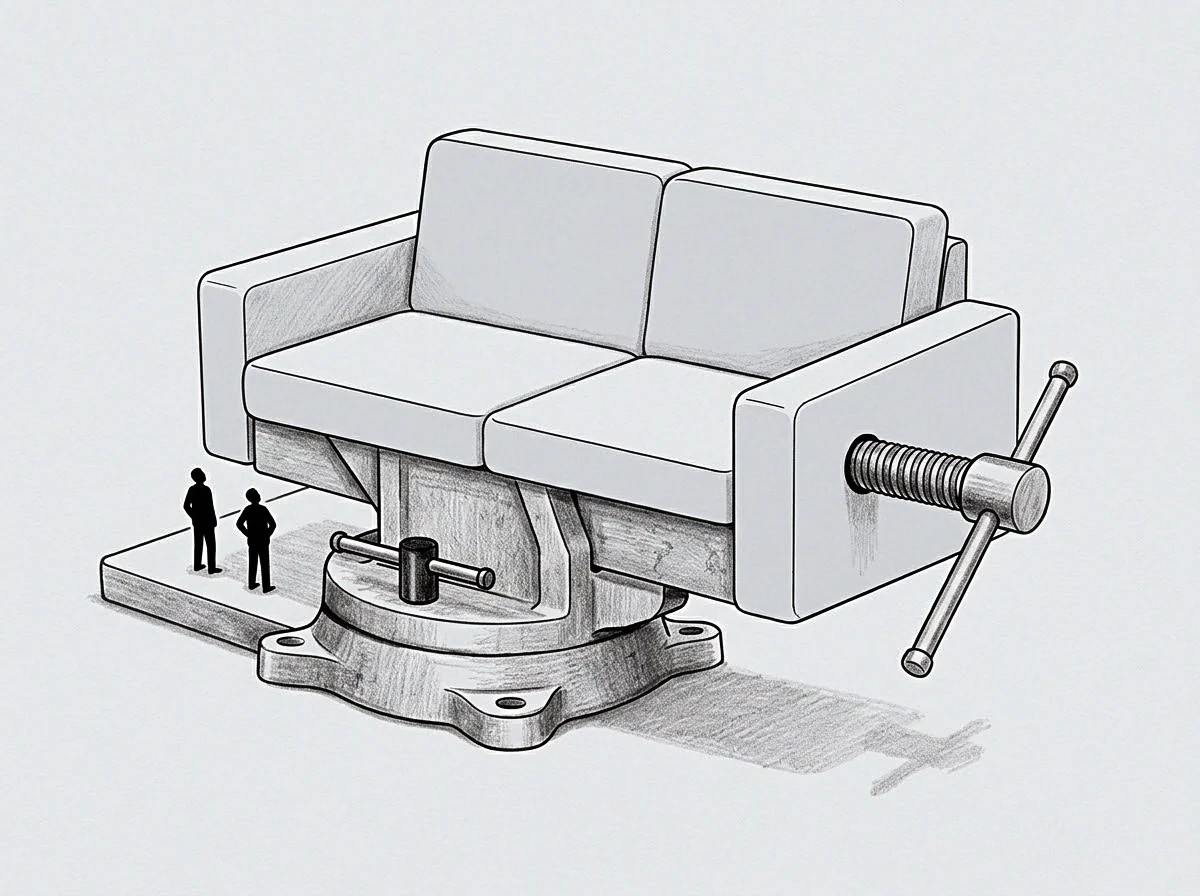
Seat
Four operational threads ping simultaneously at midnight while system metrics degrade. A founder sits under ambient light, reviewing an escalation from an engineering lead who requests verbal confirmation before executing a database rollback. The lead is physiologically dysregulated, exhibiting rapid speech and elevated vocal pitch.
The founder speaks in a slow, invariant tone that grounds the engineer within ninety seconds. The rollback succeeds. The founder resumes staring at the board updates without feeling relief.
The baseline holds. This quiet expenditure repeats across every emergency during an organization’s growth phase.
Structural Baseline Demands
Social baseline regulation operates continuously inside high-stakes organizations. The individual holding final accountability functions as an environmental signal for everyone else in the system. Human nervous systems evaluate threat levels based on the presence of stable baseline nodes.
In high-pressure environments, team members outsource their physiological stress regulation to the founding seat. The founder’s perceived composure acts as a shared operational buffer. The dysregulated team absorbs calm from the leader’s physical and vocal presence, reducing their own cognitive load.
Proximity to an emotionally invariant leader lowers the metabolic cost of threat assessment for surrounding operators.
The metabolic bill for this shared buffering accumulates on one side of the table. While team members experience lowered anxiety and restored execution capacity after interacting with the leader, the leader absorbs the unbuffered stress of the entire unit. The dynamic scales quickly.
The leader maintains an invariant external posture to preserve team functionality, suppressing internal physiological threat responses. This suppression accelerates cognitive exhaustion. The budget collapses silently.
Sustained absorption of third-party dysregulation without reciprocal environmental buffering leads to silent metabolic exhaustion, where cognitive speed remains intact while emotional recovery mechanisms collapse entirely.
Allostasis
Metabolic budgeting treats solitary self-regulation as an expensive operational state. Neural architecture evolved under the assumption of social proximity, where threat detection and physiological regulation are distributed across a social group. When an individual operates in isolation under persistent threat, glucose consumption spikes, sympathetic activation stays elevated, and allostatic load accumulates rapidly.
Self-regulation costs metabolic energy.
Metabolic Budgeting In Proximity
Social Baseline Theory establishes that the human brain defaults to assuming shared effort. The brain budgets energy expenditure based on the availability of reliable relational partners. Proximity to a trusted individual signals to the central nervous system that environmental demands can be shared, which automatically down-regulates amygdala activity and reduces prefrontal cortex exertion.
In corporate structures, however, this energetic saving is rarely mutual.
| Regulation Mode | Metabolic Cost | Primary Signal | Mechanism of Transfer |
|---|---|---|---|
| Solitary Regulation | Maximum | Internal Cognitive Effort | Prefrontal Suppression of Threat Signals |
| Borrowed Regulation | Moderate | Proximity to Stable Regulator | Signal Outsourcing to External State |
| Reciprocal Co-Regulation | Lowest | Shared Physiological Attunement | Mutual Down-Regulation of Threat Response |
The table illustrates how energy expenditure shifts depending on the relational architecture. Solitary regulation consumes maximum metabolic reserves because the brain prepares the organism to handle environmental hazards alone. Borrowed regulation allows one party to lower their metabolic expenditure by anchoring to a stable secondary presence.
The individual providing the anchor pays the physiological difference. Reciprocal co-regulation distributes the load evenly, but high-pressure organizations rarely support reciprocal dynamics between executive levels and subordinate teams.
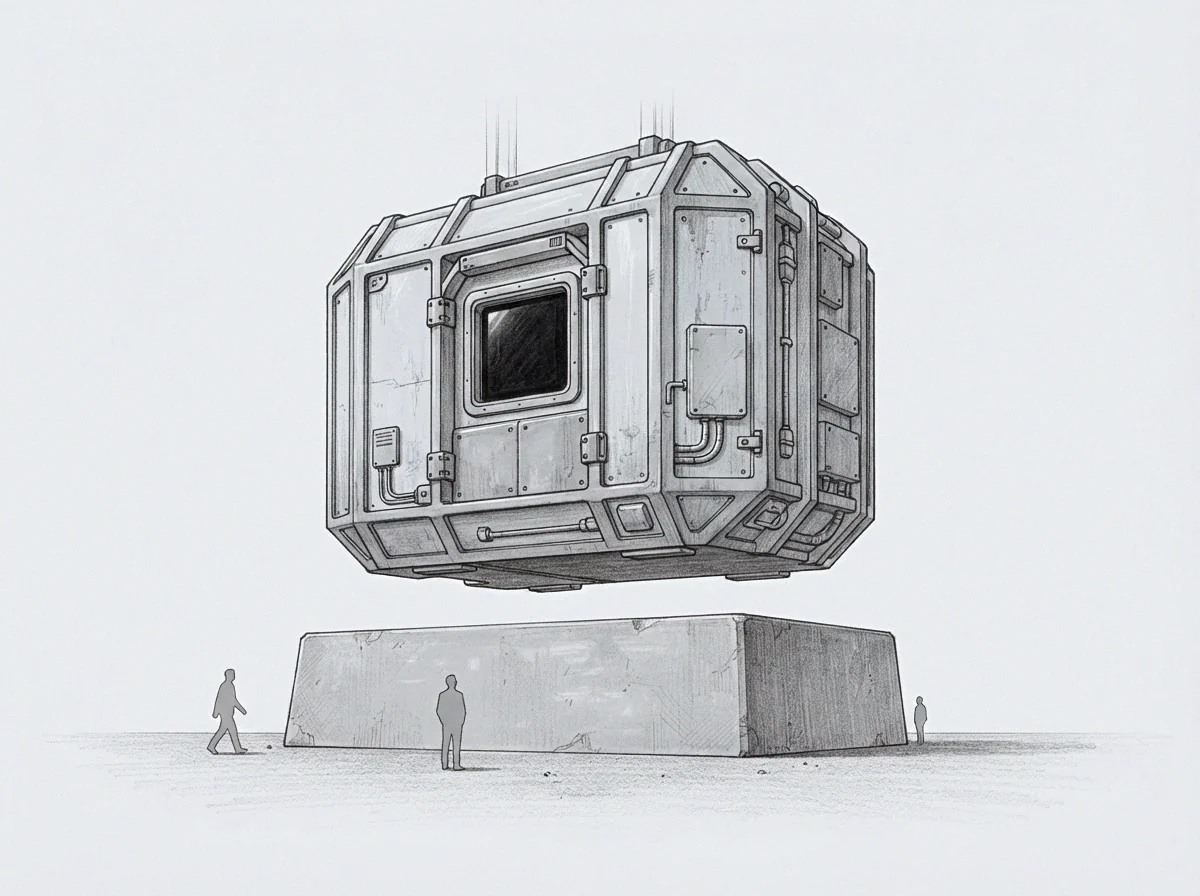
Asymmetric Regulation Costs
In asymmetric power structures, regulation flows strictly in one direction. Subordinates utilize the founder’s stability to down-regulate their operational panic. The signal travels down.
The room calms down. The founder receives no incoming regulatory signal in return, as subordinates lack the authority or structural distance to serve as stabilizing anchors for the founder. The central regulator functions as a net donor of physiological calm.
An operator who acts as an unbuffered baseline absorbs metabolic strain proportional to the dysregulation of the team.
Allostatic load represents the cumulative wear and tear on physiological systems subjected to chronic stress. When a leader consistently absorbs organizational dysregulation without accessing external co-regulation, the central nervous system shifts into sustained hyper-vigilance. Cortisol profiles flatten, cardiovascular strain rises, and executive function deteriorates.
The operational toll compounds.
The leader appears completely unaffected by the crisis, so bringing further operational volatility into their office remains safe.
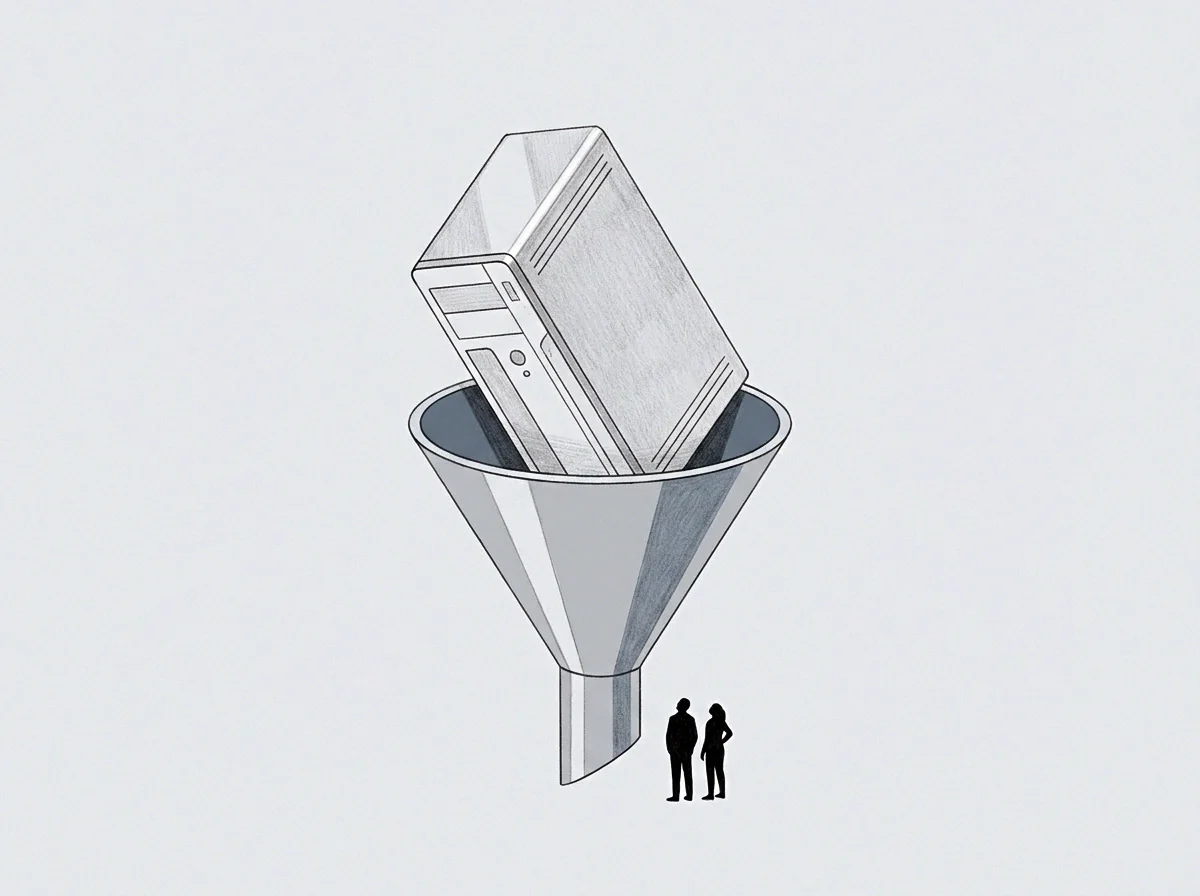
Rig
Internal working models established early in development shape how leaders react to high-pressure environments. Individuals who experienced early environments requiring them to manage parental emotional states develop early self-reliance templates. These operators internalize a baseline model where their own safety relies on stabilizing everyone around them.
They construct an operational rig designed for maximum output and zero emotional reliance on others.
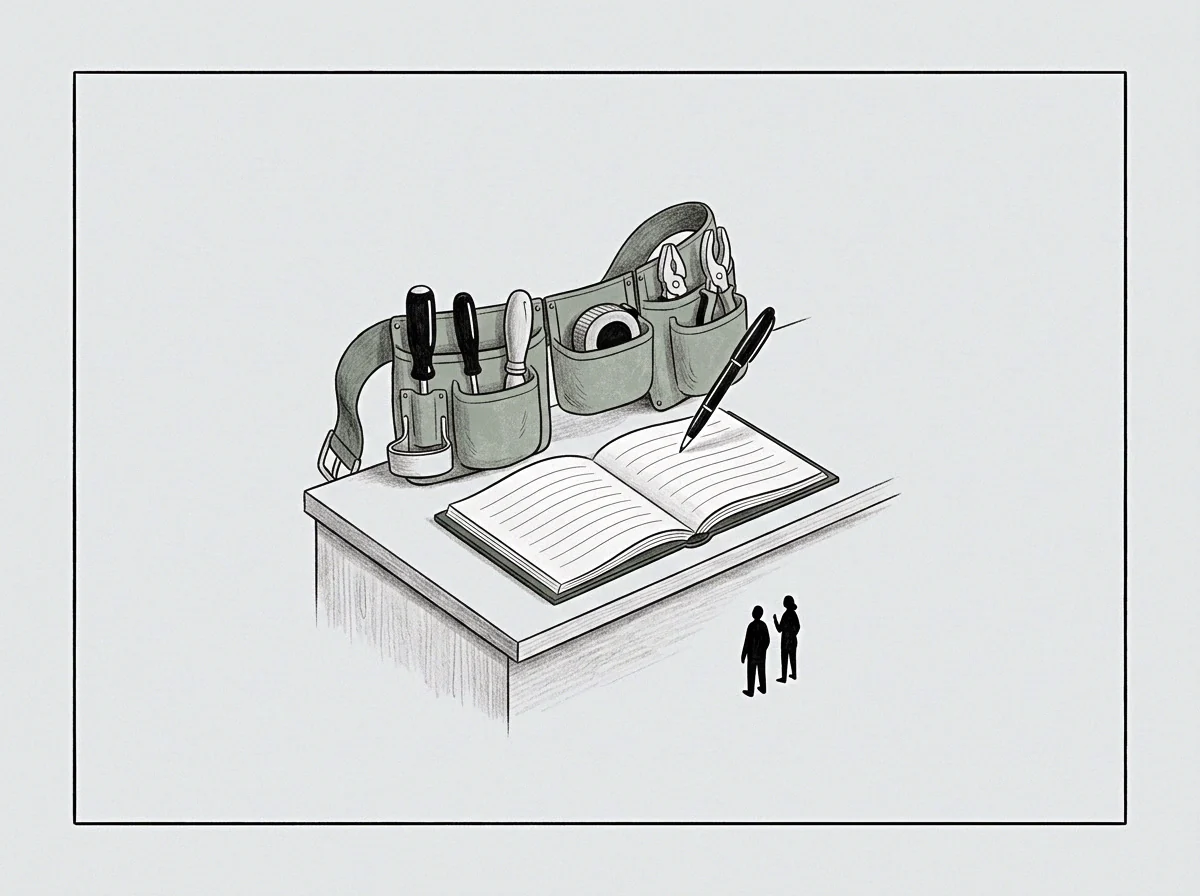
When Does Borrowed Calm Become Burden?
Consider an enterprise software company facing a product launch delay three weeks before a major funding milestone. The chief executive retains total composure during a tense board meeting, shielding the engineering vice president from investor friction. The engineering vice president leaves the meeting with renewed focus, while the executive’s resting heart rate remains elevated for six hours post-meeting.
The company’s execution speed relies entirely on the chief executive functioning as an infinite shock absorber.
This operational configuration operates effectively until environmental load exceeds the leader’s biological capacity. The internal template dictates that showing strain destabilizes the system. The leader double-downs on emotional containment.
The team perceives this containment as endless capacity and increases their operational demands. This creates systemic exposure.
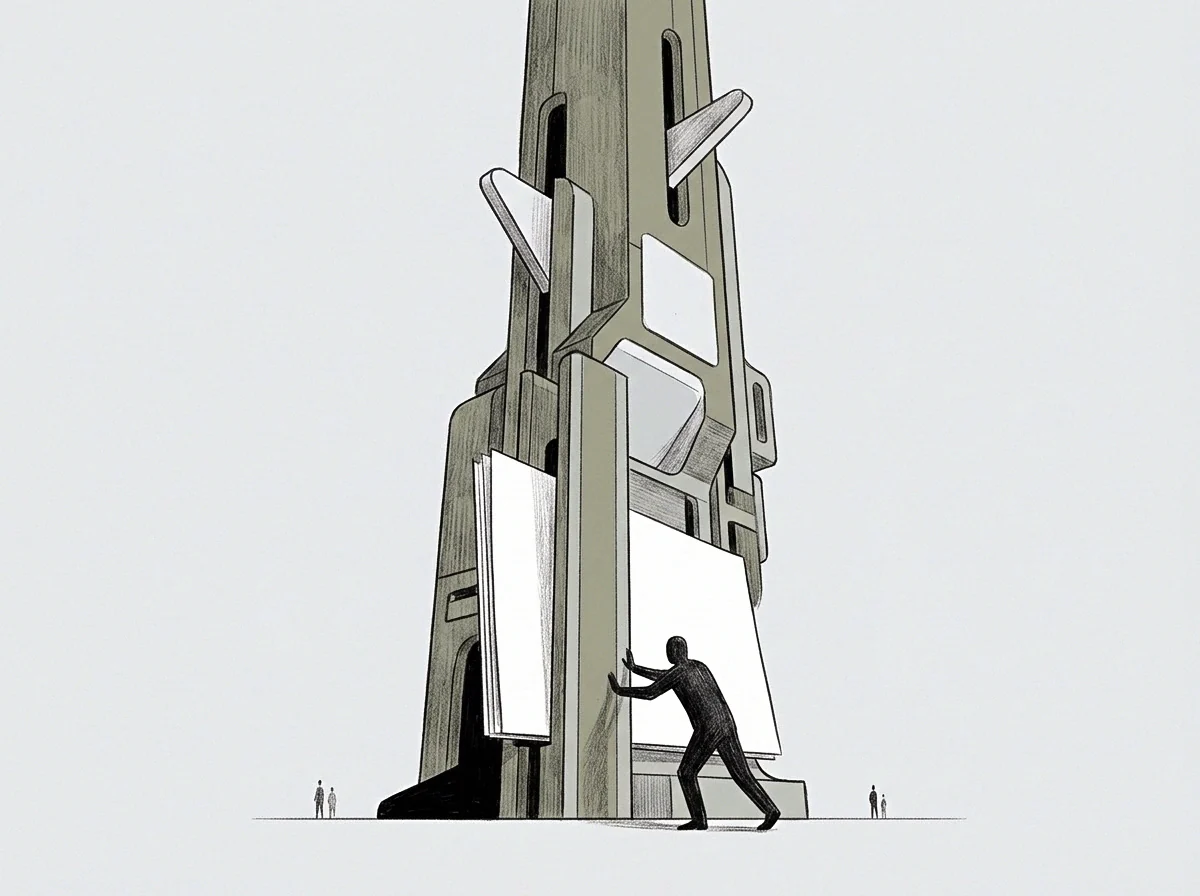
Structural Shock Absorption
When an organization relies on a single individual’s regulatory capacity, systemic vulnerability increases. Team members fail to develop internal mechanisms for managing crisis-level ambiguity because the central regulator consistently steps in to stabilize their state. The organization develops an addiction to borrowed calm.
An unstated operational limit converts borrowed regulation into an implicit entitlement across the organization.
The habituated regulator treats self-care advice as irrelevant noise because their underlying template equates receiving help with systemic collapse. They experience regulating others as an operational necessity and receiving regulation as an unavailable luxury. The backward template connects survival to responsibility, leaving no internal space for resting against another stable presence.
Whether an organization can maintain operational velocity once the central regulator enforces absolute availability boundaries remains an open empirical question in structural design.
Receptor
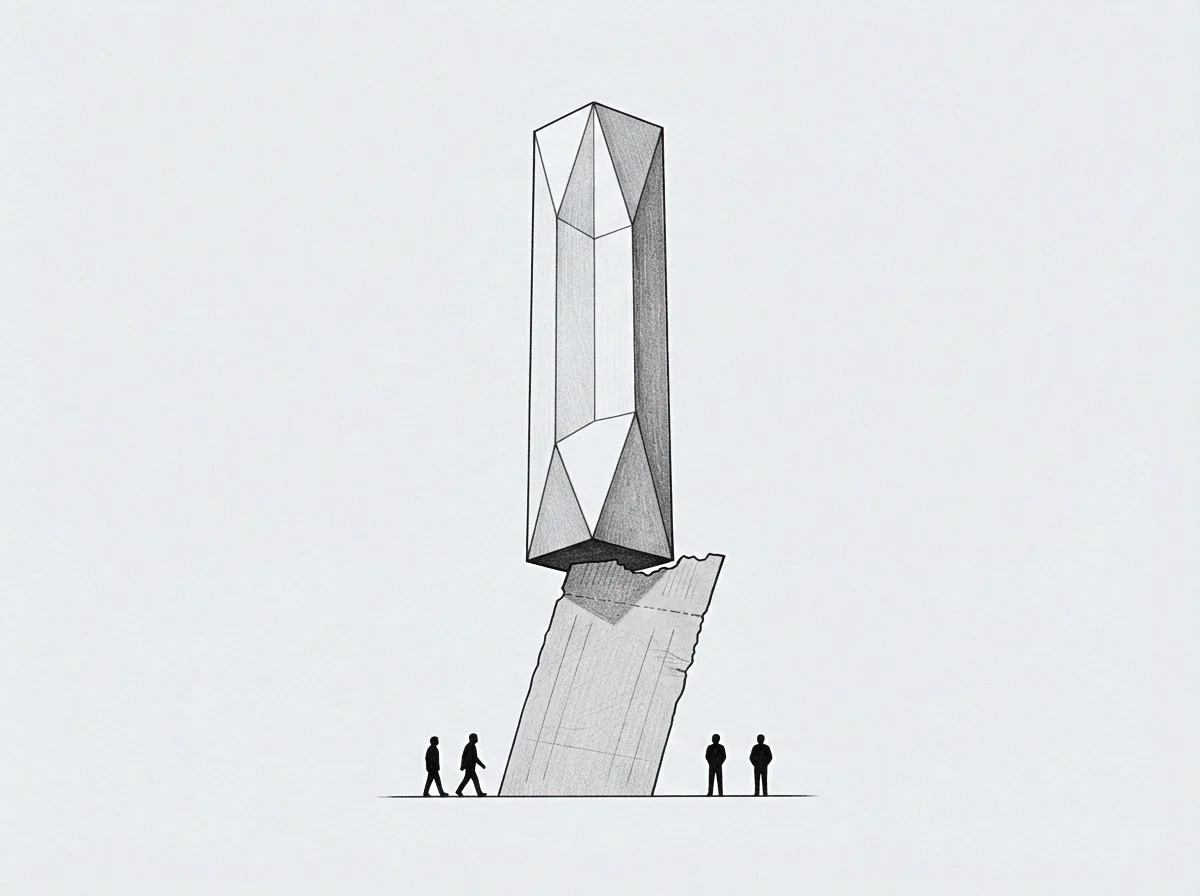
The internal architecture of a habituated regulator lacks a structural intake mechanism for external support. When a partner, executive peer, or board member offers genuine presence, the regulator’s system registers the offer as an anomaly or an additional management burden. The receptor slot for receiving co-regulation has closed through extended disuse.
The Intake Deficit
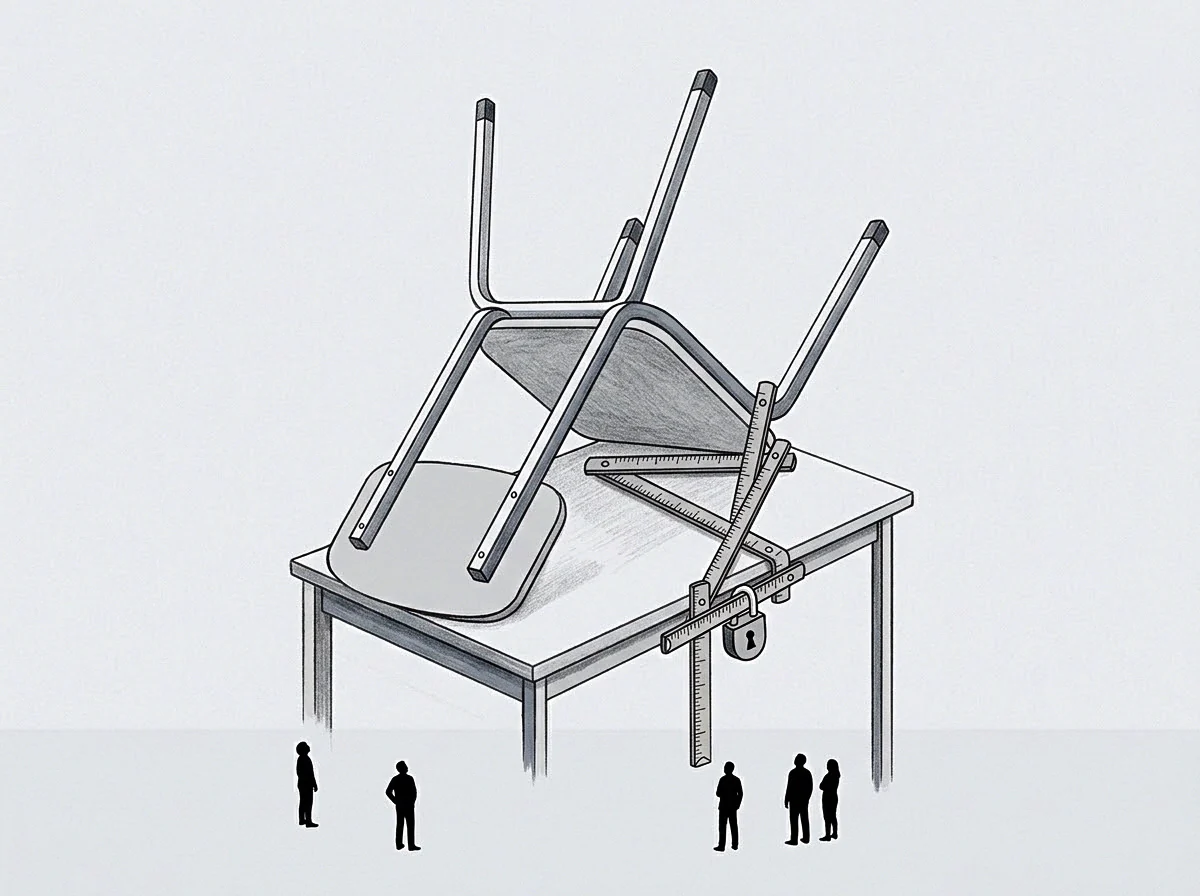
An absent receptor slot transforms incoming support into administrative friction. The regulator evaluates every relational interaction through the lens of output and management cost. Offers of assistance require explanation, delegation, and emotional coordination, which extracts further cognitive energy.
The regulator declines support and continues operating alone.
- Hyper-Autonomous Shielding occurs when an operator interprets incoming support offers as operational friction requiring management effort.
- Somatic Disconnection marks the state where physiological fatigue signals are suppressed until physical system breakdown forces operational shutdown.
- Relational Asymmetry develops as the team treats the leader exclusively as a stabilizing fixture rather than a biological system with finite capacity.
The continuous incoming stream of pings, emergency notifications, and decision requests accelerates this exhaustion. Each ping forces a micro-activation of the threat response system. The regulator processes these inputs while maintaining an invariant exterior posture for the team.
The pattern repeats daily.
Without an active intake slot, presence offered by others registers as cognitive load rather than physiological relief.
Without an active intake mechanism, traditional recovery interventions fail. Vacation days, wellness protocols, and intermittent unplugging yield minimal metabolic recovery because the underlying nervous system configuration remains hyper-vigilant. The regulator stays on call for the organization’s emotional state even when physically absent from the room.
Enforcing an explicit notification freeze after eighteen hundred hours alters the operational expectation from continuous baseline availability to asynchronous task execution.
Delta
Updating a deeply entrenched regulatory template requires repeated actual experience under load rather than intellectual insight. Insight alone changes nothing. The brain requires concrete data proving that the organization survives when the central regulator withdraws continuous emotional buffering.
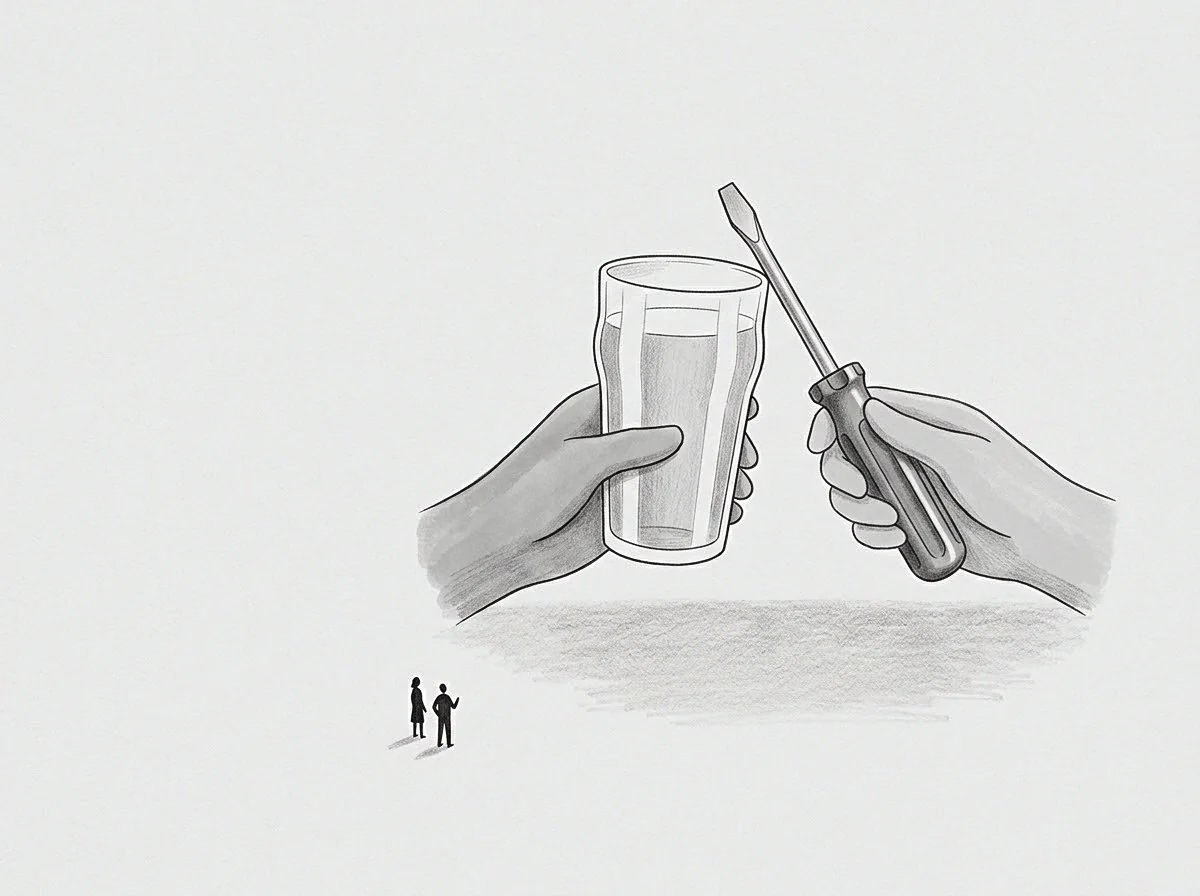
The delta over time measures the gap between legacy baseline habits and newly constructed structural limits.
Template Reconstruction Mechanics
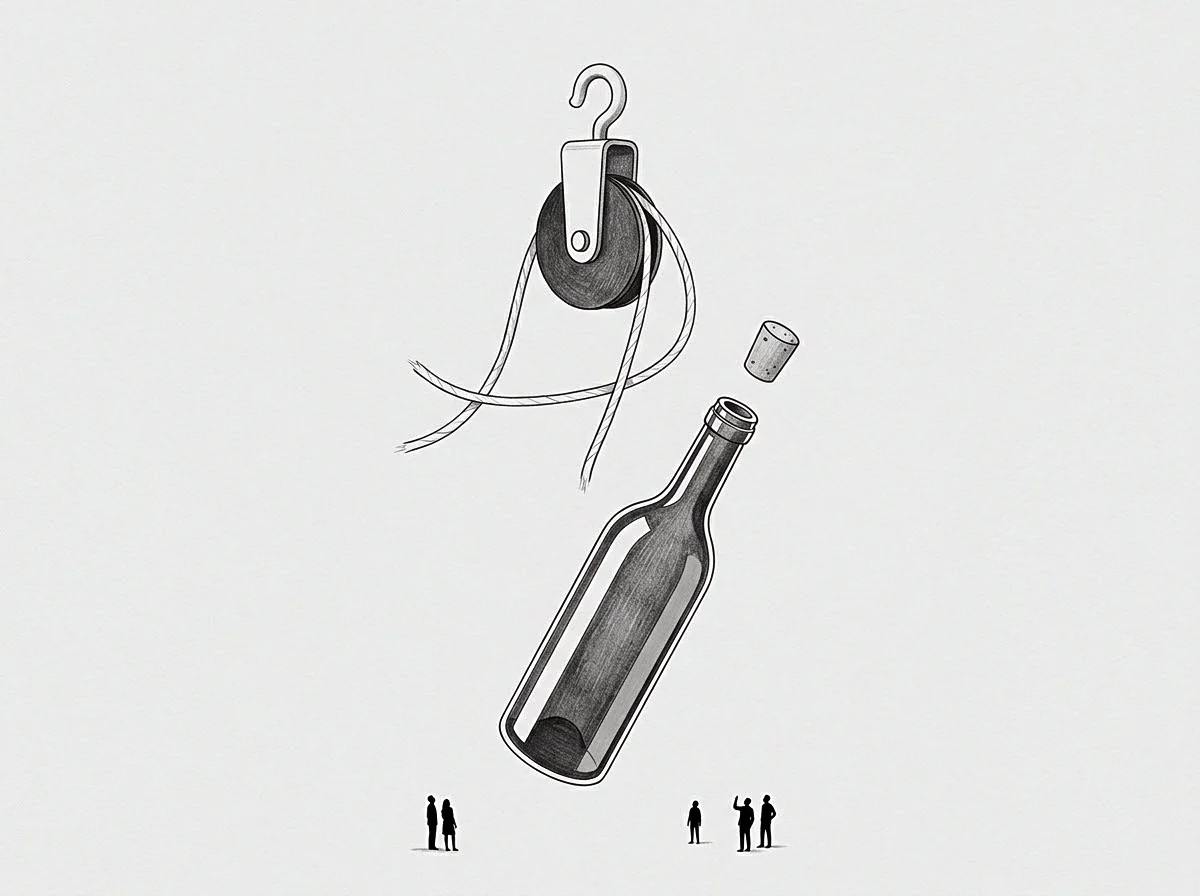
Reconstructing the baseline template involves establishing clear operational boundaries and enduring the resulting systemic friction. The regulator must allow team members to experience their own dysregulation without intervening to soothe them.
- Stated Limit Protocol establishes clear boundaries regarding availability parameters prior to operational crisis deployment.
- Tolerated Discomfort Phase involves enduring the immediate anxiety of leaving team members to regulate their own operational stress.
- Repeated Relational Verification demonstrates through months of practice that team performance survives without constant founder presence.
As these steps progress, the central nervous system slowly updates its internal working model. The regulator observes that withholding continuous emotional buffering does not produce organizational collapse. Team members build independent mechanisms for handling ambiguity and stress.
The organizational baseline decentralizes.
Capacity recovers slowly over time. The transition from a single-point regulatory sink to a distributed baseline model reduces allostatic load across the leadership structure. Boundaries redefine operational dynamics.
Systemic resilience increases when regulation responsibility distributes across multiple nodes, transforming the environment from a single-point dependency into a self-stabilizing network.