
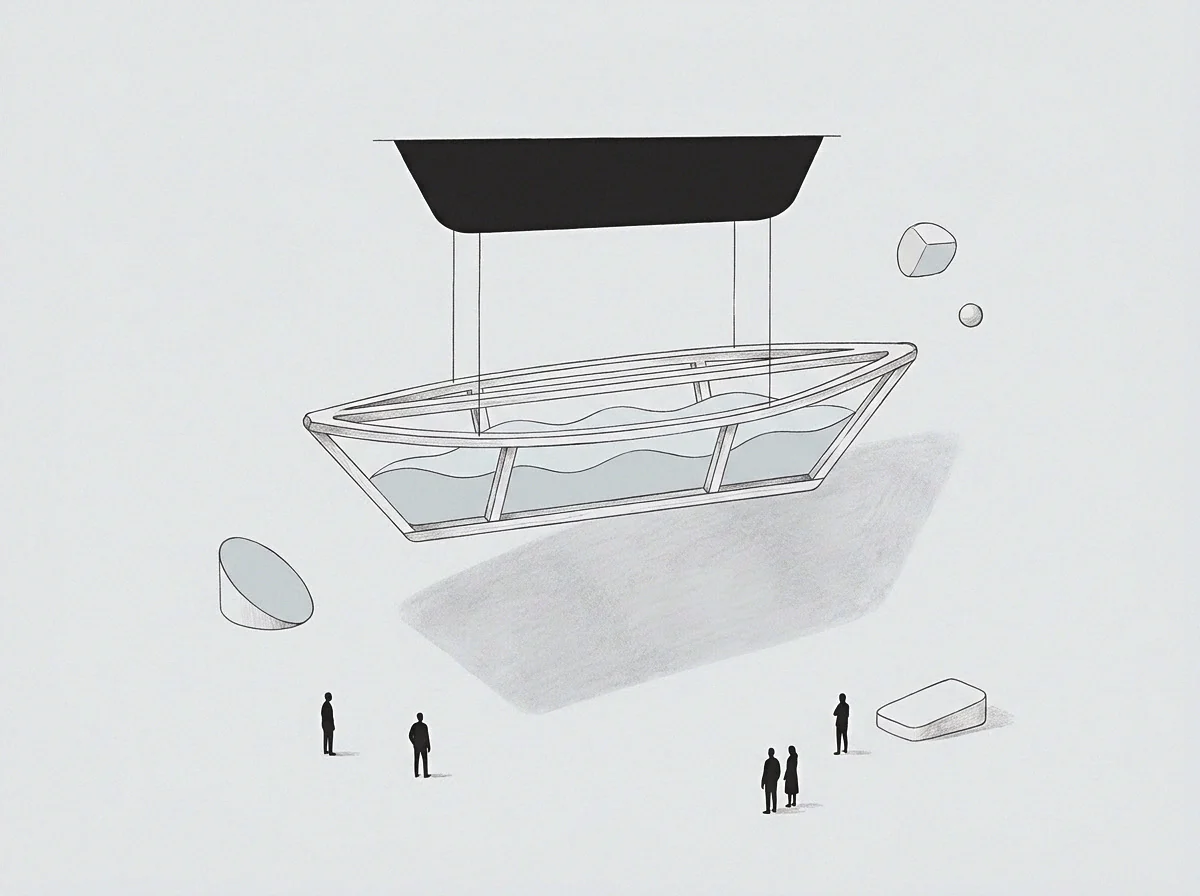
Autonomic Tone Modulation During Domestic Co Presence After Prolonged Isolation
Solitary focus shifts the central nervous system to high sympathetic tone, causing domestic co-presence to initially register as an unexpected sensory load.
Solitary focus shifts the central nervous system to high sympathetic tone, causing domestic co-presence to initially register as an unexpected sensory load.
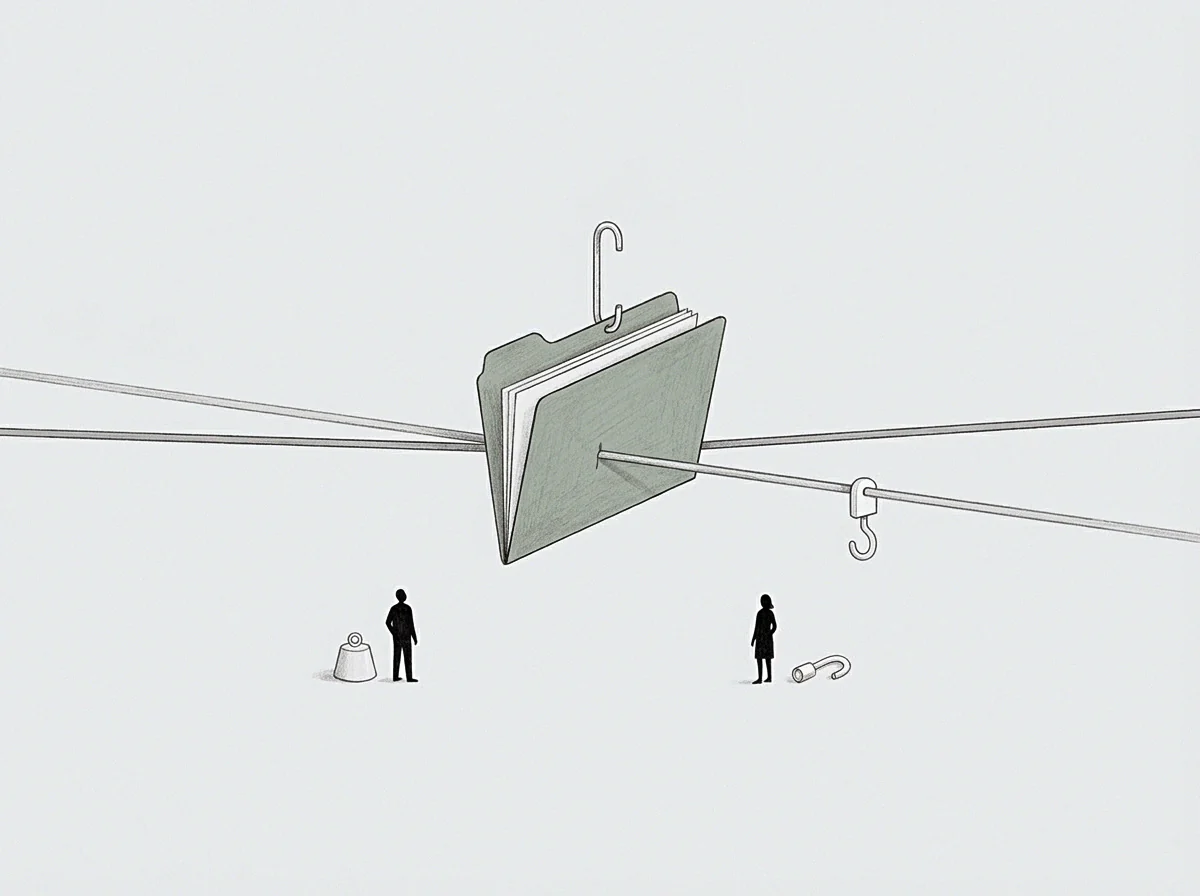
Prolonged physiological strain shifts the social baseline, causing the brain to register social proximity as a metabolic demand rather than a stabilizing resource.
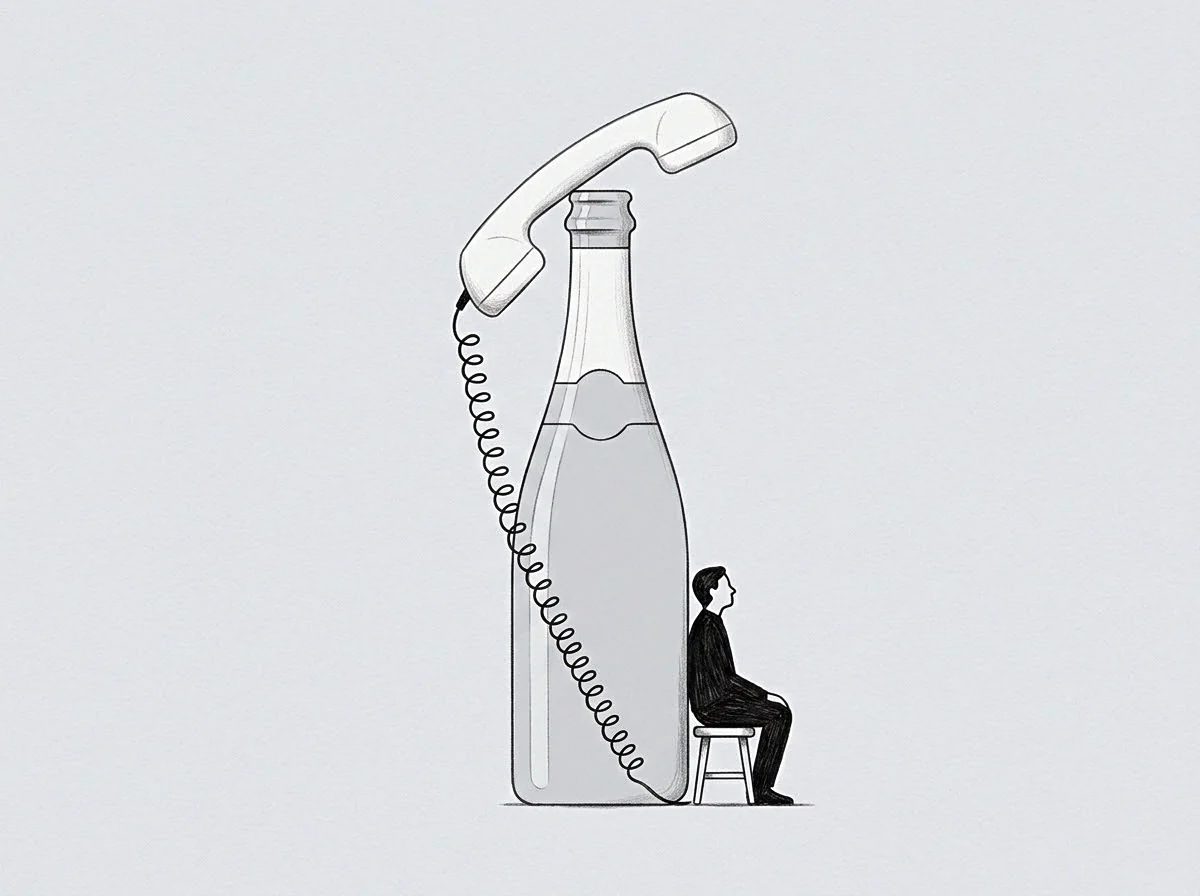
Cognitive concurrency caps represent structural processing limits under ungated operational load, whereas clinical anhedonia stems from neural reward pathway impairment.
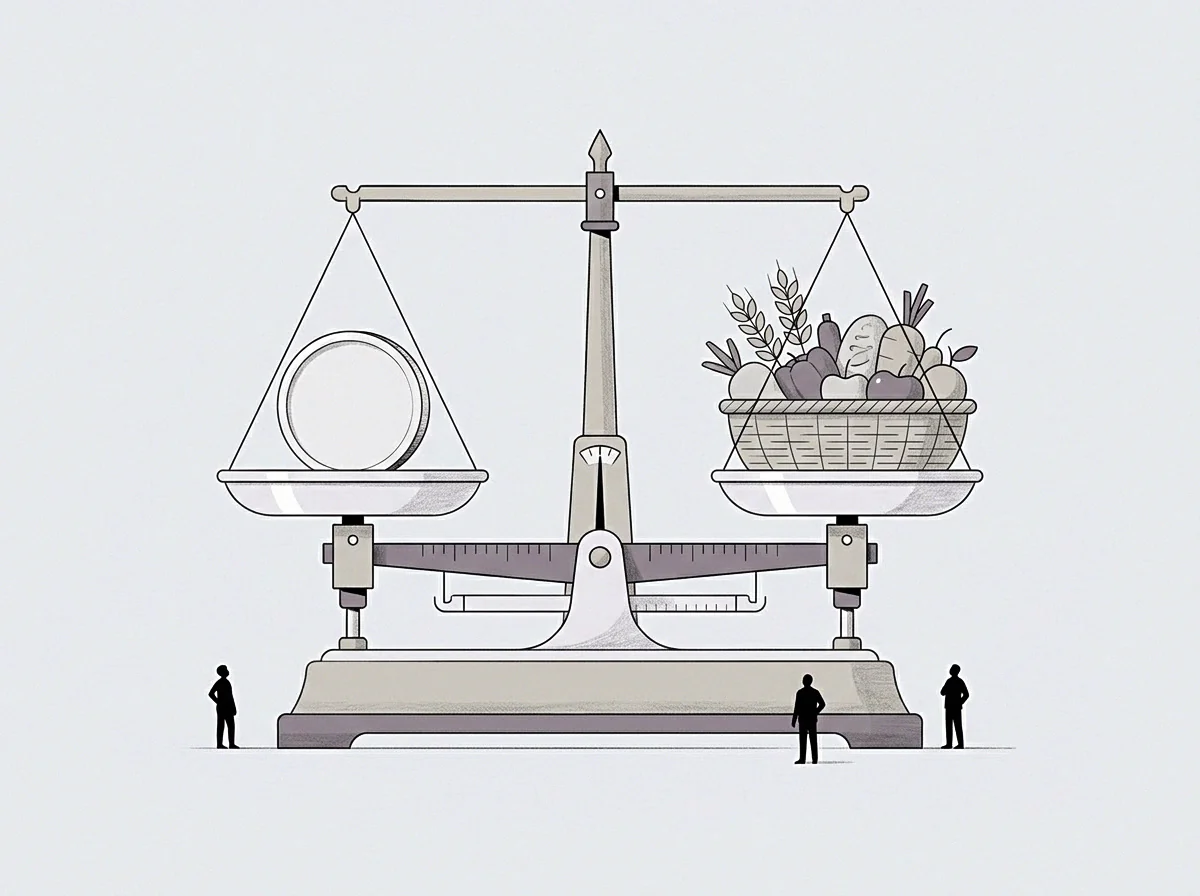
Executive autonomic dysregulation under ungated demands truncates planning horizons and systematically skews capital allocation toward short-term loss avoidance.
Suppressing nocturnal heart rate dipping and extending vagal recovery latency stems from continuous sympathetic outflow triggered by ungated operational loops.
High executive stress shuts down relational receptors by forcing continuous solo regulation, requiring bounded micro-exchanges to rebuild passive autonomic intake.
Isolated nervous systems process domestic physical contact as vigilance tasks, causing continuous cardiovascular strain instead of low-cost autonomic rest.
Re-sensitizing glucocorticoid receptors requires restoring circadian hormone troughs through strict temporal gating of operational load and metabolic inputs.
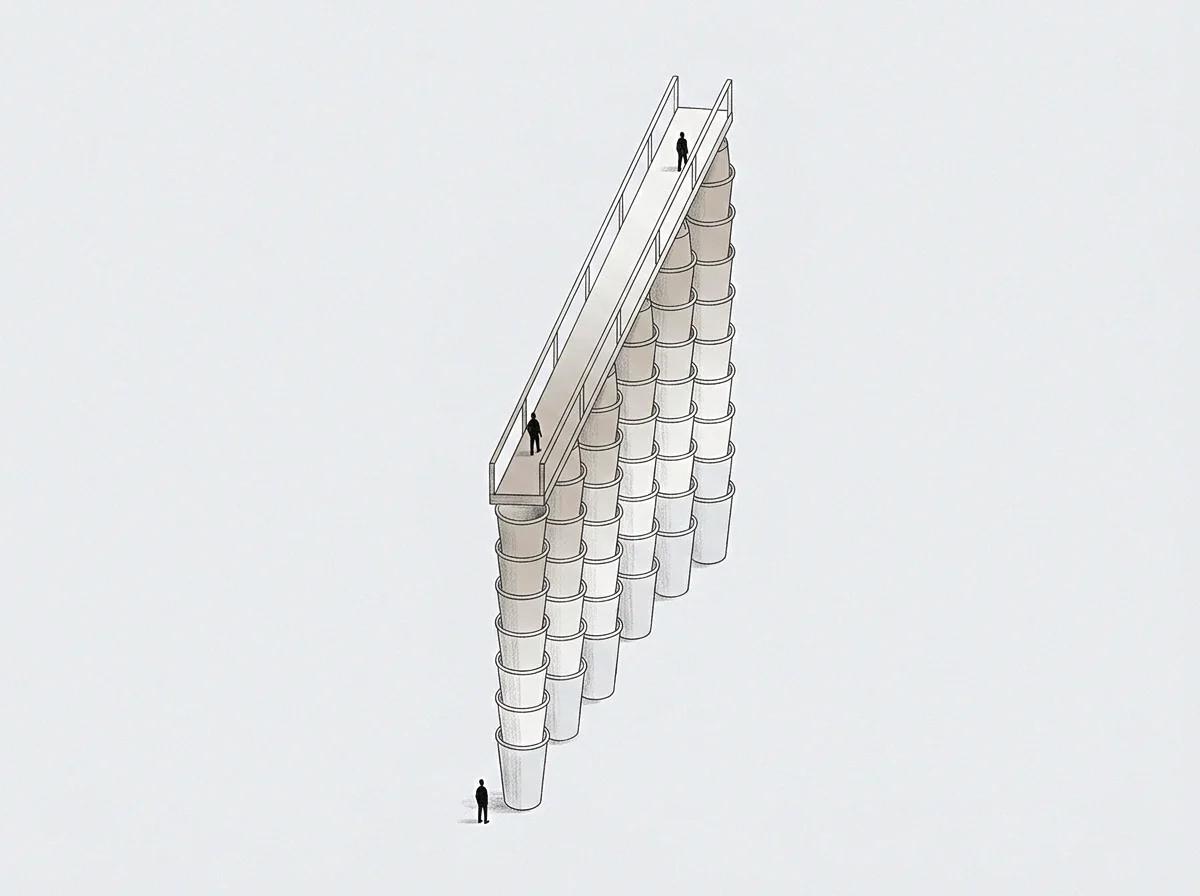
Prolonged organizational panic causes glucocorticoid receptor downregulation and chronic autonomic hyper-arousal, requiring strict loop closure for resensitization.
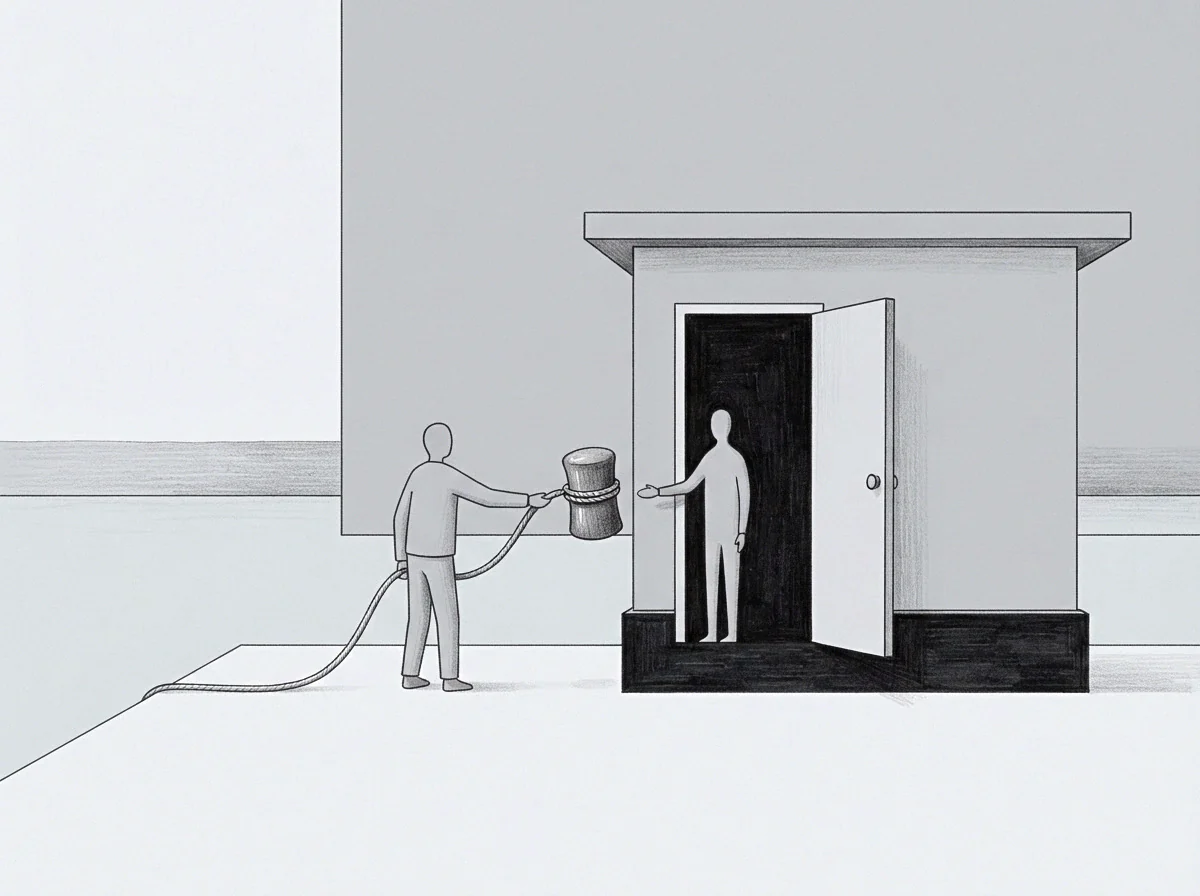
Allostatic load accumulates when an individual acts as an unbuffered regulatory dampener for surrounding anxiety, exhausting personal biological reserves.
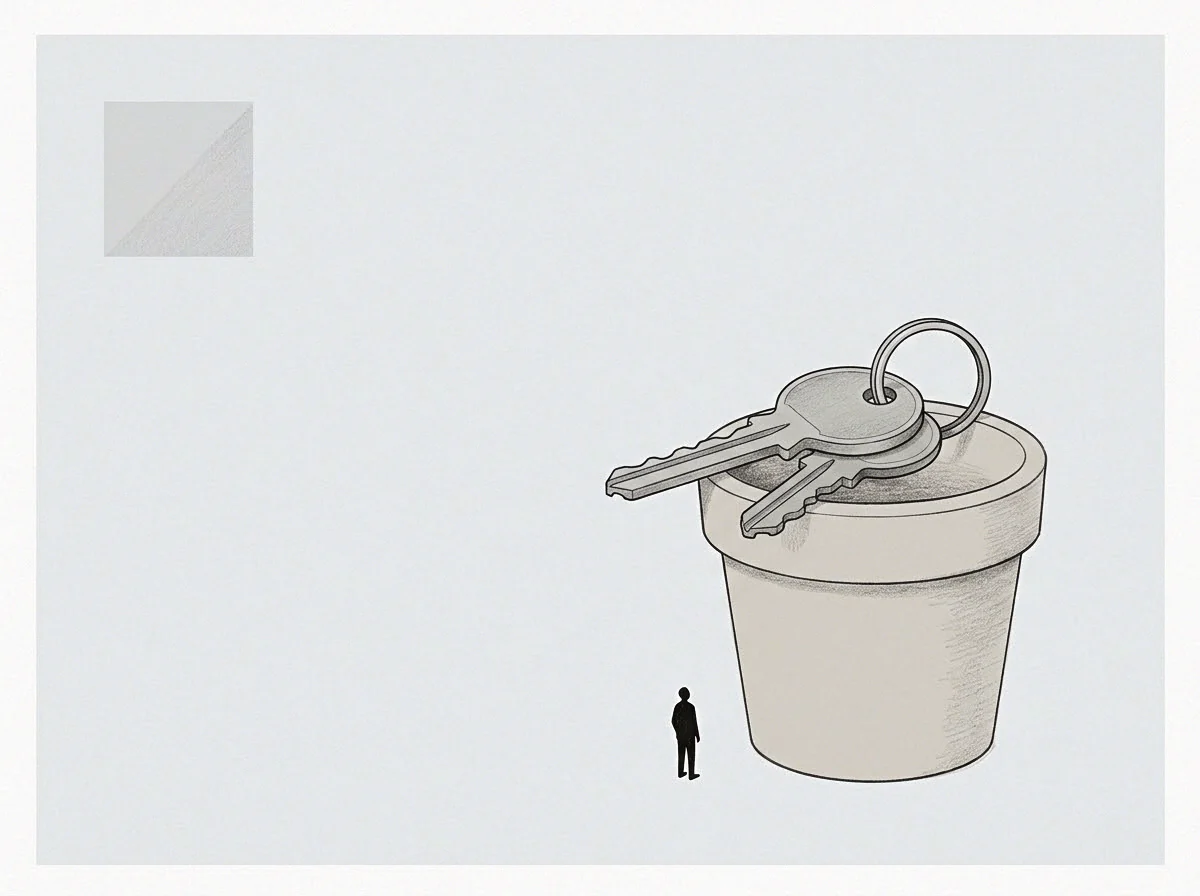
Solitary building shifts the neural baseline from low-energy social buffering to expensive independent hypervigilance, accumulating unsustainable allostatic load.
The terms are written where they belong. Each field holds three desks, and every entry a desk writes raises the terms it uses, each term given a meaning, a mechanism and the places it appears. The record on these pages stays first person and hand made; the fields grow the nomenclature.