
Quantifying Long Term Allostatic Load Trajectories Across Multi Year Founder Operations
Chronic operational exposure shifts physiological baselines upward, turning acute survival mechanisms into permanent tissue damage across multi-year cycles.

Drift
Three screens stayed lit past midnight in the fourth month of the third fiscal cycle. An operator sat motionless beside an unfinished capital reallocation sheet, watching an offshore logistics ping arrive in silence. Blood pressure stood twenty points above baseline while physical movement remained absent for five hours.
The human body treats ambiguous operational exposure as sustained physical predation. When capital runways shorten, metabolic expenditure climbs regardless of visible exertion. The heart contracts harder, vascular resistance rises, and sympathetic tone refuses nocturnal de-escalation.
Allostatic load describes the wear exacted by repeated neuroendocrine adaptations to continuous challenge. Sterling and Eyer formulated the physiological concept to explain how stability is achieved through change. McEwen later codified the four distinct pathways through which sustained adaptation produces tissue damage.
In chronic operational environments, the body does not hold an unmoving baseline. The set point wanders upward across thirty-six months of persistent exposure.
A biological system operating without recovery resets its resting parameters upward until emergency expenditure becomes the standard operating floor.
Repeated hits form the first pathway. An executive encounters three investor crises, five personnel departures, and two platform outages within four quarters. Each event triggers an immediate release of catecholamines and glucocorticoids.
Cortisol mobilizes glucose, suppresses digestion, and dampens immune response. Once the immediate crisis passes, physiological markers should drop back to rest. Chronic exposure prevents that decline.
Primary mediators flood the arterial beds continuously. Secondary outcomes arrive in vascular endothelial stiffening, elevated morning resting pulse, and disrupted slow-wave sleep. Tertiary outcomes present as systemic cardiovascular disease and metabolic dysfunction.
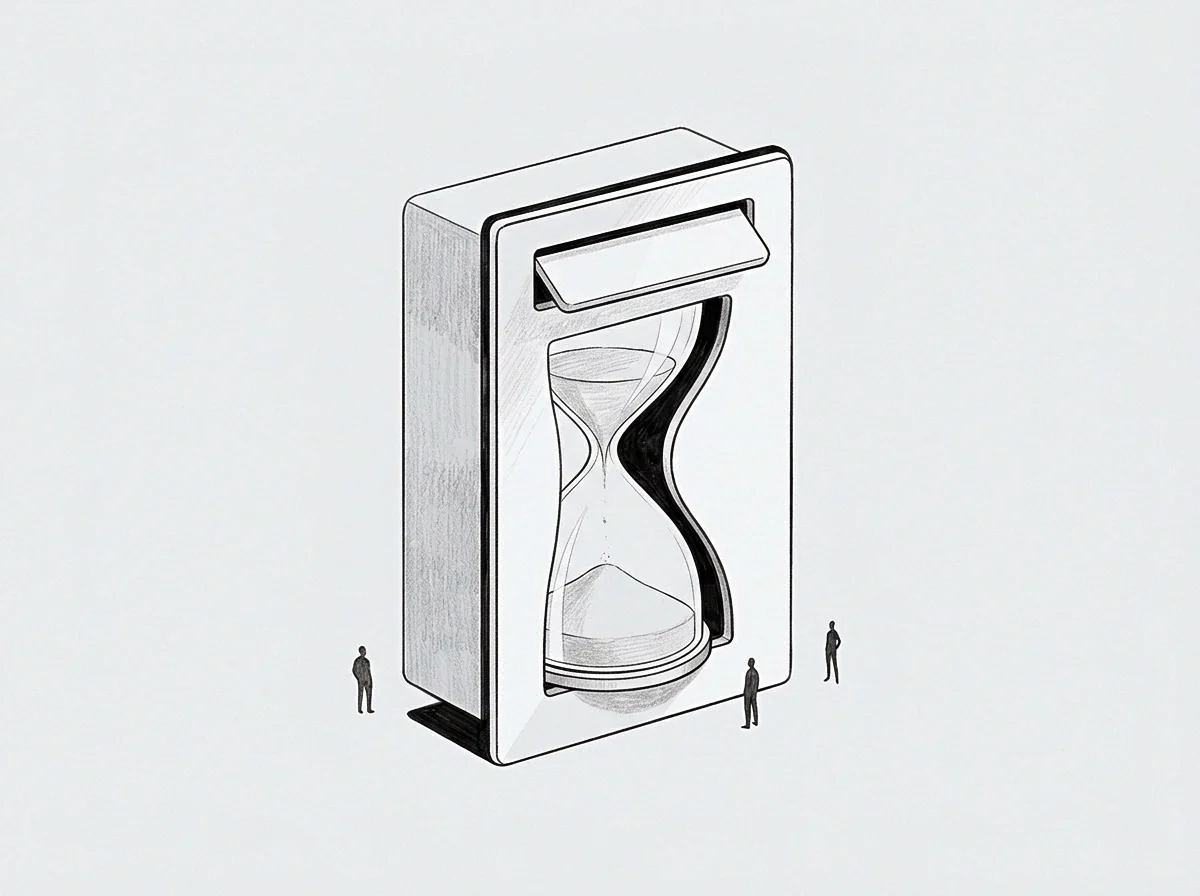
Nocturnal Recovery Failure
The second pathway involves lack of adaptation. Normal human systems attenuate hormonal responses after repeated exposure to the same stressor. A public presentation triggers high autonomic activation on day one, yet activation drops on day twenty.
In chronic operational environments, habituation fails. Every board meeting, customer dispute, and balance sheet recalculation produces the same acute spike. The neural circuitry evaluates every single event as existential.
The adrenal cortex stays primed.
Failure to shut off physiological activation constitutes the third pathway. This profile produces the highest cumulative tissue damage across executive tenures. Cortisol should follow a diurnal curve, peaking thirty minutes after waking and falling to an absolute trough around midnight.
In a prolonged operational cycle, the evening curve flattens. The nocturnal cortisol floor remains elevated. Melatonin production slows.
Heart rate variability fails to rise during sleep. Sleep happens, yet cellular repair remains suspended.
Inadequate response marks the fourth pathway. When the primary hormonal mediators remain elevated for months, target receptors downregulate. The adrenal glands eventually fail to produce adequate glucocorticoid responses during acute demands.
Inflammatory cytokines surge unchecked. Interleukin-six and tumor necrosis factor-alpha proliferate throughout vascular tissue. Joint stiffness and persistent peripheral aches appear without physical trauma.
The individual misinterprets this systemic inflammatory state as emotional despondency. The system is running without hormonal dampening.
When an executive misinterprets biological wear as emotional hesitation, the administrative response accelerates the underlying systemic collapse.
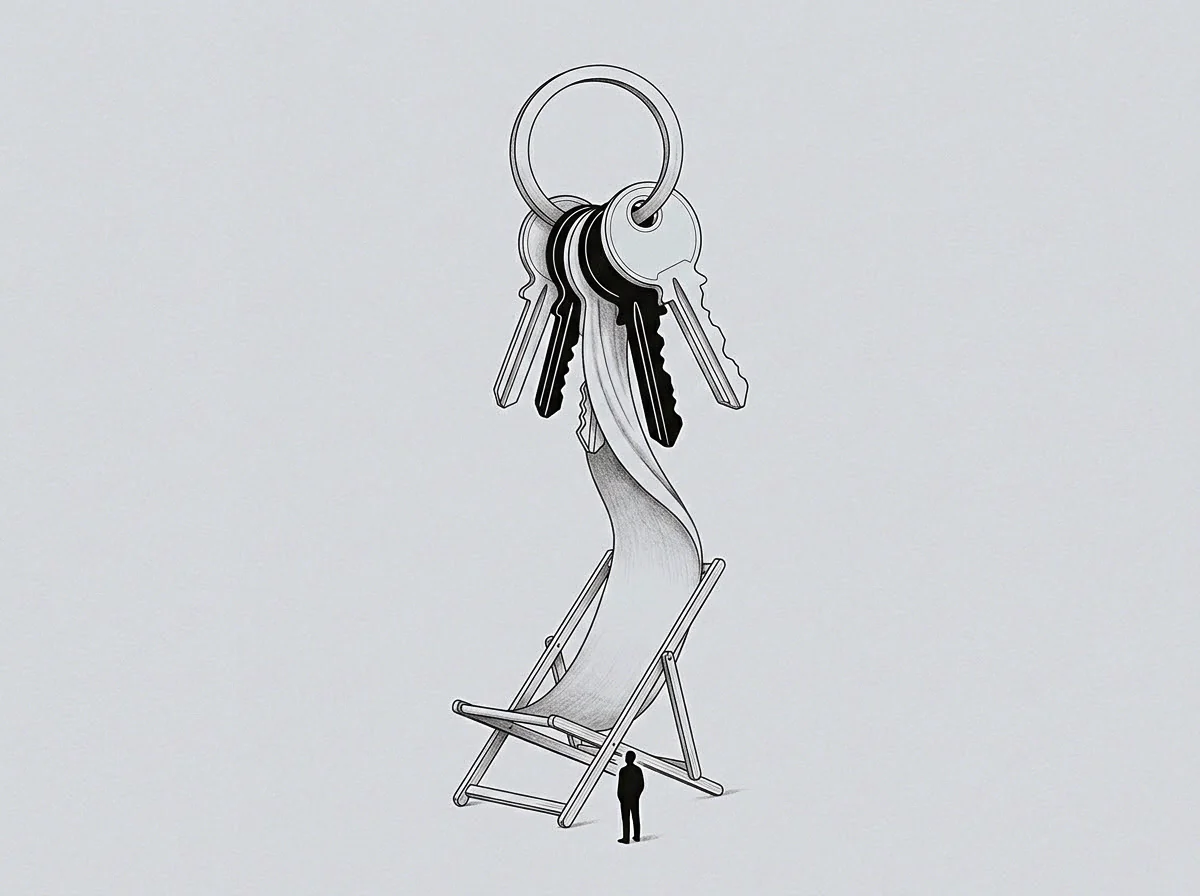
Floor
Resting physiological parameters shift during extended executive exposure. Baseline vagal tone determines how rapidly heart rate drops after acute challenge. High parasympathetic activity supports quick physiological recovery.
When an operator runs sixty-hour weeks across twenty-four months, baseline vagal tone collapses. The floor rises. Resting heart rate climbs from fifty-eight beats per minute to seventy-four beats per minute.
That increase represents sixteen extra contractions every minute, twenty-three thousand additional beats every twenty-four hours.
Biomarker profiling requires systematic panel testing across three operational phases. Blood sampling reveals shifts across multiple regulatory axes before subjective symptoms present. Neuroendocrine markers display early distortion through elevated free urinary cortisol and altered salivary dehydroepiandrosterone ratios.
Metabolic indices show fasting insulin creep, increasing glycosylated hemoglobin, and elevated low-density lipoprotein particles. Immune panels demonstrate elevated high-sensitivity C-reactive protein and systemic fibrinogen.

Cellular Strain Across Quarters
Prolonged operational tension accelerates cellular aging through telomeric attrition. Telomeres cap the ends of eukaryotic chromosomes, protecting genomic integrity during cellular replication. Telomerase enzymes rebuild these terminal sequences under restorative conditions.
Epel and Blackburn documented accelerated telomere shortening in populations managing chronic, unrelenting caretaking demands. Operating a venture across five years produces identical physiological kinetics. Sustained allostatic strain suppresses telomerase activity through prolonged oxidative stress.
Mitochondrial respiration produces reactive oxygen species faster than endogenous antioxidant defenses can clear them.
Physical reserves diminish silently while calendar productivity remains unchanged.
Mitochondrial uncoupling decreases cellular energy production efficiency. Adenosine triphosphate synthesis drops per unit of consumed substrate. The executive experiences deep physical fatigue despite adequate caloric intake.
The sensation manifests as heavy limbs, delayed cognitive processing, and decreased visual focus after mid-afternoon. Glucose transporter four proteins downregulate on skeletal muscle cell membranes. Peripheral tissues reject circulating glucose.
The brain starves for fuel while serum glucose remains chronically elevated. The body demands simple carbohydrates to bridge the perceived energy deficit, driving further metabolic dysfunction.
Recovery requires a complete cessation of sympathetic stimulation across sustained intervals.
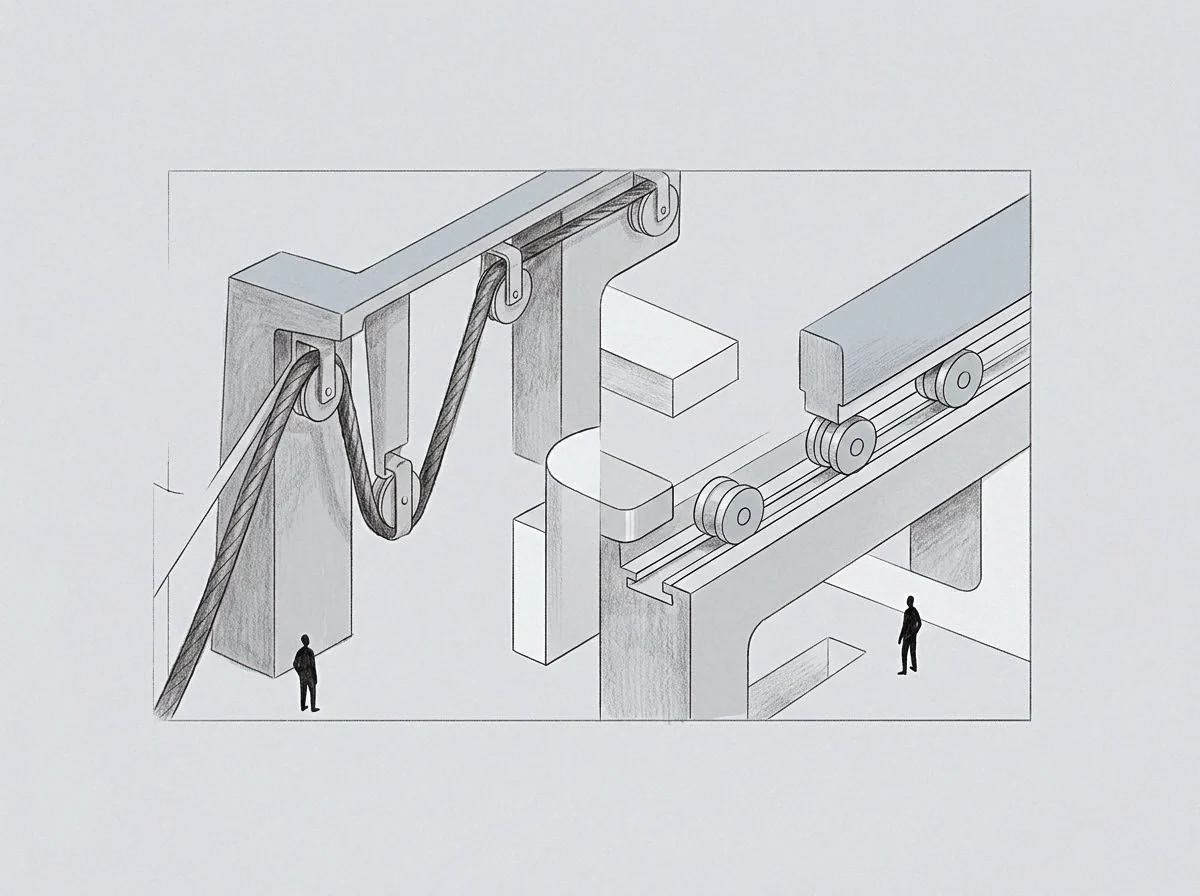
Buffer
Human beings survive continuous regulatory demands through physiological and structural buffers. Social baseline theory establishes that human neural architecture assumes proximity to familiar, cooperative conspecifics. Co-presence distributes the cognitive and autonomic burden of environmental scanning.
When an individual operates in isolation, the brain perceives the ambient environment as resource-scarce and predatory. Metabolic costs climb. Solitary executive seats impose an unshared load on a single biological substrate.
Relational buffering lowers the autonomic cost of acute threats. Holding the hand of a trusted partner during a painful stimulus decreases neural activation in the anterior cingulate cortex and dorsolateral prefrontal cortex. That attenuation is absent when solitary operators face institutional threats.
Board conflict, equity disputes, and debt liabilities hit the individual nervous system without distributed dissipation. The absence of co-regulation converts transient challenges into permanent systemic wear.

Comparative Operational Configurations
Organizational structures distribute physiological taxation unevenly across leadership models. The sole operator model concentrates all threat detection inside a single biological system. The distributed functional structure offloads distinct domains to dedicated functional leaders, lowering the constant environmental scanning requirement.
| Operating Model | Mean Nocturnal Cortisol Slope | Mean Resting HRV (rMSSD) | Systemic Biomarker Composite Index | Primary Regulatory Point of Failure |
|---|---|---|---|---|
| Isolated Sole Executive | Flattened (+0.12 mcg/dL nadir) | Suppressed (18 to 26 ms) | High (Score 7.4 of 10) | Adrenal receptor downregulation |
| Equal Functional Pair | Moderate (-0.45 mcg/dL nadir) | Moderate (34 to 42 ms) | Moderate (Score 4.2 of 10) | Relational conflict friction |
| Distributed Functional Board | Steep (-0.88 mcg/dL nadir) | Preserved (52 to 68 ms) | Low (Score 2.1 of 10) | Administrative decision latency |
Data reflects physiological testing composites across longitudinal executive cohorts. The solitary seat exacts three times the biomarker disturbance observed in distributed teams. Isolated decision-makers carry uninterrupted sympathetic tone through evening hours.
Shared governance models create relational safety buffers, enabling down-regulation during off-duty intervals.
Relational dynamics introduce specific complications when informal agreements substitute for formal contracts. Covert contracts generate invisible cognitive load. When one partner assumes operational responsibility while expecting unspoken emotional validation, sympathetic arousal remains high.
The nervous system monitors subtle interpersonal cues for signs of abandonment or exploitation. Clear governance documentation reduces neural vigilance by externalizing expectations into fixed organizational rules.
Sleep architecture provides the final biological buffer against allostatic collapse. Non-rapid eye movement slow-wave sleep activates the glymphatic system. Astrocytic end-feet clear metabolic waste products from cerebral spinal fluid, including beta-amyloid and hyperphosphorylated tau proteins.
Nocturnal sympathetic hyperarousal halts this glymphatic clearance. The brain begins each successive working day carrying yesterday’s neurochemical debris.
The partner watched the phone light up across dinner and noted that physical presence brought zero actual company.

Scale
Quantifying allostatic progression requires objective measurement rather than subjective self-report. Tired professionals routinely report feeling acceptable forty-eight hours before total systemic breakdown. Endogenous endorphins and sympathetic drive mask physiological degradation.
Clinical quantification relies on composite indices combining cardiovascular, metabolic, neuroendocrine, and inflammatory parameters. A single marker provides little clinical insight; the convergence of multi-system dysregulation reveals true wear.
Tracking the trajectory across multi-year operational cycles demands scheduled, multi-point diagnostic panels. The protocol tracks the shift from primary mediators to tertiary clinical pathologies.
- Cardiovascular Autonomic Profile records resting morning pulse, ambulatory blood pressure indices, and continuous root mean square of successive differences during deep sleep phases to evaluate parasympathetic withdrawal.
- Diurnal Endocrine Salivary Array measures free cortisol levels upon waking, thirty minutes post-waking, at mid-day, and thirty minutes before sleep, tracking the cortisol awakening response alongside the evening clearance slope.
- Systemic Inflammatory Composite assays high-sensitivity C-reactive protein, serum interleukin-six, and plasma tumor necrosis factor-alpha to evaluate vascular lining inflammation and immune dysregulation.
- Metabolic Flexibility Screen evaluates fasting glucose, homeostatic model assessment of insulin resistance, lipid sub-fraction particle sizes, and advanced glycation end-products across quarterly testing blocks.
Data interpretation must account for age-related baseline drift. A forty-year-old operator experiences faster allostatic accumulation than a twenty-five-year-old under identical environmental conditions. Recovery kinetics diverge markedly.
Rebuilding vagal tone after six months of nocturnal activation requires four times longer in older biological substrates. Quantifying this degradation provides the empirical basis for non-negotiable operational gates.
A biological metric ignored on an executive dashboard appears twelve months later as an involuntary operational shutdown.
Gating decisions on objective biomarker cutoffs prevents catastrophic tissue failure. When an executive’s high-sensitivity C-reactive protein breaches three milligrams per liter in the absence of acute infection, systemic vascular inflammation has taken hold. Resting heart rate variability falling beneath thirty milliseconds for twelve consecutive days signals severe autonomic exhaustion.
Structural intervention becomes mandatory at these defined thresholds.
A formal written clause mandating clinical biomarker monitoring transforms health preservation into an objective contractual obligation.

Yield
The human machine does not break along linear trajectories. Mechanical yield points describe the moment a material transitions from elastic deformation to plastic deformation. Elastic deformation allows an alloy to return to its original configuration once physical tension ceases.
Plastic deformation permanently alters molecular crystal structures. The material holds the new, distorted shape forever. The human neuroendocrine axis behaves under identical mathematical laws.
Multi-year commercial operations exert unrelenting mechanical tension upon leadership biology. During the initial twenty-four months, deformation remains elastic. A three-week period of total disengagement restores baseline cortisol curves, normalizes insulin sensitivity, and restores nocturnal parasympathetic dominance.
By month forty-eight of uninterrupted exposure, the biological system reaches its yield point. Structural remodeling occurs inside the central nervous system. The hippocampus experiences dendritic atrophy while the basolateral amygdala shows dendritic hypertrophy.
The brain rewires itself to detect threats perpetually.
Hippocampal volume loss impairs declarative memory and context processing. The individual forgets operational commitments, misplaces strategic context, and displays affective blunting. Basolateral amygdalar enlargement heightens fear responses and aggressive reactivity.
Minor customer churn produces physiological panic. Routine operational ambiguity triggers extreme autonomic defense mechanisms. The executive cannot turn off the alarm because the neuroanatomy of the alarm has physically expanded.
Longitudinal outcomes among high-exposure founders reveal substantial metabolic and cardiovascular morbidity five years post-exit. The commercial entity achieves liquidation, yet the physical vessel retains the structural remodeling. Hypertension, persistent autoimmune flare-ups, and intractable sleep maintenance insomnia continue in quiet living rooms.
The debt accrued through uninterrupted allostasis must be serviced through biological degradation. The system pays the balance through reduced lifespan and diminished functional capacity.
Repairing plastic deformation demands radical, long-term environmental redesign. The nervous system requires sustained safety signals over multi-year horizons to encourage neuroplastic reversal. Microglial activation must quiet.
Vascular inflammation must resolve through extended dietary, circadian, and relational stabilization. Returning to high-demand operational seats before complete physiological reconstitution resets the damage cycle, pushing the organism toward catastrophic clinical failure.
The biological cost remains etched into cellular DNA long after the commercial shares transfer to secondary buyers. Vascular elasticity does not regenerate instantly because an escrow account closes. The human body preserves the structural bill of every midnight email, every unbuffered crisis, and every suppressed autonomic tremor.
Physical tissue keeps the count with unyielding, mechanical accuracy.