
Structural Recovery Dynamics of Autonomic Co Regulatory Receptor Re Integration Across Sustained Exposure
Sustained operational load down-regulates co-regulatory receptors, requiring micro-dosed physical presence to update the baseline template.

Latch
Four messaging channels remain open at two in the morning while sympathetic nervous system activity stays elevated. The operator sits alone in an empty office, tracking incoming status updates from three engineering teams. Extended operational pressure alters how the nervous system processes interpersonal signals.
When an operator acts as the regulatory anchor for an organization across multiple years, neural circuits adapt to that sustained exposure. Incoming relational input gets treated as an added demand on depleted metabolic capacity. Proximity to another person, which baseline autonomic models treat as energy-saving, turns into an active monitoring cost.
The body locks into an alert state that prevents resting recovery cycles from starting.
Continuous autonomic baseline provision under high environmental demand down-regulates neural receptor sensitivity to external co-regulatory signals.
Autonomic co-regulatory receptors exist to process external safety signals. Under baseline conditions, proximity to a calm partner decreases vascular resistance and lowers cortisol secretion. Extended operational strain disrupts that metabolic subsidy.
The operator internalizes an inverted regulatory pattern where maintaining stability for others becomes the default program. In that state, receiving regulation from an external source fails because no active neural slot remains open to accept it. The body maintains vigilance, treating another person’s presence as incoming load.
Physiological headroom contracts.
Treating receptor desensitization as a failure of motivation drives the autonomic system into deeper physiological throttling.

Circuit
A stable presence normally reduces the energy needed to process environmental threats. Social baseline theory demonstrates that the brain budgets metabolic expenditure against perceived social proximity. When a reliable co-regulator sits nearby, neural threat detection in the hypothalamus drops, conserving glucose and vascular capacity.
For an operator whose autonomic baseline has sustained long-term operational pressure, this calculation breaks down.

Metabolic Offloading and the Social Baseline
Human nervous systems evolved to share the energetic burden of environmental vigilance. In standard conditions, social proximity acts as a physical energy subsidy. The brain delegates portion of its vigilance tasks to trusted members of the group.
When an operator fills the role of the primary regulatory provider for years, the neural architecture adapts to one-way transmission. The internal template assumes responsibility for every adjacent state while expecting zero incoming relief. This configuration exhausts central reserves and down-regulates autonomic receptor arrays.
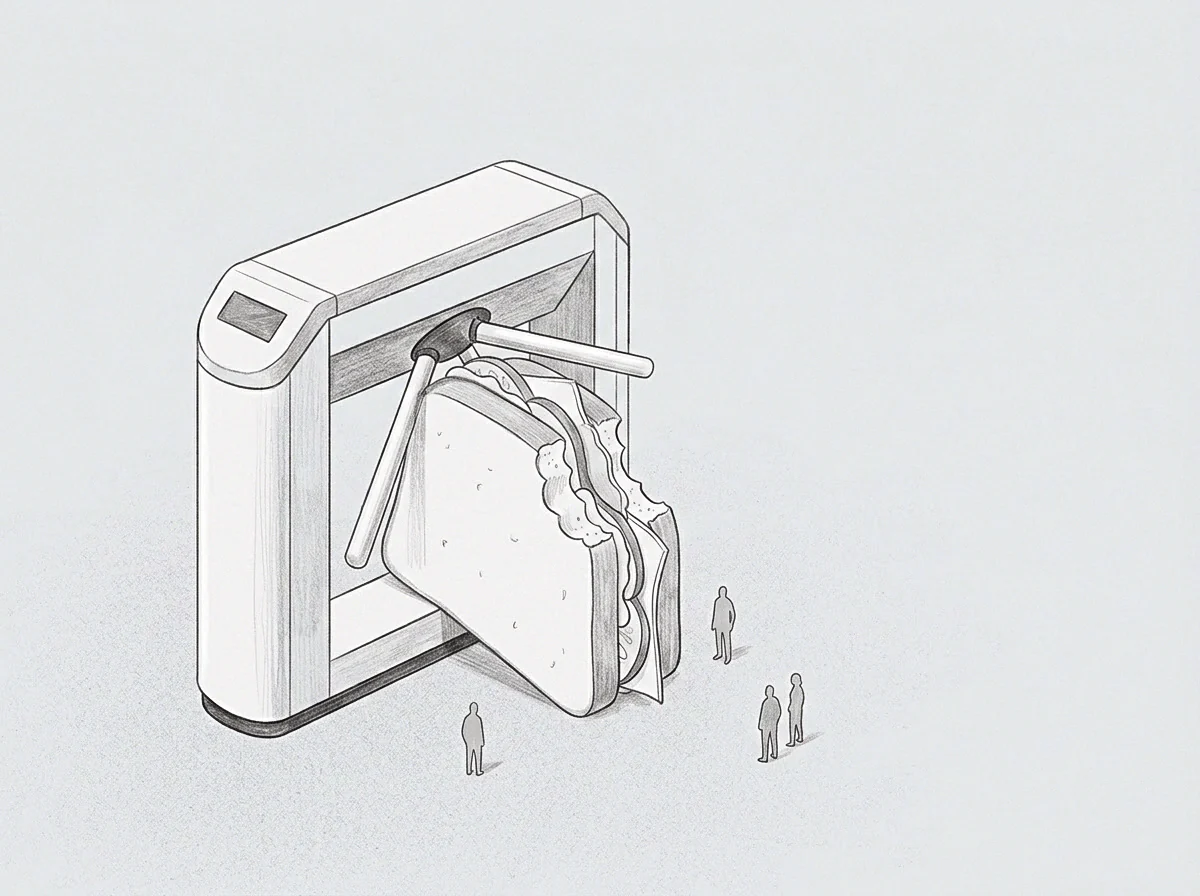
Down-Regulation Under Continuous Exposure
Sustained physiological strain forces specific receptor arrays to decrease their binding affinity. Metabolic costs accumulate rapidly.
- Receptor Down-Regulation occurs when continuous autonomic output suppresses the neural pathways that register external calm.
- Baseline Inversion transforms incoming presence into a monitoring cost, replacing the normal energetic subsidy.
- Predictive Throttling reduces physiological bandwidth to shield remaining neural reserves from unexpected demands.
An anchor proven under load receives additional weight until a physical limit breaks the connection.
As receptor sites desensitize, the capacity to process co-regulatory input diminishes. External attempts to offer calm register as unpredictable physical stimuli requiring evaluation. The body stays guarded, using isolation to protect what capacity remains.
The baseline inversion threshold marks the exact point where an offer of calm increases metabolic expenditure.
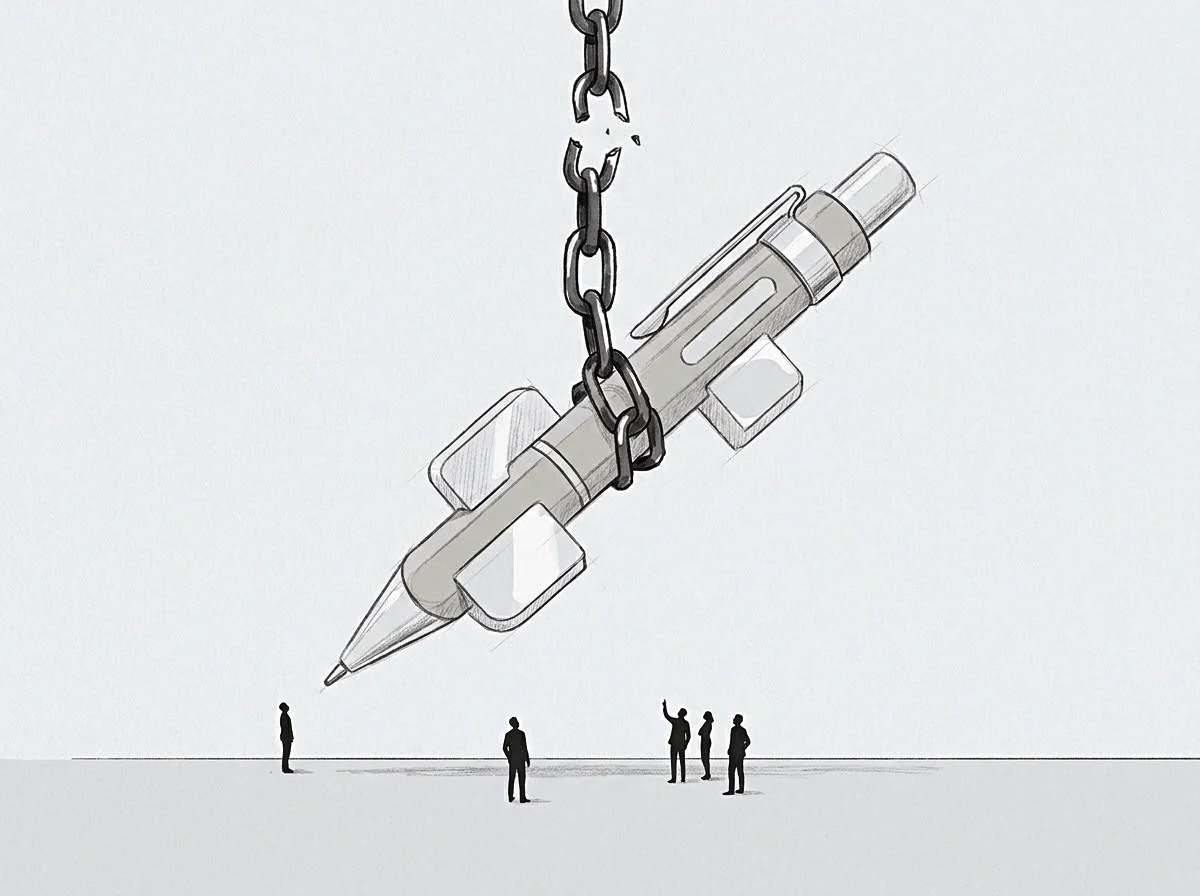
Socket
Rebuilding receptor sensitivity demands a systematic shift in physical conditions. A person who has supplied autonomic calm to an organization without relief loses the internal receptor slot necessary to receive co-regulation. The structural capacity to be supported disappears from the operating model.

Structural Differences in Autonomic Processing
Physiological recovery depends on the explicit distinction between active self-soothing and passive reception. The table below outlines how autonomic processing modes differ across sustained exposure.
| Regulatory Mode | Metabolic Expenditure | Receptor State | Operational Load Distribution |
|---|---|---|---|
| Isolated Self-Regulation | High metabolic strain; continuous glycogen depletion | Desensitized; low binding affinity for external signals | Unilateral; founder bears total structural weight |
| Co-Regulatory Integration | Low metabolic strain; conserved central resources | Active; functional receptor slot for shared calm | Bilateral; shared autonomic risk across proximity |
When an operator functions exclusively in isolated self-regulation, autonomic receptors remain offline. Restoring these receptor arrays cannot happen through cognitive decisions or intellectual understanding. Comprehension leaves the physical template untouched.
Earned security needs repeated physical evidence of shared regulation before neural receptors restore baseline sensitivity.
Updating the internal template demands physical presence without operational performance. The nervous system must encounter repeated, low-stakes micro-exposures where another person remains calm without asking for regulatory support in return. The autonomic baseline shifts over time.
The room felt completely still, but no connection was made.
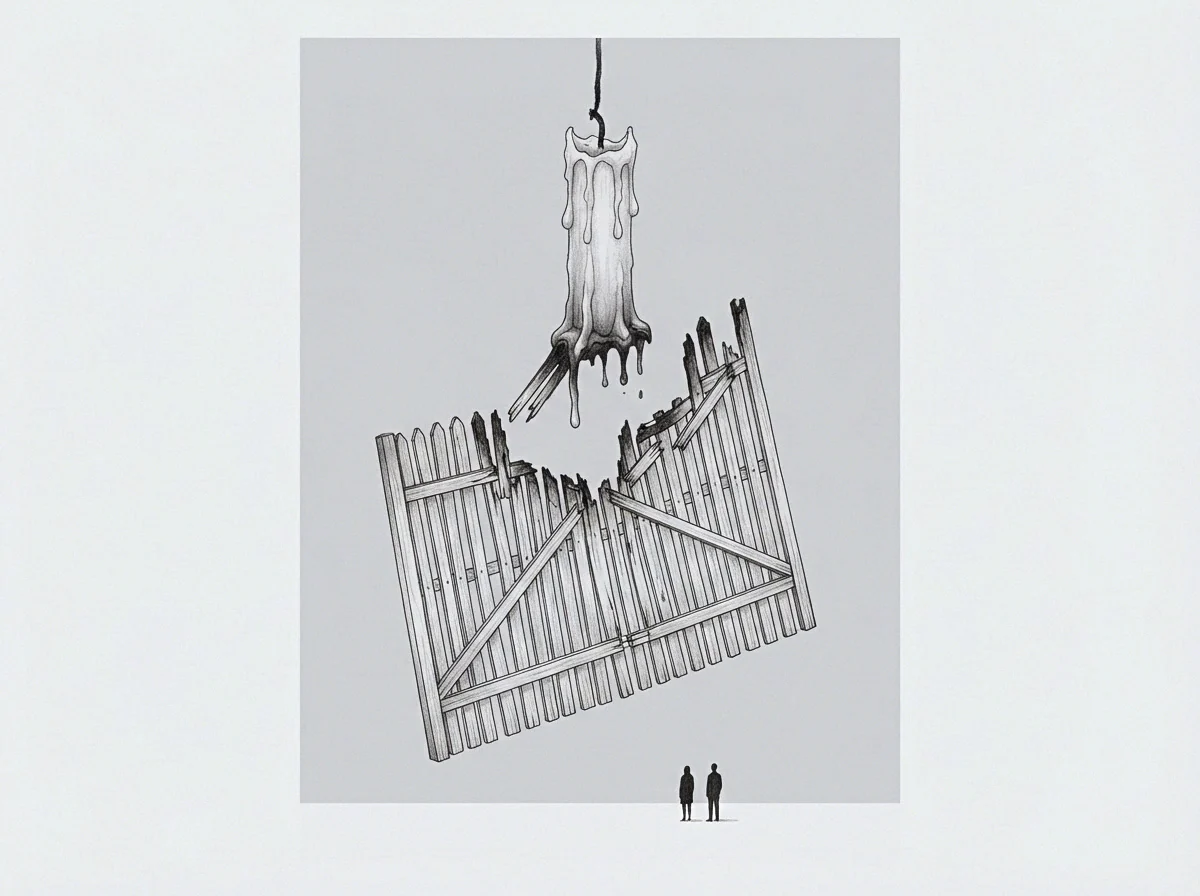
Budget
Managing energy expenditure becomes the primary objective during recovery. When receptor sites are down-regulated, unbuffered social interaction drains remaining reserves. The organism operates on a deficit budget, throttling physical output to maintain core operational survival.
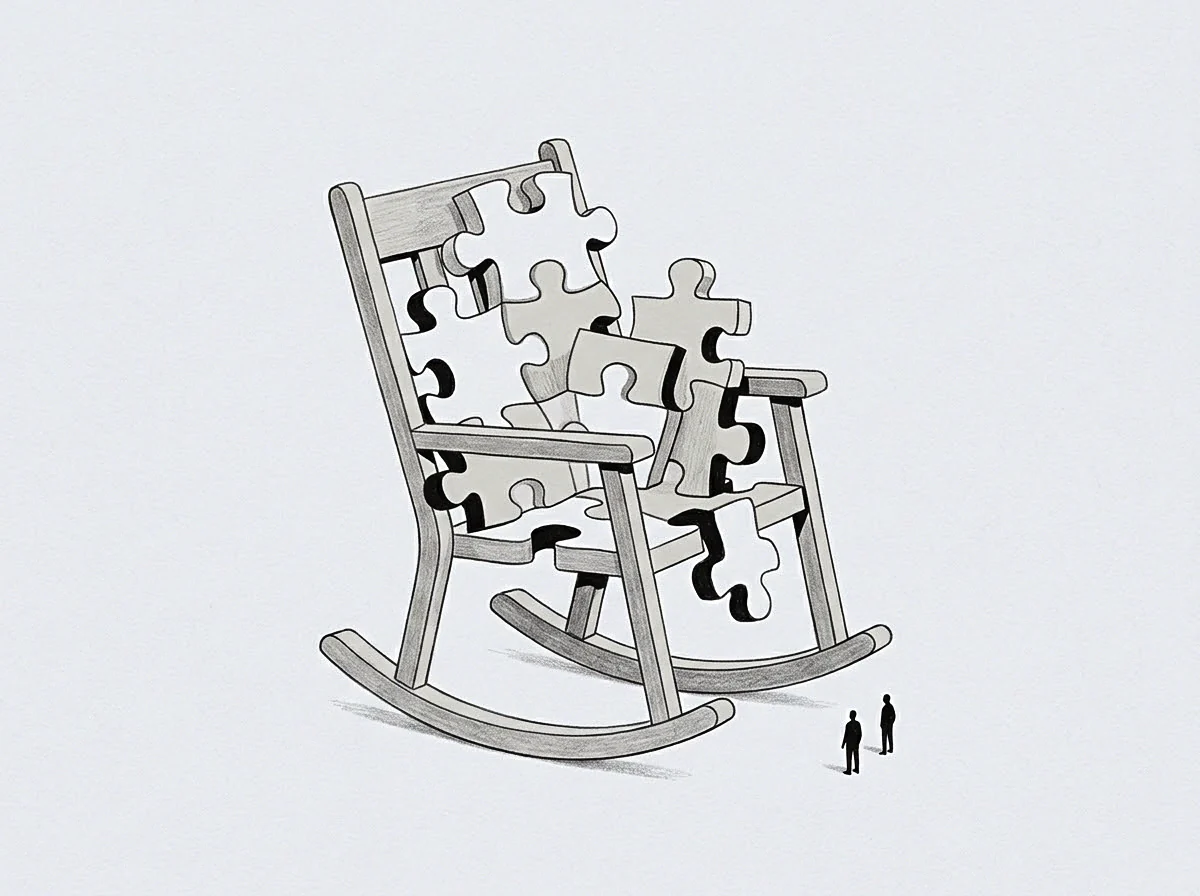
Can Stated Limits Rebuild Neural Receptor Sensitivity?
Clear operational boundaries preserve neural capacity by eliminating the need for continuous threat monitoring. Stated limits act as external physical constraints that protect the nervous system. When an operator defines explicit parameters around availability, the brain drops background scanning routines, though the shift takes time.
- Primary physiological throttling creates the initial isolation necessary to protect baseline neural functions from total overload.
- Unilateral boundary declaration halts incoming emotional transfer and stabilizes autonomic expenditure.
- Micro-dosed proximity experiences introduce low-stakes physical presence without structural obligations.
- Template re-mapping establishes a secondary internal working model through repeated non-demanding co-regulation.
Each step in the sequence alters how autonomic energy gets allocated. Skipping the initial isolation phase forces the nervous system to re-integrate while still operating at maximum load, leading to immediate receptor fatigue, and load transfers instantly.
Whether an operator can re-establish receptor sensitivity while maintaining ownership of the underlying structure remains an open empirical question.
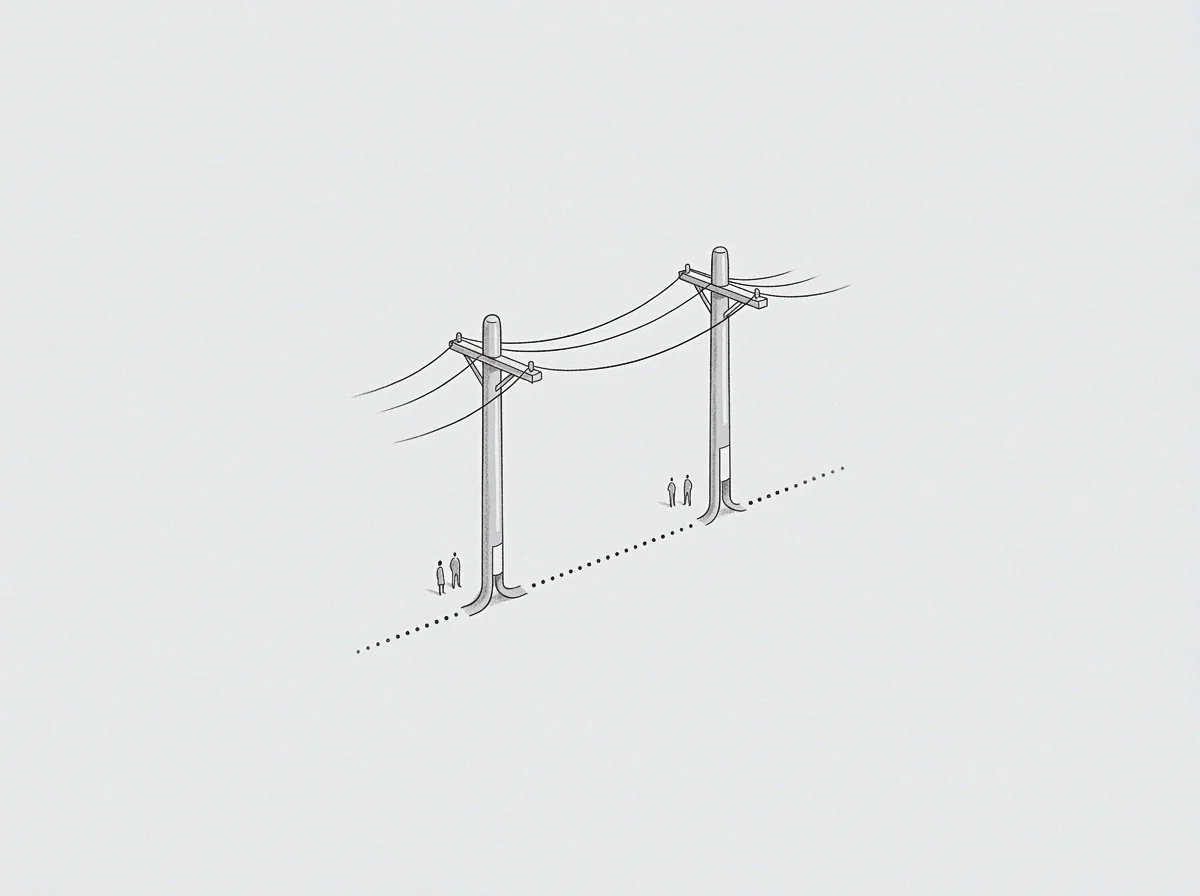
Gate
Long-term structural recovery requires a permanent update to the internal regulatory template. Running the cycle backwards for years prevents a simple return to prior operating modes without triggering rapid desensitization.

The Timeline of Earned Security
Updating nervous system responses takes months of consistent, low-intensity exposure. Earned security forms as a secondary neural pathway alongside the primary template. The original model of unilateral regulation remains present, but loses its exclusive dominance over autonomic output.
Over time, the nervous system learns to recognize non-demanding proximity as safe.
Capacity returns through small physical intervals where no operational outcome is required.
When an operator allows a secondary template to stabilize, receptor slots reopen. The body stops interpreting presence as load. Presence carries a cost in energy and attention, but shared baseline regulation makes that cost manageable across sustained operational pressure.
Re-integration completes when the autonomic baseline rests on shared physical presence without operational demand.