Meaning
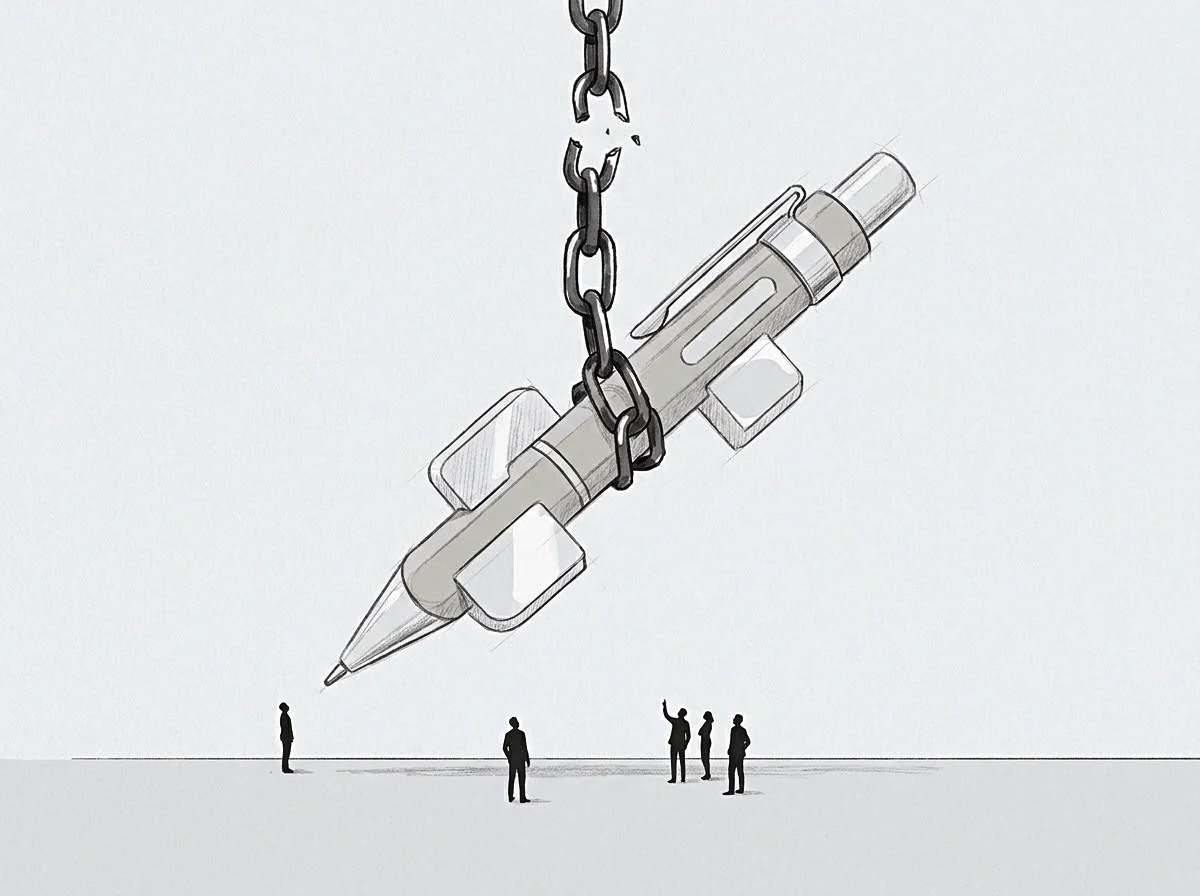
Physiological adaptation describes the process wherein chronic elevation of stress responses redefines an individual’s operational normal. Under conditions of sustained high exertion after founding, baseline inversion occurs when elevated physiological arousal becomes the default state rather than a temporary spike. This state governs allostatic load, shifting the neutral resting point to an elevated baseline that requires constant energy to maintain.
The boundary of this concept stops at transient acute stress, applying strictly when the elevated resting state persists across extended operational cycles.
Physiological Shift
High operational demand triggers continuous sympathetic nervous system activity that alters autonomic balance over long periods. When baseline inversion takes root, resting heart rate variability decreases, while cortisol secretion remains persistently high even during nominal resting windows. The body treats former peak stress levels as standard operational parameters.
Consequently, parasympathetic reactivation becomes difficult to access during brief operational lulls, requiring explicit intervention or prolonged detachment to re-establish true resting physiological states.
Capacity Cost
Executive function degrades when sustained autonomic activation consumes cognitive bandwidth continuously. Under baseline inversion, a founder expends energy maintaining routine baseline focus, leaving less reserve capacity for complex decision-making. Cognitive fatigue accumulates rapidly under this continuous exertion.
Recovery Threshold
Interventions must exceed a minimum duration to reset the elevated resting state back to baseline parameters. Simple short breaks fail to trigger the parasympathetic response needed to dismantle baseline inversion once the higher baseline becomes established. Extended periods of complete operational disengagement are required to allow autonomic resetting.
Structural boundaries prevent the continuous accumulation of strain across operational cycles.