
The Long Term Impact of Asymmetric Autonomic Depletion on Core Organizational Leadership Capacity
Asymmetric autonomic regulation drains prefrontal metabolic reserves in central leaders, degrading strategic discernment into survival-driven operational triage.

Weight
Four operational threads sat stalled across an executive desk on a Thursday evening while team leads waited for approval on capital deployment, product timelines, and vendor dispute settlements. The founder absorbed the ambient panic of twelve direct reports without visible hesitation, nodding through an emergency budget revision, steadying an engineering director who threatened resignation, and drafting responses to two board inquiries simultaneously. Vital indicators told a different story.
Peripheral blood flow dropped while resting cardiac acceleration sustained high levels for five consecutive hours, yet speech patterns remained measured and low. Observers took the unhurried cadence as evidence of unlimited reservoir.
The human brain operates on an assumption of shared physiological load, treating social proximity as primary metabolic security. When one individual provides an unyielding behavioral presence during institutional strain, surrounding personnel naturally offload threat management onto that steady figure. Borrowed calmness settles into the room without acknowledgment, lowering autonomic arousal among observers while concentrating the entire biological expenditure into the solitary central regulator.
This dynamic creates an extractive asymmetry. The organization experiences temporary stabilization, yet the stabilizing leader expends autonomic reserve at an unsustainable rate without replenishing tissue capacity.
Under prolonged threat exposure without distributed operational buffers, individual metabolic expenditure escalates while collective output appears steady.
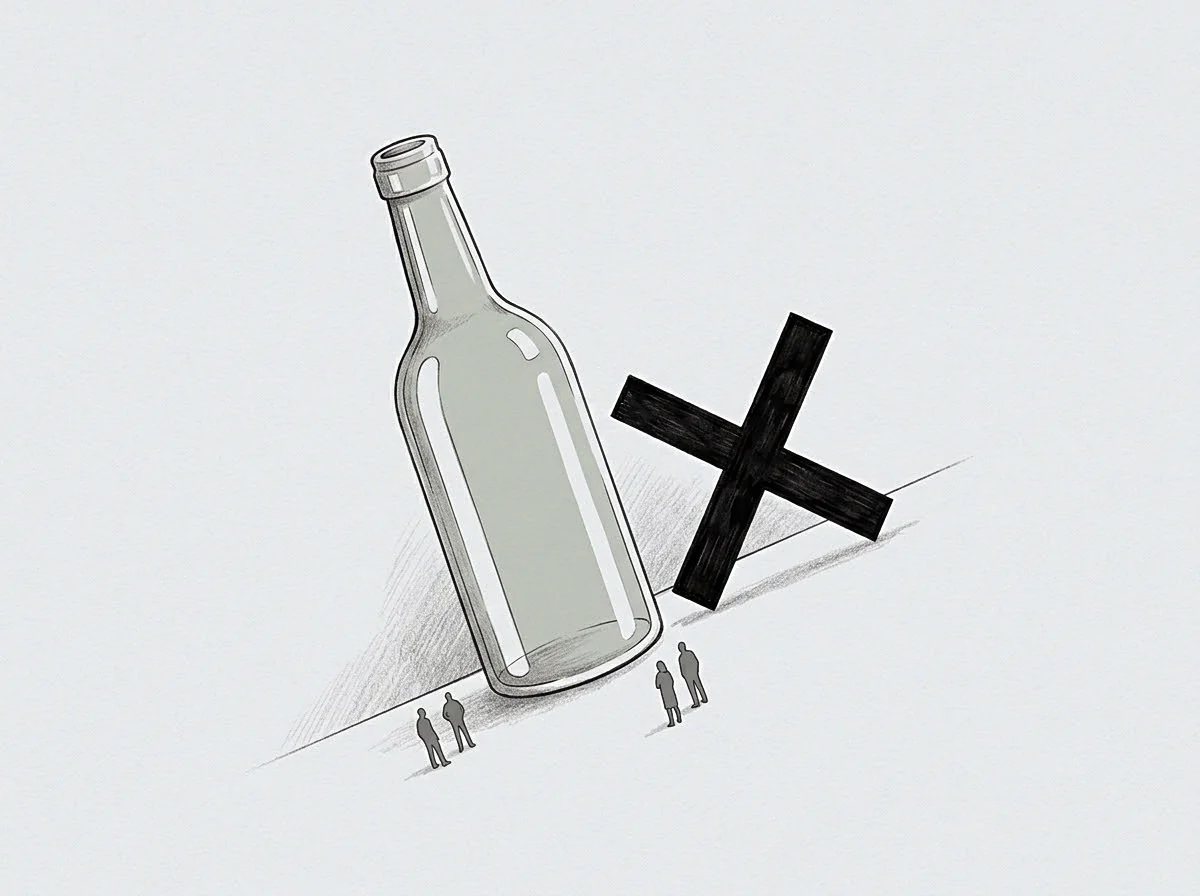
Metabolic Asymmetry in Operational Crises
Steady behavior under organizational distress attracts additional unresolved problems because human perception interprets stability as spare operational volume. When an engineering division fractures over an architectural deadlock, personnel bypass designated reporting channels to seek direct reassurance from the one person whose calm never fractures. The regulator absorbs the ambient friction of every unresolved debate.
Prolonged sympathetic dominance alters vascular tone, suppresses restorative vagal signaling, and compromises neuroendocrine recovery. Each successful intervention reinforces an unspoken dynamic across the firm.
Staff members finish difficult conversations feeling grounded and capable, convinced that their own competence resolved the operational jam. The physiological reality contradicts their perception. The leader financed their temporary clarity through isolated internal regulation, paying the metabolic surcharge while the rest of the leadership team dispersed without systemic repair.
The process repeats daily across quarters until structural reserves empty.
An unspoken operational pattern forms where the absence of visible panic is mistaken for baseline wellness, leaving the leader entirely unheld while holding the firm.
Table
Physical spaces reveal the distribution of regulatory effort across an executive group. During high-stakes board preparations, the posture of individuals seated around a conference bench demonstrates who bears the physiological freight. Junior executives lean forward, gesturing rapidly and expressing alarm, while the veteran executive remains upright, breathing evenly, speaking in complete paragraphs without rising pitch.
This deliberate immobility demands continuous prefrontal suppression of autonomic alarm, diverting glucose from strategic evaluation toward motor and emotional inhibition.
| Executive Position | Autonomic Cost | Prefrontal Allocation | Operational Output |
|---|---|---|---|
| Primary Regulator | Sustained Sympathetic Tone | Behavioral Inhibition and Affect Modulation | Institutional Cohesion and Crisis Containment |
| Reporting Officer | Intermittent Acute Spike | Domain Execution and Tactical Delivery | Direct Team Output and Asset Generation |
| Independent Board Director | Baseline Resting Tone | Strategic Oversight and Capital Review | Governance Enforcement and Fiduciary Audit |
Prefrontal inhibition consumes significant cellular energy during prolonged corporate negotiations. When an individual continuously modulates autonomic arousal to protect external morale, executive brain regions sacrifice long-range forecasting to sustain immediate social composure. Working memory contracts.
Attentional flexibility narrows toward acute social dynamics instead of structural risks. The organization observes continuous composure, unaware that strategic discernment has decayed into survival posture.
Composure during structural threat functions as a direct expenditure of strategic working memory.
Repeated operational emergencies accelerate this divergence across quarters. The primary regulator absorbs systemic volatility, shielding operational teams from panic so functional targets stay met. As this buffer operates, the surrounding leadership team never develops internal distress tolerance.
They remain structurally fragile, demanding continuous stabilizing intervention from the person at the center.
Leaving the asymmetric burden unaddressed degrades the central decision engine while team members complain that strategic execution has become hesitant and slow.

Deficit
Endocrine systems register continuous regulatory expenditure through flattened cortisol diurnal rhythms and diminished heart rate variability. Long past the initial acute crisis, a leader who acted as the autonomic anchor retains chronic sympathetic elevation. Sleep cycles shorten, eliminating deep slow-wave restorative phases essential for clearing metabolic waste from neural parenchyma.
Physical stamina deteriorates alongside cognitive resilience. The leader experiences emotional flattening, often misdiagnosed by external observers as professional detachment.
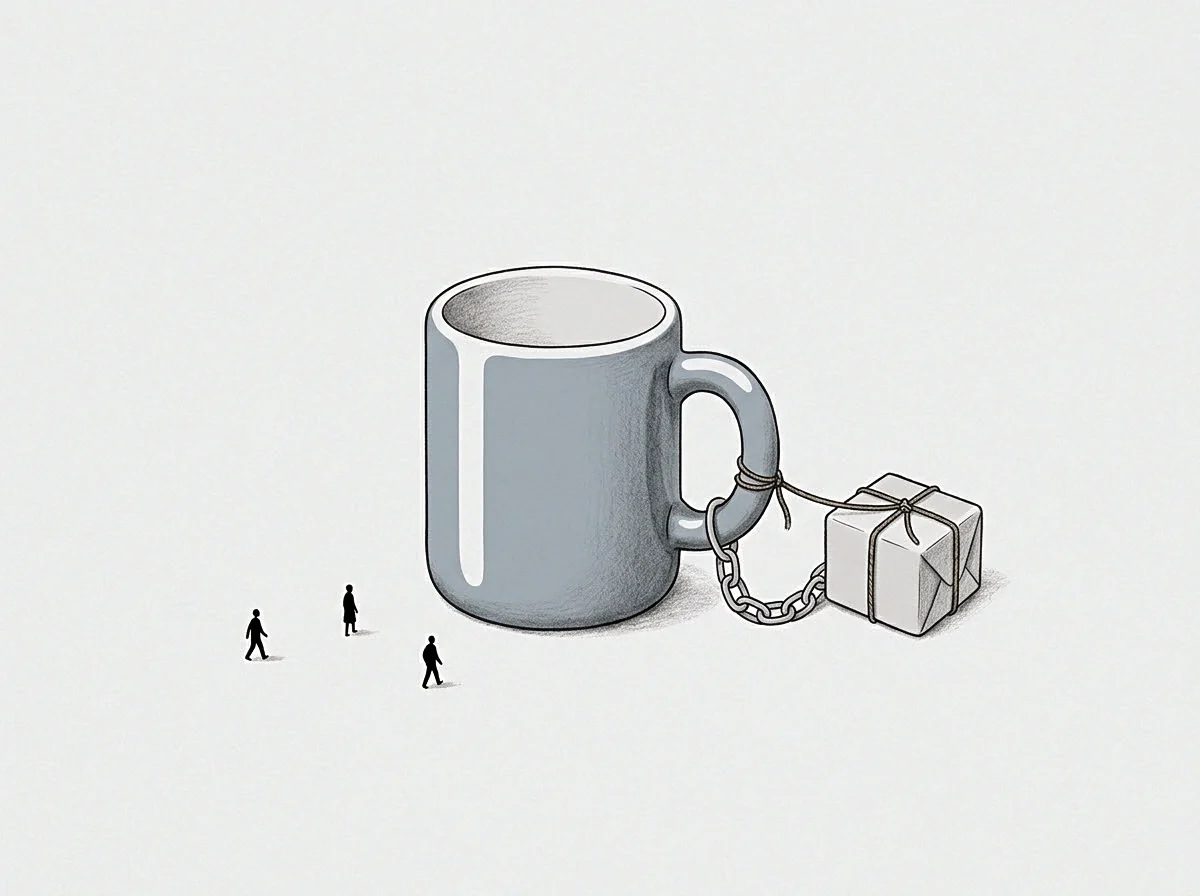
Progressive Degradation of Executive Functions
Strategic agility depends directly upon parasympathetic tone and cognitive headroom. When autonomic depletion becomes systemic, specific operational faculties degrade in a predictable sequence.
- Attentional Gating decays first, permitting irrelevant institutional grievances to overwhelm priority filters while critical macro trends pass unnoticed.
- Affective Discrimination blunts significantly, causing critical personnel friction to register as background irritation rather than actionable structural failure.
- Temporal Horizon Scanning collapses inward, restricting strategic forecasting from three-year market cycles down to seven-day cash-flow survival sprints.
The breakdown moves from nuanced cognitive selection to basic behavioral triage. Leaders trapped in this depletion state default toward rigid protocols, avoiding complex interpersonal diplomacy because relational negotiation demands prohibitive regulatory expenditure. They sign off on suboptimal compromise terms simply to terminate open conversational loops that drain their remaining reserves.
A depleted nervous system treats incoming strategic complexity as biological threat.
Subordinate executives interpret these shortened meetings and curt approvals as loss of confidence or leadership disengagement. They withhold nuanced bad news, fearing an irritable reaction from an exhausted leader. The resulting information distortion compounds the original operational deficit.
The executive sits insulated from truth, managing phantom metrics while physiological recovery stays out of reach.
A regulator who never exposes exhaustion will eventually receive more work than human biology can metabolize.

Drift
Consider a practical operational arrangement involving two partners directing an enterprise during rapid international expansion. Assume the managing partner assumes all investor diplomacy, team dispute mediation, and credit facility disputes over eighteen consecutive months. Assume further that the operational partner focuses strictly on engineering execution, using the managing partner as an emotional buffer against venture volatility.
In this configuration, the managing partner maintains steady behavioral poise during seven contentious board sessions, absorbing aggressive partner friction without venting panic downstream.
By month twenty, subtle changes alter the managing partner’s performance. Response times to critical capital allocations slip from hours to weeks. The partner abandons complex contract reviews, leaving crucial debt covenants unscrutinized.
When an enterprise client threatens contract termination, the managing partner displays total emotional indifference, agreeing to steep financial concessions without commercial resistance. The operational partner interprets this development as dereliction of fiduciary duty.
The physiological mechanism explains the failure cleanly. The managing partner ran their autonomic regulation engine at maximum throughput for hundreds of days to maintain company confidence. The brain responded by throttling high-cost prefrontal circuits, trading commercial discernment for crude biological survival.
The corporate collapse that follows stems directly from systematic nervous system starvation.
Repeated emotional holding without reciprocal containment enforces biological shutdown across executive circuits.
The enterprise culture gradually absorbs this numbness as its normal climate. Department heads stop escalating systemic roadblocks, recognizing that their central anchor no longer possesses the energy to intervene. Innovation stalls across product lines because creative exploration demands metabolic safety that the exhausted executive environment cannot supply.
What began as a noble effort to protect organizational morale becomes an institutional trap.
The managing partner would tell colleagues that enterprise strategy remains clear, while privately struggling to read two pages of financial data without crushing cognitive vertigo.
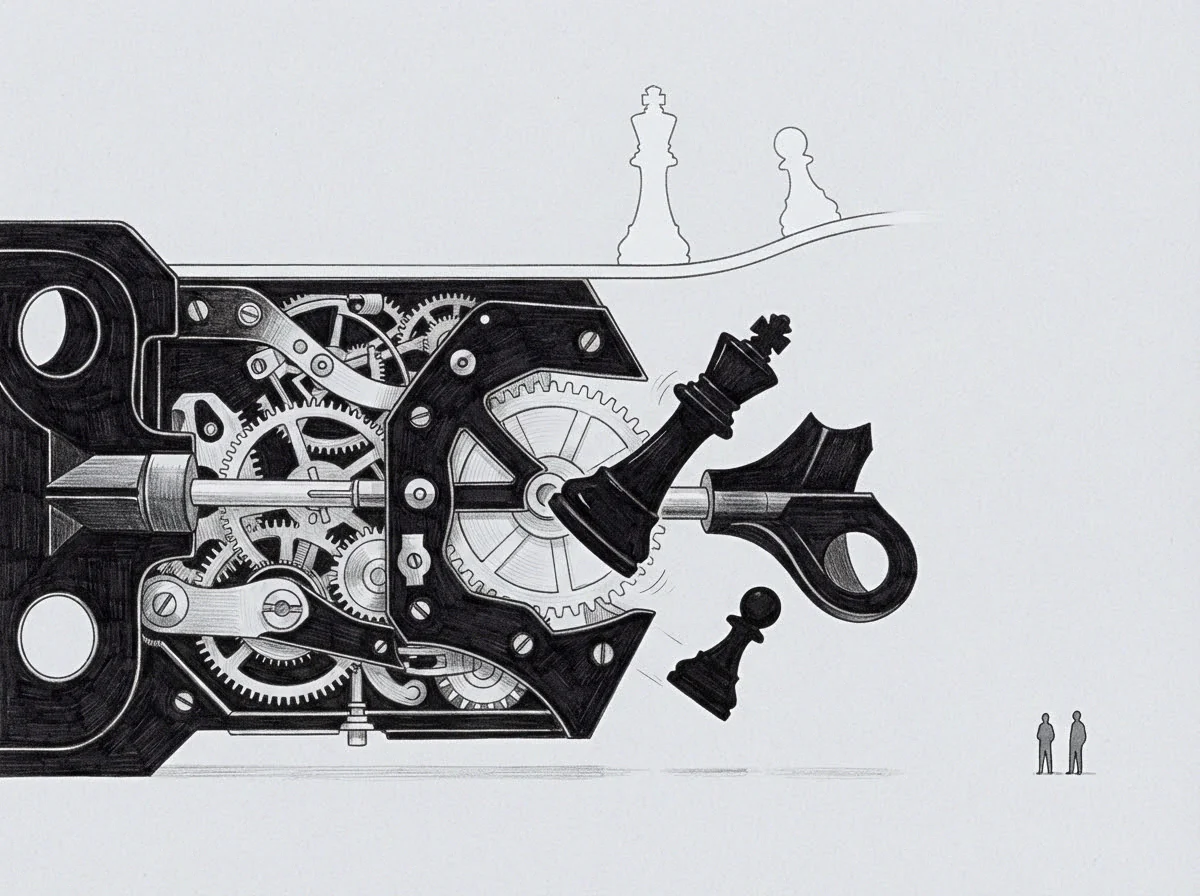
Anchor
Restoring institutional capacity demands a fundamental restructuring of regulatory responsibility across the executive suite. Strategic leadership cannot reside inside an isolated nervous system without triggering physical failure. When an enterprise treats one person as its sole psychological shock absorber, governance structures decay alongside personal tissues.
Transforming this failure pattern requires deliberate changes in operational cadence and boundary distribution.

Distribution of Autonomic Responsibility
Executive teams build lasting resilience by establishing clear parameters around communication density and emotional containment. Leaders who have run their internal templates on solitary holding must construct explicit functional guardrails to prevent automatic over-functioning.
- The executive states absolute daily communication cessation periods, preventing off-hours ambient panic from penetrating recovery windows.
- Governance groups transfer direct dispute management to neutral operational referees, removing the central leader from localized interpersonal arbitration.
- Board members mandate mandatory physical dissociation periods following high-stress liquidity events, enforcing genuine parasympathetic rest before strategic planning resumes.
Shifting from solitary self-regulation to distributed group stabilization requires repeated physical experience. Cognitive insight alone changes nothing. The executive nervous system adapts only when real institutional friction occurs and another competent colleague steps forward to contain the fallout.
This shared holding creates earned security, altering the internal working model of the leader from solitary protector to connected peer.
Organizations that formalize distributed crisis governance preserve their leadership capital across market turbulence. Those that rely on individual heroism witness the eventual collapse of their most valuable minds under silent biological debt.
The operational contract must name the precise point where individual holding ends and collective governance begins.