

Managing Thread Density and Allostatic Load in Rapidly Scaling Executive Roles
Allostatic load accumulates when ungated operational loops consume working memory slots, forcing executive capacity into chronic physiological throttling.
Allostatic load accumulates when ungated operational loops consume working memory slots, forcing executive capacity into chronic physiological throttling.

Concurrent burnout destroys the social baseline subsidy, turning shared presence into sensory overhead until extended allostatic clearance restores receptor capacity.
Executive allostatic load reflects cumulative neuroendocrine wear from sustained regulatory demand, triggering metabolic throttling when loop concurrency hits ceiling.

Asymmetric autonomic regulation drains prefrontal metabolic reserves in central leaders, degrading strategic discernment into survival-driven operational triage.

Repeated unhurried physical co-presence with steady peers gradually rewires a solitary leader's threat baseline from expensive isolation to shared bioenergetics.

Executive allostatic load during cross-functional scaling increases as neuroendocrine compensation covers structural organizational communication friction.
Regulatory throttling is protective autonomic down-regulation preserving routine operations while zeroing exploratory capacity under sustained demand.

Unilateral emotional regulation in broken executive teams forces one nervous system to absorb collective friction, driving severe neuroendocrine and vascular breakdown.

Solitary executive liability depresses vagal tone and elevates autonomic recovery thresholds by removing the metabolic offloading of social proximity.

Autonomic override ceases when an individual recalibrates visceral predictive models through repeated actual experiences of distributed metabolic regulation.
Continuous executive stress imposes measurable multisystem biological wear that forces neurological throttling when ungated cognitive loops overwhelm physical margins.

Parasympathetic recovery in high-threat environments depends on nocturnal vagal reactivation measured through beat-to-beat variability and rapid heart rate deceleration.
Executive biological strain sets the physical limit on capital deployment speed, converting unmonitored stress into misallocated corporate treasury funds.

Extended heart rate variability latency suppresses executive capacity by delaying parasympathetic reactivation and starving prefrontal networks of control.
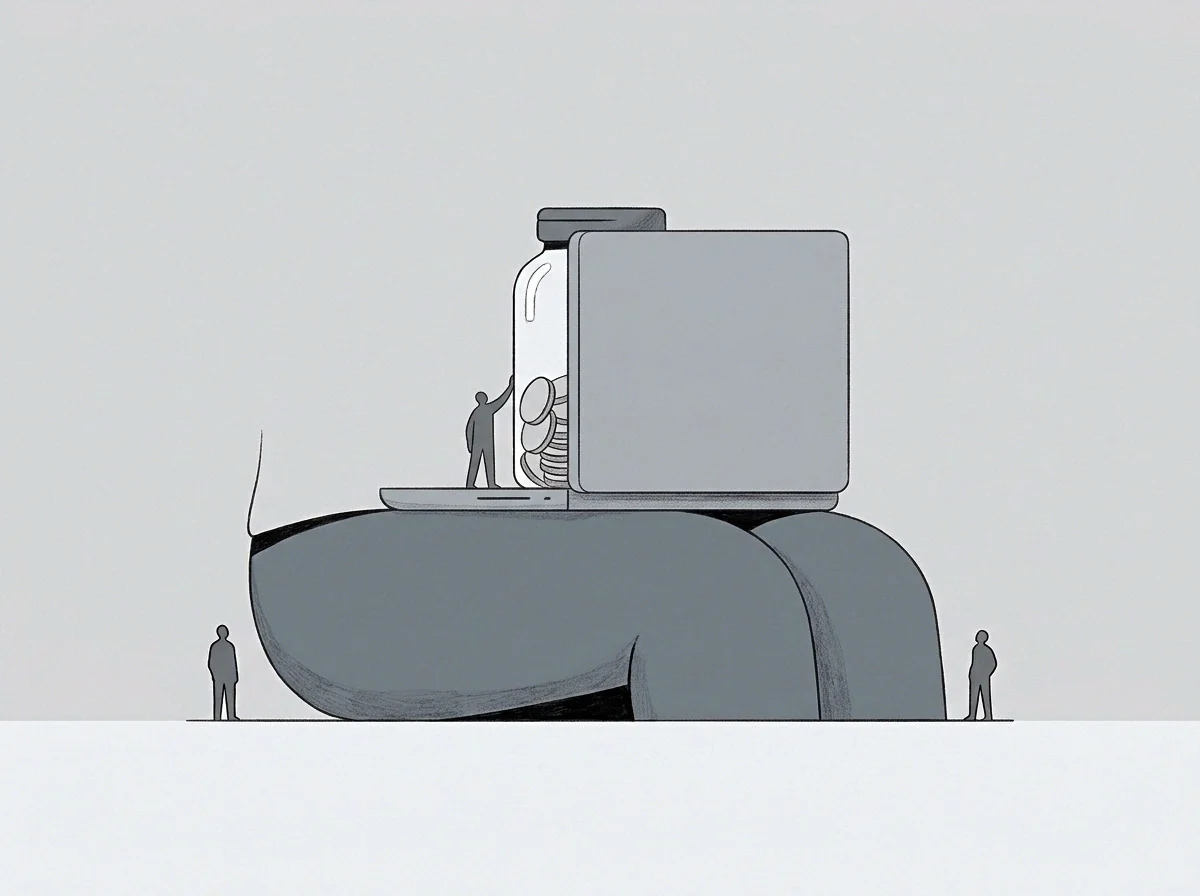
Autonomic recovery requires replacing solitary metabolic threat vigilance with repeated non-demanding physical co-regulation to restore parasympathetic tone.

Chronic executive isolation forces continuous prefrontal inhibition of somatic threat without co-regulatory relief, driving severe metabolic depletion.

Autonomic intake restoration reverses sympathetic blockade under chronic executive load, re-establishing parasympathetic tone and visceral nutrient processing.

Solo regulation in executive seats raises neural threat monitoring costs, consuming prefrontal energy reserves that co-regulated structures preserve.

Asynchronous governance gates fail when open review loops exceed executive working memory capacity, forcing biological throttling and organizational delay.

Unbuffered solo operational strain flattens diurnal cortisol release, down-regulates glucocorticoid receptors, and forces high-cost self-regulation.

Unreciprocated social baseline regulation forces a leader's brain to expend continuous metabolic energy on top-down inhibition, raising allostatic load.
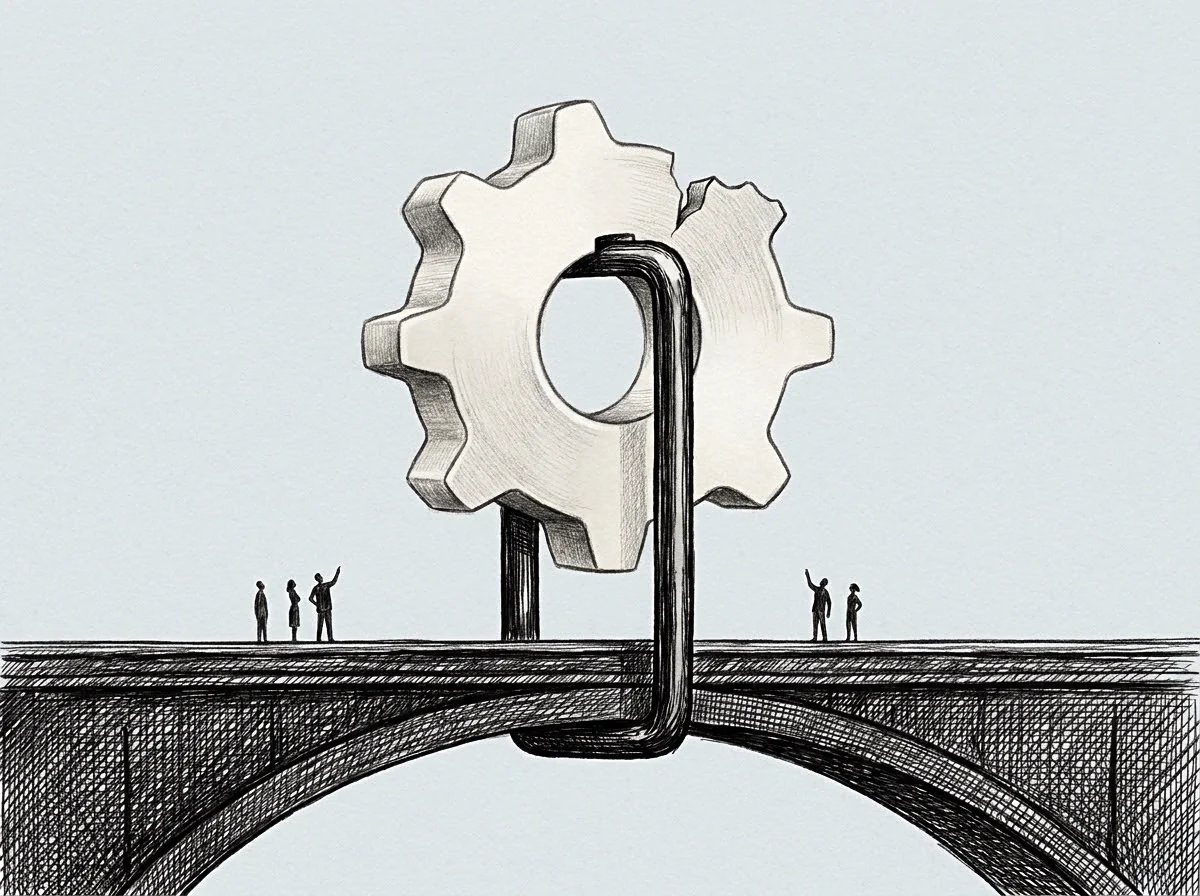
Executive autonomic dysregulation degrades prefrontal risk processing, forcing capital allocation away from objective underwriting toward defensive, loop-closing threat avoidance.
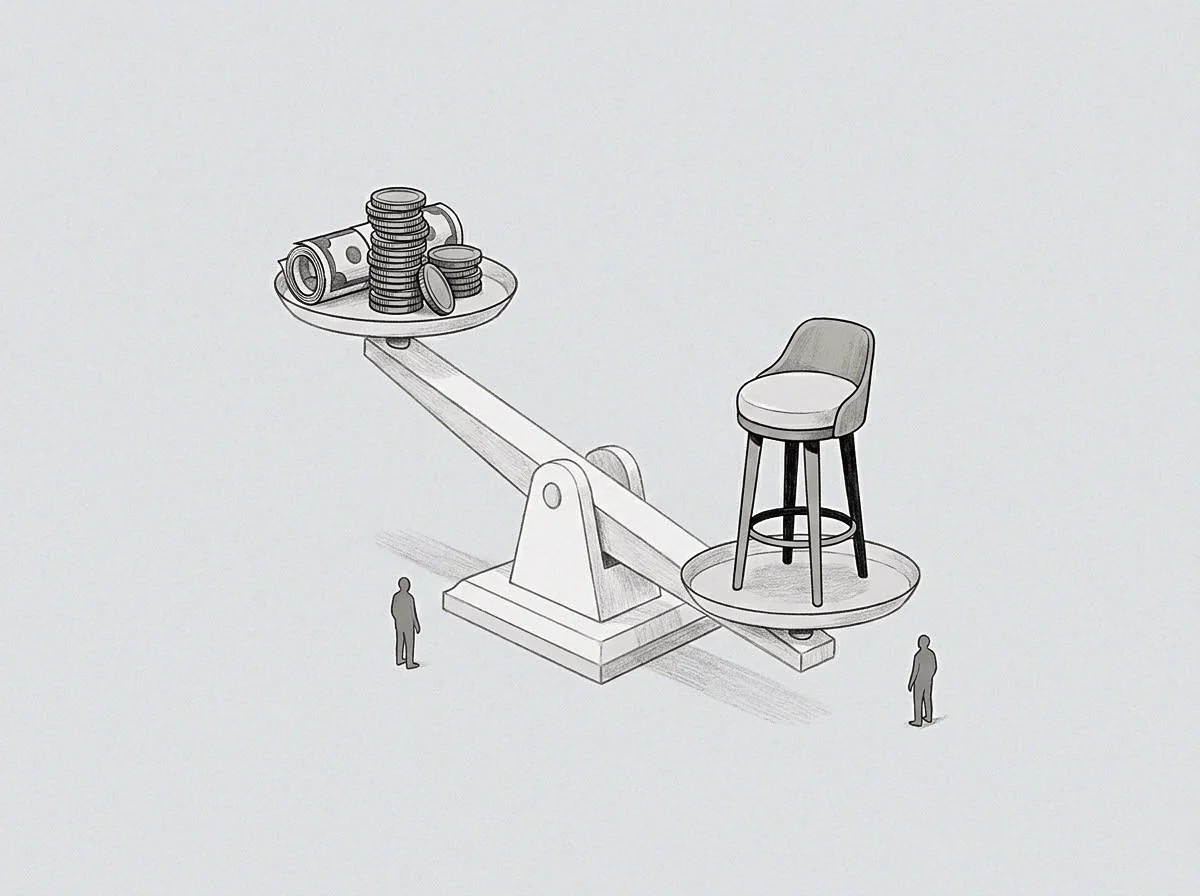
Structural delegation gates limit autonomic recovery latency by replacing continuous neural vigilance with explicit scope, date, and escalation parameters.

Unidirectional executive regulation shifts team autonomic strain onto a single leader, creating quiet allostatic load and eventual system throttling.
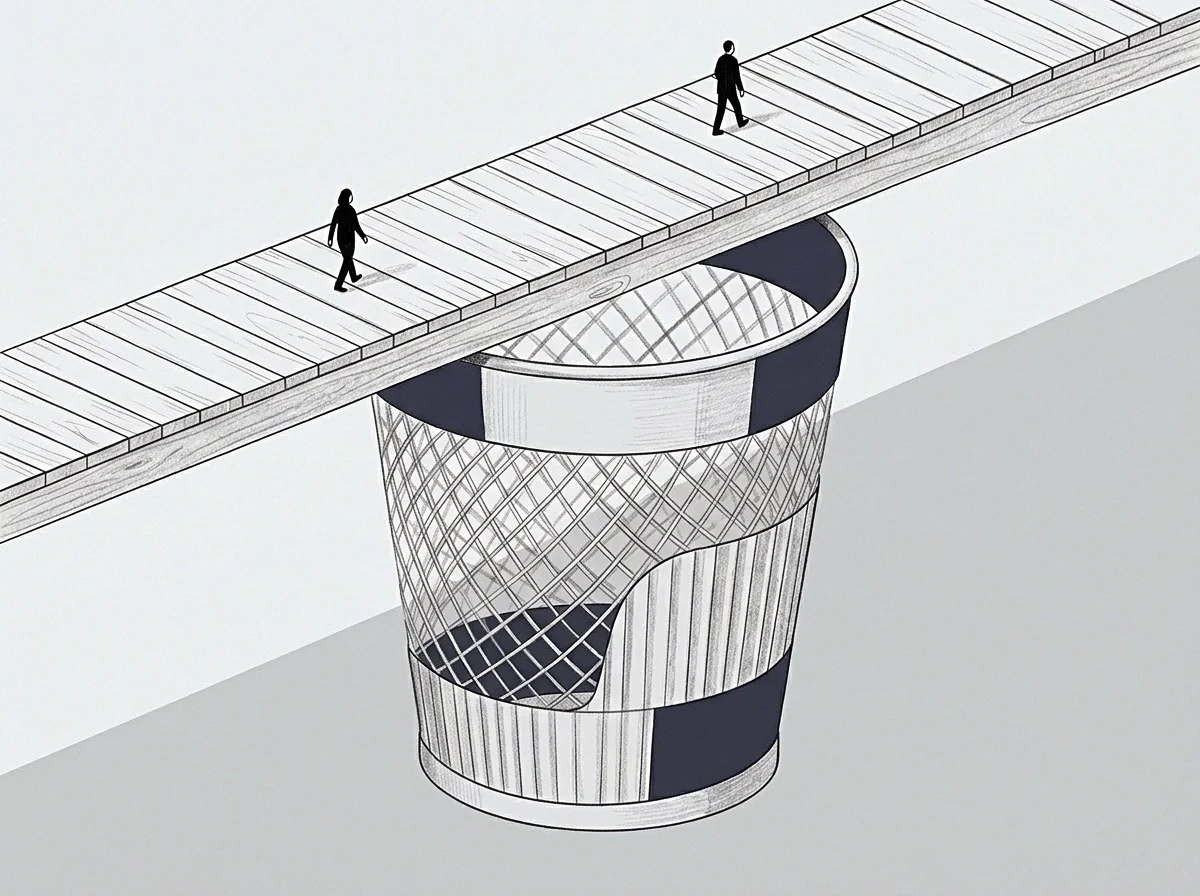
Neuroendocrine recovery after enterprise insulation requires six to eighteen months as autonomic tone and HPA axis sensitivity slowly reset.

Extended solitude shifts autonomic baseline regulation to solo holding, requiring structured low-demand proximity exposure to reconstruct social receptor capacity.

Executive autonomic dysregulation under ungated demands truncates planning horizons and systematically skews capital allocation toward short-term loss avoidance.
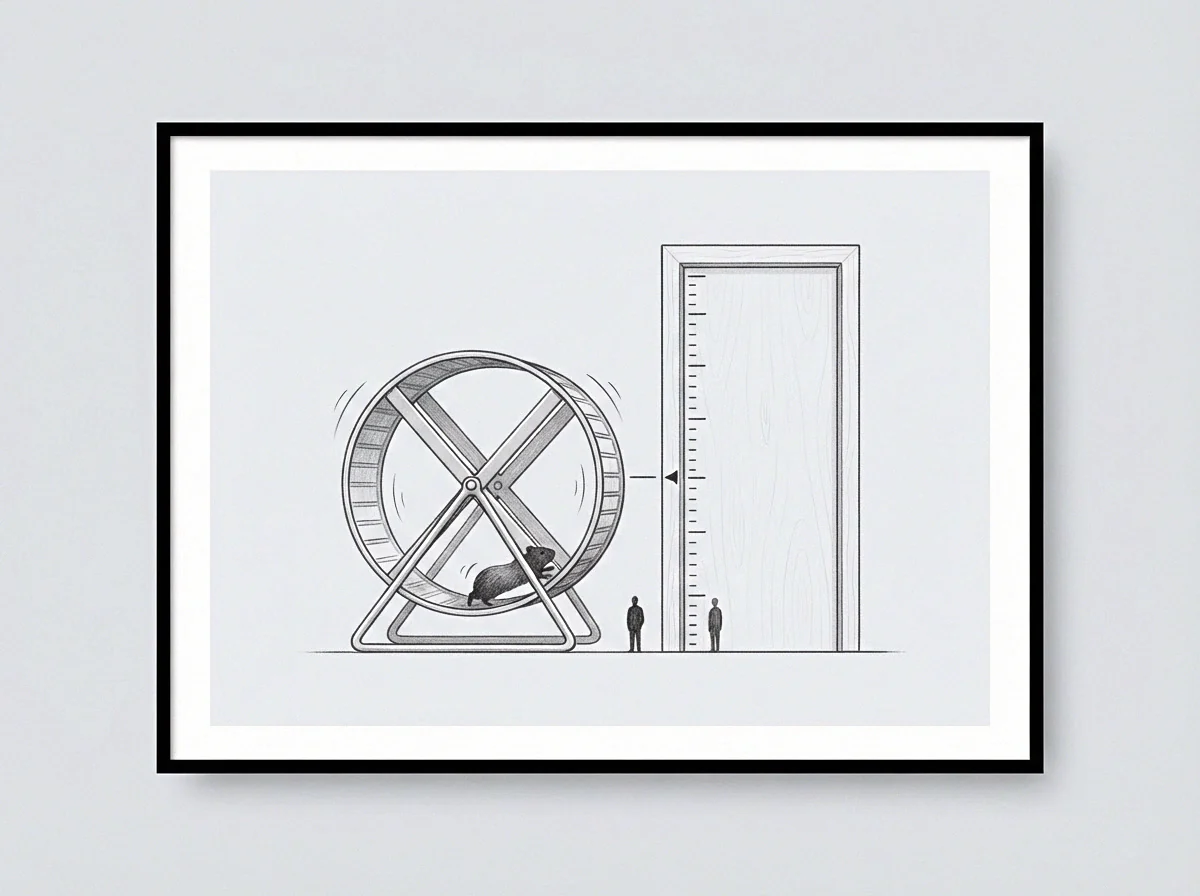
Autonomic recovery rates reflect nocturnal parasympathetic reactivation determined by the density and structural gating of open executive decision threads.
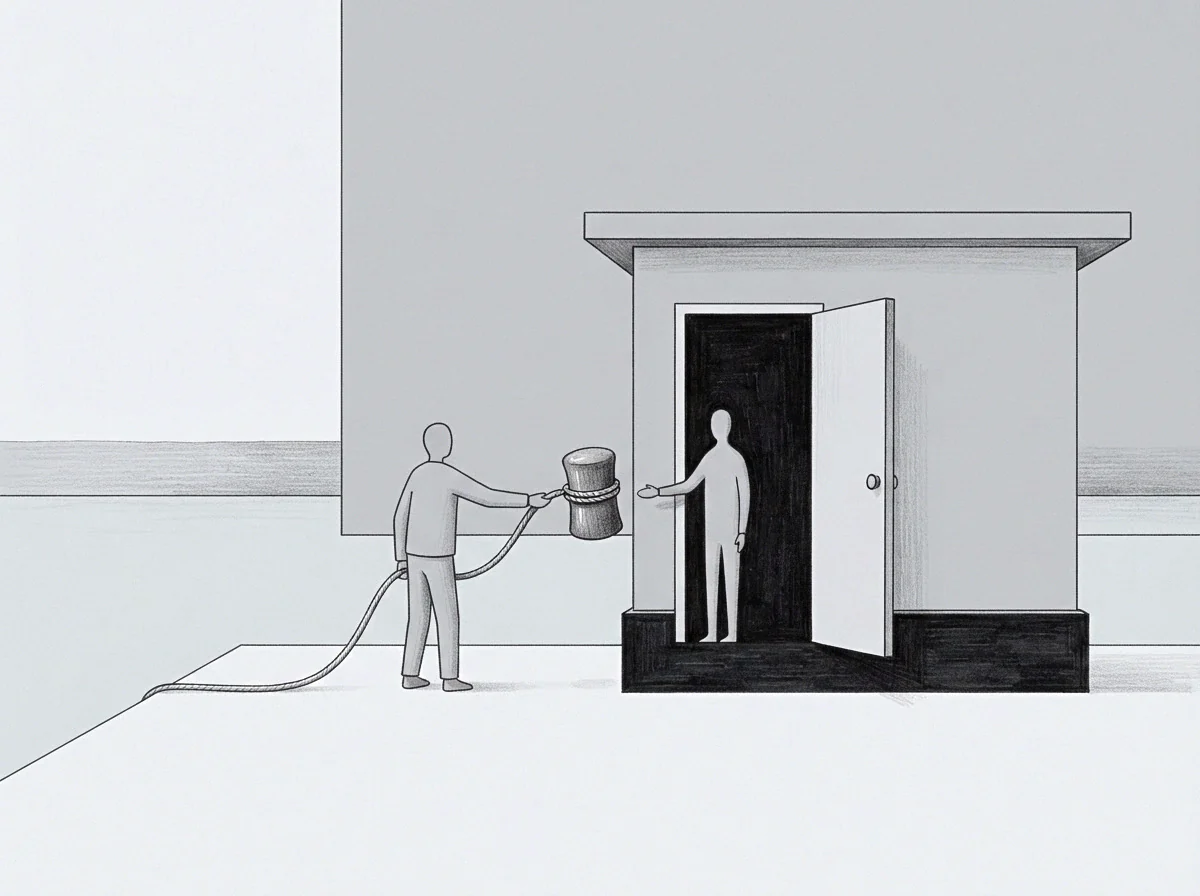
Allostatic load accumulates when an individual acts as an unbuffered regulatory dampener for surrounding anxiety, exhausting personal biological reserves.
The terms are written where they belong. Each field holds three desks, and every entry a desk writes raises the terms it uses, each term given a meaning, a mechanism and the places it appears. The record on these pages stays first person and hand made; the fields grow the nomenclature.