
Updating Internal Working Models Through Shared Equilibrium In High Load Environments
Internal working models update when operators experience shared physiological equilibrium under acute environmental threat rather than through cognitive insight alone.
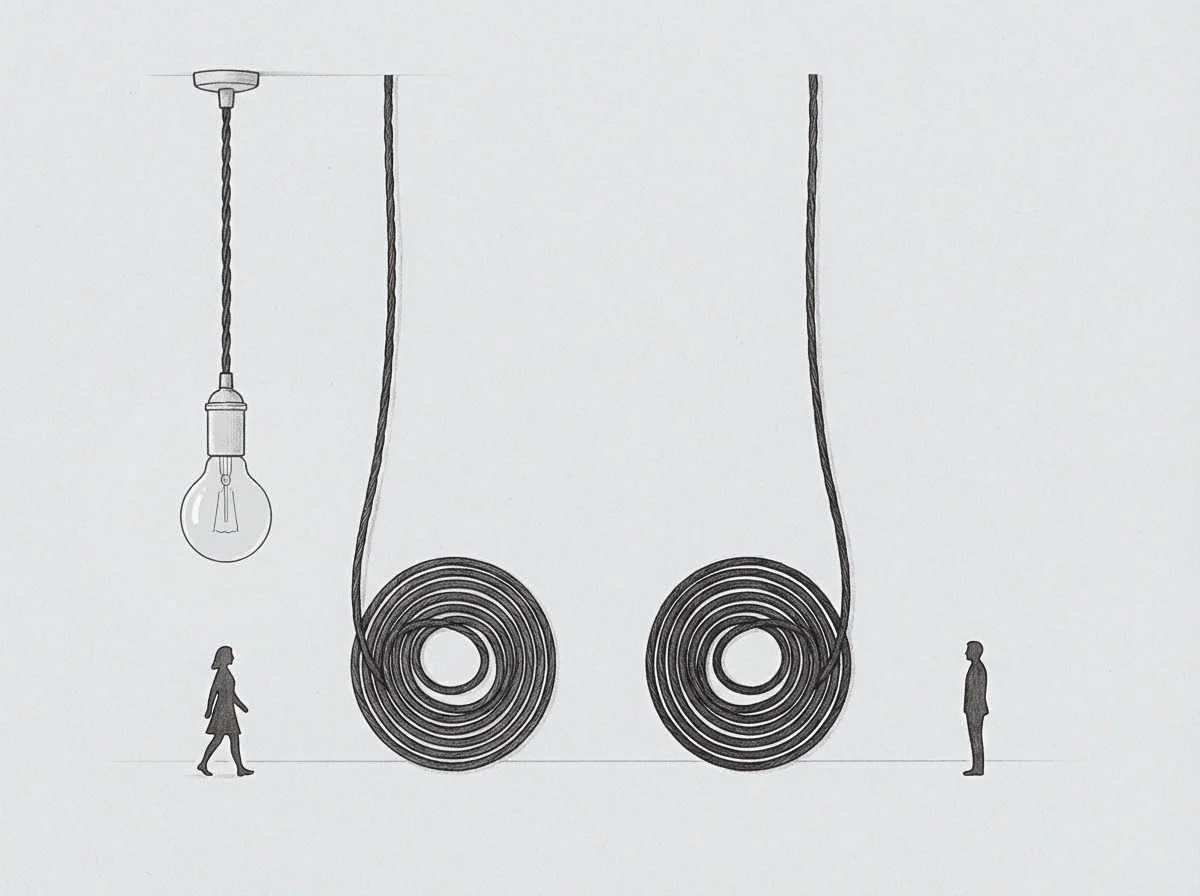
Signal
Four operational updates arrive within ten minutes on a night when an operator’s internal headroom sits at zero. The incoming messages demand immediate strategic calls, risk assessments, and emotional containment for anxious team members. In high-load working environments, the human nervous system evaluates incoming demands through a continuous metabolic budget.
The body calculates load continuously.
When an individual operates under severe stress, self-regulation consumes substantial glucose and neural processing capacity. Social baseline theory establishes that the human brain defaults to distributing regulatory work across present, reliable partners. Physical or operational proximity to an exceptionally calm individual reduces the biological cost of threat monitoring.
Energy expenditure drops in proximity. The brain treats the presence of a steady partner as a structural resource, lowering autonomic arousal and conserving metabolic reserves.
When physical proximity to a reliable partner is maintained during acute operational crisis, neural metabolic expenditure for threat management decreases by a measurable margin.
Under continuous organizational strain, individuals automatically attach to the most stable state available in their immediate vicinity. This attachment occurs without conscious strategic alignment or explicit negotiation. Team members borrow the equilibrium of a grounded leader, using that presence to settle their own sympathetic nervous systems.
The budget balances immediately. This borrowed calm lowers the immediate operational friction within a team, yet it quietly concentrates the regulatory burden onto the baseline individual. The person providing the baseline absorbs the neural noise of the surrounding group while receiving no equivalent regulatory offset in return.
When load increases, the nervous system seeks proximity rather than instruction.
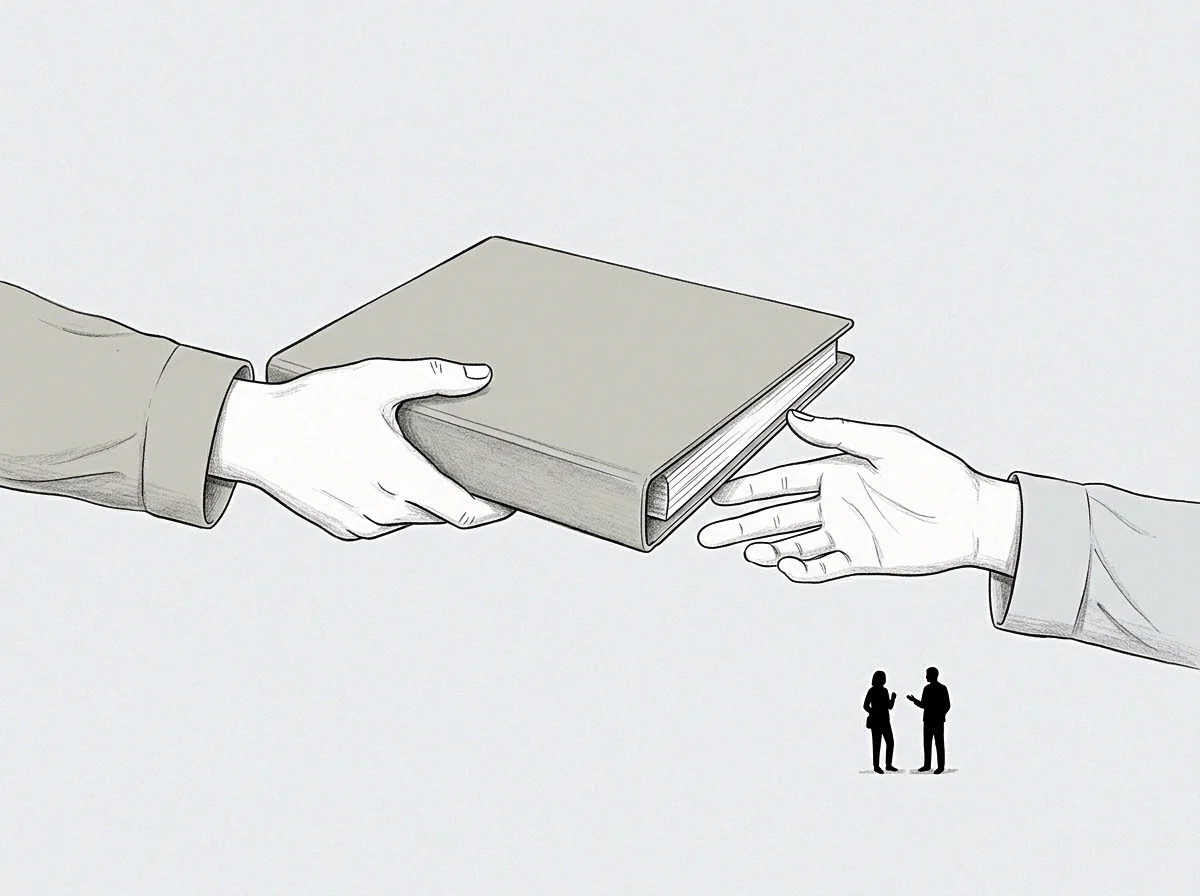
Beam
An operator holding structural responsibility becomes a human buffer for surrounding anxiety without consciously deciding to occupy that position. The organization routes incoming ambiguity toward this person because their physiological steady state functions as an institutional shock absorber. Strengths demonstrated under crisis attract higher volumes of unmanaged operational stress.
Load shifts without verbal agreement.
This dynamic creates a profound structural asymmetry within leadership teams. While surrounding team members regulate their internal states against the baseline operator, the baseline operator faces an environment devoid of reciprocal grounding. They possess no external slot to download their own allostatic accumulation.
Over time, this imbalance forces the primary regulator to rely exclusively on isolated self-regulation, an operational mode that carries a steep long-term metabolic price.
| Configuration Mode | Primary Regulation Source | Allostatic Cost Distribution | Internal Model Impact |
|---|---|---|---|
| Isolated Self-Regulation | Individual neural capacity without external input | Concentrated entirely on the single operator | Reinforces self-reliance and closes receptor capacity |
| Asymmetric Baseline Transfer | Borrowing stability from a single grounded leader | Shifted heavily from team onto the baseline leader | Encourages dependency and increases leader strain |
| Co-Regulated Mutual Equilibrium | Shared physiological baseline among reliable peers | Distributed evenly across the operational unit | Updates working models toward earned relational security |
The primary regulator frequently internalizes a model where holding space for others is identical to maintaining personal safety. They build an internal operational pattern that views vulnerability or regulatory need as an institutional hazard. The receptor slot remains empty.
When an offer of genuine support arrives from a colleague or board member, the baseline operator registers the gesture as an anomaly or an additional coordination burden rather than a source of relief.
The leader appeared entirely steady during the outage, so the remaining work was naturally assigned to their desk.
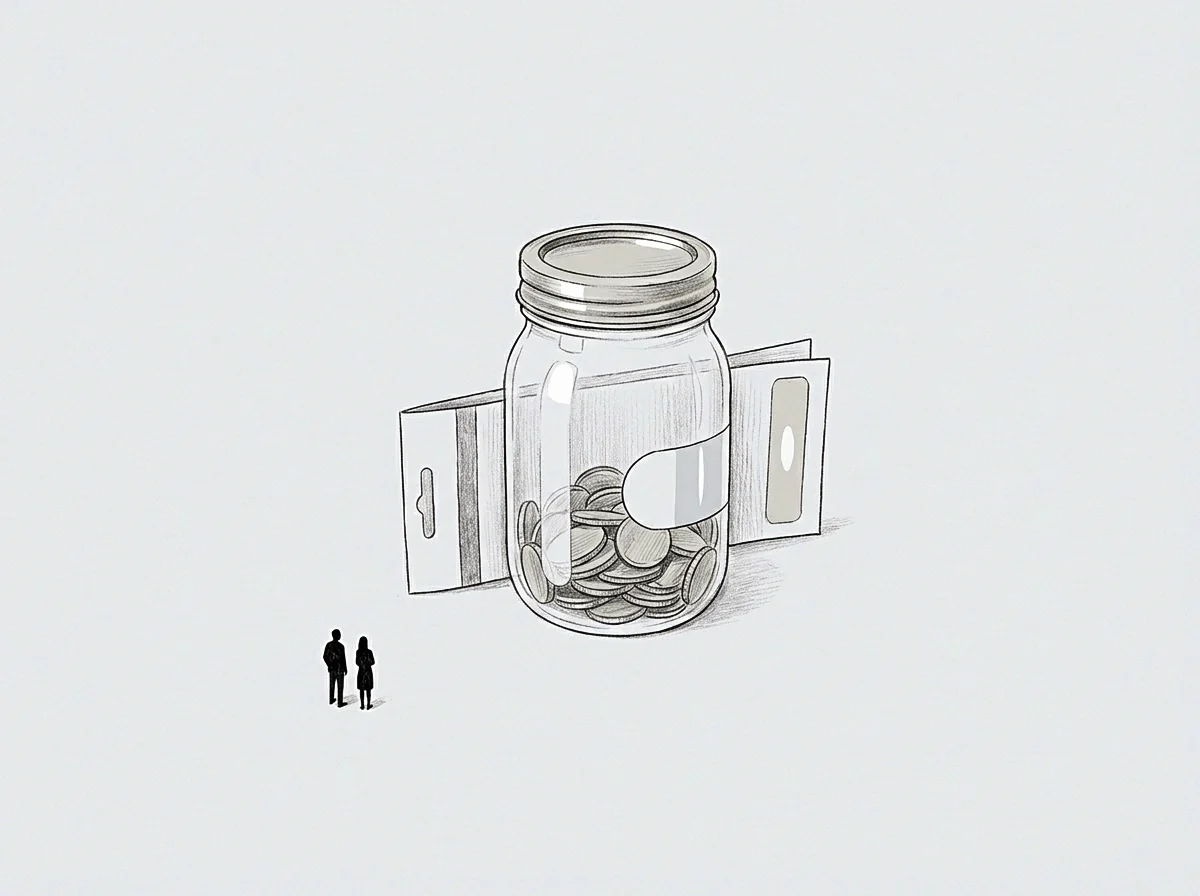
Template
Cognitive recognition of an automatic response pattern does not alter the underlying physiological circuit. An internal working model is an embodied relational program formed through historical patterns of threat and support. It dictates how an individual automatically forecasts the availability, responsiveness, and utility of others during moments of acute strain.
Cognitive insight changes no wiring.
A person who developed a backward working model early in life or during severe early operational trials assumes that safety requires total self-containment. In high-load work settings, this individual projects an aura of absolute composure while suppressing internal strain. They act as the responsive other for everyone else while operating on a personal template that excludes the possibility of being held.
Re-engineering this internal architecture requires an operational process that operates directly on physiological feedback loops during real-time load conditions.
- An acute operational crisis strikes the organization, driving ambient environmental stress to maximum levels across all leadership roles.
- The primary operator engages the habitual self-containment loop, attempting to absorb the entire systemic shock without signaling distress.
- A reliable peer initiates direct proximity and maintains an unyielding steady physiological state alongside the overloaded operator.
- The primary operator refrains from shutting down the channel, permitting a temporary transfer of regulatory effort during active problem solving.
- The nervous system registers a successful resolution of threat without paying the full isolated metabolic cost, creating a delta between expectation and reality.
The absence of a functional receptor slot causes an operator to interpret external offers of support as additional coordination overhead.
Updating an internal model occurs through experiential deltas. When the brain expects isolation under threat but experiences authentic, quiet co-regulation that yields systemic safety, the underlying template shifts. Threat registers before conscious thought.
Repeated exposures to shared equilibrium under operational load gradually construct earned security. Earned security represents a secondary template, built through adult experience, that permits an operator to share regulatory burdens without fearing a loss of control or performance integrity.
A stated limit regarding real-time availability converts an implicit duty of constant regulation into an explicit operational contract.
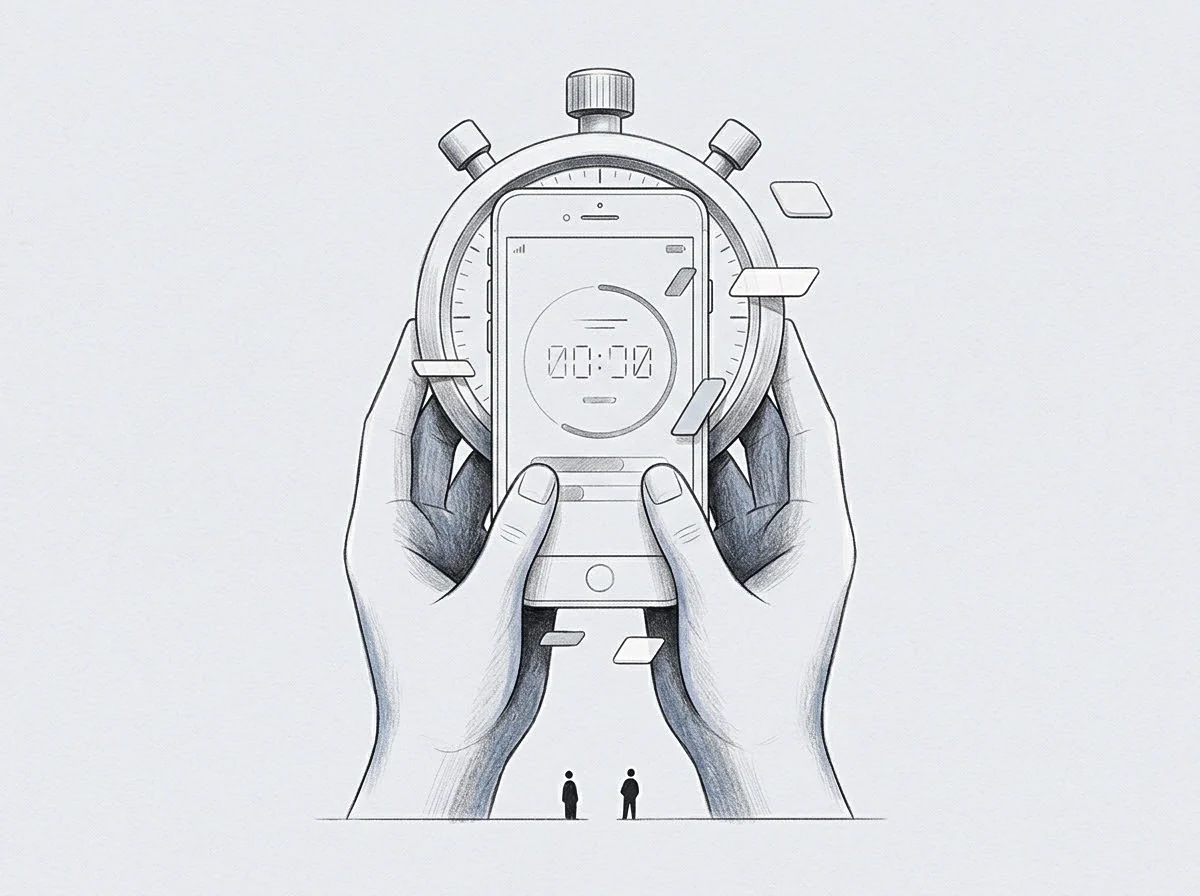
Transfer
Updating an internal model of relational safety requires repeated physical exposure to shared equilibrium under conditions of real risk. Intellectual agreements made in calm meeting rooms break down instantly when crisis hits. The nervous system ignores verbal pledges of mutual support during severe operational shocks, reverting instead to established biological baseline habits.
The secondary template develops slowly.
To execute a genuine transfer of regulatory load, leadership teams must establish clear structural habits that promote real-time co-regulation under operational strain. Shared equilibrium is not an passive state of comfort. It is an active state of synchronized physiological composure maintained while executing complex, high-stakes decisions under extreme uncertainty.
Repeated equilibrium creates new expectations.
- Unilateral load absorption occurs when an operator quietly absorbs organizational shock to protect team morale, preventing the surrounding group from building genuine resilience.
- Cognitive reframing without physiological grounding leaves the biological threat response active while changing only the narrative told to investors.
- Intermittent availability pings disrupt deep baseline restoration by forcing constant ambient vigilance across all off-hour comms channels.
When two high-performing operators face a severe threat together without either party dysregulating or withdrawing, the joint cognitive capacity of the team expands. The biological cost of managing threat drops, leaving substantial metabolic headroom for complex analysis and rapid execution. Capacity recovers through shared state.
Over time, this shared equilibrium rewires the primary operator’s receptor slot. The individual learns through direct physical outcome that allowing another qualified person to share the regulatory baseline does not result in operational collapse or personal exposure.
A regulator proven under severe organizational threat continuously attracts additional unmanaged load from surrounding executives.
A core challenge during this transition is managing the throttling response. When an overloaded operator begins to enforce explicit limits on their availability, surrounding team members often experience the sudden absence of borrowed calm as an institutional crisis. The team may push harder against the newly stated limits, attempting to force the baseline operator back into their historical role as an uncompensated shock absorber.
The operational baseline stabilizes. Holding structural boundaries through this friction phase is essential for updating the organization’s relational contract.
Failure to establish shared equilibrium during severe operational spikes forces the primary baseline individual into physiological exhaustion, resulting in abrupt departure or catastrophic systemic breakdown.
Tenure
Sustained change in an individual’s operational pattern emerges over extended time horizons as new equilibrium experiences accumulate. The measure of an updated internal working model is not the permanent absence of stress. It is the rapid, low-cost return to equilibrium following an acute operational disruption, achieved through both self-soothing and mutual co-regulation.
Silence carries heavy information.
In mature operational leadership, earned security shifts how authority and load are distributed across an executive team. The primary operator moves from needing to be the sole baseline toward choosing shared equilibrium with competent peers. They build an executive staff comprised of individuals capable of holding their own autonomic ground during crisis.
The nervous system tracks presence.
Stability transfers through quiet physiological alignment rather than through documented management directives.
As the secondary template consolidates, the operator’s capacity for sustained output increases without a corresponding rise in allostatic load. The structural reliance on continuous self-containment dissolves, replaced by a dynamic, shared regulatory economy. This shift alters the baseline culture of the entire organization.
When executive leadership operates from mutual equilibrium rather than asymmetric load absorption, the business develops structural resilience capable of withstanding severe macroeconomic shocks without burning out its core talent.
Whether an organization built entirely around an asymmetric primary regulator can re-engineer its biological communication channels before its key operators experience complete baseline collapse remains uncertain.