
Updating Internal Working Models Through Repeated Low Cost Co Presence Calibration
Internal working models update when repeated physical co-presence without operational demand lowers the metabolic cost of neural threat regulation.

Frame
Intellectual insight does not alter an internal working model. Neural pathways update through physical calibration alongside a stable presence, where the metabolic cost of self-regulation falls without any accompanying operational demand. A person can explain their relational dynamics with analytical precision while their nervous system continues to track threat as if entirely alone.
The internal working model functions beneath conscious reflection as a predictive energy budget, tracking the resources required to maintain stability, the distance to potential disruption, and whether another person in the room reduces or increases that metabolic load.
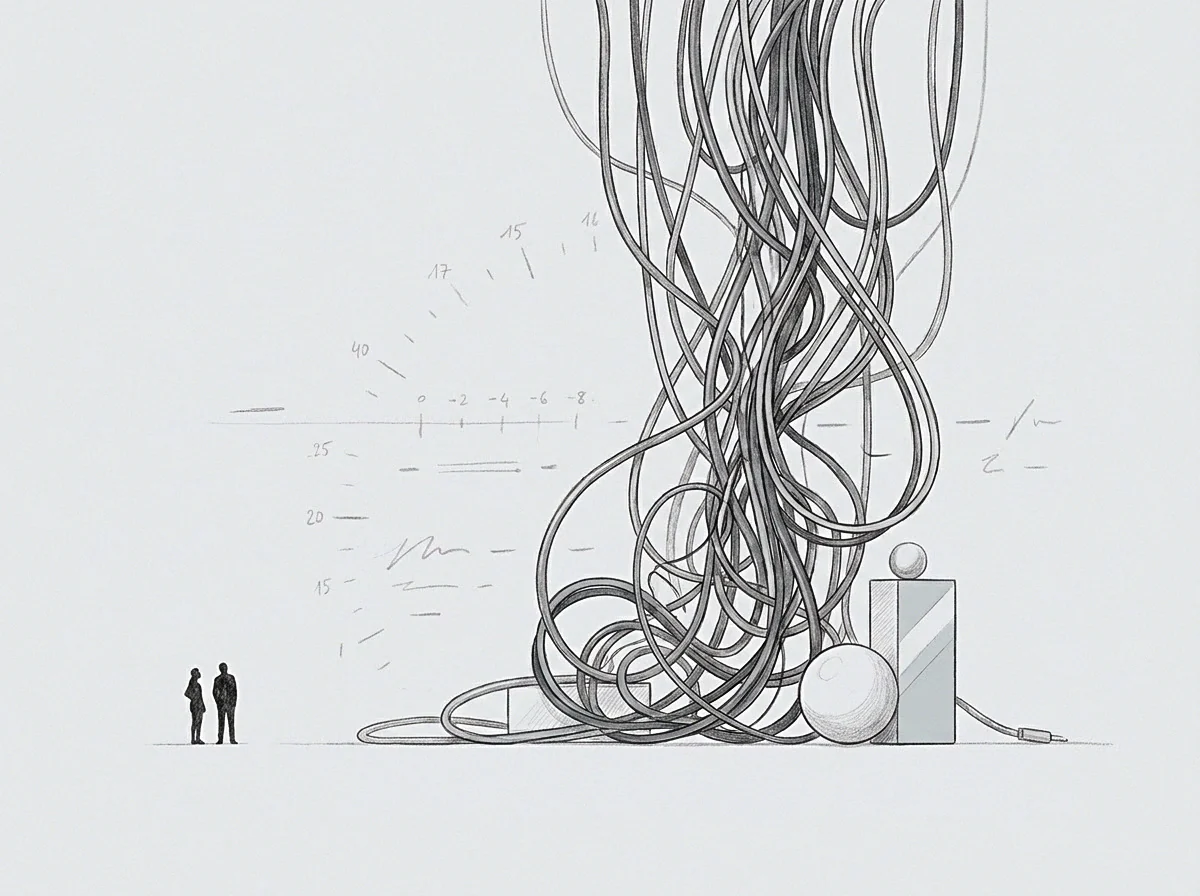
Relational Templates as Neural Energy Budgets
The brain manages energy distribution. In human physiology, regulating baseline state in isolation carries the highest baseline cost. When an individual operates on the implicit assumption that no reliable support exists, the nervous system sustains elevated arousal, scans continuously for points of failure, and prepares motor responses for solitary defense.
That continuous vigilance burns glucose and physical stamina, pulling capacity away from deep focus, cognitive expansion, and systemic recovery.
Early developmental experience constructs this predictive baseline. When distress is met with steady, low-demand physical soothing, the brain learns that proximity conservers energy. The presence of a calm person becomes a predictable asset factored into biological resource allocation.
If early distress instead meets neglect, volatility, or pressure to stabilize the caregiver, the template registers other people as erratic drains on energy. The system adapts by handling every regulatory task internally.
Co-presence lowers metabolic baseline expenditure only when the secondary body introduces no additional computational load into the space.
A person who develops a solitary template carries that predictive stance into executive and high-stress operational seats. Their nervous system treats shared space with baseline wariness. When a colleague, partner, or peer extends support, the internal model reads the gesture as an impending obligation or an operational risk.
The offer does not shift the underlying energy expenditure because the recipient lacks an open receptor slot for shared regulation. Running this solitary pattern under constant pressure produces physical wear, high allostatic load, and chronic exhaustion.
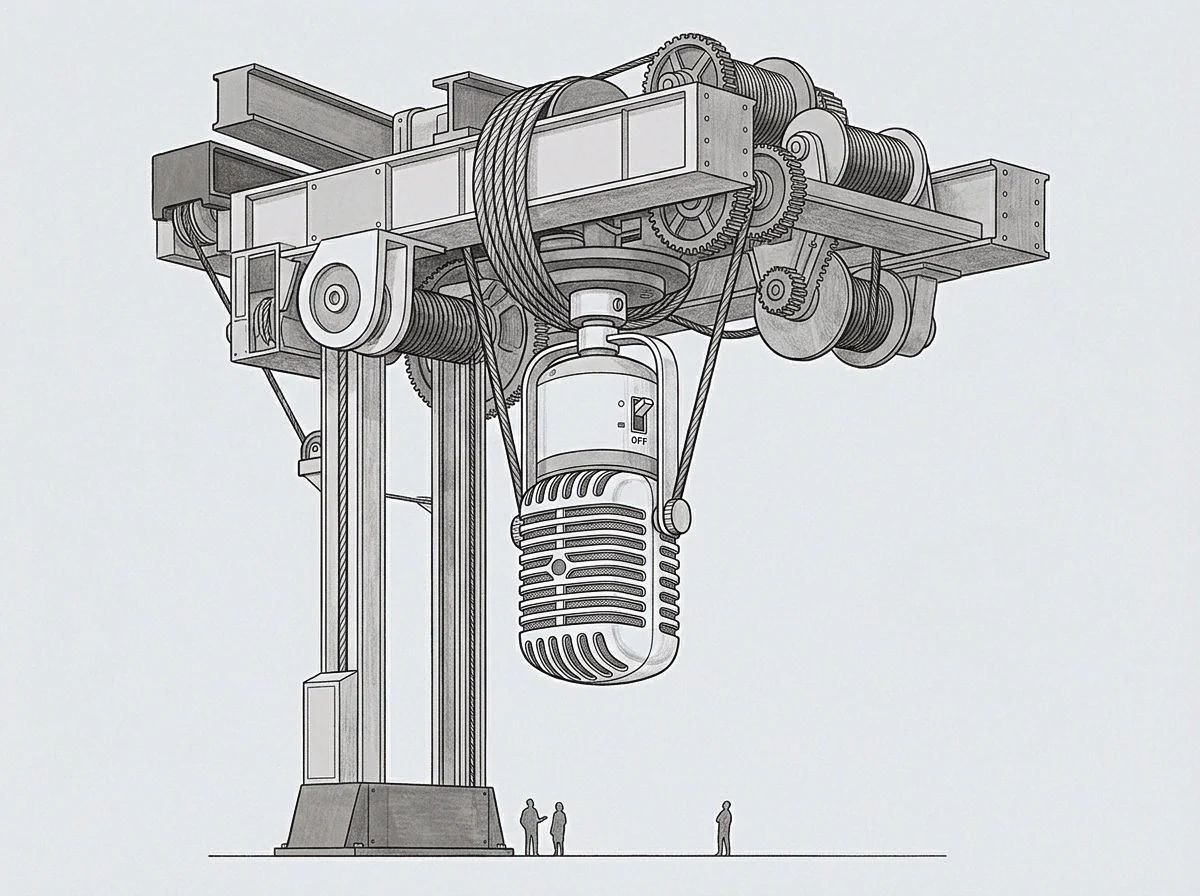
Drain
Physical co-presence alters neural expenditure through autonomic entrainment. Heart rate variability, breathing pace, and muscle tone adjust quietly between bodies near each other. When two people occupy a quiet room, the nervous system under greater stress continuously monitors the physiology of the calmer baseline.
If that baseline stays steady, undemanding, and unconcerned with conversation or tasks, the stressed system registers the environment as secure enough to reduce its vigilance.
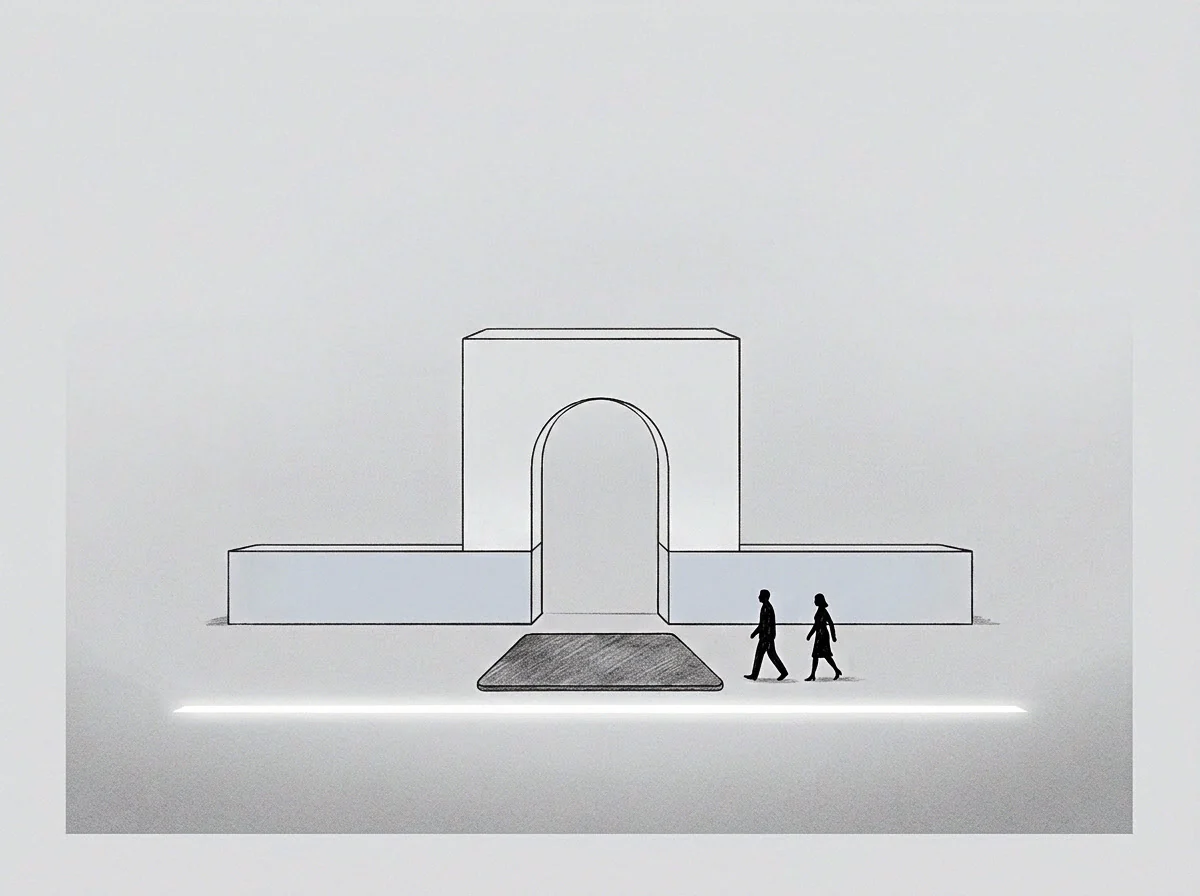
The Mechanics of Low Cost Co Presence
Low-cost co-presence is distinct from structured co-working, strategic sessions, or emotional dialogue. Verbal processing requires substantial cognitive energy. Formulating thoughts, choosing words, managing social impressions, and reading non-verbal cues demand continuous prefrontal engagement.
For someone whose internal template anticipates relational risk, spoken interaction introduces friction that negates the stabilizing effect of physical presence. Sharing quiet space without task requirements eliminates that cognitive burden.
| Operational Criterion | Solitudinous Self-Regulation | High-Demand Collaborative Interaction | Low-Cost Physical Co-Presence |
|---|---|---|---|
| Metabolic Baseline Cost | High expenditure required to maintain baseline alertness in isolation. | Fluctuating expenditure elevated by social monitoring and speech production. | Low expenditure enabled by passive autonomic entrainment. |
| Threat Threshold Setting | Low threshold; system remains hyper-vigilant to minor environmental shifts. | Moderate threshold; attention remains divided between task performance and interpersonal dynamics. | High threshold; presence of quiet stable body signals reduced immediate risk. |
| Receptor Slot Activity | Closed; system relies entirely on internal compensatory mechanisms. | Defensive; input is evaluated for underlying demands, hidden costs, or performance metrics. | Gradually opened; physiological state changes prior to cognitive interpretation. |
| Internal Model Update Rate | Zero update; reinforces solitary self-reliance as sole safety strategy. | Low update; maintains existing operational habits under conversational strain. | High update; creates repeated physical evidence of safe shared space. |
The metabolic shift happens before conscious reframing occurs. When a steady presence remains nearby without demanding performance, the nervous system receives continuous physiological proof that proximity does not trigger an immediate spike in energy cost. Baseline threat sensitivity adjusts downward.
That physical calibration creates the necessary baseline for updating long-standing internal models.
Attempting to reset a relational template through debate, reflection, or deliberate self-analysis changes little. The nervous system holds its baseline threat budget until concrete conditions show that proximity conserves energy. Lacking low-cost proximity across primary working arrangements leads directly to sudden exhaustion, misreading neutral peer behavior, and sustained burnout.
The room stays quiet, yet working beside this person requires far less energy than carrying the operational load alone.
Clock
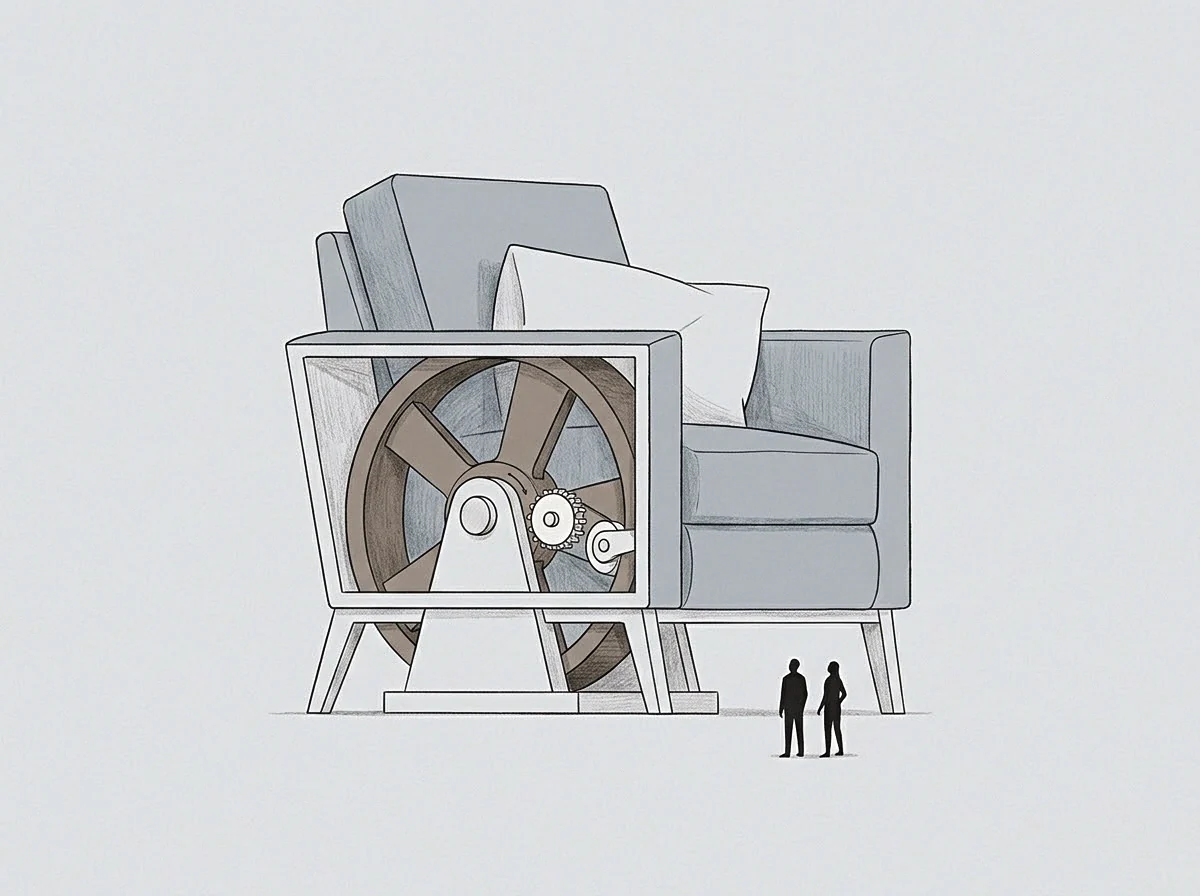
The primary obstacle to updating an internal model is the absence of a receptor slot for support. Take a concrete operational scenario: a founder builds a company over five years under uninterrupted financial pressure, carrying sole accountability for payroll, strategy, and crisis management. In this environment, the founder develops an inverted regulatory template where their own stability acts as the anchor for everyone else while receiving zero external regulation.
The nervous system concludes that showing distress causes operational failure or immediate risk.
The Anomaly of Offered Presence
When someone with this inverted template meets a steady peer who offers unhurried co-presence, the autonomic response is immediate alarm rather than relief. The offer registers as an anomaly that violates the predictive model. The brain reads unearned quiet or calm from another person as the precursor to an unstated demand, an indirect claim on authority, or an impending obligation.
The founder reflexively withdraws, creates physical space, or generates tasks to re-establish the familiar footing of solitary responsibility.
Receptor Slot Absence under Threat
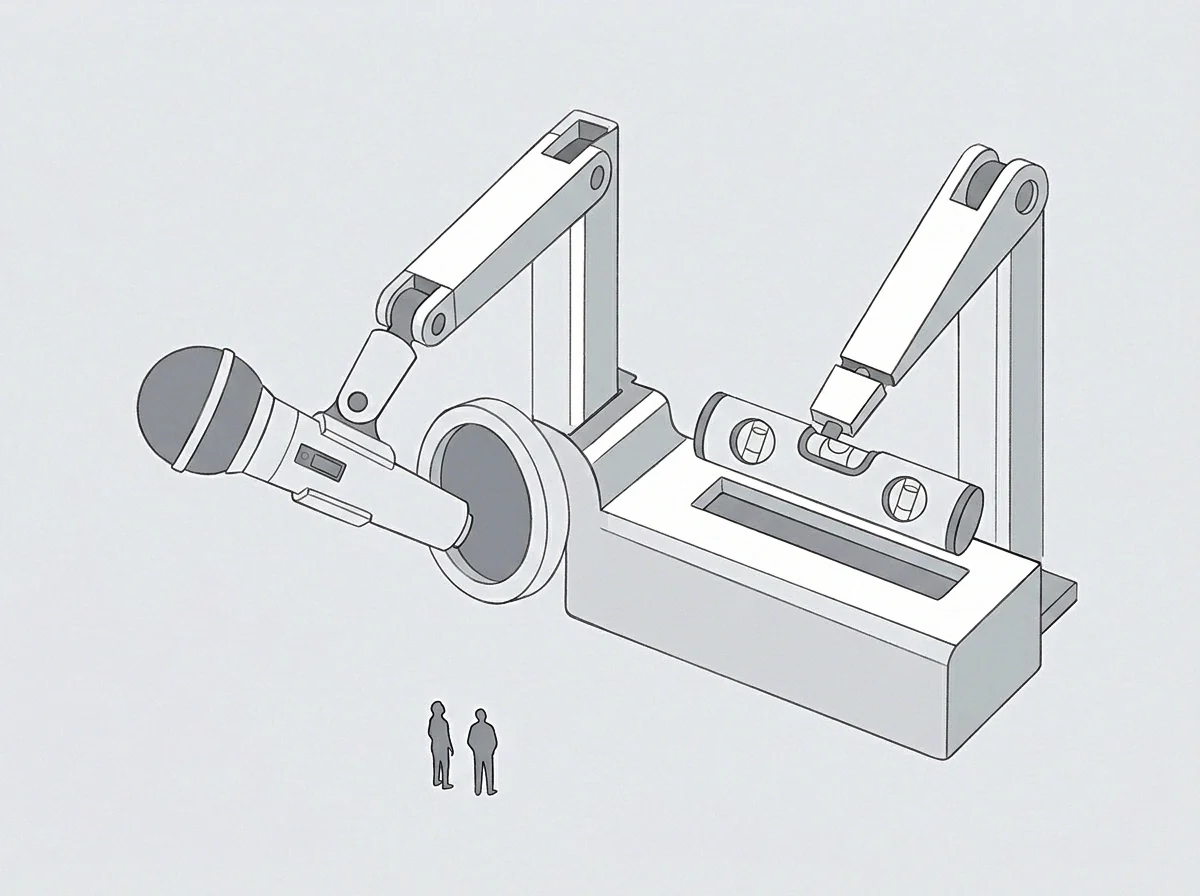
Under these conditions, the founder reads a partner’s quiet presence as a requirement to demonstrate competence. The internal model assumes safety depends entirely on controlling the emotional climate of the room. Sitting beside a calm person prompts an involuntary habit of tracking their posture, expressions, and slight movements for signs of tension or impatience.
The founder burns metabolic capacity attempting to regulate someone who needs no management, neutralizing the benefit of shared space.
A regulatory template formed under prolonged solitary load interprets unearned calm from another person as an operational threat.
Overcoming this friction requires unhurried, recurring exposure. The steady partner maintains a calm physical baseline, does not react to initial withdrawal, and requires no emotional accommodation. They simply work, read, or rest in the room while remaining neutral and accessible.
Hours pass without dramatic discussions or deliberate breakthroughs. The simple consistency of shared quiet gradually reduces the founder’s expectation of an upcoming demand.
For low-cost co-presence to revise an internal model, shared physical time must remain entirely free of performance expectations.

Ledge
Updating an internal model depends on frequent micro-calibrations across ordinary periods rather than sporadic, high-intensity events. Neural pathways adjust to repetition. A single weekend retreat, intense offsite, or pivotal strategic conversation lacks the leverage to shift an ingrained baseline energy budget.
The autonomic system classifies isolated high-intensity events as temporary exceptions to standard conditions. Lasting structural changes take hold through small, predictable data points gathered over routine weeks.
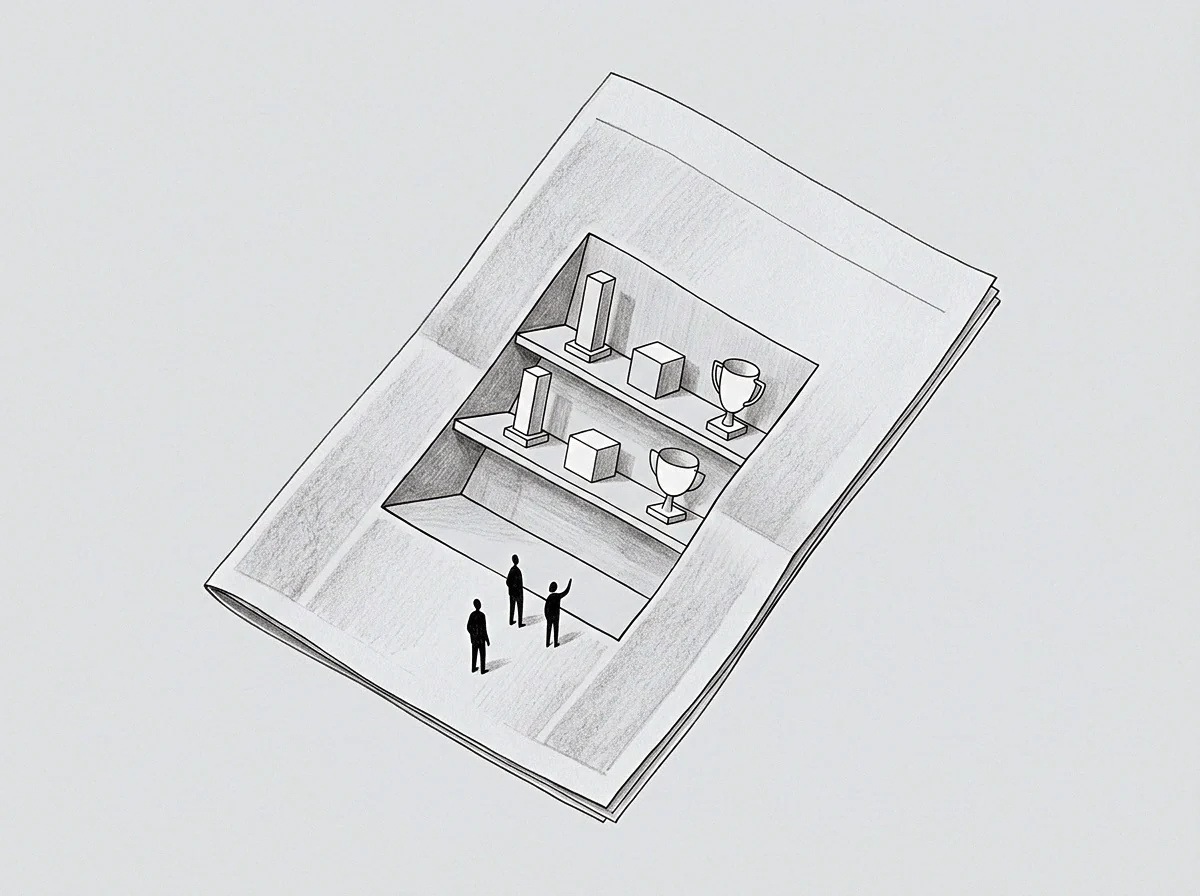
When does physical co-presence overwrite old relational templates?
The shift occurs as repeated low-cost proximity allows the nervous system to experience quiet co-presence across varied settings. These interactions build a secondary template alongside the legacy self-reliant model. Over months, this secondary baseline accumulates enough operational proof to absorb new pressure without reverting instantly to solitary vigilance.
- Unfocused proximity establishes a physical setting where neither person acts as the focus of the other’s attention, reducing evaluation pressure.
- Predictable physical boundaries clarify duration and expectations, keeping the nervous system from anticipating hidden demands or unexpected shifts in dynamic.
- Autonomic transparency permits visible fatigue or strain without prompting corrective intervention, advice, or emotional reframing from the other person.
- Asynchronous presence allows people to occupy the same room while focused on unrelated work, preserving task autonomy alongside physical proximity.
Maintaining these micro-calibrations across six to twelve months alters how the brain allocates energy during crises. When unexpected disruption hits the organization, a founder with an updated template does not automatically retreat into isolation. The nervous system factors the proven reliability of the secondary template into its threat assessment.
The operator remains in direct physical contact with peers, shares the strain of the room, and preserves decision-making capacity without collapsing into solitary defense.
Repeated low-cost proximity alters neural energy budgets faster than analytical insight ever achieves.
Physical presence without operational demand provides the baseline that sustains high pressure.
Anchor
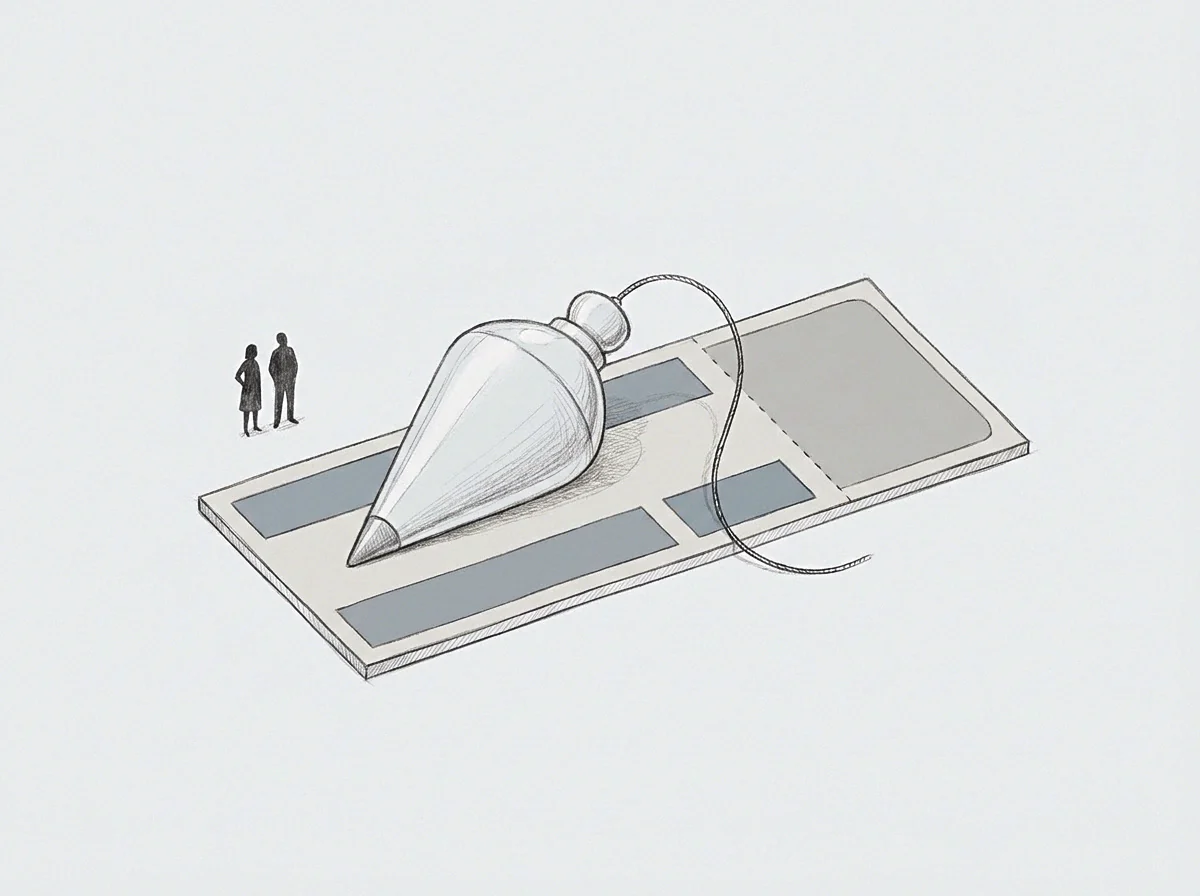
Earned security marks the structural shift from an isolated regulatory stance to a flexible baseline. A person who reaches earned security through steady calibration retains full capacity for independent execution. The gain lies in recognizing when solitary self-regulation makes sense and when shared physical presence carries a lower metabolic cost.
Independence stops functioning as an involuntary reflex and becomes a deliberate choice.
Earned Security Across Operational Lifecycles
Developing this secondary template changes how leadership seats are sustained. Operators who possess earned security establish work environments that reduce unnecessary regulatory strain on their teams. They understand that erratic communications, ambiguous expectations, and volatile rooms consume energy needed for core execution.
In response, they build clear, predictable structures where colleagues can work together in low-cost co-presence.
- The initial phase identifies existing regulatory patterns and tracks the energy cost of operating in isolation under load.
- The second phase introduces deliberate, unstructured co-presence with stable peers, removing performance expectations during shared time.
- The third phase marks the emergence of a secondary template that registers undemanding proximity as stabilizing.
- The final phase integrates this updated template into high-stress cycles, supporting shared regulation through operational crises.
Specific physiological indicators accompany the transition between operating models. Resting heart rate settles during shared quiet work. The reflex to fill silence with strategic commentary or interpersonal management recedes.
The individual reads neutral expressions in colleagues without assuming hidden dissatisfaction or operational risk.
A steady body in an adjacent seat changes the baseline budget of the room before a single word is spoken.
This structural recalibration extends how long an operator can occupy high-stress seats without physical breakdown. The capacity to absorb shocks, resolve complex equity arrangements, execute team restructuring, and manage multi-year initiatives depends on the underlying energy budget of the person in the seat. Replacing solitary vigilance with earned security through low-cost physical calibration ensures that energy expenditure reflects actual operating conditions rather than legacy defense patterns.