
Updating Primary Internal Working Models Through Shared Operational Exposure
Shared operational stress rewires primary internal working models when predictable responsiveness under load replaces individual self-regulation with co-regulation.

Post
A critical database outage occurs at two in the morning, saturating four communication channels simultaneously. The founder sits alone in the office, managing systemic failure while monitoring incoming messages from anxious stakeholders. Across town, an lead operator quietly logs into the infrastructure, diagnoses a corrupted index, and executes a hot-fix without requesting approval or expressing panic.
By dawn, the system stabilizes. The exchange involved zero emotional processing, zero strategic alignment meetings, and zero verbal affirmations. The underlying physiological assessment of reliability between those two individuals alters permanently.
Insight changes nothing. Biological templates update exclusively through operational reality.

Operational Threat and Cognitive Insight
Intellectual awareness of relational dynamics leaves core physiological responses untouched during acute pressure. A founder can read attachment literature, memorize the taxonomy of interpersonal security, and articulate precise theories about trust. The primary internal working model—the subconscious neural script governing whether another person represents safety or incoming demand—operates below linguistic cognition.
The nervous system registers safety through environmental risk distribution, calculating whether a partner reduces metabolic load or increases threat vigilance.
Cognitive reflection fails to alter this calculation because the baseline brain budgets energy based on proximity to proven resources rather than verbal promises. When operational failure hits, theoretical alignment collapses back into historical wiring. An individual raised on self-reliance defaults to solo execution, treating adjacent team members as variables to manage rather than regulatory anchors.
The body registers presence. If that presence fails to absorb actual load, the internal model reinforces its standing premise: survival requires absolute independence.
When two individuals execute shared tasks under acute operational strain, biological regulation shifts from individual self-monitoring to shared proximity baseline, provided responsiveness remains predictable across high-stakes moments.
Shared operational exposure bypasses cognitive defenses by forcing real-time resource allocation under risk. During high-stakes execution, the brain continuously measures whether an associate absorbs operational pressure or reflects it back as panic. When an operator holds a critical line without transferring baseline anxiety, the founder’s threat architecture registers a statistical anomaly.
The neural model receives primary evidence that self-regulation alone is no longer the sole survival strategy.
Attempting to update an internal working model through structured dialogue while avoiding high-stakes collaboration leaves the underlying threat architecture intact, guaranteeing that the first operational crisis will trigger total regression to solo containment.
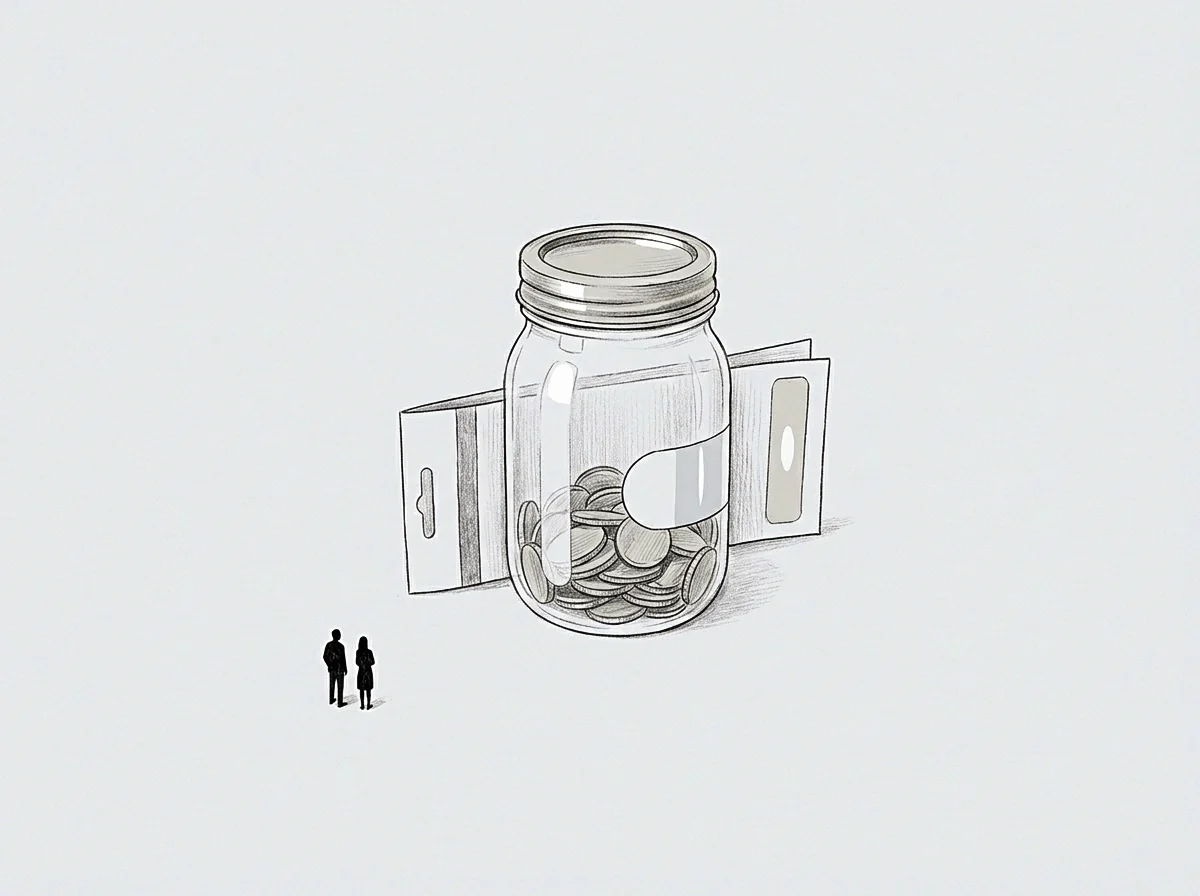
Strain
Human brains evaluate energy expenditures based on physical distance to trusted partners. Under social baseline theory, the mind treats environmental demands as manageable when shared with reliable allies, reserving metabolic assets for higher-order problem solving. When operating in isolation, the brain budgets for worst-case scenarios, elevating baseline stress hormones and locking cognitive resources into continuous threat scanning.
Solo regulation is an expensive biological state.
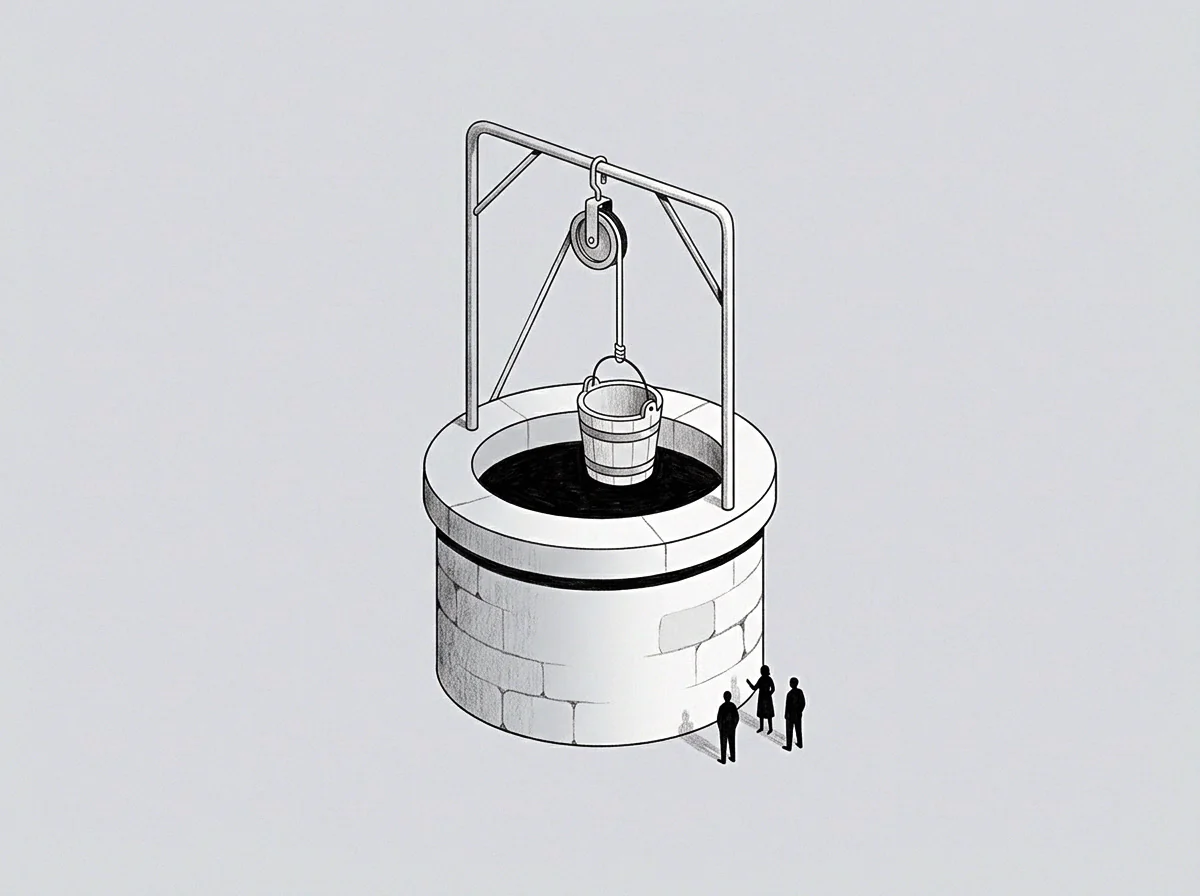
Bioenergetic Budgets in Shared Execution
Self-regulation consumes metabolic resources at a rate that rapidly depletes focus. An isolated operator must regulate emotional responses, monitor operational risks, and execute technical tasks concurrently. Proximity to a steady partner lowers this metabolic toll through co-regulation, allowing neural systems to offload threat monitoring onto the environment.
The physiological cost drops instantly when another person proves capable of holding risk.
Threat alters neural budgets. In a team where partners lack operational confidence in one another, every operational anomaly triggers double-loop verification. The founder audits the operator’s work, the operator anticipates critical oversight, and both expend energy managing mutual friction rather than solving external problems.
Relational debt compounds. The resulting allostatic load strains neural capacity, accelerating exhaustion and narrowing tactical vision.
An unstated availability limit converts incoming operational demands into biological friction, inflating allostatic load across the entire organization.
The table below compares the bioenergetic allocation profiles of solo self-regulation against shared proximity co-regulation during operational crises, illustrating how resource expenditure shifts between threat vigilance and task execution.
| Operational Criterion | Solo Self-Regulation Mode | Shared Co-Regulation Mode |
|---|---|---|
| Metabolic Resource Expenditure | High; continuous glucose utilization to suppress baseline threat scanning | Low; shared baseline reduces systemic cortisol and autonomic activation |
| Cognitive Capacity for Primary Task | Restricted; substantial working memory dedicated to risk surveillance | Expanded; working memory remains fully focused on task resolution |
| Threat Vigilance Latency | Persistent; nervous system remains on elevated alert continuously | Modulated; threat scanning activates only upon explicit operational signals |
| Primary Relational Template Used | Reverse internal model; self as sole regulator under environmental load | Earned security; partner integrated as reliable regulatory buffer |
When operational partners fail to establish biological co-regulation, the resulting expenditure forces team members to treat every incoming task as an existential threat. Capacity drops under isolation. The resulting fatigue is rarely a function of workload alone; it represents the cost of executing heavy tasks while running an unanchored nervous system.
The system was built to handle heavy technical problems, but running it alongside someone whose operational presence increases the monitoring load makes the weight impossible to bear.
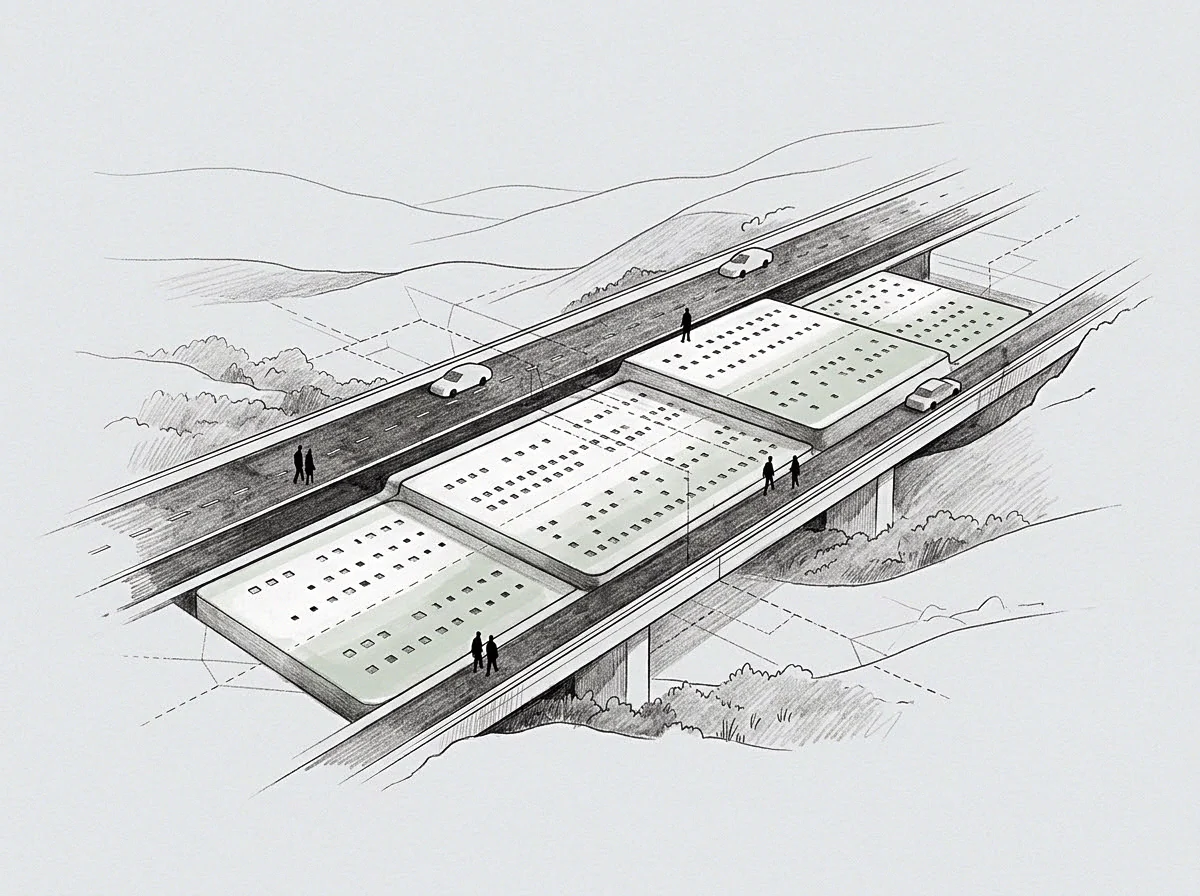
Receptor
An individual who spends years serving as the steady presence for others frequently internalizes a reverse relational pattern. In this dynamic, the person regulates the surrounding environment while operating without a internal receptor slot for receiving regulation from others. They experience their own calm as an operational asset for the firm, while viewing other people’s presence as incoming load.
Offered support registers as an anomaly or an unstated debt.

How Do Insecure Templates Reject Co-Regulation?
Early environments marked by unpredictable support force the developing nervous system to rely entirely on self-soothing strategies. The individual learns to manage internal panic while projecting absolute stability to prevent environmental collapse. When founding an enterprise or taking leadership over a high-stress domain, this pattern translates into structural over-functioning.
The leader absorbs all operational variance, shielding team members from systemic strain while maintaining complete internal isolation.
The covert contract fails. The leader expects ultimate loyalty in exchange for bearing total operational risk, yet rejects authentic offers of operational assistance because accepting aid requires lowering defenses. When an operator offers to take ownership of a critical domain, the leader’s internal working model interprets the offer as a threat to control rather than a relief of load.
The offer lands as noise.
- Attachment to state occurs when team members align with a leader’s calm posture while remaining completely unaware of the metabolic strain required to maintain that front.
- Borrowed regulation allows partners to stabilize their own nervous systems against the leader’s steady baseline without contributing to the leader’s energy reserves.
- Regulator overloading develops as the steady individual attracts increasing operational demand from downstream team members who register the leader as an endless energy sink.
- Slot absence prevents the leader from internalizing actual support, ensuring that even genuine acts of partner competence fail to update the primary working model.
The baseline settles. Breaking this reverse template requires experiencing high-load operations alongside a partner who refuses to allow the leader to absorb all risk. The baseline settled state cannot be produced through self-talk; it requires repeated exposure to an associate who holds their assigned sector under pressure without transferring their regulation duties back to the center.
The regulator who bears high load without receiving presence eventually treats every offer of assistance as incoming demand.
A regulator who operates indefinitely without a functional receptor slot eventually converts all relational proximity into professional debt.
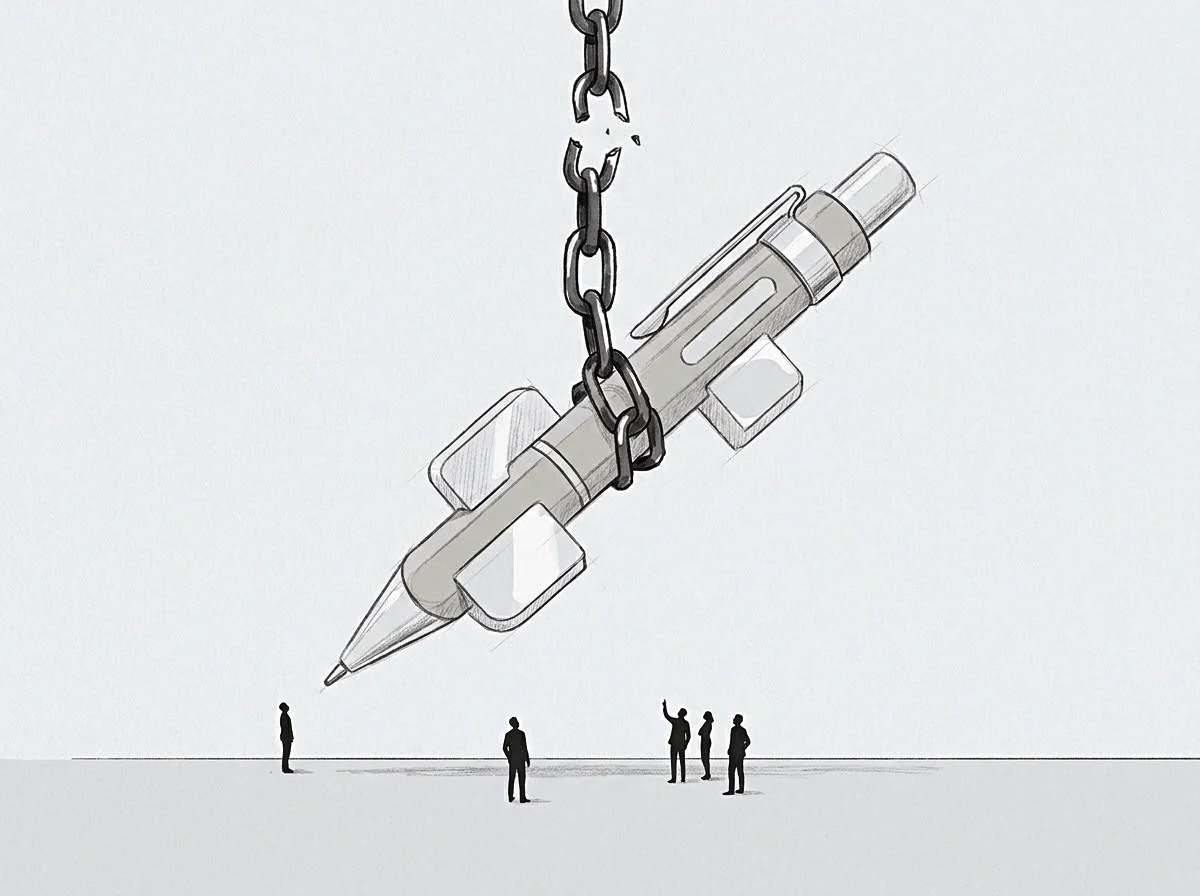
Proof
Relational trust advances through concrete behavioral evidence logged during periods of heavy load. Theoretical reliability means nothing to a nervous system shaped by historical instability. The primary internal working model demands empirical demonstration under stress before it adjusts its risk calculations.
Earned security forms through this process: a secondary relational template built over time through shared operational exposure that gradually overrides early insecure patterns.
Predictable Responsiveness Under Acute Stress
The neurological system monitors whether an associate delivers on commitments during high-stakes moments. Predictable responsiveness requires clear operational boundaries and consistent execution when variables turn hostile. If an operator promises to manage a product deployment and delivers on schedule without requiring emotional holding or managerial intervention, the founder’s neural architecture logs a data point that contradicts historical self-reliance assumptions.
Presence replaces calculation.
This biological update requires exposure to real operational consequences. Simulated stress exercises and low-stakes tasks fail to activate the underlying threat architecture. The primary template updates only when failure carries actual costs and the partner nonetheless maintains composure, executes their role, and remains responsive.
Over time, these repeated operational successes create an empirical counter-narrative to early insecure expectations.
Walk Forward of Shared Exposure Under Strain
Consider two founders who launch a firm with an unstated agreement regarding technical availability. Assume the technical founder holds complete responsibility for infrastructure stability, while the commercial founder manages client acquisition and board relations. Assume further that the technical founder operates under an insecure internal model, expecting eventual abandonment during systemic crises.
In month fourteen, a major security breach compromises client data during a capital raise. The crisis creates massive operational strain, threatening the firm’s survival. Under the old template, the technical founder would expect the commercial partner to deflect blame, withdraw engagement, or issue unilateral demands.
Instead, the commercial founder steps into the crisis room, accepts public responsibility for client communications, establishes a strict operational boundary around the technical team, and works twenty-hour days alongside the engineering group without expressing panic or demanding constant reassurance.
The technical founder monitors the commercial partner’s behavior for signs of defection. None materialize. The commercial partner delivers on every hourly update commitment, handles hostile media inquiries without transferring panic to the technical team, and maintains a steady baseline presence throughout the fourteen-day remediation window.
The technical founder’s nervous system receives primary evidence that alters its risk calculations. The commercial partner did not merely perform a job; they remained predictably responsive under existential threat. This shared operational exposure forces the technical founder’s internal working model to register a new category: a partner who remains steady and engaged when the operational floor drops.
Energy stays unspent. The energy previously reserved for monitoring partner defection shifts directly into system optimization.
A founder rarely updates an internal working model during calm strategic reviews; the re-calibration occurs when an operator holds a critical line at three in the morning without renegotiating terms.
When operational execution persistently matches stated commitments across multiple high-stakes cycles, the primary internal working model relinquishes its baseline assumption of absolute isolation and integrates the partner as a genuine biological asset.
Shift
Updating an internal working model alters how an individual allocates operational attention across projects. When earned security replaces solo containment, the physiological cost of organization drops. The leader no longer monitors every subsystem for potential failure, nor do they treat associate initiative as a threat to control.
The enterprise shifts from a centralized threat-containment structure to a distributed execution network anchored by mutual co-regulation.
Structural Earned Security in High-Load Systems
Long-term collaboration stabilizes when both parties establish explicit operational limits and honor them under load. Earned security does not imply boundless availability; it relies on clear, predictable boundaries. A partner who states their capacity limits accurately under calm conditions and maintains those limits during crises provides a more stable anchor than a partner who promises infinite availability and collapses under strain.
Predictability drives security.
The transformation from an insecure baseline to structural earned security follows a systematic progression across operational cycles:
- Identification of historical default responses during minor operational disruptions
- Establishment of explicit, non-negotiable availability terms and crisis protocols before high-load events occur
- Execution of high-stakes shared tasks where both parties adhere strictly to assigned operational roles
- Observation of partner stability and predictable responsiveness when external pressure reaches peak intensity
- Gradual reduction of baseline surveillance mechanisms as empirical trust overrides theoretical suspicion
- Integration of shared co-regulation patterns into daily organizational workflows and decision-making structures
The template shifts slowly. Transitioning an organization from individual over-functioning to shared co-regulation requires enduring the initial anxiety of releasing control. When a leader steps back and allows an associate to manage a critical operational node, the leader’s legacy internal model predicts immediate failure.
Remaining in the room without intervening requires immense bioenergetic restraint. Responsiveness creates safety. Once the associate successfully resolves the crisis, the leader’s threat architecture adjusts, establishing a new operational baseline.
Operators bear acute load. As these updated models stabilize across the leadership layer, the firm’s overall allostatic load declines. Team members spend less energy managing relational ambiguity and more energy addressing technical challenges.
The organization stops consuming its own metabolic reserves in internal friction, directing its unified capacity toward external objectives.
How long can an organization maintain operational efficiency when its core leadership layer continues to run on legacy self-reliance models that treat internal co-regulation as an unacceptable system risk?