
Internal Working Model Inversion In Founders Under High Autonomic Load
Inverted internal working models force founders under high autonomic load to regulate everyone around them while blocking incoming co-regulation.
Circuit
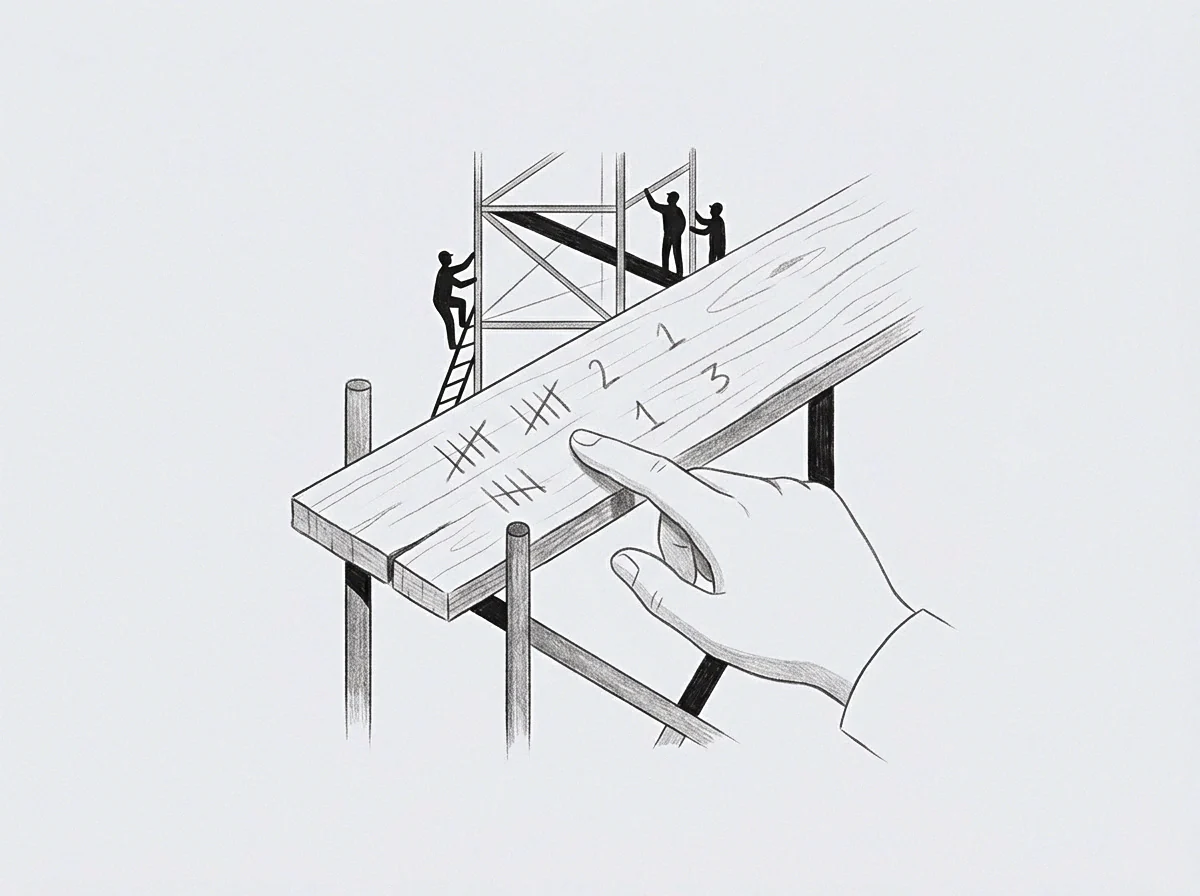
Four communication channels remain active at eleven on a Thursday night while five operational issues compete for attention. The chief technology officer sends a message about server stability, the head of product requests immediate sign-off on release terms, and an investor asks for adjusted burn projections before morning. The founder sits at the desk with an elevated heart rate, reduced heart rate variability, and a sympathetic nervous system operating at capacity.
Each incoming signal arrives as an urgent demand for direction. The team members messaging the founder do not perceive an exhausted operator. They observe an unyielding presence and recalibrate their own physiological regulation against that perceived stability.
The team borrows calm from the founder, using the founder as a social baseline to reduce their own uncertainty and autonomic expenditure.

The Economy of Shared Autonomic States
Mammalian nervous systems allocate metabolic resources based on the physical and relational presence of trusted conspecifics. Social baseline theory establishes that the brain treats proximity to reliable financial, operational, or emotional partners as the baseline condition for risk management. When a reliable partner is present, environmental monitoring costs drop, hypothalamic-pituitary-adrenal axis activation declines, and glucose consumption decreases.
Self-regulation without an external reference point constitutes the metabolic high-cost mode of human survival. In an organization, executive teams naturally treat the founder as the primary social anchor. The founder absorbs operational noise, settles strategic variance, and projects structural predictability.
The executive team conserves regulatory energy by offloading systemic risk onto the founder’s state. The team stays composed because the founder appears composed. The founder pays for that collective composure with personal metabolic reserves.
Absorbing operational instability from three executives simultaneously raises heart rate variability suppressing reserves within two hours.
The metabolic draft drawn by an executive team creates a continuous drain on the founder. When a leader acts as the central regulator, every interaction becomes an energy transfer. Team members leave one-on-one meetings feeling grounded, clear, and focused.
The founder leaves those same meetings with cumulative allostatic load on energy and attention. The brain budgets threat based on available regulatory assets. As long as the founder appears capable of carrying the organizational strain, the team continues to transfer regulatory demands upward.
The founder becomes a high-capacity lightning rod for enterprise anxiety.

Internal Working Model Construction Under Threat
Attachment research demonstrates that early relational experiences build an internal working model, an implicit neural script that predicts how responsive others will be during periods of acute distress. Under normal physiological conditions, a secure internal working model contains a functional receptor slot for care. The individual anticipates that expressing vulnerability will invite supportive co-regulation from a competent adult.
The cycle moves from distress to signal, signal to response, and response to physiological restoration. This cycle trains the nervous system to expect external comfort when internal capacity fails.
Founders operating under prolonged autonomic stress experience a radical inversion of this relational script. When childhood environments demanded that an individual manage parental mood, mediate household conflict, or exhibit premature emotional self-sufficiency, the internal working model develops backwards. The child internalizes a template where safety depends entirely on personal emotional control and outward competence.
Regulating oneself and regulating others merge into a single operation on one template. The person becomes the primary regulator for the room while eliminating any expectation of receiving care. Under sustained adult startup load, this latent backward template reactivates completely.
The founder does not seek a social baseline. The founder becomes the social baseline for everyone in the building while forfeiting personal access to external regulation. The founder who runs this backward template continuously under enterprise strain converts every offered gesture of support into an additional operational load, guaranteeing physiological exhaustion across the executive suite.

Conduit
Prolonged physiological activation transforms how the human brain interprets relational proximity and incoming assistance. When allostatic load remains elevated for months, the nervous system prioritizes immediate survival mechanisms over relational connection. The prefrontal cortex loses headroom, executive functioning narrows, and amygdala reactivity increases.
Under these specific conditions, the inverted internal working model operates without opposition. The founder no longer perceives team members, co-founders, or personal partners as sources of relief. Every human interaction converts into a transaction of effort where the founder maintains composure, delivers clarity, and absorbs emotional volatility.
The presence of another person registers biologically as a threat to remaining metabolic reserves.
Attachment Inversion in High Autonomic Load
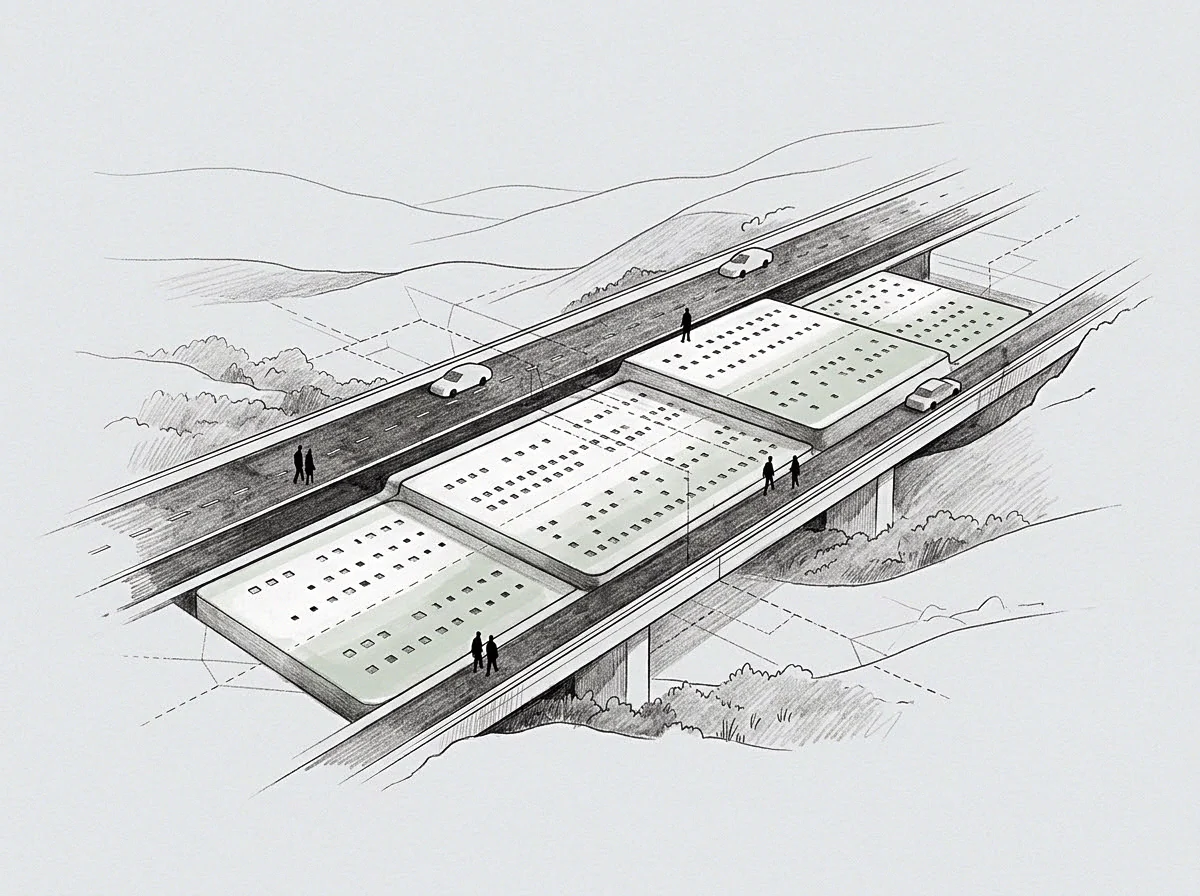
The core mechanism of internal working model inversion rests on a shift in the self-other regulation axis. In standard relational development, an individual uses self-regulation when alone and co-regulation when in proximity to trusted partners. Inversion flips this functional logic.
When autonomic load crosses personal capacity thresholds, self-regulation becomes the only mode the founder trusts to preserve enterprise stability. The founder interprets co-regulation as an operational risk. Allowing another person to see internal strain feels like surrendering control of the enterprise.
The founder assumes that displaying weakness will panic the leadership team, destabilize investor confidence, or trigger operational collapse.
This perceptual distortion creates a profound relational paradox. The more strain the founder experiences, the tighter the founder closes internal feedback loops. The founder projects an aura of extreme capability, hyper-responsiveness, and unflappable calm.
Executive team members, observing this apparent strength, conclude that the founder possesses unlimited bandwidth. They respond by escalating the frequency and complexity of the problems they bring to the founder’s desk. The founder’s outward display of mastery attracts the exact operational volume that guarantees internal collapse.
When autonomic strain reaches saturation, an inverted internal template converts incoming offers of support into demands for operational management.
The Absence of the Receptor Slot
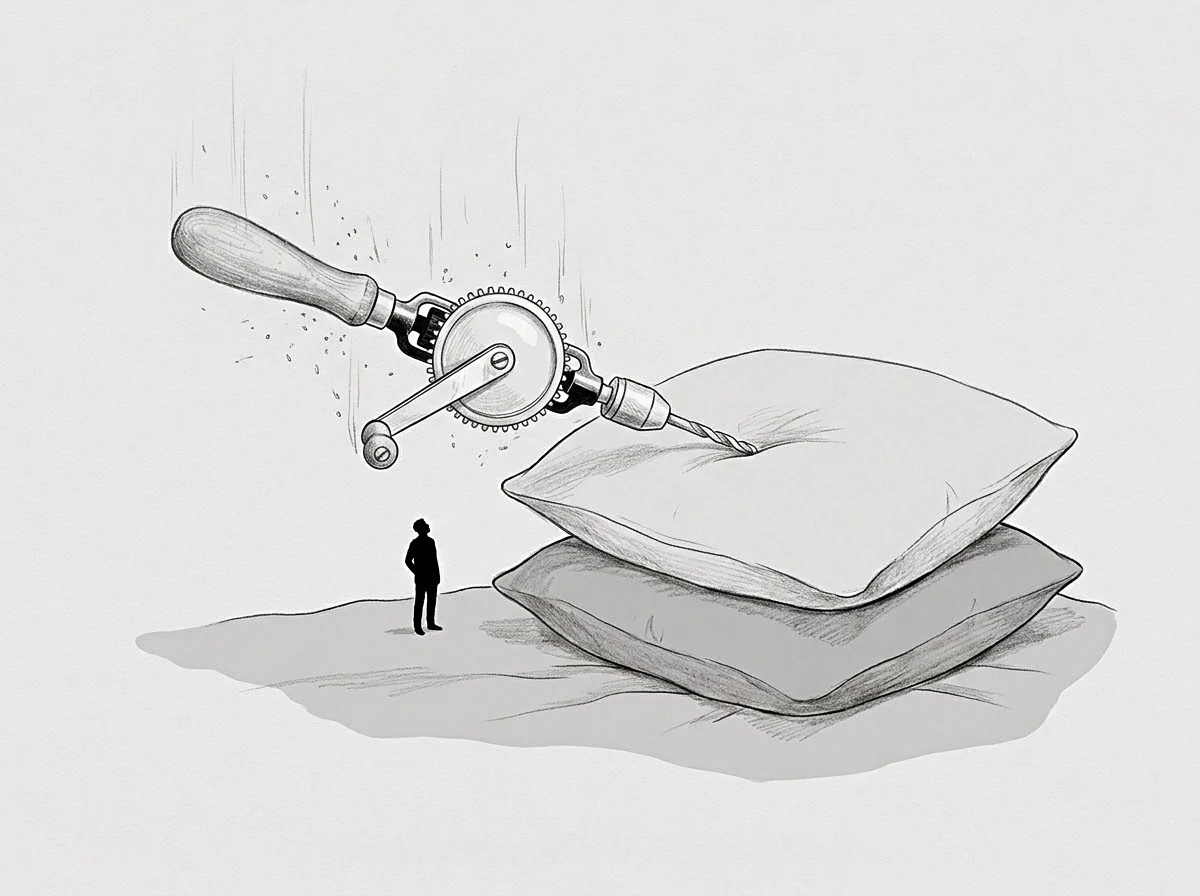
The functional mechanics of an inverted working model eliminate the psychological slot required to receive help. When a well-meaning executive, board member, or partner asks how they can support the founder, the question fails to find a landing pad. The founder’s neural template contains no active routine for offloading burden onto another human being.
The nervous system reads the offer as an incomplete task or an implicit critique of current management performance.
The founder responds to offers of care with operational deflection or immediate task assignment. If a partner offers quiet presence, the founder feels compelled to entertain or reassure the partner. If an executive offers to take over a critical project, the founder worries about quality degradation and spends additional metabolic energy supervising the delegation.
The receptor slot remains sealed. The founder remains trapped inside an architectural loop where being seen means being tasked, and being loved means being responsible for the other person’s emotional state.
The founder appears fine, maintains that everything remains under control, and reacts with irritation whenever anyone inquires about the operational strain.

Bench
Evaluating enterprise regulation structures requires examining how different operating arrangements distribute autonomic strain across executive teams. Consider a worked situation involving two technology companies at identical revenue stages, each employing twenty-five staff members and navigating an eighteen-month runway constraint. Assume both founders possess high technical competency and report baseline work hours of sixty-five hours per week.
The critical variance between these two operational environments lies entirely in the structure of their interpersonal regulation boundaries and communication protocols.
In Company A, the founder operates under an unthrottled co-regulation model. Communication channels remain open twenty-four hours a day, direct reports access the founder without scheduled friction, and decision sign-offs pass through the founder’s desk continuously. In Company B, the founder operates under an explicit capacity throttling structure.
Communication happens in structured daily batches, direct reports hold defined decision authority within strict financial boundaries, and deep work blocks remain protected from incoming signals. The metabolic expenditure and operational outputs of these two environments demonstrate the distinct physiological taxes imposed by inverted internal working models.
| Operational Criterion | Unthrottled Regulation (Company A) | Throttled Regulation (Company B) |
|---|---|---|
| Continuous Availability Window | 16 hours daily across multiple asynchronous platforms | 4 hours daily constrained to designated operational slots |
| Executive Team Regulation Mode | Direct regulation off founder’s immediate physiological state | Autonomous regulation guided by explicit delegation rules |
| Founder Heart Rate Variability Suppression | 42 percent reduction from personal baseline across working hours | 12 percent reduction from personal baseline across working hours |
| Weekly Operational Escalations to Founder | 38 high-priority interventions required per week | 6 high-priority interventions required per week |
| Receptor Slot Functionality | Sealed; offers of help convert to supervisory tasks | Functional; delegated authority absorbs operational load |
| Executive Turnover Rate over 18 Months | 35 percent annual turnover in key direct reports | 8 percent annual turnover in key direct reports |
The comparative data reveals that continuous operational availability does not increase organizational throughput. Unthrottled regulation forces the founder to act as the sole biological anchor for the entire enterprise, creating a single point of emotional and strategic failure.
A founder who registers presence as an additional obligation turns every operational offer into an autonomic drain.

Which Autonomic Thresholds Drive Attachment Inversion?
Nervous system research identifies specific physiological indicators that mark the transition from normal self-regulation to inverted relational wiring. When basal cortisol levels remain elevated for longer than twelve consecutive weeks, resting vagal tone decreases significantly. This reduction in parasympathetic control compromises the social engagement system, reducing the capacity to decode soft social cues, facial expressions, and prosody.
The brain shifts from a social engagement orientation to a mobilization or immobilization orientation.
At this specific autonomic threshold, the founder stops interpreting human connection as safety. Proximity to team members triggers subtle sympathetic activation rather than soothing. The neurological mechanism involves the dorsal vagal and sympathetic pathways overriding the ventral vagal circuit.
When ventral vagal tone drops below critical baselines, co-regulation becomes neurophysiologically impossible. The founder cannot feel calm in the presence of another person, regardless of how safe, supportive, or competent that person is. The nervous system locks into an isolation protocol to preserve core systemic functioning.
When working models invert under extreme operational stress, specific behavioral failure modes emerge across the founder’s daily interactions:
- Hyper-competence masking involves maintaining immaculate professional outputs while internal cognitive processing speed drops due to autonomic exhaustion.
- Reflexive assistance rejection occurs when the founder automatically declines offers of operational support before evaluating their practical feasibility.
- Continuous state absorption describes the founder passively taking on the ambient anxiety of direct reports during routine status updates.
- Relational withdrawal manifests as cutting off informal non-operational interactions with peers, board members, and family to conserve remaining attention.
The contract remains unstated. If autonomic load remains above critical thresholds without structural mitigation for six consecutive months, the inversion shifts from a temporary state to an enduring trait, locking the founder into perpetual solo regulation regardless of future capital or team size.
Harness
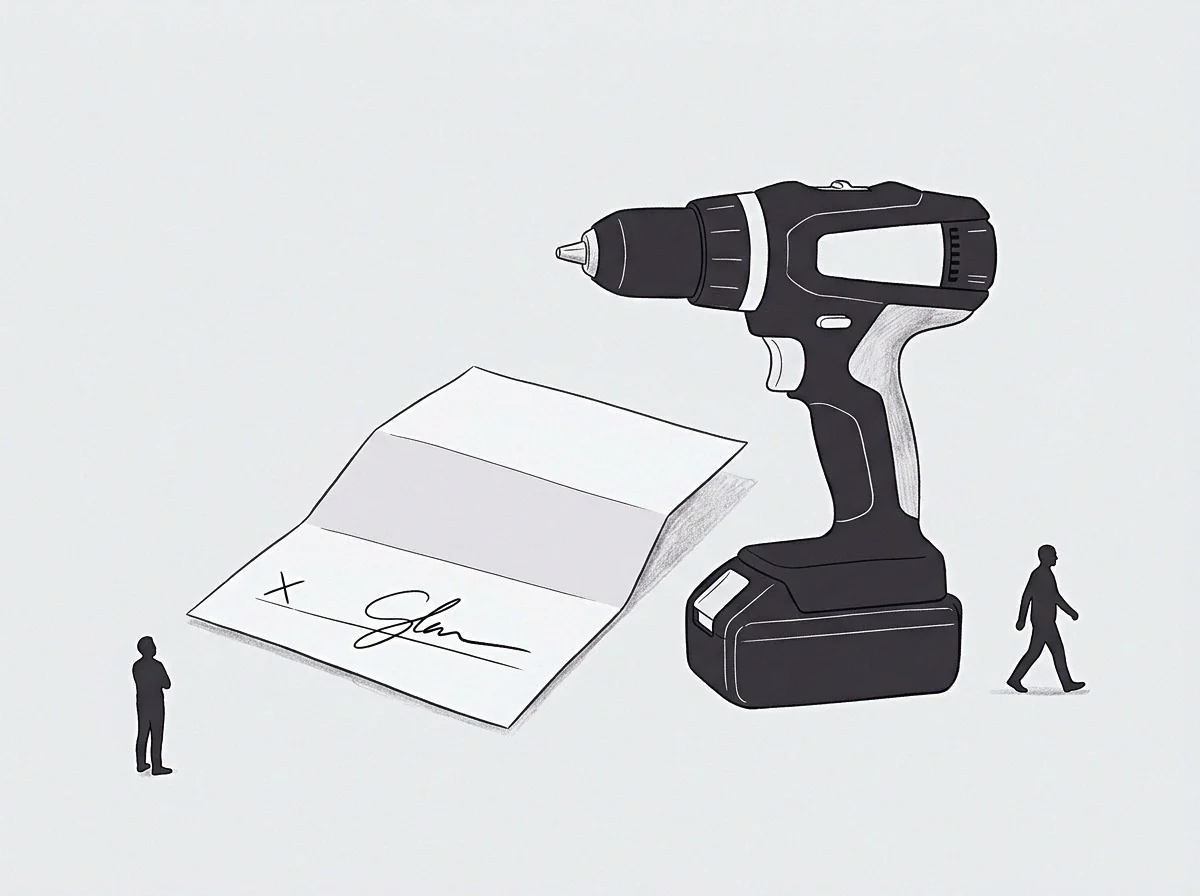
Reversing the physiological tax of an inverted working model depends on concrete structural constraints. Cognitive insight alone leaves sympathetic tone unchanged. The autonomic nervous system responds exclusively to environmental safety, explicit boundaries, and repeated physiological experiences of reduced threat.
To alter how an enterprise founder processes load, the surrounding operating environment isolates the operator from incoming demands forcefully.
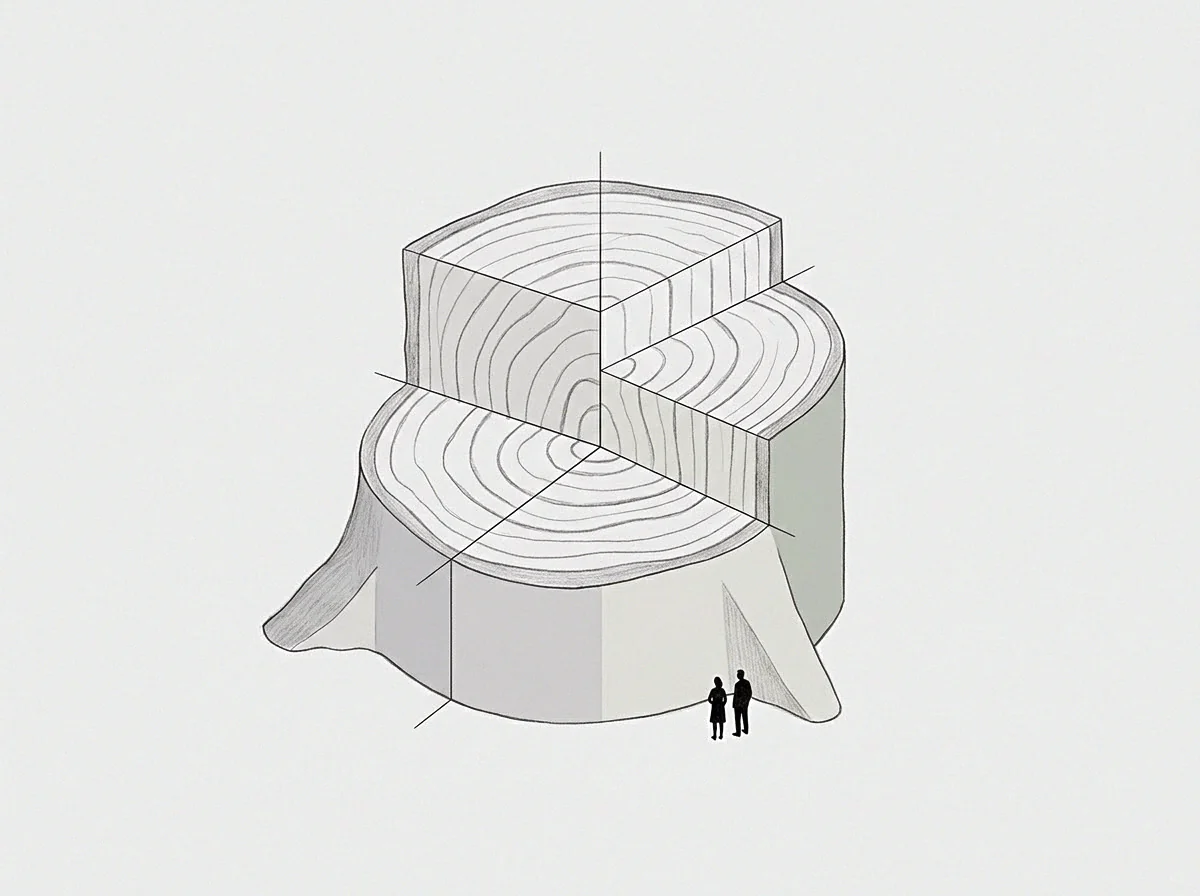
Structural Limits and Capacity Throttling
The primary intervention for high autonomic load involves placing structural dams on communication channels. Founders operating with inverted templates cannot rely on internal signals to say no or step back. Because their baseline template equates personal boundary enforcement with relational failure, they will accept incoming tasks until total collapse occurs.
Structural throttling removes individual discretion from the equation by setting fixed operational gates.
An executive assistant or chief of staff can enforce an absolute shield around the founder’s schedule. Meeting times are capped at three hours per day, communication tools are muted during deep work windows, and escalation criteria are put in writing. The founder does not evaluate whether to answer a message; the protocol determines that the message cannot reach the founder until a designated batch window opens.
Establishing hard availability gates converts continuous nervous system strain into predictable operational batching.

The Stated Boundary as an Autonomic Dam
When explicit boundaries are established, the founder’s nervous system initially experiences intense discomfort. The inverted template interprets setting limits as a dangerous reduction in oversight that invites enterprise destruction. This initial surge of anticipatory anxiety subsides over time as the organization demonstrates stability.
As the company continues to function despite reduced founder availability, the nervous system receives real-time empirical evidence that safety does not depend on continuous personal hyper-vigilance.
Implementing an effective autonomic throttling structure requires a deliberate sequence of operational shifts across the leadership layer:
- Audit communication channels to quantify the exact volume of asynchronous interruptions reaching the founder during peak focus hours.
- Establish decision thresholds that explicitly grant direct reports complete authority over financial and operational choices below specified dollar amounts.
- Institute asynchronous batching by restricting status updates and non-urgent sign-offs to two dedicated one-hour time slots each day.
- Create emergency protocol criteria defining the exact conditions under which a team member may bypass standard availability gates.
A limit stated clearly before strain reaches ceiling preserves capacity far longer than an open-door policy managed by sheer willpower.

Slot
Long-term recovery from internal working model inversion depends on building earned security. Earned security establishes a parallel neural path alongside original childhood wiring, offering alternative behavioral choices during high-stress episodes. Building this secondary pathway requires sustained exposure to environments where vulnerability does not result in operational chaos or relational abandonment.

Developing Earned Security Through Repeated Experience
The formation of a functional receptor slot happens through microscopic relational moments over extended periods. The founder experiences revealing a deficit, weakness, or operational miscalculation to a trusted peer, partner, or executive, and witnesses that person responding with calm competence rather than panic or demand. When the other person remains steady, the founder’s nervous system records an unprecedented input.
The brain notes that exposure did not cause enterprise destruction or relational loss.
This empirical input recurs dozens of times before the inverted template loosens its grip. Intellectual insight gained through reading, reflection, or isolated therapeutic sessions cannot achieve this rewiring on its own. The autonomic nervous system demands somatic proof.
The founder physically sits in a room, states a real limit, drops a real burden, and observes the surrounding environment remaining stable. Over time, the neural architecture expands to accommodate co-regulation as a viable survival strategy.
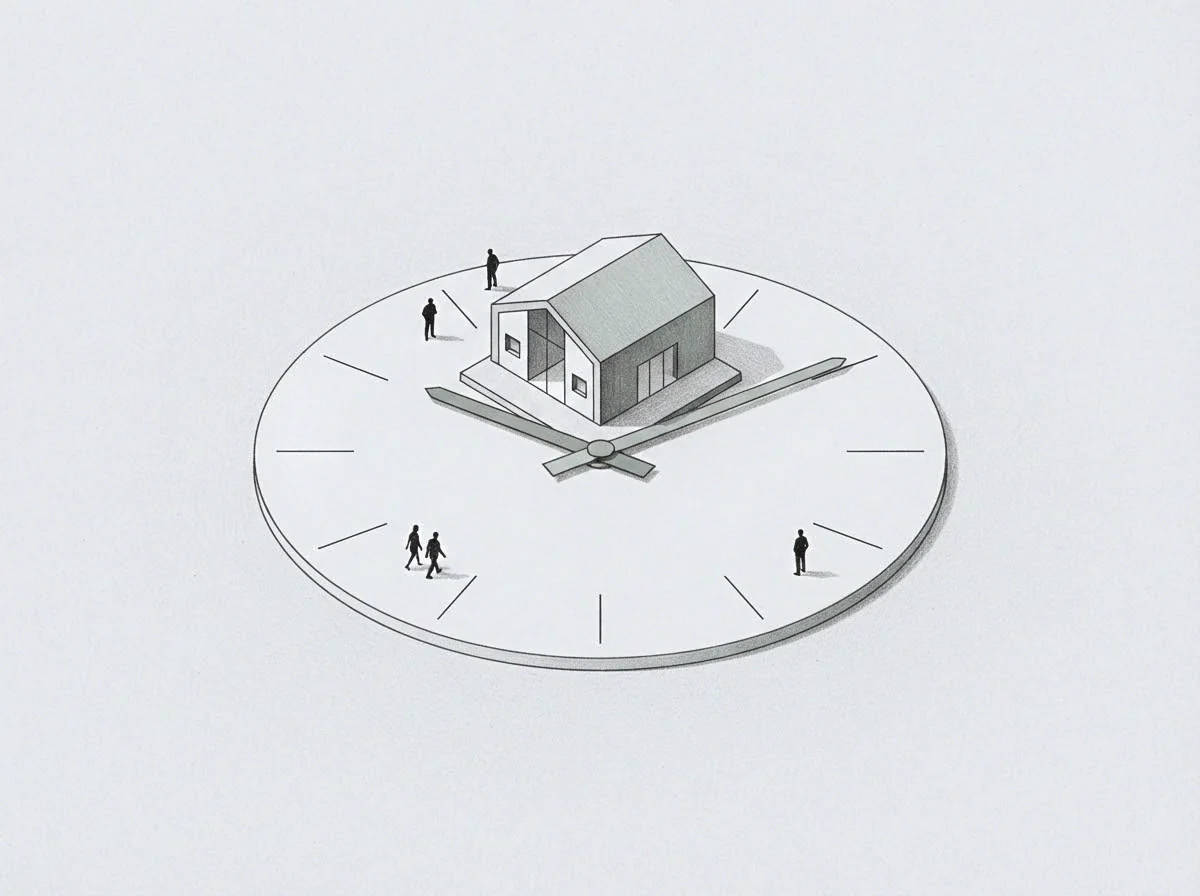
The Delta Over Time in Relational Wiring
Measuring progress in earned security involves tracking the delta over time between an autonomic trigger and the founder’s operational response. Early in the update path, the founder feels the familiar impulse to take over a failing project, work through the night, or mask internal exhaustion. Earned security creates a growing temporal gap between the initial sensation and the subsequent operational action.
In that gap, the founder chooses to trust a team member, enforce a boundary, or request assistance.
As the secondary template strengthens, the founder’s operational footprint fundamentally shifts. The founder transforms from an unthrottled biological shock absorber into a structured organizational architect. Direct reports step up to fill delegation voids, enterprise resilience increases, and the founder’s baseline heart rate variability normalizes.
The receptor slot opens, allowing true co-regulation to enter the founder’s executive reality for the first time in their operational life. How many consecutive cycles of sustained safety will a deeply inverted nervous system take before the default impulse to regulate alone quietens completely?